An apprenticeship meeting today and a nice walk in the woods of Frankendael, to find Wild garlic (Allium ursinum) and other plants popping up from beneath the snow.
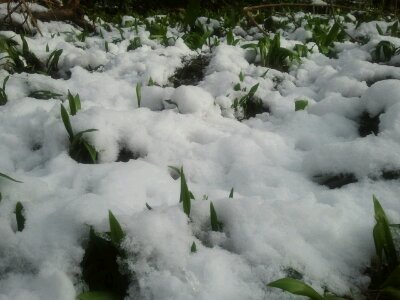

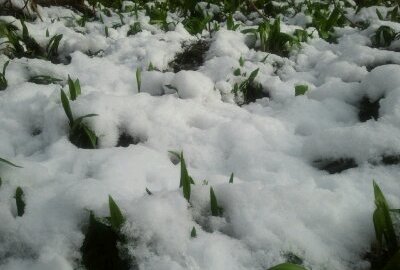
An apprenticeship meeting today and a nice walk in the woods of Frankendael, to find Wild garlic (Allium ursinum) and other plants popping up from beneath the snow.

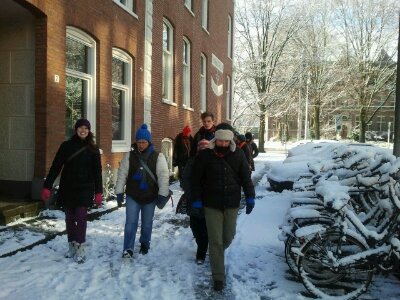
Today was the first meeting of the first River of Herbs course. We Al gathered in Oosterpark, sure some wild garlic bread sticks, tried to stay warm and liked at ways to get started with urban herb gardening that can benefit people and pollinating insects. It was so beautiful, snowy, bright and I was amazed that all but a couple of booked-on people turned up!
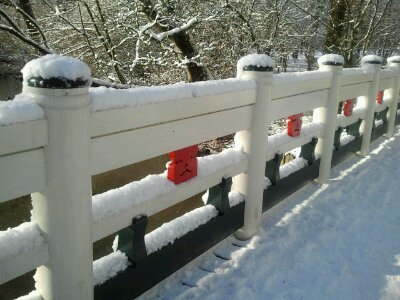
Have a look at riverofherbs.org for further information, to download the booklet every one received today and to get involved.
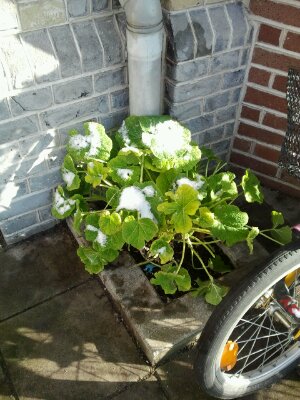
Here’s a snowy but thriving Hollyhock (Alcea rosea) photo, on the Middenweg as I travelled home from the meeting. I think this of the perfect urban herb for Amsterdam!

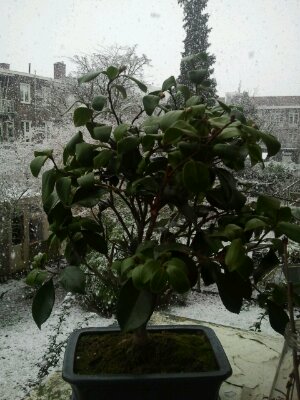
It snowed here again today. Here’s my balcony Tea plant (Camellia sinensis), standing up well to the changable weather.
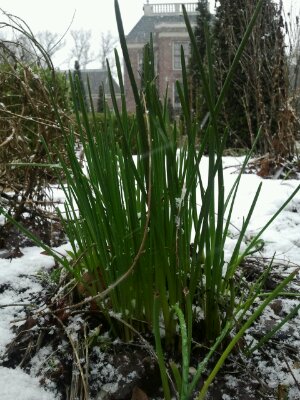
A patch of Chives (Allium schoenoprasum L. )
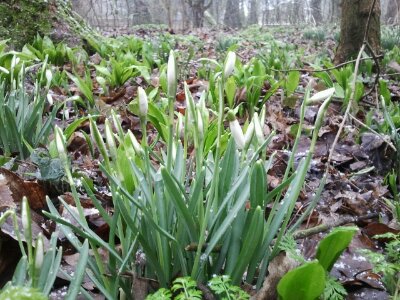
And developing Wild garlic (Allium ursinum) behind a pretty clump of non-edible snowdrops.

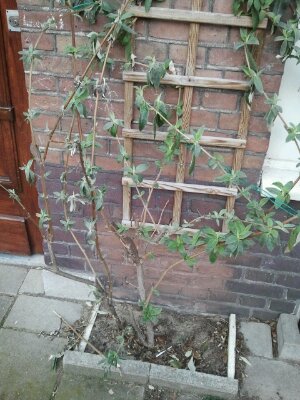
Buddleia shrubs are a favourite of local insects, butterflies being the most obvious when summer comes. They also grow easily and where there is one bush you’re likely to find many tiny offspring in pavement edges and plant pots. But the plant is apparently not edible or medicinally useful , a pity! It can be used to produce natural plant dyes. I’ve read some reports that rather than helping insects our even being particularly attractive to them, Buddleia may take over space from really beneficial plants. I’m not too sure about that as I recall many days, standing close to the plant and counting the butterflies on it. They appear to love it.
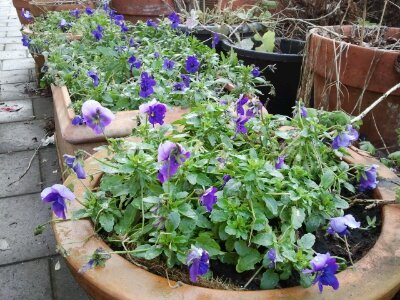
Another of my favourites is the humble Pansy. It can be used interchangeably with the herb Violet.
These are a few of the herbs I found today in and near Oosterpark, whilst I had a look around in preparation for Sunday’s River of Herbs meeting which will begin there.
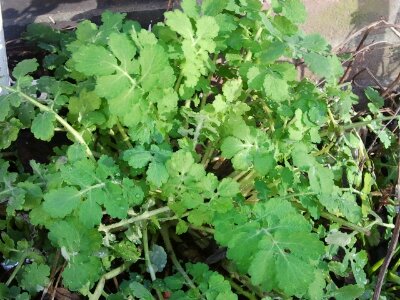
Greater celandine – useful but not edible. The orange sap is toxic to skin or internally.

Mostly forgotten, the mundane evergreen Daisy. Here looking well-trampled in the park but very alive and useful as a wound herb.
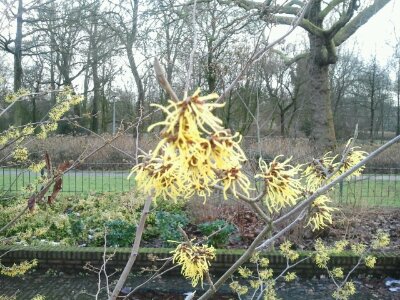
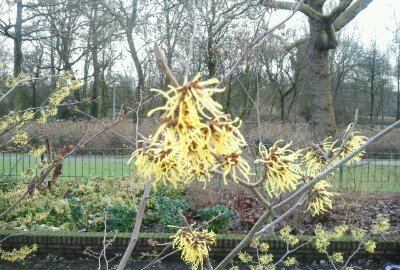
Lastly, Witch hazel, with those unique flowers, a very useful astringent herb, mainly (safely)
A lovely little Sedum of some succulent sort, in a geveltuin. Not many Sedum species are tasty but most are edible.

These plants can grow in three thinnest of soils and make an obvious choice for green roofs.
Also today lots of developing Hollyhock plants. This one has found the pefect niche in pavement alongside a drainpipe.
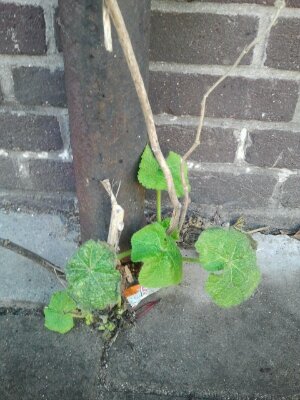
The dried material coming up from the plant us last season’s flower stalk.

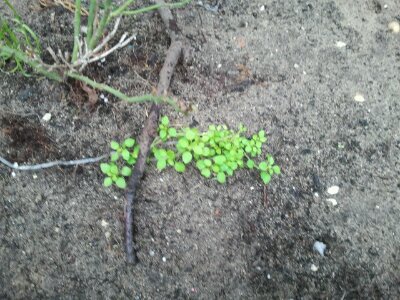
Today some chickweed growing in a geveltuin,
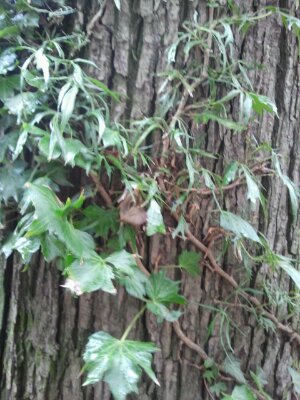
And some very unusual Ivy…
Today I took a few photos of useful herbs in the old centre of Amsterdam. Here is Heather, (Calluna vulgaris),

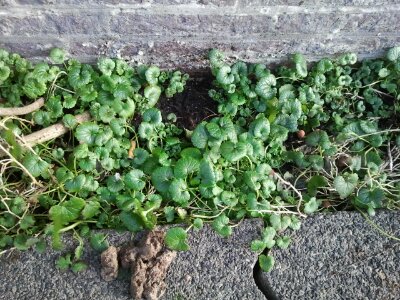
Ground ivy, (Glechoma hederaceae),
Lavender

Oh I’m so excited! In the park today…

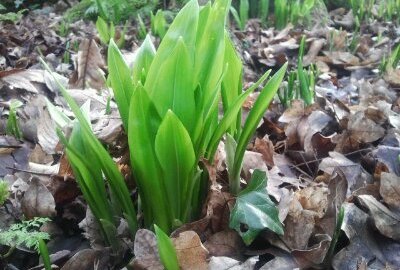
Wild Garlic (Allium ursinum) Ramsons. It’s up! It smells great. I love it!
Please be aware that anyone who takes up a wild garlic plant, bulb and all, is acting illegally. Anyone ripping handfuls of the leaves or harvesting when the plants are too young to recover, is acting unethically. I shall continue to carefully harvest one or two individual leaf blades as and when I know I will use them directly. I only harvest from huge swathes of the plant and I suggest that others who like the plant do the same too. Most of the plants are too small to harvest from today but some are fine and their potency (as for regular Garlic but it’s less irritating to the tissues) is greatest before the plant flowers. So from now on, until the flowers come on the plants, I consider it Ramsons season. I walked through all the Ramson areas of park Frankendael today and some are completely without signs of life, so we are really fit at the binning of their time above ground. Keep your eyes open for them and be very attentive to their state of health, vigor and whether or not they are big enough to disturb by plucking a leaf. Flevopark has masses of Ramsons and I am sure the other big parks also. I’ll stick with my most local plants and plan to make some wild garlic ghee from a few leaves, for the apprentices next week. Here’s an interesting blog post about Ramsons in Amsterdam and some comments about the ethics of eating some.
Also today:

Lesser celandine. A sign of early spring, not for eating, not for picking but with historical uses.

And lastly another beauty not to pick because of it’s rarity – Primrose. Very tasty and very very useful!

Today simply Rosehips and Ivy (Hedera helix), with lots of Hydrangea in the middle. I’ve never considered Hydrangea to be a useful herb before but apparently it also has quite a few medicinal uses – well historically at least.
 Urban Herbology