This is hairless native Lesser Periwinkle (Vinca minor), growing in another shaded habitat. Its a useful plant, primarily for assisting with circulatory issues.
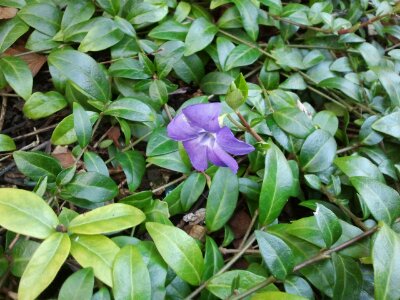

This is hairless native Lesser Periwinkle (Vinca minor), growing in another shaded habitat. Its a useful plant, primarily for assisting with circulatory issues.

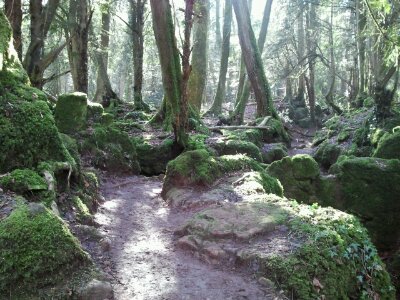
A few photos from the Forest of Dean today. We visited a magical place called Puzzle Wood today, it is near Coleford. It has been the setting for several magical tales and we really enjoyed walking through the labyrinth of woodland paths. I was hoping to find Ramsons but that didn’t happen. Instead we found lots of moss, trees, mud, ivy, holly, Speedwell…
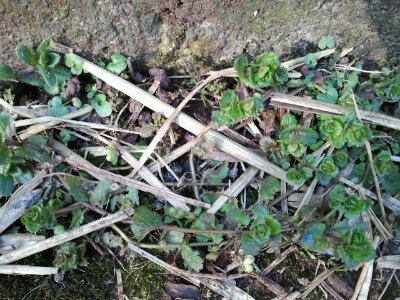
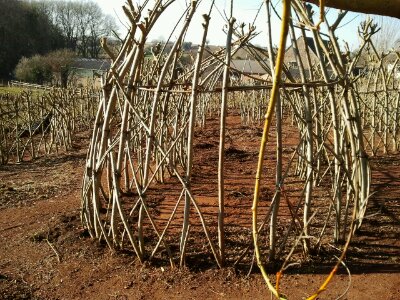
Willow,
Beautiful inedible crocuses.

Ivy, lots of Ivy!
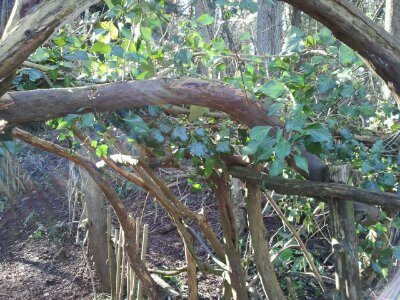
This was Frankendael park, Amsterdam as I set off for the UK this morning…

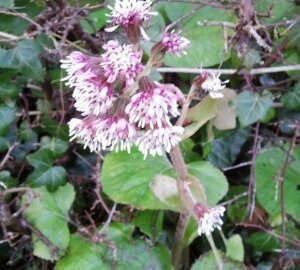
This is Butterbur, growing in a hedgerow opposite my parent’s Welsh home this afternoon…

This flower smells intoxicatingly of vanilla or almonds. I love the smell, it reminds me of home and the exciting arrival of spring. The leaves of the plant are said to have been used to wrap up butter in times gone by. It is a sure sign for me that the seasons in this part of Wales are a little ahead of Amsterdam. Butterbur (Pestites vulgaris) has several historical uses, including being a diuretic, helping alleviate migraines and as a useful treatment for wheezing.


Ramsons, Daslook, Wild garlic, Allium ursinum… Yum!


Ivy, growing up around the trunk of a street tree. The council gardening team will catch up with this one sometime soon and will trim the ivy back. So a good idea to do it yourself, if you have a climber such as this.
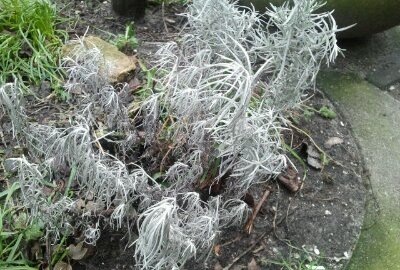
Here are a few of the plants, growing in my tree pit today:
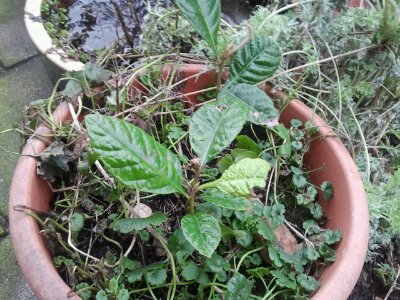
This large leaved plant was a gift as a seed, from Elodie. I can’t transfer the name but it’s a fruiting plant, from Greece, I think. I must check, especially as I notice that birds have moved one of the original seeds to a neighbour’s geveltuin.

This is a Curry plant, looking and smelling a little like last week’s curry, rather than a fresh tikka masala, but come late sporting this will be a culinary herb to be reckoned with! I love a pinch of the leaves in a salad our cooked into many different dishes. I find the scent fragrant and mildly spicy. Quite delicious and very easy to grow and take cuttings from.
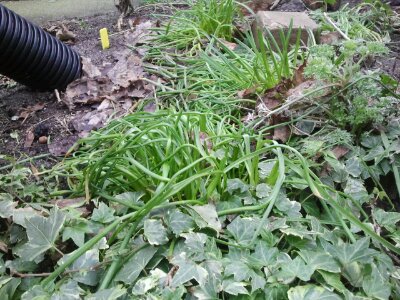
And lastly today, several easy to multiply bunches of Grape hyacinth, developing their floppy, messy foliage, in preparation for the unique blue flower spikes. I didn’t realise until lately that this popular little plant has some historical uses. None are very interesting to me these days, especially as the bulb is poisonous. But the fact that the flowers are nectar rich and very useful to bees, is interesting.
You’ll also see easy to grow Ivy, in the photo and a strange plastic tube which I’m told, is there to aerate the soil around the young tree roots.

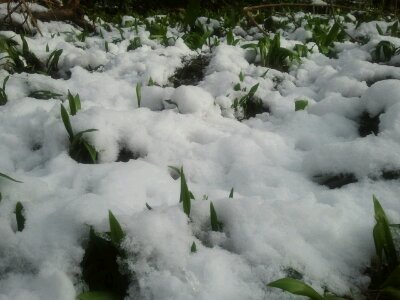
A lovely walk through the snowy woods of Frankendael for me today. I picked a few Ramson (Allium ursinum) leaves to make infused olive oil and then wild used that to make garlic bread sticks.

Apart from Ramsons and trees like these coppiced Willows, the most obvious plants at present are the dry seedheads of Teasel and Figwort.

For once, I can photograph the pretty Figwort, it usually merges so well with the background. I’m very much looking forward to the spicy smell of this plant in the late spring.

Today I’ve been planning a new herbal tree pit project.

Rather than a tree pit photo though, here’s a geveltuin near my home with last season’s hollyhock seedheads still intact.
And signs of life for potted Hydrangeas.

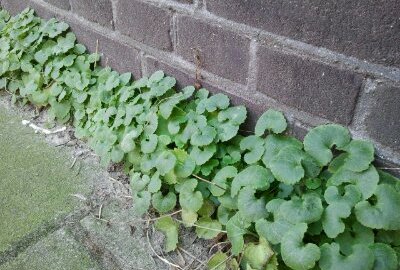
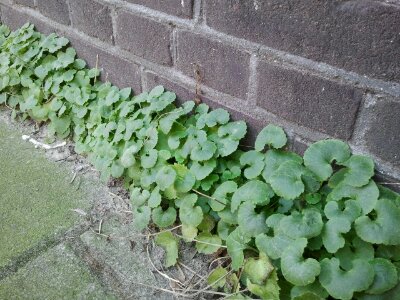
Campanula, an edible plant (though I’ve no idea how tasty it really is), growing all over Amsterdam still. It has blue flowers but not at the moment.
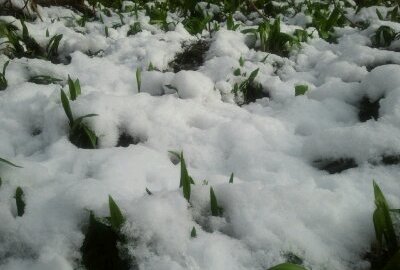
An apprenticeship meeting today and a nice walk in the woods of Frankendael, to find Wild garlic (Allium ursinum) and other plants popping up from beneath the snow.
 Urban Herbology