Category Archives: River of Herbs

365 Frankendael day 296

image

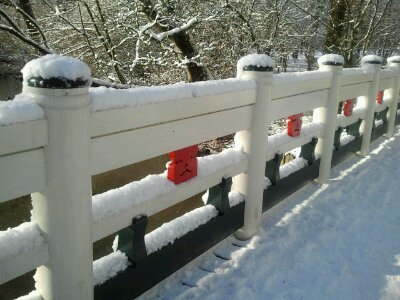
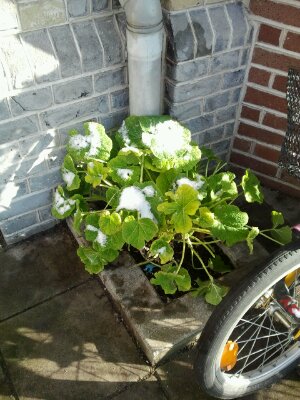
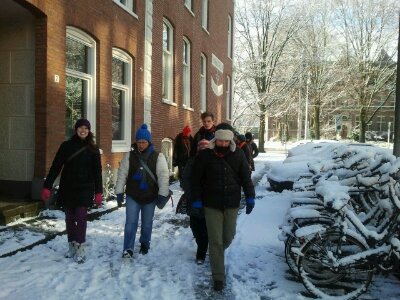
Today was the first meeting of the first River of Herbs course. We Al gathered in Oosterpark, sure some wild garlic bread sticks, tried to stay warm and liked at ways to get started with urban herb gardening that can benefit people and pollinating insects. It was so beautiful, snowy, bright and I was amazed that all but a couple of booked-on people turned up!

image

Have a look at riverofherbs.org for further information, to download the booklet every one received today and to get involved.

image

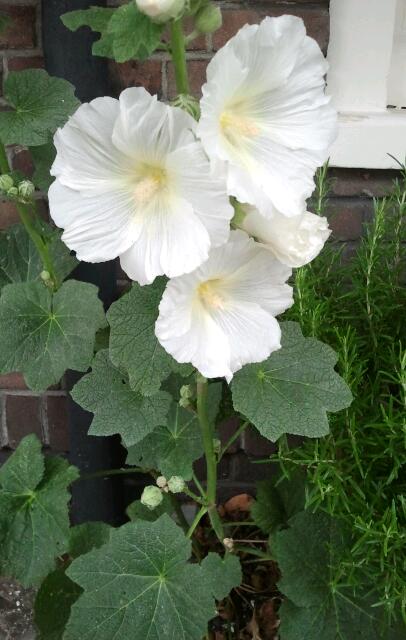
Here’s a snowy but thriving Hollyhock (Alcea rosea) photo, on the Middenweg as I travelled home from the meeting. I think this of the perfect urban herb for Amsterdam!

River of Herbs – 10th February

The first gathering for the River of Herbs course will be on Sunday 10th February 2013. We will begin at 10.30am and continue until 12.30pm. We will meet in Oosterpark, in the bandstand (where thre Tai  Chi group practice). So if it’s raining we’ll hopefully have a little shelter to start with. You can easily reach the bandstand by entering the park at the entrance nearest the Tropenmuseum and NH Tropen hotel. Keep the lake on your left, go over the bridge (hotel and museum on your right). Continue just a little way and you’ll be at the bandstand. Oosterpark can be reached directly by trams 9, 7 & 3 (Van Swinden, Linneausstraat stops). Trams 14 &10 stop at Alexanderplein, just a short distance away.

Please be prepared for all weather possibilities. I suggest you bring along a small flask of hot water. I’ll bring some herb bread or cake to share.

This time we’ll look at:
Choosing suitable sites/containers for the plantings that I’m calling Urban Herb Meadows,
How to get permission to plant in public spaces (should you want/need that),
Suggested plants to suit you and the location,
How to prepare for spring planting
How to build up your plant stocks for free or very low cost.

The course is fully booked but there’s a huge waiting list of interested people. Obviously, the idea of growing and using herbs in this way is popular.  If any of the waiting list (or others) like, I’ll gladly send a summary handout by email, after the event, should it be of interest. Maybe I’ll post it here as a pdf, if I can work out how to do that!

The idea of River of Herbs is to share and spread knowledge in the hope that we can plant, maintain and safely harvest herbs in forgotten spaces of the city. By focusing on herbs, we can become empowered in many ways and at the same time can help urban neighbours such as pollinating insects.

I planned this start meeting to coincide with Imbolc – The time of year when new life begins to stir. The time to take action on ideas that have been incubating over winter. The time to do what you have been dreaming of. I look forward to sharing the powerful Imbolc energy with many of you and with the soil of this city.

The government funding, via Groen en Doen, has reached me already so a dedicated website for River of Herbs is now being created.

Any questions, feel free to contact me via Lynn.Shore@gmail.com or 0627596930

River of Herbs

A little update on what is happening with the River of Herbs project

I have chosen two sites to focus on for the course which I’m running between February and June 2013. One will be Fraunhofferstraat in Oost Watergraafsmeer and the other is hopefully going to be a portion of Spuistraat, in Amsterdam Centrum. We will work on the two sites as a group, helping to spruce up the neighbourhoods and to create public examples which will hopefully inspire people to recreate the idea in their own streets.

By planting appropriate medicinal and edible herbs in dull patches of land (however small or large) we aim to make the place more beautiful, more attractive to wildlife, to increase urban food security and to encourage community participation with improving the immediate environment.  I don’t envisage Amsterdammers harvesting heaps of herbs from doggy tree pits but I do see them harvesting useful seeds to grow in clean spots or use directly, taking cuttings from the public herbs, making spaces look and feel better and safer and of them learning about how useful and essential plants are to us on every level. All this in addition to boosting the wildlife population of the city – that’s more pollinating insects, birds & bats which feed on them and less mosquitoes! If people get something from these deliberately planted “herb meadows” then I trust that they will be better maintained and provide usefulness to people and wildlife for far longer (than the insect friendly plantings I notice here and there).

If you have ideas of other areas which could benefit from a River of Herbs makeover then please contact me via the comments box below, or directly by email (lynn.shore@gmail.com)

Fraunhofferstraat is a street which I look at from my front windows at home. It’s a typical tidy Watergraafsmeer street that has a children’s play ground partway along and about a dozen bare treepits. the tree pits are so uninteresting and uninspiring, especially those running beside the playground. They are simply strimmed back by the council a couple of times a year and left to do their own thing for the rest of the time. When most lucky, we get Chickweed, some Brassicas and Fat Hen growing there along with poisonous Euphorbia species and heaps of low growing tree burrs. The pits get plenty of dog interest and they are sites where a small amount of litter collects at times. Because they are unplanted (aside from the trees of course) the pits beside the playground get a fair bit of human trampling. The Fraunhoffer tree pits are next to the road, a local street which is a turn off from the Middenweg (a main road into the centre of town).

I have been quietly collecting seeds from locally growing Hollyhocks, Poppies, Calendula, Rocket and other easy to grow plants. Whenever I remember, I strew a handful in the tree pits of Fraunhofferstraat and nudge them into the soil with my shoes. Maybe some will germinate in the spring, maybe not but either way I believe it’s a better fate than the seed being swept up and thrown in the garbage and incinerated.  In the early spring the River of herbs group will start by looking at the site, thinking about the uses of the area and how the tree pits could be planted and simply managed with minimal effort and upkeep, to create a more useful and beautiful scene.

Spuistraat
My friends at Funky Chickin hotel, Spuistraat 90 have been inspired by the River of Herbs project from it’s conception. They are located on part of a busy central street which could do with some greening.  I have chosen that area  as the second location. Just as with Fraunhofferstraat, I’ll be working closely with the local council to ensure that the herbs and exact locations chosen are suitable and useful and that they help to enhance the area in many ways.

On my quest to get this project going I’ve learned about tree pit adoption protocol, geveltuin (pavement garden) regulations, council spraying policies and realities, restricted plants, invasive plants, perfect city herbs and people who consider matching unmanaged geveltuinen with folks who’d like to tend them. There is a lot of interest and need, it seems. I’m really excited about starting with the group in February, I hope it takes off.

Proposed dates for 2013 River of Herbs course

Some time ago, 24 people signed up for my River Of Herbs training course, which will take place during 2013. There are no more spaces available at this time. The course is being completely funded by a Dutch government initiative to help the volunteer greeners of this country, obtain training.

I’d like to set the dates for the meetings now. If you are one of the 24, please could you take a look at the dates listed below and let me know if you are able to make them. Either reply to this post in the comments box or email me at Lynn.Shore@gmail.com.

Clearly, I’d like the dates to work for as many of people as possible so please feel free to suggest alternatives. Timings to be 10.30 – 12.30 for all the meetings and the venues will alternate between Oost / Oost Watergraafsmeer (near Park Frankendael, Oosterpark or Linneausstraat along tram 9 route) and Spuistraat (Centrum).

Thank you!

(NB: These dates are not yet fixed)
Sunday 10th February (Oost)
Sunday 17th March (Oost)
Sunday 28th April (Mercatoplein, West)
Sunday 19th May (TBA)
Sunday 30th June (TBA)

Funded River of Herbs Course!

The Dutch Ministry of Economic Affairs, Agriculture and Innovation is currently offering a limited number of grants (vouchers) to environmental volunteers who want to follow workshops/trainings in the area of nature and landscape management. If you want to learn how to participate in the River of Herbs project then this could be you!

River of Herbs is an innovative urban green initiative which aims to:

Increase the amount of edible and medicinal herbs growing in urban spaces.
Fill dull spaces with beautiful flowering herbs
Help urban wildlife
Increase food security
Encourage community participation in the care of urban spaces.

I have put together a River of Herbs training course, which you can sign up for and if you apply quickly the package will be totally covered by the available grants. My training course (worth 125Euro per person) falls way below the 1000 Euro maximum voucher request per applicant. I want this project to make a positive impact on the city so I’d love as many people as possible to get involved.

The deadline for applications to the Ministry is November 9th. But if you are interested in this you should contact me immediately so I can group you with others and make the application.

River of Herbs Training Package:
5 practical meetings (each 2 hours and on Sundays, in Amsterdam) covering the following topics, each time we meet. This training will give you the skills you need to confidently set up Urban Herb Meadows, keep them going, use them safely and involve others in the project too.

1. Ethical Urban Seed Collection and Storage
2. Identifying Spaces (tiny and large) for Urban Herb Meadows
3. Preparing, Planting & Caring for Urban Herb Meadows
4. Community Involvement with River of Herbs (sharing, helping, sharing)
5. Harvesting and Safely Using Plant Material from Urban Herb Meadows
6. Internet Mapping of Urban herb Meadow Locations and Blogging
7. Being run by Lynn Shore, each session will also include:
– an Urban Herb Walk
– printed info about the medicinal and edible properties of suitable herbs for the project
– the opportunity to stay in touch via my Urban Herbology Facebook group – a slice of cake now and then!

Please let me know straight away if this is interesting to you. lynn.shore@gmail.com

Dates for the training to be fixed in the next few days but all will be on Sundays, starting in January, to give more people the chance to participate and get this project really flowing through the city!!

Hollyhock Seeds & Fraunhofferstraat

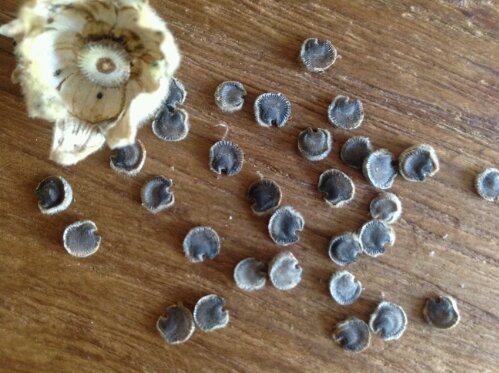
Here are some Hollyhock seed heads from the plant which found its way to my geveltuin last year. I harvested one really dry, ripe seed head today and collected the seeds from within. They are beautifully arranged in a wheel-like pattern and are big enough for kids to deal with.

Hollyhock is a biennial, is quite beautiful and can be used to soothe inflammation for such things as cystitis and sore throats and offers a remedy for several chest complaints such as persistent coughs and bronchitis. It is a close relative of Marsh Mallow. Obviously Hollyhocks won’t make a suitable remedy for everyone with a bad chest but it’s a good enough reason for me to want to proliferate them in the city.

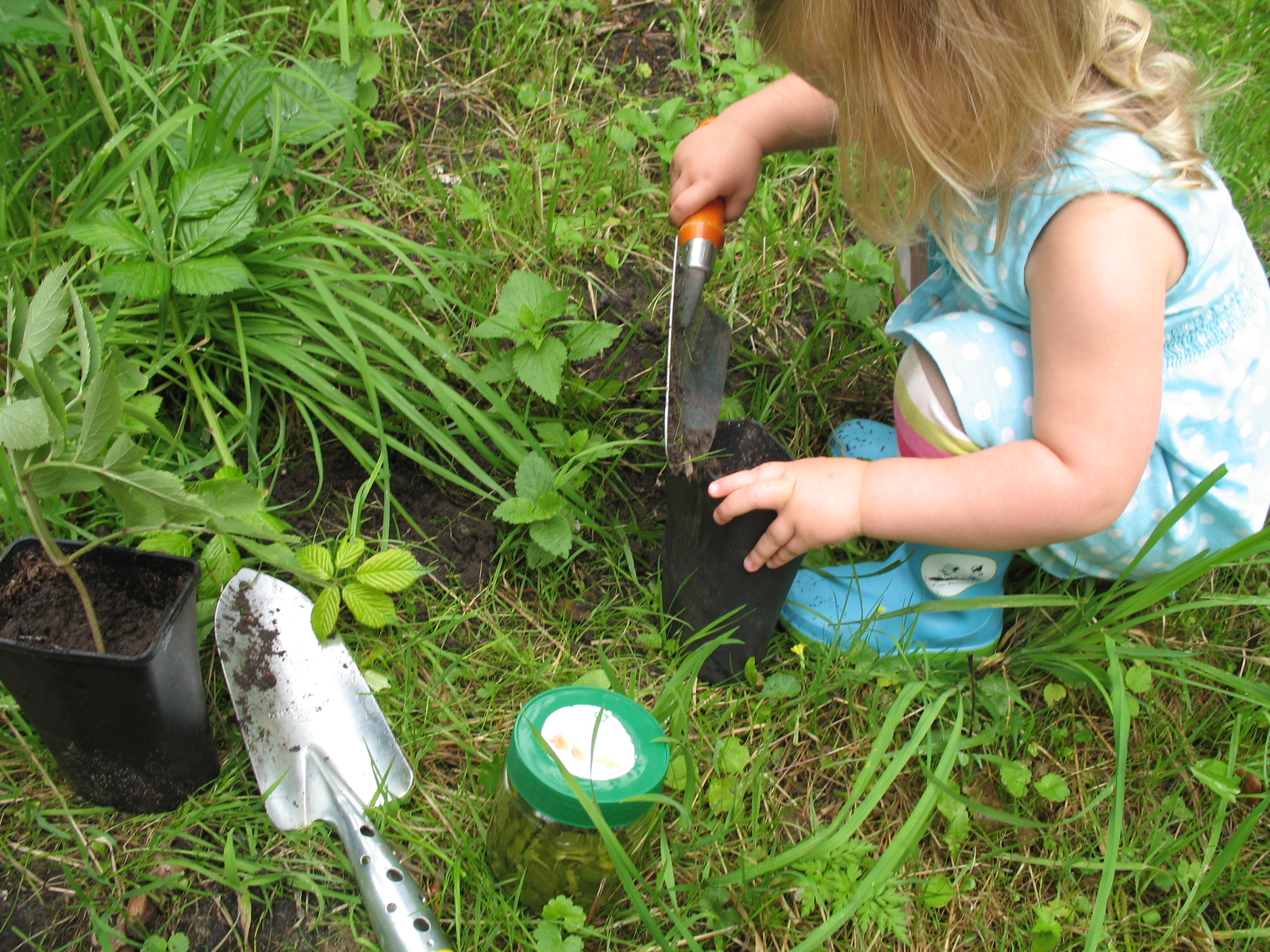
I’ll be sewing some of these seeds in nearby tree pits this week and saving others to plant later, just I case the first batch fail.

Since I wrote about the untended tree pits close to my home, on Fraunhofferstraat, they have magically been tidied up! I don’t know when it happened or who did it but every single tree pit now looks really tidy, seems to have been hoed and is ready for seeding or planting! Thank you whoever it was!! I began with sewing some poppy seeds at the weekend and will move a few useful pretty herbs in there, which I find in pavement cracks etc.

But I don’t have a garden!

Many city people tell me that they would love to grow herbs but they don’t have any space. I say that there is space in everyone’s home – even traveling homes – for living herbs. I also think that learning how to care for a plant is a skill that helps people to care for themselves, that can’t be a bad thing. I can’t recall where I heard or read it but “If you can keep a plant alive, you can keep your self alive” rings true to me. I think it was someone who’d been rather ill. Anyway, back to growing herbs in small spaces…
image

So where to squeeze in those precious plants? Here are some ideas, in no particular order:

1. House plants
I used to have a flat full of house plants and then we got a cat and I worried about him munching on poisonous plants so most of them disappeared. I mostly focus on plants outside my house but a home is much more pleasant when shared with plants so I always manage spider plants (great for the cat), Aloe vera and a pot of Basil or Parsley on a windowsill. All are so easy to grow and Aloe Vera is a herb which I think no home should be without. If you really really can’t get a plant into your minute studio apartment (which I can’t really believe!) how about placing some in the stairwell?
image

I recently bought a couple of books about growing tropicals and edibles indoors and have been inspired to try and retry a few interesting houseplants. So Ginger, Banana, Tea, Cofee, Orange, Pineapple and Lemongrass are currently germinating or growing in my home and several more exotics are planned. Don’t throw it grow it, by Deborah Peterson and Millicent Selsam is a really great resource book for unusual and edible houseplants. I’m really looking forward to a planned workshop with City Plot sometime soon, by Suzanne Oommen who knows plenty about caring for tropical edibles.

2. Balconies
I’m very lucky to have a big roof terrace which I pack full of herbs but I also grow quite a few herbs on my kitchen balcony; Horseradish, Parsley, Vervaine, Wormwood, Mint…
image

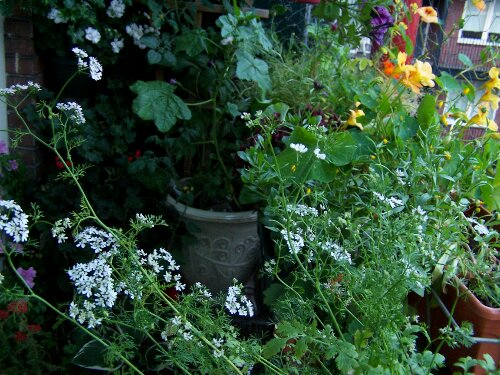
But mine is not a patch on my friend Elodie’s. Here are a couple of photos from her balcony in West Amsterdam. She and her husband cram as many plants as possible into the space they have and it looks really great. Not all of the plants are edible or herbal but a large number are.
image

Elodie, perhaps you could comment on this with a list of the plants you manage to grow on your south facing balcony? Her plants grow up the walls, trailing over the fence and there’s just about space to walk through to a cosy snug at the far end. Its very beautiful and quite an urban oasis. She has it fenced up to the ceiling to protect her cats from falling.
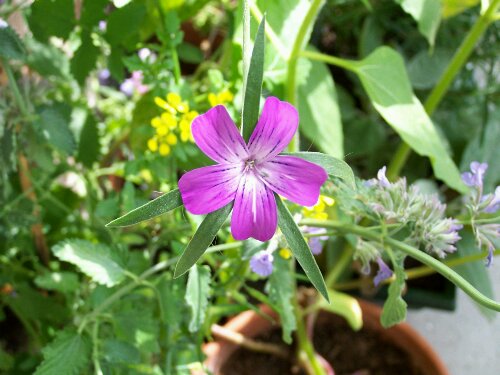
image

3. Outside in a Geveltuin (Pavement garden)
In Amsterdam you can ask the local council for a Geveltuin. If your immediate neighbours approve the plan you could soon be the happy carer of a tiny strip of sandy land, right beneath your apartment. Some districts even go so far as to give you a set of herbs or flowers to plant immediately. No such luck here in Oost Watergraafsmeer but my geveltuin was up and running just a couple of weeks from my initial visit to the Staadsdeelhuis, to find out how to apply. I continue to be very pleased with it. As mentioned before I have it planted with drought tolerant mediterranean herbs and they thrive there.
image

If a dugout pavement garden is not an option perhaps a small collection of herb pots outside your door would work?

4. Outside in public ground
If you don’t mind sneaking around a little, attracting suspicious looks or possibly loosing all your plants to others, why not plant your herbs in carefully chosen public spaces? This is a great option for those straggly looking supermarket bought herb pots, such as Parsley, which after time don’t look good enough for your kitchen windowledge but could manage a further year or more of growth, given a fresh source of fertile soil. If the plants fail outside at least they will fertilize the soil, rather than being incinerated along with your garbage.
image

If you like the approach you could get busy with some Nasturtiums, climbing through public hedges or planting herbs in tree pits close to your home or workplace. The options are endless.
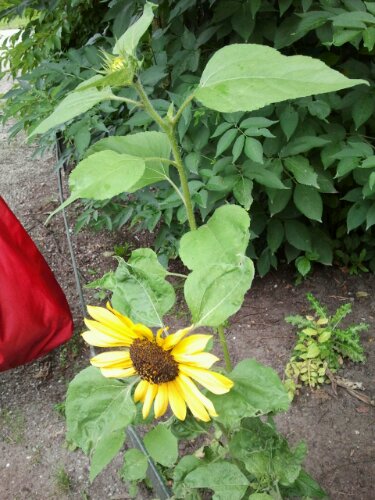
image

5. River of Herbs
If you are feeling public spirited and also want to encourage insect pollinators, why not add to the River of Herbs and plant a little, or large, Urban Herb Meadow and label it as such. More information as this develops but the Meadows are for everyone to benefit from. The herbs planted should be safe and be insect pollinated. If you’re uncertain of how to know that, go for pretty flowering culinary herbs and you won’t go far wrong.
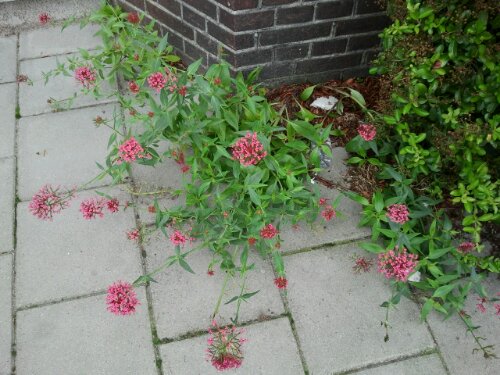
image

So these are my thoughts on growing herbs when you live on a small place. Would you like to add to them?

5/8/12 Update: Here’s the list of herbs which Eldoie grows on her balcony at the moment: 
Herbs’.
Sage
Rosemary
Parsly
Cilentro/ Coriander
Oregano
Basil
Dille
Mint
Rue
Verbena
Lavender
Catnip
Nasturtium
Nigella
Comfrey
Campanula
 
Malva
Geraniums
Portaluca
Dahlia
Fern
Yarrow
Duizendschoon
Sedum
En tabaksplant from greece Nixtum Lululum
And lots of Peturnias
hosta
Englishgrass
Tomato’s
Strawberries
And yes we still fit on the matras all 4 of us are going to enjoy our Saturday in the sun !

How to Make Elder Babies

Elder cutting with roots

This morning a group Urban Herbies gathered alongside a park hedgerow and took cuttings of a wonderful herb shrub – Elder (Sambucus nigra). We are going to look after the cuttings for as long as it takes for them to find their feet and be mature enough to survive planted out, in another Amsterdam hedge or edge. I was inspired to try this by the work of Glennie Kindred, a wonderful, community-spirited wise woman from Britain. Her website contains very useful information about many herbs and has especially detailed information about native trees. Thank you Glennie!

Here’s How to Make Elder Babies:

1. Most shrubs and trees are best propagated in the autumn and winter but its also possible to try easily-rooting Elder in the summer. Choose very healthy parts of very healthy shrubs, ask the permission of the shrub you are drawn to with your heart and actions. Be gentle, and respectful and only harvest a little from one shrub. If your cuttings fail to survive then return them to the soil. Never burn Elder and listen to the wisdom it has to offer. All parts of the plant are medicinal and have been revered for millennia. These days we tend to make the most use of elderberries and flowers. The leaves and twigs also make an excellent skin cream but it is best not to ingest them.

2. We used secateurs or our hands to carefully remove the last 6-8 inches (14-20cm) of a healthy branch. Avoid those laden with berries, the plant’s energy needs to focus on that task rather than growing new roots.

3. Remove all but the last couple of leaf pairs, and gently slide them off with your hands. Return these to the foot of the mother Elder. If harvested in winter, all of the leaves could be removed from the cutting.

4. If using it, dip the bottom end of the cutting into a jar of Willow or Meadowsweet rooting hormone tea. Poke the cutting quite deeply into a pot of good quality soil, so that it is about half buried and won’t topple over. Firm the soil slightly.

making-elder-babies-003

5. Ideally, water the pot from beneath by standing it in a bowl of water for a while, until the soil is thoroughly dampened. Ensure that excess water can freely drain from the pot.

6. Place the pot, with damp soil and comfortably pushed-in cutting, in a place of semi shade, or in a loosly closed translucent plastic bag and leave it to grow roots. This will take some time so you’ll need to be patient, maybe for a few weeks. There is no need to remove the cutting to check on progress, just let it do it’s thing and you’ll be pleasantly surprised the day you see Elder roots, poking out of the drainage holes.

7. Keep an eye on the dampness of the soil, Elder will rot if it gets soggy but it will also die if the soil dries out completely. Lightly water the soil when needed. Misting with a water spray is a gentle way to water from above.

8. When the cutting has set down a good root network and has grown a couple of feet tall (about 50cm), it should be ready to plant out when mild spring weather arrives. This may take a couple of years but sometimes it can happen more quickly.

9. Plant out during moderate weather in an area where Elder bushes are sparse. Elder fairs well in most conditions, it will tolerate full sun, lots of shade or partial shade. A hedgerow setting is most suitable. The shrub can be pruned into a hedge if needed or allowed to grow in which ever direction it prefers.

Here’s another link to Gennie Kindred’s website where you will find lots of useful Elder information and several wonderful Elder recipes.

willow tea

To make the Willow rooting tea simply harvest a few Willow tendrils, chop them and place in a clean glass jar. Cover with freshly boiled water and cover. Leave to infuse as the water cools, for about 8 hours. Then the infusion may be strained or not. It will keep a few days in the fridge if needed or use what you require and pour the rest on your other plants.

Seed Saving for River of Herbs

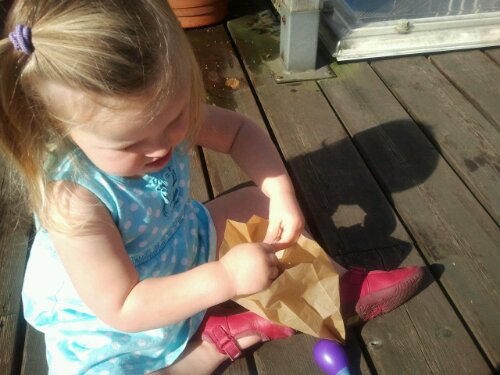
This morning we were able to eat breakfast on the roof because the weather was so beautiful. After quite a while, when the morning dew had thoroughly dried off the plants, I set about some herb seed collecting with my toddler daughter. Here she is doing a very good job of rubbing dry Chive heads, to release the tiny black seeds into a paper bag. She loved it and we collected lots of seeds in a very short time.

Seeds are usually the cheapest way to make new plants and we will need lots of seeds to make a River of Herbs in and around Amsterdam. So if you are interested in; building up your own herb seed supply, adding more herbs to urban spaces or simply to eat some edible herb seeds – now is a good time to start collecting! I intend to make up little mixed herb seed packets, to sprinkle in prepared Urban Herb Meadow locations.

Different plants flower and seed at different times so keep your eyes open for maturing seed heads on plants you know and keep a clean paper bag or two in your pocket/ bag when you are out and about. You never know when a perfectly ripe Hollyhock seedhead may surprise you!

Today we collected seeds from:
Chives
Borage
Welsh Onion
Calendula
Valerian

I’m off to the park now and hope to find some Garlic mustard seed to save in labelled paper bags. I love eating the leaves of the plant and would like to see it growing in some Urban Herb Meadows in town.

If you decide to collect seed, make sure you only collect when they are bone dry. They will mould and be useless if they are at all damp. With some seeds it’s easiest to shake the seed head into your bag, allowing the ripe dry seeds to fall into the bag. With others, it’s best to snip off part or all of the seed head with scissors, before sorting it out. Generally if it needs snipping off the plant, its not thoroughly dried out but use your judgement. Get them home in a paper bag and then take osome time to pick through and separate out the seeds from debris. Label the seed bags, seal them up and set aside in a p,ace where they will remain fairly cool and very dry until the planting season.

If you want to help with the River of Herbs then also consider the suitability of what you are saving from the project. Plants need to be non invasive (e.g. Mint wouldn’t be such a good idea unless in a hole-free container where it can’t easily escape, Japanese knotweed is clearly a no no as it comketely takes over/ obliterates wherever it grows) and not poisonous. The plants also need to be insect pollinated as one of the main points of the project is to provide insect friendly corridors in and around the city.

I think it unlikely that on your seed saving missions you’d remove all the seed from a plant but just in case it needs mentioning – remember the foraging rules, take only what you need, leave lots and lots! Also, please don’t harvest seed from annuals and biennials growing wild as they rely on them to regenerate next year. The Garlic mustard I am about to collect is a biennial but I’ll take it from locations where it will be completely strimmed away very soon – such as lamp post bases in concrete.

Good places to collect herb seed, from plants you have already identified are:
Your own pots, tubs and garden,
Untended geveltuinen (pavement gardens),
Public places where the council are sure to mow or strim

Good luck with your seed collecting and do let me know how you get on.

River of Herbs

River of Flowers is a UK based initiative which helps to plant Urban Flower Meadows, of all shapes and sizes, providing corridors of insect pollinated plants throughout cities. I read about it today, in the latest copy of Permaculture Magazine and got very excited about the project! Rather than wild flower meadows (which are of course wonderful and useful in many ways) I would like to create Urban Herb Meadows, here in Amsterdam and beyond.

River of Flowers began in London and seems to encompass many of the ideas that have come up in this website and the Amsterdam Urban Herbologists meetup group. We love nature, we want to learn from the plants, we continue to try our hands at guerrilla gardening and we like to put something back into the environment from which many of us harvest food and medicinals. We also appreciate that a world without pollinators would be very dark.

Amsterdam is rich in plant species and many Amsterdammers enjoy taking care of plants in tree pits, tiny pavement gardens and other strips of reclaimed land. I often look at and photograph these places and wish that more of the plants used could be edible or medicinal. And of course I wish that more of these urban gardeners knew how to harvest and use some of those amazing plants.

So with River of Herbs (the name will stay, if the folks at River of Flowers don’t mind – I have asked them) I’d like to do the following, with your help:

1. Identify and prepare unused spaces, however small, for growing useful perennial, biennial and annual herbs. I’m talking about spaces from plant pots to wasteland.
2. Sew suitable herb seeds and plant cuttings, roots etc. in these places. Suitable for the location, insects and food or medicine.
3. Tend the developing Urban Herb Meadows.
4. Map the locations of these Herb Meadows and photograph them.
4. When ready, harvest some of the material without compromising their usefulness to pollinators such as bees, hoverflies and butterflies.
5. Learn and teach how to use these herbs.
6. Build on successes and learn from the group process, to make more and more Urban Herb Meadows, creating an urban pollinator and food security friendly corridor.

So what do you think of this?
Am I just getting overexcited?
I wonder if our friends at Boskoi and City Plot may like to help out with this in some way?
Design& Collaboration, how about those seeded cards and papers we talked about ages ago?
Would YOU like to come and collect wild herb seed with me, or your friends and family, over the coming summer weeks and through autumn? We can then make little packets of Urban Herb Seedmix, to sew in those new meadows when the time is ripe.

Please let me know what you think. I’m all ears and green fingers.