Tag Archives: ground elder

365 Fraendael day 27

Today, a lovely walk through the park with Lucile and the little ones. We each went home with a few leaves of Ground Elder and a little Ground Ivy. Plenty of other herbs in season though…

Here’s the foliage from a Wild Carrot! Not one to be dug up, though it would probably taste great. I hope to revisit it later in the year to double check it’s identity when it is in full bloom. Wild carrot has been used in folk medicine for centuries and has recently been researched by Robin Rose Bennett. It is often found to be quite a useful contraceptive. For more information on the research take a look at Robin’s website.

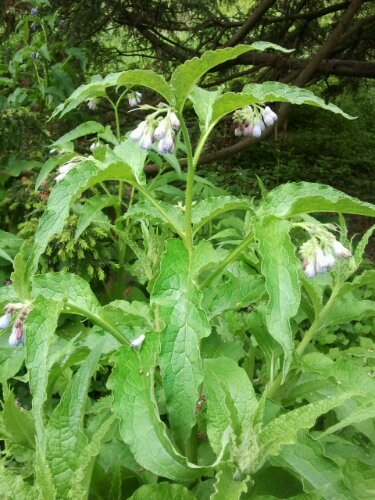
Here is Comfrey, still in full bloom and looking stately throughout the park and city.
Garlic Mustard leaves continue to grace many of my meals. The plants here are nearing the end of their flowering season but the foliage still tastes wonderful and only a leaf or two is needed to add a garlicky kick to regular meals.

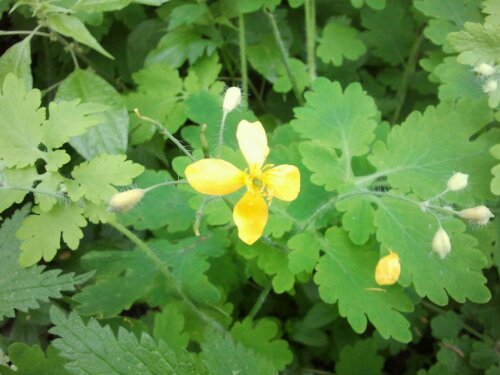
Greater Celandine continues to flower. It’s stems remain loaded with bright orange sap which is freely released when a stem is broken. This sap, containing a substance which is acrid and highly irritant but has been used medicinally since at least the middle ages. Historically it was used, in preparations such as lard and milk, to cure piles, cataracts, severe scurvy and some forms of cancer. These days it is still a popular remedy, amongst those who know it, for warts, corns and ringworm. To use for these three ailments, simply break a stem and apply the fresh sap to only affected skin. It will irritate healthy skin. The Latin name of this plant means swallow (the bird) and this is said to be because the plant’s flowering season coincides with the arrival and departure of swallows. So hopefully there should be some time to go before the flowers of Greater Celandine disappear from Amsterdam again.
Cleavers are looking particularly lush and juicy at the moment, about 50 cm long on average. Perfect for harvesting a clean handful and juicing for a cleansing tonic.

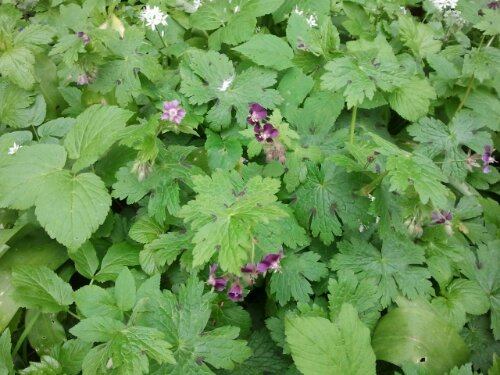
Wild Geranium is also looking striking, producing a mass of small purple flowers in the woodland, at present.

365 Frankendael day 26

Ransoms and Garlic mustard are gradually fading and being replaced by other tasty plants. Here are a selection of today’s urban herbs in Amsterdam’s Frankendael Park.

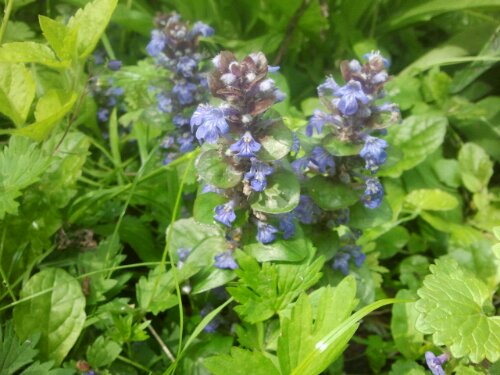
Bugle (Ajuga reptans). Used to be known as the Carpenters herb because it is yet another plant with blood staunching abilities. It looks very similar to Sealheal but has small leaves throughout the flowers whereas Selfheal(which I am keen to find) has flowers all at the top of the stalk, without leaves between). It is a member of the mint family and has digestive uses and historic herbalists apparently used it for all manner of ailments.

Caution
I can’t find much about this from truly reliable sources but there are many Internet posts mentioning narcotic and hallucinogenic properties for pretty, evergreen Bugleweed. So perhaps you should do some research and make your own mind up on that one but it’s probably not a herb to experiment with in the family stew!

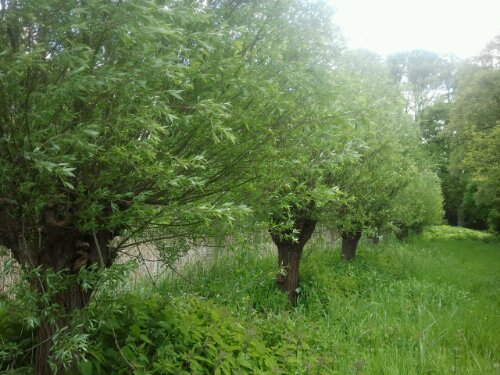
Willow. Here’s a lovely row of fast growing coppiced Salix, growing beside water at the Middenweg edge of the park.

Ground Elder (Aegopodium podograria) is growing bigger and bolder each day. I did notice a few flower heads developing on Groundelder today so now is the time to harvest if you are interested in foraging this plant. The leaves of this invasive, woodland loving perennial look quite similar to Elder and Ash tree foliage. It tastes really good and can be cooked as spinach. I noticed that my old copy of Food For Free only shows the flower of this foragers favorite. It is worth mentioning that foragers should only use such books as a source of inspiration. I use two detailed wild plant guides when identifying and getting know new plants. Foraging books are good for suggesting what to look for and how to use them.

365 Frankendael day 8


It’s very cold, damp and windy here today, well relatively speaking, so not the most pleasant day for a walk in the park with a toddler. Of course, I did see some beautiful plants but most photos were rather windswept. I think that this one clearly represents the last days of April. Ramsons in flower, Ground elder swallowing up other plants, Cowslip standing tall, yellow and delicate and at the back, a wild Ribes bush (could be black current, white current, raspberry etc. but its too early to tell). I

One of my favourite city herbs is really coming into flower at the moment. Wild geraniums (Wood geranium, Cranesbill) are often used in urban planting schemes because they bulk up nicely as the spring and summer develop. You can find geraniums in city tree pits where they receive lots of nutrition from passing dogs. If you can locate relatively clean plants, perhaps try them in the summer when they have had a chance to grow and will withstand a little harvesting.

All geraniums and all parts of them are said to be edible, but some varieties are hairier than others! This variety is prevalent in the park, the pretty purple flowers are fragrant and taste good in a salad, the leaves add an interesting dimension to raw food and cooked they blend well with other spring greens. I prefer to thoroughly wash any that I harvest and then to cook them, like spinach. I reserve geraniums growing at home, for salads.

Now is a good time to learn the differences between the many members of the Carrot family, which grow wild in Amsterdam. The most prevalent and obvious at this time of year is Sweet cicely. It is a good faraging food, makes pleasant aniseed flavoured drinks and is sometimes used as a tonic herb. But beware! There are some extremely toxic members of the Carrot family and all look quite similar until you know how to differentiate them. At present Sweet cicely is in flower.