Tag Archives: Hollyhock

365 Frankendael day 147

image

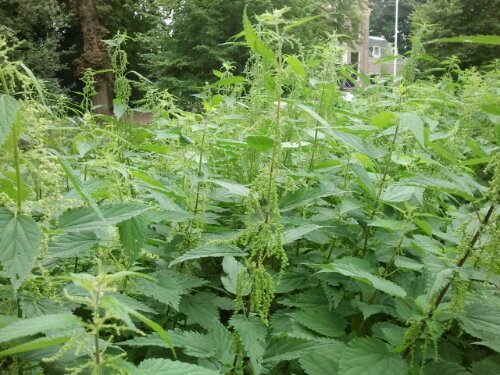
Here’s a beautiful patch of Stinging Nettle (Urtica dioica, NL: Brandnetel) detouring at the front of Frankendael huis. If you like idea of harvesting to dry and store or to cook and freeze, then now is the time. Preferably choose nettle without flowering tops but both are edible.

image

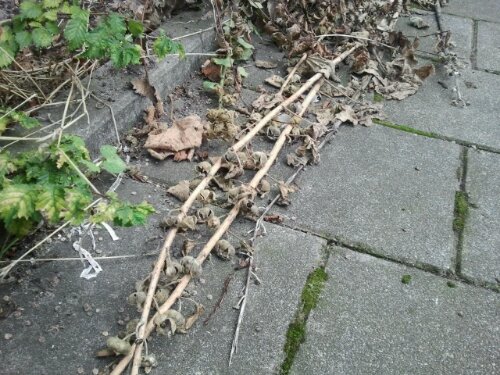
Here is a bundle of discarded dry Hollyhock flower spikes. These are in Oud Zuid, close to my workplace but you’ll probably spot a similar scene all over town. Each individual seed head is packed with about 20 seeds. It’s a great herb to grow in small spaces such as tree pits and outside of houses.

365 Frankendael day 131

Today I looked at small herbs, growing along the Middenweg, which could easily be”weeded” out and replanted in locations where they could be allowed to grow unhindered and provide food…
image

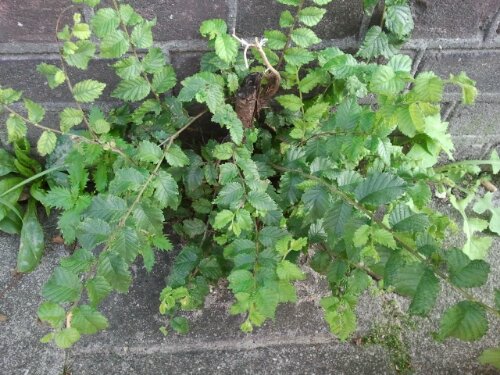
Here’s a little Hazel, coppiced by repeated strimmings and strong.
image

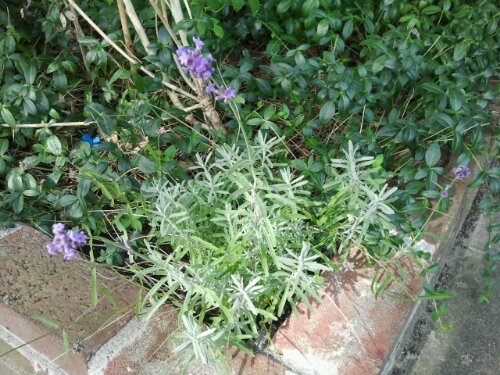
Lavender. Smells great, tastes interesting but more useful for remedies and use in the home. Consider adding a handful of the flowers or fresh seeds to a small jar of honey, infuse for anything from a few days and use on minor burns.

image

Hollyhock, seeds. Now’s the time to collect them and help new plants grow where you’d like them.
image

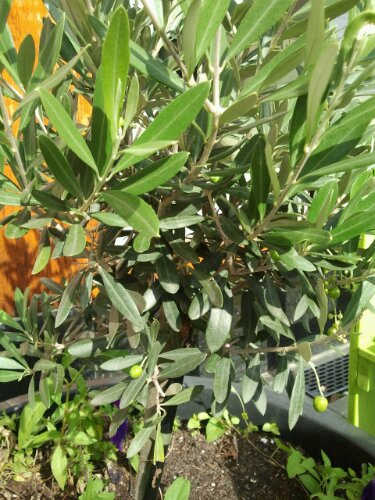
Olive, with little Olives! We lost our roof top Olive last winter, during the drop freeze, but they can do just fine here, if protected in mid winter. No need to wait for the fruit, the leaves are also useful.
image

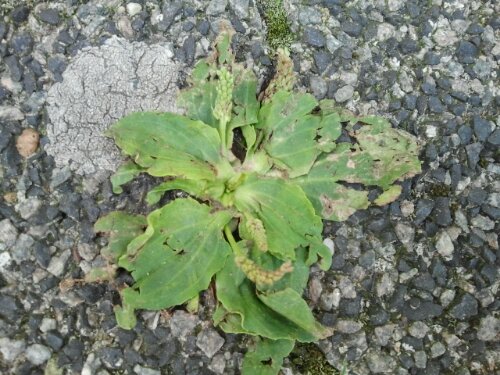
A very well trodden Plantain. These look great in a put and are so useful.They do well in tree pits, are evergreen and can look quite attractive.

image

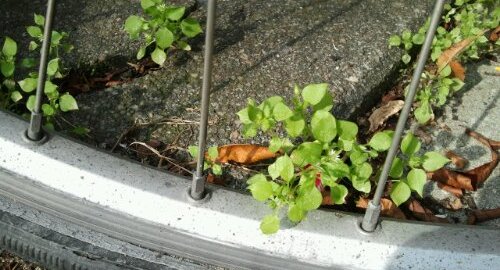
Chickweed, one if my favorites for food and remedies, even in the winter. grown in a put they can make a thick yet delicate edible herbal carpet.
image

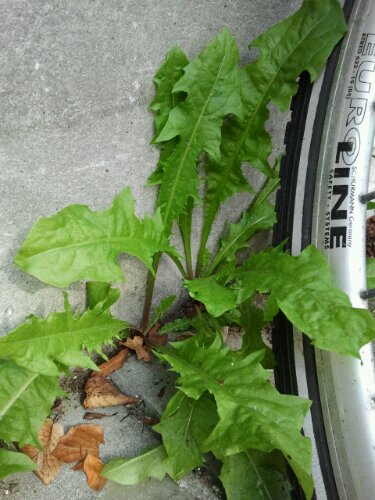
Dandelion. So useful and so bitterly tasty! Encourage strong roots by digging the soil before transplanting to your chosen location.
image

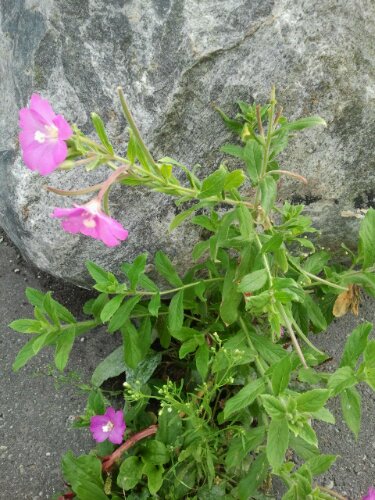
Lastly today, Rosebay willowherb. Such pretty and tasty flowers.

Hollyhock Seeds & Fraunhofferstraat

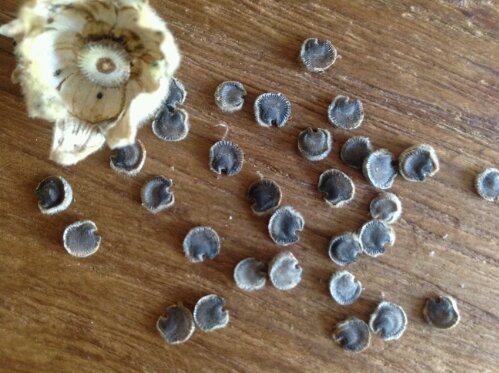
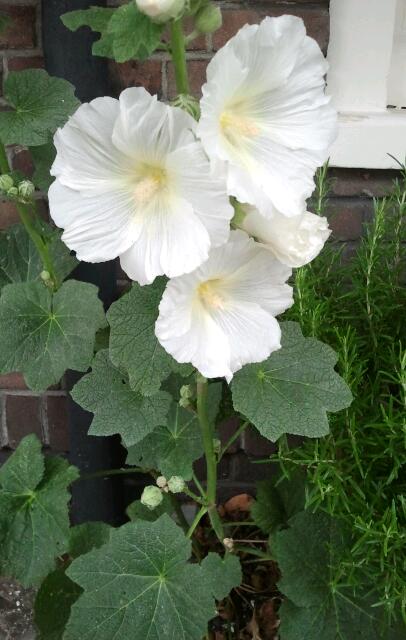
Here are some Hollyhock seed heads from the plant which found its way to my geveltuin last year. I harvested one really dry, ripe seed head today and collected the seeds from within. They are beautifully arranged in a wheel-like pattern and are big enough for kids to deal with.

Hollyhock is a biennial, is quite beautiful and can be used to soothe inflammation for such things as cystitis and sore throats and offers a remedy for several chest complaints such as persistent coughs and bronchitis. It is a close relative of Marsh Mallow. Obviously Hollyhocks won’t make a suitable remedy for everyone with a bad chest but it’s a good enough reason for me to want to proliferate them in the city.

I’ll be sewing some of these seeds in nearby tree pits this week and saving others to plant later, just I case the first batch fail.

Since I wrote about the untended tree pits close to my home, on Fraunhofferstraat, they have magically been tidied up! I don’t know when it happened or who did it but every single tree pit now looks really tidy, seems to have been hoed and is ready for seeding or planting! Thank you whoever it was!! I began with sewing some poppy seeds at the weekend and will move a few useful pretty herbs in there, which I find in pavement cracks etc.

365 Frankendael day 81

Today’s photos are from the geveltuin and tree pit, I tend beneath our apartment. I wanted to share this beautiful Hollyhock and to mention some of the forgotten uses of the plant. It is a biennial, flowering in its second year after germinating and this plant arrived by luck two years ago. We have an extremely dry, south facing geveltuin (pavement garden) beneath a bay window. Very few weeds are able to set down their roots and survive amongst the Mediterranean herbs, I have planted there. But this lovely Hollyhock did find its feet and what beautiful flowers we have been treated to this summer! Hollyhock is a member of the Mallow family and can be made into an inflammation calming tea, to soothe sore thoats and bronchitis for instance, a poultice to soothe inset stings and is sometimes used in cosmetics to soften the skin. This Hollyhock serves its purpose by looking very pretty at my front door. Maybe in the next year or two I’ll try some Hollyhock remedies, if it throws down any seeds this summer.

Whilst outside taking the Hollyhock photo, I noticed that a little Tomato plant has sprung up next to yet another welcome guest – Wormwood. I planted the small Lady’s Mantle plant myself, it had self seeded into a roof pot some months ago and I transplanted it downstairs. How nice that Wormwood, a rare plant in the Netherlands, has made it self at home next to it. I don’t think the tomato play will be able to bear fruit this year but it’s very welcome none the less.

365 Frankendael day 77

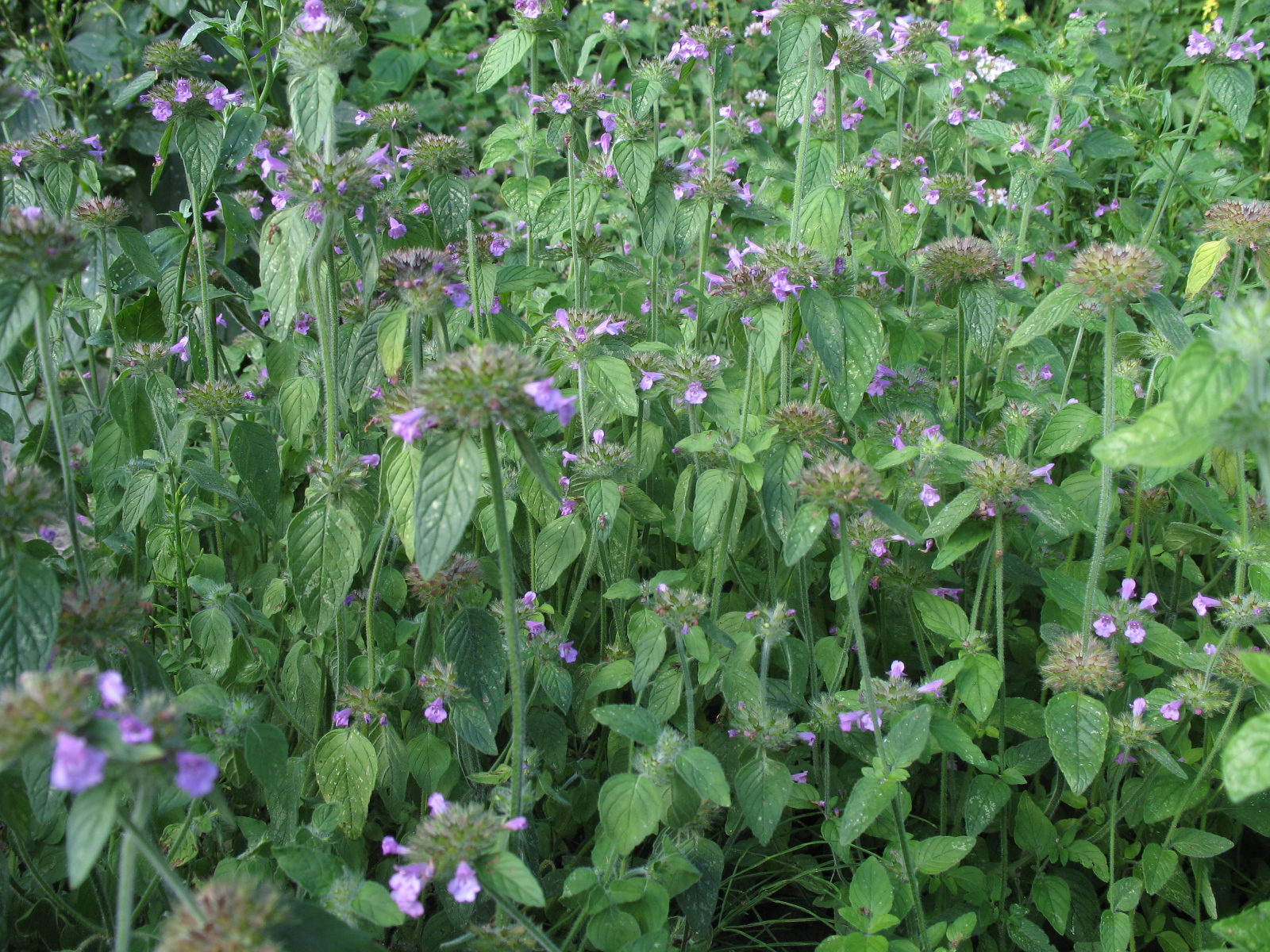
Here is Wild Basil (Satureja vulgaris / Calamintha clinopodium). It doesn’t smell nearly as strongly as its cultivated cousins but it tastes good and is a useful culinary herb if you are lucky enough to find a favourable patch. There are reports on the internet of it being used as a heart tonic but I can’t find any real reference to this and know it more as a useful herb to sooth digestive complaints such as gassiness and indigestion, much as close relative mint can be used. It is easy to identify; a hairy labiate so having square stems, small pale purple labiate flowers positioned in rings around the stems above leaf bases. The increasing size of the flowers makes the leaves point increasingly downwards, as the season moves on. The leaf veins are quite distinctive, more pronounced beneath and depressed above than most similar plants. The leaves grow in pairs, opposite each other on the stem. It smells aromatic when the leaves are bruised but not hugely so. Not like cultivated basil which is very strongly aromatic. This plant has been flowering in Amsterdam for a few weeks now and should continue to do so until September. I find the name Wild Basil a little misleading and prefer to think of it as a Calamint (which it is).

Wild marjoram (Origanum vulgaris) is the next Frankendael herb today and another well known culinary name. I last photographed it on day 2 and since then it has thrived and flowered. The flowers grow at the top of the stems rather than those of Basil. Marjoram flowers are more pink than purple and the plant smell stronger than Wild basil. The stems are distinctly woody. As well as being tasty and easy to grow in a pot, Marjoram has many historic uses including releiving the pain of rheumatism, easing colic and headaches. There are modern reports of it having quite potent anti cancer properties. Marjoram is quite a strong herb, as well known culinary herbs go, and is one to avoid during pregnancy. I also know of Greek and Turkish women who went out for a hearty plateful of Marjoram flavored food, when their baby’s delivery date is overdue. I tried it and it didn’t work for me but the food tasted great and it cheered me up no end!

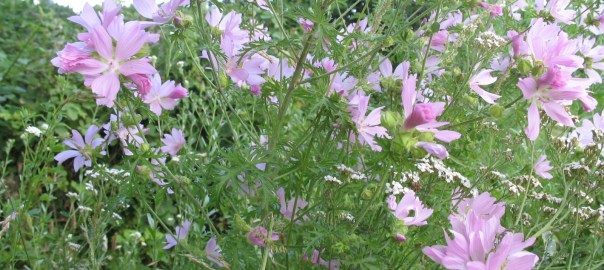
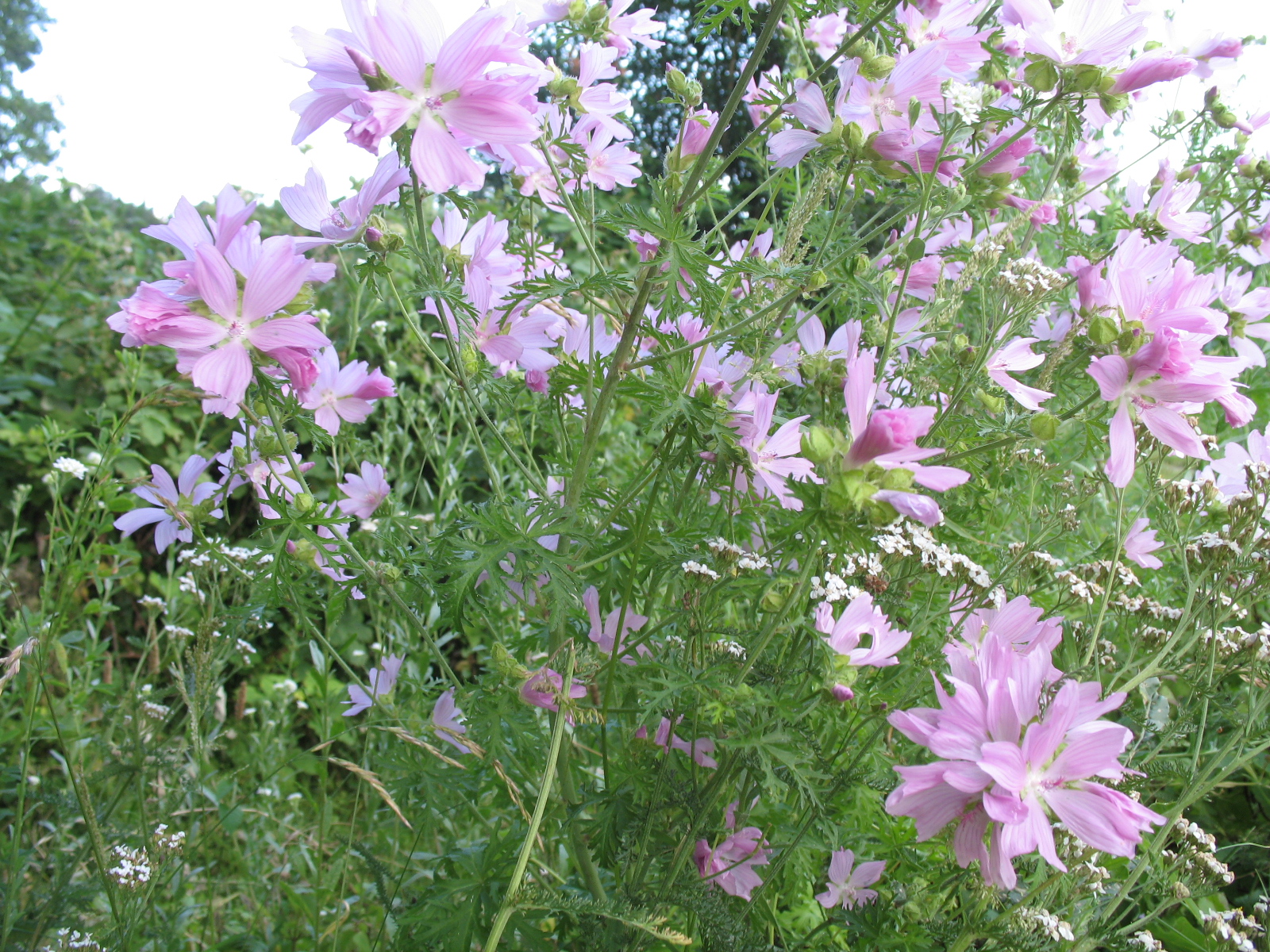
Musk Mallow (Malva moschata). Here’s an interesting link in Dutch, for some information about uses of this beautiful plant and also two similar looking ones, Marsh Mallow and Hollyhock.