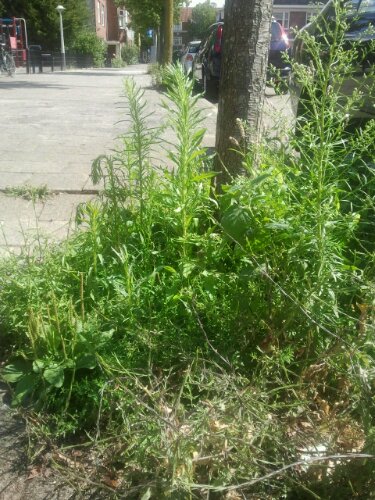
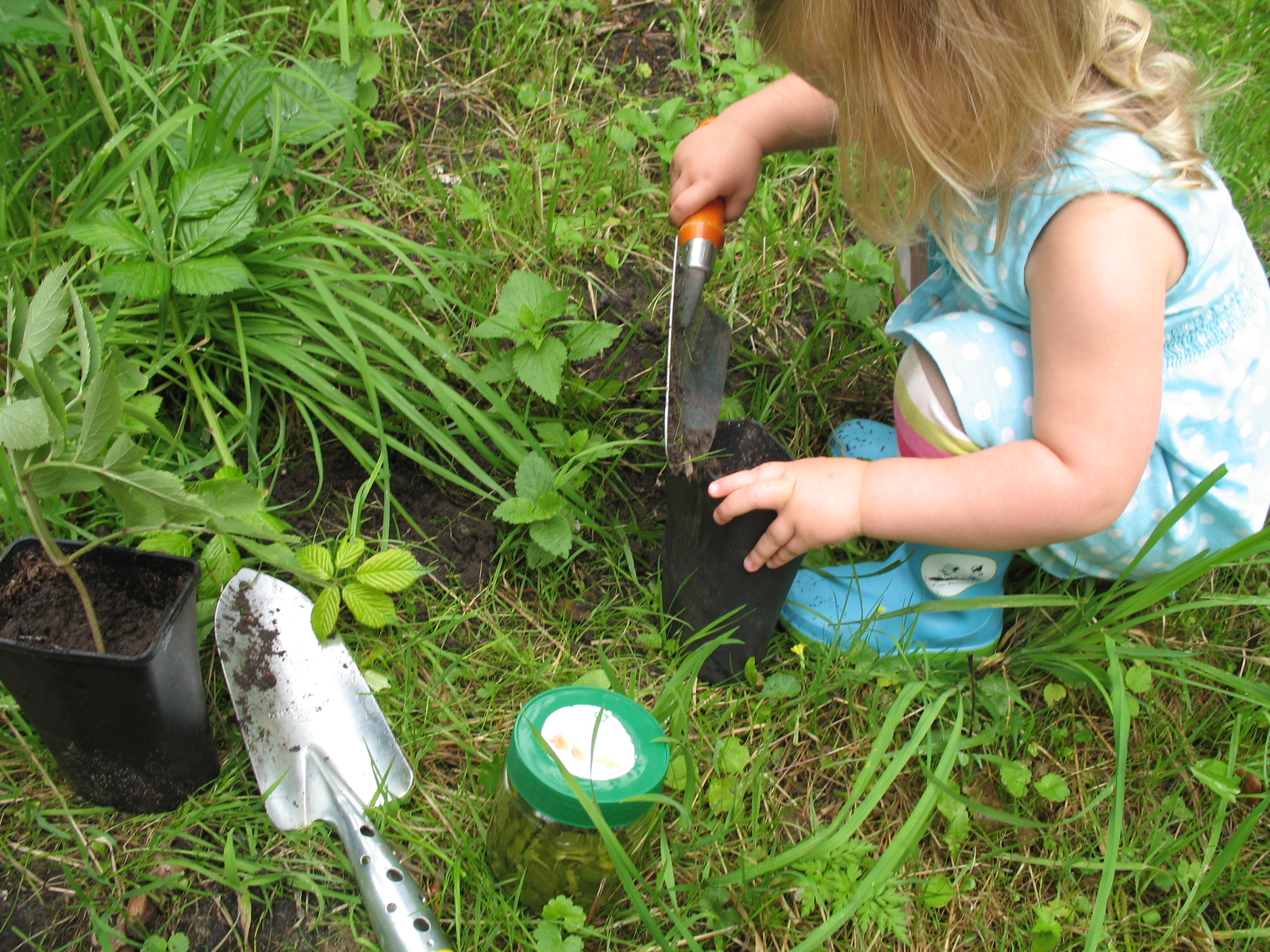
This street is adjacent to mine and it contains lots of neglected but fertile treepits. Several of them are next to a children’s playground so no one claims them or takes an interest in them. I think these pits could be great as a starter project for the River of Herbs.
They need clearing of the weeds, some edible which have now set seed. Then I’m thinking of sowing some herb seed and planting some small evergreen and perennial herbs that I have surplus on my roof.
When planted I’ll stick a label in there, saying in some way that the tree pits are part of the River of Herbs and the plant species are edible or medicinal but are also for bees and other insect pollinators. That part needs some planning but I hope you get the idea.
So, what do you think? Would you like to help? Do you have other ideas or know of other possible Urban Herb Meadow locations?
For the past 100 days, I’ve been going to Park Frankendael, Amsterdam to photograph and document some of the useful, edible and medicinal herbs growing there. Parks are amongst the best places for urban foragers and this one gives an indication of what can be found all over the city, along streets, canals, against houses, in hedges and amongst offices.
I hope to go on holiday quite soon and want the project to go on without gaps. So if you would like to send me a photo of any herbs you find in Amsterdam, I’ll gladly check their identity and publish the photos with credits here. All of my photos are taken in and around Park Frankendael but during my holidays, photos from anywhere in Amsterdam are fine and I’ll be very grateful of you’re involvement.
Please send your urban herb photos to Lynn.Shore@gmail.com with you’re name, the location of the plant and the date you photographed it. If you know the name of the herb, in English, Dutch or Latin, then that would also be helpful. Send them anytime from now.
So what have we got on Day 100? Plantain (Plantago major, NL Weegbree) with towering seed spikes, very tasty, nutritious and soothing to the gut when cooked in rice, quinoa or similar. It is easy to harvest too, simply pick a few spikes and use a thumb nail to strip the seeds from the spike. Wash them and cook, that’s it.
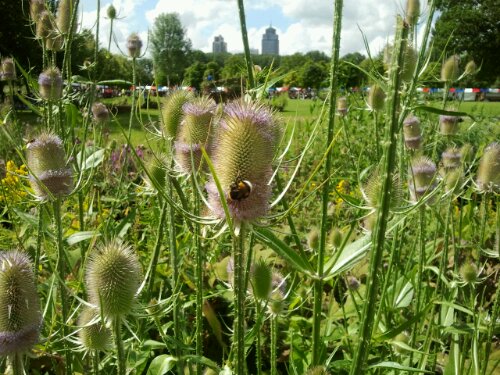
Here is Teasel in flower, offering food for insects and candy to the eyes of thousands of Amsterdammers, attending today’s Puurmarkt in the park. Behind the Teasel you may see Goldenrod and Rosebay willowherb.
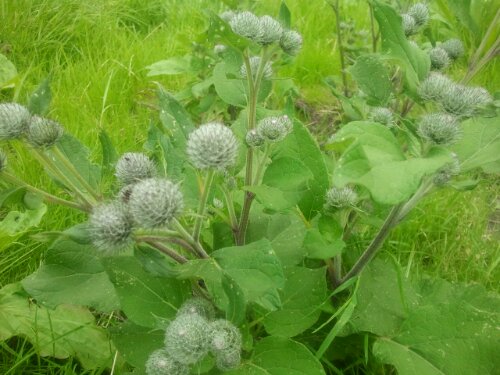
Here is a small but second year Burdock, having a second attempt at flowering in the park orchard after being mowed down a few weeks ago. No good for harvesting but a great indicator of where to find medicinal first year Burdock plants, now and next year.
Here’s a Gingko biloba tree. Those easily identified fossil like leaves, can be best harvested when they start to tinge with yellow, for drying and using as a circulation boosting tea. The circulation enhancing action gives this herb a reputation as a good one to help improve memory.
I know of dozens of street Gingko trees in Oud Zuid, close to Beethovenstraat particularly. I’m sure there are more areas with lots of them in the city. Someone who recently joined an urban herb walk told me that she is currently harvesting and drying the leaves, to help her during periods of study.
Loads more herbs in the park and city today. The above is just a taster. Please feel free to send me what you find, as and when you like.
Just a quick post today as have been writing about the Elder Babies event…
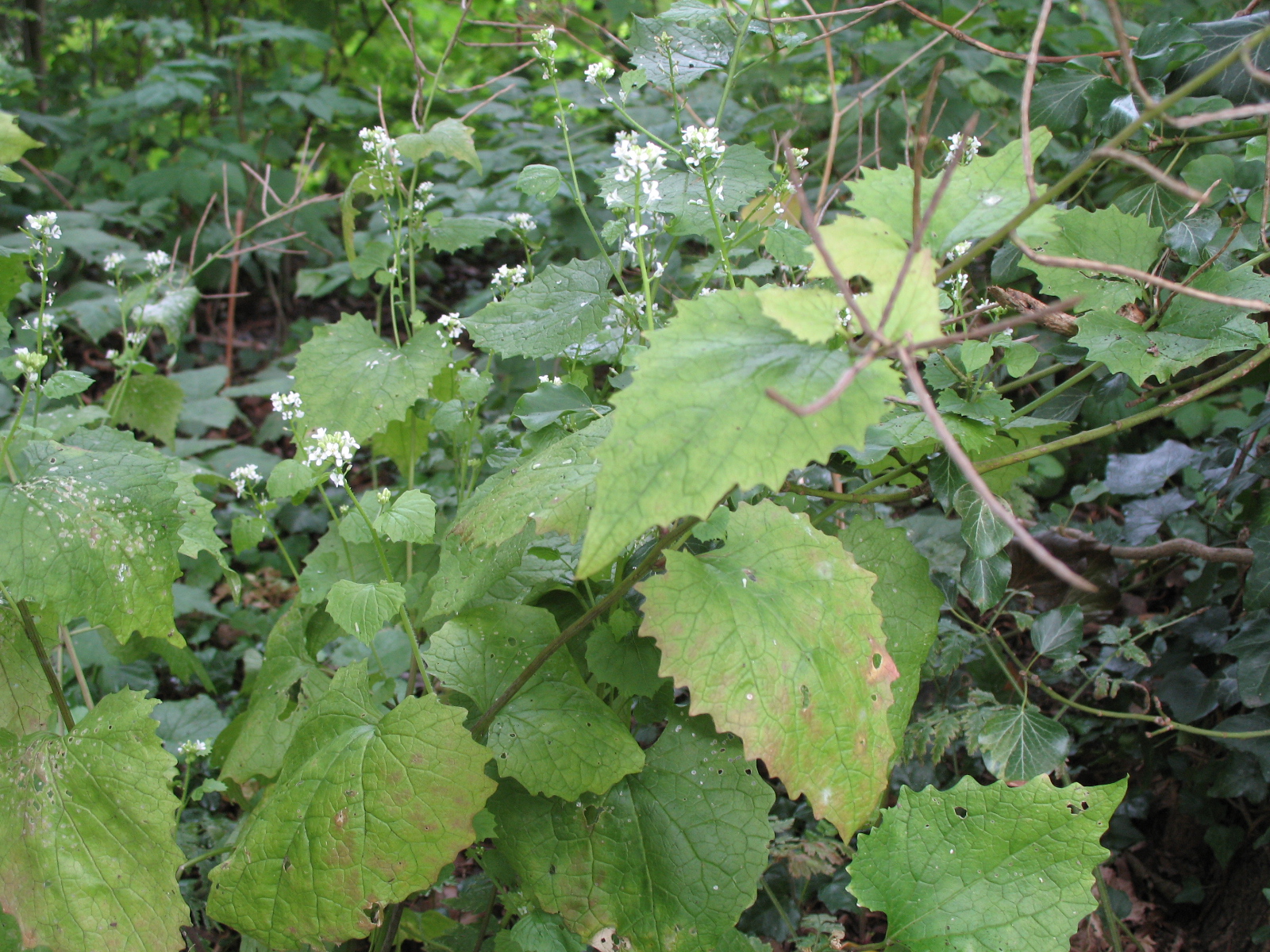
We didn’t look for other herbs today but Lynne and her children found some Garlic Mustard in good shape for eating and others with ripe, dry seed pods, very useful for the River of Herbs project.
This morning a group Urban Herbies gathered alongside a park hedgerow and took cuttings of a wonderful herb shrub – Elder (Sambucus nigra). We are going to look after the cuttings for as long as it takes for them to find their feet and be mature enough to survive planted out, in another Amsterdam hedge or edge. I was inspired to try this by the work of Glennie Kindred, a wonderful, community-spirited wise woman from Britain. Her website contains very useful information about many herbs and has especially detailed information about native trees. Thank you Glennie!
Here’s How to Make Elder Babies:
1. Most shrubs and trees are best propagated in the autumn and winter but its also possible to try easily-rooting Elder in the summer. Choose very healthy parts of very healthy shrubs, ask the permission of the shrub you are drawn to with your heart and actions. Be gentle, and respectful and only harvest a little from one shrub. If your cuttings fail to survive then return them to the soil. Never burn Elder and listen to the wisdom it has to offer. All parts of the plant are medicinal and have been revered for millennia. These days we tend to make the most use of elderberries and flowers. The leaves and twigs also make an excellent skin cream but it is best not to ingest them.
2. We used secateurs or our hands to carefully remove the last 6-8 inches (14-20cm) of a healthy branch. Avoid those laden with berries, the plant’s energy needs to focus on that task rather than growing new roots.
3. Remove all but the last couple of leaf pairs, and gently slide them off with your hands. Return these to the foot of the mother Elder. If harvested in winter, all of the leaves could be removed from the cutting.
4. If using it, dip the bottom end of the cutting into a jar of Willow or Meadowsweet rooting hormone tea. Poke the cutting quite deeply into a pot of good quality soil, so that it is about half buried and won’t topple over. Firm the soil slightly.
5. Ideally, water the pot from beneath by standing it in a bowl of water for a while, until the soil is thoroughly dampened. Ensure that excess water can freely drain from the pot.
6. Place the pot, with damp soil and comfortably pushed-in cutting, in a place of semi shade, or in a loosly closed translucent plastic bag and leave it to grow roots. This will take some time so you’ll need to be patient, maybe for a few weeks. There is no need to remove the cutting to check on progress, just let it do it’s thing and you’ll be pleasantly surprised the day you see Elder roots, poking out of the drainage holes.
7. Keep an eye on the dampness of the soil, Elder will rot if it gets soggy but it will also die if the soil dries out completely. Lightly water the soil when needed. Misting with a water spray is a gentle way to water from above.
8. When the cutting has set down a good root network and has grown a couple of feet tall (about 50cm), it should be ready to plant out when mild spring weather arrives. This may take a couple of years but sometimes it can happen more quickly.
9. Plant out during moderate weather in an area where Elder bushes are sparse. Elder fairs well in most conditions, it will tolerate full sun, lots of shade or partial shade. A hedgerow setting is most suitable. The shrub can be pruned into a hedge if needed or allowed to grow in which ever direction it prefers.
Here’s another link to Gennie Kindred’s website where you will find lots of useful Elder information and several wonderful Elder recipes.
To make the Willow rooting tea simply harvest a few Willow tendrils, chop them and place in a clean glass jar. Cover with freshly boiled water and cover. Leave to infuse as the water cools, for about 8 hours. Then the infusion may be strained or not. It will keep a few days in the fridge if needed or use what you require and pour the rest on your other plants.
What a beautiful day again today! I have been off on my bike to Nieuwemarkt, stocking up on Carageen (dried Irish moss seaweed) and dried Arnica flowers from Jacob Hooy and dried strands of Agar agar from the Oriental Supermarket, in readiness to write a section in my book about herbal gel making. Then back down the road to the park to collect a few Willow tendrils from Park Frankendael, to make plant rooting hormone tea for the Let’s Make Elder Babies gathering tomorrow morning. I learned about using Willow tea as a rooting hormone, quite recently from Ann at City Plot. Here is a useful link with some background about why the tea works and how to make it.
Willow (Salix sp)
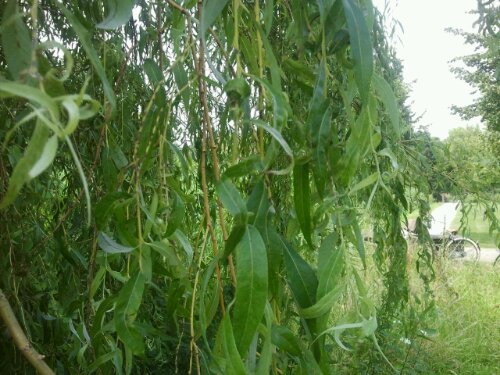
Here’s the Willow (Salix sp) I harvested from to make the tea today. All Willows contain Salicyclic acid but this Weeping Willow has so many babies growing at her feet, probably from ripped off tendrils which self rooted, that I thought she was the one to use.
Elder (Sambucus nigra)
I had a look along the Hugo de Vrieslaan outer edge of the park, to check that the Elder shrubs are in good shape to harvest from tomorrow. They look beautiful, with glossy leaves and lots of developing berries.
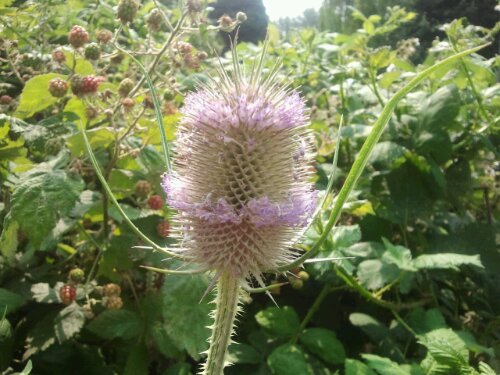
Teasle flowerhead with Blackberry behind
And here is another sort of berry developing, Blackberry, with a beautifully flowering Teasle plant growing alongside. I was asked about this plant on a recent herb walk. When should it be harvested and which parts are most valued for treating Lymes disease. I had little idea, its a plant I’m not used to using as in the UK you are not supposed to pick it due to its value to wildlife. I have just read the latest Ezine from Susun Weed and she mentions the first year roots being harvested in winter for this purpose so I suggest that route is followed by those I spoke to who have lots of Teasel growing in their gardens.
I collected some more seeds today, from edible, medicinal and beautiful perennials in Park Frankendael. The only wild Angelica that I know of there set and spread its seed in the water some time ago but this beauti in the maintained herb garden is just ripe. I harvested just a tiny proportion of the seeds on the plant and will use them for the River of Herbs project. Angelica archangelica is such a gorgeous plant to look at and has so many uses for humans and wildlife. I hope some other people will enjoy growing it in the city.
If you would like to collect some seeds from plants growing in the city or anywhere else, do remember to:
1. Leave most of the seed on the plant for birds and small mammals to eat and use.
2. Leave the seed heads and stems on the plants, they often make excellent look out posts for birds in winter, create beautiful frosted and dew covered structures until the spring and some become hollowed out homes for all manner of bug life. If you must chop off the seed making structures, to access the seeds, it probably indicates that the seed is not yet ripe anyway.
3. Take only from plentiful perennial plants, which are generally able to proliferate from their root stock and seed. If you take from annuals or biennials the forget to sew the seed, or they fail, then the plants you harvested from may have lost all chance to reproduce.
4. Only harvest seed when ripe and allow them to dry off extra well at home before packaging in small labelled envelopes or similar for future use.
5. Sew your seed as soon as possible. Think about the plants natural cycle, when the plant sets seed the seed usually finds its way to the soil and when ready will germinate. Try to mimick this if possible.
My attempt at Skullcap (Sculleraria sp.) seed collection was disappointing. I had missed the boat almost completely on two accounts, firstly someone had cut off heaps of flower stems from the large plant shown here and secondly when I examined more skullcap plants they had already set seed. I managed to collect about six seeds. Next year I must look for them earlier.
I then turned my attention to the tall wild flower meadow (shown above). Too early for seed collection here but right on time to see Goldenrod in full glory,
And Tansy (here’s a photo illustrating why Tanacetum vulgare is known as Buttons in some regions),
Here’s a little plant which I have been encouraging in a pavement crack near Frankendael, for the past few months. Its characteristic scent, leaf shape and the basal rosette arangement of its young leaf stems, all tell me that it is a Geranium but I’m not sure which. My best guess at the moment is that it is Geranium rotundifolium. I really hope it will survive long enough in this location ,to flower and show me it’s true identity. In the meantime I’ll enjoy its fragrance and an occasional well washed and cooked leaf, in my meals.
One photo today, some very tasty Stinging Nettle seeds (Urtica dioica) dangling from plants and a mass of beautiful Thistle seeds, about to float away to new pastures from the mother plants. I’m not which type of thistle but seeing these reminds me that Thistle and Artichoke are closely related and useful medicinals.
Nettle seeds are not only tasty in their item right but make a useful infusion. Do although Nettle is not at its best for eating right now, a tonic infusion, which has a more moist effect on the body than the leaves alone, can be made.
This morning I went for a sunny wander and chat in the woods with Femke, one of the organisers of Otopia Fesitival at OT301, Overtoom.
The festival promises to be very interesting indeed. I’m very pleased to be offering 3, hour long Urban Herb Street walks on Saturday 15th September, as part of the event. They will be in the afternoon. More details to follow but I’m mentioning it now as places will be limited for the walks.
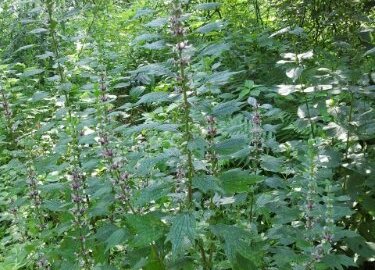
I was to busy chatting to take many photos but this Motherwort (Leonurus cardiaca) was just too beautiful to miss.
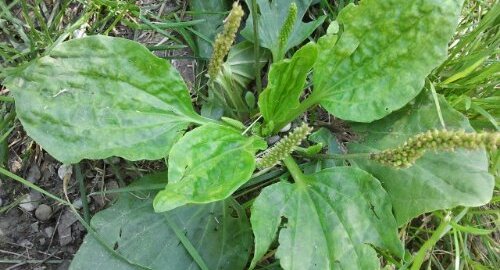
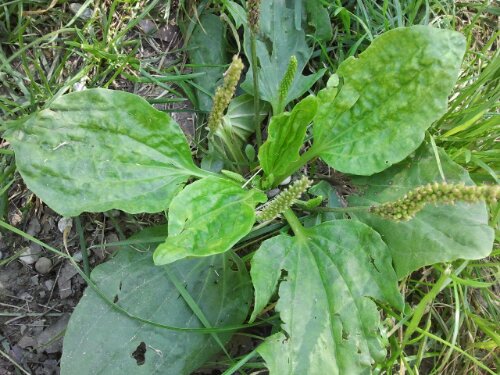
This is for Mirjam, who asked for the Dutch name of this plant and what it looks like. It is Plantago major, Plantain in English and Weegbree in Dutch. It is a very useful first aid and wound herb, is good to eat (if you cut out those stringy veins), good to juice, good for skin ointment recipes, for a multitude of ailments and I ran a workshop on the plant and its close cousin Ribwort, last week.











 Urban Herbology