Category Archives: Growing herbs

365 Frankendael day 75

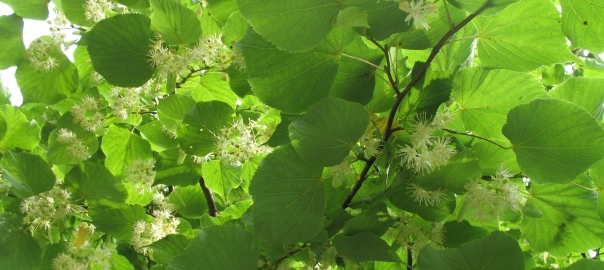
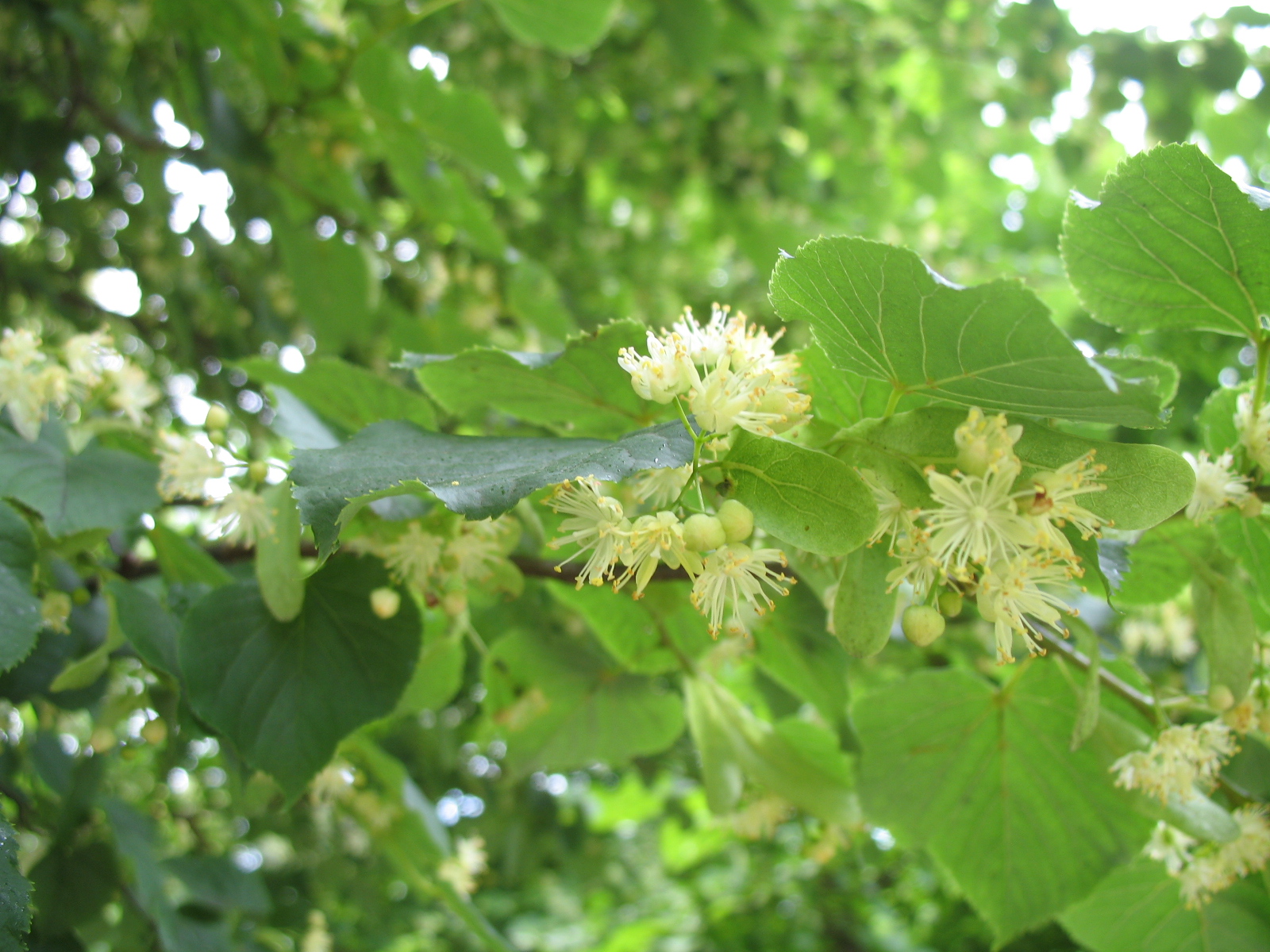
I went for an earlier walk in the park today and was rewarded by finding the freshest and most delicious Lime (Tilia) flowers that I have ever harvested.  Here’s the tree they came from.  I turned them into a tea and shared it with the painters and my little girl.  Lime tea is especially good on a warm summer day like today. It is cooling and refreshing.
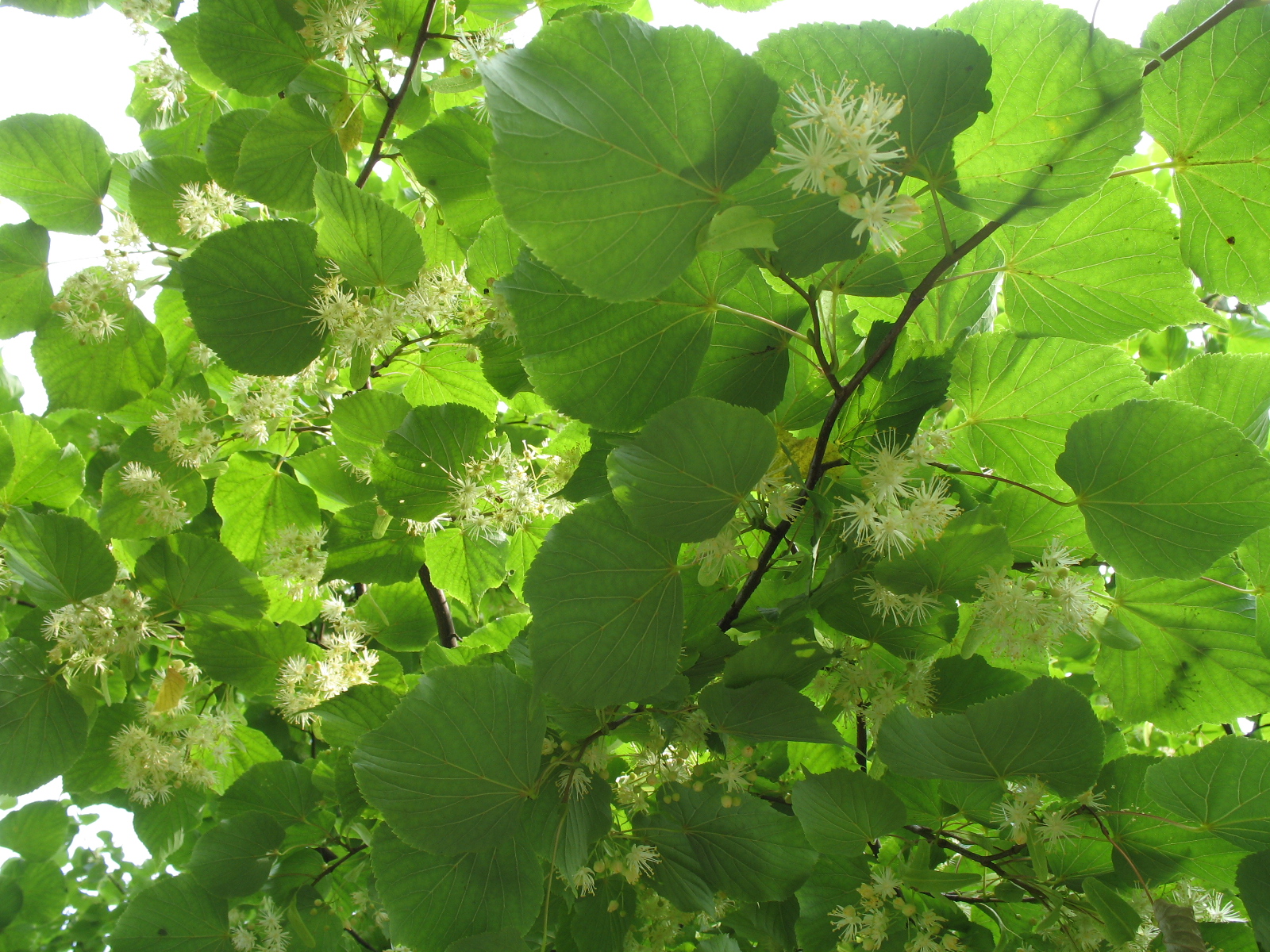
Here’s a neighbouring Tilia tree in the park. It must be a different variety as everything about it is a little smaller than most Tilia in the park and the the leaves are a little darker.  The flowers are also placed slightly differently on the twigs. I don’t know so much about the different varieties but I do know that Tilia tastes good and is very beneficial.
Next is a harmonious grassland combination of Plantain, Yarrow and Red clover in bloom.  I set off today hoping to find enough Yarrow to make a tick-deterring tincture. I got rather side tracked by other herbs and in the end, didn’t notice enough to harvest. So instead of tincturing, two flower stalks are brightening up a small vase on my dining table.  It’s good to remember just how many ways there are to benefit from flowers.

Here are two of my favourite things, my little girl and a huge Brassica plant.  As with most naturalised and wild brassicas, all parts are edible and quite strong tasting. Just a carefully picked leaf or two should liven up a meal.  (Thanks Jennie for correcting me on this one, I thought it was Wild Cabbage but that only grows near the coasts on chalky soil). This one may be Rapseed (Brassica napus). My friend Jennie Akse is running a herb walk focused on edible yellow flowering plants, around in Amsterdam at present.  Have a look at the Meetup group for details.

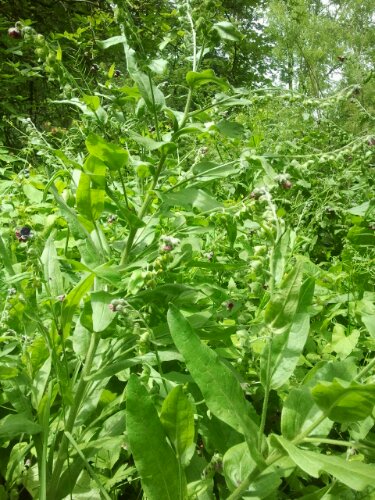
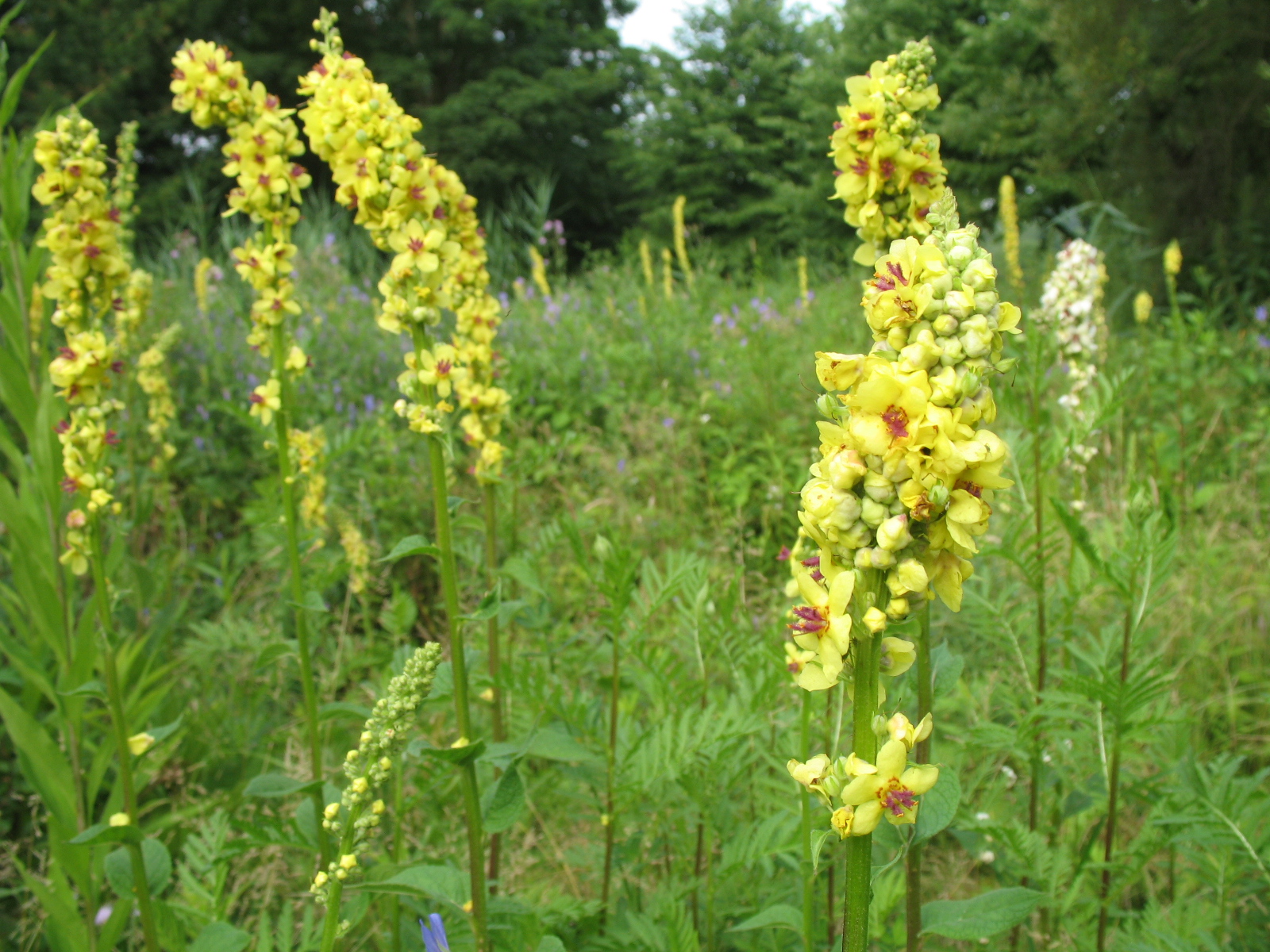
Here is a herb that I find quite wondrous, Dark Mullein (Verbascum nigrum). Useful for many disorders, such as lung weakness and infection and most popular, I think, as an ear infection remedy.
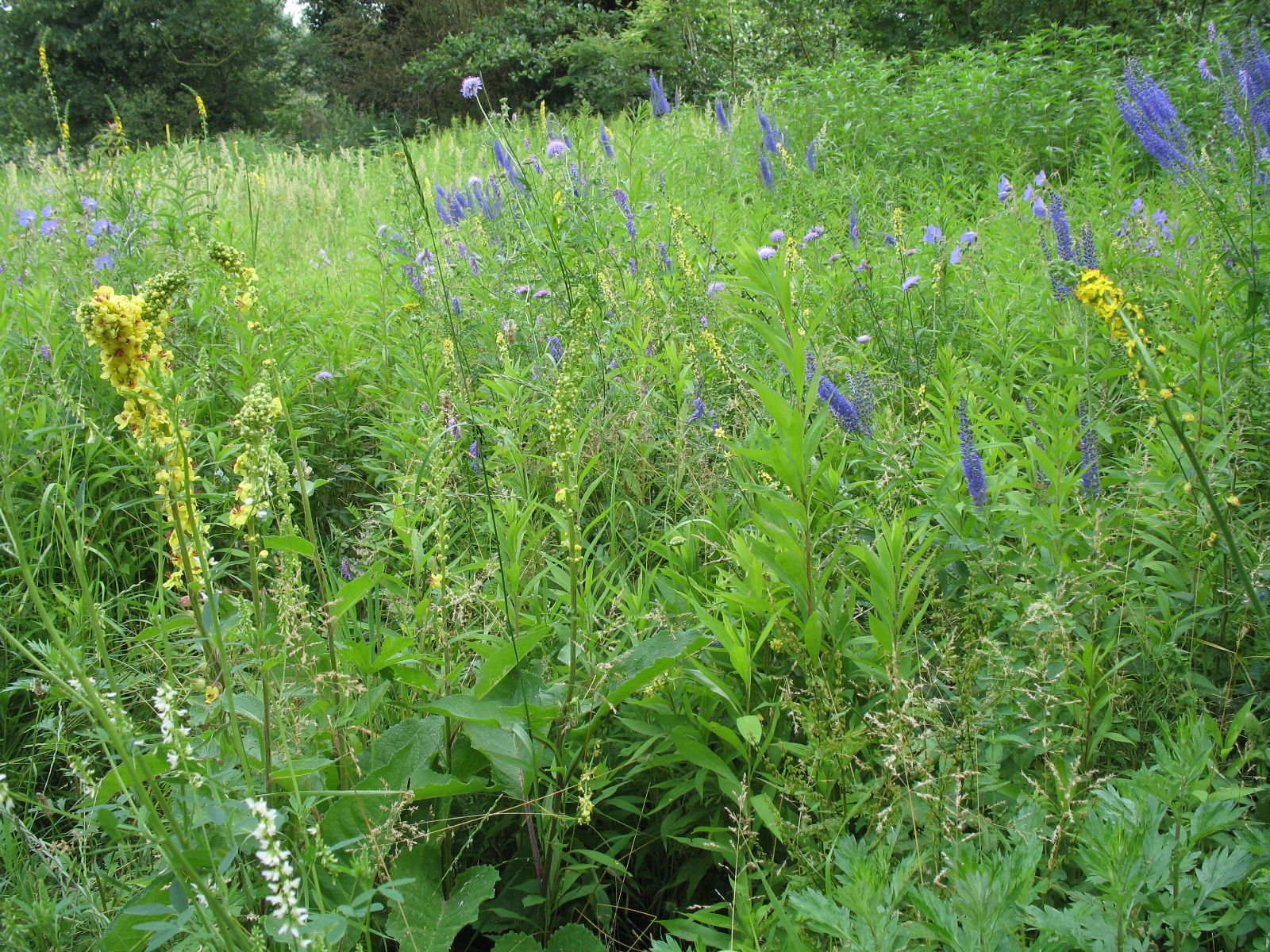
Next up today is another herbal harmony, Veronica‘s towering blue spires mixed with more Mullien, Mugwort and Agrimony.
Here are some striking and Poisonous Lilies, in the formal garden behind Frankendael Huis and Merkelbach.  I add this photo because yesterday I featured the very edible Daylily (Hemerocallis fulva), which can look very similar to the uninitiated.  All parts of Lily are toxic. I have never thought about eating this type of plant but I find the pollen, when trapped in a living room with it for instance, very irritating.

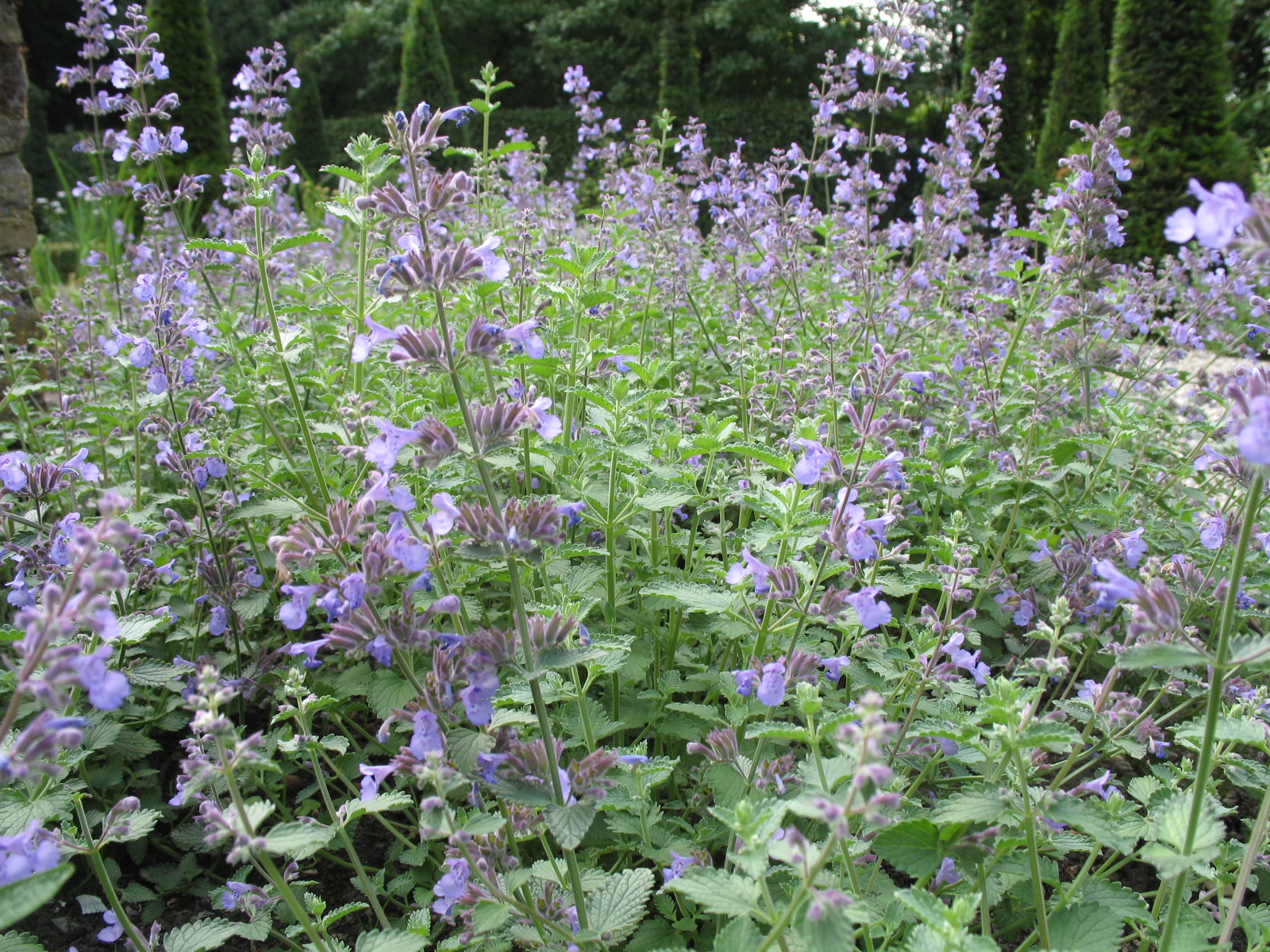
Here is Catnip (Nepta sp). A member of the mint family, it can be used in similar refreshing ways. I like to make a sinus blasting pesto with it sometimes. It has many uses and is quite easy to grow.  Many will already know about cat’s affinity to this herb.  Some love it and find it quite a turn on, others seem to lack receptivity to it and many show more of a loved-up reaction to Valerian.
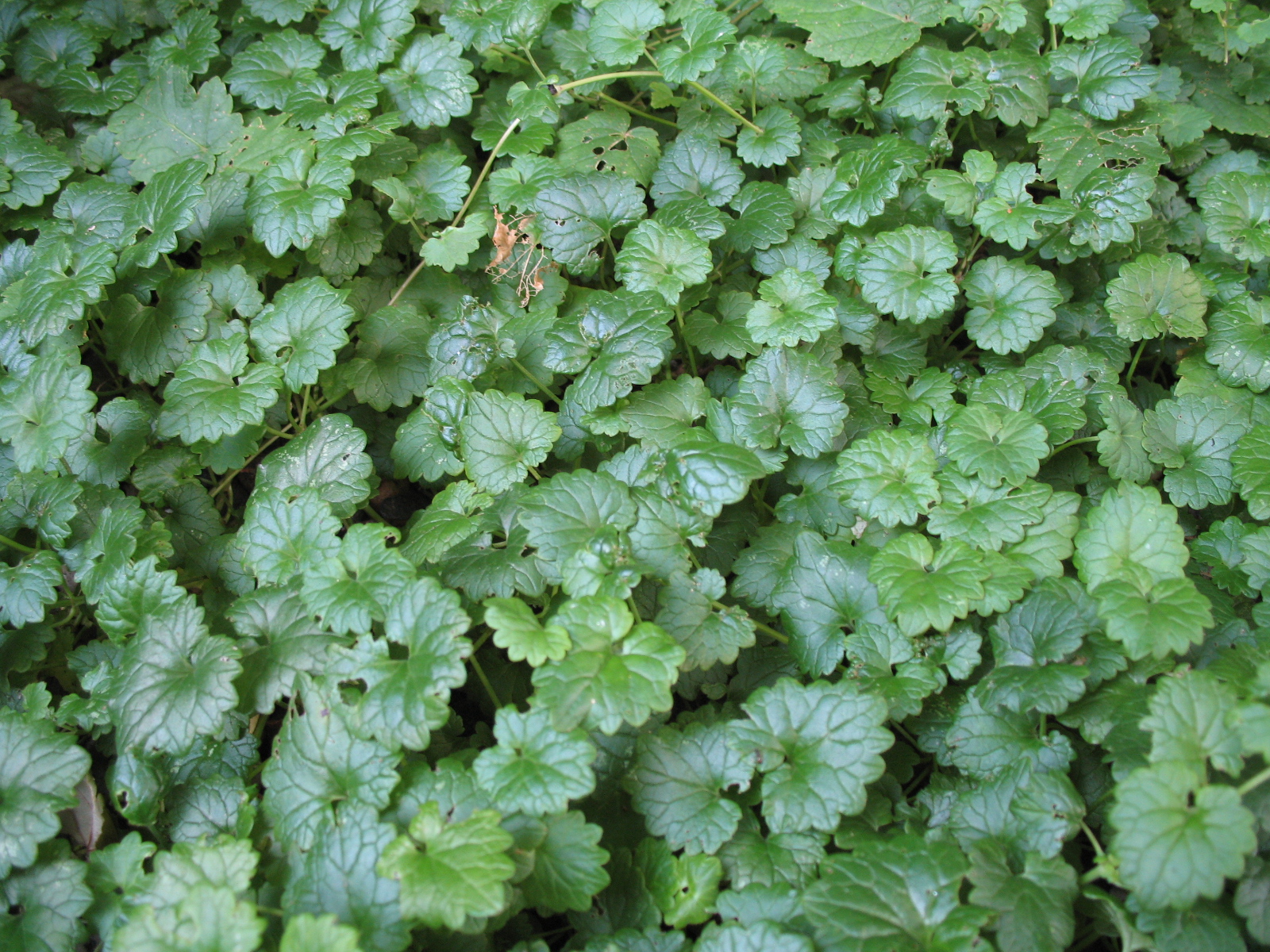
Another minty wonder is shown below, the often overlooked and trampled Ground Ivy (Glechoma hederacea). The pretty purple flower spikes are gone from most of the plants now but just look at that rich foliage! Now is a good time to harvest and use it or dry it for the winter. But why bother when this ground covering  plant is around all year long?
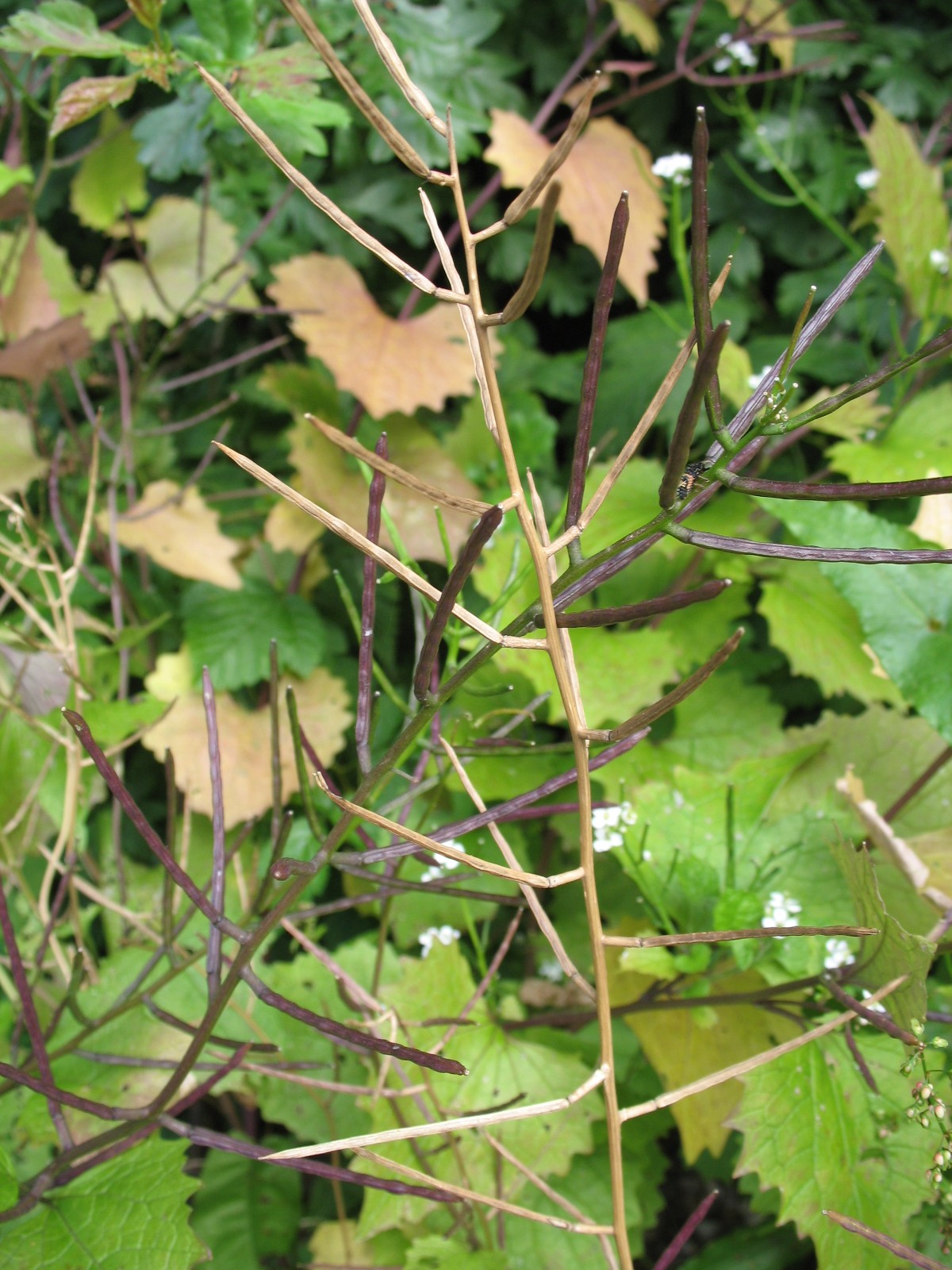
Next is a delicious Garlic Mustard plant (Alliaria petiolata), showing different stages of seed pod development. This is a wonderfully tasty herb to add to all sorts of cooking.  It is also great used as a salad leaf or flower.  Looking at these seed pods reminds me of why it’s a pity to harvest the flowers of this super biennial.  Less flowers, less seeds, less plants next year.
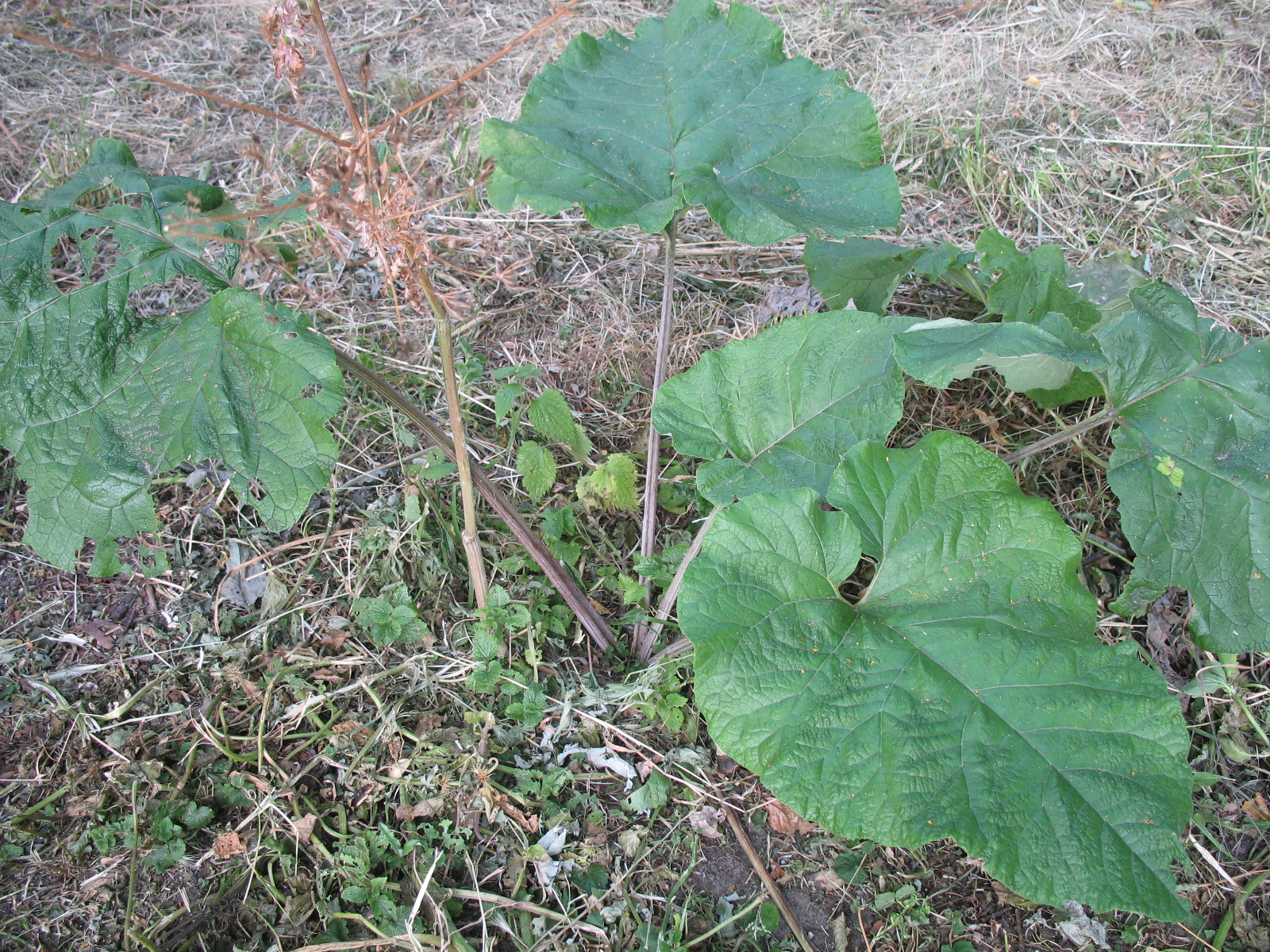
Next is a large plant which I’ve been hunting for some time – a first year Burdock (Arctium lappa), ripe for root harvesting.  It seemed that all the Burdock in Amsterdam were second years, in bloom and not very nutritious or medicinal.  Now that the council have mowed some patches of the park, some first year Burdock have been kindly left to develop.  I won’t be digging this plant up but it’s good to see it and be reassured that a first year plant is easy to identify.
Lastly today, a type of Hyssop (Hyssopus sp.).  I used this plant quite a lot last year, it is very aromatic and makes good tea. I’ll have a careful look at this one again soon to identify it fully.

Chives on a Green Roof

This is a photo I took yesterday through a drainage duct. It is of a wonderful Green Roof, carpeting a large parking garage near some apartment blocks. I see it every week and notice the pretty Sedums growing there but on this occasion I noticed that a large area contains flowering Chives. What a treat for the people living close by! I managed to harvest two leaf blades by reaching through the short duct and used them in dinner last night. The location will be posted on the Boskoi interactive foraging map.

Let’s Grow Elder Babies!

Elder (Sambucus nigra) is arguably the most useful herb that grows wild in Western Europe. It is used for many remedies, is steeped in folklore and history and on top of that the flowers taste great and the berries are delicious when cooked! It is a native hedgerow shrub here in Amsterdam, some areas have lots whilst others have none. I’d like to help increase their distribution in Amsterdam, with your help.

I’m organising this through my Meetup Group as several of the group members are interested in getting involved. The “meetup” will involve taking small cuttings from existing strong bushes and planting them in pots of soil to take home and keep an eye on for two years! (If you move I’ll adopt them). After that time and with a bit of luck, the Elder babies will be viable for planting out in local hedgerows. A while later there should be a nice increase in Elder.

No gardening experience required, just a bit of enthusiasm and community spirit!

I really hope that at some of my blog followers will also like the idea of getting involved. I see foraging as a journey in conservation, take little, be compassionate and give something back to the Earth in thanks. Many foragers or wild crafters of herbs do give little gifts to the soil as they harvest, like a pinch of tobacco, herb tea, even blood, but if I were an Elder I think I’d prefer some friends!

I’ll set a date nearer the time and of course it can be repeated throughout July to October.

If you would like to join us then either join the Meetup group and RSVP to the event or just email me directly. Lynn.Shore@gmail.com

365 Frankendael day 52


A lovely walk today, began by spotting this particular Garlic Mustard (Alliaria petiolata) plant along the Lime tree avenue. There are many many Garlic Mustards still around But this one has a few really big leaves. The one on focus here was 14cm long! It’s handy to have your field guide with you for recording such herb spotter type things!


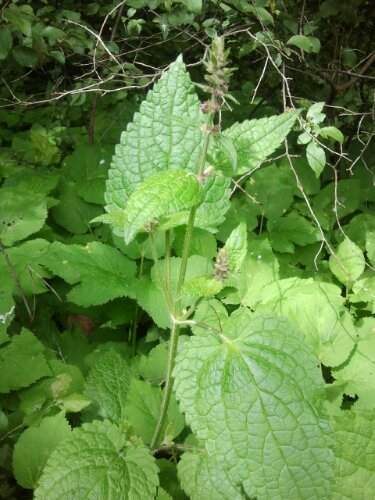
I saw this plant from a distance yesterday and mistook it for a Calamint. I have a very stinky sample of it in my field guide, beside me as I type and it is definitely not a pleasant Calamint. It is Field Woundwort (Stachys arvensis) with beetroot coloured flowers atop hairy, strongly “scented” leaves. It is a Labiate of great herbal repute. This particular Stachys has been long used for a huge range of ailments. Have a look at the Wiki link for an overview of them if it interests. I have used it now and then as a tea. I find the taste quite strong but not unpleasant. I think the most interesting uses are to treat pink eye (conjunctivitis) and styes. For these problems, a weak, cooled and very well strained tea is sometimes used as an eye wash.


I think that the above photo is of Hedge Mustard (Sisymbrium officinale). I will need to keep checking as it comes into flower. I did manage to forage our Brassica fix of the day though, plenty of Wild Turnip in full flower alongside the Middenweg today.


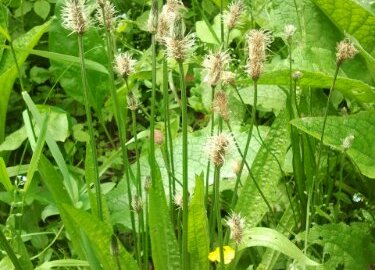
Here’s an eye catching member of the Plantain, Plantago genus. It looks like Ribwort but the flowers are super shaggy and I’m not used to seeing that in Ribwort. I have a feeling it is a hybrid between two types of Plantago. Claud Biemans told me about them when she walked with me here in Frankendael. Whatever it is I love those flowers, they remind me of a well worn Afghan coat.


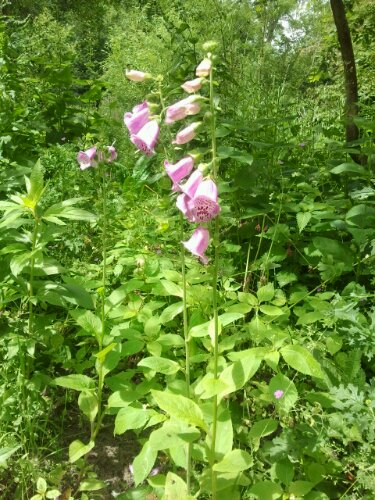
Here is Digitalis in flower. Foxgloves have strikingly beautiful flowers but all parts of the plant are highly poisonous. It provides a well known herbal medicine which acts specifically on heart muscles. Not something to be picked or used.


Here’s another poisonous plant, White Bryony (Bryonia dioica) entwined around Motherwort (Leonurus cardiaca). I was looking at Motherwort today because it’s flowers are just beginning to become obvious and soon the leaves of the plant will become more familiar to those who know its flower heads. Can you see the flowers developing in whirls close to the leaf bases and the square Labiate stems? This is a good time to harvest and tincture the plant but you should watch it for a full cycle to ensure its the real thing.


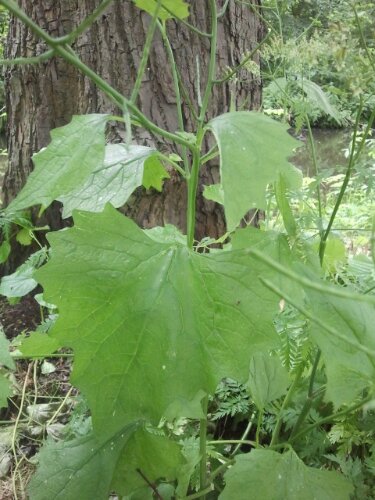
Lastly today, Hound’s Tongue (Cynoglossum officinale).

Gardening by the Moon

Today is a Full Moon day, this month it’s called a Strong Sun Moon, though there’s little sign of the Sun at the moment.  As Amsterdam Elderflowers are in full bloom right now, I thought it may be a particularly good day to harvest them. My diary says it is a Flower and Fruit Day but just what does that mean? I wrote a post about the phases and astrological significance of Lunar Herb Gardening some time ago and here’s a nice webpage on Our Gardening Gang which goes into some detail about gardening activities (though it call them chores…) which are best done at certain times of the lunar cycle.

In a couple of weeks I’m running a Mugwort workshop, very close to the New Moon and Midsummer’s Day. We’ll be harvesting flowering Mugwort and processing it straight away. The New Moon itself is not a good day for gardening activities, so we will be meeting the day before, which is another Flower and Fruit Day. There is not always the freedom to plan harvesting and gardening around the Moon but it if you haven’t already tried it, perhaps at least considering it will add an enriching dimension to your herbal activities.

If the sun dries off the Elder flowers today, I shall be collecting a few. In a couple of days I shall be planting some Ginger which is sprouting in my kitchen, doing it now may slow it’s growth. So what herbal activities will you be doing on this Full Moon?

Flevopark Strawberries

Last weekend we visited the children’s farm on the edge of Flevopark. There is a lot of planting going on there and they are using some great Permaculture style ways to increase productivity and reduce consumption. Here are two which really caught my eye..

A Strawberry planter, much better than the conventional ceramic pots which dry out in no time and cost a small fortune. I think it looks stunning.
image

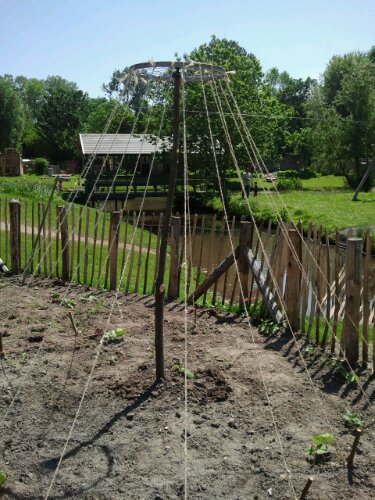
A runner bean frame which has an old bicycle wheel at the top.
image

The kinderboerderij is a very special place. Here’s a nice mix of some sort of brassica, poppy and other herbs, growing in the controlled wild of the area. They just looked so pretty…

Green Roof and Walls


Yesterday was scorching hot here so I joined a friend for an outdoor dip in the outdoor pool at Sport Plaza in Amsterdam West. What a wonderful surprise I had, when she showed me the well established green roof and walls, blanketing the building. I was even more delighted to see dandelions thriving in it here and there, with dense stretches of Pelargonium sp. So at least in part, this wall is carpeted with edible perennial herbs!

Further enhancing my swimming experience; the building has lovely trees around it, including several Ginkgo.

Urban Herbal Planting Scheme in Amsterdam Oost

I was so pleased when I realised that the local council had commissioned simple herbs for the planting scheme at Christian Huygensplein in Oost Watergraafsmeer, Amsterdam.

About a year on, the herbs are looking great so I thought I’d share a photo. I hope you can see a Pine Tree trunk surrounded by thick Lavender and an Ivy plant climbing up the trunk.

Three practical herbs in an area which needed a little smartening up at the time. Mostly the planting, which had a lot of hot dry weather soon after it was completed, has faired well. It looks good, smells good and could be used for a multitude of remedies, should the need arise.

Thank you Amsterdam Oost! Now how about a few more nut trees?

Permapots – Perennial Herbs

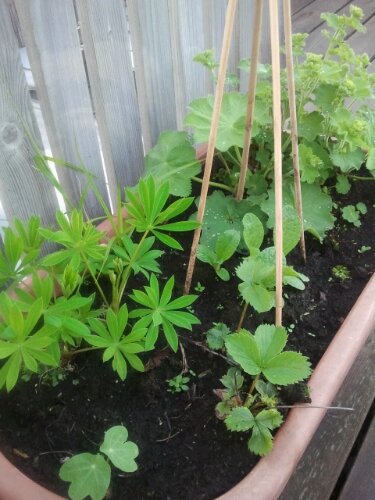
For several years now, I’ve been growing herbs on my roof terrace in what I call Permapots. Inspired by the first Permaculture course I attended, run by Patrick Whitefield at the Sustainability Centre, I began growing mixtures of perennial herbs in large planters.

Permaculture advocates low maintenance gardening of edibles by growing a mixture of perennials and annuals in a way that reduces the need for weeding, watering and feeding. My idea of the ideal Permaculture garden is one that is self-sustaining, produces a useful yield of food throughout the year, is pleasing to the eye and is in harmony with nature.

This is a tall order for a small roof garden but I thought it was worth a try. My Permapots have been going strong for 4 years now and have provided us with a nice variety of edibles and medicinals year round. We have enjoyed roof-grown Rocket at Christmas, occasional summer Strawberries, year round Yarrow and countless herbs for teas and various lotions and potions.

From time to time, I thin out the perennials and refresh useful annuals, such as Calendula and Nasturtium. but mostly I just leave the pots to do their thing and am grateful for whatever harvest we receive. Some plants have done well, some have disappeared and others have done phenomenally well.

Tips for Permapots…
Grow perennials suited to your environment.
Sew annuals which self seed readily.
Be prepared for change and some failures.
Plan for a low to moderate but varied yield.
Grow Lupins our clover in some pots and dig them in each season.
Thin out plants from time to time and share with your friends.

My favourite Permapot plants are…
Borage (self seeds readily)
Sorrel
Lady’s mantle
Lupin
Chives
Yarrow
Strawberry
Calendula (seeds are easy to collect & sew)
Nasturtian (seeds are easy to collect & sew)
Rocket
Marshmallow
Valerian

Permapots save money and effort as I don’t need to buy new plants each year and I am provided with baby plants to sell our give away.
Permapots allow for failure, if one plant does in bad weather there are always plenty of others to enjoy.
Permapots welcome unexpected guests – chickweed, hairy bitter cress and dandelion being the tastiest here.
Permapots don’t need much work.