Category Archives: Projects

How to Make Elder Babies

Elder cutting with roots

This morning a group Urban Herbies gathered alongside a park hedgerow and took cuttings of a wonderful herb shrub – Elder (Sambucus nigra). We are going to look after the cuttings for as long as it takes for them to find their feet and be mature enough to survive planted out, in another Amsterdam hedge or edge. I was inspired to try this by the work of Glennie Kindred, a wonderful, community-spirited wise woman from Britain. Her website contains very useful information about many herbs and has especially detailed information about native trees. Thank you Glennie!

Here’s How to Make Elder Babies:

1. Most shrubs and trees are best propagated in the autumn and winter but its also possible to try easily-rooting Elder in the summer. Choose very healthy parts of very healthy shrubs, ask the permission of the shrub you are drawn to with your heart and actions. Be gentle, and respectful and only harvest a little from one shrub. If your cuttings fail to survive then return them to the soil. Never burn Elder and listen to the wisdom it has to offer. All parts of the plant are medicinal and have been revered for millennia. These days we tend to make the most use of elderberries and flowers. The leaves and twigs also make an excellent skin cream but it is best not to ingest them.

2. We used secateurs or our hands to carefully remove the last 6-8 inches (14-20cm) of a healthy branch. Avoid those laden with berries, the plant’s energy needs to focus on that task rather than growing new roots.

3. Remove all but the last couple of leaf pairs, and gently slide them off with your hands. Return these to the foot of the mother Elder. If harvested in winter, all of the leaves could be removed from the cutting.

4. If using it, dip the bottom end of the cutting into a jar of Willow or Meadowsweet rooting hormone tea. Poke the cutting quite deeply into a pot of good quality soil, so that it is about half buried and won’t topple over. Firm the soil slightly.
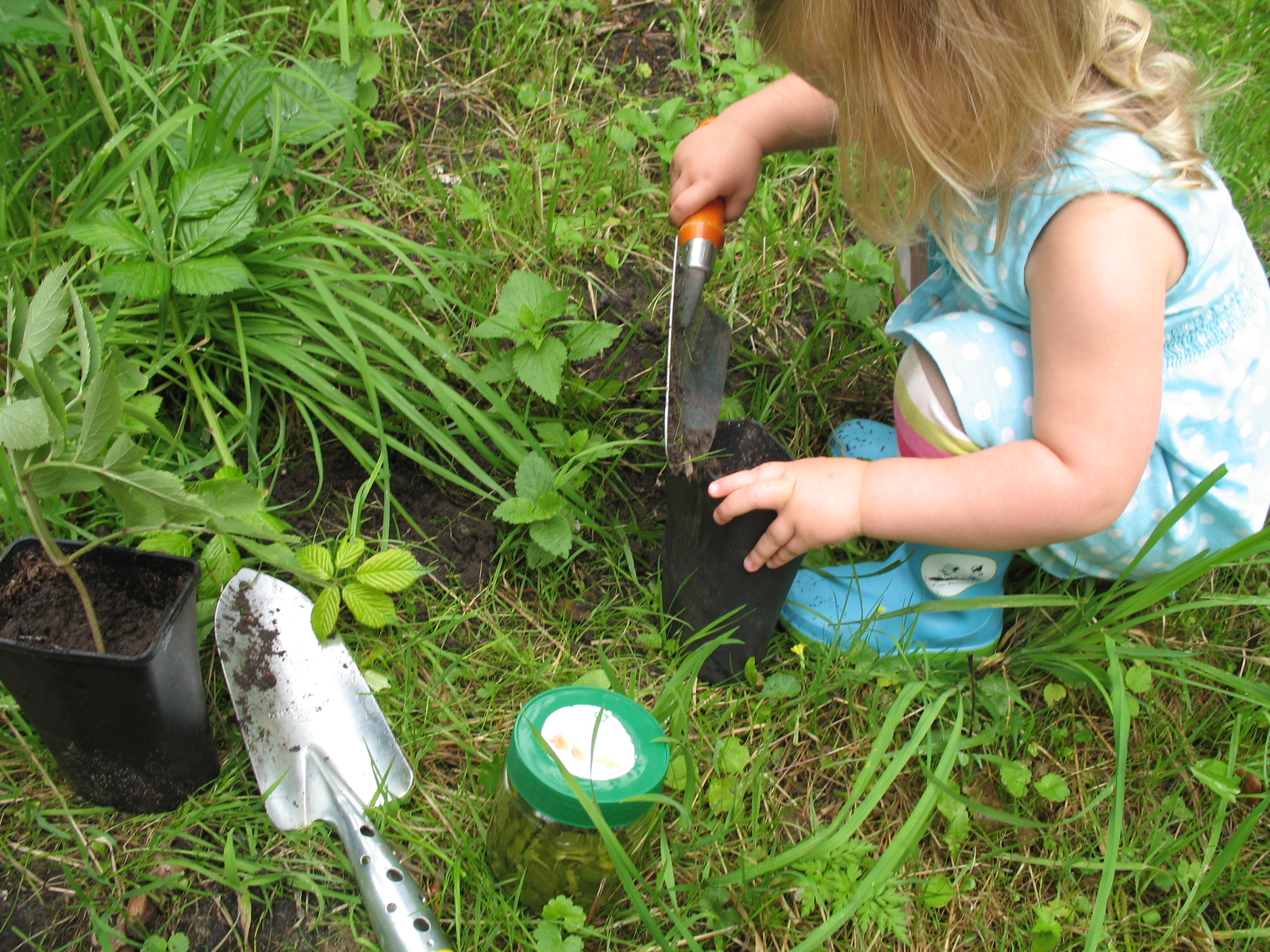
making-elder-babies-003

5. Ideally, water the pot from beneath by standing it in a bowl of water for a while, until the soil is thoroughly dampened. Ensure that excess water can freely drain from the pot.

6. Place the pot, with damp soil and comfortably pushed-in cutting, in a place of semi shade, or in a loosly closed translucent plastic bag and leave it to grow roots. This will take some time so you’ll need to be patient, maybe for a few weeks. There is no need to remove the cutting to check on progress, just let it do it’s thing and you’ll be pleasantly surprised the day you see Elder roots, poking out of the drainage holes.

7. Keep an eye on the dampness of the soil, Elder will rot if it gets soggy but it will also die if the soil dries out completely. Lightly water the soil when needed. Misting with a water spray is a gentle way to water from above.

8. When the cutting has set down a good root network and has grown a couple of feet tall (about 50cm), it should be ready to plant out when mild spring weather arrives. This may take a couple of years but sometimes it can happen more quickly.

9. Plant out during moderate weather in an area where Elder bushes are sparse. Elder fairs well in most conditions, it will tolerate full sun, lots of shade or partial shade. A hedgerow setting is most suitable. The shrub can be pruned into a hedge if needed or allowed to grow in which ever direction it prefers.

Here’s another link to Gennie Kindred’s website where you will find lots of useful Elder information and several wonderful Elder recipes.

willow tea

To make the Willow rooting tea simply harvest a few Willow tendrils, chop them and place in a clean glass jar. Cover with freshly boiled water and cover. Leave to infuse as the water cools, for about 8 hours. Then the infusion may be strained or not. It will keep a few days in the fridge if needed or use what you require and pour the rest on your other plants.
365 Frankendael day 98

What a beautiful day again today! I have been off on my bike to Nieuwemarkt, stocking up on Carageen (dried Irish moss seaweed) and dried Arnica flowers from Jacob Hooy and dried strands of Agar agar from the Oriental Supermarket, in readiness to write a section in my book about herbal gel making. Then back down the road to the park to collect a few Willow tendrils from Park Frankendael, to make plant rooting hormone tea for the Let’s Make Elder Babies gathering tomorrow morning. I learned about using Willow tea as a rooting hormone, quite recently from Ann at City Plot. Here is a useful link with some background about why the tea works and how to make it.

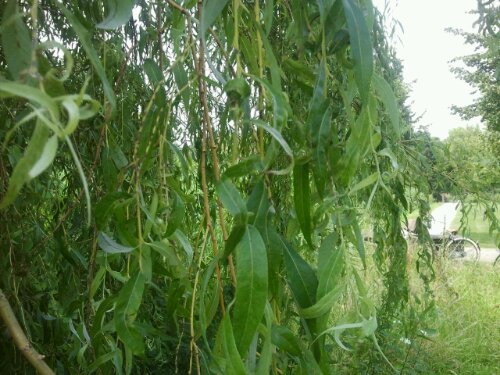
Willow (Salix sp)

Here’s the Willow (Salix sp) I harvested from to make the tea today. All Willows contain Salicyclic acid but this Weeping Willow has so many babies growing at her feet, probably from ripped off tendrils which self rooted, that I thought she was the one to use.

Elder (Sambucus nigra)

I had a look along the Hugo de Vrieslaan outer edge of the park, to check that the Elder shrubs are in good shape to harvest from tomorrow. They look beautiful, with glossy leaves and lots of developing berries.

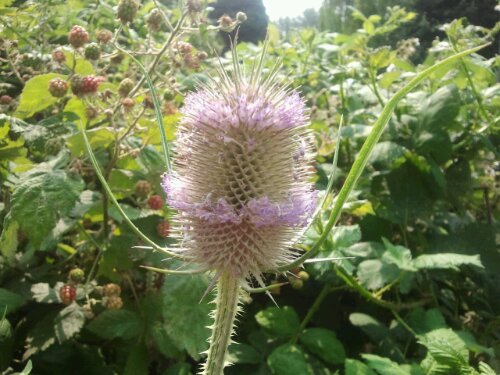
Teasle flowerhead with Blackberry behind

And here is another sort of berry developing, Blackberry, with a beautifully flowering Teasle plant growing alongside. I was asked about this plant on a recent herb walk. When should it be harvested and which parts are most valued for treating Lymes disease. I had little idea, its a plant I’m not used to using as in the UK you are not supposed to pick it due to its value to wildlife. I have just read the latest Ezine from Susun Weed and she mentions the first year roots being harvested in winter for this purpose so I suggest that route is followed by those I spoke to who have lots of Teasel growing in their gardens.

365 Frankendael day 97

I collected some more seeds today, from edible, medicinal and beautiful perennials in Park Frankendael. The only wild Angelica that I know of there set and spread its seed in the water some time ago but this beauti in the maintained herb garden is just ripe. I harvested just a tiny proportion of the seeds on the plant and will use them for the River of Herbs project. Angelica archangelica is such a gorgeous plant to look at and has so many uses for humans and wildlife. I hope some other people will enjoy growing it in the city.

If you would like to collect some seeds from plants growing in the city or anywhere else, do remember to:
1. Leave most of the seed on the plant for birds and small mammals to eat and use.
2. Leave the seed heads and stems on the plants, they often make excellent look out posts for birds in winter, create beautiful frosted and dew covered structures until the spring and some become hollowed out homes for all manner of bug life. If you must chop off the seed making structures, to access the seeds, it probably indicates that the seed is not yet ripe anyway.
3. Take only from plentiful perennial plants, which are generally able to proliferate from their root stock and seed. If you take from annuals or biennials the forget to sew the seed, or they fail, then the plants you harvested from may have lost all chance to reproduce.
4. Only harvest seed when ripe and allow them to dry off extra well at home before packaging in small labelled envelopes or similar for future use.
5. Sew your seed as soon as possible. Think about the plants natural cycle, when the plant sets seed the seed usually finds its way to the soil and when ready will germinate. Try to mimick this if possible.

My attempt at Skullcap (Sculleraria sp.) seed collection was disappointing. I had missed the boat almost completely on two accounts, firstly someone had cut off heaps of flower stems from the large plant shown here and secondly when I examined more skullcap plants they had already set seed. I managed to collect about six seeds. Next year I must look for them earlier.

I then turned my attention to the tall wild flower meadow (shown above). Too early for seed collection here but right on time to see Goldenrod in full glory,

And Tansy (here’s a photo illustrating why Tanacetum vulgare is known as Buttons in some regions),

365 Frankendael day 96


Here’s a little plant which I have been encouraging in a pavement crack near Frankendael, for the past few months. Its characteristic scent, leaf shape and the basal rosette arangement of its young leaf stems, all tell me that it is a Geranium but I’m not sure which. My best guess at the moment is that it is Geranium rotundifolium. I really hope it will survive long enough in this location ,to flower and show me it’s true identity. In the meantime I’ll enjoy its fragrance and an occasional well washed and cooked leaf, in my meals.

365 Frankendael day 95


One photo today, some very tasty Stinging Nettle seeds (Urtica dioica) dangling from plants and a mass of beautiful Thistle seeds, about to float away to new pastures from the mother plants. I’m not which type of thistle but seeing these reminds me that Thistle and Artichoke are closely related and useful medicinals.

Nettle seeds are not only tasty in their item right but make a useful infusion. Do although Nettle is not at its best for eating right now, a tonic infusion, which has a more moist effect on the body than the leaves alone, can be made.

365 Frankendael day 94

This morning I went for a sunny wander and chat in the woods with Femke, one of the organisers of Otopia Fesitival at OT301, Overtoom.

The festival promises to be very interesting indeed. I’m very pleased to be offering 3, hour long Urban Herb Street walks on Saturday 15th September, as part of the event. They will be in the afternoon. More details to follow but I’m mentioning it now as places will be limited for the walks.

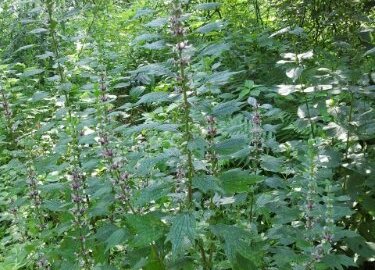
I was to busy chatting to take many photos but this Motherwort (Leonurus cardiaca) was just too beautiful to miss.

365 Frankendael day 93

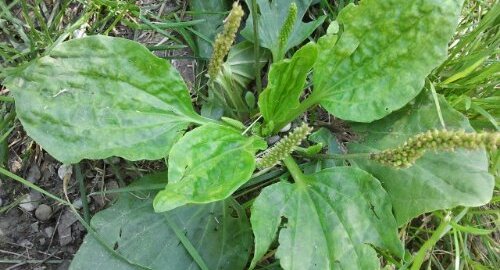
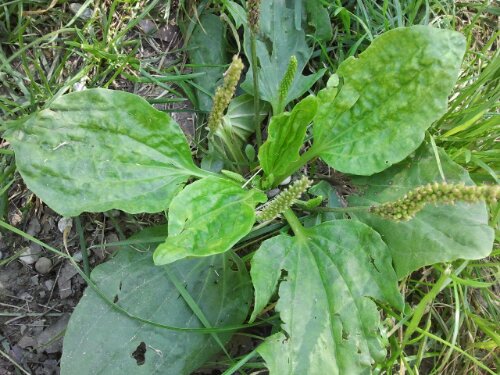
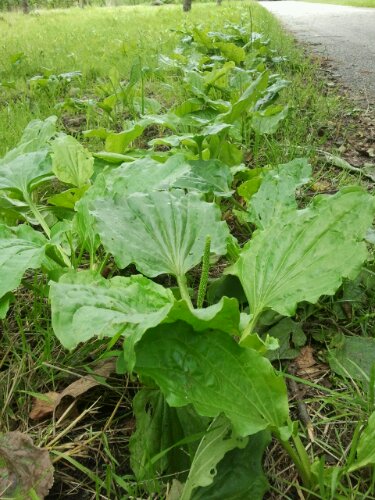
This is for Mirjam, who asked for the Dutch name of this plant and what it looks like. It is Plantago major, Plantain in English and Weegbree in Dutch. It is a very useful first aid and wound herb, is good to eat (if you cut out those stringy veins), good to juice, good for skin ointment recipes, for a multitude of ailments and I ran a workshop on the plant and its close cousin Ribwort, last week.

Seed Saving for River of Herbs

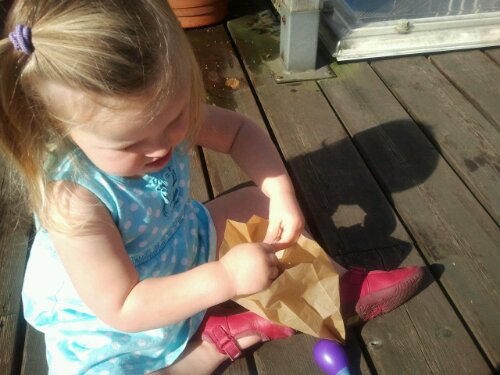
This morning we were able to eat breakfast on the roof because the weather was so beautiful. After quite a while, when the morning dew had thoroughly dried off the plants, I set about some herb seed collecting with my toddler daughter. Here she is doing a very good job of rubbing dry Chive heads, to release the tiny black seeds into a paper bag. She loved it and we collected lots of seeds in a very short time.

Seeds are usually the cheapest way to make new plants and we will need lots of seeds to make a River of Herbs in and around Amsterdam. So if you are interested in; building up your own herb seed supply, adding more herbs to urban spaces or simply to eat some edible herb seeds – now is a good time to start collecting! I intend to make up little mixed herb seed packets, to sprinkle in prepared Urban Herb Meadow locations.

Different plants flower and seed at different times so keep your eyes open for maturing seed heads on plants you know and keep a clean paper bag or two in your pocket/ bag when you are out and about. You never know when a perfectly ripe Hollyhock seedhead may surprise you!

Today we collected seeds from:
Chives
Borage
Welsh Onion
Calendula
Valerian

I’m off to the park now and hope to find some Garlic mustard seed to save in labelled paper bags. I love eating the leaves of the plant and would like to see it growing in some Urban Herb Meadows in town.

If you decide to collect seed, make sure you only collect when they are bone dry. They will mould and be useless if they are at all damp. With some seeds it’s easiest to shake the seed head into your bag, allowing the ripe dry seeds to fall into the bag. With others, it’s best to snip off part or all of the seed head with scissors, before sorting it out. Generally if it needs snipping off the plant, its not thoroughly dried out but use your judgement. Get them home in a paper bag and then take osome time to pick through and separate out the seeds from debris. Label the seed bags, seal them up and set aside in a p,ace where they will remain fairly cool and very dry until the planting season.

If you want to help with the River of Herbs then also consider the suitability of what you are saving from the project. Plants need to be non invasive (e.g. Mint wouldn’t be such a good idea unless in a hole-free container where it can’t easily escape, Japanese knotweed is clearly a no no as it comketely takes over/ obliterates wherever it grows) and not poisonous. The plants also need to be insect pollinated as one of the main points of the project is to provide insect friendly corridors in and around the city.

I think it unlikely that on your seed saving missions you’d remove all the seed from a plant but just in case it needs mentioning – remember the foraging rules, take only what you need, leave lots and lots! Also, please don’t harvest seed from annuals and biennials growing wild as they rely on them to regenerate next year. The Garlic mustard I am about to collect is a biennial but I’ll take it from locations where it will be completely strimmed away very soon – such as lamp post bases in concrete.

Good places to collect herb seed, from plants you have already identified are:
Your own pots, tubs and garden,
Untended geveltuinen (pavement gardens),
Public places where the council are sure to mow or strim

Good luck with your seed collecting and do let me know how you get on.

River of Herbs

River of Flowers is a UK based initiative which helps to plant Urban Flower Meadows, of all shapes and sizes, providing corridors of insect pollinated plants throughout cities. I read about it today, in the latest copy of Permaculture Magazine and got very excited about the project! Rather than wild flower meadows (which are of course wonderful and useful in many ways) I would like to create Urban Herb Meadows, here in Amsterdam and beyond.

River of Flowers began in London and seems to encompass many of the ideas that have come up in this website and the Amsterdam Urban Herbologists meetup group. We love nature, we want to learn from the plants, we continue to try our hands at guerrilla gardening and we like to put something back into the environment from which many of us harvest food and medicinals. We also appreciate that a world without pollinators would be very dark.

Amsterdam is rich in plant species and many Amsterdammers enjoy taking care of plants in tree pits, tiny pavement gardens and other strips of reclaimed land. I often look at and photograph these places and wish that more of the plants used could be edible or medicinal. And of course I wish that more of these urban gardeners knew how to harvest and use some of those amazing plants.

So with River of Herbs (the name will stay, if the folks at River of Flowers don’t mind – I have asked them) I’d like to do the following, with your help:

1. Identify and prepare unused spaces, however small, for growing useful perennial, biennial and annual herbs. I’m talking about spaces from plant pots to wasteland.
2. Sew suitable herb seeds and plant cuttings, roots etc. in these places. Suitable for the location, insects and food or medicine.
3. Tend the developing Urban Herb Meadows.
4. Map the locations of these Herb Meadows and photograph them.
4. When ready, harvest some of the material without compromising their usefulness to pollinators such as bees, hoverflies and butterflies.
5. Learn and teach how to use these herbs.
6. Build on successes and learn from the group process, to make more and more Urban Herb Meadows, creating an urban pollinator and food security friendly corridor.

So what do you think of this?
Am I just getting overexcited?
I wonder if our friends at Boskoi and City Plot may like to help out with this in some way?
Design& Collaboration, how about those seeded cards and papers we talked about ages ago?
Would YOU like to come and collect wild herb seed with me, or your friends and family, over the coming summer weeks and through autumn? We can then make little packets of Urban Herb Seedmix, to sew in those new meadows when the time is ripe.

Please let me know what you think. I’m all ears and green fingers.

365 Frankendael Day 92

Not much time to write today, I really need to get my UH essentials book finished!

I did find some lovely herbs though..
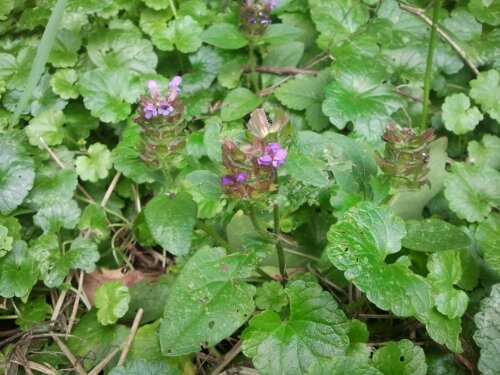
Firstly, a carpet of dark green evergreen Ground ivy (Glechoma hederacea) with a few purple flowering spikes of Self Heal (Prunella vulgaris) poking through.

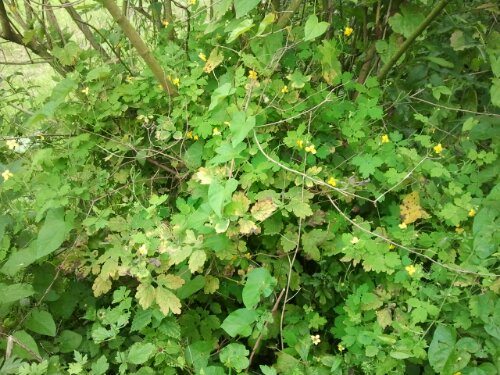
Greater celandine (Chelidonium majus), fading but still flowering and still oozing that amazing (poisonous orange) wart zapping sap, when a stem is broken.

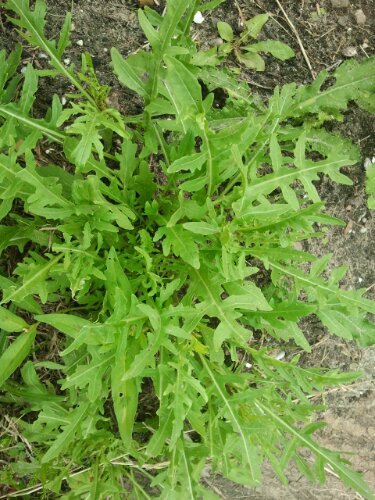
Wild Rocket (Eruca sativa), Arugula.

Plantain (Plantago major).

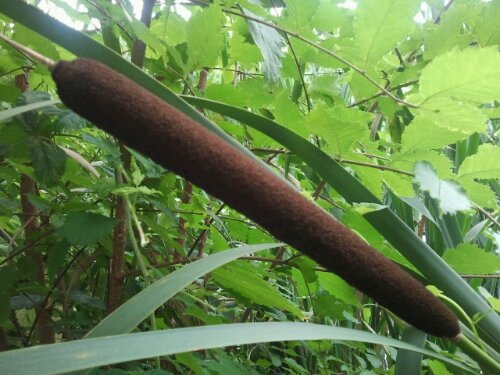
The flower head of a Reed Mace / Cat’s Tail (Typha sp.)

My little girl and I were so pleased to meet this flower head as it is developing on a bent over stem. All other flower heads in this part of the park are growing too far out in the water for us to reach safely. I don’t know if that’s the reason for the US common name, but it feels very like our cat’s tail when you stroke it! Maybe I’ll ask the Park gardeners, if I can help out when the autumn clearing comes?