Tag Archives: ground ivy

365 Frankendael day 163

I met Youko and one of her friends, in the park today and she asked me about herbs which will be available at the end of October.

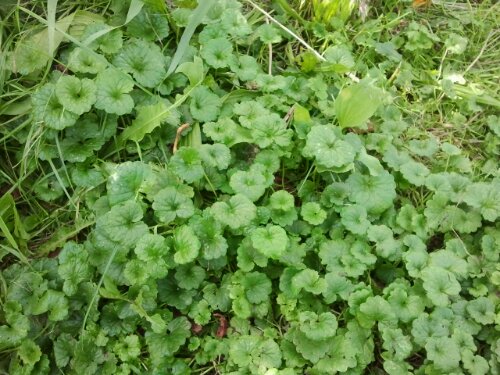
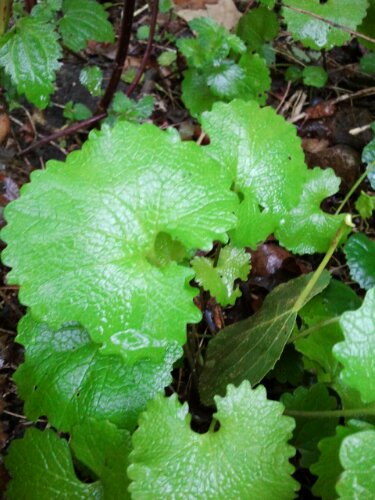
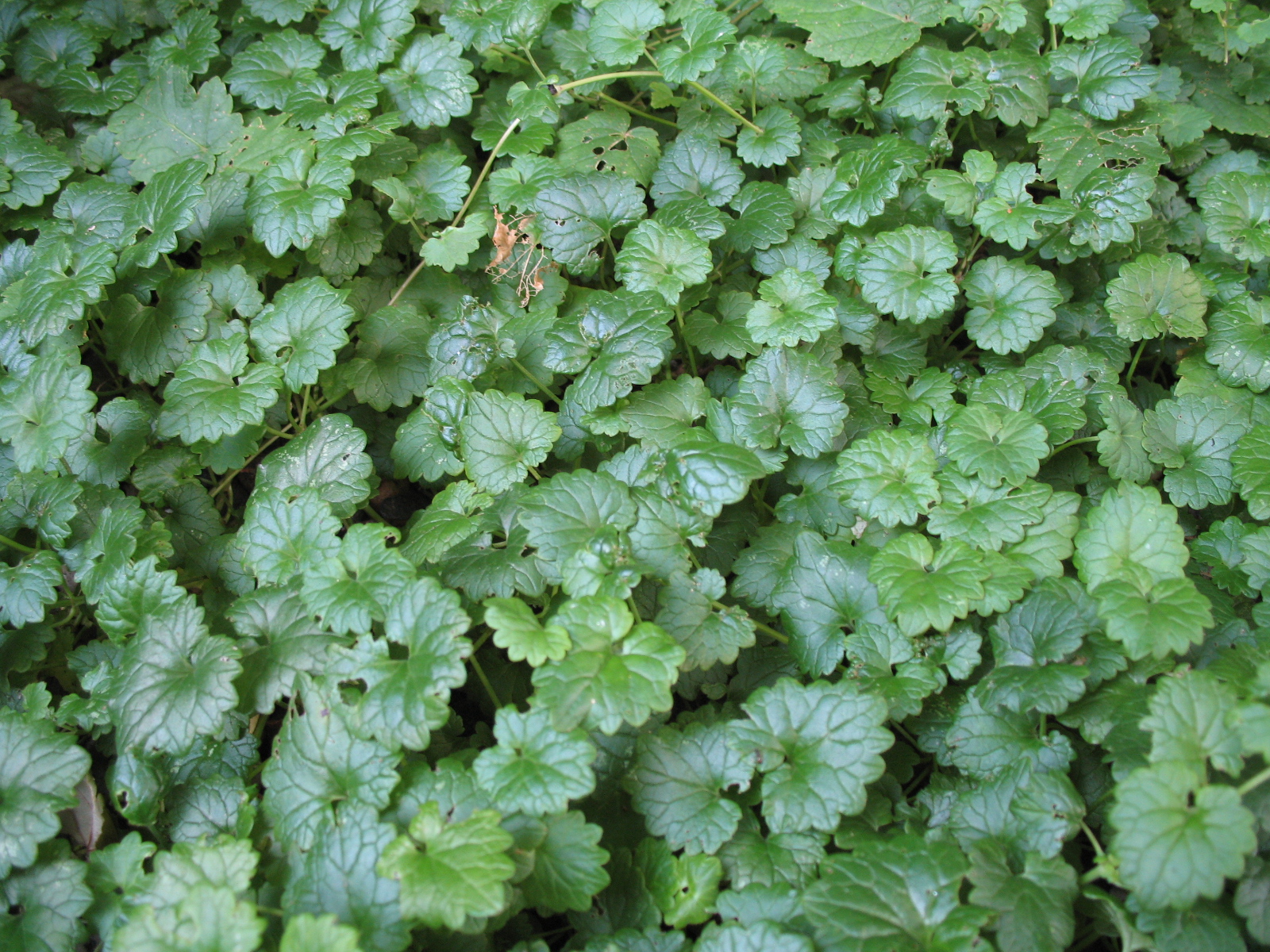
Here is one which will be around because it’s an evergreen herb. Ground Ivy (Glechoma hederacae) is not closely related to tree and wall climbing common Ivy (Hedera helix) but it does like to grow in semi shaded areas. I found this beautiful patch close to the Hugo de Vrieslaan bridge exit of the park (inside). It tastes minty, makes a good digestive tea and I sometimes like it with chocolate or potatoes.

image

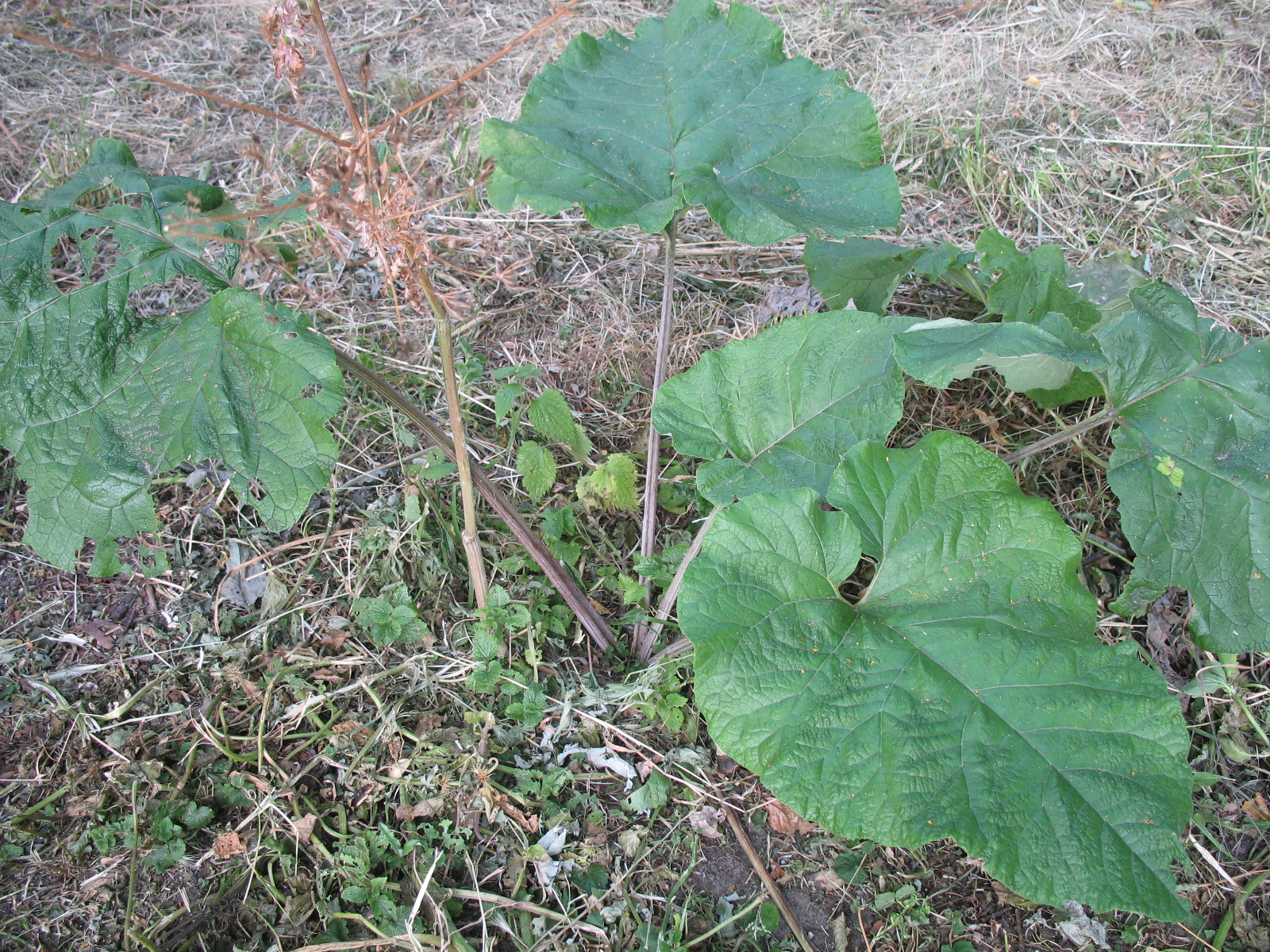
Burdock (Arctium lappa) may still be looking good then but will be way past it’s best. Today it’s looking OK, if a little nibbled by something.

image

Another herb which will still be very useful for the forager’s plate, come the end of October, is Dandelion (Taraxacum officinale). It’s in the middle of Ground ivy in this photo. If the leaves are looking less than appetising, chase down and dig up the taproot. Give it a good scrub at home and use it’s medicinal energy reserves to fuel yourself. Dandelion is often used as a cleansing, strengthening liver tonic and is a well loved vegetable in several European countries. It can be used as a coffee substitute, as a roasted (bitter) vegetable in it’s own right or can be usefully grated into other food to as a bitter dimension. Dandelion is thought of as a weed by most so is unlikely to be missed. But if you begin whipping out the roots from clean locations for your pot, please ensure that you spread every dandelion clock you see around town, next summer! An interesting way of cooking the flowers (they may still spring up through the autumn) is mentioned here.

image

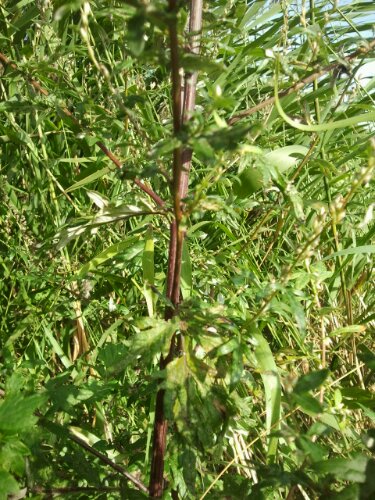
I also found plenty of Mugwort (Atermisia vulgaris) today, it’s still in good shape for picking and drying leaves to use through winter.

365 Frankendael day 159

image

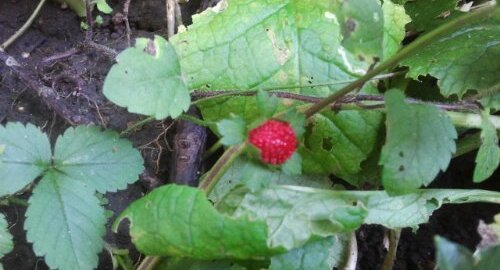
Here’s a welcome sight in Amsterdam at the moment; the fruit of Potentilla indica (Barren strawberry) continue to look just like little strawberries on the floor of shady areas. They are not at all strawberries but they are edible and interesting. Step them in vodka or honey for an interesting drink and pudding accompaniment respectively.

image

Another tasty herb, Ground ivy (Glechoma hederacae). Can be used in place of mint for teas and some medicinal preparations.

365 Frankendael 156

Today is beautifully autumnal; a crisp, bright morning followed by a dimmly lit afternoon and an all pervading air of quiet, inward, downward energy.

If you like to attune to the cycles of nature, you may notice that this is a time to slow down, to store energy, to reflect on what has gone well and otherwise in your life. It’s a time to sew seeds in your soul and the soil; seeds that will benefit from the transformative powers of winter darkness.

image

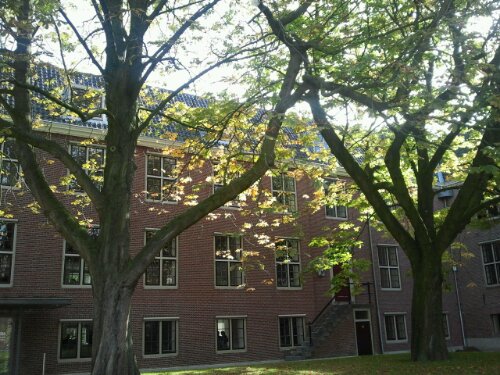
We visited the Hermitage museum this morning. There’s an enormous, somewhat stylish, lawn filled space in the middle of the building, which I hope is home to more than just grass. Close to the inner entrance of the museum is this stately pair of Horse Chestnut trees. Parts of this tree species can be used in capillary tightening preparations.

image

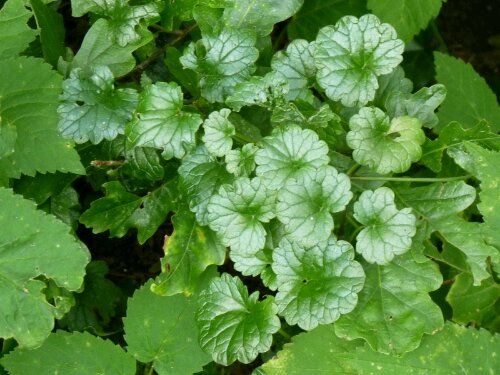
Back at home, I thought it was time to share a photo of this useful and (I think) beautiful, creeping evergreen herb. It arrived on the wind at “my” tree pit, sometime this summer. It’s such a tasty and interesting little plant, mostly overlooked but offering many uses thoughout the while year. If Ground Ivy sets root on a patch near you, I hope you’ll welcome it and try it.

image

Lastly, Hollyhock seeds – again! I keep on mentioning them, hoping and dreaming that there will be a few more of these useful beauties growing and being used in the city, as a result. Please collect them and save them to sew next spring, or better still collect them and sew them right away in every dull tree pit or neglected corner of soil you can find! Just rub the soil over a little with your shoe, to make them less obvious to paying birds. No digging required, just plant them and hope! Search this site and others for medicinal uses of this relative of Marsh Mallow.

365 Frankendael day 75

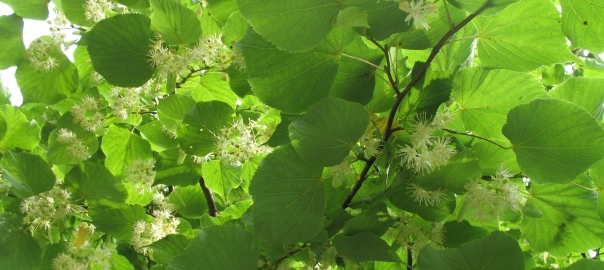
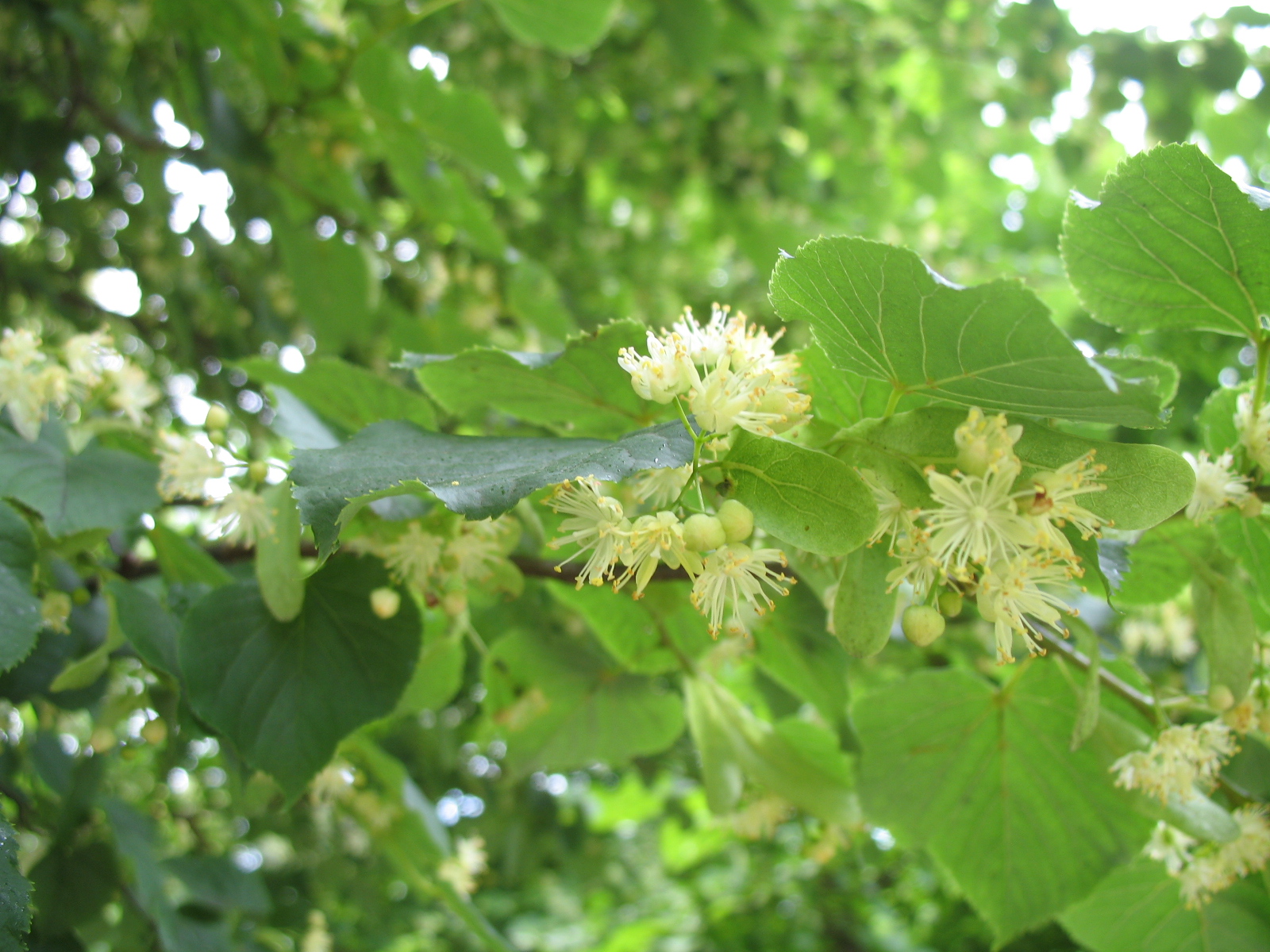
I went for an earlier walk in the park today and was rewarded by finding the freshest and most delicious Lime (Tilia) flowers that I have ever harvested.  Here’s the tree they came from.  I turned them into a tea and shared it with the painters and my little girl.  Lime tea is especially good on a warm summer day like today. It is cooling and refreshing.

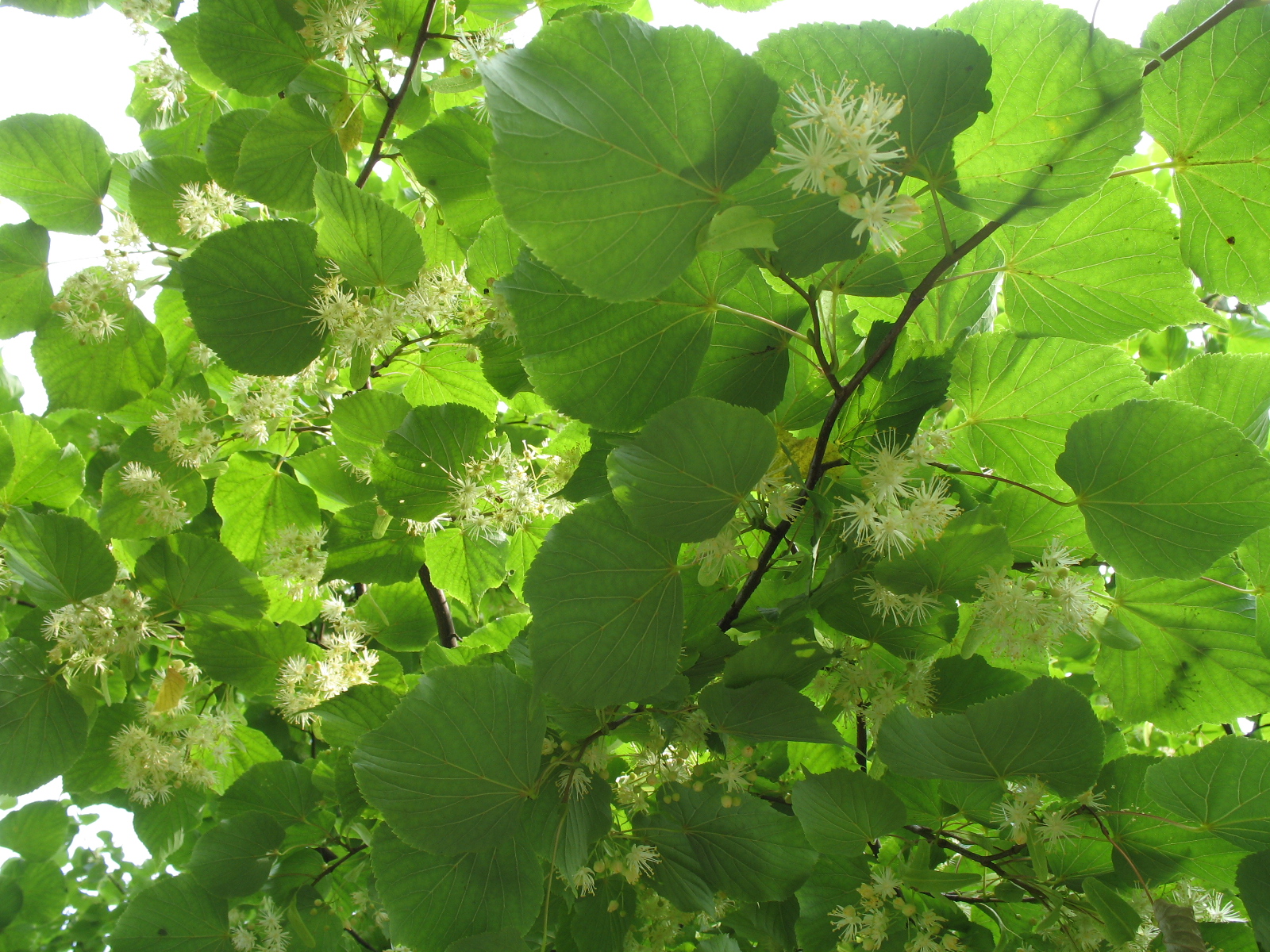
Here’s a neighbouring Tilia tree in the park. It must be a different variety as everything about it is a little smaller than most Tilia in the park and the the leaves are a little darker.  The flowers are also placed slightly differently on the twigs. I don’t know so much about the different varieties but I do know that Tilia tastes good and is very beneficial.

Next is a harmonious grassland combination of Plantain, Yarrow and Red clover in bloom.  I set off today hoping to find enough Yarrow to make a tick-deterring tincture. I got rather side tracked by other herbs and in the end, didn’t notice enough to harvest. So instead of tincturing, two flower stalks are brightening up a small vase on my dining table.  It’s good to remember just how many ways there are to benefit from flowers.

Here are two of my favourite things, my little girl and a huge Brassica plant.  As with most naturalised and wild brassicas, all parts are edible and quite strong tasting. Just a carefully picked leaf or two should liven up a meal.  (Thanks Jennie for correcting me on this one, I thought it was Wild Cabbage but that only grows near the coasts on chalky soil). This one may be Rapseed (Brassica napus). My friend Jennie Akse is running a herb walk focused on edible yellow flowering plants, around in Amsterdam at present.  Have a look at the Meetup group for details.

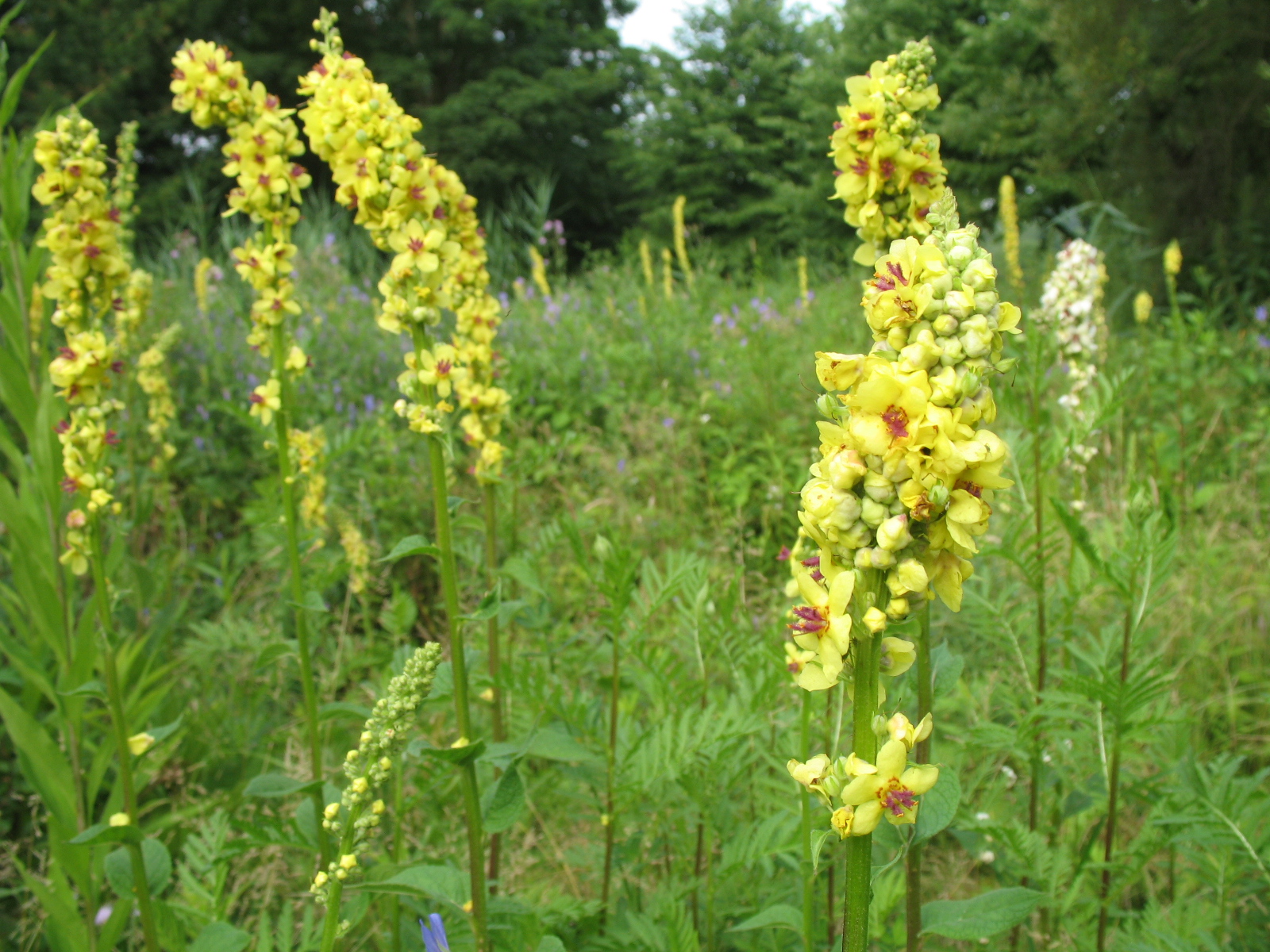
Here is a herb that I find quite wondrous, Dark Mullein (Verbascum nigrum). Useful for many disorders, such as lung weakness and infection and most popular, I think, as an ear infection remedy.

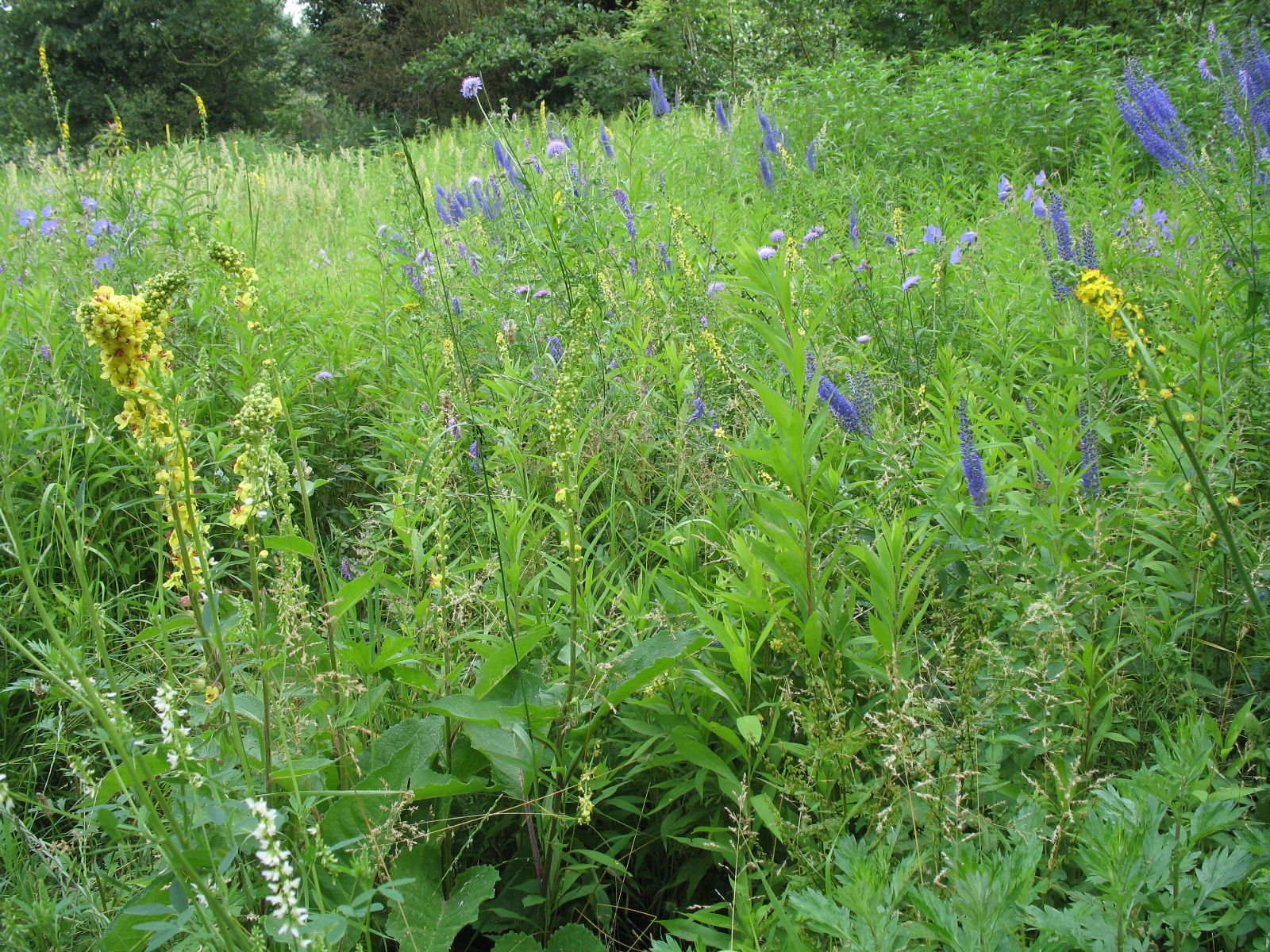
Next up today is another herbal harmony, Veronica‘s towering blue spires mixed with more Mullien, Mugwort and Agrimony.

Here are some striking and Poisonous Lilies, in the formal garden behind Frankendael Huis and Merkelbach.  I add this photo because yesterday I featured the very edible Daylily (Hemerocallis fulva), which can look very similar to the uninitiated.  All parts of Lily are toxic. I have never thought about eating this type of plant but I find the pollen, when trapped in a living room with it for instance, very irritating.

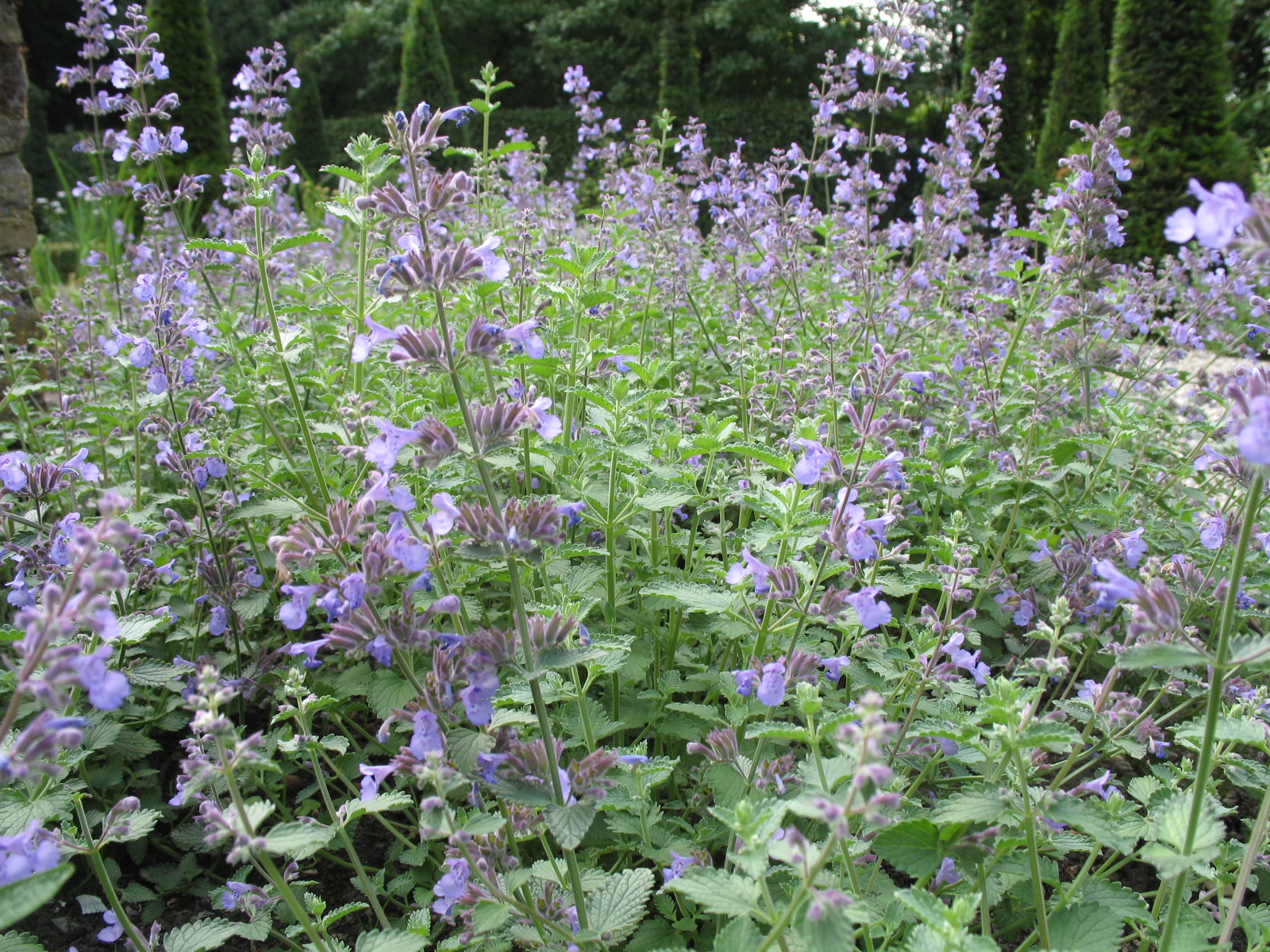
Here is Catnip (Nepta sp). A member of the mint family, it can be used in similar refreshing ways. I like to make a sinus blasting pesto with it sometimes. It has many uses and is quite easy to grow.  Many will already know about cat’s affinity to this herb.  Some love it and find it quite a turn on, others seem to lack receptivity to it and many show more of a loved-up reaction to Valerian.

Another minty wonder is shown below, the often overlooked and trampled Ground Ivy (Glechoma hederacea). The pretty purple flower spikes are gone from most of the plants now but just look at that rich foliage! Now is a good time to harvest and use it or dry it for the winter. But why bother when this ground covering  plant is around all year long?

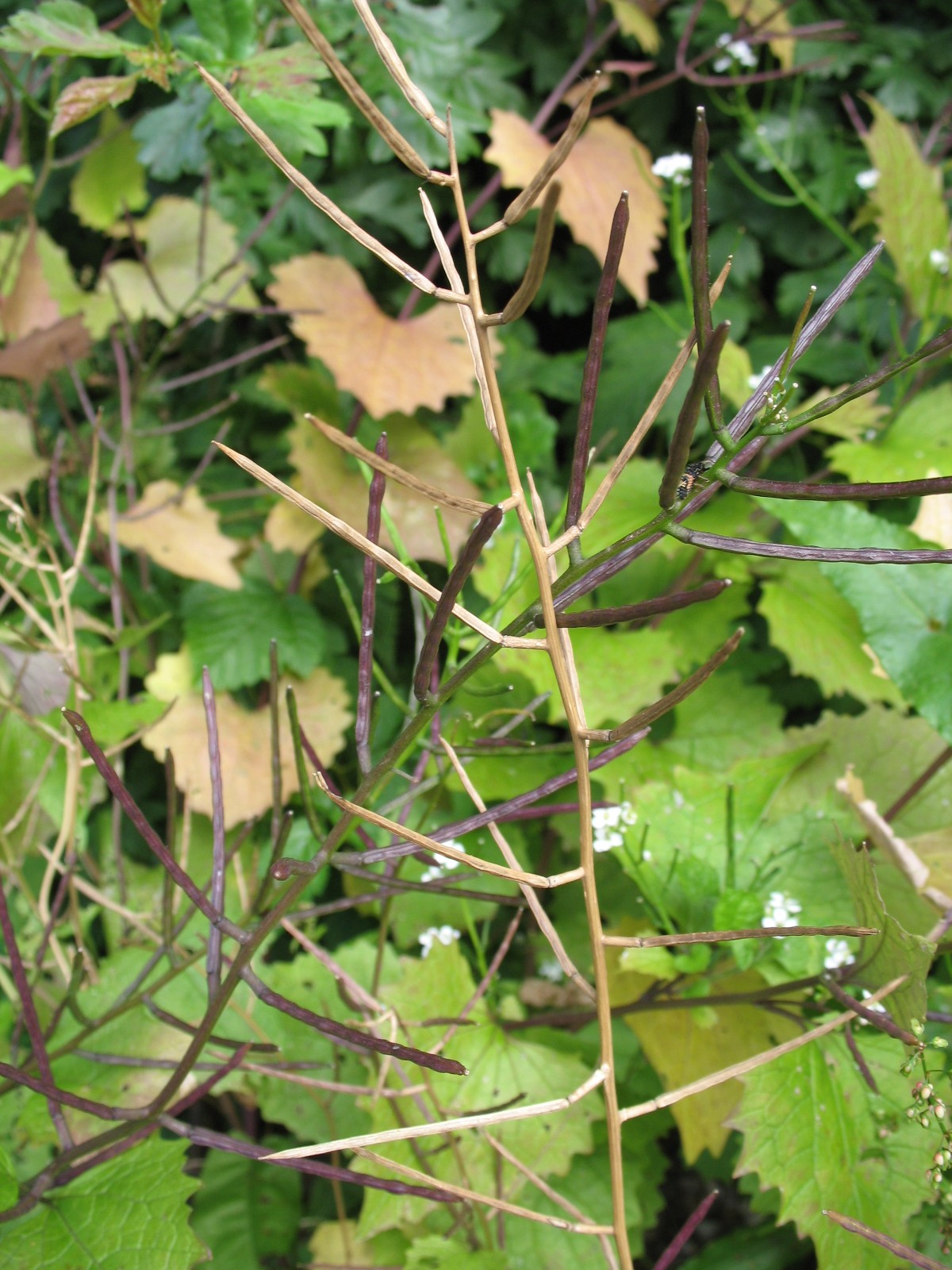
Next is a delicious Garlic Mustard plant (Alliaria petiolata), showing different stages of seed pod development. This is a wonderfully tasty herb to add to all sorts of cooking.  It is also great used as a salad leaf or flower.  Looking at these seed pods reminds me of why it’s a pity to harvest the flowers of this super biennial.  Less flowers, less seeds, less plants next year.

Next is a large plant which I’ve been hunting for some time – a first year Burdock (Arctium lappa), ripe for root harvesting.  It seemed that all the Burdock in Amsterdam were second years, in bloom and not very nutritious or medicinal.  Now that the council have mowed some patches of the park, some first year Burdock have been kindly left to develop.  I won’t be digging this plant up but it’s good to see it and be reassured that a first year plant is easy to identify.

Lastly today, a type of Hyssop (Hyssopus sp.).  I used this plant quite a lot last year, it is very aromatic and makes good tea. I’ll have a careful look at this one again soon to identify it fully.

365 Frankendael day 62


Some common “weed” plants have the most subtely beautiful flowers and I think that Ribwort (Plantago lanceolata)  is one such plant.  Many of you already know of the merits of this wonderful first aid herb and I hope that more appreciate how pretty the flowers are.  I think they ar quite incredible creations and couldn’t resist another Ribwort photo today on an outer edge of the park.  There are many Plantago species growing here. Another notable one which has settled in my roof pots is Plantago major. It has broad leaves and it not as highly prized for it’s medicinal qualities but it none the useful.  Douzens of seedlings have taken root in my pots and they are very useful for first aid. Yesterday I was harvesting rooftop Gooseberries and Blackcurrants with my daughter and we chewed on and a leaf or two before gently rubbing the sap onto her berry bush scratches.  It worked a treat and was much quicker to apply and work physically (and mentally) than any remedy I have inside of the house.

If Ribwort and making remedies at home interests, you may like to join me for a small workshop near the next New Moon.


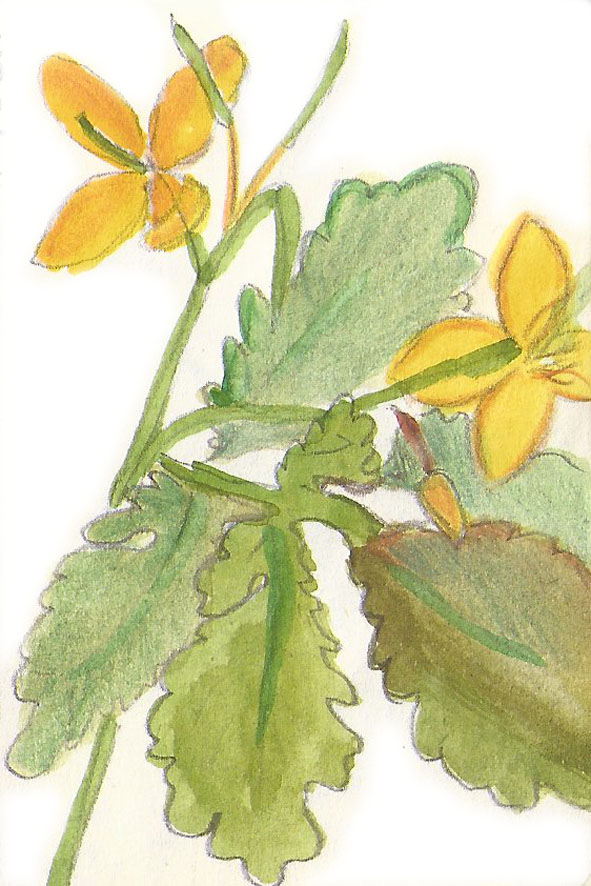
Here is Greater celandine, a wonderful plant with poisonous/potent orange sap, which can often help with unwelcome skin growths, such as warts and corns.  Today I noticed lots of Greater Celandine setting seed and I look forward to collecting some when the time comes.  Below is a lovely picture of the plant drawn and painted by Elodie some time ago. Sometimes paintings tell more about the spirit of a plant than photos ever can.  I need to make more time to sit and draw plants, maybe it’s something you would like to try too?  Drawing a plant requires that you sit with it for a while, that you and it breathe each other in and out and from that you can learn a lot.

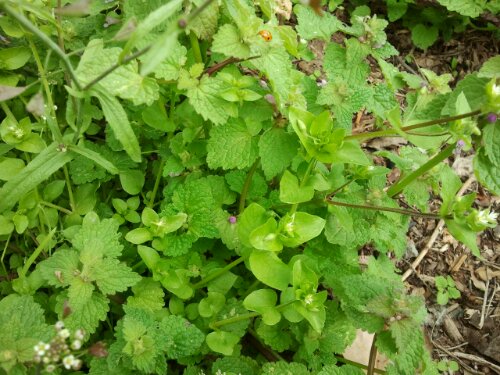
Lastly today, a mixed salad in scrub-land beside the park.  I love this untended patch and I’m pleased it gets little maintenance as the wild edibles love it!  Here you may be able to see Chickweed and Ground ivy growing together with some Shepherd’s Purse.  All three, tasty and nutritious.  The main thing that worries me about harvesting from such locations is not really knowing what is in the soil. You can never really know for sure but some scrub-land such as this may be used for tipping unwelcome materials.  I keep that in mind when I choose to harvest or not.

365 Frankendael day 41


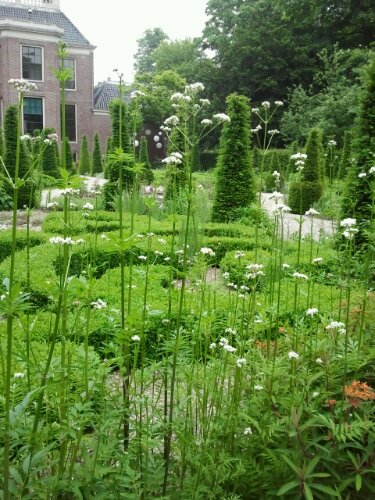
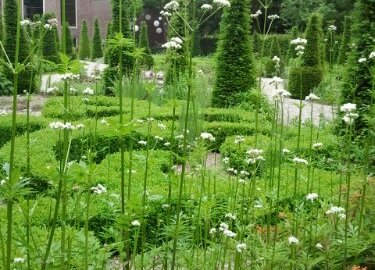
Today a lovely scene, if you like tended gardens, of the old partitioned garden at the back of Frankendael Huis. I really appreciate how the gardeners allow the plants to spill out here and there and especially so with the stunning Valerian officinalis which is shown here. Valerian medicine is traditionally focused on the roots but the flowers are also useful and have more subtle effects than the other parts of the plant. I have a big Valerian plant on my roof and this weekend, harvested every third flower cluster, for drying. Doing so leaves the beautiful appearance and special scent almost intact, for everyone else to enjoy.


Here is a photo Stinging nettle (Urtica dioica), NL: Brandnetel, in bloom. Now is not at all the time to harvest this wonderful tonic herb but I took the photo to illustrate the difference between the plant and other look a likes, such as Lamium alba, White Dead Nettle, shown yesterday.


Here is a photo of a plant that I want to learn more about, creeping along the ground rather like a Strawberry with similar leaves and runners. Growing amongst it, with purple flowers, is familiar Ground Ivy (Glechoma hederacaea) which is edible, useful and tastes minty. I have been watching the Strawberry look a like, in several shady parts of the park, for several weeks. Today it is coming into flower, yellow flowers, so I now remember that the plant a little better. It is a member of the Cinquefoil (Potentilla) family, I’ll have a closer look tomorrow to find out which. I brought a sample home but my cat ate it in seconds – maybe that should tell me something!? Strawberries are members of the Fragaria family.

Not one to eat until next Spring, here is an update of how Ramsons (Wild garlic, NL: Daslook) look at the moment. Not very tasty but the seed heads are developing well.


Next, and again for future reference, the closest Sweet Chestnut tree to my home. Totally unrelated to Horse Chestnut, far more tasty but possibly less interesting for herbalists.


Lastly today, an enormous Dandelion(Taraxacum officinale), two 50 cm long leaves of which, are destined for my plate this evening…

365 Fraendael day 27

Today, a lovely walk through the park with Lucile and the little ones. We each went home with a few leaves of Ground Elder and a little Ground Ivy. Plenty of other herbs in season though…
Here’s the foliage from a Wild Carrot! Not one to be dug up, though it would probably taste great. I hope to revisit it later in the year to double check it’s identity when it is in full bloom. Wild carrot has been used in folk medicine for centuries and has recently been researched by Robin Rose Bennett. It is often found to be quite a useful contraceptive. For more information on the research take a look at Robin’s website.
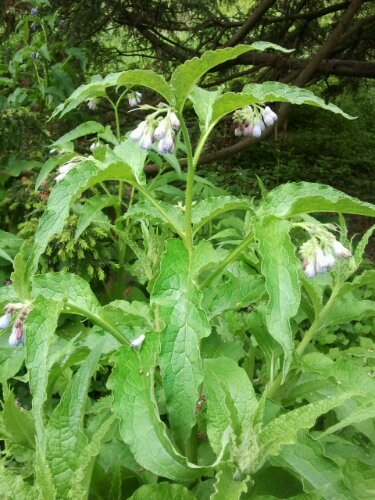
Here is Comfrey, still in full bloom and looking stately throughout the park and city.

Garlic Mustard leaves continue to grace many of my meals. The plants here are nearing the end of their flowering season but the foliage still tastes wonderful and only a leaf or two is needed to add a garlicky kick to regular meals.

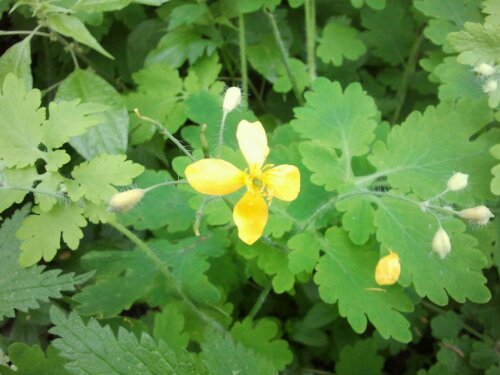
Greater Celandine continues to flower. It’s stems remain loaded with bright orange sap which is freely released when a stem is broken. This sap, containing a substance which is acrid and highly irritant but has been used medicinally since at least the middle ages. Historically it was used, in preparations such as lard and milk, to cure piles, cataracts, severe scurvy and some forms of cancer. These days it is still a popular remedy, amongst those who know it, for warts, corns and ringworm. To use for these three ailments, simply break a stem and apply the fresh sap to only affected skin. It will irritate healthy skin. The Latin name of this plant means swallow (the bird) and this is said to be because the plant’s flowering season coincides with the arrival and departure of swallows. So hopefully there should be some time to go before the flowers of Greater Celandine disappear from Amsterdam again.

Cleavers are looking particularly lush and juicy at the moment, about 50 cm long on average. Perfect for harvesting a clean handful and juicing for a cleansing tonic.

Wild Geranium is also looking striking, producing a mass of small purple flowers in the woodland, at present.

Frankendael 365 day 22

A beautiful afternoon walk showed me the following herbs in particular…

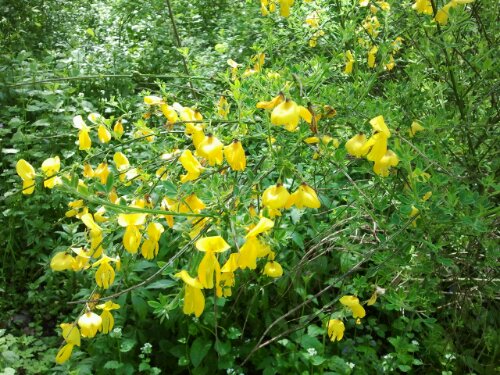
Firstly A beautiful Broom shrub in full bloom. The flowers are edible.

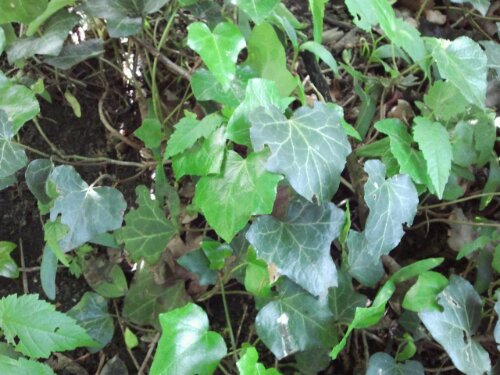
Ivy, really looking more verdant and fresh that any other time of year.

The tall plant with orange yellow flowers against the bridge is a type of Euphorbia. All members of the family should be avoided as the white latex like sap is poisonous and contact with it readily causes quite severe photosensitive irritation. It is a plant well known to many gardeners for this reason and should be avoided by foragers.

The photo above shows a typical scene at the edge of Frankendael’s woodland. Edges are renowned for their productivity because both shelter, support and light are available to plants. Here we can see Yellow dead nettle, ferns, garlic mustard, Purple/red dead nettle, Greater celandine and other plants all nestled against one another.

Here is Wild Sorrel, a very tasty plant of which only a leaf or two are required to really add great flavour to many dishes and is well done for Sorrel Soup.

Lastly today, Ground ivy and stinging nettle, both on top form for foraging at present.