All posts by Lynn

Unknown's avatar

About Lynn

Learning

Pluck Your Lunch – Sunday 12th May 2013 – Park Frankendael


Please join me for an urban herb foraging walk in the most beautiful park of Amsterdam O
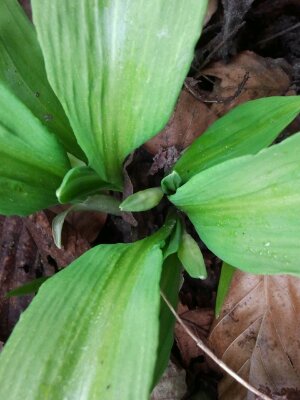
wild garlic frankendaelost!

Park Frankendael (starting from main old entrance)
11:00 – 13:00
€10 per person (children free and very welcome)
Booking via email (lynn.shore@gmail.com) or this link
You will learn how to:

  • Ethically and safely forage from city parks, streets and green spaces
  • Identify lots of edible and medicinal plants which are available all over the city.
  • Turn your harvest into tasty food
  • Make simple home remedies
  • Pay back the land that we forager fromComfrey harvest frankendael


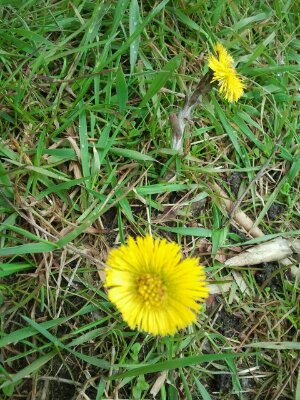
We will ethically forage some of the plants that we find (in and around the park) and turn them into tasty and nutritious teas and sandwich fillings and more, on the spot. This is my local foraging ground, where I pick something to eat every day. I am passionate about helping people to discover the edible plants growing around them. My 365 Frankendael Project ended a couple of weeks ago – identifying, photographing and writing about Amsterdam herbs each day for a year.Coltsfoot
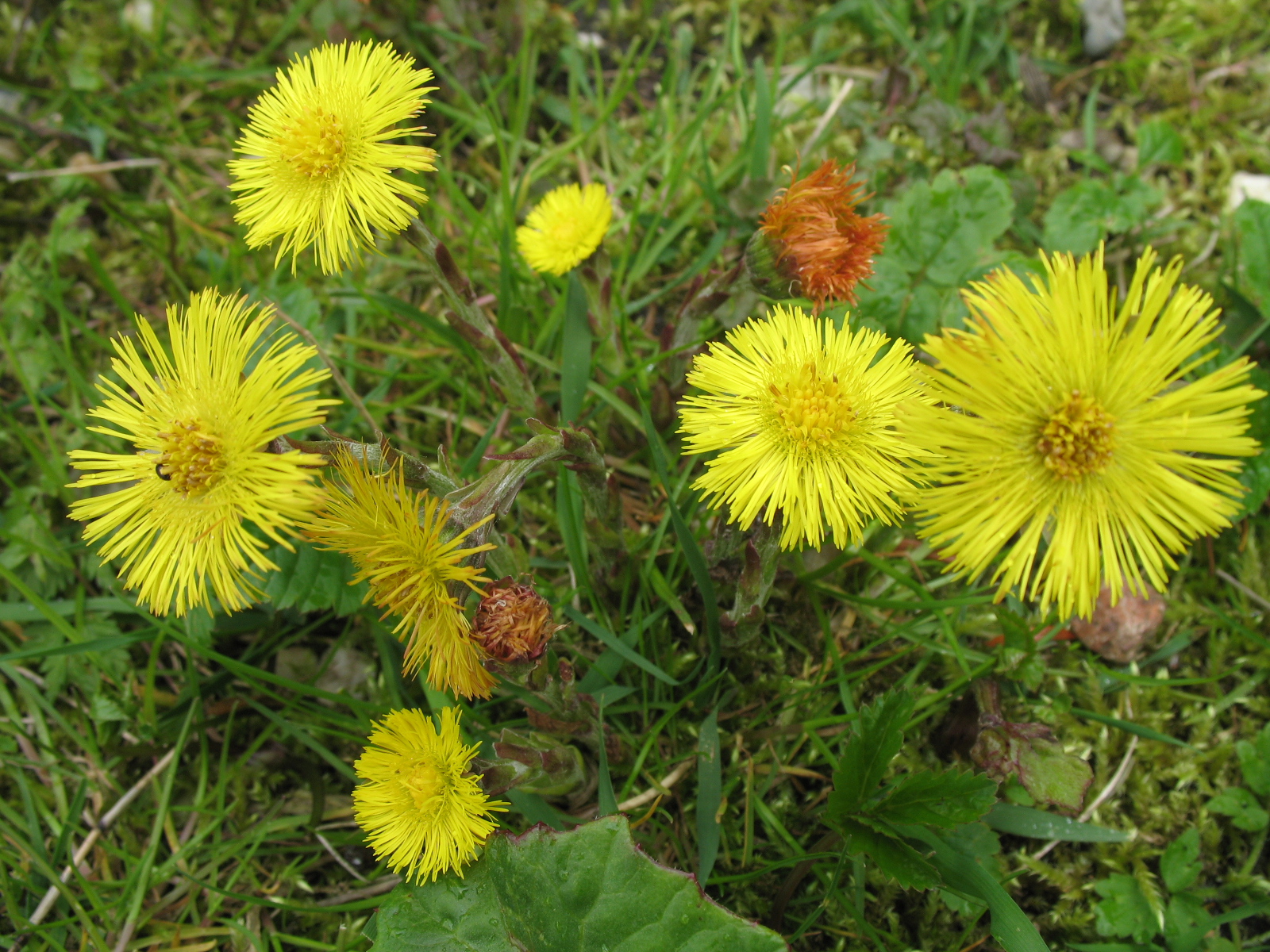
Please note: You don’t have to eat from the wild on this walk but you certainly can if you want to!

We can expect to find such tasty, useful treats as:
Lime leaves,
Garlic mustard, Comfrey,
Ground Elder, Dandelion,
Nettle, Magnolia petals,
Mugwort, Coltsfoot,
Edible tree buds and far far more.
There are hundreds of edible plants around at this time of year.

You will receive a useful colour handout with names, photos, uses and folklore of many of the plants we will find on the walk.
I’ll bring along some herbal cake or breadsticks for everyone to try.

russian comfrey frankendael

You don’t need to bring anything along to the walk but if you want to get the most out of it, here are some suggestions:

  • Bring along whatever food you like to accompany your herbal harvest.
  • A flask of hot water to make tea and some bread and butter would be useful but not essential.
  • A couple of paper bags to take some leaves and flowers home
  • A small glass jar filled with vodka, to make a tincture – I’ll show you how.
  • A small jar filled with olive oil to set up a herbal infusion.
  • Small notebook, to take a few personal notes and press some leaves, to help you find the plants another time.

Come celebrate the edible green gifts that this beautiful city has to offer!
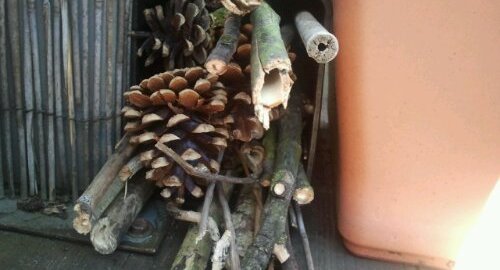


Bug Hostel

image

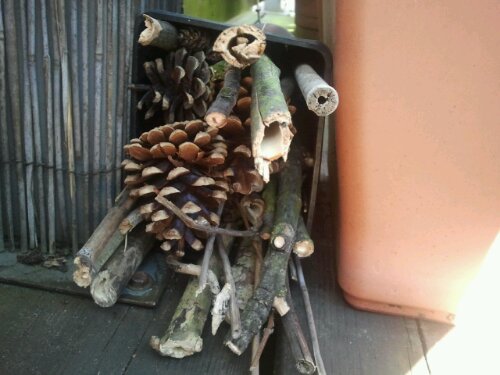
Here’s my first attempt at a rooftop bug refuge. It’s simply a long slim plastic plant pot, stuffed full of dry hollow stems which I found in my kitchen and around the rooftop planters. The stems are from long dead Fig trees, Honeysuckle, Chamomile, Hollyhocks, Clematis, Elder, Reed fencing and a few old and snapped Bamboo canes. I packed it all into place with some dead Apple tree twigs (not hollow but sturdy and available) and also some beautiful Pine and Alder cones, which I collected around town.

Once assembled I wedged it between the roof fence and a Goosberry bush pot. It faces roughly south and is less exposed than most other parts of the roof terrace.

I’m more used to making big wildlife piles in quiet corners of land so I’m sure that I’ll need to improve on this a lot. But for now it offers a place for native bees, ladybirds and other useful wildlife to lay eggs and find refuge.

Making Bug Hotels was one topic at this weekend’s River of Herbs meeting. If you’d like the booklet then let me know. For more information about what we did, some useful links and details of how to make well designed bug and bee hotels, see this post on the RiverofHerbs.org website. Encouraging bees and bugs into your herb garden is something not to be overlooked. They help to pollinate your plants, keep aphids in check and generally keep your plot (however small) healthy.

Putting my feet up

image

About 8 weeks ago I strained my foot, lugging a heavy suitcase upstairs, in worn out shoes. Clearly not a good idea as I’ve been annoyed by a sore foot since then. I gave in and headed for the doctor on Friday, suspecting something worse than a strain. Thankfully nothing else seems to be wrong, apparently just more time is needed and some pain killing anti-inflammatories to settle things down. Fed up with limping and not being able to do yoga, I slicked two of the pills. After a 12 hour psychedelic sleep and then a day feeling like a space cadet, it seems I’m allergic to the tablets. So back to the herbs and surprise surprise, they are working a treat and my brain feels clear again.

Here’s what I made to speed the healing and ease the inflammation (if you dislike the idea of lard, use ghee or a quality vegetable oil – which you can later thicken with beeswax). This healing lard based ointment feels silky smooth, cooling, calming and takes the pain away.

20130427-235923.jpg

1 block of lard (250g)
9 medium Comfrey leaves (Symphytum uplandicum x)
9 Elder leaves (Sambucus nigra)
Handful Ground Ivy stems (leaves, flowers and all) (Glechoma hederacea)
3 Wormwood leaves (Artemisia absinthum)
3 Ribwort leaves (Plantago lanceolata)

1. Chop all the fresh herbs and place in a heavy based saucepan along with the lard.
2. Heat over the lowest possible flame to melt the lard and then to simmer it for approximately 40 minutes (stay with it and stir every minute or so, obviously the lard is highly flammable if left unattended).
3. After 40 minutes the herbs should be just turning slightly crispy, as all the moisture leaves them. This is a good time to stop, turn off the heat, move the pan from the stove and allow the mixture to cool for a few minutes.
4. Strain the herbs from the infused lard by carefully pouring through a muslin/super clean tea towel and sieve.
5. Add the spent herbs to the compost bin and pour the infused lard into a sterile container or two.
6. I keep this ointment in a fridge and use it freely on sprains, strains and skin irritations that benefit from cooling.

365 Frankendael day 365

A year ago I decided to show you a taste of what can be picked and eaten from the streets and parks of Amsterdam, every day for a year. That year came to an end today. It has been quite a journey!

There was never a day without edible or medicinal herbs growing wild. As the year moved on I found more and more herbs, fell in love with some such as Hollyhock and learned secrets about others. Whilst on holiday, friends in Amsterdam were often kind enough to email photos to me. The Christmas holiday was difficult, Amsterdam had miserable weather so fewer photos from friends. In place, I added a batch from my holiday in Tenerife.

I am very grateful to Joop Eisenburger, Lina Kremin, Elodie and Herman den Otter, Dennis Breedijk, Lynne Dunstan-Wadsworth and Dana Marin and others for their beautiful photos, whilst I was away from time to time.

image

So what is around today on day 365? It was an apprenticeship group meeting for me so friends to share the discoveries with.

Above is Wild Garlic (Allium ursinum). Just braking into flower in some parts of park Frankendael, this patch is still perfect for the pot.

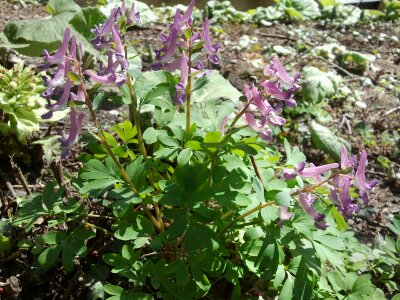
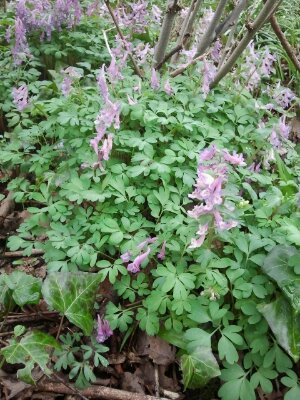
Below, Fumitory. Renowned in some regions as a cleanser of radiation from the body and more well known as a tonic for the digestive system.

image

Next is Motherwort (Leonurus cardiaca) NL Hartgespan. Returning from its winter underground hide. Beloved, bitter herb.
image

Here is Pennsylvania Pelitory, I was so pleased to learn of its urinary tonic effect last year.

image

Primrose (Primula vulgaris). This plant will be focused on in my next project – growing and using native herbs in public (or private) spaces. There is not enough Primrose to pick in Amsterdam, so why not grow some more?

image

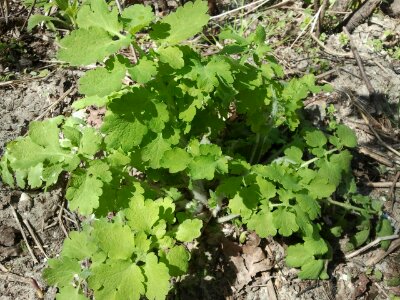
Greater Celandine (Chelidonium majus). Orange sap for herpes and dissolving skin growths. So many more uses for this herb but be careful, it is caustic.
image

Horsetail (Equistitum arvensum) flowering, ahead of its foliage – so useful for brittle nails due to the high silica content.

image

Soapwort, also just emerging from the soil. Still used by some musea to gently cleanse ancient fabrics. It is a wonderful herb for many skin complaints and grows easily in a pot. It’s other common name, Bouncing Bet, aptly describes it’s flowering beauty in summer.

image

Russian Comfrey (Symphytum uplandicum x). Bone set in old country tales, rapid wound healer and more for us today. It smells and tastes of Borage and Cucumber, is gooey inside and is so easy to use on your body and your compost heap!
image

I’m so happy to find this plant. Really happy! It is Wormwood (Artemisia absinthum). It is an endangered species in the Netherlands, this is the first patch of wild Wormwood I have found in Park Frankendael.
image

Some of my apprentices gathering Bread & Cheese from a beautiful Hawthorn tree (Crataegus monogyna). May Day here we come!
image

Here is Garlic mustard (Alliaria petiolata). One of the best eating wild plants in town. Pick just a leaf per plant when you find it and it’ll treat you to delicious meals until autumn. Pick a whole plant and you’ll really miss out later on!
image

And Ground Elder (Aegopodium podograria). I love this plant but most gardeners try to rid their patch of it. A carrot family member, it tastes of parsley, clears gouty, sciatica and rheumatic joints and I’ll be eating it daily from now until early winter!
image

There were far more plants today but now it’s time to stop.

So a beautiful day, a beautiful project (to be continued in some form but not daily), amazing plants on our doorsteps and wonderfully enthusiastic people to share them with. Many thanks to everyone who has been involved on some way and especially Frank for his tolerance. I’ll now have a little rest and then organise the photos into something useful. Also time to finish my book on making remedies.

If you’d like to walk with me and learn about the plants to be foraged in Amsterdam, there is a chance on Sunday 26th May.

365 Frankendael day 364

I can’t believe I’ve been doing this for a day less than a year, today.  Hard to look at any plants without thinking of how to use them. I think that there are worse things to get hooked on though!
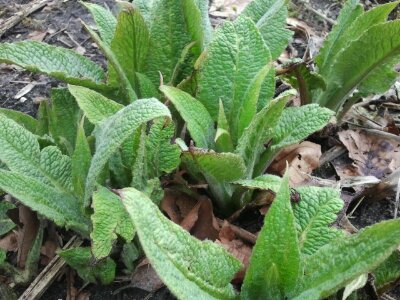
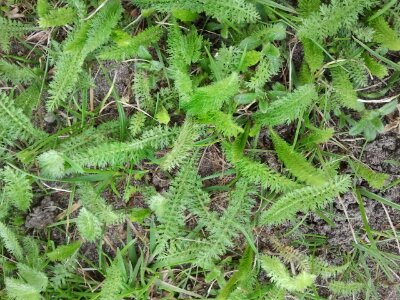
Today, Yarrow (Achillea millefolium), small leaves at the moment but plenty of it around.

image

Also Geranium species are getting stronger everywhere. They are evergreen in this climate but the energy is definitely stirring in them at the moment – meaning they taste better and have more potency.

image

Also, new beautiful and incredibly useful Plantain (Plantago major) plants everywhere, if you look carefully.

image

And lastly today Dandelion (Taraxacum officinalis agg). Bitter, tasty, medicinal, everywhere, free!

image

365 Frankendael day 363

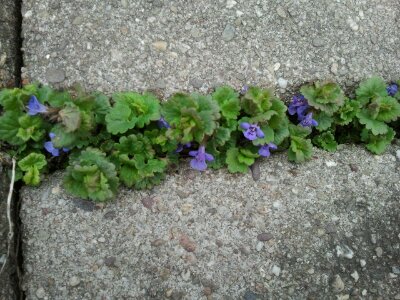
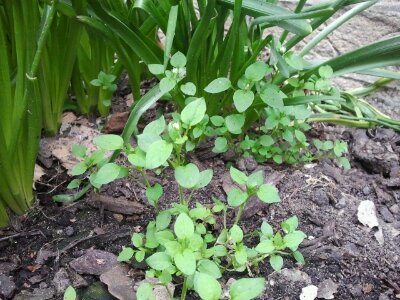
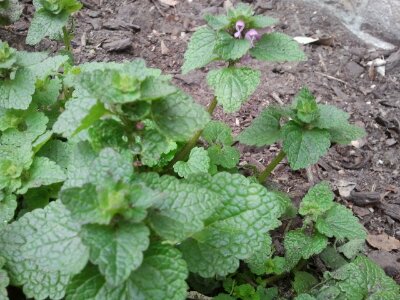
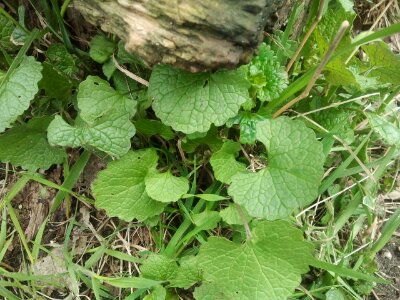
Garlic Mustard seems to be everywhere at the moment, and Stinging Nettle and Ground Ivy! I didn’t take very many photos today but here is a pavement crack full of minty, flowering Ground Ivy (Glechoma hederacae):

image

I picked a small handful to make tea, from a lovely clean woodland edge.

And here is a very windy photo of Cleavers (Gallium aparine), which is also everywhere I look at present, on the ground at least. Soon it will start to scale up shrubs and wire fences, becoming very visible to everyone.
image

I didn’t take any Nettle photos today – was to busy picking them. Plenty of them are ready for making infusions, pasta and whatever else you fancy.

image

Here above is Burdock (Artica lappa, NL: Klit). An extremely useful herb. Well worth learning what you can do with it. I’m not one for harvesting roots in the city but all parts of the plant are useful to some degree. Here’s a useful Burdock link.

image

And lastly, Dock (Rumex sp). Where I come from, everyone knows that rubbing Dock on a Nettle sting, takes the firey pain away. But there are far more users for this edible plant. At this time of year, and if you don’t suffer from Gout, Rheumatism or other uric acid related ailments, you may fancy cooking a dock leaf or three as a sour tasting vegetable. It contains oxalic acid, as in sorrel and rhubarb. So it tastes sour and shouldn’t be consumed too often.

365 Frankendael day 362

Very pretty Maple tree, in flower close to Amstel Station.

image

And I was really happy to find a tree pit full of Winter Purslane / Miner’s Lettuce (perfolium) along side the park today.

image

See how similar the Miner’s lettuce looks to this other plant at first glance. Both were growing in the same patch of dirt. But the leaves are a little different and crucially, the flowers all have a different number of petals. This third plant today is a Speedwell ( Veronica) species.

image

365 Frankendael day 360

In five days time, I’ll have been charting the edible and medicinal herbs of this little corner of Amsterdam, for one year. It has been eye opening to me and has brought me lots of unexpected gifts.

One of these is my apprenticeship programme. Today the first group meet for the seventh time. We took cuttings of the medicine chest Elder shrub (Sambucus nigra),

Cleavers (Gallium aparine)

image

Beautiful and useful Fumitory (Fumaria officinalis)
image

Found Wild garlic (Allium ursinum) yet again.

Comfrey (Symphytum uplanicum x)

image

Looked at Hawthorn (Crataegus monogyna),

Munched on samples of Common Horehound (Marrubium vulgaris),
image

Sniffed the unmistakable scent of Coltsfoot (Tussilago farfare)

image

and ever so bitter Motherwort (Leonurus cardiaca).

image

We looked at simple to make Ivy (Hedera helix) shapes.

image

Ideas for balcony Moon Gardens.

image

And after our session I found Garlic Mustard.

image

365 Frankendael day 359

I visited Delft today and was pleased to notice just the same useful “weeds”there that I am used to finding here in Amsterdam.

image

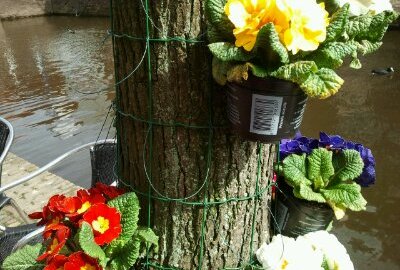
This tree planter arrangement caught my eye. It uses wire mesh and small additional lips pod garden wire, to hold pot plants against a street tree. I’m not sure how the mesh was originally attached to the tree but it now seems to cut into the bark in places which is not at all healthy for the tree. The planted hybrid Primroses could easily be substituted for non hybrid varieties of numerous herbs.

image

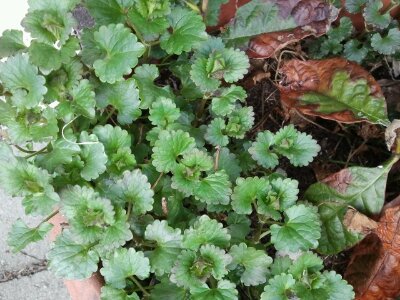
And here is one of my herbal plant pots. This is a healthy and useful Ground ivy (Glechoma hederacea), growing beside my front door.