All posts by Lynn

Unknown's avatar

About Lynn

Learning

365 Frankendael day 261

image

I thought that this is Malva sylvestris, Common Mallow though it more likely could be a stunted Lavatera arborea (must look at it again this week), growing in one of my neighbour’s roadside planters. This plant seems to offer flowers all year long! The whole plant is edible and soothingly medicinal – if it’s Malva. If it’s a Lavatera then the leaves and flowers are also edible though the medicinal qualities are far less than Mallow.

image

I believe that this is Slender Speedwell (Veronica filiformis). Its a pretty little plant with forget-me-not style flowers, which is edible and medicinal. The ladybirds were having a field day on it, munching through aphids, not yet killed off by cold weather. Here’s a useful and inspiring blog post about Speedwells, which may be of interest.

image

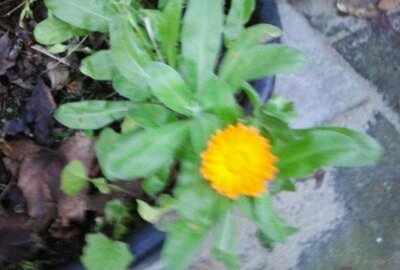
And here is one of the easiest and most useful herbs to grow in Amsterdam. Calendula officinalis. You can save the seeds and they’ll reward you handsomely next season, add the flowers to cooking pots (it’s called a pot herb for this reason) for colour and bitterness, make healing oils, ointments, lotions, lip balms, dyes, soaks etc from the leaves and flowers. It’s a magical plant. Here it is still flowering along my street, in another neighbour’s pavement garden pot. If you’d like something very simple to grow and safe (well, within reason of course) then I’d go for Calendula.
365 Frankendael day 260

Back to plant watching today. After a nice lunch in Merkelbach restaurant, I found these interesting edible and medicinal herbs in park Frankendael…

image

Herb Robert (above).

image

Garlic mustard.

image

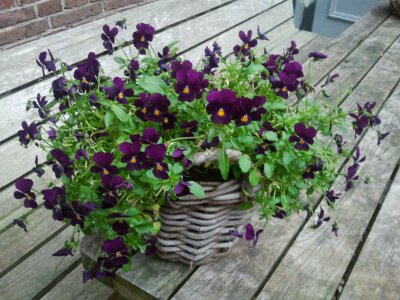
Viola sp.

image

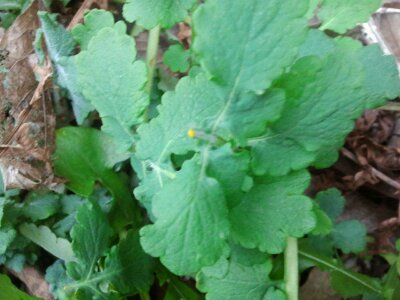
Greater celandine (note the bright orange toxic (externally therapeutic in ways) sap).

image

Copper beech, leaves lost finally.

image

Hairy bittercress

image

Comfrey.

image

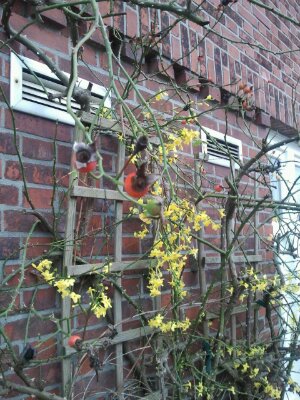
Rosehips and winter Jasmine (I’ve no idea of the Jasmine of this sort is useful).

image

Young and often misleading hedge parsley (toxic)

365 Frankendael Christmas holiday

Whilst I have been away Dana Marin has kindly taken some Amsterdam herb photos and sent them to me for the 365 project. Many thanks Dana, I’ll be back home very soon so the project will resume fully then.

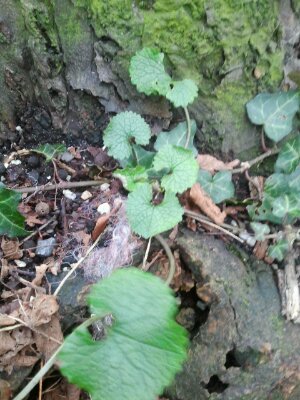
Here are some for the lovely photos which Dana took in park Frankendael and along Bertrand Russelstraat over the recent days…

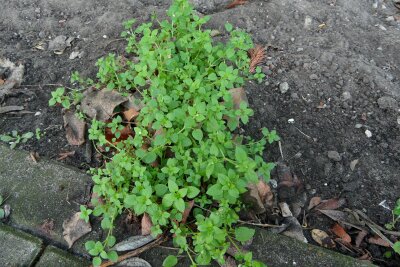
Chickweed (Stellaria media)

image

Ivy (Hedera helix)
image

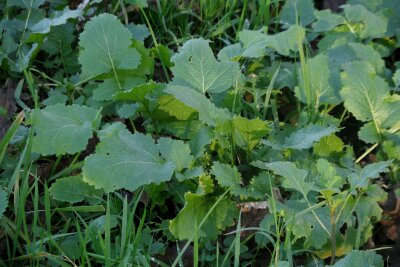
A Brassica, not sure which at the moment, possibly BarbaraKruid, possibly not!

image

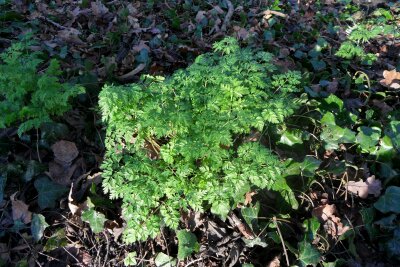
Hedge parsley, toxic. It may be an edible member of the carrot family (I’m looking forward to finding Sweet Cicely very soon, but most likely Hedge Parsley).
image

More herbs from Tenerife

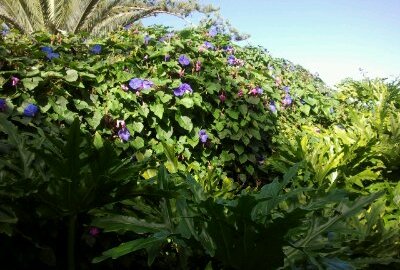
I thought this was Kudzu, Mile a minute plant, solver of addictions, remedy for many ailments, causer of headaches for gardeners who try to eradicate it… But thank you to Fran from Serendipity Farm in Tasmania who politely put me straight. It is more likely to be Morning Glory. Here’s a link showing the flowers of Kudzu

image

Ginger, not from my bathroom windowsill this time…

image

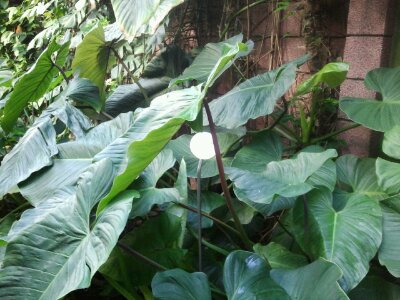
Taro

image

365 Frankendael 247 from Tenerife

Whilst away from Amsterdam, I’ve taken some photos of just a few beautiful  Tenerife herbs. So many here are familiar to me and extremely useful. Many are available in Amsterdam as well at present. Some clearly not but most are probably familiar to readers of this blog.

image

Pennywort above. I remember this from my years in Somerset.

image

An extraordinary plant which looks quite like a type of Chicory or Dandelion. I need to look this one up. It grows all around the lush North of the island and is generally found alone, massive and growing out of cracks in stone walls and rocks.

image

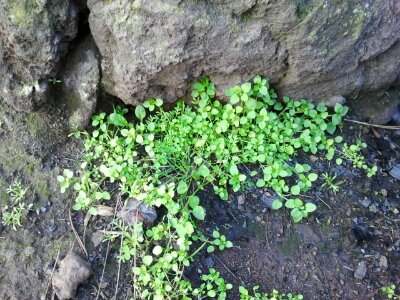
Above is Chickweed. We’ve been feeding it to local chickens.

image

Above  an unusual Mallow species, growing beside the Wine museum.

image

A familiar site, African Marigolds, Tagetes, non edible but an extremely potent herb and one used by many as a garden companion plant. They spread like a weed here, at the edge of the vineyard where we are staying.

image

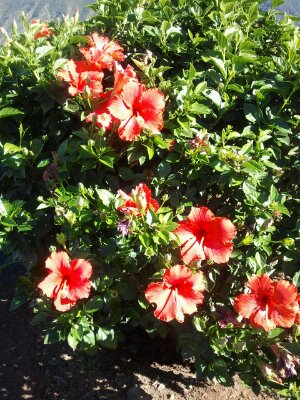
Hibiscus. I can’t stop thinking about the usefulness of Hollyhock, even here. This plant has similar looking flowers and is also a useful herb. More about it later.

image

Pelitory of the wall. Growing prolifically. I look forward to seeing how out is fairing up I the Netherlands at the moment.

image

Beautiful, peppery and healing Nasturtiums. Growing wild and prolific. An old use of these on Tenerife is to use a leaf fresh as a natural substitute for toilet roil. It can cure hemorrhoids when used in this way.

That’s it for today. Time to get back to the plants and the sunshine.

365 Frankendael day 240

This is my last post from Amsterdam for a little while. If you see any herbs in the city, which you would like to photograph and email to me, then please feel free to do so. I’d really like to keep this project alive whilst I’m away – to show that there really are edible and medicinal herbs growing in cities like Amsterdam, every day of the year.

image

Here is a young Hollyhock plant, spring up most likely from seeds shred from nearby plants.

image

Here is Hairy bitter cress, it makes a tasty peppery addition to winter salads or is very nutritious when lightly cooked a leafy vegetable.

365 Frankendael day 238

Today I was in Tolstraat and noticed lots of Greater Celandine. I found it there whilst cycling many months ago. At that time the plants (which are interestingly in almost all the pavement gardens of the street) were in flower. Today not but some are in bud and despite the cold weather the plants look robust and more than able to yield cell growth halting sap. This plant is very useful for use against Herpes virus outbreaks. The orange sap is toxic but if carefully dabbed on herpes sores, warts or skin growths, it can often help to slow cell/virus growth.

image