Category Archives: Herbs

Wormwood Rescue

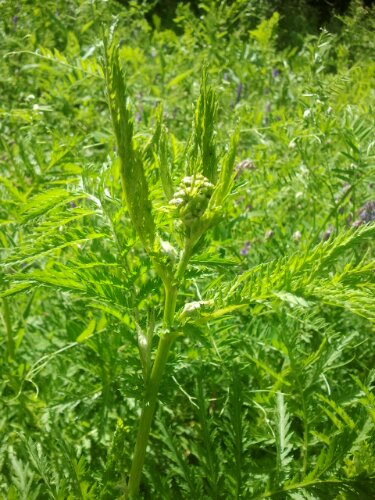
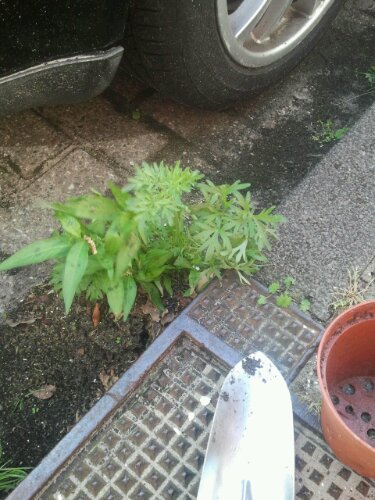
When the council next comes to strim weeds in my street, these lovely Wormwood babies would be lost, so this afternoon I whipped lots of them out of the ground, to save them in plant pots.

I grow a vigorous and useful Wormwood plant in our super-dry geveltuin. I wrote about it recently, when I had to harvest lots of its growth to prevent damage by builders.

Since then I’ve been noticing its seedlings all down the street! The recent weather seems to have helped them to thrive in the road gutter, treepits and pavement cracks.

Wormwood (Artemisia absinthium) is a herb which gives Absinthe its flavour, works internally and externally as a natural pesticide (think intestinal parasites, plant pests, malaria etc) and can help with several digestive disorders including indigestion, gut spasms and lost appetite. Wormwood contains a mind altering, dangerous chemical which shouldn’t be consumed in quantity. It increases the likelyhood of a person having brain seizures, gives Absinthe it’s flavour, increases creativity and is the reason for Absinthe’s prohibition in some non-European countries. Wormwood is a rare plant in The Netherlands. It can be eaten very sparingly, in salads or cooked food. It is easily vinegared, tinctured, dried, infused in oil and more. Wormwood is the most potent member of the Artemisia family and needs to be treated with great respect. If you’d rather not consume the herb, be aware that it is associated with magical properties related to love and protection and I think it smells very pleasant when dried or fresh. I also find it very beautiful and love seeing it’s shimmering silver-grey foliage outside of my home.
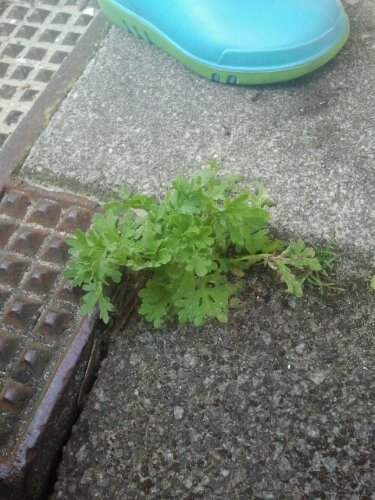
If you would like one of these easy to grow Wormwood babies, please contact me. Bring me a clean small plant container with a little soil and you are welcome to have one or, for a Euro, you can buy one from me that is already potted-up.

I find that the plant grows best in well drained, sandy soil and a good sunny location. I grew it on a north facing balcony for a few years and it did fine but it revealed itself as a real goddess, when I planted it in the south facing pavement garden. I have uprooted only the seedlings that would have been strimmed, about ten more continue to grace the plant pots and tree pits of my neighbours.
365 Frankendael day 80

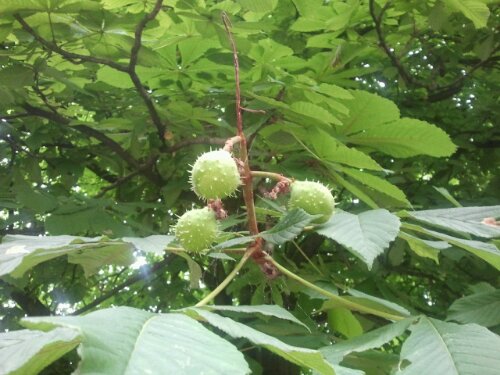
Just a quick post today – Chestnuts forming…

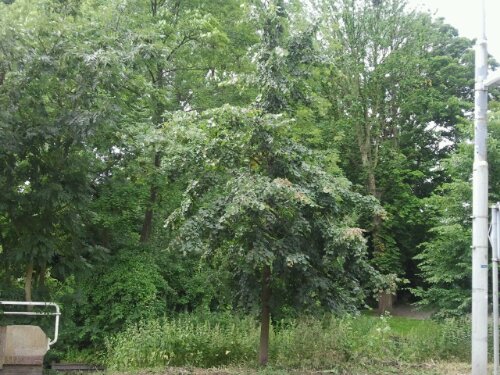
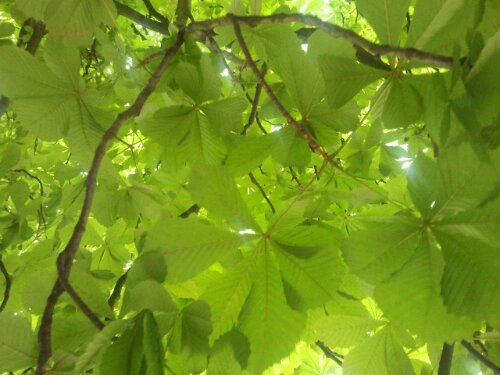
on a beautiful old Horse Chestnut tree.

In contrast to the Sweet Chestnut tree I showed yesterday, this tree yields very hard inedible nuts which, when carefully strung with a shoe lace (and further hardened if you are a real pro) serve as a fun autumn toy for children – Conkers!

Medicinally speaking, Horse Chestnut is widely reputed as an effective external treatment for varicose veins and broken capillaries (such as thread veins and hemorrhoids). The ointment is quite simple to make. You need to make infused oil using the leaves and/or conkers first of all. Then when your oil is ready, warm it up gently and blend in enough beeswax to make an ointment of acceptable consistency. I bought some once and it was almost rock hard, not handy for gently smoothing over delicate thread veins…

I’m going to be making a double tincture and double infused oil this year; adding the leaves to both vodka and oil in summer and then add the conkers to the same carriers come autumn. I’ll make my ointment from the oil, beeswax and a little tincture for added effectiveness. Of course varicose veins and hemorrhoids can be extremely serious conditions so this remedy, although trusted by many, shouldn’t be used without firstly checking that more radical treatments are not immediately necessary.

365 Frankendael day 79

Today some photos of small pavement herbs growing in cracks and well trodden corners of the park. You’d have to be fairly desperate to want to harvest them but they are useful for identification purposes and if you suddenly need some Ribwort to stop a nettle rash our Yarrow to stem a noise bleed, it’s good to know that theses herbs really are everywhere…

Here is a mini Chamomile (Matricaria chamomilla ). Despite growing in such a restricted little habitat, the flowers do smell great.

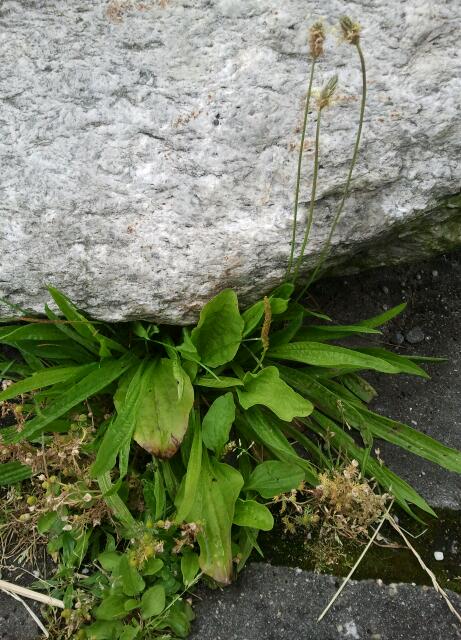
Here are two sisters, narrow leaved Ribwort (Plantago lanceolata) and broad smooth-leaved Plantain (Plantago major), growing protected from strimmers, feet and digging claws beneath a small landscaping boulder.

Here’s Yarrow (Achillea millefolium) without flowers because it is constantly pressured by growing on a trampled pavement edge near the children’s playground. This plant is tiny in comparison to its neighbours in the long grassland.

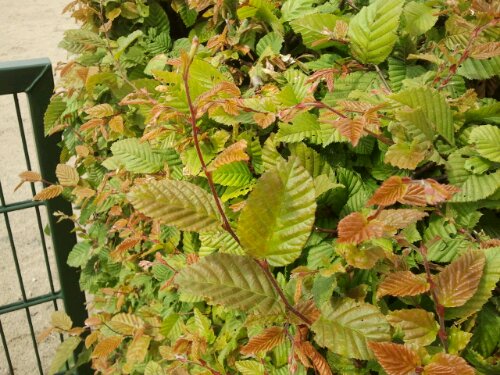
This is part of a Beech hedge (Fagus sylvaticus) in the park. I’ve shown it before and just want to remind people of what tasty and plentiful foliage it has.

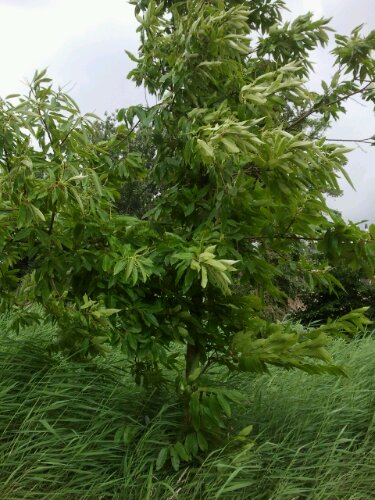
Here’s a young Sweet Chestnut tree (Castanea sativa). It’s really nice to see nut trees that have been deliberately planted in public places.

365 Frankendael day 76


Firstly today is Yarrow, NL: Duizendblad (Achillea millefolium) growing in a protected and well fertilized spot, next to a lamppost on Hugo de Vrieslaan. I use it mainly as a wound herb, I rub the juices gently on lightly wounded skin as an antisptic and to stem bleeding and as a fast remedy to nosebleeds. There are a great many uses for this herb. It is definitely one that far more people should know about and learn how to use. My daughter loves to nibble on this plant, perhaps because she can easily recognize it and pick the leaves from my roof pots but it shouldn’t really be ingested by under 5 year olds due to the strength of its blood regulating action. This plant grows all over the place, very easily and there are coloured flowered varieties which also have the same medicinal effects. I have a red flowered one on the roof. It makes an interesting addition to salads, just a leaf or two chopped up a little is all that’s needed. Be aware that it will bring on bleeding so not for pregnant women. Having said that it also helps to normalize mentrual cycles in some women. A very useful herb.


Above is the uniquely “fragranced” Field Woundwort (Stachys arvensis). Another wound herb, not as potent as Yarrow and not bitter tasting but very aromatic. Its a member of the Labiates and tastes a little of mint, but its quite different aswell. Good as a tea now and then, also a herb with many historic uses. See day 52 for some more information and links about this prolific urban waterside herb – why it’s called field woundwort, I’m not sure, I always find it beside water.

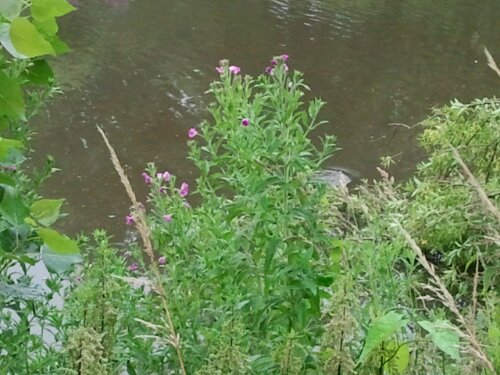
Above is Rosebay Willowherb (Epilibium angustifolium). Edible and medicinal (some use it for treating puss filled boils) not one I’ve really used, just eaten the odd flower and young shoot. Apparently it’s popular in several countries as a spring vegetable. Patrick Whitefield taught me about it some years ago, on a permaculture course. It often grows profusely on wasteland. I remember a lot of it growing on freshly cleared building plots, near my home as a child. It is a pioneer species, giving it the common name in North America of Fireweed.

365 Frankendael day 75

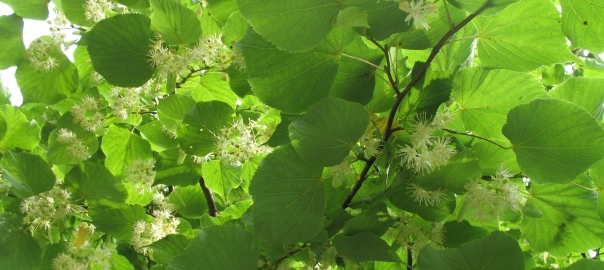
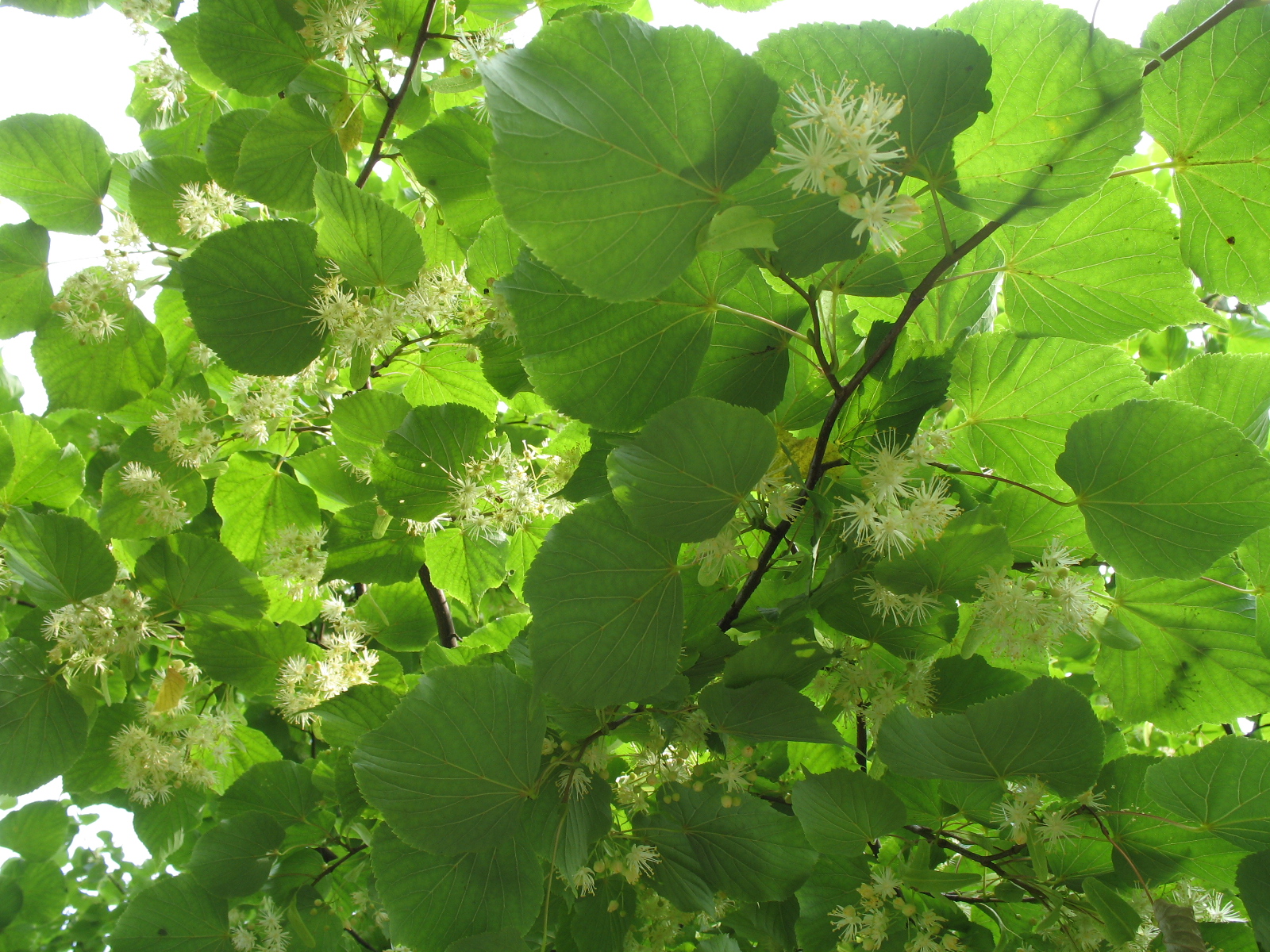
I went for an earlier walk in the park today and was rewarded by finding the freshest and most delicious Lime (Tilia) flowers that I have ever harvested.  Here’s the tree they came from.  I turned them into a tea and shared it with the painters and my little girl.  Lime tea is especially good on a warm summer day like today. It is cooling and refreshing.

Here’s a neighbouring Tilia tree in the park. It must be a different variety as everything about it is a little smaller than most Tilia in the park and the the leaves are a little darker.  The flowers are also placed slightly differently on the twigs. I don’t know so much about the different varieties but I do know that Tilia tastes good and is very beneficial.

Next is a harmonious grassland combination of Plantain, Yarrow and Red clover in bloom.  I set off today hoping to find enough Yarrow to make a tick-deterring tincture. I got rather side tracked by other herbs and in the end, didn’t notice enough to harvest. So instead of tincturing, two flower stalks are brightening up a small vase on my dining table.  It’s good to remember just how many ways there are to benefit from flowers.
Here are two of my favourite things, my little girl and a huge Brassica plant.  As with most naturalised and wild brassicas, all parts are edible and quite strong tasting. Just a carefully picked leaf or two should liven up a meal.  (Thanks Jennie for correcting me on this one, I thought it was Wild Cabbage but that only grows near the coasts on chalky soil). This one may be Rapseed (Brassica napus). My friend Jennie Akse is running a herb walk focused on edible yellow flowering plants, around in Amsterdam at present.  Have a look at the Meetup group for details.

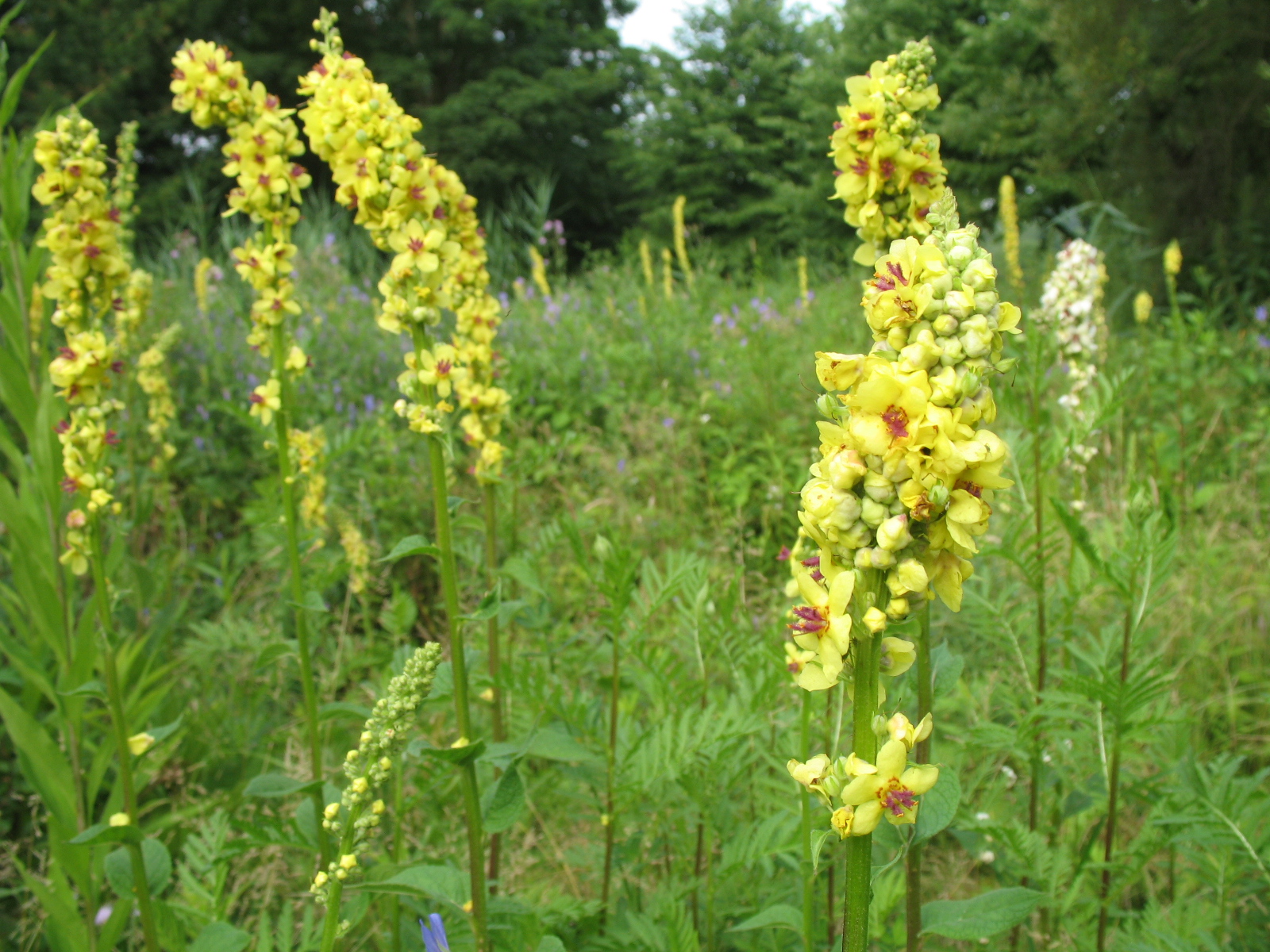
Here is a herb that I find quite wondrous, Dark Mullein (Verbascum nigrum). Useful for many disorders, such as lung weakness and infection and most popular, I think, as an ear infection remedy.

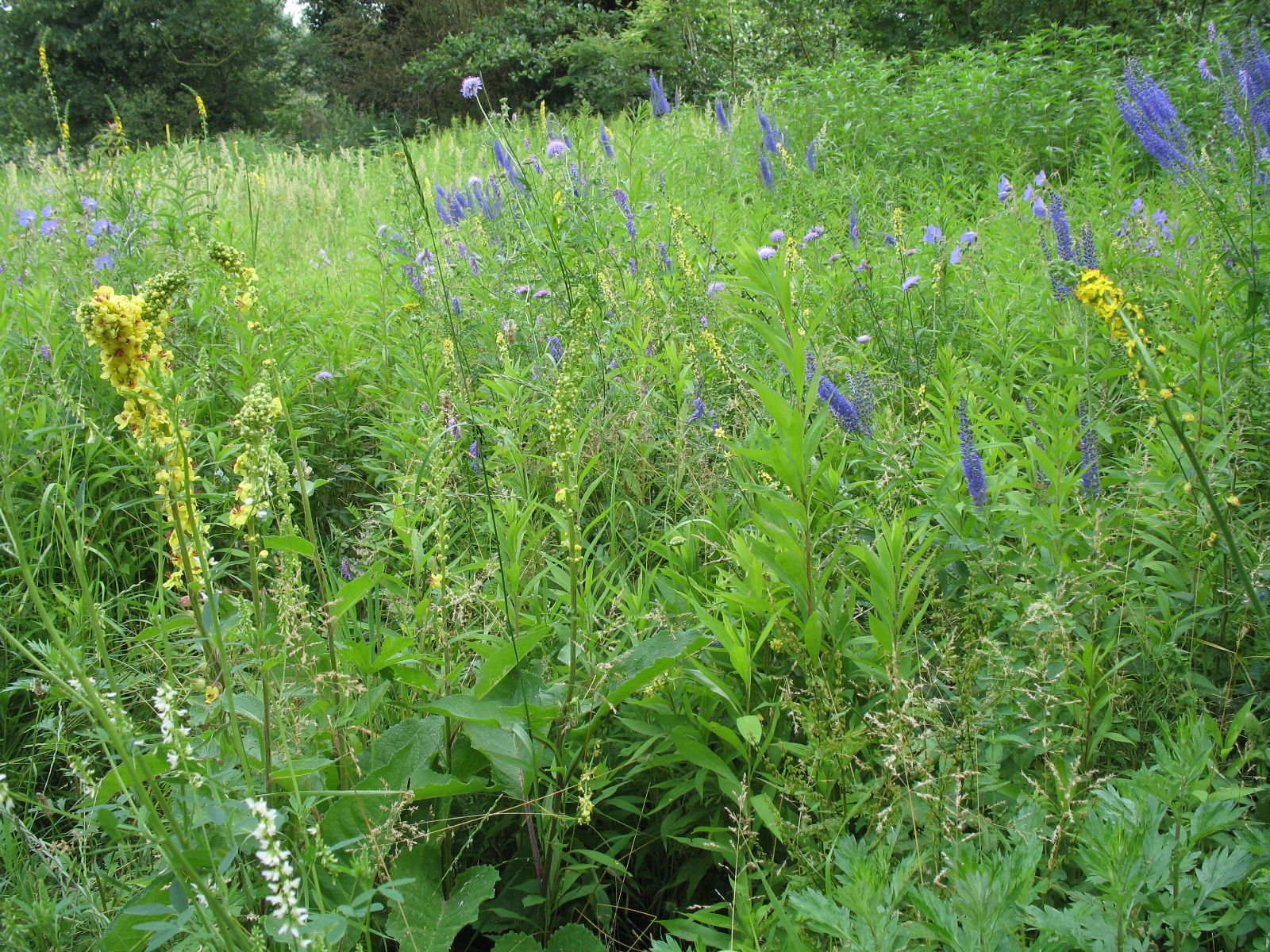
Next up today is another herbal harmony, Veronica‘s towering blue spires mixed with more Mullien, Mugwort and Agrimony.

Here are some striking and Poisonous Lilies, in the formal garden behind Frankendael Huis and Merkelbach.  I add this photo because yesterday I featured the very edible Daylily (Hemerocallis fulva), which can look very similar to the uninitiated.  All parts of Lily are toxic. I have never thought about eating this type of plant but I find the pollen, when trapped in a living room with it for instance, very irritating.

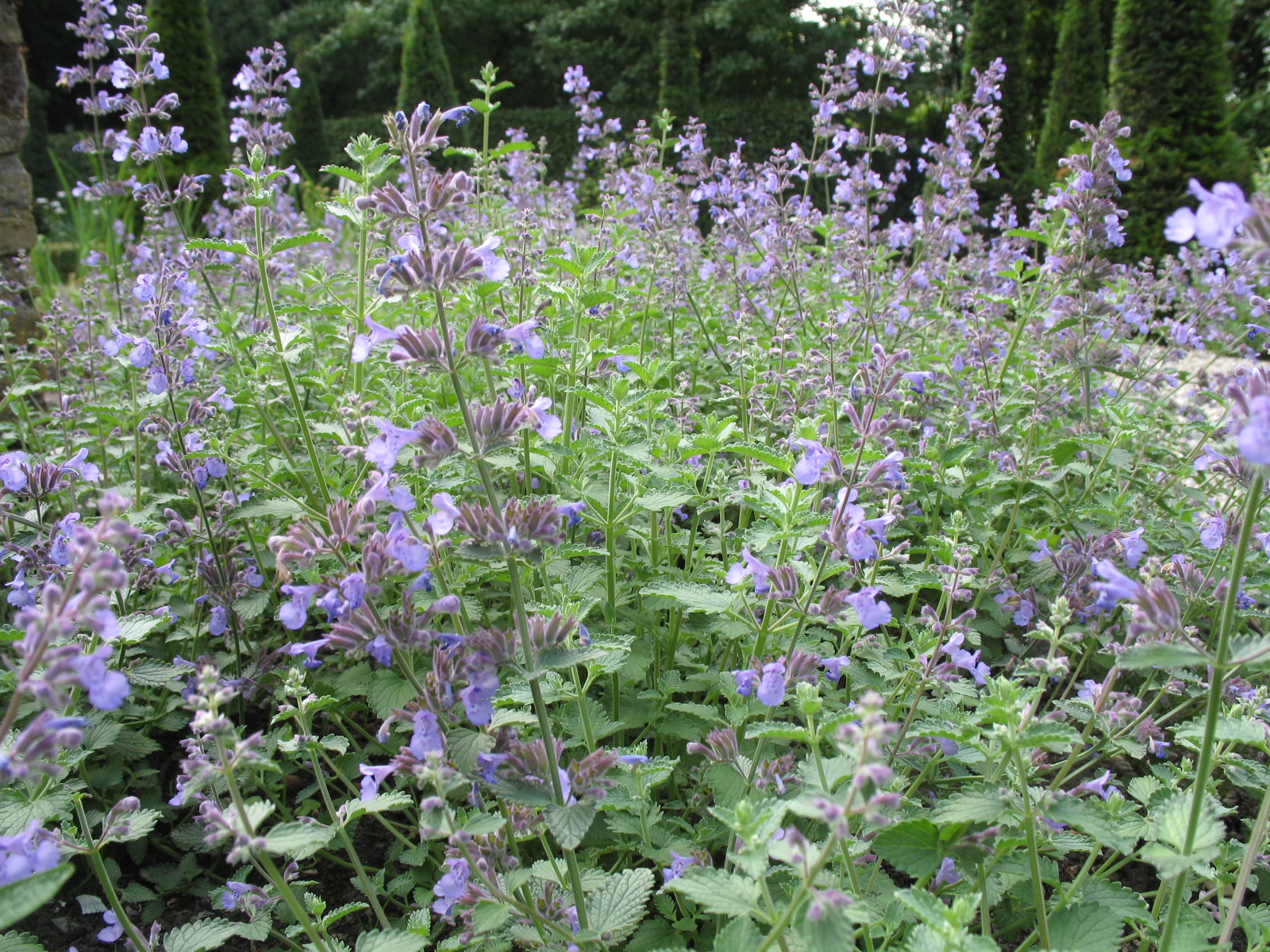
Here is Catnip (Nepta sp). A member of the mint family, it can be used in similar refreshing ways. I like to make a sinus blasting pesto with it sometimes. It has many uses and is quite easy to grow.  Many will already know about cat’s affinity to this herb.  Some love it and find it quite a turn on, others seem to lack receptivity to it and many show more of a loved-up reaction to Valerian.

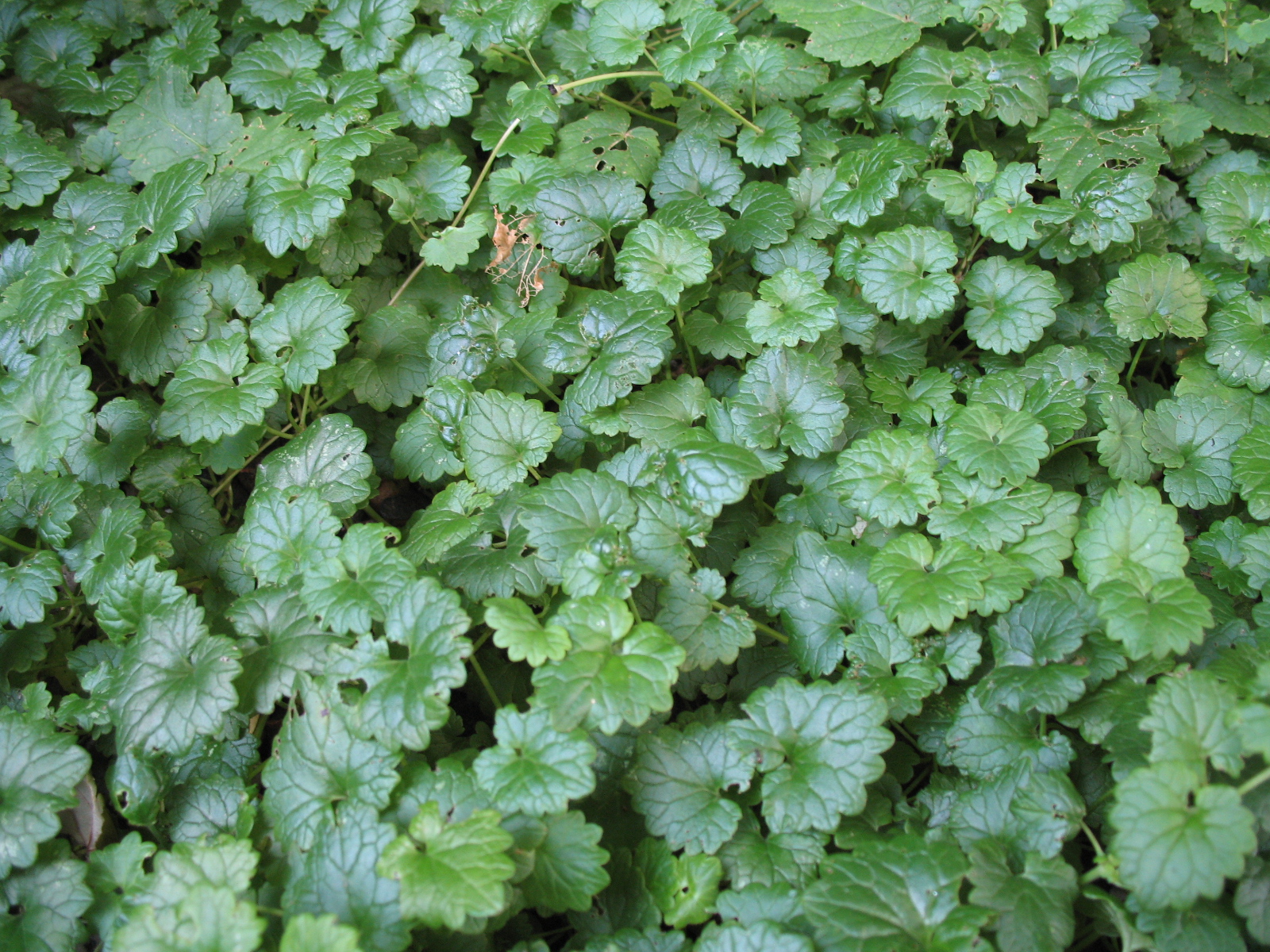
Another minty wonder is shown below, the often overlooked and trampled Ground Ivy (Glechoma hederacea). The pretty purple flower spikes are gone from most of the plants now but just look at that rich foliage! Now is a good time to harvest and use it or dry it for the winter. But why bother when this ground covering  plant is around all year long?

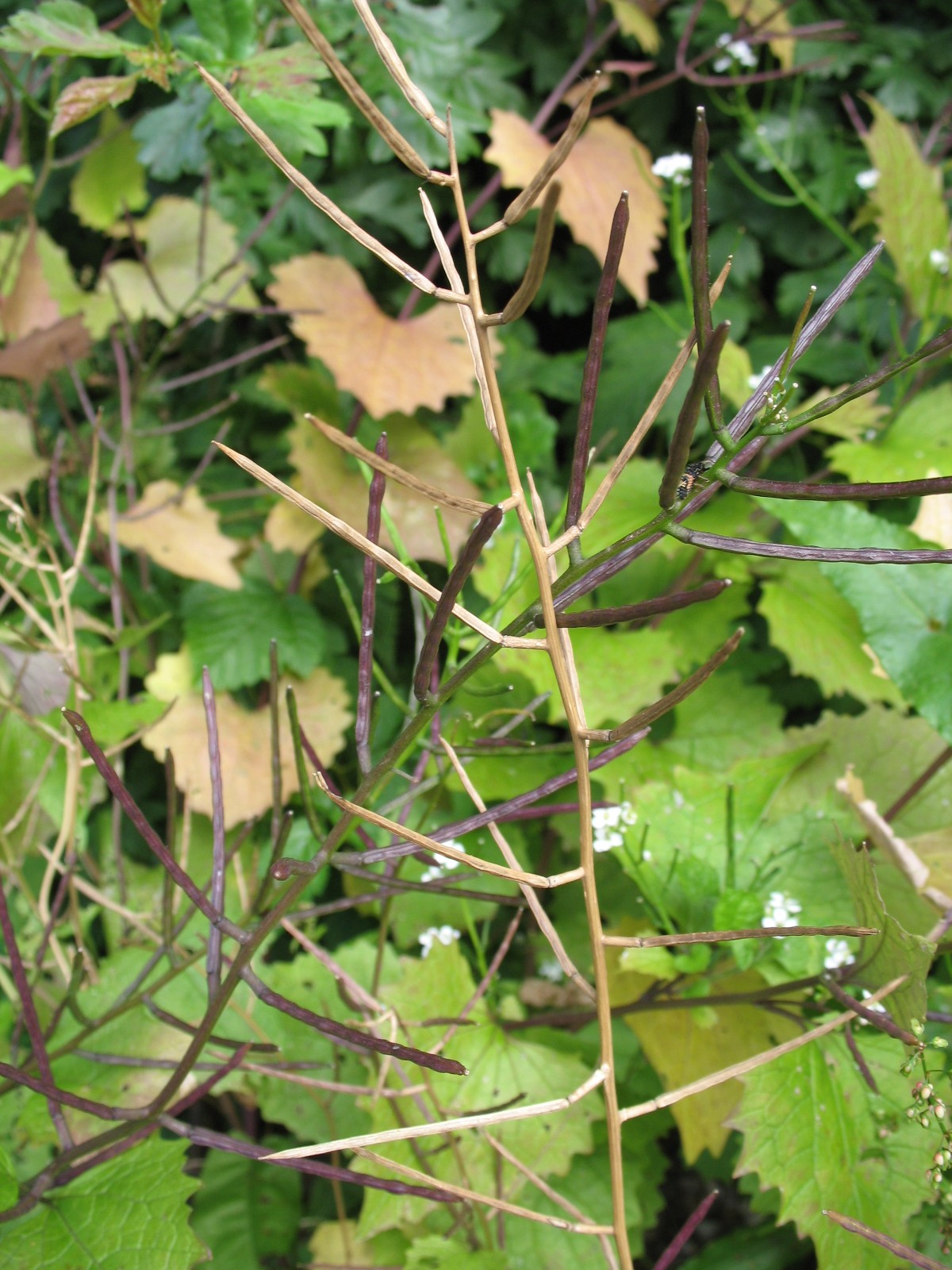
Next is a delicious Garlic Mustard plant (Alliaria petiolata), showing different stages of seed pod development. This is a wonderfully tasty herb to add to all sorts of cooking.  It is also great used as a salad leaf or flower.  Looking at these seed pods reminds me of why it’s a pity to harvest the flowers of this super biennial.  Less flowers, less seeds, less plants next year.

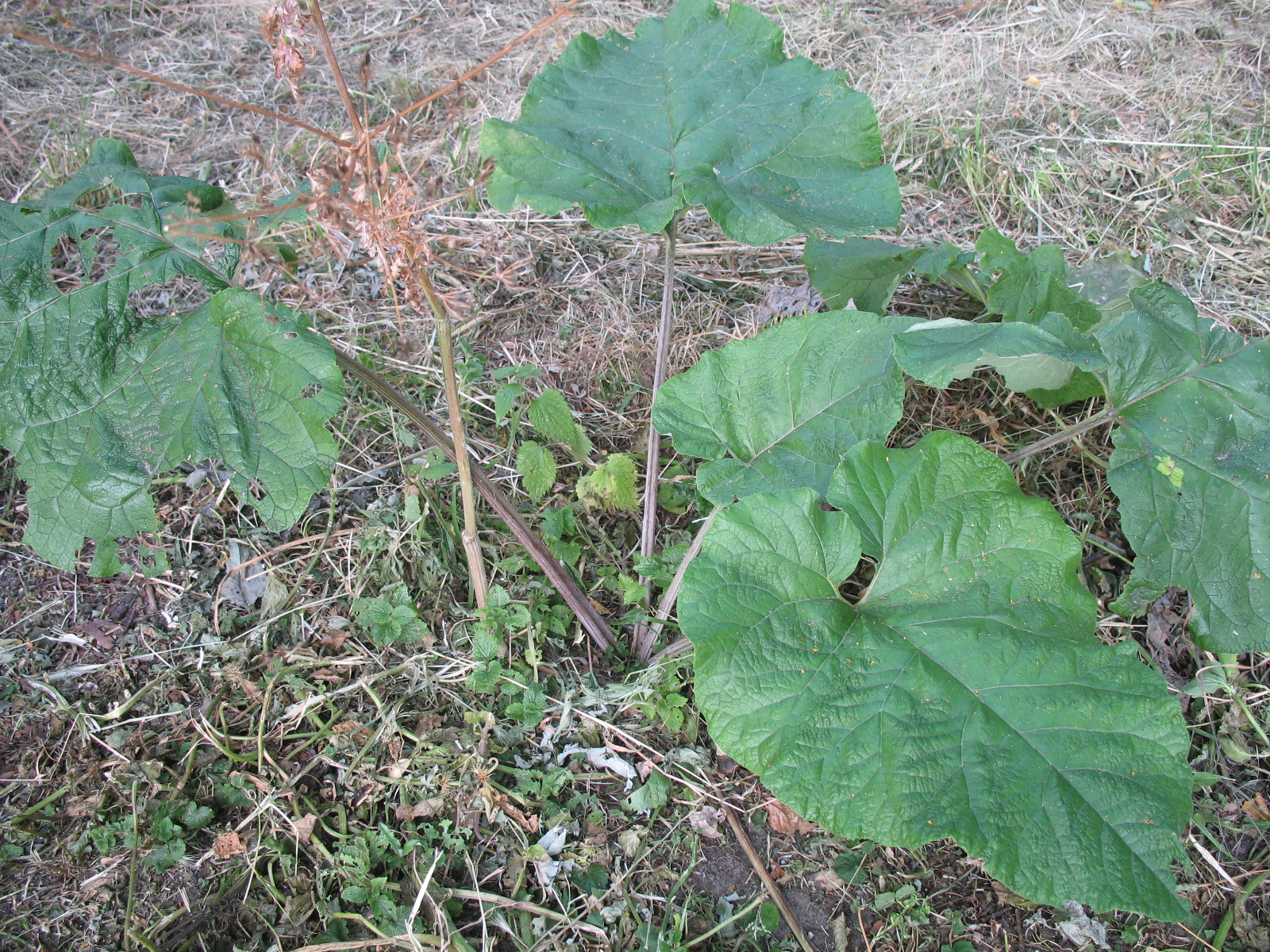
Next is a large plant which I’ve been hunting for some time – a first year Burdock (Arctium lappa), ripe for root harvesting.  It seemed that all the Burdock in Amsterdam were second years, in bloom and not very nutritious or medicinal.  Now that the council have mowed some patches of the park, some first year Burdock have been kindly left to develop.  I won’t be digging this plant up but it’s good to see it and be reassured that a first year plant is easy to identify.

Lastly today, a type of Hyssop (Hyssopus sp.).  I used this plant quite a lot last year, it is very aromatic and makes good tea. I’ll have a careful look at this one again soon to identify it fully.

365 Frankendael day 74


Lots of edibles but not much time to photograph them today. Here’s a photo of a smart young Tilia, Lime or Linden tree growing on the edge of the park. I just wanted to mention that the trees are still very much in flower and the flowers are very tasty and easy to dry for later use. Tilia is nothing to do with citrus Lime, although many find it a very refreshing herb. Here’s my previous post about Lime and it’s uses.


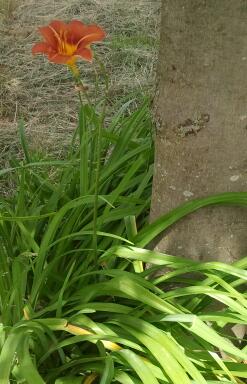
Next is Daylilies (Hemerocallis fulva) a flowering plant that looks too dramatic to be wild or edible and yet it is quite a forager’s favourite. Please be aware that regular lilies are definately not edible. Day lilies are different. I haven’t yet tried them and hope to later this week. Here are a few links which you may like to peruse if you have mind to harvest and eat some…

Susun Weed, Lily family article
Dining on Daylilies
Eat the weeds article

365 Frankendael day 73

I caught the bus to work this morning and was able to check out my usual Fat Hen (Lamb’s Quarters, Chenopodium album) and Mugwort (Artemisia vulgaris) collection spot. Here it is, a few days post council mowing. Fortunately there are lots of intact Mugwort plants in adjacent unmowed areas but the Fat Hen is no more. I’ll keep my eyes open for another patch of them as I really enjoy their flavour.

Here is poisonous White Bryony (Bryonia alba), flowering faintly as it grows over a hearty looking Bramble. I didn’t have much time for photos today so thought I’d look up the uses of White Bryony in one of my favorite old herbals – Mrs M. Grieve’s Modern Herbal. The link above is from a useful online version of that book. It was used historically as a purgative for people, cattle and horses. It is a powerful irritant and cathartic, i.e. it makes people throw up very violently and is not a plant to be dabbled with. I love the reference in the book to scoundrels of old, digging up the roots and placing them in moulds to allow them to grow into imitation Mandrake roots. If only their modern day counterparts had that much skill with plants! I really like the look of this plant and if I didn’t have a child or cat in my home I’d probably harvest some and use it in some way, but certainly not internally. All parts of the plant are poisonous.

365 Frankendael day 72

We had a lovely long walk in the park today so lots of photos, lots of plants and lots of harvesting for tinctures, drying food and more.

The plants shown below are:
Tansy,
Meadowsweet,
Feverfew,
Mullein,
Mock strawberry,

Here is Tansy (Tanacetum vulgare), a powerful herb which is immediately apparent if you pick and smell a leaf. I harvested some pre-flowing tops today, to make a simple moth repellant for my wardrobe and a tincture in case of use through the year. Tansy is very strong and not to be used casually. It has many modern and historical uses including being a potent insecticide, anti worm medicine and more. It can cause contact dermatitis so it is not one for the cut flower vase. I like this herb a lot but treat it with lots of respect.

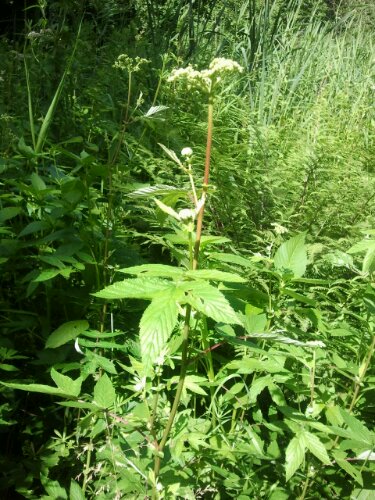
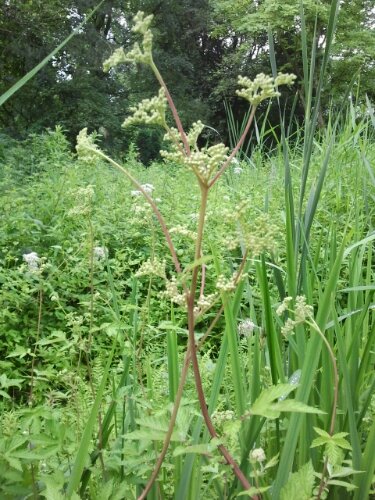
Meadowsweet, Filipendula ulmaria is another herb I gratefully harvested today. It makes a good stomach medicine, as a tea or tincture. It can help with stomach ulcers, general stomach upsets such as gas and can help calm excess stomach acid. It contains salicyclic acid, the derivative of Asprin and should be used with caution by those taking Asprin as it will increase the dose present in the body. It is interesting to note that unlike Asprin, which can cause gastric bleeding, Meadowsweet has a soothing effect on that area of the body. Another example of how taking a chemical out of its natural plant environment changes it’s affect on the body. Meadowsweet is traditionally harvested now, just before the flowers open. Finally I found some that had just bloomed in the Frankendael ponds. I harvested some pre-flowering tops, have tinctured a couple and am drying the rest. By harvesting very gently and not to low down the stem I get stronger tinctures/ tea and also allow the plants to have another go at flowering this season.

Next is Feverfew, Tanacetum parthenium, a traditional remedy for migraine. I tried it several years ago, hated the taste and didn’t really notice much effect but I simply ate a few leaves between bread. I don’t suffer from migraines these days but if they return ill try a tincture of this pretty little plant and keep trying for a while. The taste of herbs is important in their effectiveness. Taste is the first part of digestion. It primes the internal organs for the food or medicine that is to come. Bear this in mind if you like to take your herbs packed up tastelessly in capsules. Feverfew is currently adorning many pavement cracks, untended planters and road verges in Amsterdam.

Next is the spectacular flower spire of a Mullein plant. I collect individual flowers throughout the flowering season and add them to a small pot of olive oil. It makes a handy ear treatment.

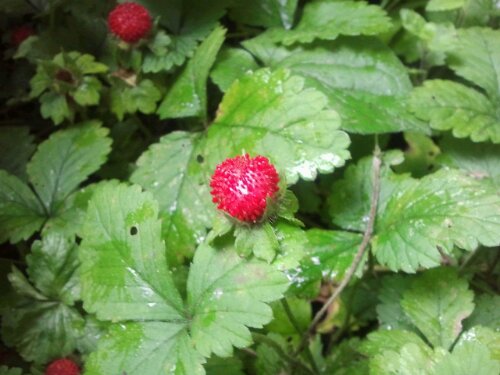
Next are the delightful edible not-strawberries of Potentilla indica, sometimes called Mock Strawberry. I picked a handful with my little girl and we will cook them up with some fallen apples from the public mixed fruit orchard in Park Frankendael. On the recent Greenpeace walk one of the participants told me that her Dutch mother-in-law likes to harvest these almost tasteless fruits and preserve them in vodka. She likes the taste it makes as a drink. Maybe I’ll try adding them to a Rum Pot this year.

Here’s the little orchard.

365 Frankendael day 71

Meadowsweet, buds still developing. I’ve been waiting for them to open into almond scented flowers for several weeks now. Still good for harvesting. Delicious as a tea and beneficial for stomach disorders and pain relief.

Here is my favourite tonic herb in flower: Leonurus cardiaca, Motherwort. My park harvested tincture is developing nicely on my kitchen shelf at present. So easy to make and so little of the herb had to be harvested. I used part of this plant for my tincture and there’s no evidence left to see, just a healthy and beautiful plant for everyone to enjoy.

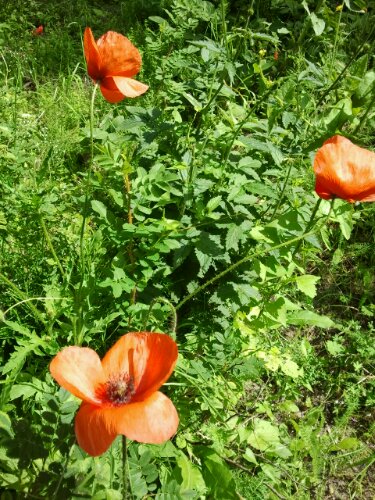
Next is another pain reliever, but far too potent for me: Poppy, Papaveraceae sp. On a recent meetup group Lime harvest, a member told me how her French Grandmother used to swear by a cough syrup which she brewed down from poppy flowers and sugar. Isobel has made this her self and says it’s beautiful, works a treat but has an unfortunate blood pressure altering effect so she had to stop using it. Not so surprising as the poppy family is the source of morphine. I heard of another contemporary Poppy remedy this week on the Green Peace Walks I led. Boiling up the flowers in water, a decoction, as a heroine substitute! This was witnessed by a walker and not made by any of the Greenpeace walkers, I hasten to add. Not really my cup of tea, but certainly a useful last ditch pain reliever if ever there was an urgent need. The dosage of herbal remedies is often quite a fine art. The amount required for a medicine like effect, depending upon time of harvest, freshness of herb etc. That’s why I stick to mainly tonic herbs, they can be taken for a reasonably long period without negative effects building up and they work more by supporting health rather than suppressing illness. I think that Poopy remedies must be particularly subject to this variation and are thus seen as unsafe by almost everyone. A lot of people enjoy the seeds as a bread ingredient. By harvesting seeds from small patches of Poppy such as this one, the chance of Poppy plants next year is greatly reduced.

Next today is Veronica, also called Speedwell. I have never used the plant but it’s a useful and very beautiful one. I’m not exactly sure of the genus of Veronica but its similar to Veronica spicata.

There was more mowing going on in and around the park today and also I noticed that a sprawling poisonous White Bryony had been carefully removed, from the Juniper bush I watch it climb. Perhaps also by the maintenance team? This poisonous plant remains and does look rather lovely: Birthwort.

Here is Teasel, now with fully formed and about to bear a pretty ring of tiny flowers around those distinctive flower heads. This plant shows much promise in the treatment of Lyme’s Disease. I like to drink from the water collecting leaf joints, on dewy mornings.

There were so many other plants around today but not enough time to write about them. I also met Joop, looking for the Spoonbill and a freindly local woman, also taking photos of plants, who has a children’s clothing range inspired by the nature in park Frankendael. What a lovely idea! Sorry, I forgot to ask her name, if she reads this perhaps she’d like to email me or place a comment below.

365 Frankendael day 67

Today I cycled along the Lime tree lined route from home to Amstel Station. So many of the tree canopies along that road are within grabbing height from my bike. Some of the trees are still preparing to open their delicious flowers, others are in full, fresh bloom and still others are setting seed and thus carry fading blooms. These should be avoided by foragers as they are past their best tastewise and may even cause ill health. They also are not stable for drying and I wouldn’t want to preserve them by tincturing or other methods.

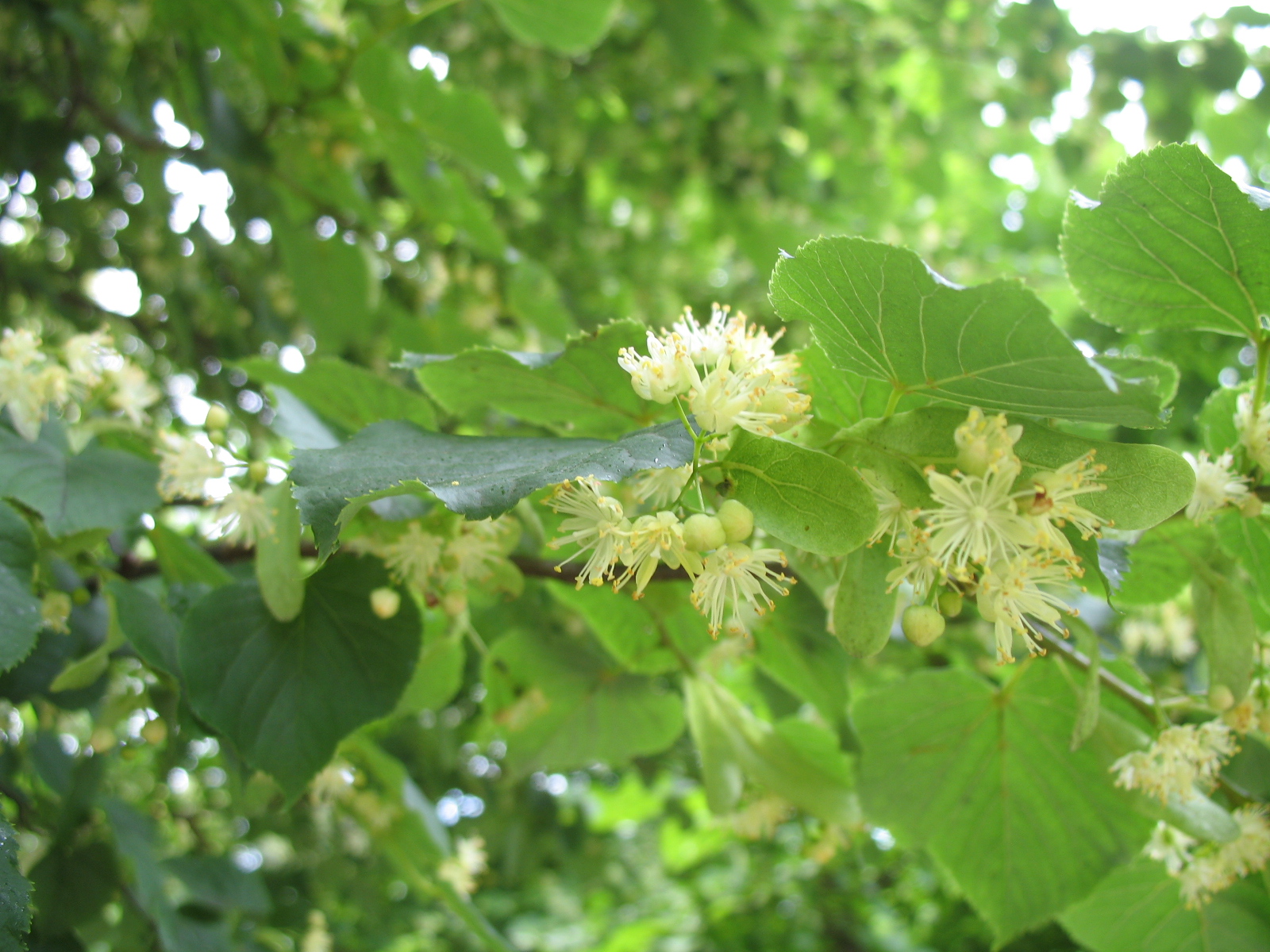
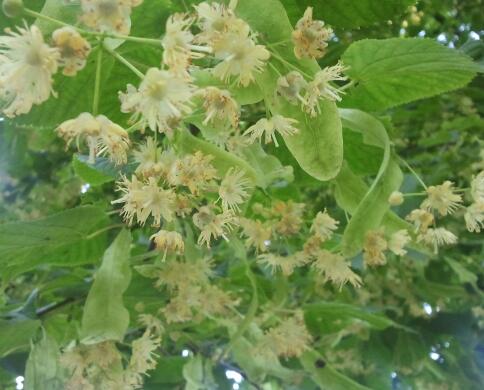
The photo above shows a just-fading cluster of Lime tree (Tilia sp.) flowers. Notice the colour of the stamens, stigmas and petals. Fresh, bursting-with-sweet-glutinous-goodness Lime flowers are a crisp, pale cream colour. Those past their best are at first pink/beige then brown. You should be able to see all of these in the photo. If you want to forage Tilia flowers, choose only those in clean locations (well, as clean as possible) which are either about to pop open or are recently open and very fresh looking and tasting.

Here is a link to Linden Schnaaps (basically a very quick tincture).