Category Archives: Apprenticeship

UH Apprenticeship Online!

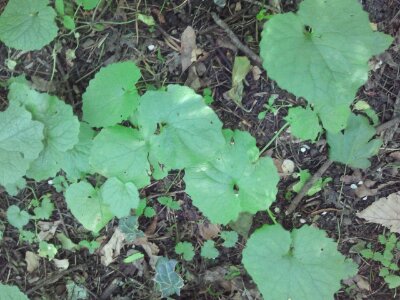
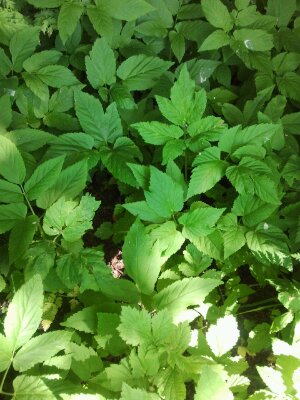
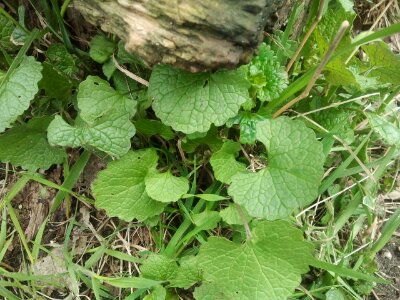
cleavers seedlings

In recent years, I have disappointed many people when my apprenticeship course became so quickly full or because they couldn’t make every meeting or because they lived too far away. So, after much thought and planning I am about to launch a blended learning version of my course!  I am very excited about this and hope that it will hit the spot for those people who repeatedly try to join my apprenticeship course but just can’t get in as well as the folk in other places who are inquisitive about Urban Herbology. The course is made up of 8 modules, each linked to a different Celtic festival time. It covers herb crafting, foraging, healing systems, wheel of the year and urban herb gardening.  Apprentices will be able to follow the course at home or in combination with up to 4 optional half day workshops in Amsterdam.

I am using an online platform called Tansy Turnip (which I share with City Plot). You can take a look at the course information here.

The course will be ready to begin at the start of February 2016.

Early Autumn Calm

It has been a busy summer full of events,  group walks, a Permaculture Design Course, writing, interviews and a lovely holiday in France. Now it is time to slow down, take stock and take a closer look at some of the plants ripening for harvest around me here in Amsterdam.

image

Rosehips, of all shapes and sizes are redening, softening and just asking to be added to honey and pies (when the itchy seeds have been scooped out of course). These rough roses are amongst the first to ripen and amongst the most flavourful.

wild rocket Ijburg pavement

Wild Rocket, Ijburg pavement. This beautiful spicy specimen is currently forming hundreds of tiny seeds – just right for saving and planting closer to home in clean locations. Yesterday I filled a plant pot and sowed some of these seeds, hoping for more deep winter fresh herbal food. Rocket is often available mid winter and is packed with flavour and nutrients.

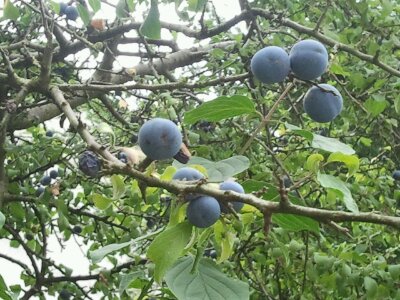
Blackthorn Sloes Amsterdam
Sloes, forming on a playground Blackthorn shrub. Some of these are now infusing in a small jar of Genever, in time for some Yuletide cheer.

River of Seeds seedmix packets

Packets of River of Herbs 2013 seedmix. I gave out some of these at the Children’s Pizza and Flevopark walk recently. They are full of locally harvested herb seeds. Lots of things are planned for the River of Herbs soon. Please keep in touch about your urban herb meadows and other projects.

Photo credit: Mara Pellizzari

Coming up
I have two more walks planned for this month, at the Magneet Festival. Then in October, an Exotic Herbs workshop with Suzanne of City Plot and in November a dinner talk at the Lloyd Hotel for Steinbesser experimental gastronomy. If you are interested in attending any of these then please get in touch.

Apprenticeship
A few people have asked when my next apprenticeship group will begin. The next group is planned to begin in Spring 2014. It will run on Mondays and anyone interested is very welcome to contact me from now on. Here is a link to the syllabus (it needs a little updating but it should give you the idea of what I intend to cover on the course).

Willow Apprenticeship Meeting

I met with my Willow Apprenticeship Group this afternoon and as usual had a wonderful and enriching time with them.

I took a few photos whilst we were out and about…

image

Skullcap (Sculletaria sp.) in the woods. It is best to harness the powers of this bitter labiate, actually at the plant. So take your tincture materials to the woods, harvest just enough, sparsely from across all of the Skullcap plants, in areas where it is abundant and set up your small tincture there and then. Otherwise the active constituents tend to change or evaporate. Either way, Skullcap loses potency hugely if you harvest, take it home then tincture.

image

Above is Plantain (Plantago major). Absolutely the best time to forage this healing and nutritious plant. It is easier to eat them if the ribs have been removed first. The leaves make a wonderfully soothing skin ointment. It combines well with leaves of Elder and Comfrey in such an ointment.

image

Above is a Verbascum sp. plant. Probably Mullien but we’ll check on it again when the flowers appear. A very useful plant. One traditional use for Mullein is to gradually fill a small jar with individual flowers and olive oil. Harvest only a tiny amount of what is available, leave lots of flowers for the bees and other pollinators! The oil is used by some to soothe earache. Another widely used application is infusing the whole flowering plant to treat allergies and chronic asthma.

image

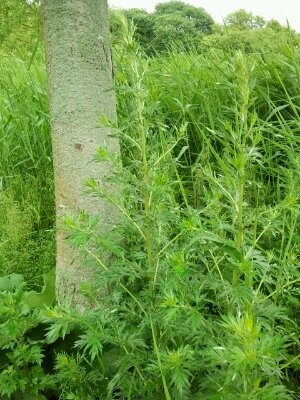
Mugwort (Artemisia vulgaris). Not the most productive year for bushy Mugwort plants in Amsterdam. They are far more slender than usual but still taste great and are very potent at the moment.

image

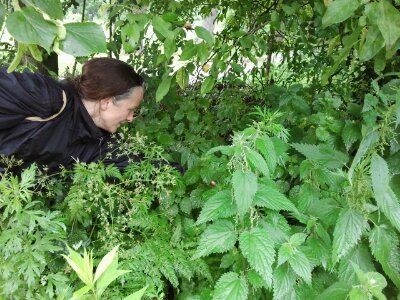
Searching for Horehound (Marrubium vulgare) amongst Stinging Nettle (Urtica dioica) and Jerusalem artichoke (above).

image

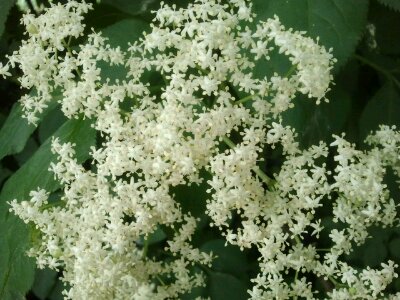
Elderflower. A superb year and so many uses!

image

Hedge woundwort (Stachys sylvatica). We found it full of bees. This has also been planted next to the bee hives of de Hortus Botanicus. Strongly scented, bristly, slightly sticky leaves which seem to ooze potency. This Woundwort had many historical uses and remains very useful today.

image

White deadnettle (Lamium album) amongst Ground Elder (Aegopodium podograria). Both are edible, delicious and useful for several conditions. Lamium album being especially useful for helping normalise females flows.

Lots more wonderful plants were spotted today and the time went by so quickly!

And some kitchen inspiration.

Photo credit: gulummse.blogspot.com

Forest School Finds

My school runs a lovely Forest School programme using some of the local space in Beatrixpark. Here are some of the beautiful plants, growing there at the moment…

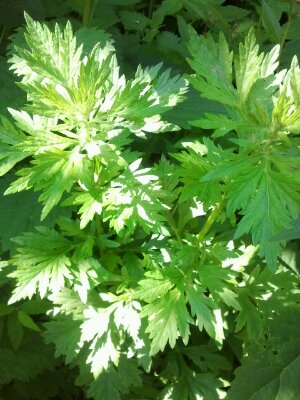
Mugwort (Artemisia vulgaris) Bijvoet. Edible and extremely useful.
Mugwort Beatrixpark Urbanherbology


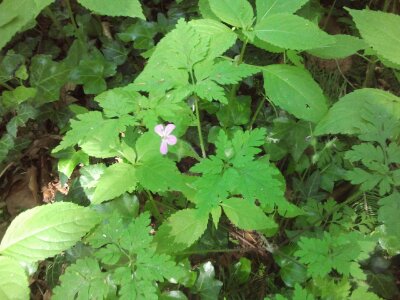
Herb Robert (Geranium robertianum) Groot Robertskruid. Edible and useful.
Herb Robert


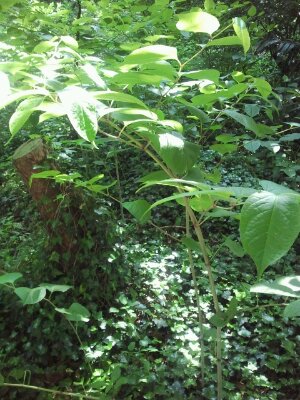
Japanese Knotweed (Fallopia japonica) Japanse duizendknoop. Edible, rather like rhubarb, when cooked. Likely to give children a sore tummy as it is very sour.  It can be quite useful as a medicine. This invasive plant is a major pest as it quickly takes over space and light from native slower growing species.
Japanese Knotweed Beatrixpark Urbanherbology

Lots of this woodland plant visible at present, it is one of my favourites. It is called Enchanter’s Nightshade (Circaea lutetiana) Groot Heksenkruid.
Despite the nightshade name, this plant is edible and is quite tasty when cooked (wilted like spinach). It is not a member of the Solanacae family (the poisonous Nightshades) is linked to the ancient Greek sorceress Circe. She apparently used this plant in many of her potions. It apparently has the ability to draw back to you whatever you send out, especially love.
Enchanter's Nightshade

Young leaves of Garlic Mustard (Alliaria petiolata) Look-zonder-look. Edible, delicious, very versatile as a culinary herb and useful too. Note the kidney shaped first leaves arising from the soil. Then as the biennial plant matures, it develops more elongated heart shaped leaves. In time there will be a cluster of tiny Brassicaceae (cabbage family) flowers atop the tall stem. If you fancy trying some just pluck one leaf per plant and leave those precious flowers and seeds to develop. This is a huge pest in some areas but here it is a delicious treat to find! I eat it raw or cooked.

Garlic mustard

Common Daisy (Bellis perennis) Madeliefje. This plant is edible, the flowers are a fun addition to soup or salad and the leaves, when chewed up to make a spit poultice, make a useful and quick to find wound herb. It is quite astringent to helps to stop bleeding. The Roman soldiers apparently travelled into battle with it, ready to help injured centurians.

Daisy

Here is pretty Ground ivy (Glechoma hederacea) Hondsdraf. What a tasty little mint family plant this is! I love to add a pinch of it to a pot of tea and add it to lots of my cooking. It is aromatic, a digestive and an evergreen member of the mint family. A welcome find for winter and summer foragers alike! Edible raw and cooked.
Ground ivy

Another edible plant from the woods: Ground Elder (Aegopodium podograia) Zevenblad. This is another versatile herb for the pot. I really enjoy cooking meals with a few leaves of Ground elder chopped in for the last ten minutes. It has medicinal virtues too.
Ground Elder Zevenblad

Here is a member of the Potentilla family (Ganzerik). These are edible and useful.
Potentilla sp

Elderflower (Sambucus nigra) Vlierbloem. Green parts poisonous (but medicinally very useful), flowers – lekker!
Elderflower

Now for the less tasty plants which I found on Friday:

This one looks decidely like highly poisonous Datura to me (or a close relative in the Solanacea family). It may not be but this is a plant to watch at a distance. I know that the cultivated herb garden of Beatrix park does deliberately grow some of this plant so it could well be a seeded escape. I found this growing inside of the entrance path of the park.
Datura perhaps

And this large and striking looking plant is probably edible Common Hogweed (Hereacleaum sphondylium) but it is easily confused with poisonous Giant Hogweed (eracleum mantegazzianum).

wpid-2013-06-07-15.31.11.jpg

365 Frankendael day 360

In five days time, I’ll have been charting the edible and medicinal herbs of this little corner of Amsterdam, for one year. It has been eye opening to me and has brought me lots of unexpected gifts.

One of these is my apprenticeship programme. Today the first group meet for the seventh time. We took cuttings of the medicine chest Elder shrub (Sambucus nigra),

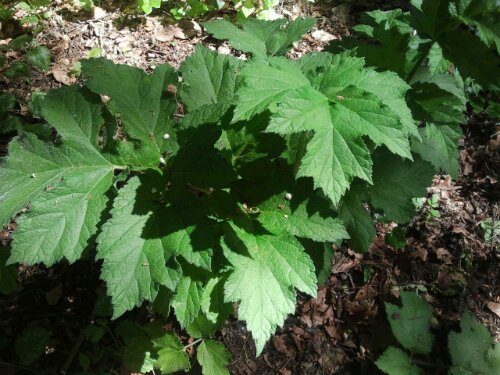
Cleavers (Gallium aparine)

image

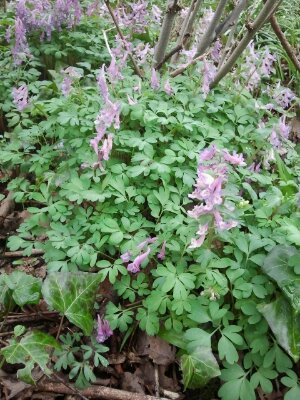
Beautiful and useful Fumitory (Fumaria officinalis)
image

Found Wild garlic (Allium ursinum) yet again.

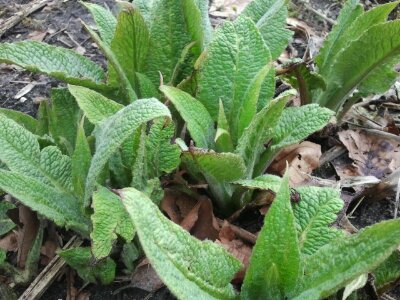
Comfrey (Symphytum uplanicum x)

image

Looked at Hawthorn (Crataegus monogyna),

Munched on samples of Common Horehound (Marrubium vulgaris),
image

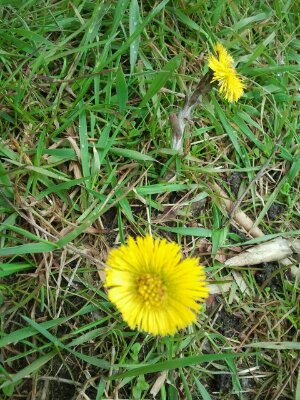
Sniffed the unmistakable scent of Coltsfoot (Tussilago farfare)

image

and ever so bitter Motherwort (Leonurus cardiaca).

image

We looked at simple to make Ivy (Hedera helix) shapes.

image

Ideas for balcony Moon Gardens.

image

And after our session I found Garlic Mustard.

image

365 Frankendael day 323 – Second apprenticeship group

My second apprenticeship group gathered for the first time today and headed for the woods of Park Frankendael.

image

What a pleasure it was to meet these lovely women, even if on a rainy day!

We found several beautiful and useful plants on our walk. My hands seized-up with the cold, part way round so I couldn’t take many photos but here’s a list of our main seasonal herbal finds…

Primrose ( Primula vulgaris )
Not for picking, in any shape or form due to the scarcity but a valued remedy of old.

Pestites japonica (Fuki). In resplendant bloom!

image

Yarrow (Achillea millefolium)
Nose bleed is an old name for this feminine, feathery wound herb with a fascinating ability to regulate blood flow.

Wild garlic (Allium ursinum), is everywhere at present. It is developing at different rates in different locations, even within the same woods.

Violet (Viola ….)
Heartsease, literally.

image

A pink/red flowering Pestasites, soon to be found sporting gigantic kidney shaped leaves.

Elder (Sambucus nigra). With snapable, soft pith-filled branches and almost year round leaves – if you look around carefully. The green parts contain a potent toxin which is metabolised to cyanide in the body. The ripe berries and flowers are great though! The leaves make a wonderful external remedy also.

Yellow archangel (Lamiastrum galeobdolon)

Hedgerow geranium (Geranium pyrenaicum)

365 Frankendael day 269

image

What a beautiful winter’s day again today! I met with the apprentices again this morning and we took a fresh walk through a section of Park Frankendael before testing our marshmallow milk decoction back at home.

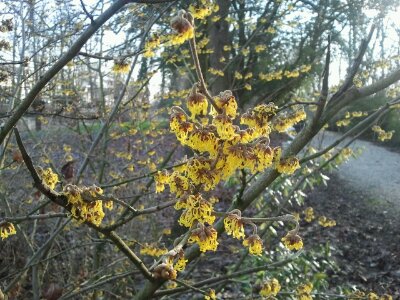
We found this stunning Witch hazel (NL: Tover hazelaar) in flower still, Ground ivy, plenty of woodland Geraniums still in good (if frozen) shape. We noticed that almost every Rosehip has been stripped from the bigger wild roses and that catkins are already fluttering in the wind from many trees. We harvested Willow withies from a huge pile laid down by the council gardeners, just enough to make a few drying racks. We found Yarrow, wilted Comfrey, lots of toxic Fools Parsley and still, not a single Sweet Cicely plant has emerged where we looked. Winter Jasmine is looking stunning against many homes and the flowers are edible it seems, if a little dull to taste. The evergreen herbs are looking striking, such as Yew (highly poisonous) and Juniper. The dried, frozen seed heads of perennial herbs such as Motherwort, stand proud and give away the locations where they should be found come late spring. Chickweed abounds still, as does Hairy Bittercress.

image

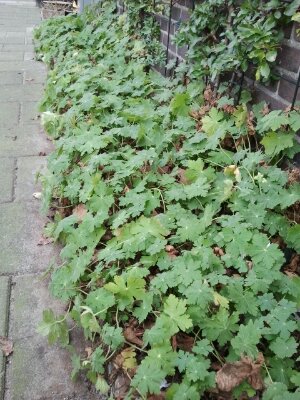
Later in the day I walked again with my little girl and we found this lovely Japonica, just coming into flower. Chaenomeles Japonica flowers are edible but they are such a welcome sight on winter days that I think it would be a pity to pick any. The full common name of this plant is Japanese Quince. Quinces are useful for jelly making and are certainly edible. This quince has tiny fruit but they are useful and should not be overlooked by the urban forager. Also this afternoon, a nice bank of geranium looking perky.

image

There are many herbs available at this time of year. Obviously only a small fraction of the bounty we should see come late spring and summer but nonetheless a useful set of herbs. It’s not a time to harvest in quantity, it’s a time to know what’s out there and to know how to utilize it in case you really have a need.

365 Frankendael day 234

Today I took my apprenticeship group on a walk through parts of Park Frankendael. We found lots of life, from buds slowly developing on waterside Willow, to Geraniums looking almost as perky as in mid summer, to Potentilla populating the spaces that Ramsoms claim in spring, to Russian Comfrey still hanging on despite the cold weather, to Garlic mustard building strength from the last rays of sun, to Hoary Plantain looking strong and not at all endangered.

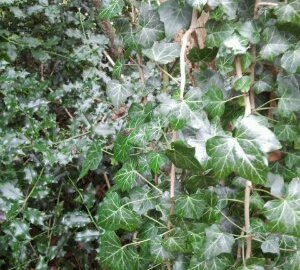
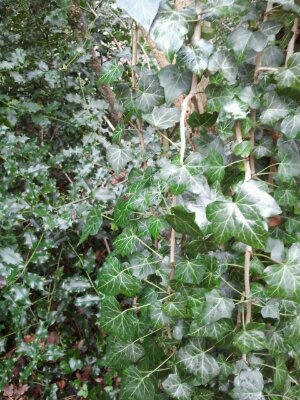
Here’s a Holly and Ivy photo taken today in the woods.

image

A pretty and edible pansy, close to my daughter’s favourite playground.

image

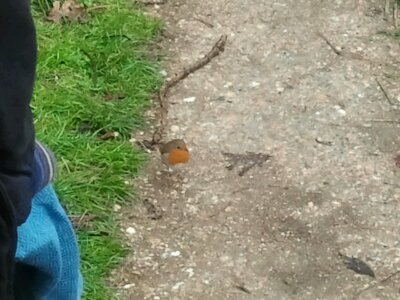
And a little Robin, hopping along beside our group as we looked at the dried out flower stems of Lyme’s disease beating Teasel.

image

365 Frankendael day 206

I had a lovely time with the Apprentice group this morning. We went out hunting for Chickweed and found some along with plenty of delicious Gallant Soldiers (Galinsoga parviflora) This pavement garden patch looked particularly vibrant and suited to a Colombian potato soup!

image

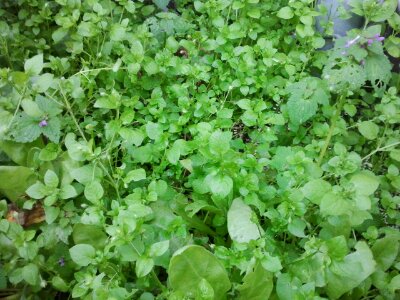
After the group had left I had another little wander around my neighbourhood and found the biggest patch of Chickweed (NL: Vogelmuur, Stellaria media), just 100m from my home. Here is a fraction of it. I feel a nourishing and skin calming Chickweed vinegar in the making…

image