Category Archives: Projects

Lynn’s Urban Foraging Rules

Here is an outline of my personal foraging rules, for picking edible plants in urban environments. 

Above all, be considerate, careful and moderate whether harvesting from your own plants or those growing in public spaces. Be:
Accurate
Light
Clean
Legal
Enriching
Safe

Hollyhock in flower bud AMsterdam

1. Accurate Harvest
100% CERTAINTY OF IDENTIFICATION
Know the plant, know the area, know look-a-likes, poisonous plants, local endangered species, grow the plants, get to know them intimately, learn all you can about them, what will you use the harvest for (no waste), which animals and other plants does it coexist with, how does it change the land it grows in (soil retention, nutrient mining, impairing growth of other plants etc.).

Start with herbs that you are very familiar with and use at least two good field guides to ensure correct identification. Foraging guides are often good for suggesting how to use the plants but should not be relied on for ID purposes. There are some guidebook suggestions on my books page. ID at the harvesting location and again back at home before preparing. Use a loop lens (jewellers) to help accurate ID.  Latin names change less frequently and are more reliable than common and regional names, so make the effort to learn them gradually. Look up all the ID features of the plant.  If in doubt, don’t pick or use a plant.

wpid-2013-05-16-18.12.59.jpg

2. Light Harvest
Spread harvest, pick very sparingly (less than 10%), choose areas of abundance, overgrowth, I don’t harvest roots or bark (unless recently felled for the bark). Reduce any possible negative impact upon your body and the environment. I harvest just a pinch most days, over harvesting can and does lead to unnecessary rarity and extinction.

Pick sparsely to help conserve the health of the plant, its appearance and the creatures which it supports. Take time to do this, perhaps a year or more before becoming confident that it really is what you think. Never strip all the leaves, berries or whichever part you are interested in, from a plant, however tempting. Take only a little from each plant, leave plenty and avoid harming plants by rough picking. Likewise, flowers or seeds of annual and biennial plants, shouldn’t be picked; their seeds are needed for their survival.

Never pull up whole plants or harvest any part of a rare plant. I don’t harvest roots of wild plants. It is a certain way to destroy a plant, is time consuming and roots generally harbor more toxins than other plant parts.
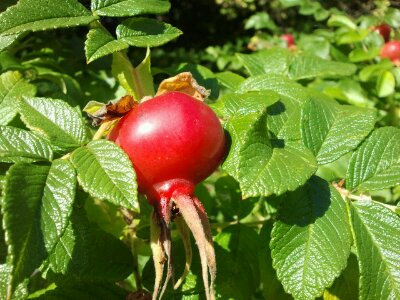
Rosehip Amsterdam

3. Clean Harvest
Beware polluted soil, air and plants, some accumulate heavy metals, toxins more concentrated in the roots, least in nuts apparently, bug free environment is concerning, unusual growth, signs, be aware, manicured areas, pavement cracks, under power lines and use your instinct in addition to all of this. Then clean your harvest well, above dog-spray height when possible, avoid obvious areas of pollution (and old lead in soil). Most city councils now have policies of not using chemical fertilisers or plant pest control sprays but this is not always the case. It is wise to check the local policy and to find out the legal position on foraging from local public spaces. Council ecology teams are usually easy to contact and should be able to explain the local situation. Seek out the greenest and cleanest areas that you can find. There are unwelcome forms of pollution in both urban and rural areas; fertilisers, animal waste, chemicals, engine fumes and garbage being just a few. Avoid harvesting where pollution is highly likely, such as along busy roadsides, railway verges, building sites, non-organic farmland and industrial zones. Look out for clean, untreated planting areas, away from busy roads.

The best urban foraging grounds are usually within large green spaces and parks. It often helps to pick from as high as you can reach, this can minimise collecting harvests which have been soiled by passing people and animals, though it will still require proper cleaning. Avoid any material which looks dirty, unhealthy or unusual. When harvesting near clean free flowing water, only collect plant parts which have not been submerged. Harmful waterborne parasites can easily transfer to human when affected plants are eaten. Allow time and space for bugs to crawl out. Wash under running clean water. Suitable containers (tubs for berries, paper bags for flowers etc.).
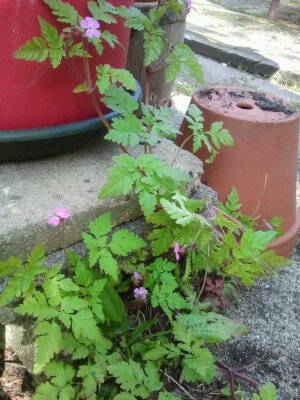
wpid-2013-06-02-16.39.25.jpg

4. Legal Harvesting
Foragers need to consider local laws, what is morally acceptable, leave flowers for insects and , no trespassing, stealing, ask and probably allowed, don’t pick what was deliberately planted, Never harvest plant parts from individuals without first seeking their permission. It can be tempting to pick ripe fruit and herbs whilst passing doorstep pots and private street gardens but it is so disheartening to the owners when they come to harvest their own tended fruit and find that a passer-by has beaten them to it. In the UK for instance, all wild flowers are protected.

wpid-facebook_-716923564.jpg

5. Enriching Harvest
Leave the area better than you found it. Sow seeds, plant cuttings, grow Elder babies, bring on rare plants at home from ethically sourced seed then plant out in your own patch. Or plant them out in appropriate public spaces.
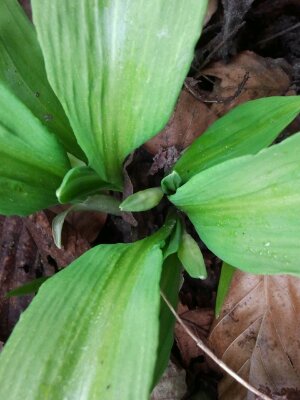
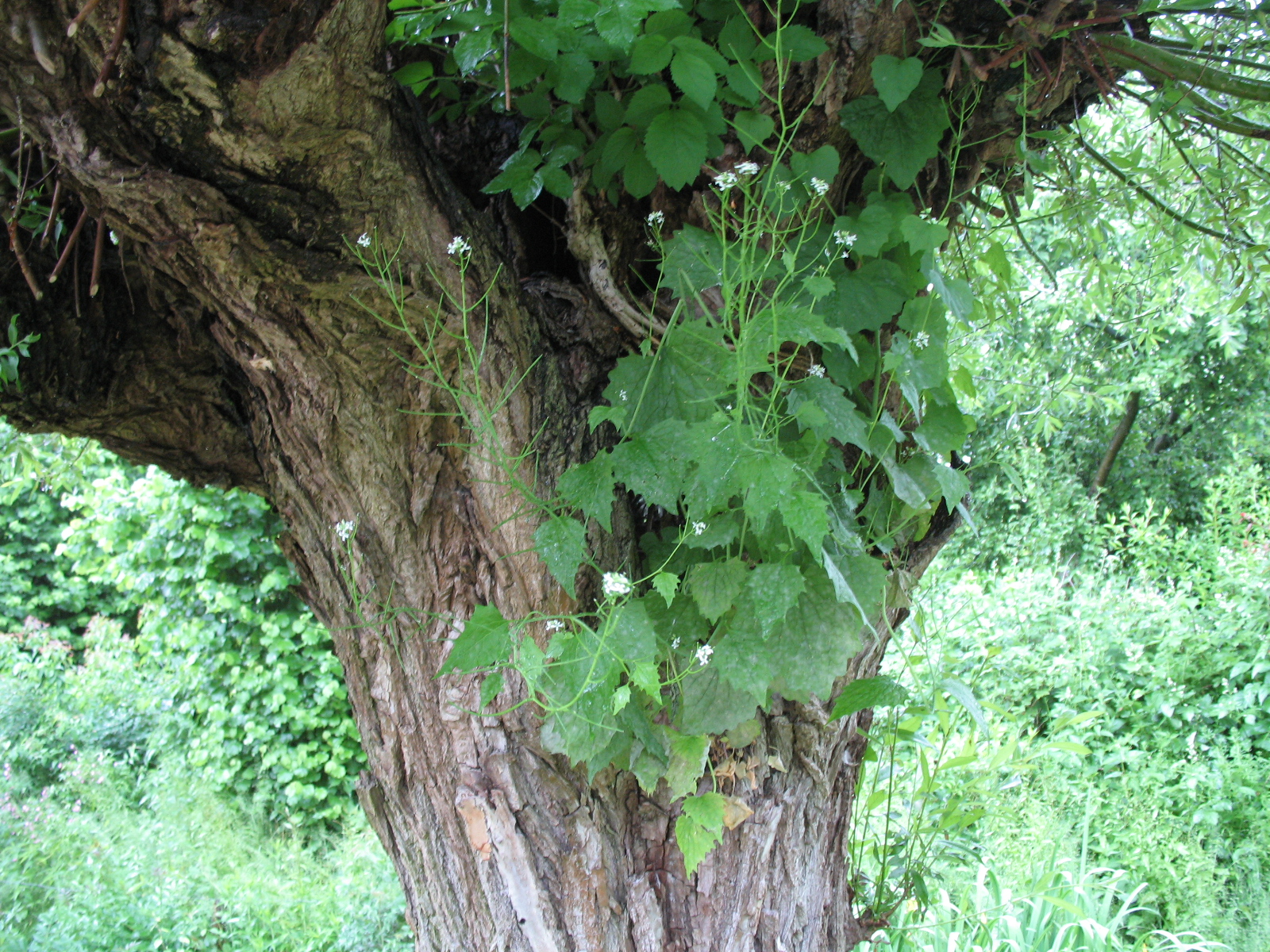
wild garlic frankendael

6. Safe Harvest
Try anything that is new to you, in very small quantities, whether as a food, tea, internal tonic or skin preparation. Here is a useful method to use to test your reaction to a new plant. About 20 minutes should be left between each step. Watch out for any signs that your body reacts badly to the plant. If this occurs – stop.
Smell, lips, gum, tongue, chew, cook…
Label at collection site, each plant in a different bag. Don’t store dubious or known poisonous plants with edibles, for fear you or your family will eat them. As with shop bought plant food, eat whilst in great condition.
Beware of local hazards such as Lyme’s disease and water borne parasites.

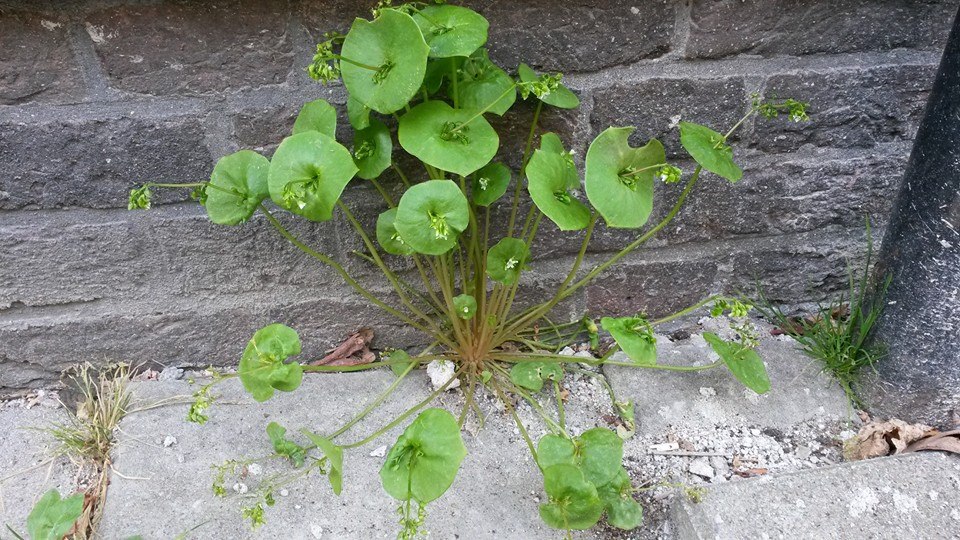
Young basal rosette foliage claytonia perfoliata miner's lettuce winter purslane

Samhain

The very end of October is marked as the end and beginning of the Pagan wheel of the year. The Wild Hunt is said to rip through the world at Samhain, claiming those souls who have passed from their physical bodies that year, gathering them up and taking them safely to the Otherworld. Often at this time of year the wild hunt is clear for us to see;  autumn storms may tear through city streets, bringing majestic trees to their knees, traffic to a standstill, damaged buildings and causing long lasting change to small urban pockets of woodland.  It can appear to be devastating but of course out of change, new things can emerge.

By Samhain, autumn is well and truly here. Even if storms pass us by, the weather has turned. Leaves swirl, branches fall, we want to sleep more. Quite naturally we want to turn our attention within. Nature is preparing for the cold to come. Many animals are laying on back fat, hiding nuts and seeking out nests. We can help them by leaving quiet piles of leaves and sticks tucked behind pavement garden shrubs. For this reason, I nestle rosemary, sage and rue prunings discretely behind my geveltuin herbs each year and I leave tidying any messy balcony cupboards until spring.  Plants also react to the shorter, cooler days. Some do this by dying back or withdrawing their energy reserves to tap roots or trunks. Others seem to flourish more than ever now, perhaps taking advantage of the increased light in wooded areas. For me, this always seems a time when I can move around more unnoticed than usual, due to the wind, light and temperature. I like that. This is the ultimate witching time of year!

Rosehips and hawthorn

Twighlight
Samhain is a time of death and life – two sides of the same thing. It is one of two hinges in the year when the veil between the worlds of the living and otherworld is most thin. It is the twilight between summer and winter. The time when the dead may visit us with most ease, if they so wish, to help and guide us. The other point when the veil is thin being Beltane (May Day).

Many historic Pagan customs aim to help the recent dead to pass over to the other side. Perhaps set a space at the Samhain dinner table for a departed ancestor to be nourished. Or make glowing lanterns and trails of buried tasty apples, to guide their souls to your home or to the Isle of Apples. The apples help sustain them on their journey and may help us to let them go.  Samhain is the time to honour our ancestors and visit our beloved dead. Death and the dead are not to be feared, but should be respected. Friends and family who have died are still our friends and may be welcomed and thanked. This is a lovely time to visit resting places of our ancestors or of other people and animals. We can thoughtfully tend their graves, plant organic spring bulbs as an expression of our love and thanks to them. We may leave graveside bread plates, covered with gathered flowers and herbs. Samhain is also a lovely opportunity to look at photos or mementoes of our ancestors and consider the good qualities which they have enriched us with.

Isle of Apples
I find that this is the loveliest of associations with apples, it reminds me of the most wonderful parts of my years in Somerset and fills me with beautiful images of warm summer orchards, gentle hills, mysterious burrows, sweet scented herbs, peace, love and light. The Isle of Apples is the orchard of the Goddess where many Pagans believe they will go when their body dies. Here, apples bear fruit and flower at the same time. The dead wander peacefully through the orchards. Their souls become younger in this exquisitely beautiful place, until they are ready to be reborn again as plant, human or other creature. This is the Summerland, Avalon, Tir n’a Nog, the place of happiness and youth between lives. Each life teaches us new lessons so we are always growing wiser.

Schellingwoude apples

Samhain Foraging
Try to harvest what you will likely need through winter, before Samhain. There used to be considerable ill feeling towards the plants that were left unharvested in the fields at Samhain. This is quite logical as many staple crops such as wheat will either sprout on the mother plant or rot, if left standing at this time. So try to harvest what you can beforehand but always consider how you will store it and use it before you set out with your foraging bags.

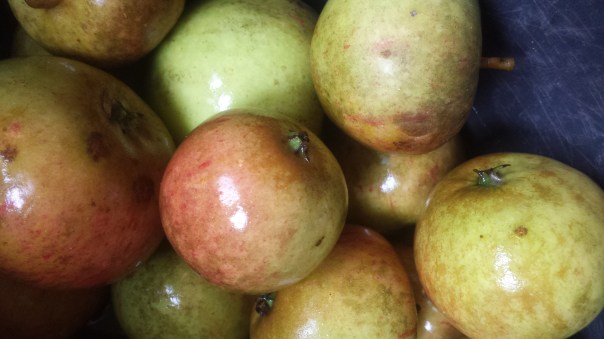
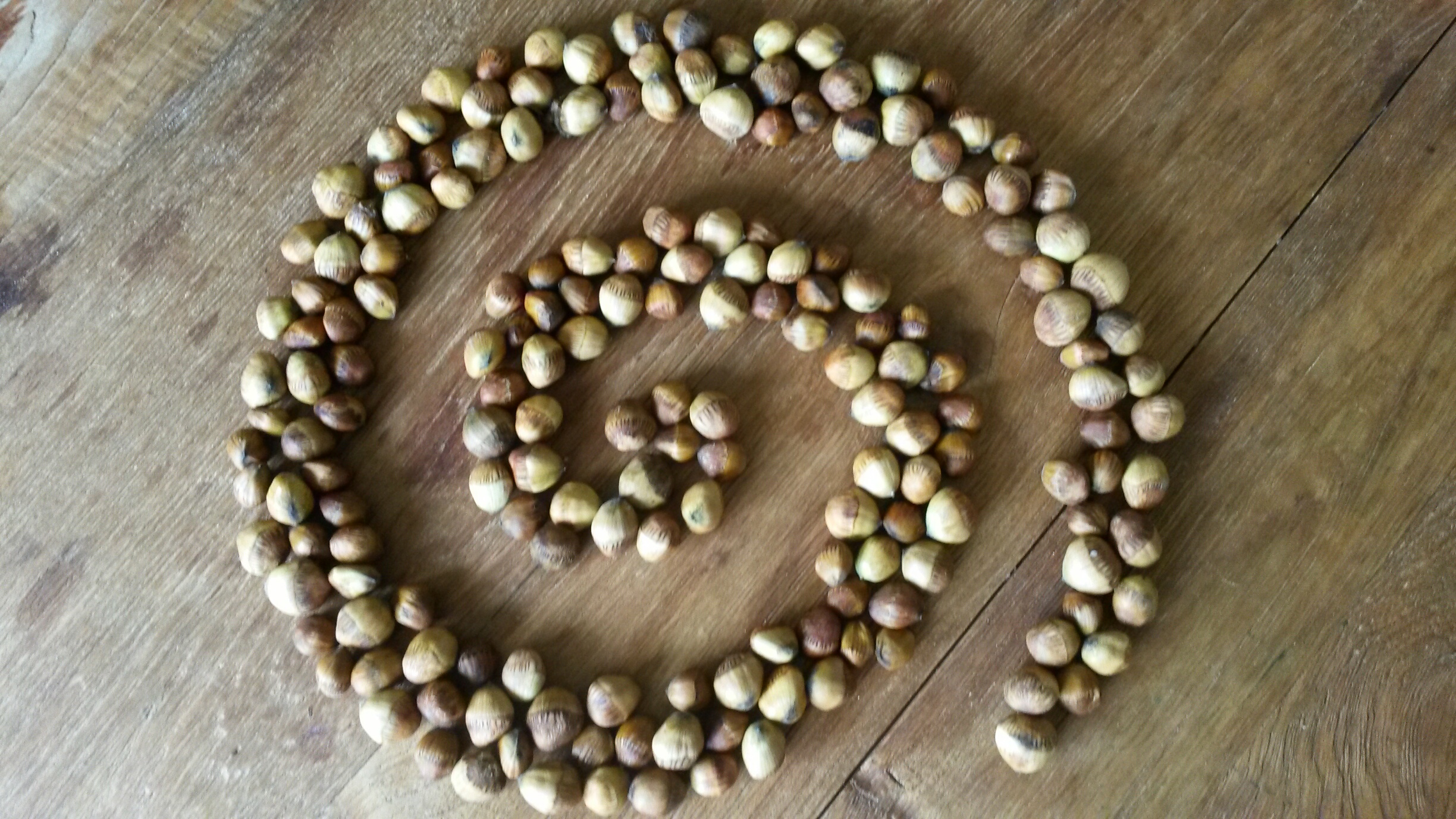
At Samhain each year, I still find enough apples, rosehips, quinces and wild berries around to satisfy my needs. I don’t harvest many as the local wildlife needs them more than I do. So, I pluck only a few to enrich my diet and keep the local soil within me.  Turkish hazelnuts and gingko nuts are often plentiful on city streets at this time and Hawthorn berries are often perfect. Hawthorn is one of the trees associated with the veil between the worlds. It is certainly a plant spirit to spend time with at Samhain, if you so wish. Herb Robert, Feverfew, Dandelion, Black Horehound and Comfrey are also generally to be found at this time. Samhain is my last chance to make comfrey salve, herbal honeys and elixirs. Plantain seed spikes are easy to forage and store. I use them for simple enrichment of winter soups and porridge.

Bread of the dead

Bread of the Dead
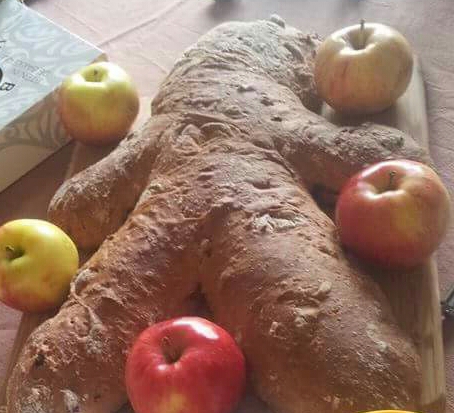
Sweet bread called Pan de Muerto is made by some cultures at this time of year. Often shaped like people, bones or simply a big bun. It is eaten in the run up to Day of the Dead along with the favourite foods of dead relatives. I make mine in the shape of a person and enrich my usual bread dough with a handful of grated apple, soaked raisins, de-seeded rosehips and whatever other sweet treats come to mind at the time.

Whatever you do this Samhain, I wish you wonderful endings and beginnings.


Feeling Witchy?

Fly agaric Frankendael Park Amsterdam

I am delighted to offer a series of free-standing half day workshops to develop the magical side of your life.

Each session focuses on different ways to live in deep connection with nature and spirit, whether you are based in the city or countryside.  The workshop series (running through autumn 2015 – spring 2016) includes:

  • Kitchen witchery
  • Apartment magic
  • Enchanted gardens
  • Poisonous treasures
  • Everyday magic and
  • Natural ritual.

Turkish Hazelnut Spiral

Each session will include work with herbs, hedgerows and the seasons. Each will offer practical ideas for protection work, self development and furthering your knowledge of the natural and spiritual world. I am very excited about these workshops and hope that you will join me for one, some or all of them!

The events page on this website will show the details of each upcoming workshop. Please email (lynn.shore@gmail.com) me if you would like to reserve a space.

Hot summer herbs

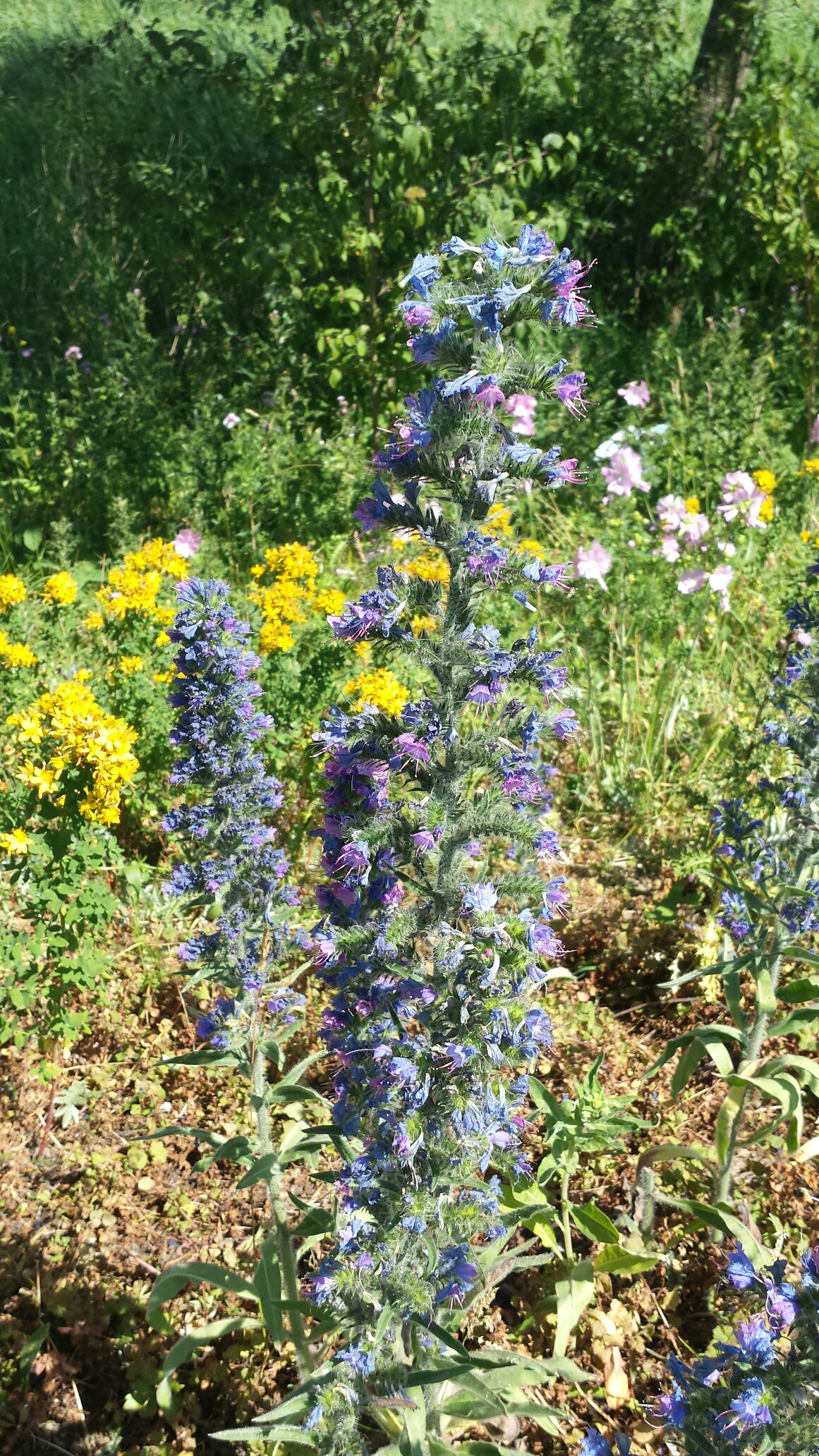
Bugloss in Diemerpark

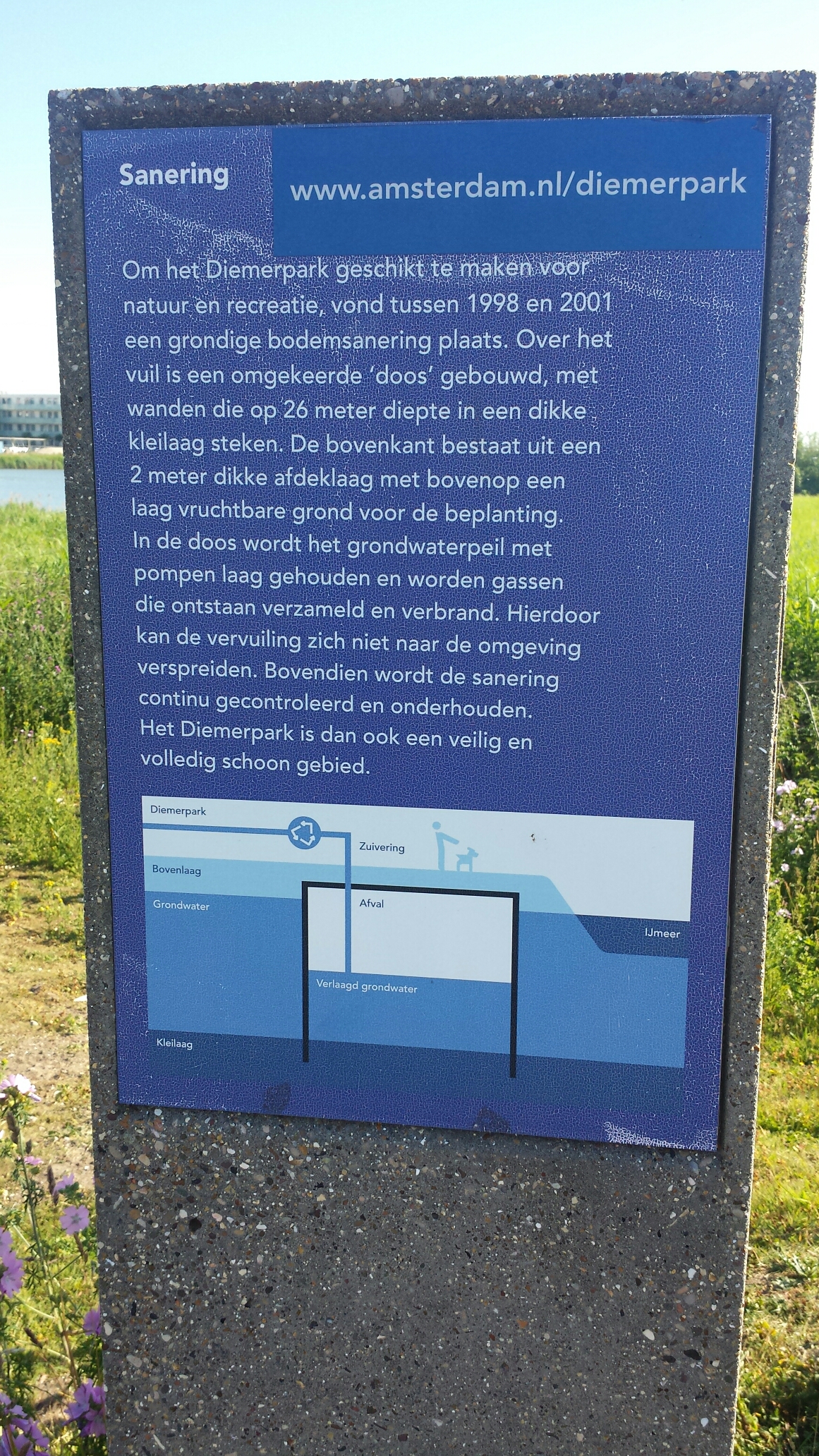
I’ve led a few herb walks recently and have had a lovely time meeting new people along the way. Today I ran my first herb walk in Diemerpark.  It’s such an interesting location. Until just a few years ago the sunny open site was a rubbish dump for toxic waste. The council had the site cleaned up, sealed up, buried and filtered to create a new area of recreation and nature. The result is a large open park between Ijburg and Diemen which at present is exploding with colourful wildflowers and buzzing bees.

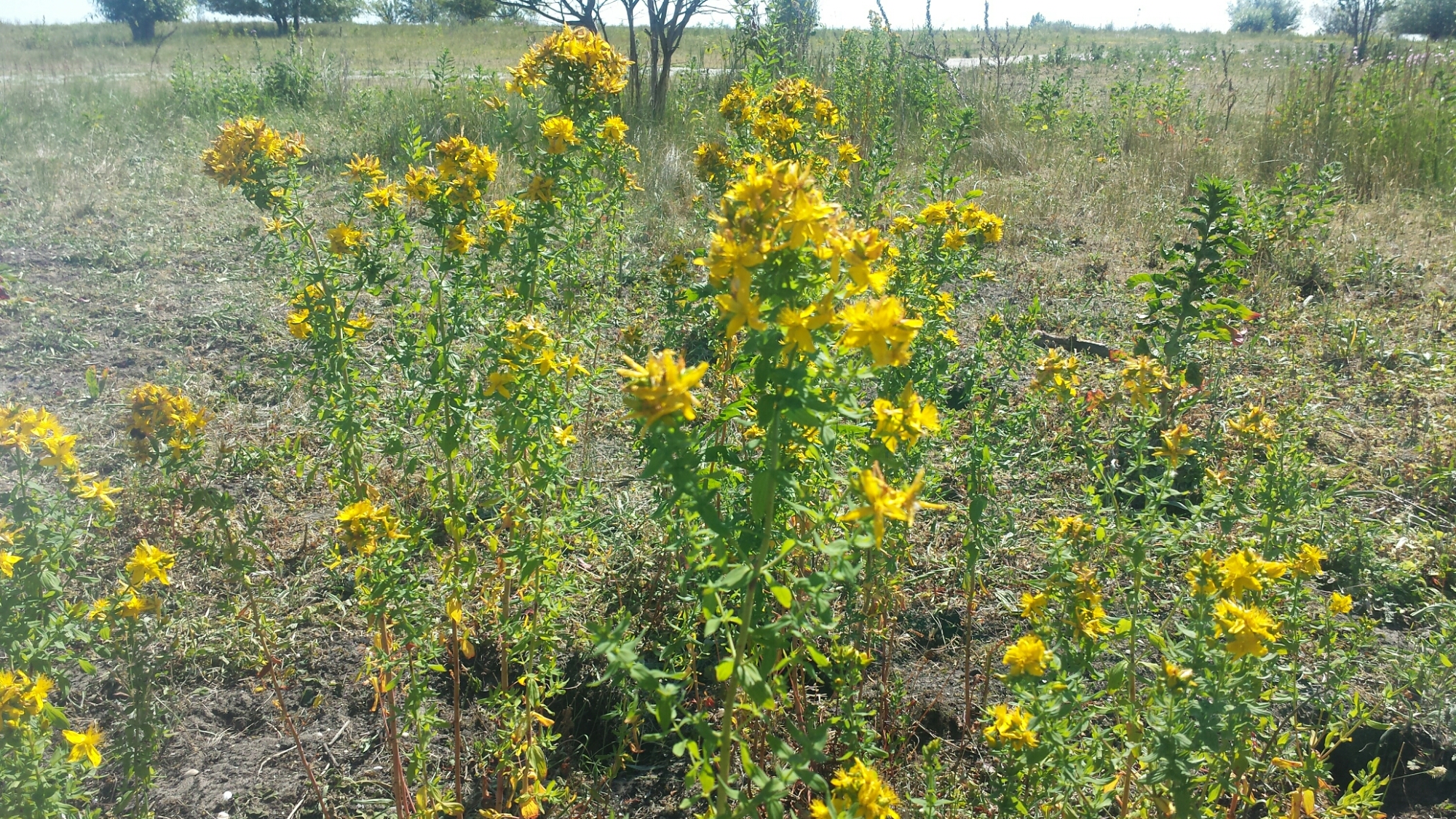
St John's wort Diemerpark

Diemerpark is very sandy and exposed.  It is being populated by robust pioneer plants and is a great place to teach locals about plant ID and foraging because of its history.

Diemerpark - waste containment

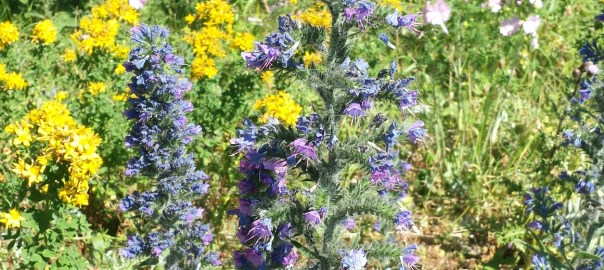
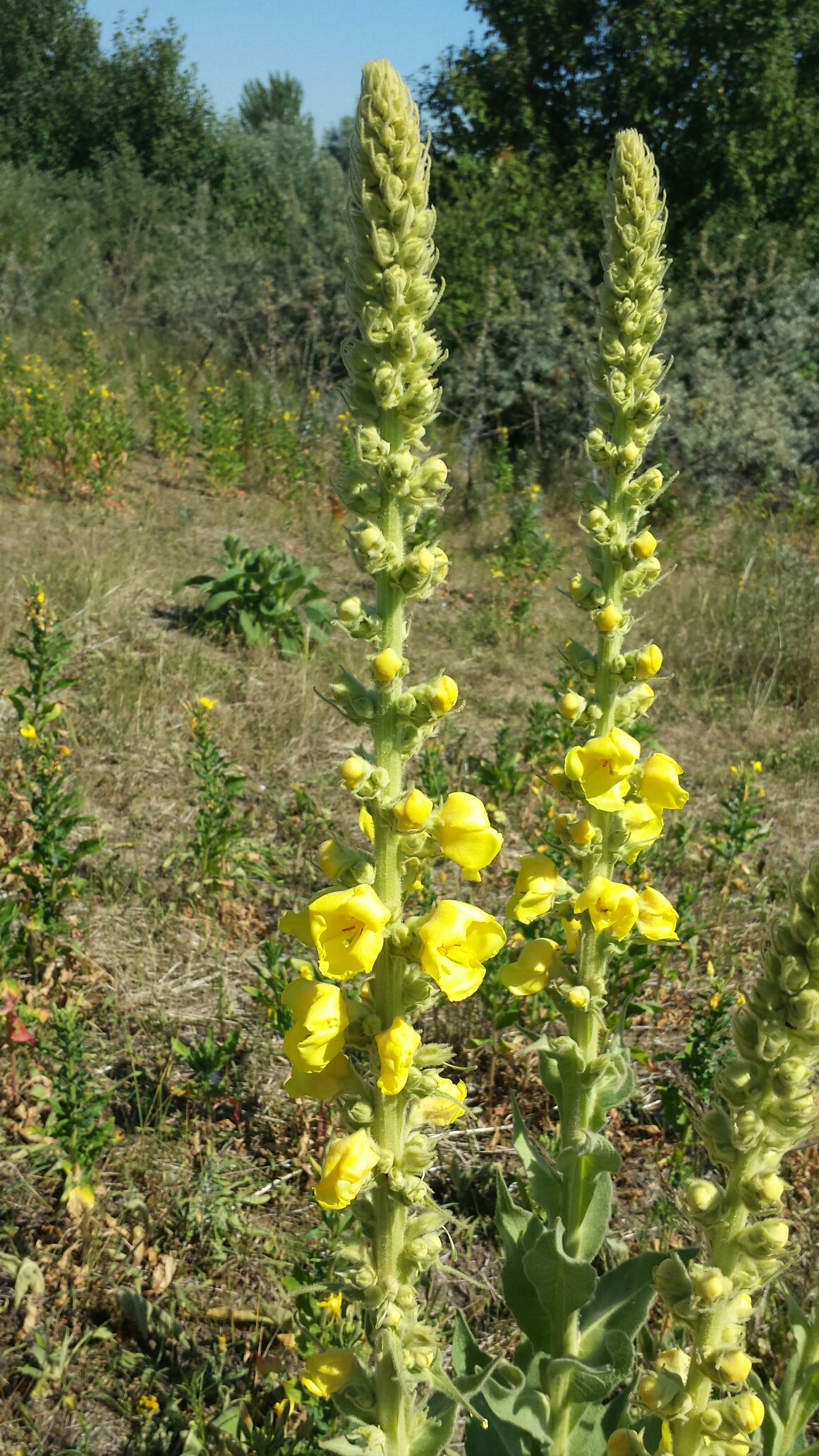
Today we found a lot of plants and focused particularly on Viper’s Bugloss, Mullein, St John’s Wort, Hawthorn, Mugwort, Singing nettle,  Self heal, Willow and Elder.

Mullein Diemerpark

I’m planning to lead another walk at the site this summer. If you are interested then please let me know and keep an eye on my events page.

Spring Herbs Risotto

Fennel and Lemonbalm harvest
Freshly plucked Fennel and Lemonbalm leaves

This time of year provides a bounty of nourishing and tasty spring herbs. Here is one way that I like to cook them – a simple, no-fuss risotto.

Today I harvested two large feathery  Fennel leaves and three verdant tops of Stinging nettle (from Frankendael herb orchards). Yesterday I plucked three huge Dandelion leaves from the school garden (where I work). The dandelion leaves were wilting away in my fridge today but still taste great cooked, so those three herbs were chopped and added to the pot this evening. I could have many other herbs of course (Dead nettle, Wild garlic seedheads, Geranium and Ground ivy for instance) and I could have harvested heaps of Nettle and Dandelion leaves but there are other days, other meals, other foragers and other creatures who need those plants.  Upmost in my urban foraging mind is that by using foraged material as I would use herbs (i.e. in small amounts for culinary seasoning), I reduce my environmental impact and reduce the risk of eating contaminants and plant poisons (should they happen to be on or in the foraged plants). This is why I call my work Urban Herbology, rather than urban foraging. To find out more, do come along on one of my herb walks soon!

Lynn's Spring Herb Risotto
Lynn’s Spring Herb Risotto


Spring Herb Risotto
(makes about 2 main dish sized portions)

1/2 cup risotto rice – (non risotto rice will do, it just won’t become so creamy)
1 cup of good stock and 2 cups hot water (or 1/2 an organic chicken or vegetable stock cube in 3 cups hot water)
1 cup finely chopped seasonal fresh herbs (e.g. Fennel leaf, Dandelion, Stinging nettle).
1 small onion, finely chopped
1/2 cup frozen peas
Salt/Nori flakes/pepper/Parmesan cheese
to taste.

Method
1. Add the rice, stock and hot water to a heavy based pan.
2. Stir briefly to prevent it sticking to base of pan and bring to a boil.
3. Add chopped herbs and onion, stir and bring to boil again before reducing heat to simmer gently with lid on.
4. Simmer as per instructions for your specific rice, the dish thickens up considerably and may require lots more water, it depends on the type of rice used. My risotto rice took about 25 minutes to cook through completely and become nicely loose and creamy.
5. Whilst simmering, continue to stir briefly whenever you think about it. You may need to add a little more water to prevent stickiness.
6. When the rice is cooked through and of a good consistency, add the frozen peas to the pan. Simmer for a further 5 minutes.
7. Check and adjust seasoning (it may need a pinch of salt,nori flakes or pepper)
8. Serve with a hearty grating of Parmesan cheese if desired.

Strawberry Earth – Garden Safari

strawberry earth fair

On Sunday 12th October, please join me for a herbal safari through the Tolhuistuin and surrounding streets of Amsterdam Noord.

As part of the Strawberry Earth Fair I will be offering a foraging walk to find the best wild plants that autumn has to offer. We can expect to find a wide range of treats which grow all over town. I’ll show you how to identify them, collect them ethically and teach you how to use them wisely in food and drinks.

10 Euro per ticket
13.00 – 14.30
Foraging handout and herb seeds included.

Starting from Strawberry Earth Fair, in Amsterdam Noord at the Tolhuis Coop venue. It’s just a stone’s throw from the free ferry which goes from Central station to Buiksloterweg.

Please Book tickets through Strawberry Earth./

See map for location here.

I hope to see you there!

Walks Twice a Month

Photo credit: City Plot Amsterdam

From September 2014  I’ll be offering two Urban Herbology walks a month for anyone interested in learning more about local edibles and medicinals. One walk per month will be in Park Frankendael (my local stamping ground) and the other will be somewhere else in Amsterdam, could be street walks or park walks. I will aim for a different location each month for that one. The aim is to show you what grows throughout the year rather than just during the spring and summer.

Next walk will be on Monday 15th September.

I will also be setting up some sort of Urban Herbie incentive thing too, to say thanks when you to walk with me more than once, pay in advance or bring a friend along.  So do let me know if you’d like an Urban Herbology walk near you or if you want to be updated when I organise this. Otherwise, keep an eye on the UH events page. You can also subscribe to the website feed to get automatically updated when I write a new blog post.

More details to follow…

Let’s speak!

June-2012-021


The easiest way to contact me is via urban.herbology.lynn@gmail.com

or telephone/sms me on +31 (0) 6 2759 6930

I try my best to return calls and emails within 48 hours so if you don’t hear back from me by then, please try again!

If you would like occasional updates about my walks, events and courses, please subscribe to my newsletter:

Urban Herbology Newsletter

* indicates required
Email Address *

First Name
Last Name

//s3.amazonaws.com/downloads.mailchimp.com/js/mc-validate.js//

Wonderful Walkers!

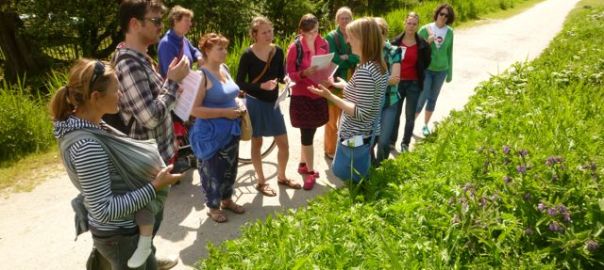
Huge thanks to all the lovely people who joined me for herb walks in Park Frankendael recently. It was a pleasure to meet you all, to see new faces, familiar faces and to hear your stories and questions.  Here a few links and photos which the walks brought to my mind. If you have questions which are unaswered here please let me know.

Botanyinaday
Botany in a day – Thomas J. Epel

Available from the writer/publisher.
This is a wonderfully clear and fast track way to learn how to identify a vast number of plants. It works by teaching you the plant family patterns. Make the effort to start the book at the beginning (rather than dipping in and out as I usually do) as it walks you through the most common plant families in the first few pages. Learn those really well and you will be a whizz at plant ID in no time at all! They also produce some other great titles.

Lime Trees and a few of their uses
An UH blog post from a few years ago. You will see instructions on how to make that Provencal Rose coloured infusion which I mentioned today, at the end of that link. Please note the time of the Midsummer gathering this year is 2pm (14.00).

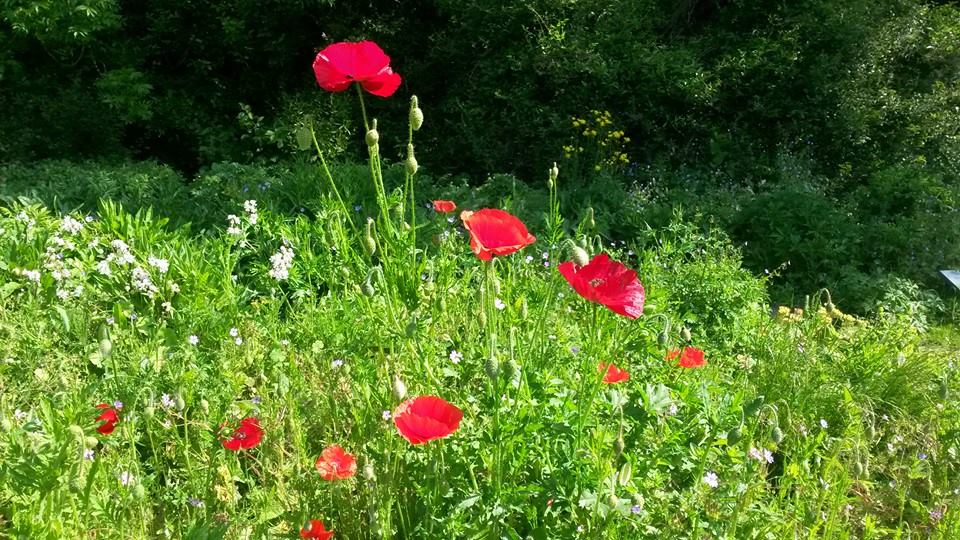
poppy bed frankendael

Dandelion and Burdock Coven
A friendly, open group of urban-nature-spirit loving types who gather on the main natural festival dates to celebrate the wheel of the year, also many full moons and other related occasions. We meet in Amsterdam or Diemen. Our next meeting is on Midsummer’s Day (Saturday June 21st 2014) – 2pm, Park Frankendael. This will be a family friendly gathering to celebrate the longest day together, share a few old solstice customs and eat our fill from the plants, whilst many are at the peak of their energy. Lime (Tilia not the citrus) leaves, Lime flowers, Mugwort, Elderflower champagne and other interesting things will be on the menu. As will some time and simple activities to help us reflect on what Midsummer means to us as part of nature. It is free to join but please do bring along a cup/beaker and a snack (maybe some bread to make Lime leaf sandwiches) if at all possible. The link above is to our Facebook group. There is no website.

What is around now?
Here’s a nice summary of what was found this time last year on one of my late May walks. You will see that most of the plants are a few weeks behind where they are this year. Notice especially the wild garlic which was in full bloom. Today we had a nibble on some immature seeds and some seeds were even ripe! The weather here is never average..

Teasel Frankendael

Teasel

A beautiful plant. We saw it today and talked about it’s potential for treating Lyme’s disease, collecting fresh water from the leaf joints and “teasing out” wool by using the seed heads as combs. Here’s a link on how to make a simple tincture. It seems that first year Teasel root is what shows promise for Lyme’s disease. In the UK, I wouldn’t dream of pulling up a Teasel root to make a tincture as Gold finches use the seeds as a primary food source. I’m not sure what the situation is here and have not tried it. Interesting to be aware of though, especially if Teasel grows on your land. Click on the image for a link to the RSPB, regarding Goldfinches in urban areas (of the UK).

Photo credit: RSPB
Photo credit: RSPB

Urban Foraging Rules
These are the rules I wrote and follow. They are written from a mixture of common sense, country foraging experience and urban awareness. They can always be improved. What additions can you suggest?

1. Be Accurate.
Know the plant, the area, poisonous look-a-likes, local endangered species and laws. Learn all can and always be 100% certain of the plants you harvest. If in doubt, don’t pick.

2. Keep it Light.
Overharvesting leads to rarity and extinction. Take only a little from each plant and leave plenty. Don’t harvest wild roots as this destroys the plants and roots generally harbour more toxins than other parts.

3. Clean Harvest.
Forage in clean areas as many plants accumulate heavy metals and toxins. Bug free environments, manicured areas, pavement cracks, power lines, busy roadsides and railways are often heavily polluted sites. Leave no trace and improve the area. Clean your harvest well and pick above dog height when possible!

4. Safe Harvest.
Test anything that is new to you in very small quantities, before consuming as part of a meal or tea and watch out for any signs that your body reacts badly to the plant.

River of Herbs path laying with Aurel.Tayfun. Aveen

River of Herbs
The orchards that I took the walkers to this spring, are being cared for and slowly transformed by the project which I set up in 2012 called River of Herbs. It is all about People, Plants and Pollinators. It provides free training and support for people who want to learn how to grow useful herbs in small or large urban spaces. Please come and join us sometime, we love plants and we love helpers. At the orchards (most Wednesdays, 9.30 – 11.30) we make herb tea at the site and feed you chocolate laden biscuits whilst you work on simple tasks such as seeding, weed pulling and pruning the fruit trees. It can’t be bad!

Dorette and brandnetel

Thanks again for all your interest and enthusiasm. I hope to see you again soon.


April – May Herbs in Amsterdam

April and May are very busy and green months!

Frankendael orchards path laying

There were two very pleasant public herb walks in April. Thanks to everyone who came along. It was so wonderful to meet you!

Teasel Frankendael

The Frankendael Park orchard project began. River of Herbs is gradually transforming the four old orchards behind Restaurant Merkelbach into shady community herb gardens. If you’d like to get involved then find us there one Wednesday morning (we’ll set regular work dates and times very soon) or email lynn@riverofherbs.org.

River of Herbs path laying with Aurel.Tayfun. Aveen

I led a large group of town planning students from Lund University in Sweden through Oud Zuid at the start of May. A pleasure to share some urban herb ideas with such enthusiastic and progressive people who are in a great position to make a difference.

Winter Purslane Oud Zuid

A friendly Earth loving group called the Dandelion and Burdock Coven, was launched with my like minded friend Iris de Voogd.

Maypole Hawthorn Dandelion and Burdock Coven

To end the verdant month of May I am offering one more Urban Herbology guided walk through Park Frankendael, in the morning on Monday 26th May. If you would like to sign up for it then please email me via lynn.shore@gmail.com.

Horsechestnut flower

Elderflower is opening up all over town right now so be ready when you find it, to make Elderflower honey, dried flowers for tea (simply dry and store them in a paper bag), Elderflower delight and far more wonderful treats!

Elderflower Delight