We’re back home and the weather in Amsterdam is mild (10 °C) but dull. This photo of my geveltuin, sort of reflects that. It needs a new year spruce up.


We’re back home and the weather in Amsterdam is mild (10 °C) but dull. This photo of my geveltuin, sort of reflects that. It needs a new year spruce up.

Whilst I have been away Dana Marin has kindly taken some Amsterdam herb photos and sent them to me for the 365 project. Many thanks Dana, I’ll be back home very soon so the project will resume fully then.
Here are some for the lovely photos which Dana took in park Frankendael and along Bertrand Russelstraat over the recent days…
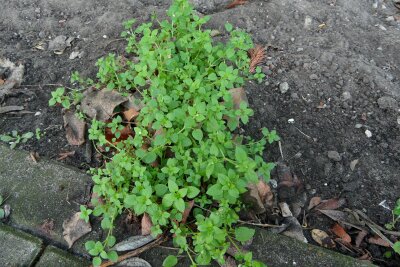
Chickweed (Stellaria media)
Ivy (Hedera helix)

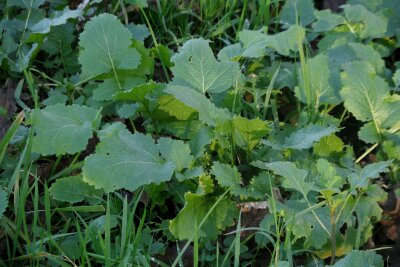
A Brassica, not sure which at the moment, possibly BarbaraKruid, possibly not!
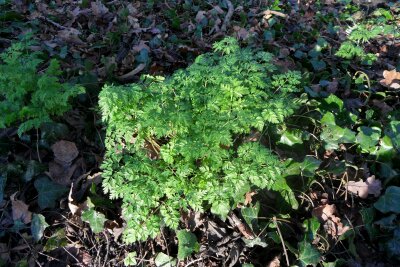
Hedge parsley, toxic. It may be an edible member of the carrot family (I’m looking forward to finding Sweet Cicely very soon, but most likely Hedge Parsley).

Whilst away from Amsterdam, I’ve taken some photos of just a few beautiful Tenerife herbs. So many here are familiar to me and extremely useful. Many are available in Amsterdam as well at present. Some clearly not but most are probably familiar to readers of this blog.

Pennywort above. I remember this from my years in Somerset.

An extraordinary plant which looks quite like a type of Chicory or Dandelion. I need to look this one up. It grows all around the lush North of the island and is generally found alone, massive and growing out of cracks in stone walls and rocks.
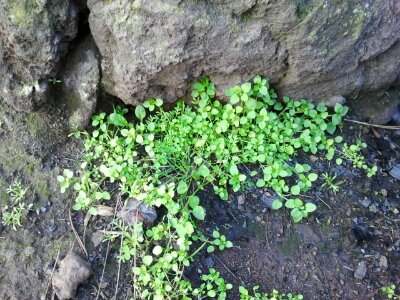
Above is Chickweed. We’ve been feeding it to local chickens.

Above an unusual Mallow species, growing beside the Wine museum.

A familiar site, African Marigolds, Tagetes, non edible but an extremely potent herb and one used by many as a garden companion plant. They spread like a weed here, at the edge of the vineyard where we are staying.
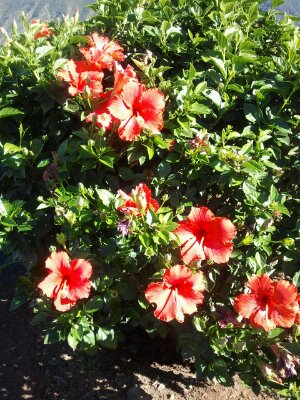
Hibiscus. I can’t stop thinking about the usefulness of Hollyhock, even here. This plant has similar looking flowers and is also a useful herb. More about it later.

Pelitory of the wall. Growing prolifically. I look forward to seeing how out is fairing up I the Netherlands at the moment.

Beautiful, peppery and healing Nasturtiums. Growing wild and prolific. An old use of these on Tenerife is to use a leaf fresh as a natural substitute for toilet roil. It can cure hemorrhoids when used in this way.
That’s it for today. Time to get back to the plants and the sunshine.

This is my last post from Amsterdam for a little while. If you see any herbs in the city, which you would like to photograph and email to me, then please feel free to do so. I’d really like to keep this project alive whilst I’m away – to show that there really are edible and medicinal herbs growing in cities like Amsterdam, every day of the year.

Here is a young Hollyhock plant, spring up most likely from seeds shred from nearby plants.

Here is Hairy bitter cress, it makes a tasty peppery addition to winter salads or is very nutritious when lightly cooked a leafy vegetable.

A photo of a herb I’ve never used but one with many apparent uses (when used in the appropriate way – it’s not one for the table!). I got all excited about this shrub early in the year and then forgot to use it at the appropriate time. Maybe next year.
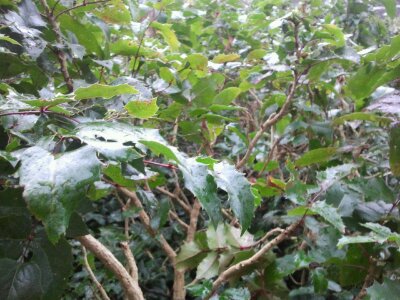
It is Oregon Grape, (Berberis aquifolium) growing near my local shopping precinct.

Today I was in Tolstraat and noticed lots of Greater Celandine. I found it there whilst cycling many months ago. At that time the plants (which are interestingly in almost all the pavement gardens of the street) were in flower. Today not but some are in bud and despite the cold weather the plants look robust and more than able to yield cell growth halting sap. This plant is very useful for use against Herpes virus outbreaks. The orange sap is toxic but if carefully dabbed on herpes sores, warts or skin growths, it can often help to slow cell/virus growth.


A little update on what is happening with the River of Herbs project…

I have chosen two sites to focus on for the course which I’m running between February and June 2013. One will be Fraunhofferstraat in Oost Watergraafsmeer and the other is hopefully going to be a portion of Spuistraat, in Amsterdam Centrum. We will work on the two sites as a group, helping to spruce up the neighbourhoods and to create public examples which will hopefully inspire people to recreate the idea in their own streets.
By planting appropriate medicinal and edible herbs in dull patches of land (however small or large) we aim to make the place more beautiful, more attractive to wildlife, to increase urban food security and to encourage community participation with improving the immediate environment. I don’t envisage Amsterdammers harvesting heaps of herbs from doggy tree pits but I do see them harvesting useful seeds to grow in clean spots or use directly, taking cuttings from the public herbs, making spaces look and feel better and safer and of them learning about how useful and essential plants are to us on every level. All this in addition to boosting the wildlife population of the city – that’s more pollinating insects, birds & bats which feed on them and less mosquitoes! If people get something from these deliberately planted “herb meadows” then I trust that they will be better maintained and provide usefulness to people and wildlife for far longer (than the insect friendly plantings I notice here and there).
If you have ideas of other areas which could benefit from a River of Herbs makeover then please contact me via the comments box below, or directly by email (lynn.shore@gmail.com)
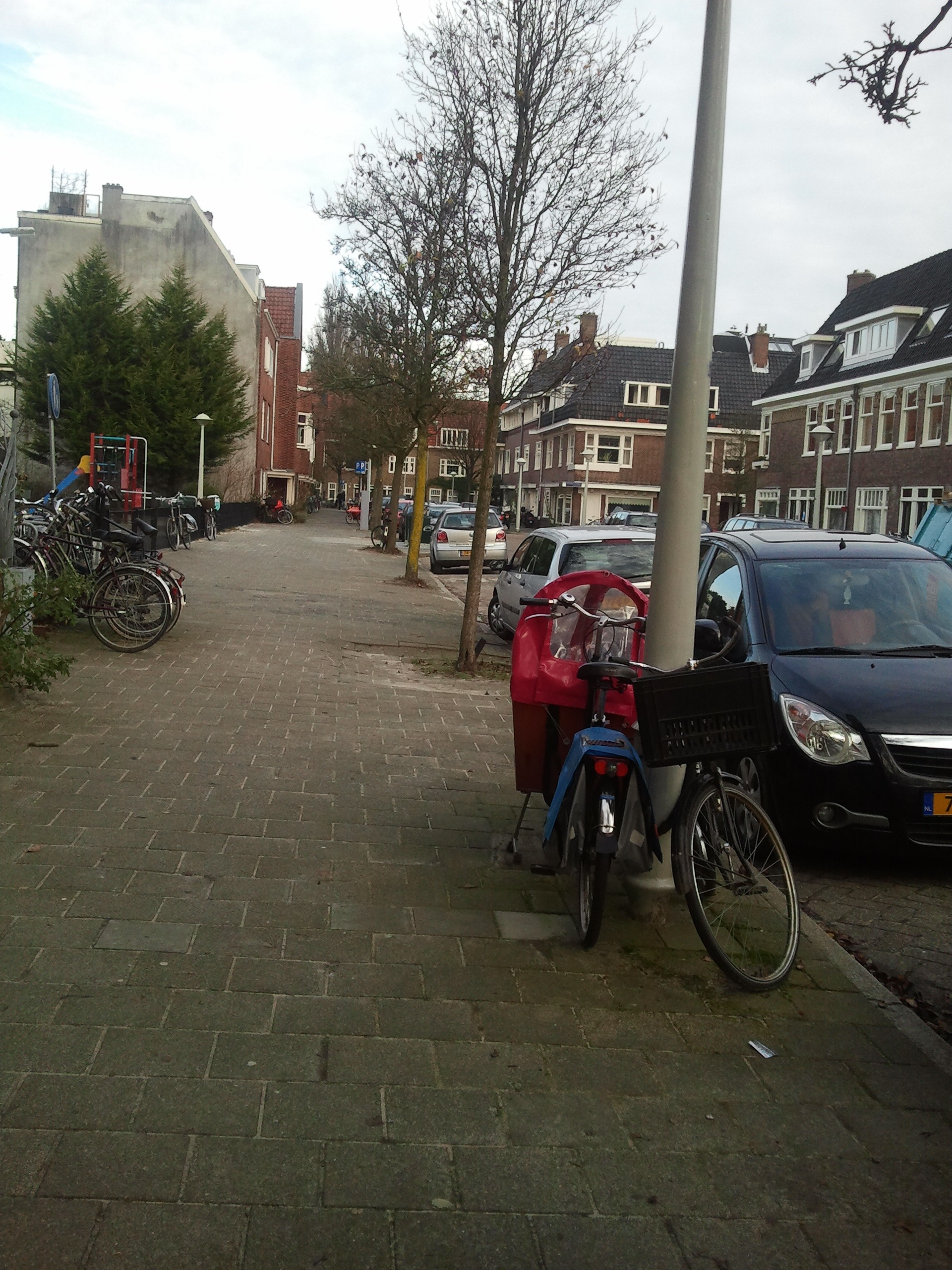
Fraunhofferstraat is a street which I look at from my front windows at home. It’s a typical tidy Watergraafsmeer street that has a children’s play ground partway along and about a dozen bare treepits. the tree pits are so uninteresting and uninspiring, especially those running beside the playground. They are simply strimmed back by the council a couple of times a year and left to do their own thing for the rest of the time. When most lucky, we get Chickweed, some Brassicas and Fat Hen growing there along with poisonous Euphorbia species and heaps of low growing tree burrs. The pits get plenty of dog interest and they are sites where a small amount of litter collects at times. Because they are unplanted (aside from the trees of course) the pits beside the playground get a fair bit of human trampling. The Fraunhoffer tree pits are next to the road, a local street which is a turn off from the Middenweg (a main road into the centre of town).
I have been quietly collecting seeds from locally growing Hollyhocks, Poppies, Calendula, Rocket and other easy to grow plants. Whenever I remember, I strew a handful in the tree pits of Fraunhofferstraat and nudge them into the soil with my shoes. Maybe some will germinate in the spring, maybe not but either way I believe it’s a better fate than the seed being swept up and thrown in the garbage and incinerated. In the early spring the River of herbs group will start by looking at the site, thinking about the uses of the area and how the tree pits could be planted and simply managed with minimal effort and upkeep, to create a more useful and beautiful scene.

Spuistraat
My friends at Funky Chickin hotel, Spuistraat 90 have been inspired by the River of Herbs project from it’s conception. They are located on part of a busy central street which could do with some greening. I have chosen that area as the second location. Just as with Fraunhofferstraat, I’ll be working closely with the local council to ensure that the herbs and exact locations chosen are suitable and useful and that they help to enhance the area in many ways.
On my quest to get this project going I’ve learned about tree pit adoption protocol, geveltuin (pavement garden) regulations, council spraying policies and realities, restricted plants, invasive plants, perfect city herbs and people who consider matching unmanaged geveltuinen with folks who’d like to tend them. There is a lot of interest and need, it seems. I’m really excited about starting with the group in February, I hope it takes off.

Today some frosty, tasty and nourishing, itch relieving and bone strengthening Chickweed (Stellaria media, NL: Vogelmuur) in the Frankendael area of Amsterdam.


I forgot to post this photo until today. Taken yesterday in Oud Zuid:
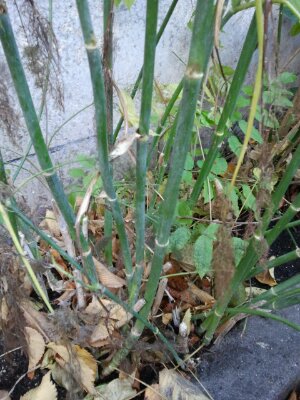
The beautiful stalks of Fennel. I noticed lots of this plant in geveltuinen yesterday. It arms well suited to the sandy soil and I think it looks great at this time of year when many other herbs die back faster.

Today Hollyhocks – still with useful strong foliage and some flowers

And a a couple of frosty ginkgo fruit photos. They are still around on the larger trees…

 Urban Herbology