Category Archives: Projects

365 Frankendael day 11

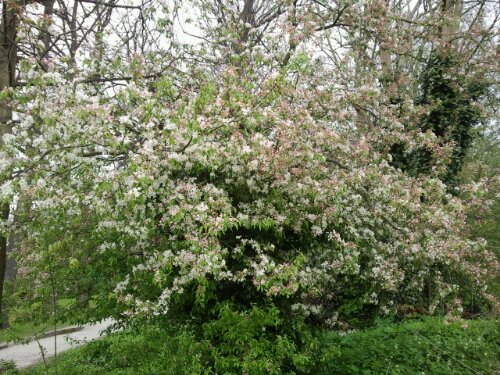
Here’s a Mayday Hawthorn bough, happily still attached to it’s tree! I’m sure that last Mayday the Hawthorns of Frankendael had opened their flowers by now. They certainly haven’t today and the weather is still not exactly encouraging the plants to grow as they could. None the less Hawthorn looks beautiful at the moment is most trees I see are loaded with green buds, ready to explode into a froth of white/pink blossom. Hawthorn is a spiky, irregularly shaped shrub or small tree which is easy to spot in hedgerows around town. It has unique, small, deeply lobed leaves, a froth of flowers around this time of year and bright red berries come autumn. It is long associated with heart medicine and Mayday country frolics.

Hawthorn is a renowned tonic for the circulatory system. The leaves, berries and flowers can be used to treat angina and several other heart conditions – obviously under the guidance of an experienced medical practitioner as heart disease is always a serious and often life threatening, condition. Hawthorn can be used as a preventative tonic, to guard against future heart problems. It can lower blood pressure, help dissolve cholesterol and calcium deposits.
365 Frankendael day 10


Today is Queen’s Day in the Netherlands and the sun has finally come out to play! Amsterdam is awash with orange people so what better herb to look at than Dandelion.

Dandelion is another foragers favourite and another much misunderstood and maligned herb. Yesterday I surprised a few friends by picking a dandelion, plucking it’s petals and eating them. I was quite surprised that they didn’t know anything about the plant, but I guess to most it is just a pretty weed. There are so many uses for this herb, it’s so prolific and so associated with folklore.

Not much time to write today but please see the link to a previous Urban Herbology post for further information and useful links.

365 Frankendael day 9

Today was the monthly Puur Markt in Frankendael. At this time of year, there’s a great stall which sells herb plants quite cheaply. I picked up a small Curry plant for €2.75 and a little Verveine for €2. The stall is always there through the main growing season and they also work at the weekly Saturday Noordermaarkt. They don’t have a website but are well worth a visit.

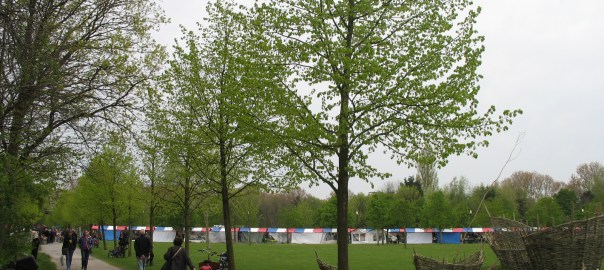
I thought I’d take a photo of the newest section of Frankendael’s Lime tree avenue today. Lime is an under appreciated herb, in my opinion. It has a multitude of historic uses and come midsummer, yields the most heavenly fragrant flowers, which drive the city bees wild. With these you can make a wonderful, lightly intoxicating tea. At this time of year, Lime leaves can be eaten as an unusual and medicinal sandwich filling. They have a mucilage within which makes them very useful as a soother of the respiratory system. If you take a moment to chew a leaf you will feel the mucilage release from the leaf tissues. It’s more pleasant than it may sound!

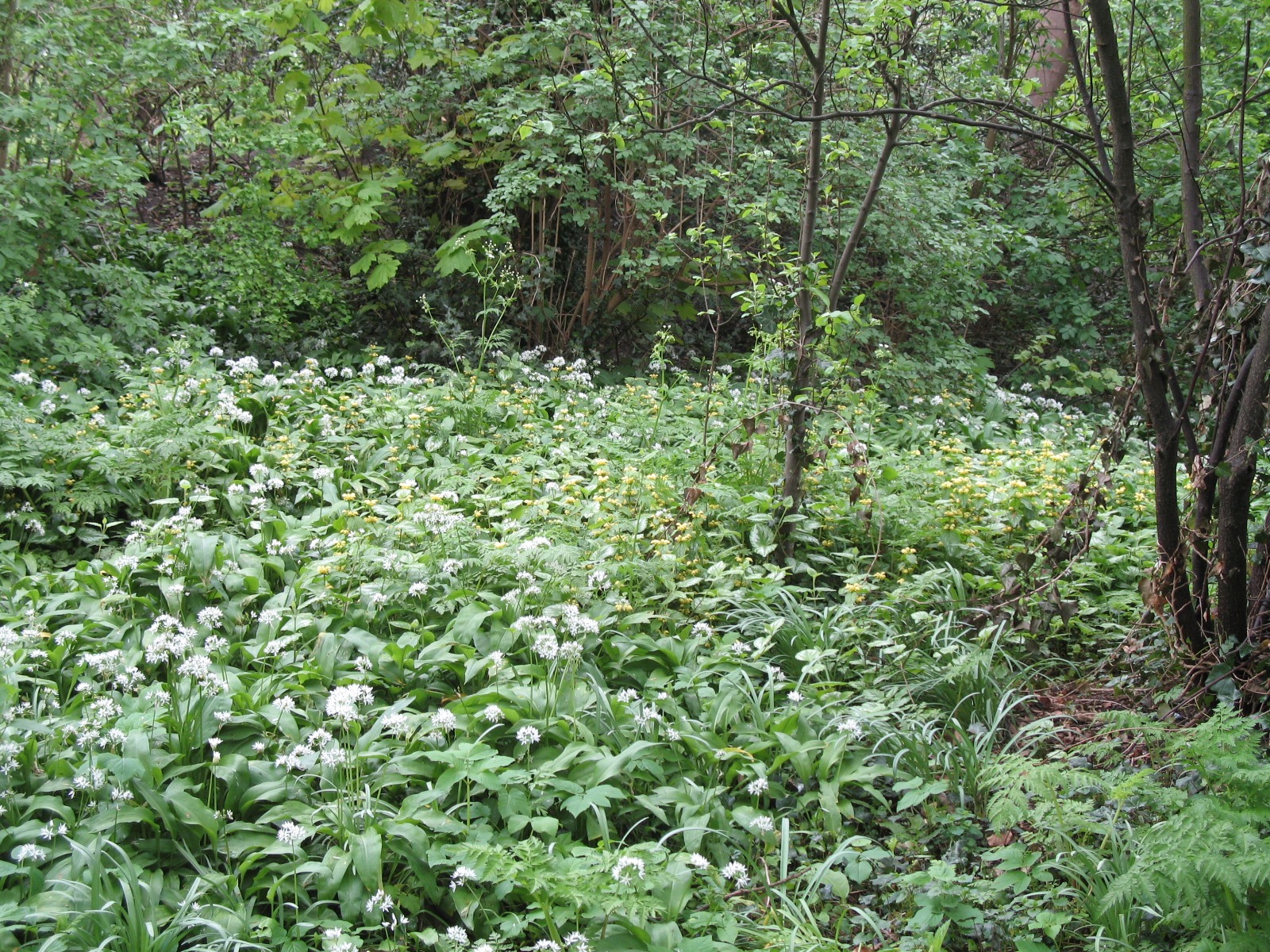
There are lots of Yellow Dead Nettles (Lamium galeobdolom) in flower at present.  I’ll write more about them another day. The link above is to an interesting blog post about the plant.  The photo shows a large swathe of the plants at the back of this woodland undergrowth.

365 Frankendael day 8


It’s very cold, damp and windy here today, well relatively speaking, so not the most pleasant day for a walk in the park with a toddler. Of course, I did see some beautiful plants but most photos were rather windswept. I think that this one clearly represents the last days of April. Ramsons in flower, Ground elder swallowing up other plants, Cowslip standing tall, yellow and delicate and at the back, a wild Ribes bush (could be black current, white current, raspberry etc. but its too early to tell). I

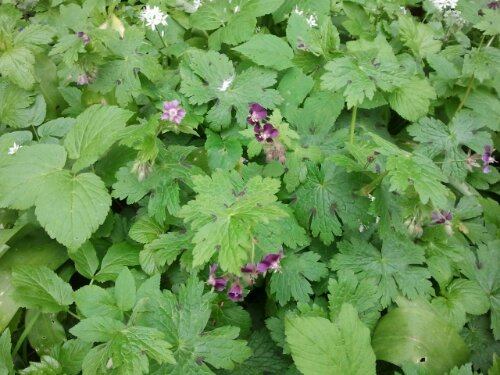
One of my favourite city herbs is really coming into flower at the moment. Wild geraniums (Wood geranium, Cranesbill) are often used in urban planting schemes because they bulk up nicely as the spring and summer develop. You can find geraniums in city tree pits where they receive lots of nutrition from passing dogs. If you can locate relatively clean plants, perhaps try them in the summer when they have had a chance to grow and will withstand a little harvesting.

All geraniums and all parts of them are said to be edible, but some varieties are hairier than others! This variety is prevalent in the park, the pretty purple flowers are fragrant and taste good in a salad, the leaves add an interesting dimension to raw food and cooked they blend well with other spring greens. I prefer to thoroughly wash any that I harvest and then to cook them, like spinach. I reserve geraniums growing at home, for salads.

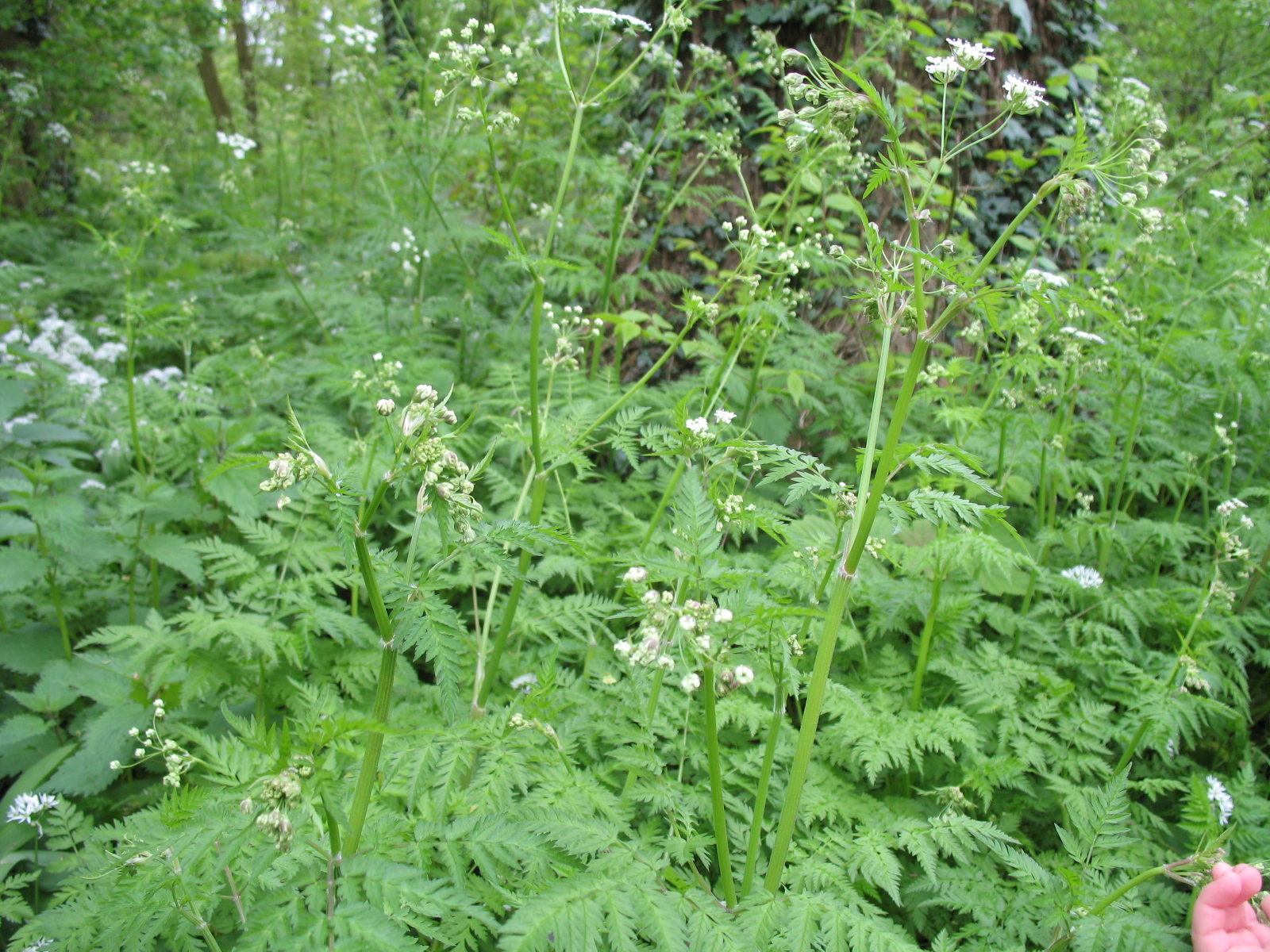
Now is a good time to learn the differences between the many members of the Carrot family, which grow wild in Amsterdam. The most prevalent and obvious at this time of year is Sweet cicely. It is a good faraging food, makes pleasant aniseed flavoured drinks and is sometimes used as a tonic herb. But beware! There are some extremely toxic members of the Carrot family and all look quite similar until you know how to differentiate them. At present Sweet cicely is in flower.

365 Frankendael day 7

Greater Celandine (Chelidonium majus, NL Stinkende gouwe) is a plant that is very obvious at the moment. It belongs to the poppy family and its leaves certainly resemble those of other members of that family.  The plant is a perennial and spreads easily by seed.  It is considered an invasive garden pest by many, but not herbalists.

This herb is not one for the dinner plate as it contains several alkaloids which are toxic.  It can cause irritation to mucous membranes, if used innapropriately and shouldn’t be used by pregnant women or those with impaired liver function.  It is generally used only externally.

Warts
The orange-yellow sap from within the stems of Greater Celandine, is a really useful wart remedy.  Simply cut a stem and apply a few drops of the juice directly onto the wart.  Do this a couple of times daily and soon the wart should begin to disappear.  Continue use until the wart has gone completely.   To maintain a supply of this valuable remedy when the plant is no longer available outside, you could make a tincture and use a few drops of that in place of fresh sap.

The plant in the photo is in a patch of waste land, right on the outside edge of Park Frankendael. There are plenty of Greater Celandine plants within the park and throughout Amsterdam at present.

Endangered Plants NL – De Rode Lijst

The list of threatened and endangered species in the Netherlands is extensive. I recently contacted a City Ecologist to find out more about the legality of foraging in this country and he kindly forwarded the list to me. Unfortunately, for non Dutchies like me, the common names are in Duth and the Latin names are not alphabetical. One day I shall try to work my way through the list and translate the common names. Many of the endangered plants will be of little interest to city foragers, but some will be, so before you decide to pick anything please look up the Latin name and check its status. I did find this list in English regarding endangered plants across Europe. I don’t feel it’s very comprehensive and it doesn’t mention The Netherlands, but it may give an indication of what is threatened.

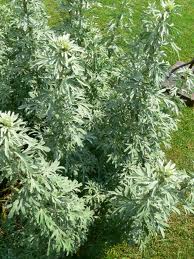
A few plants which instantly stand out to me are Artemisia absinthe (Wormwood), Juniperis communis (Juniper) and Viola canina (Dog violet). Also Pennyroyal, Plantago media (a type of plantain), White Mint, Pulsatilla, Lesser Skullcap, Betonie, a type of Red Clover, Wild Strawberry, a type of Bedstraw and several types of Lady’s Mantle are on the list. Some are foraging favorites, others are wonderful herbs but all must be avoided and protected. Also, some species of fern, cling to existence on the local canal sides and must be protected. I’m not a fern eater myself but know that some international foragers seek them out.

I grow Wormwood in my geveltuin (pavement garden). It provides me with a great harvest every year and perhaps its seeds will spread the plant elsewhere. Growing-on your own rare plants, from seed or nursery plants, is a way to ensure you can use what you like.

365 Frankendael day 6

Willow (Salix alba, S. fragilis, NL: Wilgen) catkins have been my wild flavour of this afternoon. They taste very like Aspirin tablets because they contain the same active ingredient (Salicyclic acid). It is found throughout the tree, particularly in the bark but spring catkins are an easily measurable source of this natural pain reliever.  When catkins (which can be dried for use later in the year) are not available, simply chewing on a short length of a Willow tendril  may also the trick. The approximate equivalent of 2 Aspirin tablets is said to be about about 6 – 8 inches of tendril or 10-15 catkins (Linda Runyon). Treat the herb with caution and respect, as you would other medicines.  I find that Willow really helps for pain but that eating it on an empty stomach (especially the catkins), makes me feel a little nauseous.

There are many beautiful Willow trees in Amsterdam, including this wavy Willow and the play structures in Park Frankendael.

Other herbs of note today include Cleavers (Galium aparine) which are already speeding up some fences and my favourite Motherwort (Leonurus cardiaca). It is too early to harvest either herb but a great time to find where they are growing.  Also, Mugwort (Artemisia vulgaris), the dream herb is just starting to wake up.  It’s too early to harvest but it is becoming very obvious. Look for the silver undersides of the Chrysanthemum-like leaves and for tall dry stems from last year.  It is best to harvest this herb at midsummer.

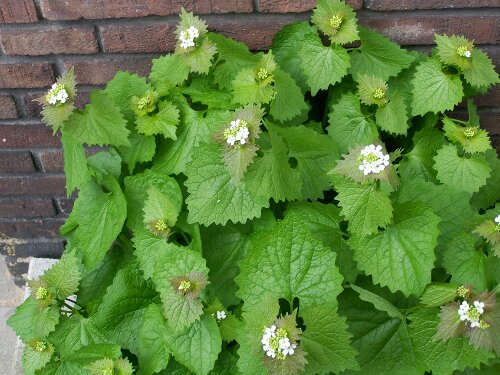
Garlic mustard, Jack in the hedge (Alliaria petiolata)


Photo courtesy of Elodie and Herman, in De Baarsjes, Amsterdam. 25th April 2012.

Garlic mustard (Alliaria petiolata) is easy to find in many cities and is also very easy to eat!

It is often easy to spot them at the base of large tree trunks and along the edges of woodland and hedges. They also thrive within woodland. It flowers at the end of April into May. Whilst flowering, it is very easy to identify, not only by the distinctive smell of garlic when the leaves are bruised but also by the tiny white flowers at the top of the plant. Garlic mustard is a favorite amongst foragers and can grow up to 120 cm in the right location.

This plant is a biennial and can provide year round nutritious greens, for salads or the cooking pot. All parts are edible. Even the roots can be eaten, they should be harvested just before flowering, but of course removing the whole plant will limit the foraging potential the following year as the plant will be unable to spread by seed. Far better is to pick a leaf or two at intervals, throughout the growing season and leaving the plant to flower and set seed unhindered.

Garlic mustard isn’t known as a medicinal herb, more a culinary one. It is a member of the mustard family, Brassicaceae, so I like to think of it as a tasty replacement for sprouts.

I see lots of Garlic mustard growing around Amsterdam. You are very likely to find it along the edges of canals, hedges and overgrown areas, such as railway embankments. Mid to late spring is probably the best time to identify it.

Eating Garlic mustard is straightforward. It can be eaten raw, if very clean or cooked. It has a garlicky spinachy taste so works well with many ingredients. In like to chop up a leaf or two and mix them in with other spring greens, which I steam.

365 Frankendael day 5

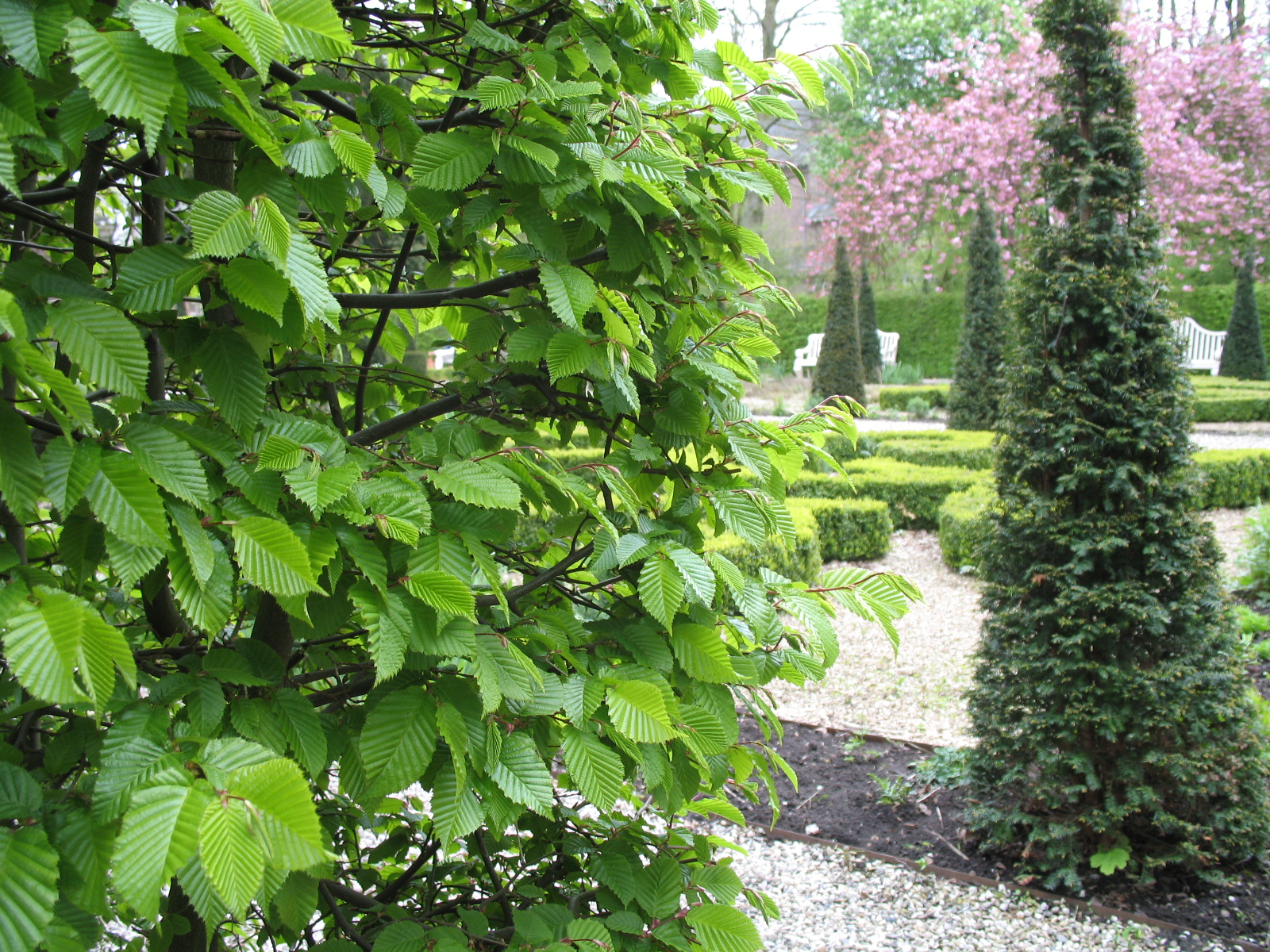
Orchard hedge – Park Frankendael

Lots of photos and less chat today, I’ve had a long walk and am itching to make Italian Beech twigs…
Here’s one of several Beech hedges in the park.  If you didn’t read my post about tree foraging Linda Runyon, then please take a look, for some eye opening ideas.

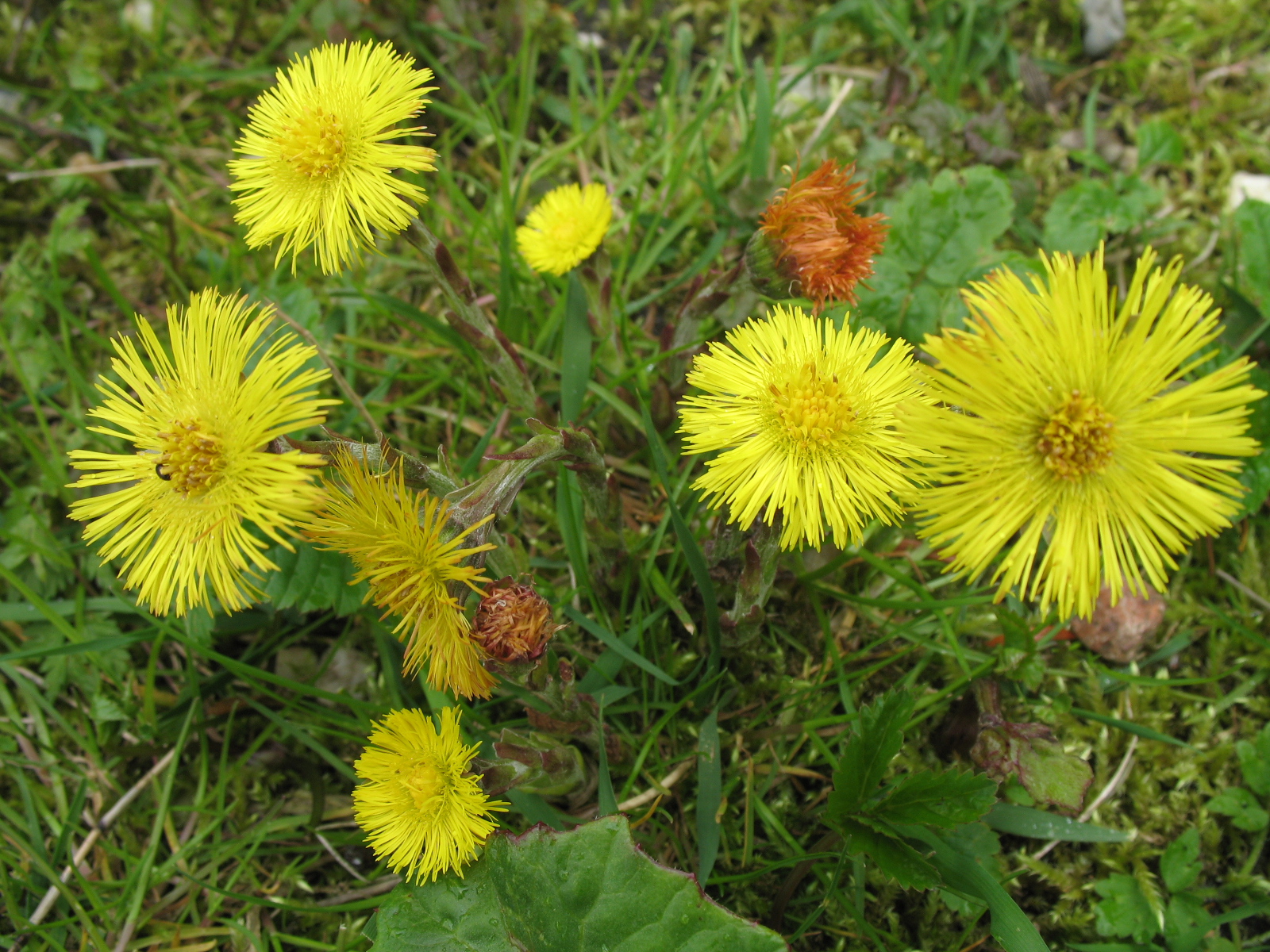
Coltsfoot, still blooming:

Coltsfoot (Tussilago farfare)
White dead nettle, in bloom is the time to harvest, but it is an annual
HIGHLY POISONOUS Dog’s mercury, which is in bloom (tiny white flowers) and is prevalent throughout several areas of the park:
Sweet cicely is in bloom so can be identified more easily with a field guide
Sweet woodruff (Galium odoratum)

Sweet woodruff (Galium odoratum), easily confused with Cleavers (Galium aparine). Cleavers are far more succulent than Sweet woodruff, and can grow very tall, using other plants and structures for support as shown yesterday.  The two plants have quite different uses.

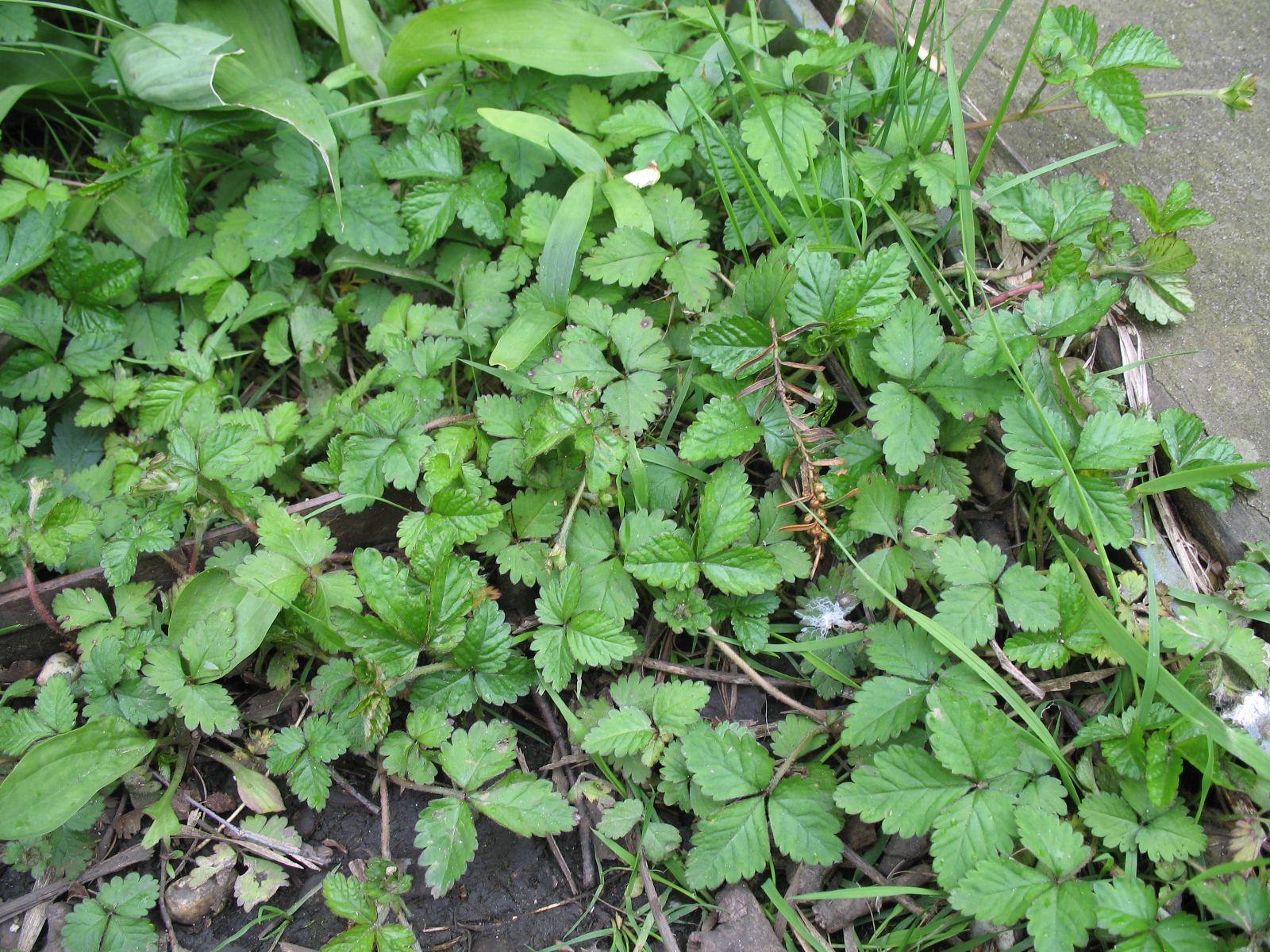
Indian strawberry
A stunning mound of Ground elder (Aegopodium podograria)
The flowers of Garlic mustard are now maturing and are easy to spot
Geranium and cowslip

Geraniums are really bulking up.  The cowslips shown here amongst the Geraniums, should never be harvested from the wild as they have such a hard time surviving when their source of seeds is removed.  Wild garlic is also in the photo.