Category Archives: Foraging

365 Frankendael day 85


Another monsoon day today, so here’s an edible that loves to have its feet very wet – Cat’s Tail (Typha sp.)
A plant with a multitude of uses. Here’s a useful Wild man Steve Brill link about the plant.


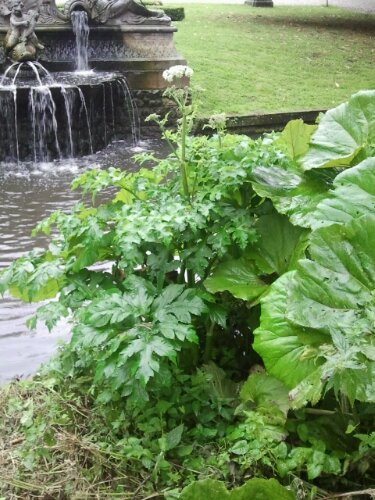
The plant to the left in this next photo is likely to be Common Hogweed (Hereacleaum sphondylium). Common Hogweed is edible and much loved by many foragers so there are many traditional and modern recipes for those who like it but it is easily confused with poisonous plants (especially Giant Hogweed) so if you are interested in it be sure to identify it using several reliable sources before picking and again before cooking.

Thank You Canalside Walkers!

A lovely group of Urban Herbies braved the weather today and joined me for a herb walk in the centre of Amsterdam. Writing my book has begun so the walk was able to help me to identify which of the Urban herbs I already know are also growing happily in the most pressured city centre habitats. We found lots of useful and tasty herbs. Here’s a brief summary of the plants we found and a few others which I found en route to the walk.

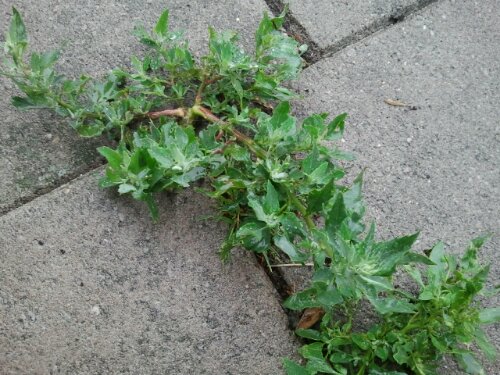
Fat hen (Chenopodium album) NL: Melganzenvoet

Geranium species.

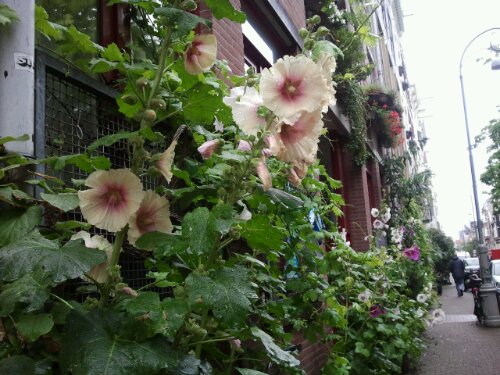
Hollyhocks NL: Stockroos

A tiny Rosebay Willow herb (Epilobium angustifolium) NL: Wilgenroosje.

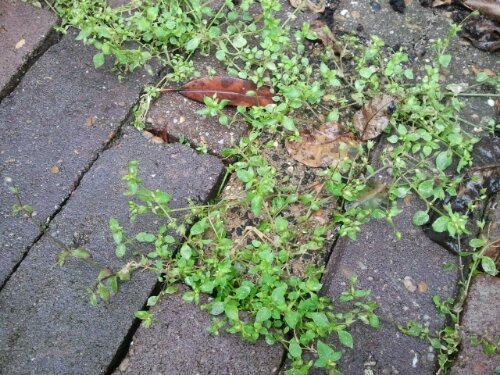
Chickweed (Stellaria media) NL: Vogelmuur

Probably Russian Comfrey (Symphytum uplandicum) Smeerwortel

German Chamomile (Matricaria chamomilla) Echte kamille This is the type used in commercial Chamomille tea.

Pellitory of the wall (Parietaria officinalis) NL: Groot Glaskruid. I found this on Kerkstraat before the walk. I am delighted to find this as it is hard to find elsewhere. Pennsylvania Pellitory grows abundantly in Amsterdam parks but this species is medicinally superior.

St. John’s / St Joan’s wort (Hypericum perforatum) Sint Janskruid

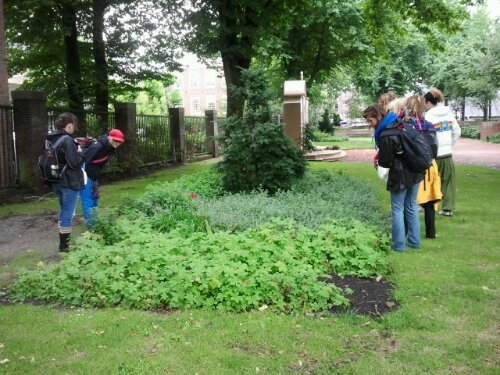
Some of today’s group looking at Catnip (Nepta sp.) Kattenkruid, Yew (Taxus baccata) and Geranium.

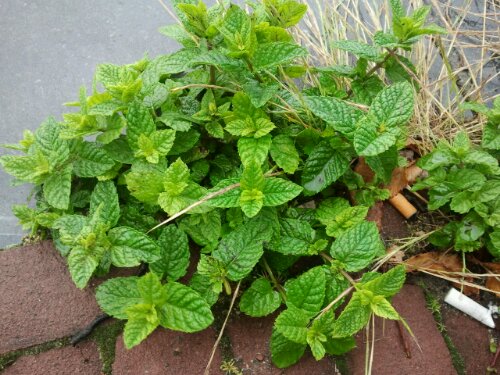
Mint (Mentha sp.) NL: Munt

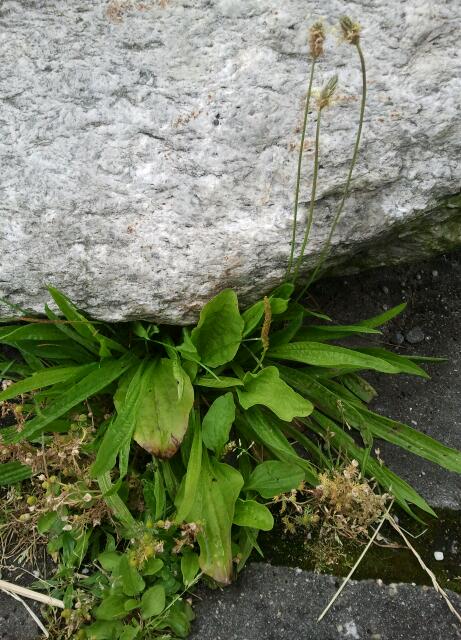
Plantain (Plantago major) Wegbreed

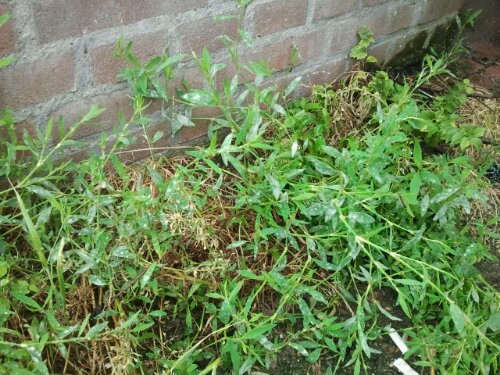
Knot grass (Polygonum sp.) Varkensgras (edible but not to my liking)

We found many other herbs including Valerian, Lime…

365 Frankendael day 84

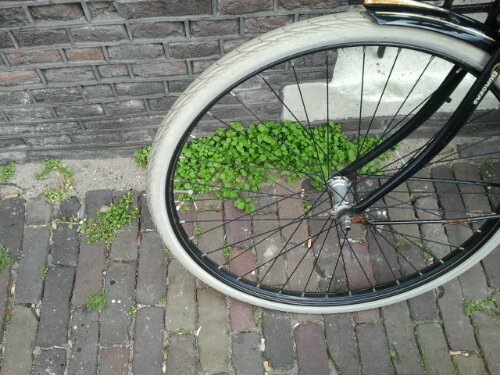
Waiting at the bus stop today, I was delighted to see that there is a survivor from the council mowed Fat Hen (Lambs quarters) population in the nearby scrubland! Here it is, looking defiant and determined to spread seed, in a pavement crack close by. Not one for picking though as its likely been walked over many times and is so close to the road.  Its seeds won’t know the difference however and this little urban warrior may help to populate the scrubland next year. I do hope so, Fat hen is one of the tastiest wild* vegetables that I know.

*Fat hen was once a popular cultivated vegetable which fell out of favour for some reason. Perhaps it was knowledge of its high Oxalic acid content or simply that blander palates fancied growing and eating something more spinach-like. Whatever the reason, Fat hen (Chenopodium album) is now a scrubland and hedgerow delicacy which I and many others, love to find!

Later today I’m hoping for a little sun and drier weather as its my first Canal side urban herb walk. What will we find, I wonder…

365 Frankendael day 79

Today some photos of small pavement herbs growing in cracks and well trodden corners of the park. You’d have to be fairly desperate to want to harvest them but they are useful for identification purposes and if you suddenly need some Ribwort to stop a nettle rash our Yarrow to stem a noise bleed, it’s good to know that theses herbs really are everywhere…

Here is a mini Chamomile (Matricaria chamomilla ). Despite growing in such a restricted little habitat, the flowers do smell great.

Here are two sisters, narrow leaved Ribwort (Plantago lanceolata) and broad smooth-leaved Plantain (Plantago major), growing protected from strimmers, feet and digging claws beneath a small landscaping boulder.

Here’s Yarrow (Achillea millefolium) without flowers because it is constantly pressured by growing on a trampled pavement edge near the children’s playground. This plant is tiny in comparison to its neighbours in the long grassland.

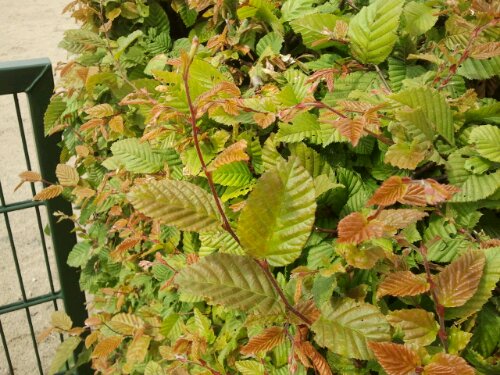
This is part of a Beech hedge (Fagus sylvaticus) in the park. I’ve shown it before and just want to remind people of what tasty and plentiful foliage it has.

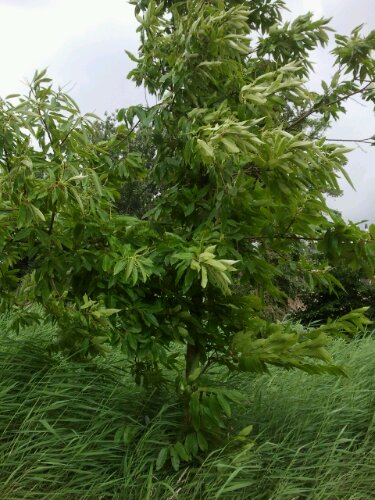
Here’s a young Sweet Chestnut tree (Castanea sativa). It’s really nice to see nut trees that have been deliberately planted in public places.

365 Frankendael day 78

We filled our pockets with small, sour, fallen apples in the park today. We met an interesting lady with her dog, who told us about eating Walnut leaves, Hazelnut foragers and Honingclaver (literally Honey clover, Sweet Clover, Melilotus spp.). It’s fine to eat Sweet clover in small amounts but as you’ll read in the link above, it can interact with some blood thinning drugs and no one should eat too much of this plant.

Today’s photos:
Firstly, Ground elder (Aegopodium podograria) springing up in the rain soaked, just mowed outer verges of the park.  A welcome sight, I love eating this plant and much of it looks quite stale in the other areas of the park.

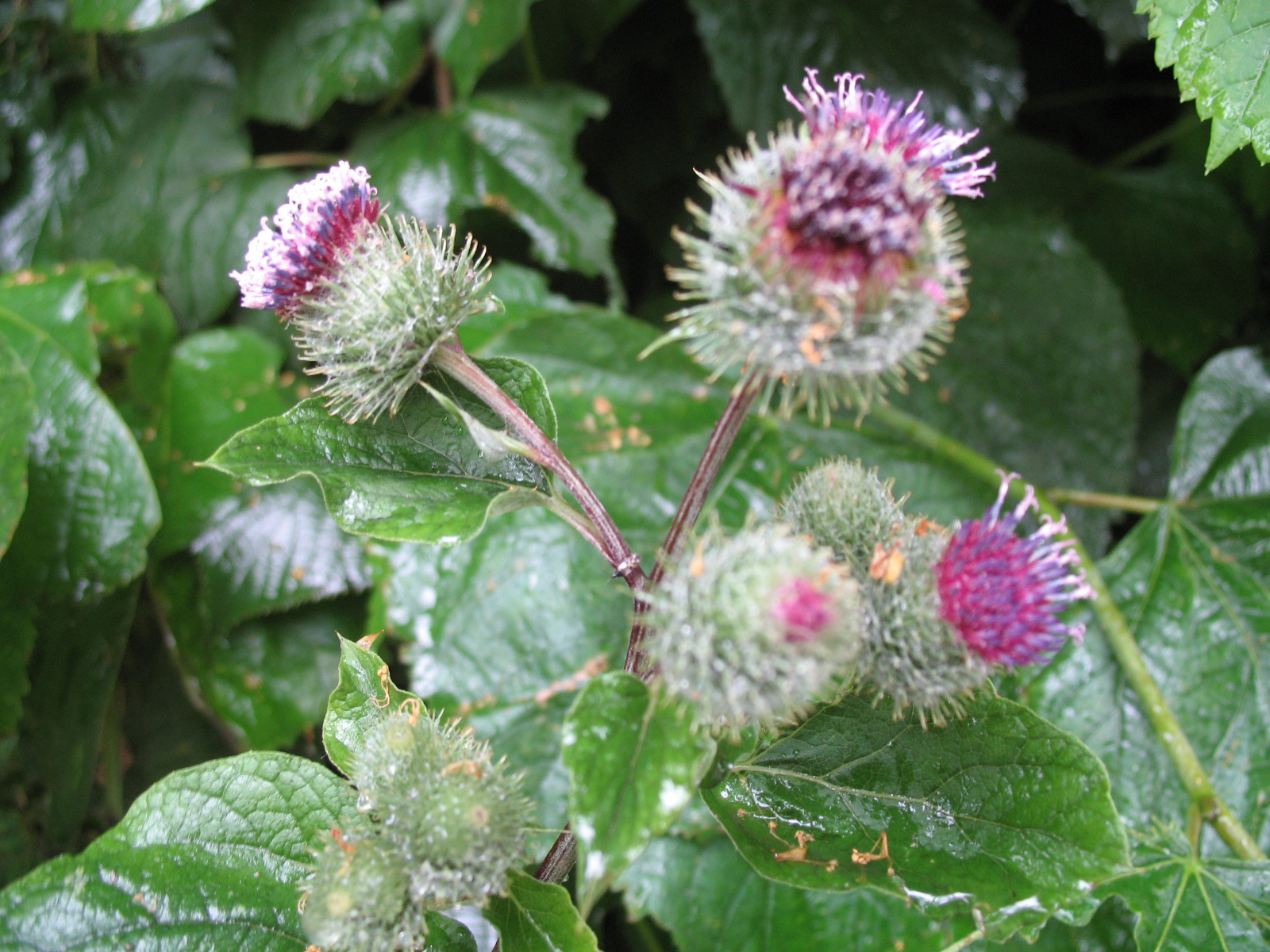
Next up, Burdock flowers. As mentioned before, the second year plants flower and are not useful really. But use this sight in the urban wild to help you find first year plants perhaps.

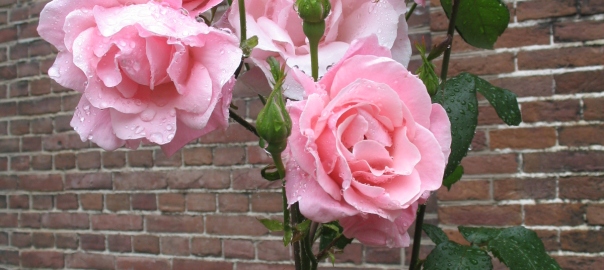
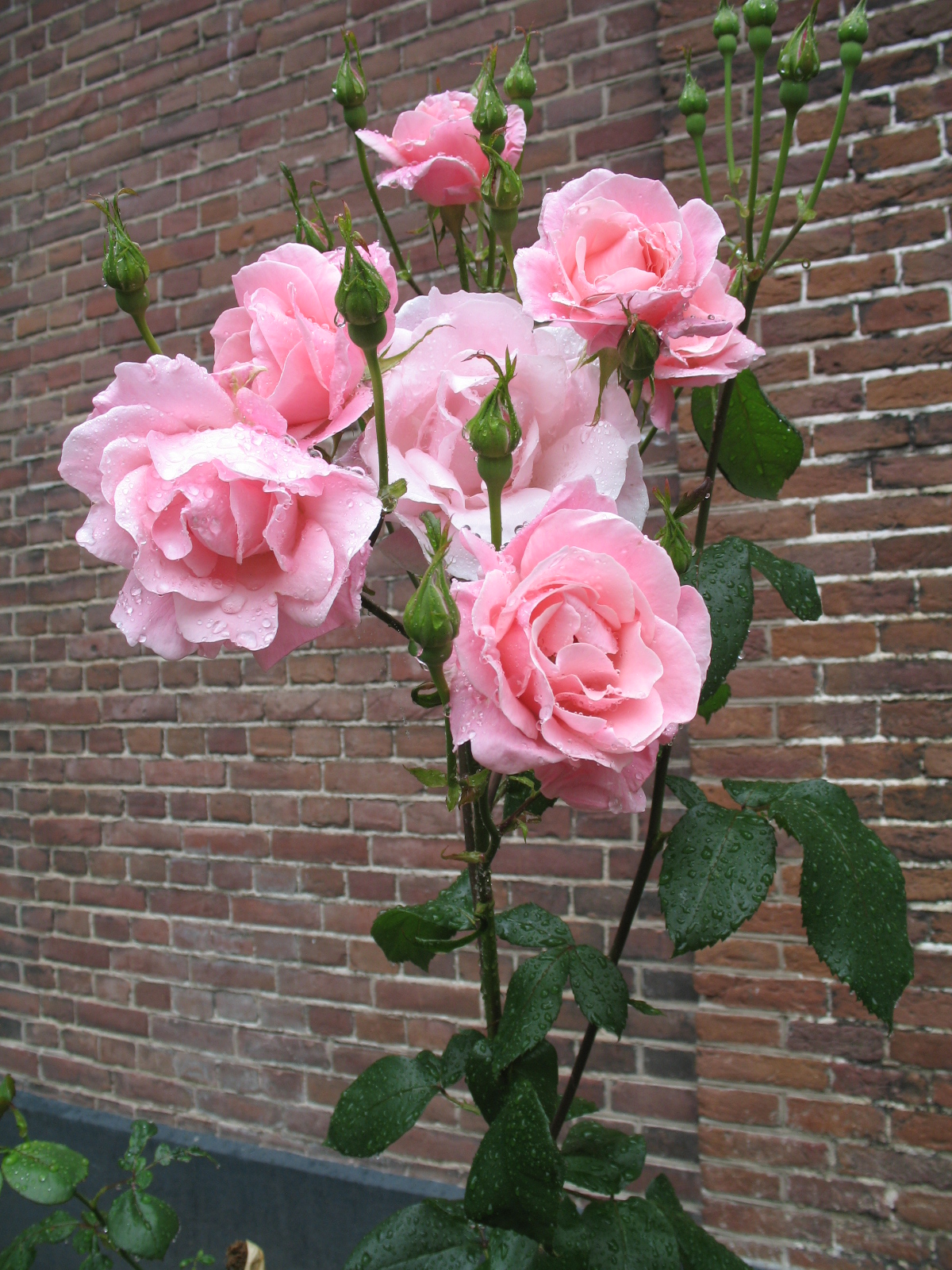
Next a beautiful Rose, growing next to Frankendael Huis. So beautiful ans so many ways to eat them.

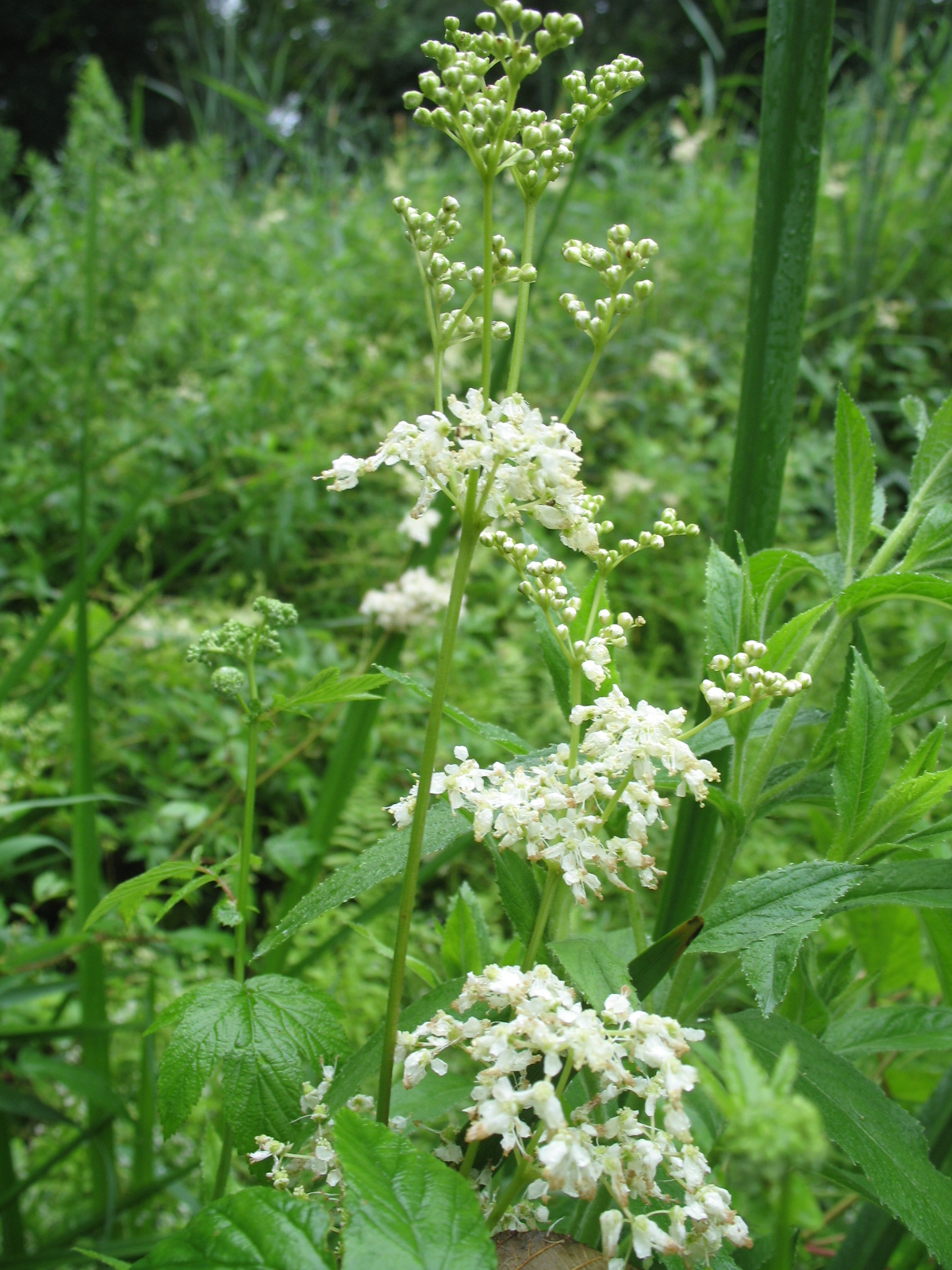
Here’s fragrant, digestive system soother Meadowsweet (Filipendula ulmaria). Please see the day 72 posting for further details and links.

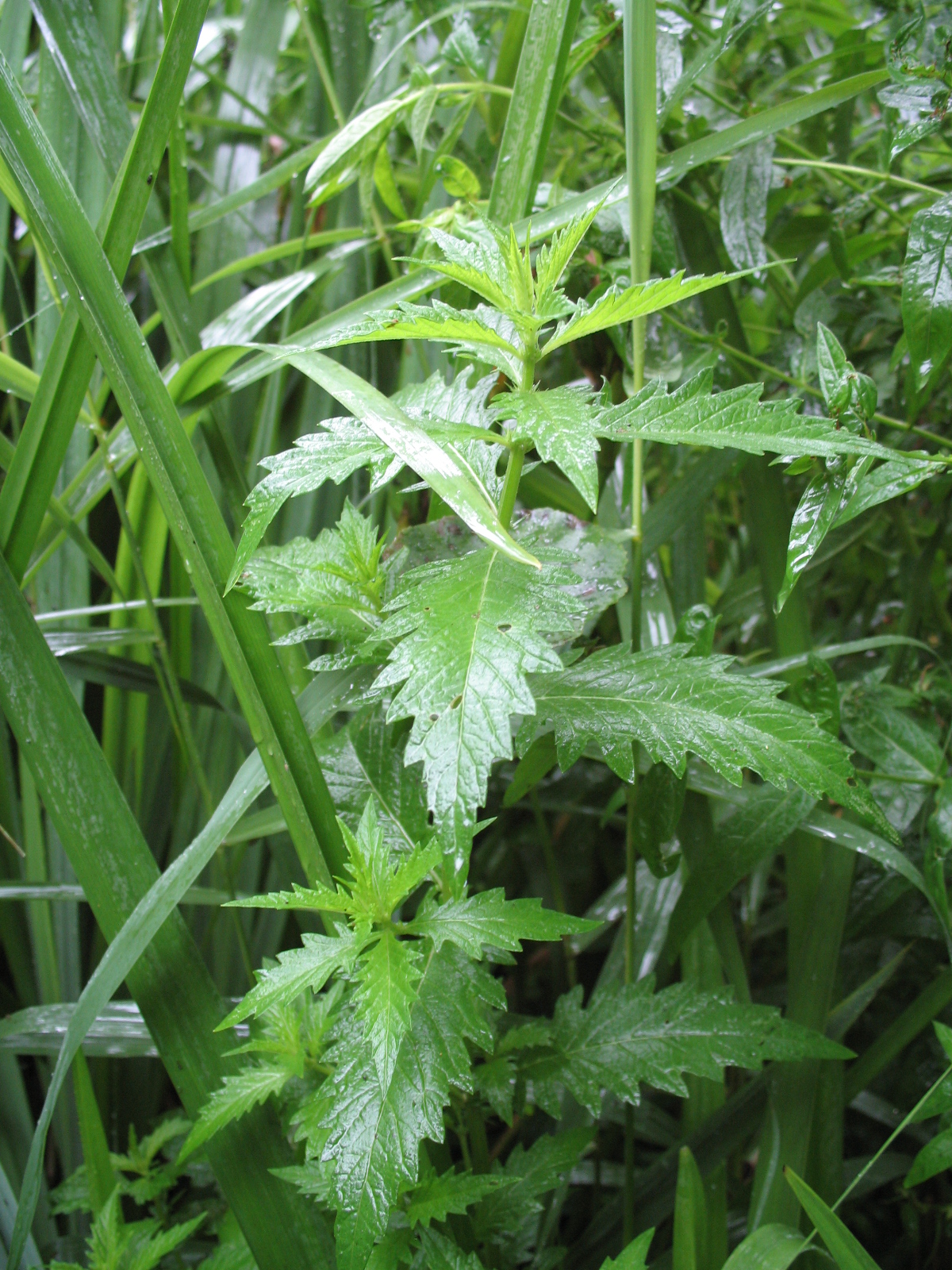
Here’s a plant growing in the pond behind Frankendael huis which I spotted on the recent Greenpeace walks in Amsterdamse Bos. It is known as Gypsywort in Britaian and Bugelweed in the US (Lycopus europaeus). I still need to learn it’s uses but am pleased to have found it in Frankendael today.

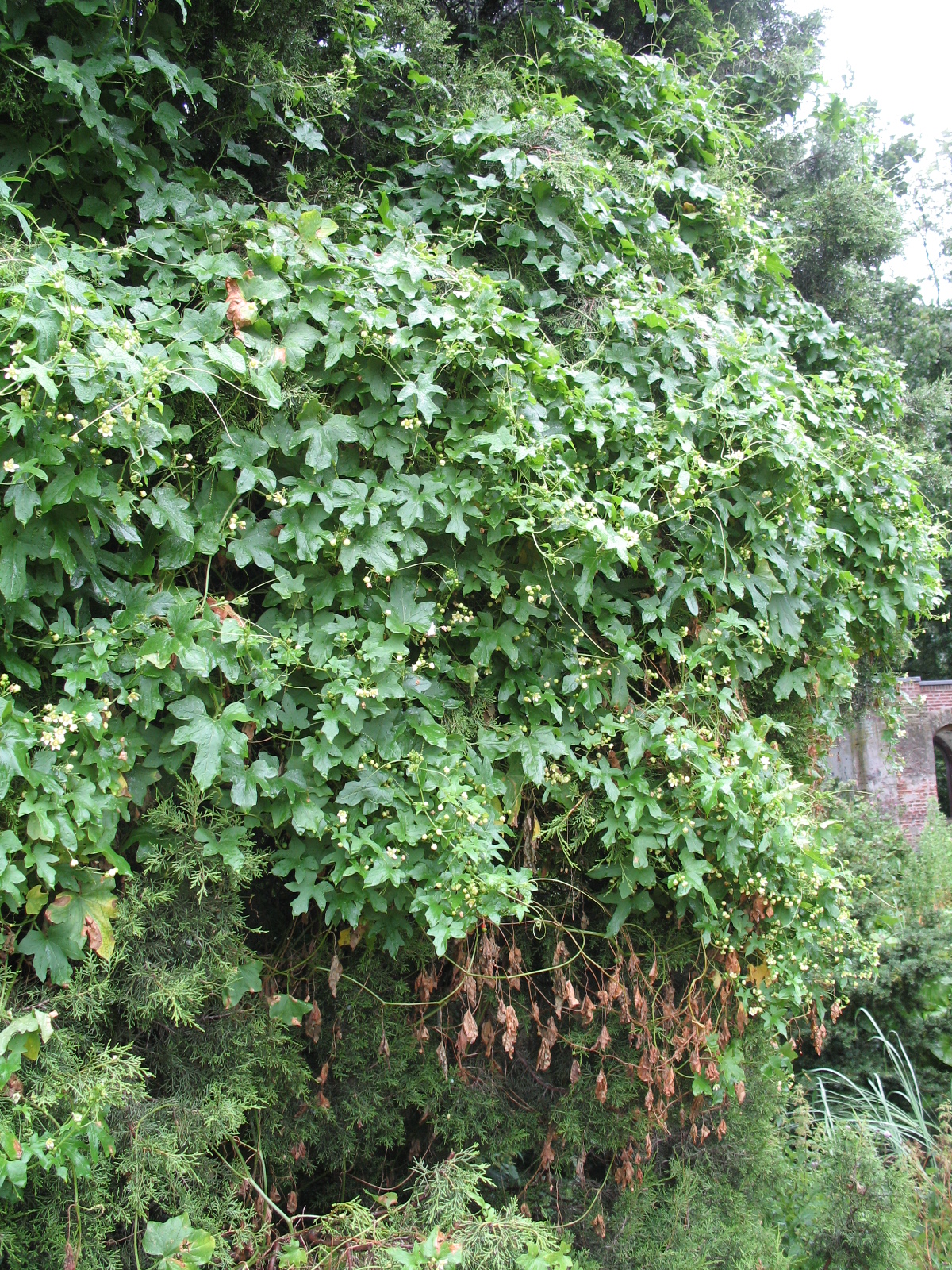
Here is a very large, sprawling and Poisonous White Bryony (Bryonia alba), making itself at home over a big old Yew tree (Taxus baccata), also Poisonous and steeped in folklore, mainy to do with the dead.

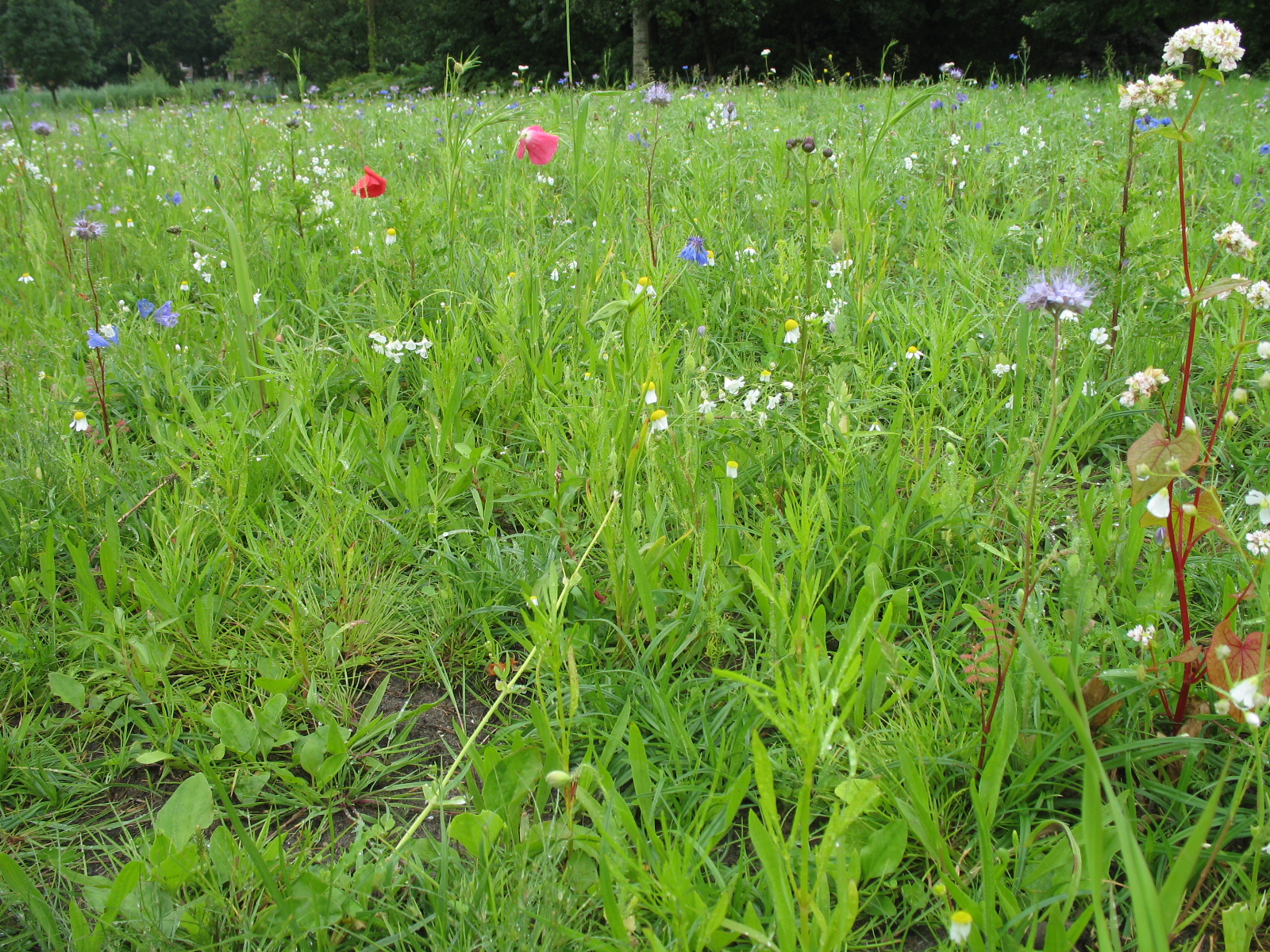
Do you remeber that ploughed up strip of parkland, next to Restaurant de Kas?  Well this is how some of it looks today.  It seems to have been sewed with a wildflower mixture and it has begun to look quite beautiful.

365 Frankendael day 77

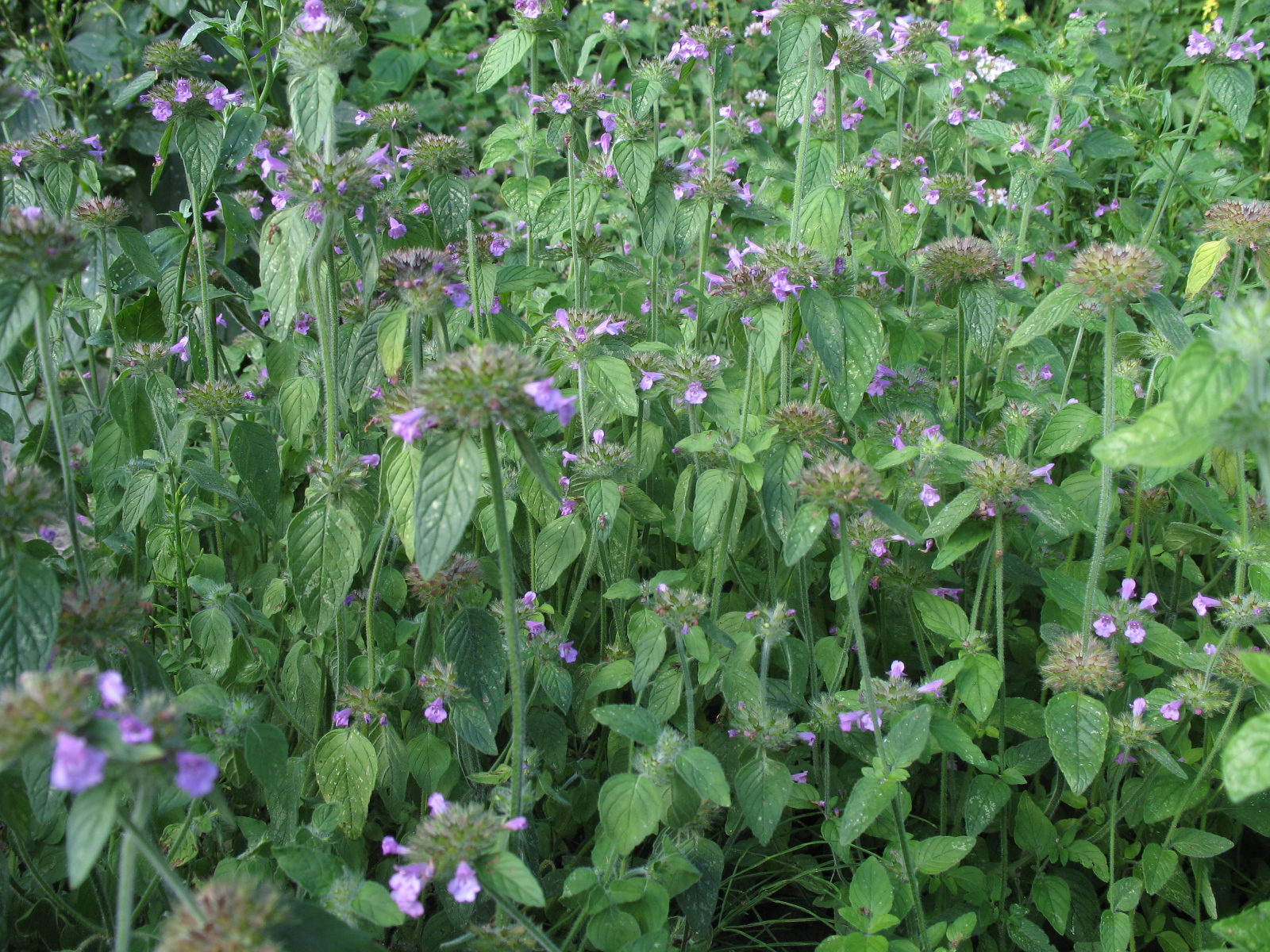
Here is Wild Basil (Satureja vulgaris / Calamintha clinopodium). It doesn’t smell nearly as strongly as its cultivated cousins but it tastes good and is a useful culinary herb if you are lucky enough to find a favourable patch. There are reports on the internet of it being used as a heart tonic but I can’t find any real reference to this and know it more as a useful herb to sooth digestive complaints such as gassiness and indigestion, much as close relative mint can be used. It is easy to identify; a hairy labiate so having square stems, small pale purple labiate flowers positioned in rings around the stems above leaf bases. The increasing size of the flowers makes the leaves point increasingly downwards, as the season moves on. The leaf veins are quite distinctive, more pronounced beneath and depressed above than most similar plants. The leaves grow in pairs, opposite each other on the stem. It smells aromatic when the leaves are bruised but not hugely so. Not like cultivated basil which is very strongly aromatic. This plant has been flowering in Amsterdam for a few weeks now and should continue to do so until September. I find the name Wild Basil a little misleading and prefer to think of it as a Calamint (which it is).

Wild marjoram (Origanum vulgaris) is the next Frankendael herb today and another well known culinary name. I last photographed it on day 2 and since then it has thrived and flowered. The flowers grow at the top of the stems rather than those of Basil. Marjoram flowers are more pink than purple and the plant smell stronger than Wild basil. The stems are distinctly woody. As well as being tasty and easy to grow in a pot, Marjoram has many historic uses including releiving the pain of rheumatism, easing colic and headaches. There are modern reports of it having quite potent anti cancer properties. Marjoram is quite a strong herb, as well known culinary herbs go, and is one to avoid during pregnancy. I also know of Greek and Turkish women who went out for a hearty plateful of Marjoram flavored food, when their baby’s delivery date is overdue. I tried it and it didn’t work for me but the food tasted great and it cheered me up no end!

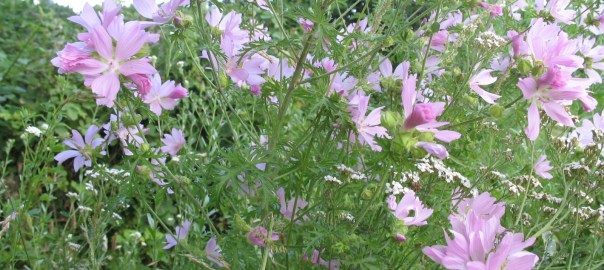
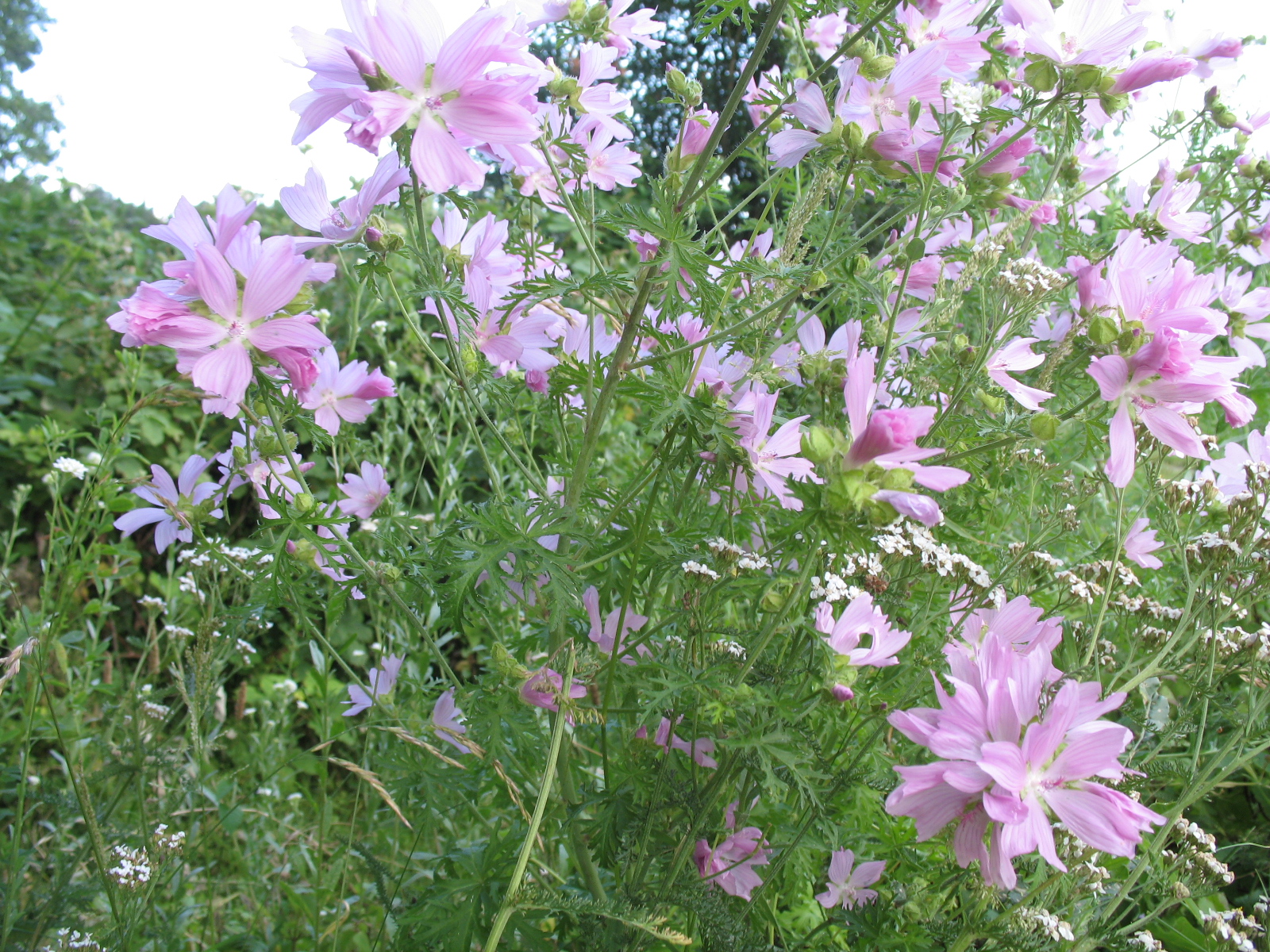
Musk Mallow (Malva moschata). Here’s an interesting link in Dutch, for some information about uses of this beautiful plant and also two similar looking ones, Marsh Mallow and Hollyhock.

365 Frankendael day 75

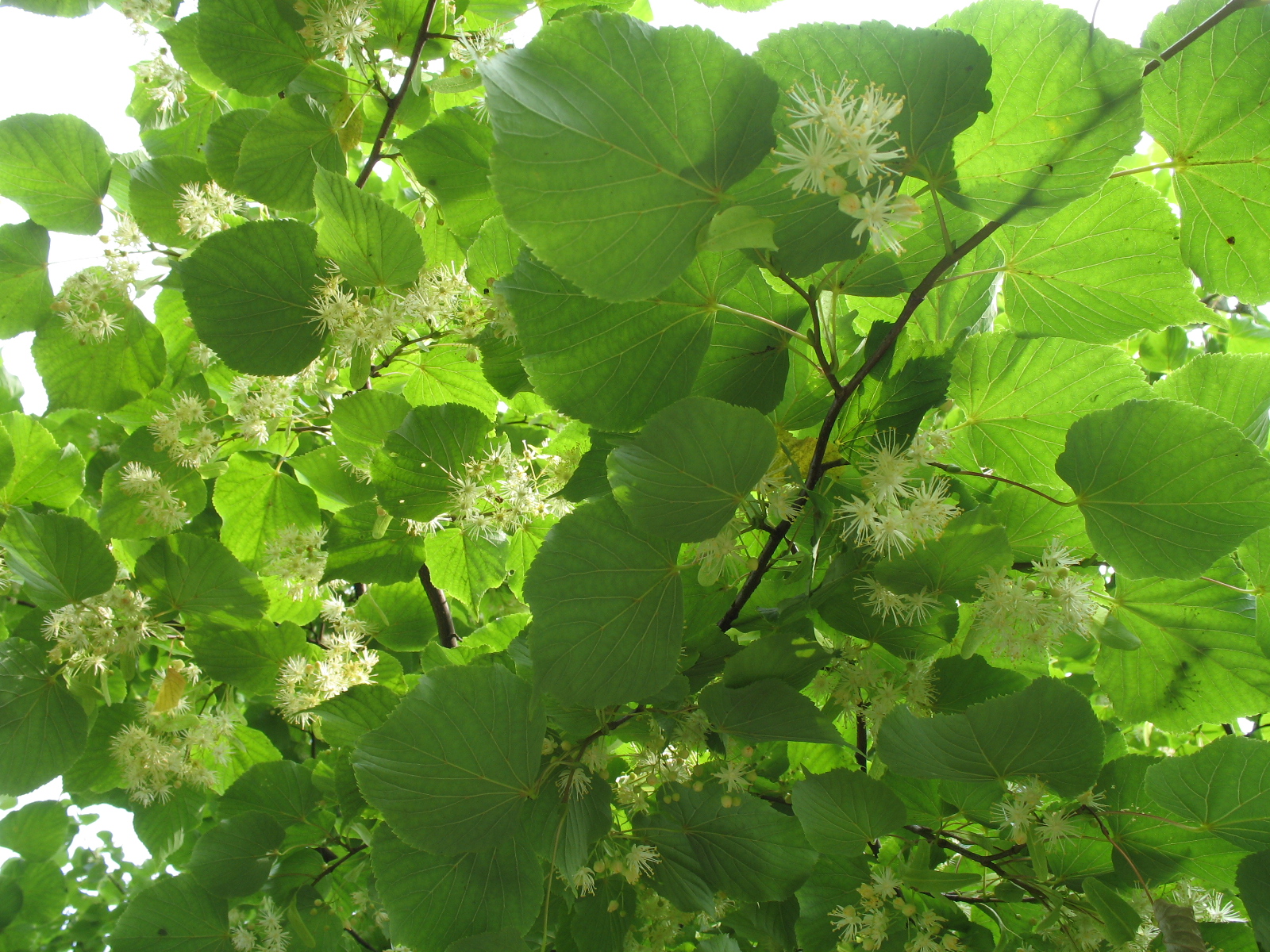
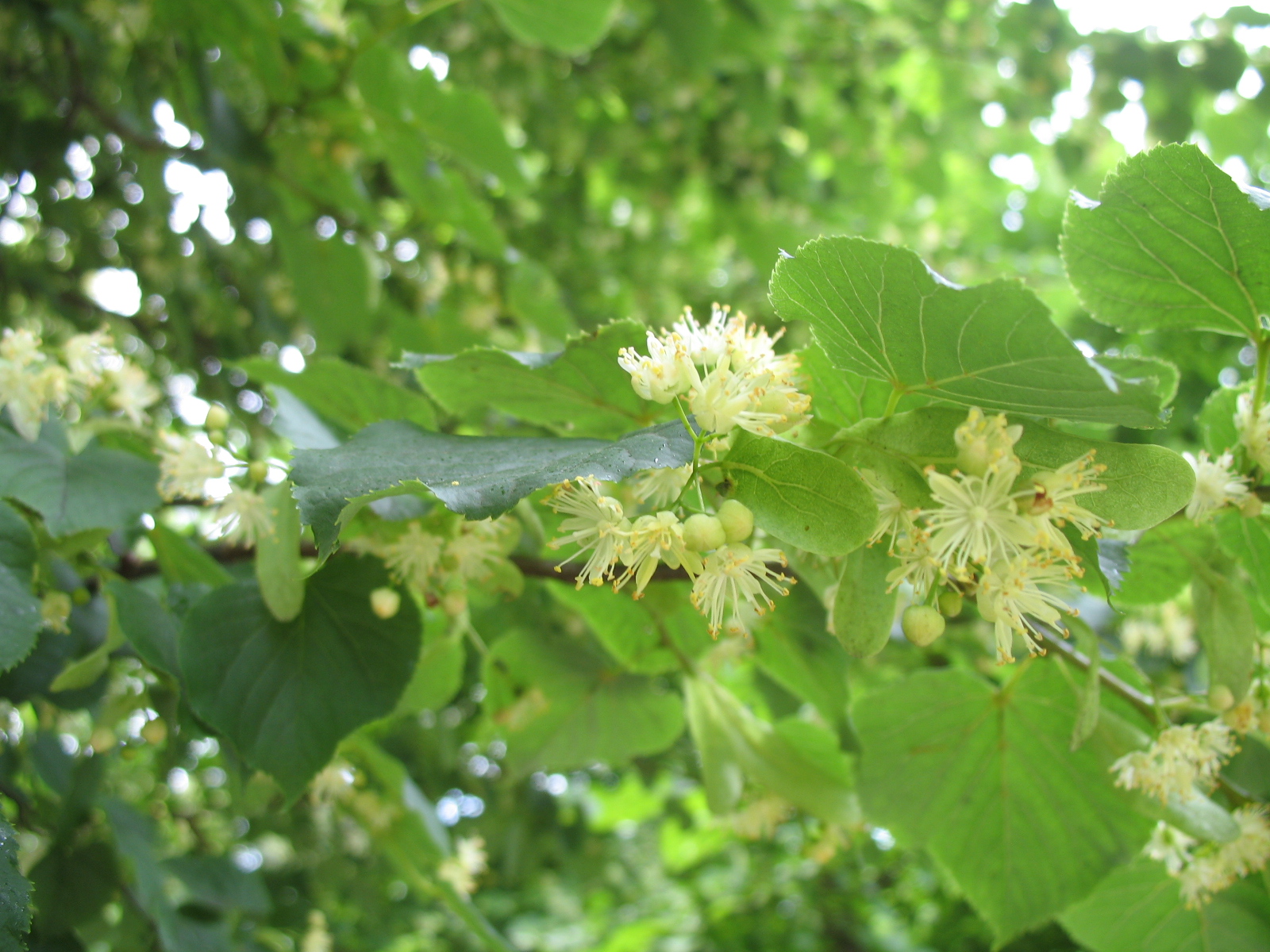
I went for an earlier walk in the park today and was rewarded by finding the freshest and most delicious Lime (Tilia) flowers that I have ever harvested.  Here’s the tree they came from.  I turned them into a tea and shared it with the painters and my little girl.  Lime tea is especially good on a warm summer day like today. It is cooling and refreshing.

Here’s a neighbouring Tilia tree in the park. It must be a different variety as everything about it is a little smaller than most Tilia in the park and the the leaves are a little darker.  The flowers are also placed slightly differently on the twigs. I don’t know so much about the different varieties but I do know that Tilia tastes good and is very beneficial.

Next is a harmonious grassland combination of Plantain, Yarrow and Red clover in bloom.  I set off today hoping to find enough Yarrow to make a tick-deterring tincture. I got rather side tracked by other herbs and in the end, didn’t notice enough to harvest. So instead of tincturing, two flower stalks are brightening up a small vase on my dining table.  It’s good to remember just how many ways there are to benefit from flowers.

Here are two of my favourite things, my little girl and a huge Brassica plant.  As with most naturalised and wild brassicas, all parts are edible and quite strong tasting. Just a carefully picked leaf or two should liven up a meal.  (Thanks Jennie for correcting me on this one, I thought it was Wild Cabbage but that only grows near the coasts on chalky soil). This one may be Rapseed (Brassica napus). My friend Jennie Akse is running a herb walk focused on edible yellow flowering plants, around in Amsterdam at present.  Have a look at the Meetup group for details.

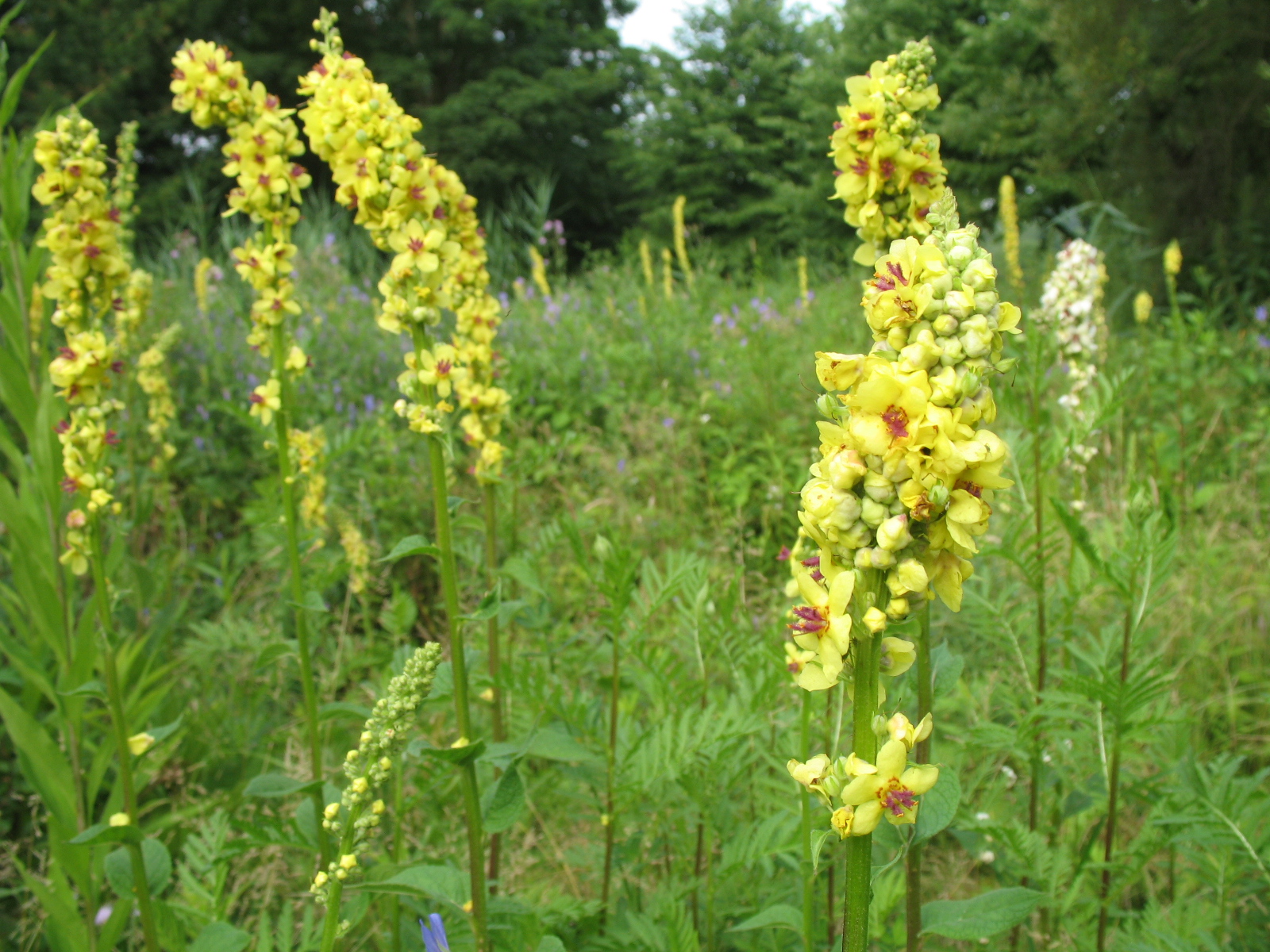
Here is a herb that I find quite wondrous, Dark Mullein (Verbascum nigrum). Useful for many disorders, such as lung weakness and infection and most popular, I think, as an ear infection remedy.

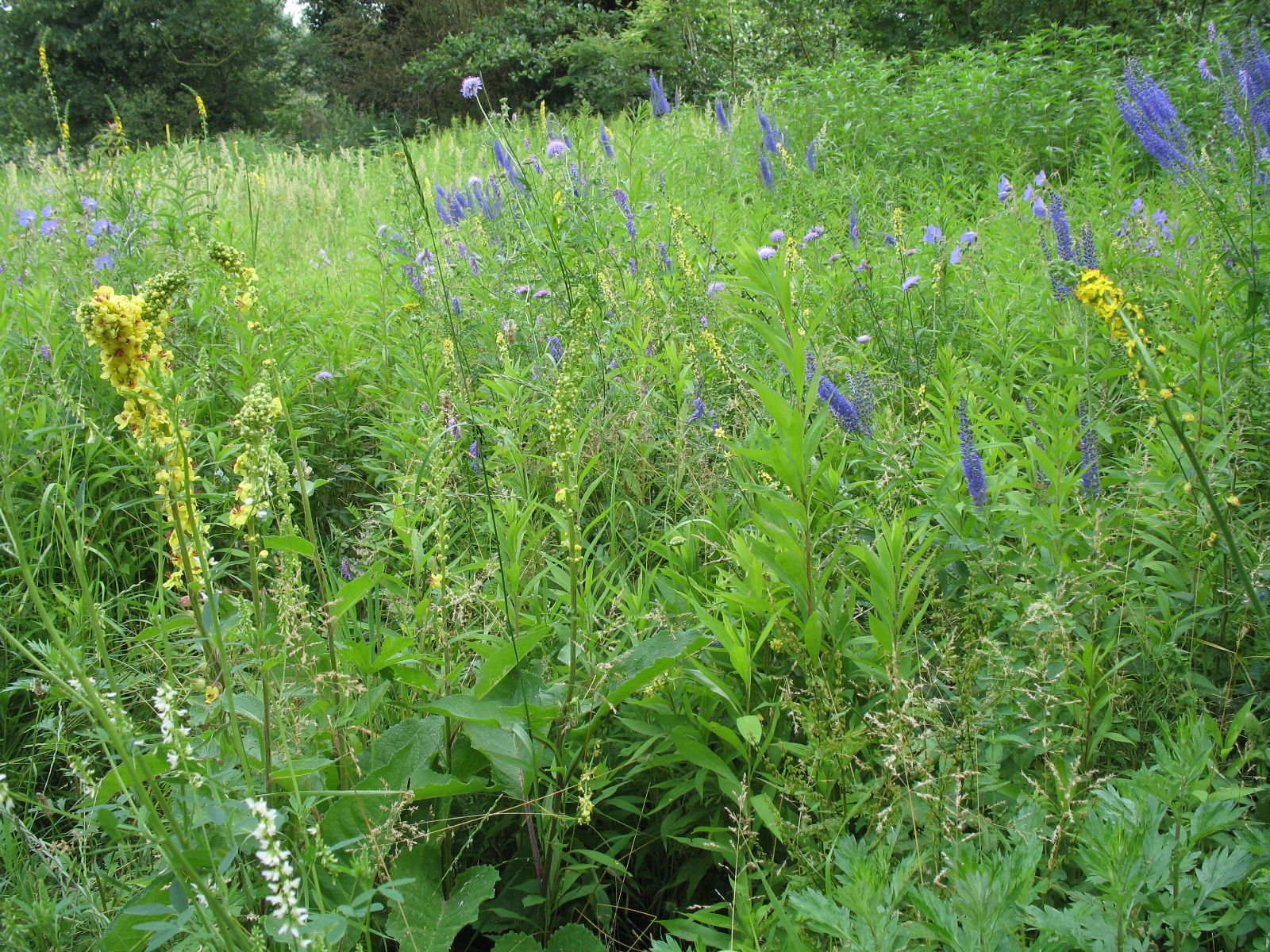
Next up today is another herbal harmony, Veronica‘s towering blue spires mixed with more Mullien, Mugwort and Agrimony.

Here are some striking and Poisonous Lilies, in the formal garden behind Frankendael Huis and Merkelbach.  I add this photo because yesterday I featured the very edible Daylily (Hemerocallis fulva), which can look very similar to the uninitiated.  All parts of Lily are toxic. I have never thought about eating this type of plant but I find the pollen, when trapped in a living room with it for instance, very irritating.

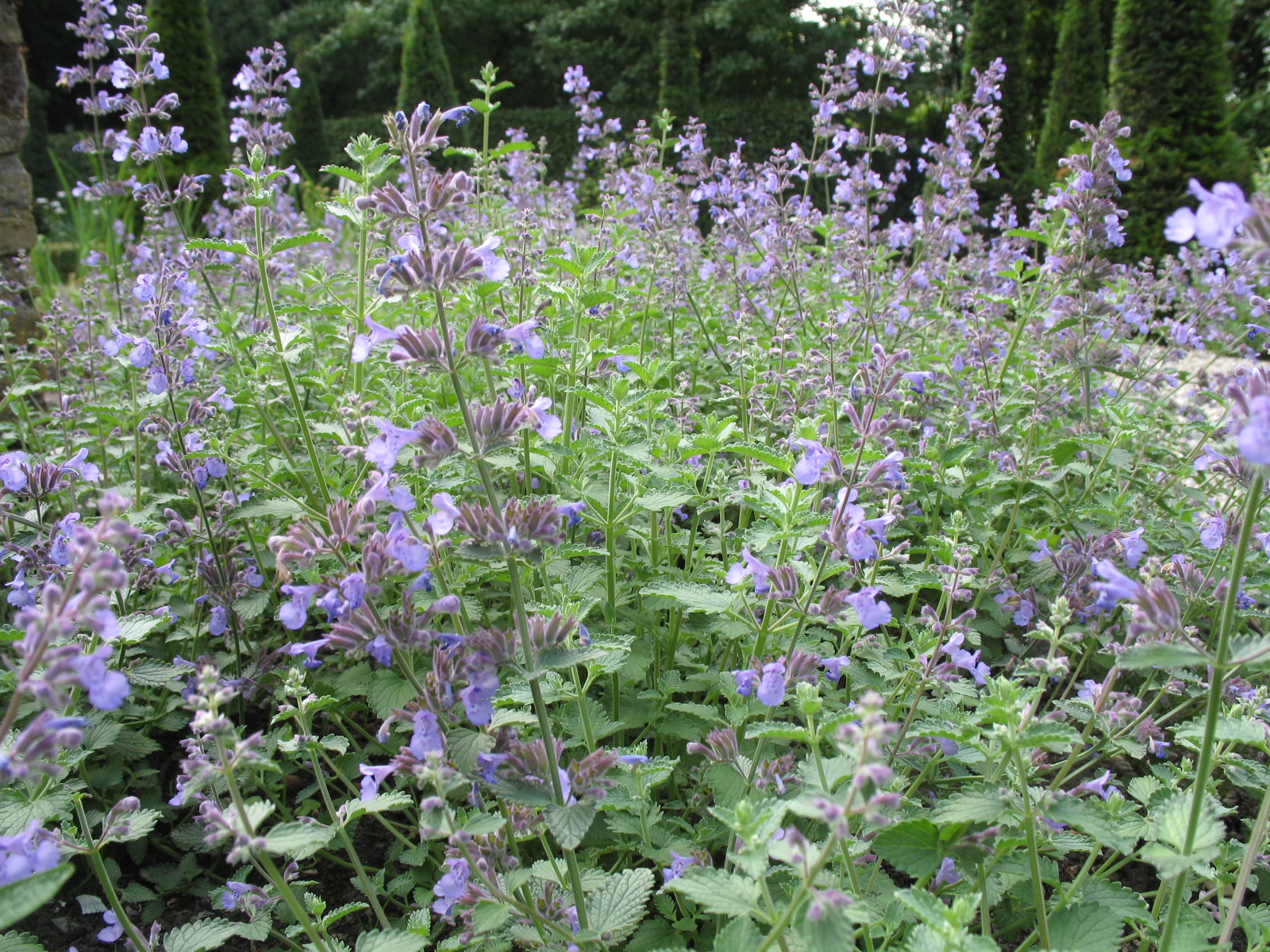
Here is Catnip (Nepta sp). A member of the mint family, it can be used in similar refreshing ways. I like to make a sinus blasting pesto with it sometimes. It has many uses and is quite easy to grow.  Many will already know about cat’s affinity to this herb.  Some love it and find it quite a turn on, others seem to lack receptivity to it and many show more of a loved-up reaction to Valerian.

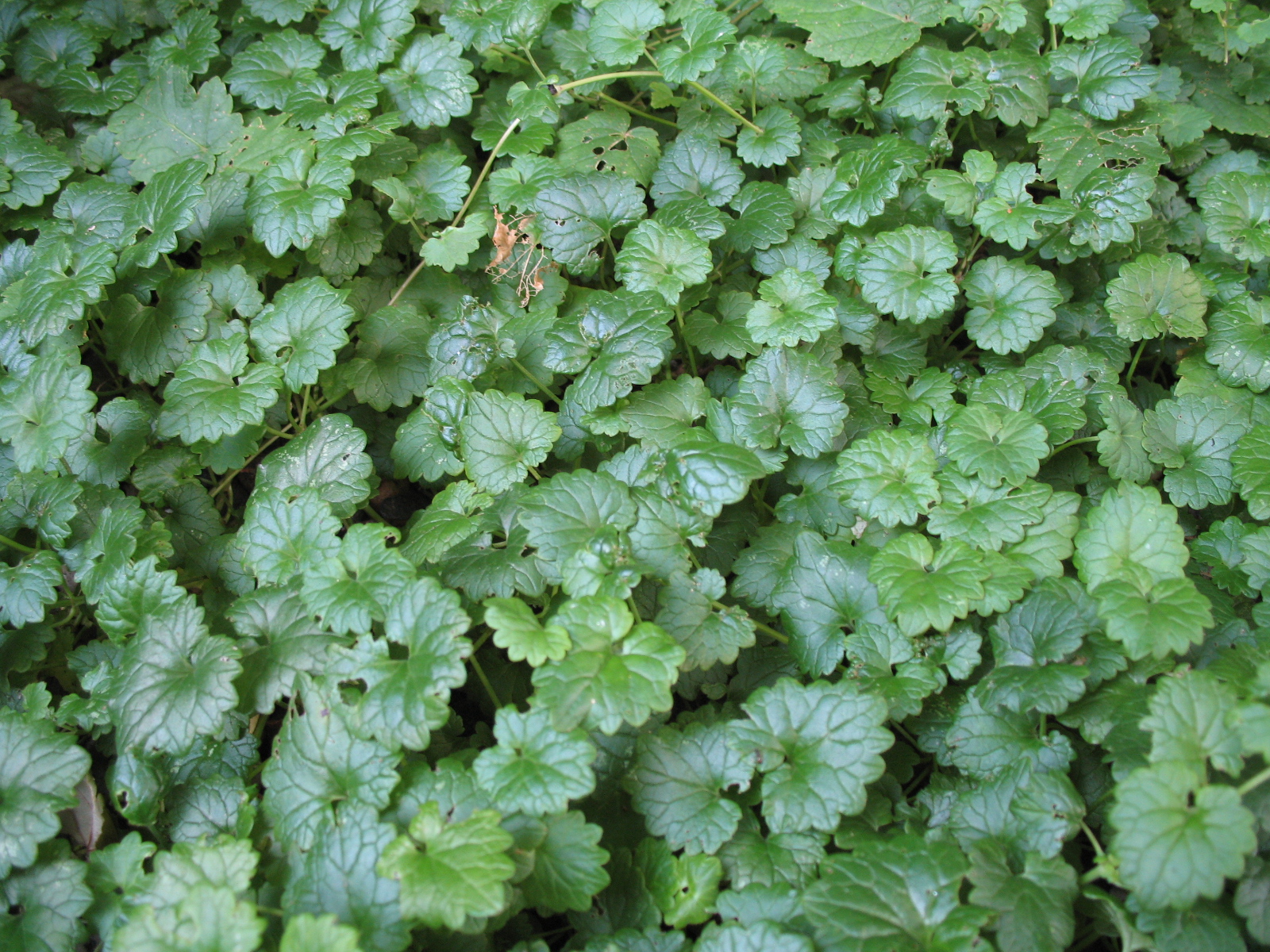
Another minty wonder is shown below, the often overlooked and trampled Ground Ivy (Glechoma hederacea). The pretty purple flower spikes are gone from most of the plants now but just look at that rich foliage! Now is a good time to harvest and use it or dry it for the winter. But why bother when this ground covering  plant is around all year long?

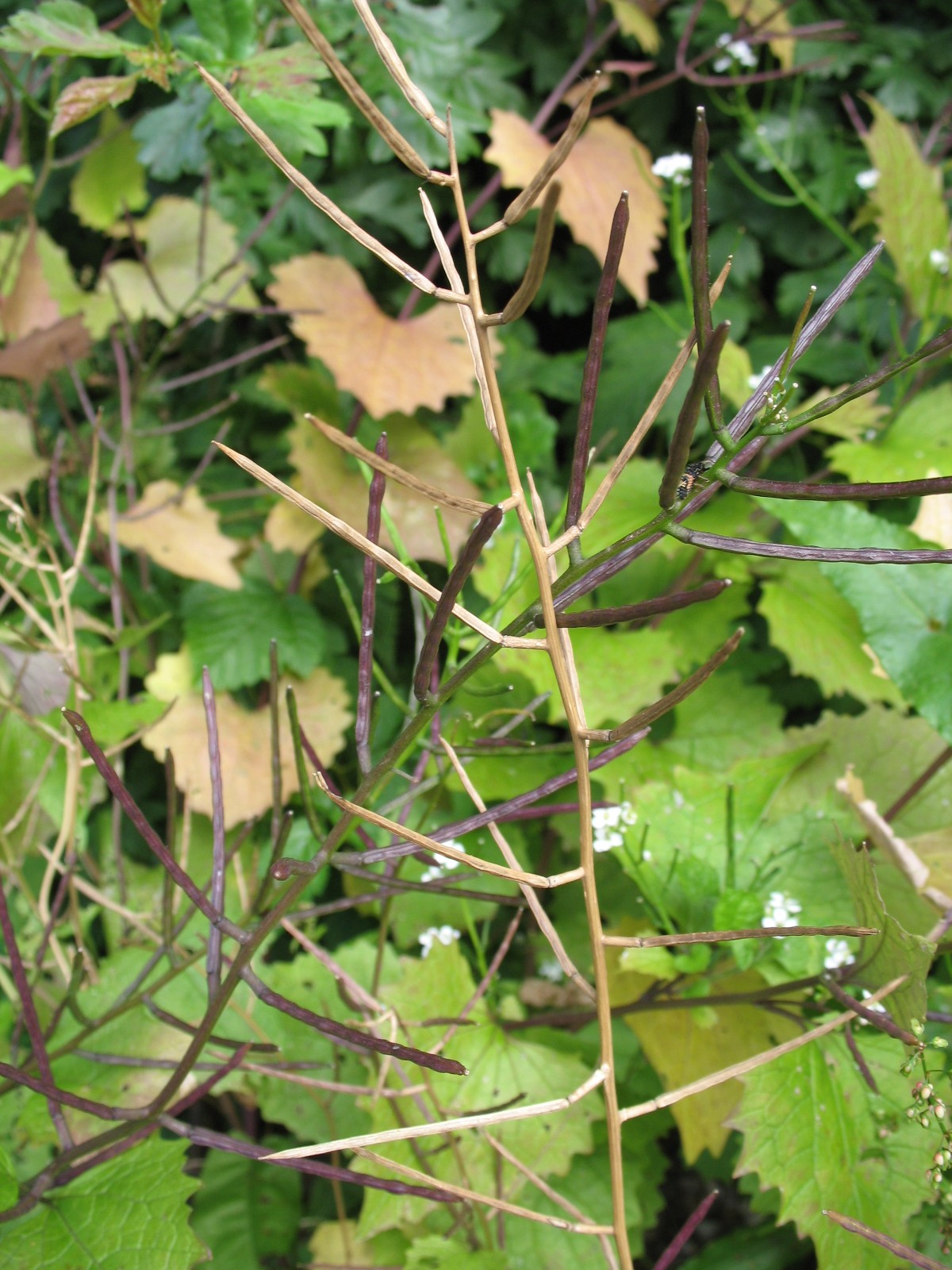
Next is a delicious Garlic Mustard plant (Alliaria petiolata), showing different stages of seed pod development. This is a wonderfully tasty herb to add to all sorts of cooking.  It is also great used as a salad leaf or flower.  Looking at these seed pods reminds me of why it’s a pity to harvest the flowers of this super biennial.  Less flowers, less seeds, less plants next year.

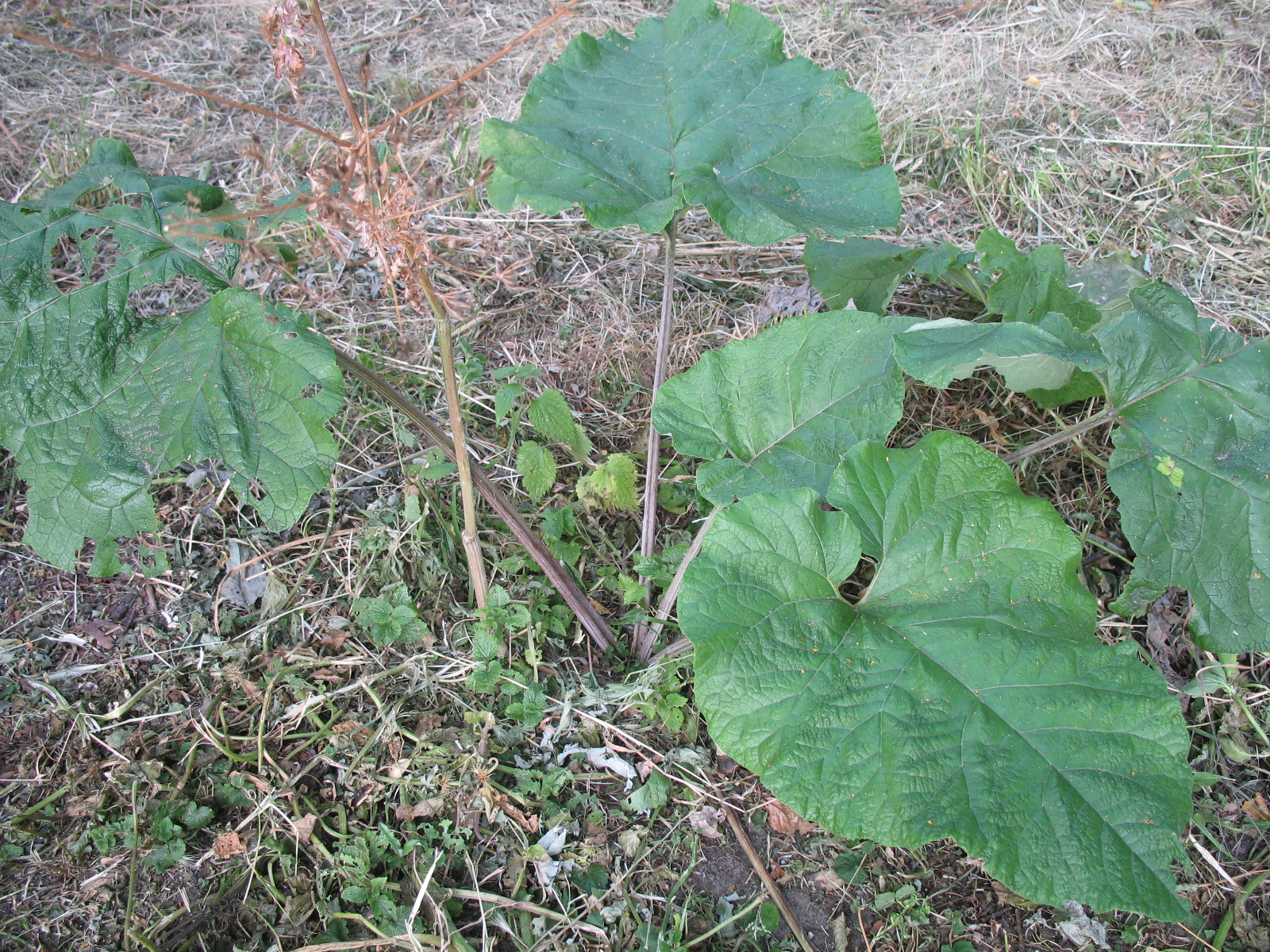
Next is a large plant which I’ve been hunting for some time – a first year Burdock (Arctium lappa), ripe for root harvesting.  It seemed that all the Burdock in Amsterdam were second years, in bloom and not very nutritious or medicinal.  Now that the council have mowed some patches of the park, some first year Burdock have been kindly left to develop.  I won’t be digging this plant up but it’s good to see it and be reassured that a first year plant is easy to identify.

Lastly today, a type of Hyssop (Hyssopus sp.).  I used this plant quite a lot last year, it is very aromatic and makes good tea. I’ll have a careful look at this one again soon to identify it fully.

365 Frankendael day 74


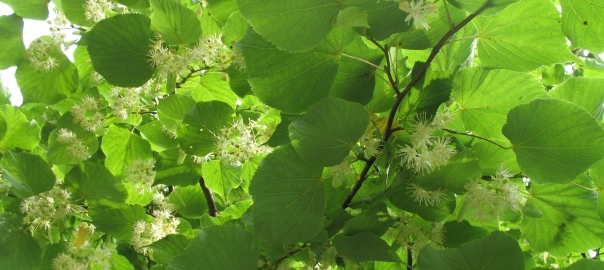
Lots of edibles but not much time to photograph them today. Here’s a photo of a smart young Tilia, Lime or Linden tree growing on the edge of the park. I just wanted to mention that the trees are still very much in flower and the flowers are very tasty and easy to dry for later use. Tilia is nothing to do with citrus Lime, although many find it a very refreshing herb. Here’s my previous post about Lime and it’s uses.


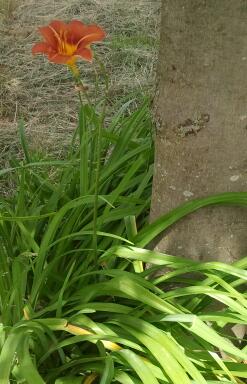
Next is Daylilies (Hemerocallis fulva) a flowering plant that looks too dramatic to be wild or edible and yet it is quite a forager’s favourite. Please be aware that regular lilies are definately not edible. Day lilies are different. I haven’t yet tried them and hope to later this week. Here are a few links which you may like to peruse if you have mind to harvest and eat some…

Susun Weed, Lily family article
Dining on Daylilies
Eat the weeds article

365 Frankendael day 73

I caught the bus to work this morning and was able to check out my usual Fat Hen (Lamb’s Quarters, Chenopodium album) and Mugwort (Artemisia vulgaris) collection spot. Here it is, a few days post council mowing. Fortunately there are lots of intact Mugwort plants in adjacent unmowed areas but the Fat Hen is no more. I’ll keep my eyes open for another patch of them as I really enjoy their flavour.

Here is poisonous White Bryony (Bryonia alba), flowering faintly as it grows over a hearty looking Bramble. I didn’t have much time for photos today so thought I’d look up the uses of White Bryony in one of my favorite old herbals – Mrs M. Grieve’s Modern Herbal. The link above is from a useful online version of that book. It was used historically as a purgative for people, cattle and horses. It is a powerful irritant and cathartic, i.e. it makes people throw up very violently and is not a plant to be dabbled with. I love the reference in the book to scoundrels of old, digging up the roots and placing them in moulds to allow them to grow into imitation Mandrake roots. If only their modern day counterparts had that much skill with plants! I really like the look of this plant and if I didn’t have a child or cat in my home I’d probably harvest some and use it in some way, but certainly not internally. All parts of the plant are poisonous.
Canalside Herb Walk

Walk with me along Central Amsterdam canals and the Amstel. Find and learn about how to identify, harvest and safetly use many common plants, for food and simple remedies.

Inner cities are often thought of as fairly plant-barren areas but in fact they often have a richer variety of plants than many countryside areas. Amsterdam centrum certainly has lots of foragable plants and I’d like to show you some of them.

We’ll begin on the Magere Brug and walk along, seeing what we can find, probably towards Plantage Middenlaan and de Hortus Botanicus area.

You can bring your bike along with you but I think that walking along will be simpler and you’ll have a greater chance to touch and photograph the plants.

By learning about the plants during this walk, you’ll build your knowledge of the edibles which may grow near your home. I don’t expect you’ll usually want to harvest and eat herbs from busy streets but you will learn how to find them in clean locations and how to welcome them, when they find their way into your balcony and front door planters.

Booking is essential, if you would like to join me. Please contact me directly via lynn.shore@gmail.com or via the meetup group.

Cost – €8 per person.
Maximum 12 walkers
Start location – Magere Brug (Skinny Bridge, over Amstel, by Kerkstraat).
Timing: 13:00 – 15:00