Category Archives: Herbs

Autumn Street Treats and Tricks

The past few weeks have seen a bounty of free street food falling from trees in Amsterdam. I’ve been enjoying Hazelnuts, Hawthorn berries & Sloes (plucked rather than fallen) and Sweet chestnuts – all absolutely delicious when prepared! The nuts and fruit are still there for the taking in many places but if you have trouble identifying these, keep your eyes open for fallen orange Gingko fruit, falling to the ground from mature female trees. See here how to harvest, prep and eat them and feel free to join me for a quick lunchtime forage in Oud Zuid, over the next couple of weeks.

image

Here above is Hawthorn (Crataegus monogyna) (NL: Eenstijlige meidoorn) in berry. This one is in a hedgerow of Frankendael park. I have mostly been cooking them like this:
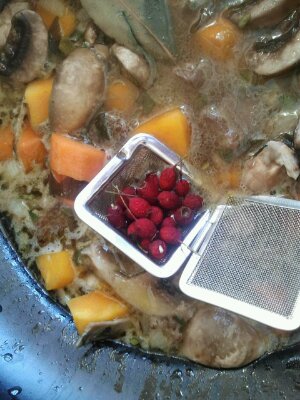
hawthorn infused casserole

I infuse them into casseroles, using a stainless steel tea infuser. It gives a mild boost to the food and avoids me having to deal with the inedible pips. Ripe Haws taste a rather similar to bruised apples. Taste aside, they are reported to have many health benefits.
image

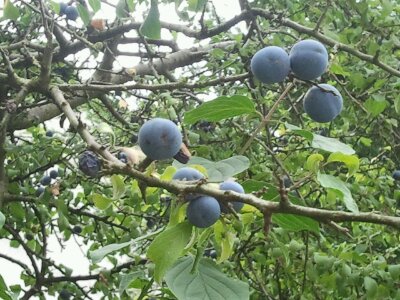
These are plump plum-like edible fruit which look similar to Sloes (which come from the well known Blackthorn tree (Prunus spinosa) (NL:Sleedoorn)). This shrub is growing in the hedgerow of a local playground and it looks more like a Bullace than a Blackthorn. The fruit are larger and the leaves larger and slightly more smooth. Whatever their exact identity, they are of the Prunus species and they tasted good when ripe.
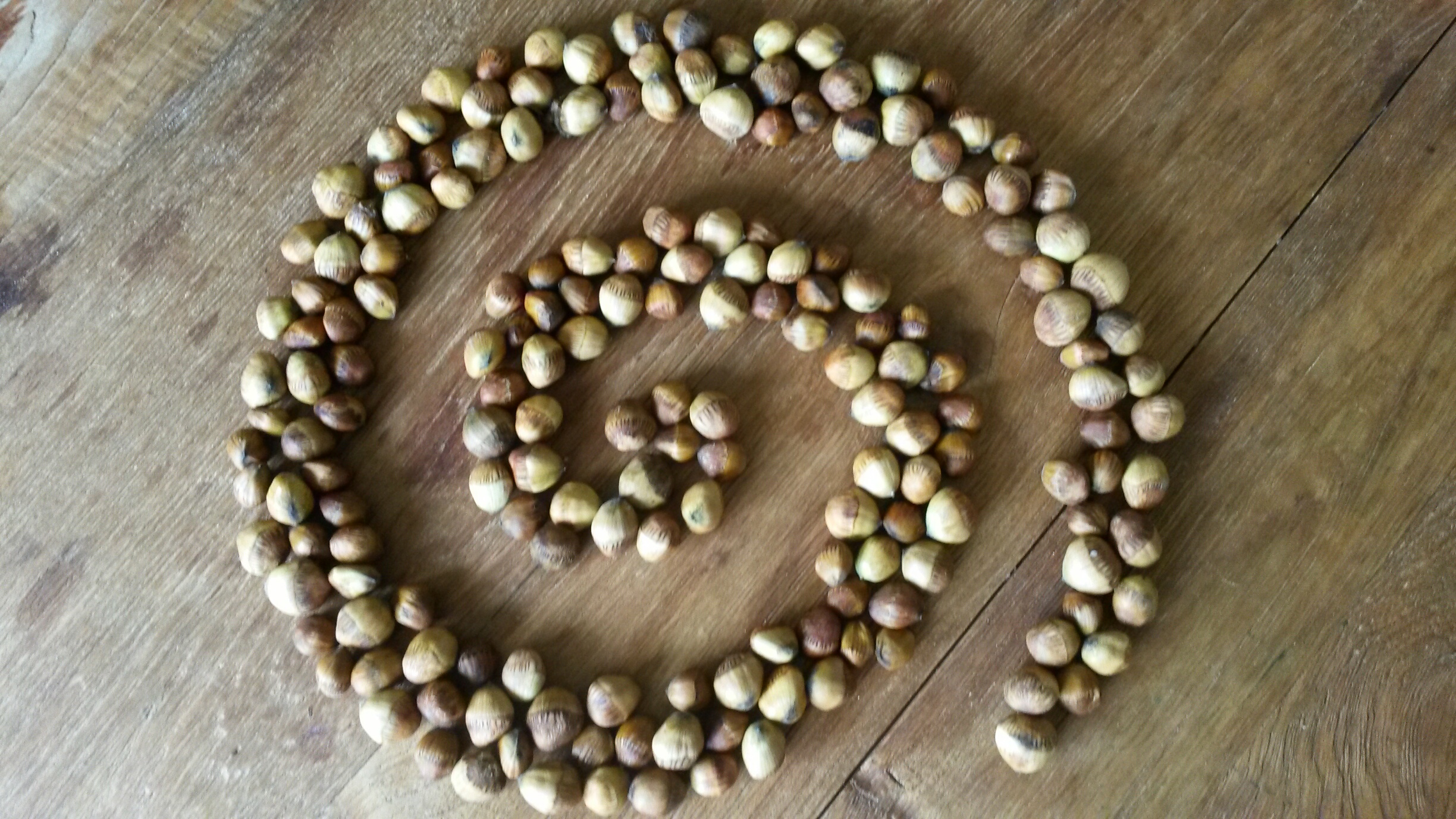
Turkish Hazelnut Spiral
Turkish Hazelnuts (Corylus colurna) (NL: Boomhazelaar). Larger nuts than the usual multistemmed Hazel (and I haven’t had a blank yet, unlike with the others). I’ve been harvesting lots this year from Pythagorasstraat in Amsterdam Oost Watergraafsmeer. This tree species is used commonly as a street tree in cities, it is very tolerant of harsh growing conditions and doesn’t grow those multiple stems so can be kept easily under control in treepits.
Turkish Hazelnut Case

What a wonderful gift from the Amsterdam town planners!

drying washed Turkish hazelnuts

cracked Turkish Hazelnut

If you are lucky and find some on the ground either within or popped out from these extravagant nut cases, take them home and give them a good wash before drying the surface of the nuts and then get cracking! You can use them straight away as a snack, roast them (when the shell is off) or blend them to make a nut milk, pesto etc. How about mixing them with some cocoa or carob powder and honey to create some choc/carob nut spread? Yum!

And now for the deadly tricks…
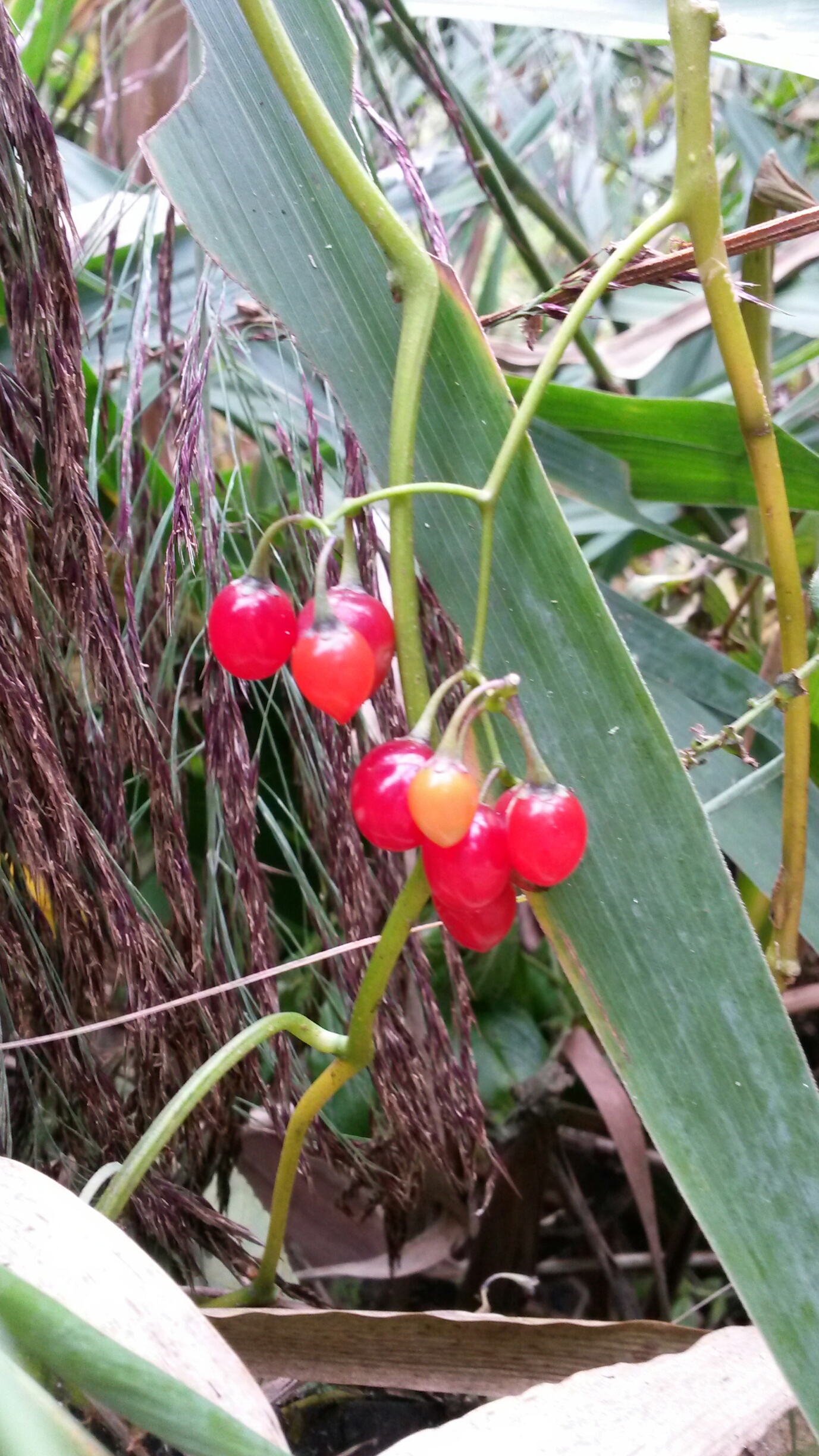
bittersweet

These pretty tiny tomato like berries are the fruits of poisonous Bittersweet (Solanum dulcamara) (NL: Bitterzoet). Please note that in the US there is another plant called Bittersweet which is quite unrelated. The one in my photograph here above is a member of the Nightshade family and I wasn’t able to get a decent shot of the leaves but they resemble a potato leaf rather than the long blade seen next to the berries (see the link for a clearer idea and better still, look in a good field guide!)

Yew berries
A female Yew tree (Taxus baccata) NL: Venijnboom, laden with beautiful red fruit. The soft slimey flesh is actually edible BUT the seed within each red fruit is deadly poisonous.

Fly agaric Frankendael Park Amsterdam

Another red and poisonous autumn beauty, Fly agaric toadstool (Amanita muscaria) (NL: Vleigenzwam). It is also psychoactive. These two were growing in Park Frankendael last week. There seem to been quite a flush of them across northern Europe recently.

Sandy Edibles at Magneet Festival

Magneet Festival site 2013

Here is a taster of the edible and amazing plants which can be found at the sandy Magneet Festival site, in Amsterdam Oost. This is Evening Primrose (Oenothera sp.) NL: Teunisbloem, a useful and tasty plant.

Evening Primrose Magneet Festival

I was asked to lead a foraging walk each weekend, throughout the duration of the month long festival, by the Mobiation Project. This is their home, the Mobi-01. They slowly move around vacant spaces of Amsterdam, living sustainably, in this self made residence. The Mobiators were asked to run the Green Zone of the Magneet Festival this year and have organised a great selection of workshops and events. You can learn how to make solar dryers, solar heaters and many other things from the Green Zone this year. It is really inspiring and well worth a visit. Here’s their Facebook link.

Mobiation Project Mobi-01 Magneet Festival 2013

So each Sunday that the festival is on, I’m giving free guided walks at 4pm, from Mobi-01 in the Green Zone. I’m showing interested people what can be found growing in the sand. At first glance there is not much of green interest but if you look closely you will find treats such as…

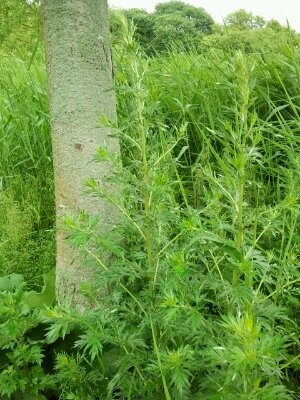
Mugwort (Artemisia vulgaris) NL: Bijvoet
Mugwort

Wild Rocket (Diplotaxis tenuifolia) NL: Wilde Rucola
Wild Rocket at Magneet Festival

We found many other edible plant species growing in the sand. Burdock (Arctium lappa) NL: Grote Klit. was the biggest surprise for me, I haven’t found it in such a pure sand location previously.

Magneet Festival 2013
Next week I’ll be taking along some local edible plant seeds and wild flower seedbombs, to plant during the walk. It would be great to see a few other plant species find their feet in this unusual site.


Rose petal and Mugwort Elixir

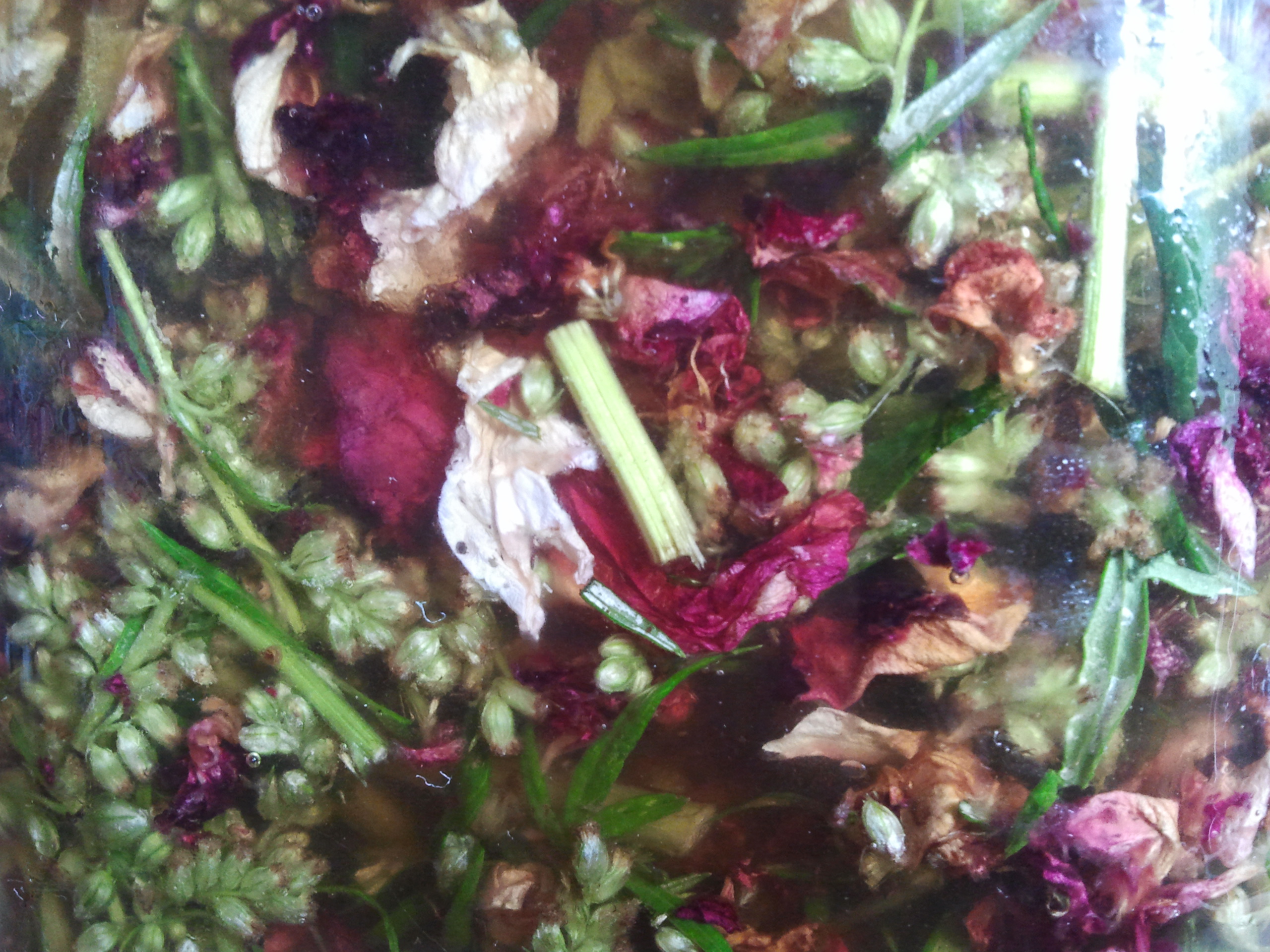
rose and mugwort elixir

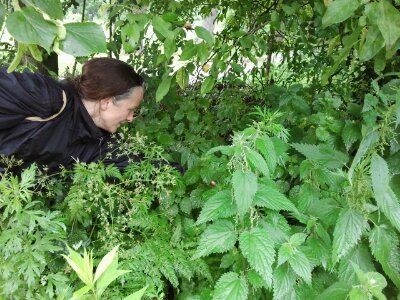
This morning was an Oak Apprenticeship meeting and this afternoon, a walking-cooking magazine interview. Mugwort (Artemisia vulgaris) was a welcome participant at both gatherings. This common urban herb offers a plethora of uses and is currently flowering here in Amsterdam.

Mugwort has a strong aromatic taste and is not the easiest herb to eat raw. The leaves are full of a strong fibre which is almost impossible to chew through when eaten raw. These fibres are used to prepare the Moxa of Chinese Traditional Medicine. In summary Mugwort is a warming herb, a women’s ally, encouraging menstruation, may ease period pains and is a warm soother or muscle tension and pain. It makes a simple and useful infused muscle rub oil and even simpler, a foot soak, when infused in water. The tea is unusual to some but is tasty and not unpalatable. It can be used to deter insects. A protective herb. This is the abundant urban herb of dreams, scrying and prophecy. Seek it out in flower, to enjoy the peak of it’s spiritual powers. In bud and in flower, it is also easier to prepare for cooking (although this is not the best time to harvest for cooking). You can simply push the little flowers from the stems and sprinkle them into cooking.

Mugwort is in the Asteraceae family.  It is sister to Wormwood (Artemisia absinthum), Southernwood (Artemisia abrotanum) and Tarragon (Artemisia dracunculus) to name but a few. Mugwort is thought to unsafe during pregnancy and should only be used in small culinary quantities, watching for sensitivities, by others. Here’s a link regarding some known side effects and drug interactions.

Mugwort and Rosepetal Elixir

Today I harvested plenty flowering tops of Mugwort and used them to make tea and a simple savoury dish. I then hung some on my willow rack to dry for out of season use and made the rest into this delicious elixir…

Mugwort and Rose petal Elixir
1. Harvest a few flowering tops of Mugwort, gather about the same amount of clean, unsprayed Rose petals (I used dried purple petals today, from Jacob Hooy). Lay out any fresh herbs for a while to allow resident bugs to crawl safely away.
2. Chop the Mugwort and if necessary, separate the rose petals from their flowers (if using fresh roses).
3. Place the prepared herbs in a suitable clean glass jar, where they will take up approximately half the space.
4. Cover the herbs with runny honey.
5. Use a chopstick to distribute the honey more evenly over the herbs.
6. Now fill the remainder of the jar with Brandy (or another strong spirit of your choice).
7. Cover the jar with a well-fitting lid, label and leave the contents to infuse for four to six weeks or more.
8. Strain, bottle and label the resulting Elixir.
9. Use in very small quantities, as an occasional alcoholic, heart and spirit warming elixir.

Photo credit: Van Gogh Museum

You will have a chance to taste this Elixir at the second of my Friday Nights at the Van Gogh Museum, on 30th August. The honey for making the preparations at these events, was generously donated by deTraay and the dried herbs by Jacob Hooy. If you have Facebook or not, check out this link to see Van Gogh Museum photos from the event on Friday 2nd August – it was a lot of fun! More information about the plants and where they will go here.


Van Gogh Tickets Competition

Almond blossom

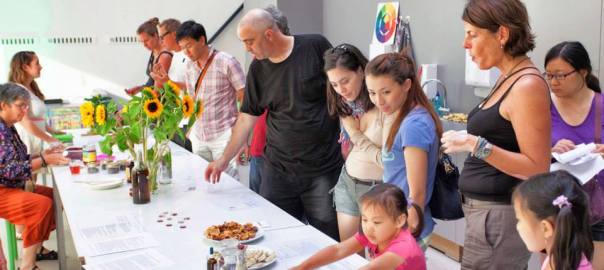
On the evenings of Friday 2nd and Friday 30th August, I’ll be inviting visitors of the Van Gogh Museum to learn about and taste some edible and mind altering plants, which Vincent van Gogh used. Myself and a few able assistants will be installed with a selection of his most inspiring plants, some snacks and drinks, in the Atelier (Workshop studio),  just inside the main museum entrance. Join us to sample some urban foraged delights, to learn how to make your own Absinthe, herbal honeys and other interesting things. I’ll give a couple of 15 minute presentations about the Edible Flowers of Van Gogh (7:15 pm) and the Mind Altering Plants of Van Gogh (8:15 pm). The rest of the time will be devoted to teaching individual visitors how to find and use local plants. Entrance is free to Museumjaarkaart holders and for everyone else it’s the usual museum entrance price. I’m giving away a couple of tickets: Read on to find out how to enter the ticket competition…

Mind Altering Plants of Van Gogh
The use and abuse of Absinthe, by Van Gogh and his freinds, is well known. Wormwood, an endangered but easy to grow plant, is the key ingredient in the drink. We’ll let you sample an easy to make alternative with great taste and far more uses than Absinthe. There are other common plants which had a huge impact on the creativity (and possibly the early grave) of Van Gogh. I’ll talk about them in the second presentation and we will have some of the featured plants for you to see close up.

Edible Flowers of Van GoghVincent_Willem_van_Gogh_127
Most of Van Gogh’s paintings feature plants and flowers of one kind or another. Although many were painted in a warmer climate, most grow here in the Netherlands and many can be foraged from our local parks and streets.  The presentation about Van Gogh’s edible flowers will highlight some beautiful, tasty and useful plants which feature in his work. The plants chosen are easy to find in Amsterdam and are easy to use. You will also learn the foraging rules for harvesting safely, ethically and legally and how to get involved with other foragers.

Eat, Drink and be Merry!
My home is currently full of foraged-flower honeys, strange urban brews and drying bunches of edible plants, just waiting for you to taste them at these August events.  You can find out how to make your own foraged treats, ask us questions about urban harvesting, watch the presentations or just hang around with the beautiful plants. As well as this part of the evenings, there will be music, video and other events going on throughout the museum. So please put the dates in your calander and come visit us at the Van Gogh museum, on the 2nd and 30th of August. And if you come along, remember to say hello!

Lynn Shore Urban Herbology Amsterdam
Photo credit: Grainne Quinn

Free Ticket Competition
To enter the competition for free tickets, please email me (lynn.shore@gmail.com) with the answer to one or both of these questions:

For Friday 2nd August:
Which plant is the main mind altering ingredient in Absinthe?

For Friday 30th August:
How old was Vincent van Gogh when he died?

Winners from those replying correctly, will be chosen at random on Wednesday 31st July and Wednesday 28th August. So if you enter, keep an eye on your email. I’ll post the winners names here also. They will need to turn up to the event with valid ID at a specific entrance, to claim the ticket.

Willow Apprenticeship Meeting

I met with my Willow Apprenticeship Group this afternoon and as usual had a wonderful and enriching time with them.

I took a few photos whilst we were out and about…

image

Skullcap (Sculletaria sp.) in the woods. It is best to harness the powers of this bitter labiate, actually at the plant. So take your tincture materials to the woods, harvest just enough, sparsely from across all of the Skullcap plants, in areas where it is abundant and set up your small tincture there and then. Otherwise the active constituents tend to change or evaporate. Either way, Skullcap loses potency hugely if you harvest, take it home then tincture.

image

Above is Plantain (Plantago major). Absolutely the best time to forage this healing and nutritious plant. It is easier to eat them if the ribs have been removed first. The leaves make a wonderfully soothing skin ointment. It combines well with leaves of Elder and Comfrey in such an ointment.

image

Above is a Verbascum sp. plant. Probably Mullien but we’ll check on it again when the flowers appear. A very useful plant. One traditional use for Mullein is to gradually fill a small jar with individual flowers and olive oil. Harvest only a tiny amount of what is available, leave lots of flowers for the bees and other pollinators! The oil is used by some to soothe earache. Another widely used application is infusing the whole flowering plant to treat allergies and chronic asthma.

image

Mugwort (Artemisia vulgaris). Not the most productive year for bushy Mugwort plants in Amsterdam. They are far more slender than usual but still taste great and are very potent at the moment.

image

Searching for Horehound (Marrubium vulgare) amongst Stinging Nettle (Urtica dioica) and Jerusalem artichoke (above).

image

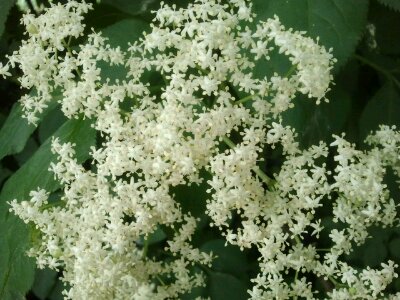
Elderflower. A superb year and so many uses!

image

Hedge woundwort (Stachys sylvatica). We found it full of bees. This has also been planted next to the bee hives of de Hortus Botanicus. Strongly scented, bristly, slightly sticky leaves which seem to ooze potency. This Woundwort had many historical uses and remains very useful today.

image

White deadnettle (Lamium album) amongst Ground Elder (Aegopodium podograria). Both are edible, delicious and useful for several conditions. Lamium album being especially useful for helping normalise females flows.

Lots more wonderful plants were spotted today and the time went by so quickly!

And some kitchen inspiration.

Photo credit: gulummse.blogspot.com

Come Rain or Shine

image

On Sunday, I took a large group of people around some cold, windy and weedy parts of Westerpark. Today a small group of us walked around the woods of park Frankendael in the sunshine and rain, before enjoying a warm drink in Restaurant Merkelbach.

Here are a few of the things we found and tasted on those walks…

Yellow deadnettle (NL:Gele dovenetel)
image

Urban Dandelion and Burdock honey (NL:Paardebloem en Grote Klis)

20130529-213655.jpg

Wild Garlic Bread Sticks.

Today’s group had the same bread but with Rosemary and roasted sesame seeds, mixed into the oil.

image

Comfrey NL: Smeerwortel (Symphytum x uplandicum), with it’s purple flowers, distinctive cucumber scent and taste alongside those winged leaf-stem joints.

image

Wild garlic (Allium ursinum) NL:Daslook.
image

Catnip NL: Kattenkruid (as also found in huge quantities, planted along side some Amsterdam roads)
image

Here is Ground Elder (Aegopodium podograria) NL:Zevenblad.
image

Skullcap (Sculletaria longifolium) before flowering.
image

Here is a lovely post by Whispering Earth, all about the beautiful Hawthorn tree, which some of us tinctured blossom from today.

image

Both the recent groups also received a packet of River of Herb treepit seedmix. I hope that everyone will find a few moments to plant them in the weeks to come.

I won’t be leading any more walks until mid July but on Midsummer’s day (June 21st, 4.30pm) I am organizing a free Lime blossom (NL:Linden, Tilia sp.) harvest in park Frankendael. Do come along if you would like to meet some other Urban Herbies or simply to learn a little more about this magical tree.

Let’s Make Hawthorn Tincture!

What a perfect day!

image

I finally found time this morning to have a leisurely wander through the woods of Frankendael, seeking out the most pleasantly scented Hawthorn (Crataegus monogyna) trees.

I was not disappointed! The flowers and leaves of this heart toning tree always taste good to me. Munched on a late spring walk, not much else lifts my spirits and makes me stand tall as does Hawthorn “bread and cheese”. But the flowers (the cheese) do vary in their tastiness, so if you want to capture their essence, it’s worth taking time to seek out the ones which really appeal to you.

Some of the flowers smell rather unpleasant, like cat pee, others are unscented because their insect-attracting job is done. Just a couple smelled sweetly, really sweetly, like vanilla rice pudding. Those smelled and tasted jaw-droppingly good! So guess which ones ended up in my tincture jar?

image

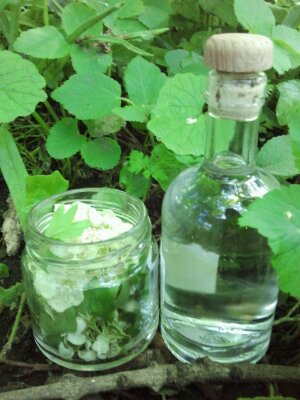
Equipt with a small bottle of vodka and a little glass jar, I made my tincture at the tree. To do it yourself, simply fill a jar well with carefully picked Hawthorn flower clusters and a few Hawthorn leaves (the bread). Then fill the jar again with vodka, brandy or whatever strong spirit you choose. Check that you fill all the way to the brim. Flowers exposed to any air will quickly spoil, they need to be completely submerged in the spirit. Check for bubbles of air and top up if needed.

image

I’ll leave my tincture like this, labelled, in a cupboard until the autumn, when I’ll strain the flowers and pour the liquid over a fresh jar of Hawthorn berries. Then after a further six weeks of infusing, my double Hawthorn tincture will be ready for use. It will be infused with the properties of Hawthorn leaves, flowers and berries.

If a regular few drops of that doesn’t warm, tone and open my heart through the depths of winter, then not much will!

image

I could use the simple flower tincture after six weeks infusion time but I have enough Hawthorn elixir in stock, to see me through summer and autumn so I shall wait. And we all know that the best things come to those who wait 🙂

Hawthorn is an age old preventaive and remedy for many types of heart disease. It is a heart tonic, offering as it were, food specific to the heart. It is used by many, alongside allopathic (conventional drug based) medicine such as betablockers but of course you should always consult a qualified medical herbalist if considering using it as a remedy for heart disease.

If you’d like to join me for a walk in the park, to learn about tasty and useful plants of Amsterdam, and to set up you’re poem tincture, why not sign up for tomorrow’s lunchtime forage?

Embrace Your Weeds!

image

Sunday 2nd June
3-5pm
Westerpark (Proef Restaurant to the Educational Garden)
€25 per person

There are so many incredible plants which we dismiss, dig-up or discard. We could do so much with these humble weeds, if only more people knew how!

image

This workshop with foraging walk will open your eyes to the wonders of the weed world! Together with Ann from City Plot Amsterdam, I will lead you from Proef restaurant in Westerpark through to the City Plot educational garden, right at the back of the park. We will wander through prime public foraging grounds on our way. When we get there, we will plant some of our weedy wonders in the River of Herbs section of the Educational Garden.

Bring (if you like):
Paper bags for foraged finds,
Flask of hot water, to make a herb tea
Hand trowel, if you have one,

image

I will tell you about medicinal, nourishing and historical uses of the plants and Ann will show how to make the most of them in the garden and kitchen.

You will receive a comprehensive colour handout, to help you at home and the chance to spend quality time with us and the weeds, in a small group. To book, please email me or click here.

image

The Educational Garden is an inspirational place: It has been divided into different mini gardens, from a Mushroom farm, Permaculture patch, Medicinals section to the River of Herbs meadow.

image

Proeftuin is maintained as an organic restaurant garden by City Plot.
Westerpark is big, bold and full of foraging spots!

Our walks and talks go ahead, unless there’s a hurricane overhead. So please come prepared to get stuck into our wonderful urban nature, whatever the weather.

20130523-133953.jpg

So whether you have a garden, a plant pot or like to forage, join us to discover how to find, identify and Embrace Your Weeds!

May Herbs Sauce

image

This herb sauce was the result of today’s rainy forage in Frankendael park.

image

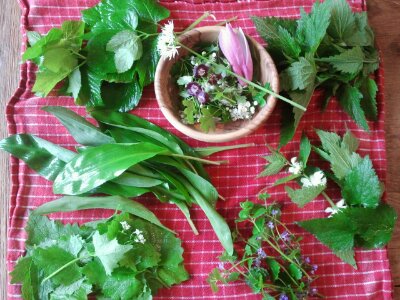
After a quick chat with the park warden who was chopping up a massive fallen tree, Livvy and I collected a little each of Ground elder (Aegopodium podograria), Wild garlic (Galium ursinum), Wild geranium (Geranium sp), Ground ivy (Glechoma hederaceae) and White deadnettle (Lamium alba).

image

I took those herbs (a small handful in all), chopped them, sweated them down in a pan over low heat, with a splash of water for 10 minutes, then added a little blue goats cheese and a desertspoon of sour cream. I them blended it all to a smooth sauce with a hand blender.

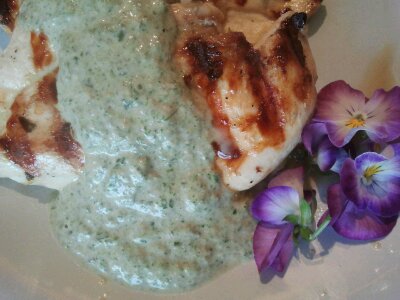
The result was very tasty indeed and the balcony harvest Pansies (Viola sp) also went down a treat!

On a less tasty notes: Here is patch of poisonous Lily of the Valley, growing in the park. Just notice how similar the leaves are to those of Wild garlic. The easiest way to distinguish them (apart from the flowers) is that Wild garlic smells very strongly of garlic and Lily of the Valley doesn’t.
image

Urban Dandelion and Burdock

Europe is awash with roaring Dandelions at the moment. They are standing proud and showing their wooly faces in parks, along roadsides, in fields and hedgerows. They also grow happily on my roof (and from there I harvest its leaves and roots) .

I love the taste of Dandelion and Burdock syrup, especially when mixed with water and drunk in the summer sunshine. Not many flavours remind me so fondly of my English childhood. But to make Dandelion and Burdock syrup, the roots of Burdock and leaves of Dandelion should be collected and boiled up with sugar water. I don’t use using sugar unless there is no other option and I don’t dig up Burdock roots. Roots tend to concentrate toxins, they are tough to dig up, fellow park visitors may pounce on me and tell me to stop and most of all, I’d like the plants to grow to maturity so that I may harvest the seeds and leaves.

Regarding the Dandelion leaves, I don’t ever harvest them in quantity from Amsterdam public spaces. They live on the plants for a long time, they get walked on and everything else you may like to think of happens on them, whereas the flowers are far more transient. I can more easily see if they are dirty, they only stay on the plant for a short time so are less open to pollution and I just love the sight of them in a jar of honey! Having said this, harvesting herbs from ground level in public spaces is always a bit of a risk, pollution is everywhere. But with syrups, a small amount is consumed in one go, the use of honey kills many bugs naturally and I feel that the benefits far outweigh the concerns. But that’s just me perhaps!

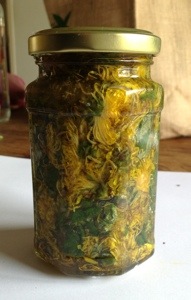
My version of Dandelion and Burdock simply requires honey, 20-30 fresh Dandelion flowers and a small Burdock leaf. That’s all. It has all the medicinal properties that Dandelion and Burdock plants offer, it is quick to make, tastes deliciously bitter-sweet and it keeps well.

20130510-164455.jpg

How to make Urban Dandelion and Burdock Syrup

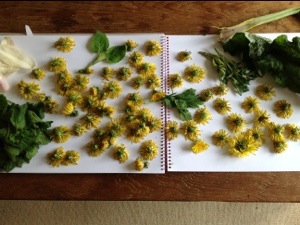
1. Harvest 20-30 clean, fresh and lively Dandelion heads from a clean area.
Harvest one young, equally vibrant Burdock leaf from a super-healthy looking plant.

2. Place your harvest on a clean white surface for about an hour, to allow any resident bugs time to crawl away.

3. Tear up the Burdock leaf and layer dandelion heads and burdock leaf in a medium sized (250ml) jam jar.

4. As you layer the herb, carefully spoon in runny honey. Poke around a little with a clean chopstick so that air bubbles are released.

5. Continue to layer herb, spoon in honey and prod with the chopstick until the jar is full.

6. Check for obvious air bubbles and prod some more. Top up with honey (right to the lid) and secure with a well fitting lid.

20130510-164708.jpg

7. Leave to stand and infuse for at least three days.

8. Use as it is, as a toast spread or strain (or not) and use as a syrup base for refreshing summer drinks.

Bitter-sweet yum! It taste’s of the English summers of my childhood. We’ll try it on the Pluck Your Lunch! forage this Sunday