Category Archives: Perennial herbs

Japanese knotweed

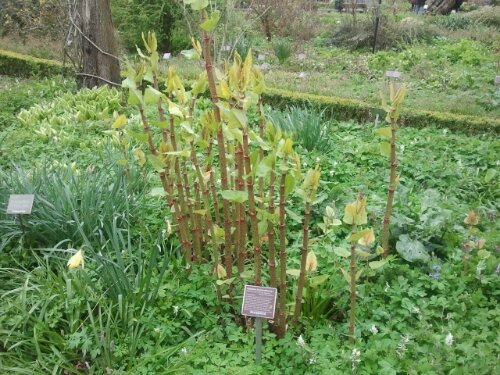
Japanese knotweed (polygonum cuspidatum) is an extremely invasive non-indigenous plant and gardeners who know it are generally distressed to find it on their patch. However, today I spotted this deliberately positioned specimen, growing happily in the Hortus Botanicus, Amsterdam. It’s even got an identification plate!

I once saw Japanese knotweed growing into a house which was being auctioned, yes into it, through the walls and under the floor! Needless to say, I didn’t make an offer to buy the place.

Seeing the plant reminded me that it is edible and apparently rather tasty too. According to the late Maida Silverman in her book, A City Herbal, it can be harvested and eaten in the same way as bamboo shoots, at this time of year. New York forager Steve Brill seems to like it, likening it’s taste to rhubarb. He also mentions it’s suitability as a companion plant, due to pesticide qualities. Personally, I don’t find the plant calls me to try it and I worry that by harvesting young shoots, the plant would further proliferate, in an attempt to survive. I hope I’m wrong because there is plenty of this plant growing in Amsterdam and I do love rhubarb crumble! What a great foraging plant this could be.

I’d love to hear from anyone who has tasted this plant. It is said to be quite tender, when cooked and to act as a gentle laxative. I’m also keen to know if harvesting, without pulling up the roots, would increase the plant’s chances of survival.

I wrote to Steve Brill about the harvesting issue. Here’s his reply…

On Apr 18, 2012 1:16 AM, “Steve Brill” wrote:
>
> Hi Lynn,
>
> Thanks for writing. As far as I can tell, it spreads wherever it can whether or not it’s harvested.
>
> Happy Foraging!
>

So knotweed crumble, here I come!

Sprouting Chayote

I’m coming out of hibernation to ask if anyone has experience of growing a vegetable called Chayote, in Northern Europe or a similar climate.

I was given a plentiful supply of Chayote whilst on holiday in Tenerife recently.  They are a member of the cucumber/squash family and in Tenerife most small holdings and vegetable plots have a large permanent frame erected purely for this plant.  Chayote are apparently quite medicinal and are used widely in the Canary islands in everyday cooking and as a tonic for children.  They are popular in many tropical and subtropical cultures, including Mexico where they apparently form a staple part of the diet.

Since returning from holiday with half a dozen chayote, I haven’t been able to find much information about their medicinal properties but I have found information about how to grow them. I am going to have a go at growing them here in Amsterdam; two are sprouting healthily in my fruit bowl and according to the instructions linked here in a 1980 article from Mother Earth News, they may even produce a crop!  Chayote don’t form hard dry seeds, instead they sprout directly from the centre of the fruit and when the sprout is about 6 inches long, the whole thing can be planted in a pot.

So I am really keen to know if anyone has experience of growing this medicinal tropical perennial vegetable in a climate such as this.  Please email me directly if you have…

Last Chance Ramson Pesto (Wild Garlic, NL:Daslook)

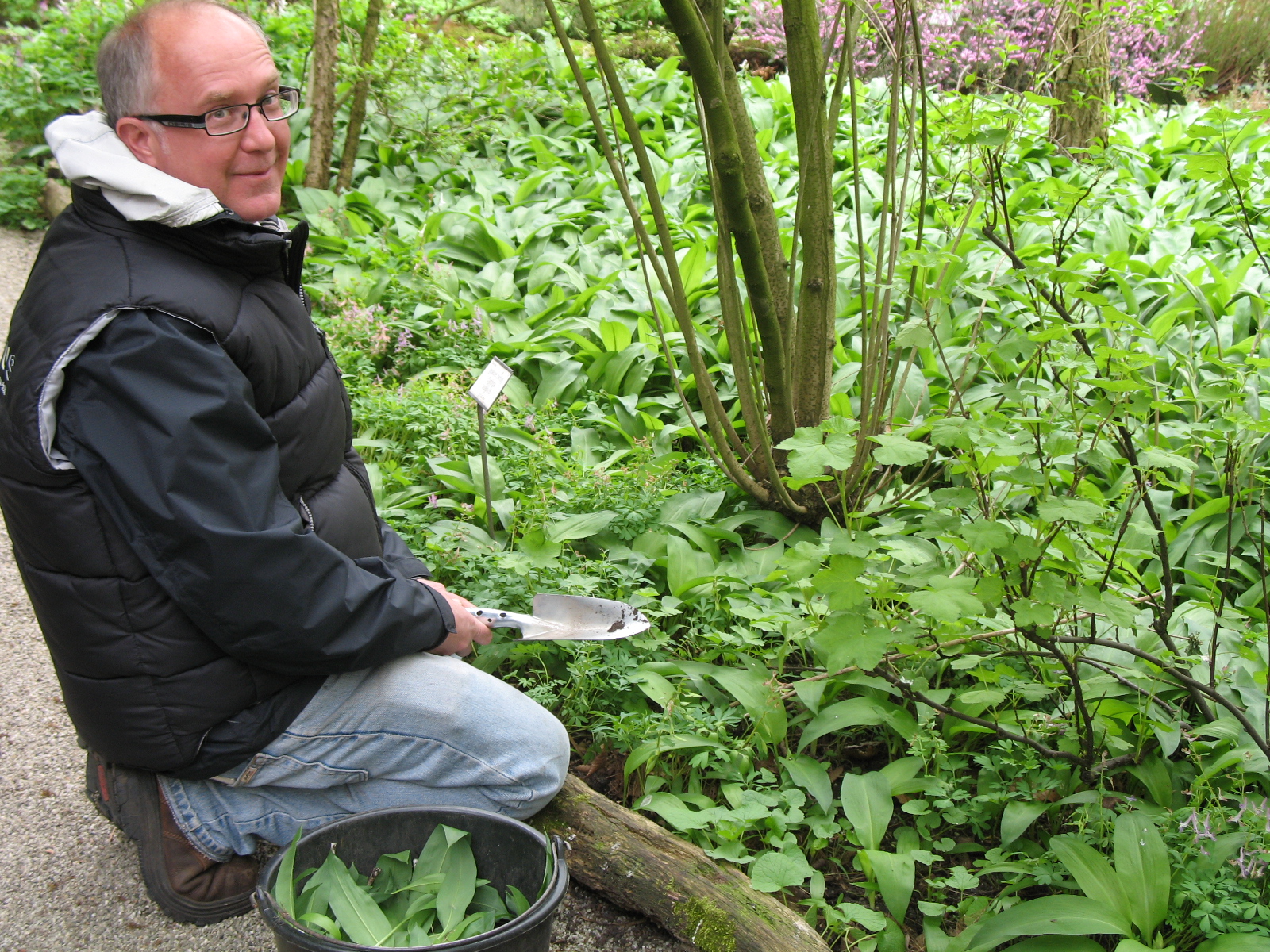
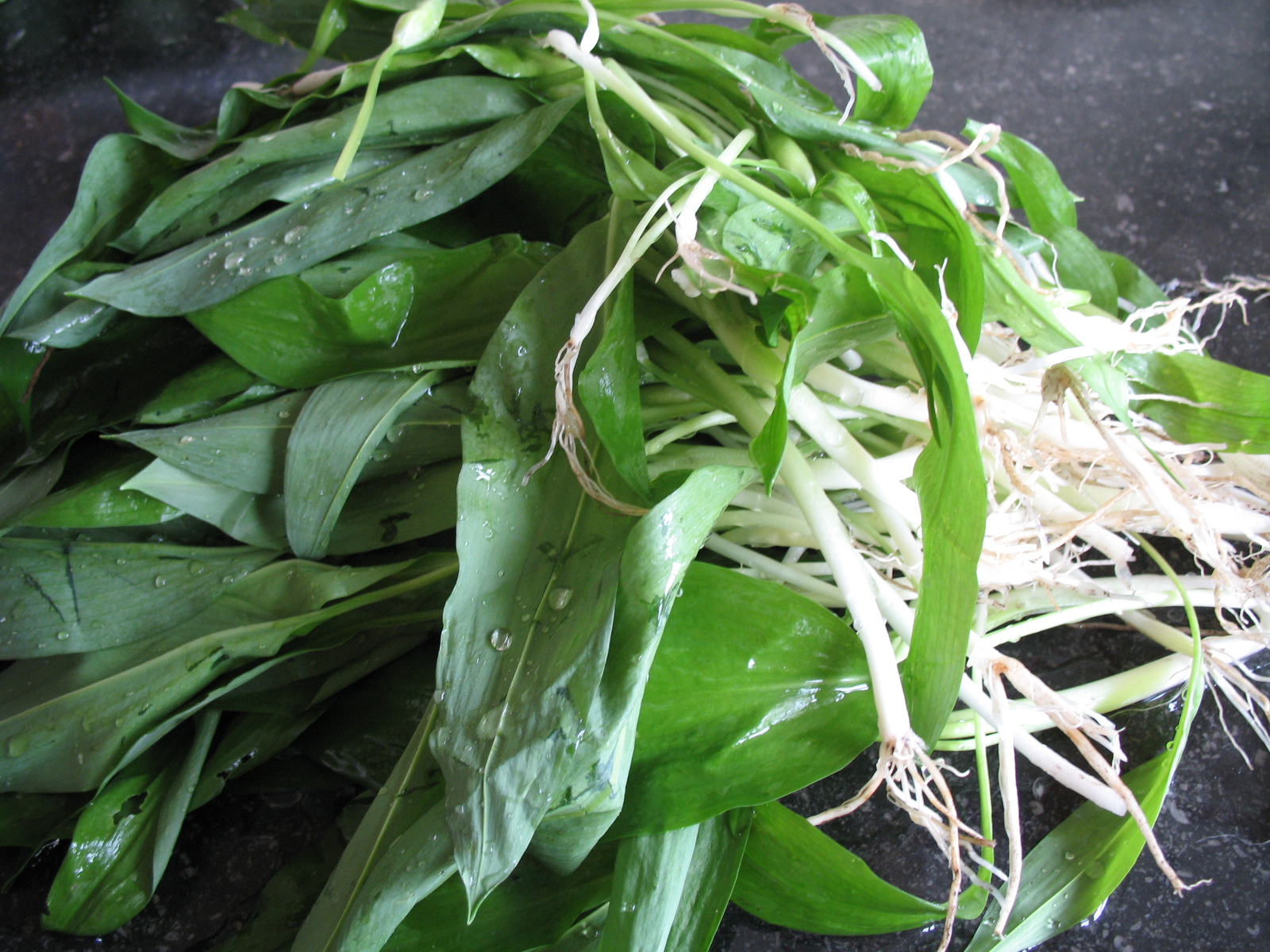
On Thursday I visited my freinds in De Hortus Botanicus and helped them to harvest some Wild Garlic/Ramsons (Allium ursinum, NL:Daslook). It grows vigorously in several parts of the beautiful garden and periodically is removed from paths and areas where it out-competes other plants in the Hortus collection.  I took home a large tub of whole Ramson plants; roots, bulbs, leaves and all.  I made a delicious batch of Last Chance Ramson Pesto.

So why Last Chance, you may ask?  In my local Frankendael Park, the Ramsons are currently in flower so it’s too late to harvest them. Ramsons are still edible when in flower but they taste rather unpleasant. The Ramsons in de Hortus are not yet in flower and they taste great!  In another week or so they too will be in flower and it will be almost another year until they are fit for the plate.  Another reason for my excitement is that I can only harvest Ramson leaves from the local parks.  Harvesting the roots and bulbs would destroy the plants so of course is completely out of the question for wild plants in their natural habitat.

Last Chance Ramson Pesto – vary the proportions as you wish.  Those stated made a good thick paste.

  1. Carefully wash the Ramsons (as you would spring onions), discard any odd squidgy bits from around the bulbs and trim off any really dirty roots.
  2. Roughly chop the clean Ramsons and place in blender.  I had about 150g Ramsons.
  3. Add Extra Virgin Olive Oil to blender. I added about 200ml.
  4. Add finest quality pine nuts (beware cheap ones, many people have a bad reaction to them). I added 50g.
  5. Add a good grating of rock salt and pepper.
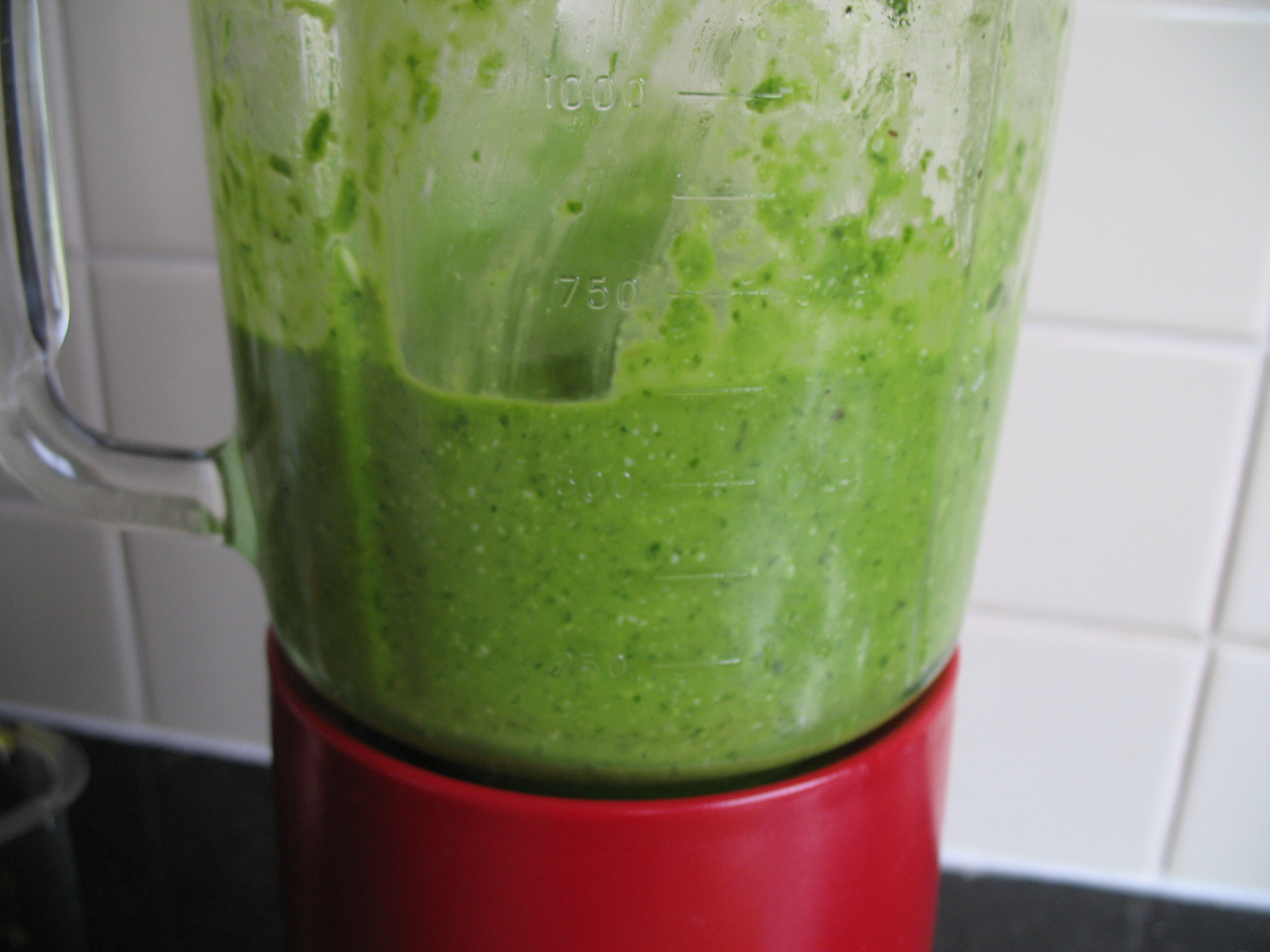
  6. Blend gradually until a thick paste is made.  I needed to interrupt blending several times to scrape down the paste.
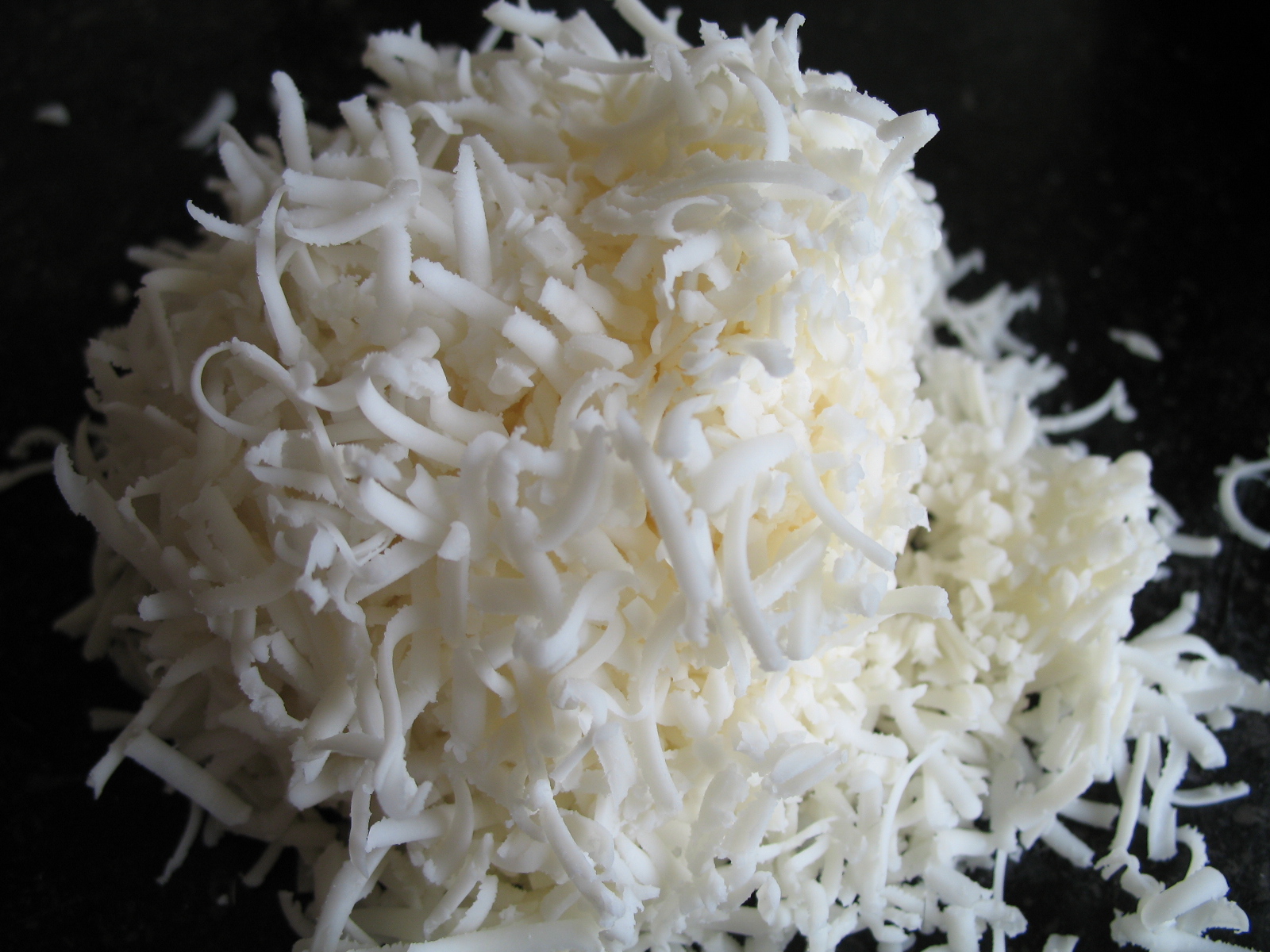
  7. When a homogeneous consistency has been made, add grated cheese and blend a little more to combine and break up the cheese (hard goats cheese for me, you may like Pecorino, Parmesan or similar).
  8. The result should be a paste which is thick enough to dollop into cooking mixes and thin enough to be stirred straight into hot pasta.  Add more Olive Oil or more cheese to obtain a better consistency if required.  I made about 650ml of pesto.  It will keep me going for quite some time.
  9. Store in sterile jars and refrigerate or freeze in ice cube trays.
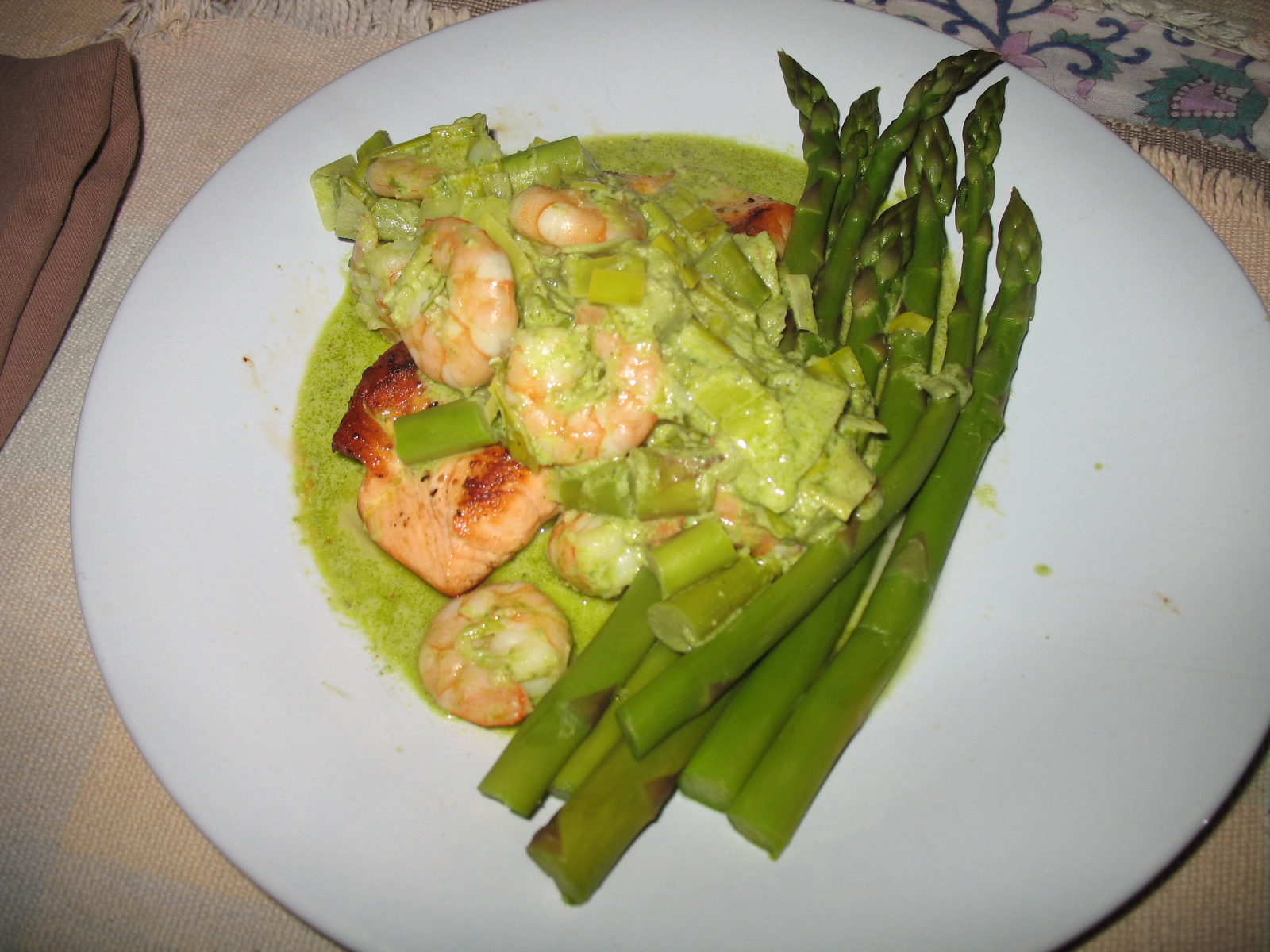
  10. Use as a straight pesto on pasta or as a super garlicy seasoning in other dishes. I added two teaspoons of my pesto to this sauce for salmon and prawns.  It was delicious!  I understand that Michael used it on fresh cheese ravioli and I used it the next day in a risotto.  The list of uses is endless…

Cleavers Juice (Galium aparine, NL:Kleefkruid)

I while ago I posted about the benefits of Cleavers and how to use the herb, including how to extract the juice using a cloth.  Here’s a slightly high tech (and faster) method which I used this afternoon…

Firstly, please remember the foraging/picking rules and only harvest and use if you are 100% confident you have correctly identified the plant. Woodruff (Galium odoratum) looks like Cleavers but is tougher and grows low on the ground (it doesn’t climb). It can be used to infuse foods with a vanilla-type flavour. Beware of Madder (Rubia tinctorum) which looks more like Sweet Woodruff than Cleavers, but sometimes gets confused. That is used for dying fibres and should not be eaten. Here’s a useful post about the tiny seedlings of Cleavers (in January)

(12/1/25 – Today’s walkers – It was so lovely to meet you! I hope you find Cleavers – We didn’t see the little seedlings today but soon you will notice them, then the plants will grow up and tall. Let me know how you get on with your foraging 🙂

  1. Wash and drain a good handful of freshly picked cleavers
  2. Remove any unhealthy looking stems, rooty/yellowy ends, grass, other material etc
  3. If the cleavers seem very wet from washing perhaps blot dry with a clean tea towel.
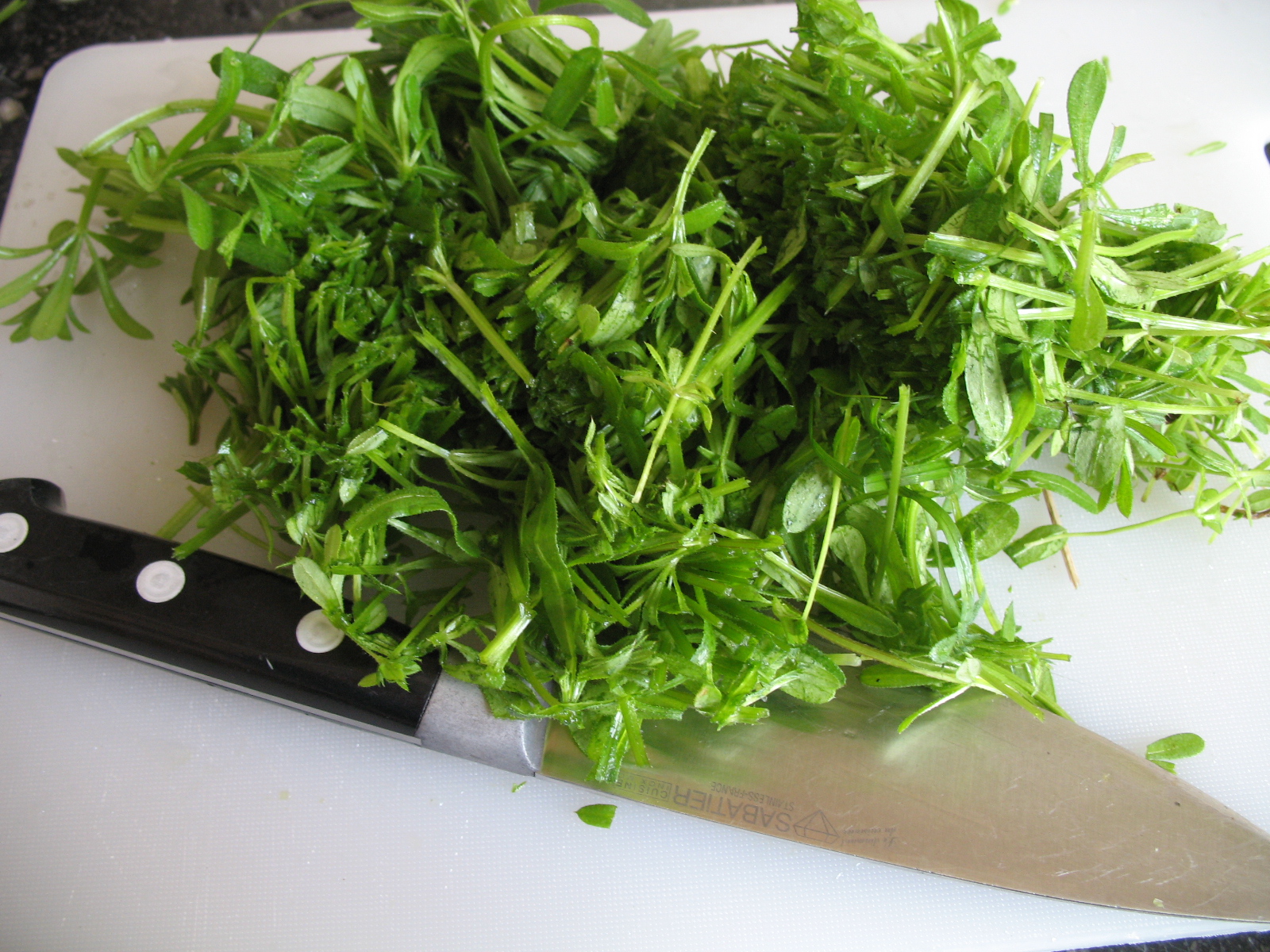
  4. Roughly chop the stems.
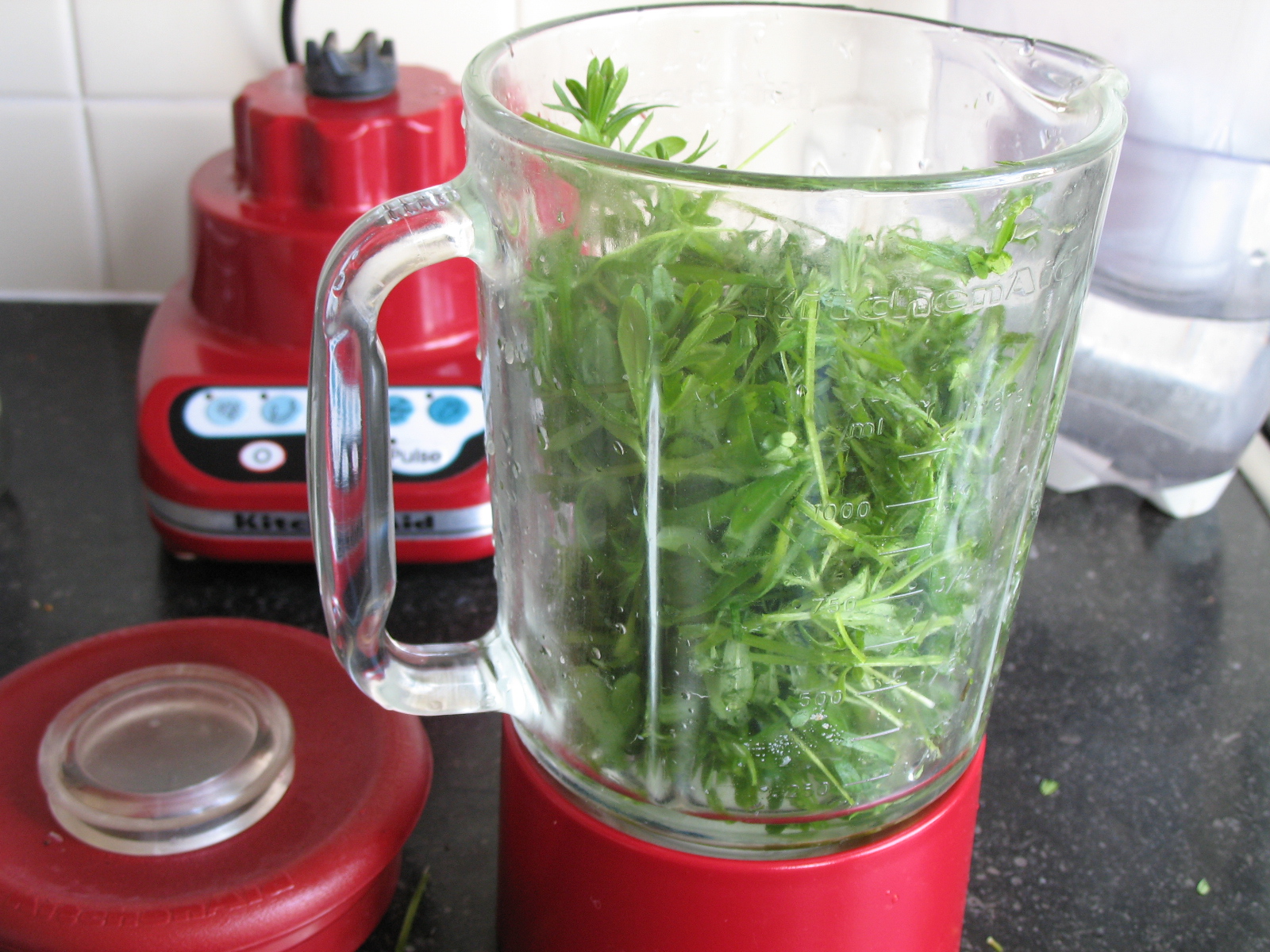
  5. Add a little clean water to the blender, perhaps enough to half cover the blades.  This is just to prevent clogging. Then add the cleavers.
  6. Blend use the chopping setting, or pulse on full power, until it seems to be nicely pulverised.
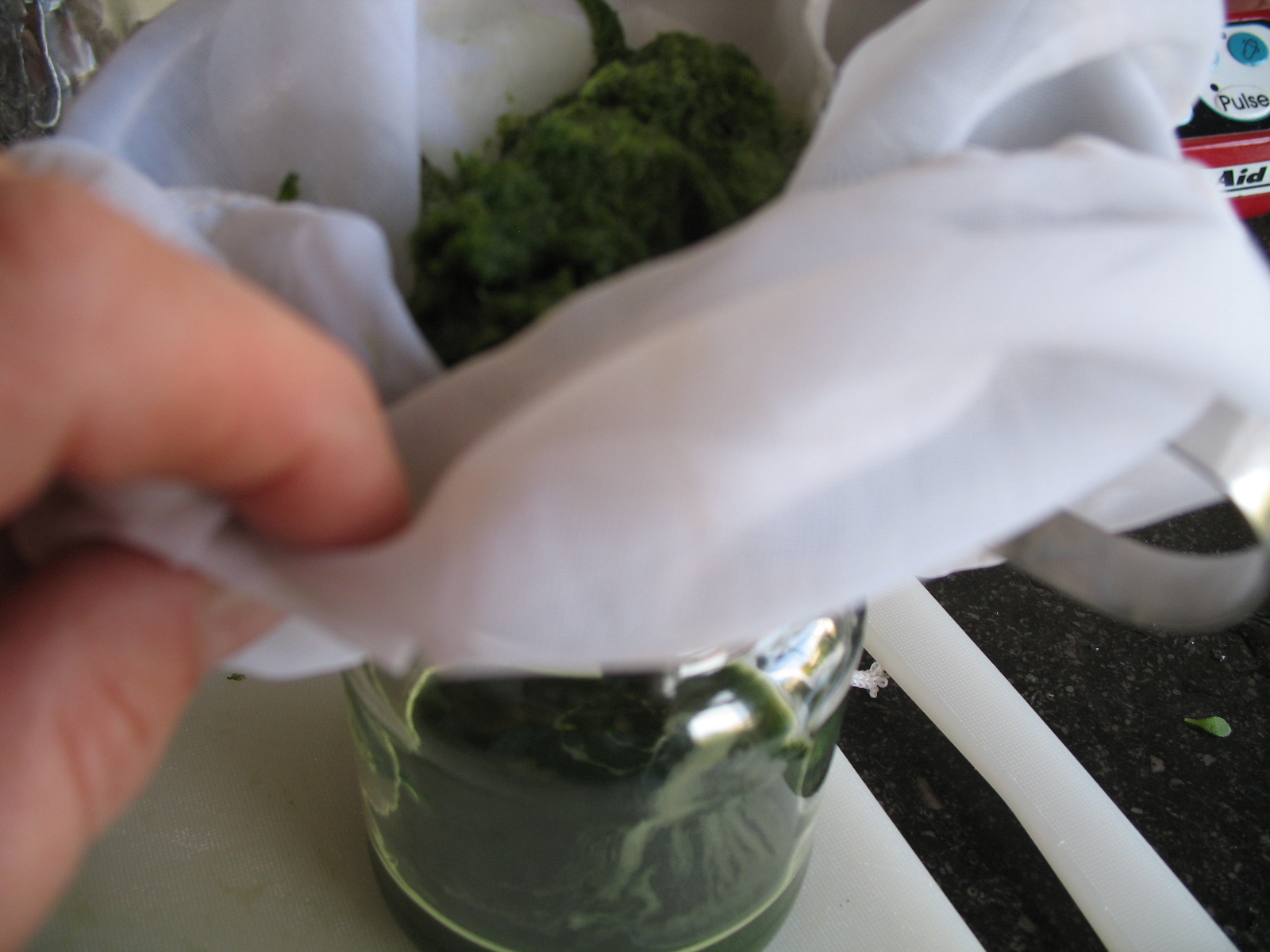
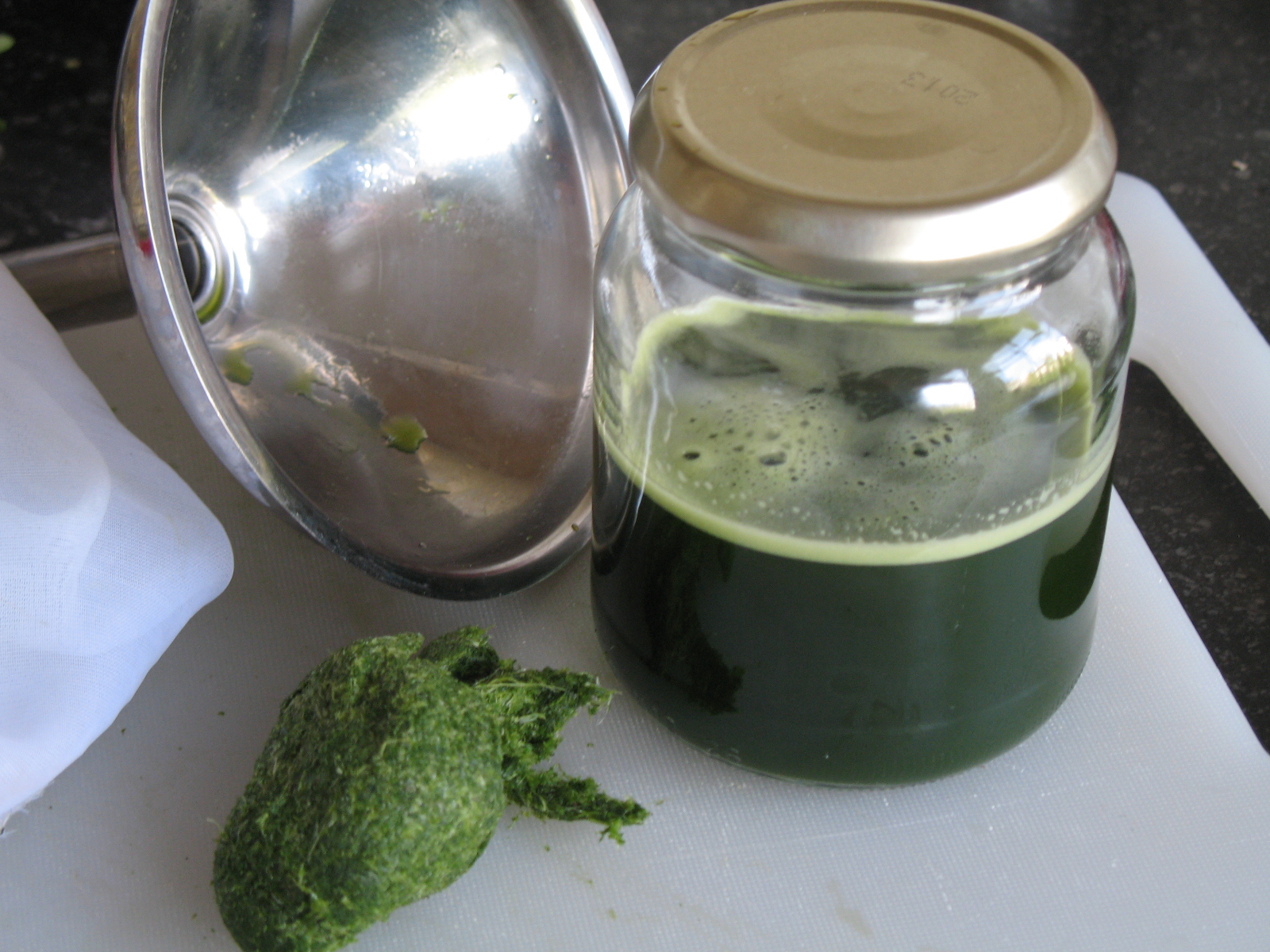
  7. Strain through a jelly bag, muslin or clean tea towel, into your collection jar.  I also used a funnel to make collection easier but this is optional.
  8. The juice should run out quickly.
  9. Finally wring out any remaining juice through the jelly bag/muslin/tea towel
  10. Compost or return to the earth, the remaining pulp. This afternoon I used it to help mulch a balcony herb pot.
  11. Store the juice refrigerated in an air tight, sterile container. Remember to label the jar and lid clearly.  It should keep in a fridge for a few days but if you notice anything unusual, such as discoloration, changed smell or taste then pour it onto soil and start again.
  12. Please read the post about benefits and directions for using cleavers.
  13. Generally the dose for cleavers juice is 1tsp up to three times daily as a tonic.
  14. Start with a very small amount when you try something new and if you notice any negative reaction then stop using and water your plants with it. That said, this is generally thought of as a safe, nourishing and cleansing tonic which has been used in many countries, as a folk remedy for many many years.
  15. A handful of cleavers yielded about 200ml of juice today.  I plant to freeze some in an ice cube tray this evening as 200ml is more than enough for me to use as a tonic over the coming days.

Nettle Pasta – Strettine (Urtica dioica, NL: Brandnetel)

I love nettles and I love making fresh pasta. Here’s a little information about nettle and a great recipe which combines the two.

It is best to make use of stinging nettles (Urtica dioica) when they are young (in late March and early April – before they start to flower). I prefer to use them in strong overnight infusions, as a leafy veg in cooking and as a hair rinse.  The resilient perennial Urtica dioica is sure to be found fresh somewhere near you and dried nettle is quite easy to find from herbal suppliers.  It grows well in nitrogen rich soil, is present above ground almost year round but to avoid woodiness only harvest until it comes into flower.

This herb is packed with vitamins and minerals, is extremely nourishing and energises the body and mind. Taken regularly it can build strength in many ways.  I’ll post lots more about nettle in future but for now here’s a link to an informative post by Susun Weed about nettle and how to make effective, strong nettle infusions from dried herb. There are a many recipes available which include nettle, in my experience many are quite bland. However many traditional Italian recipes feature nettle and taste very good.  Here is a simple, tastey combination of pasta and nettle.  Stinging nettle tops are ripe for the picking at the moment, so it’s a great time to try this recipe.

Strettine – Nettle Pasta
120ml nettle purée
360g Italian tipo 00 flour
2 eggs
good pinch of salt
good pinch of black pepper

  1. Make nettle purée as follows: Harvest about 200g of healthy nettle tops, clean them before adding to a pan of boiling water. Boil rapidly for 2 minutes. Strain and place the wet, cooked nettles into a clean muslin, jelly bag or tea towel. Wring out until the nettles become quite dry. Blend the nettle in a food processor until smooth. You need about 120ml of nettle puree for this pasta, freeze the remainder for later use.
  2. Seive the flour onto a pastry board or clean worktop.
  3. Mix the nettle puree, salt and black pepper into the flour.
  4. Form a well in the centre of the nettle-flour mix and break the eggs into this well.
  5. Use a fork to lightly break up the eggs in the well and use it to start working the nettle-flour into the eggs.
  6. Use your hands to work the rest of the nttle-flour in with the eggs.
  7. When all is basically combined, knead the dough with your hands to form a smooth pliable ball.
  8. Wrap with a clean cloth or clingfilm and place in refrigerator to rest, for about 30 minutes.
  9. Now the pasta dough is ready to roll and cut.  Divide the dough into three roughly equal pieces and pass through the rollers of a lightly-floured pasta machine. Work through the machine several times until until you have obtained a smooth and elastic sheet, at least through roller setting number 3.
  10. Pass the rolled sheet of pasta through the tagliatelle cutting blades.
  11. Dry the taglietelle a little by spreading it out on a clean cloth or a pasta drying stand. Allow to dry at room temperature for about 15 minutes.
  12. Cook in salted boiling water for 2-4 minutes, until al dente.
  13. Strain and serve.

Sweet Cicely Schnapps (Myrrhis odorata, NL:Roomse Kervel)

Whilst walking around town today I noticed that Sweet Cicely (Sweet Chervil, Myrrhis odorata, NL: Roomse Kervel) is currently looking really strong and fresh.  It is a member of the Apiaceae family and is quite easy to identify at this time of year because it is one of the few plants which survives above ground throughout the winter.  It is useful as green leafy vegetable in its own right, the roots are also very tasty however if you are foraging, roots are not an option. Pulling Apiaceae roots destroys the whole plant.  Sweet Cicely has a distinctly Anise flavour and smells rather like Lovage. It is packed with nutrients at a time when not many other leafy wild herbs are around and is found to be aromatic, stomachic, carminative and expectorant by herbalists.

Caution
Many members of the Apiaceae family (formerly called Umbelliferae family) are highly poisonous (e.g. Hemlock), others are edible and several have been cultivated such as parsley, coriander and carrot. Few members of the family are above ground right now but when foraging for Sweet Cicely, as ever, you should consult a good feild guide before deciding to pick.  If in any doubt don’t pick or taste.  Sweet Cicely makes a lovely, easy to grow pot plant and seeds are available through gardening suppliers.

Uses
If your reliable source of Sweet Cicely is unpolluted you may like to eat it raw, chopped into a salad.  A simple tea can be made from the fresh leaves and stems, which is said to help releive indigestion and possibly help calm coughs.  I prefer the following recipe from Denmark.  I found it on a Danish Schnapps Recipe website which also contains some useful information about the herb and how to make the Schnapps from other parts of the plant, if you are using your own rather than foraged material.

Danish Sweet Cicely Schnapps

  1. Put about 200ml chopped fresh Sweet Cicely leaves or stems into a clean glass jar.
  2. Add 350ml vodka and seal with a well fitting lid.
  3. Let the mixture steep/infuse at room temperature for 1 to 3 days.
  4. Shake lightly and taste your infusion from time to time.
  5. Strain and enjoy.

An alcoholic infusion can also be made using brandy.  The vodka version apparently tastes rather like Greek Ouzo, I’m not sure if connoisseurs would agree.

Fennel (Foeniculum vulgare, NL:Venkel)

Fennel (Foeniculum vulgare) is a Mediterranean hardy perennial herb which is easy to grow, particularly in relatively dry soil. It has been used since ancient times, being found amongst the burial effects of Pharaohs and being highly prized by ancient Romans.  Anglo Saxons revered it as one of the nine sacred herbs and believed it could ward off evil. The Ayurvedic health system sees Fennel as being perfectly balanced in terms of pitta, vata and kapha doshas. There are many different varieties and in many countries such as Greece it grows wild as a very successful “weed”.  Fennel makes a very unusual pot plant, if you have the vertical space. It can quickly grow up to 1.5m high with delicate feathery leaves, a bulbous base and large umbeliferous flower heads.  All parts of this herb are aromatic, tasting of anise, and can be very useful.  The “seeds” are actually fruit.  Fennel is often useful during breastfeeding but shouldn’t be used in quantity during pregnancy.

Uses of Fennel

  • Obesity – Pliny, herbalist of ancient Rome was very enthusiastic about Fennel’s ability to ease hunger during times of fasting and encouraged his contemporaries to eat Fennel and to drink Fennel tea in order to cure obesity.  Apparently chewing Fennel seeds to help weight loss is quite popular in modern day Greece.
  • Breast health – Fennel can help to increase milk production in nursing mothers and to soothe painful pre-menstrual breasts, due to its diuretic properties.
  • Menopausal symptoms – a useful tea for fluid retention and anxiety.  It has been found to have an oestrogen effect. If taken in excess it can cause the return of periods.
  • Digestion – Fennel may help when digestive problems are caused by anxiety or some form of tension. It helps relax the system, to gently release trapped gas and to make rich foods easier to digest. Colicy babies are often given a little cooled fennel tea to help with trapped gas, or the mother can pass on it’s helpful properties via her milk.  Infants should only be given a couple of teaspoons of cooled tea.
  • Cough – Inhalation of honey cured Fennel smoke may help to cure persistent coughs.  Crushed Fennel seeds can be gently heated on a hot plate or charcoal incense brickette, the fumes can help to loosen the chest and lungs.  It is quite easy to crush them with a pestle and mortar.  Alternatively a herbal smoking mix, containing honey cured Sage and Fennel can be burned to release the healing vapours of Fennel.  More details to follow.
  • Eyes – Some people find that fennel lotion, made from cool water as described below, makes is effective remedy for sore, tired eyes. It may be used to saturate cotton pads to use as a compress or as eye drops or an eye wash.  If you try this ensure that the tea is extremely fresh and contains no bits which could irritate the eye.  Drinking fennel tea is also thought to strengthen eyesight.
  • Breath freshener – Chewing fennel seeds, particularly after a rich meal, is a useful way to aid digestion.
  • Joint pain –  Massage with Fennel infused oil often helps to ease the pains of arthritis and rheumatism.
  • Anxiety or mild depression – Massage with Fennel infused oil or gently inhaling the smoke of burning crushed fennel seeds can lift the spirits and relax tension.

Fennel tea
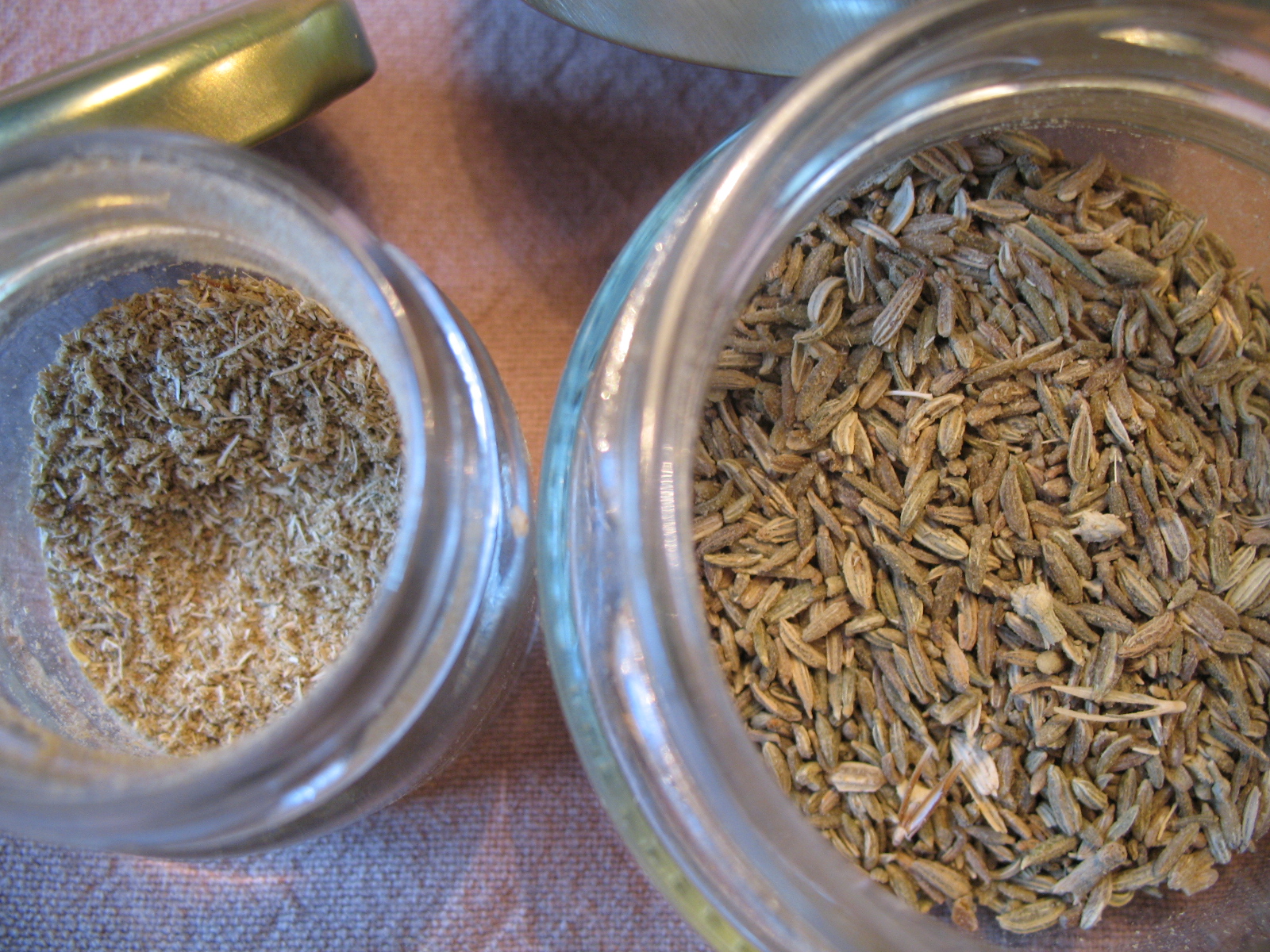
This can be prepared using either chopped dry or fresh leaves or crushed seeds. Use 1/4 to 1/2 teaspoon of crushed seeds per cup of boiling water.  Crushing the seeds makes a much more potent tea. This can be done with a pestle and mortar, a manual coffee grinder or by gently bashing the seeds with something such as a rolling pin.  Allow to infuse for 15 minutes. If using leaves, infuse 2 – 3 teaspoons in a teapot of boiling water for 5 minutes.

Eye lotion
Boil a cup of water and allow to cool before infusing half a teaspoon of crushed seeds for one hour.  Strain carefully.  Can be used in an eye bath, as drops or to soak cotton pads.

Honey Cured Herbal Smoke Mix
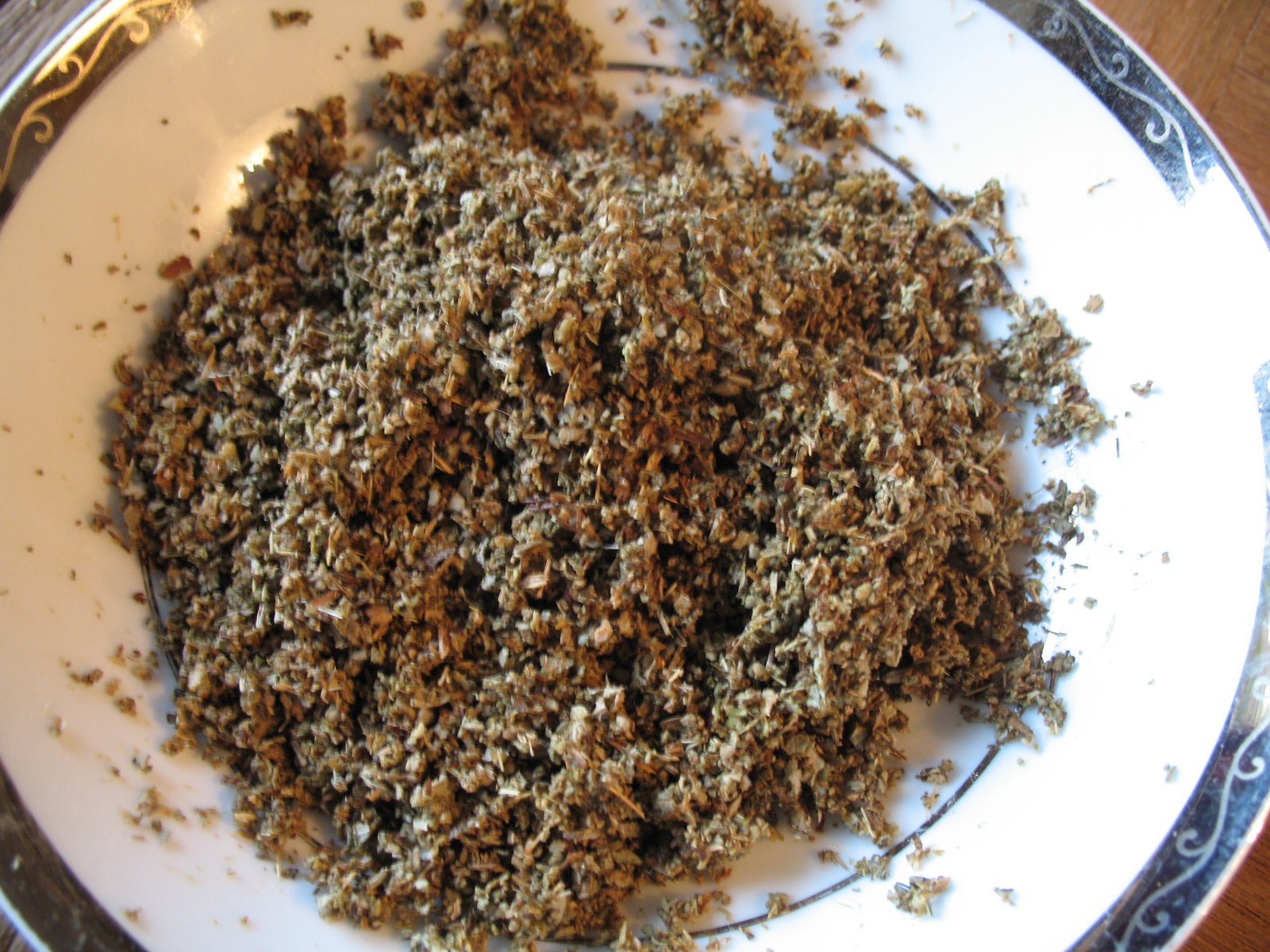
Mix 1 tsp honey with 4 tsp water and add gradually to a 15g dried copped sage and 2 tsp of powdered fennel seeds.  Rub the liquid into the herbs until they are all slightly damp.  Lay out in a shallow dish and leave for a few days, turning occasionally, until the water has mostly evaporated and the herbs feel dry enough to burn.  Store the mix in an airtight container.

Melissa officinalis (Lemon balm, NL:Citroenmelisse)

I love the uplifting citrus scent of fresh Lemon Balm (Melissa). In the spring and summer it smells and tastes magical; I eat leaves straight from the plant whilst gardening on the roof, add them to salads and ice cubes and frequently drink it as a tea. Lemon balm tastes great alone or in combination with other herbs, particularly mints. In the autumn and winter I use it dried, it smells good but quite different and has several really useful applications. I made a lip balm containing Melissa this weekend, to help fight off cold sores. I find it works a treat and thought it was time to share a few of this herb’s properties and uses.

The Latin name Melissa means honeybee and this herb is very attractive to bees. It has been planted near beehives since the time of ancient Greece as it encourages bees to return home.  The herb is a member of the mint family and has long been associated with love, friendship, health, healing, success and good cheer. It was the main ingredient in Carmelite water and has a reputation for relieving symptoms of mild depression.

Lemon Balm grows very well in almost any soil, does well in pots and can be divided to make extra plants throughout spring, summer and early autumn.  It is a hardy herbaceous perennial, a pretty variagated variety is available and it makes a great urban herb.

Melissa can be used to:

  • Cool. It can induce a mild perspiration so is sometimes useful taken as a tea when feverish with colds or flu.  In hot weather its cooling properties are also welcomed.
  • Scent. The fresh lemon odour makes Melissa valuable dried in potpourri, as a breath freshener and when the leaves are bruised it can really lift spirits.
  • Flavour. The lemony fresh leaves can be chopped into salads, ice cubes, mayonnaise, white sauces, sauerkraut, custards, jellies, fruit drinks and wine cups.
    Lemon balm can also be used to create wonderfully aromatic vinegars, alone or in combination with herbs such as Tarragon.  They can be used in delicious salad dressings, marinades and sauces.
  • Relieve cold sores.  Some commercial cold sore preparations contain lemon balm but it is easy and cheap to make your own balm.  Recent scientific research has also found that preparations containing Melissa can reduce recurrence of cold sores and can shorten the duration of attacks.
  • Calm and soothe. Lemon balm may be helpful to those suffering from grief, mild depression, anxiety, tension and sleeplessness. It can help digestive problems caused by these issues and many find it works as a relaxing tonic.  Recent scientific research has also found it to be useful in managing agitation in Alzheimer’s patients.
  • Relieve headaches. A tasty remedy for simple tension headaches it to soak a handful of freshly picked leaves in a glass of wine for an hour, or drink a tea made from the dried leaves.
  • Relieve chronic bronchial catarrh. Lemon balm tea can help to ease symptoms.

How to make Cold Sore fighting lip balm

  • Follow my instructions about How To Make Salves, Ointments and Lip Balms using a 50:50 mix of Calendula and Melissa heat infused oils.
  • Warm very gently as you dissolve the grated beeswax, I stir with a clean finger to check that the temperature remains really low.
  • Ensure you test the consistency and adjust it accordingly, with more wax or more oil, before pouring into small pots.  Lip balm for cold sores shouldn’t be too firm as application may be painful.
  • When I use a pot of balm to treat a cold sore, I tend to throw away any remainder when the sore is healed. This reduces the risk of using contaminated balm once the skin is healed.

Thyme (NL:Tijm)

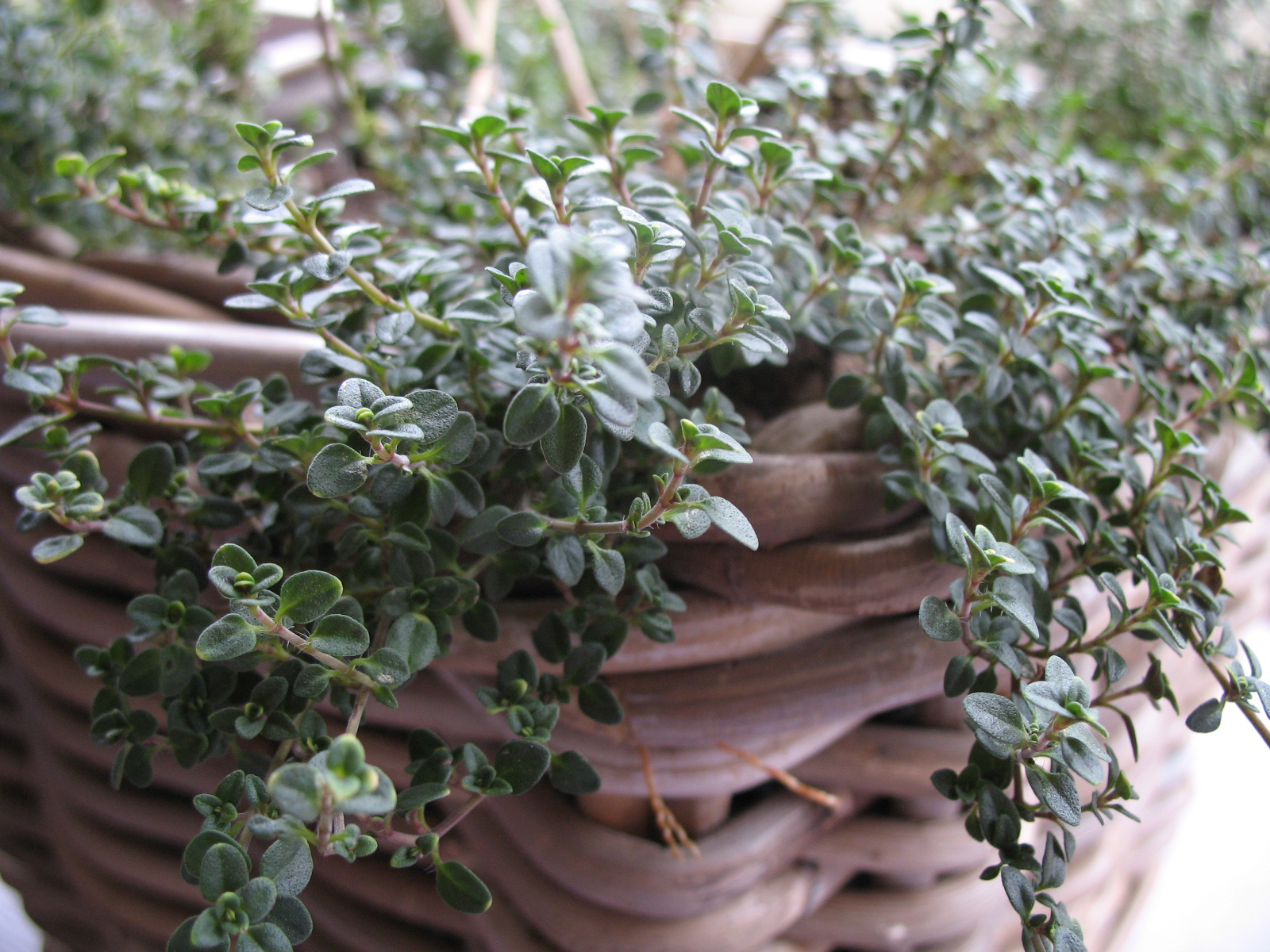
Evergreen hardy perennial Thyme (Thymus spp.) originates from the Mediterranean, has a great number of medicinal and culinary uses and is easily grown in containers, making it ideal for the Urban Herbologist.  It is a strong herb containing volatile oils and should be avoided by pregnant women and used sparingly by others.

Growing Thyme in Containers
There are a vast number of Thyme varieties, each having a slightly different scent, appearance and flower colour. Thymus vulgaris is the Common Garden Thyme. All Thyme varieties have relatively shallow woody roots and form a soil covering carpet.  A healthy plant can be easily “split” to give you many new plants for free.  Being a Mediterranean herb, it does well in poor soil and should be allowed to dry out between waterings.  Thyme will quite rapidly use up the nutrients in soil, so do re-pot every year or so to encourage healthy growth. The leaves of Thyme  develop a more intense flavour and scent when grown in strong sunlight although dark leaved varieties can thrive in fairly shady locations.

This year I am experimenting with Lemon Thyme (Thymus citriodorus) grown in a container, around the base of a Lemon Verbena.  I bought one small pot of organic Lemon Thyme from my local garden centre and split the plant into four before re-potting.  Lemon Verbena is quite a tender deciduous shrub so drops its leaves in winter and needs to come inside to survive. Thyme is winter hardy but has the same watering requirements as Verbena so they should do well together.  I’m also hoping that Thyme’s shallow roots won’t out-compete the Verbena, when spring arrives.

Historical uses
Since ancient times Thyme has been prized for its antibacterial and anti-fungal properties.  It was used widely in combination with other herbs for; embalming, temple incense, nosegays to ward off disease, room purification and even to induce visions of fairies.  The Romans used it to add an aromatic flavour to cheese but generally ancient people used it medicinally.

Culinary uses
These days Thyme is best known as a culinary herb, it has a strong, pleasant flavour and reportedly has good antioxidant properties. Many stews, salads and sauces are enhanced by adding a little Thyme. Chicken and fish dishes are particularly well suited to it. Because of its strength I far prefer Thyme as a culinary herb, adding it to food more regularly when the cold and flu season is upon us.  If you like the taste of lambs liver, try cooking it with a simple sauce made from softened onion, garlic, chopped tomato and thyme.

Thyme remedies
Some people find Thyme tea a useful hangover remedy but it is more widely used as a throat gargle or mouthwash to help with sore throats or gum infections.  Thyme has expectorant properties so Thyme syrup or honey may be useful as a cough remedy.  However due to the strong volatile oils in this herb, it shouldn’t be used regularly as a tea, syrup or in any other concentrated form.

Thyme tea
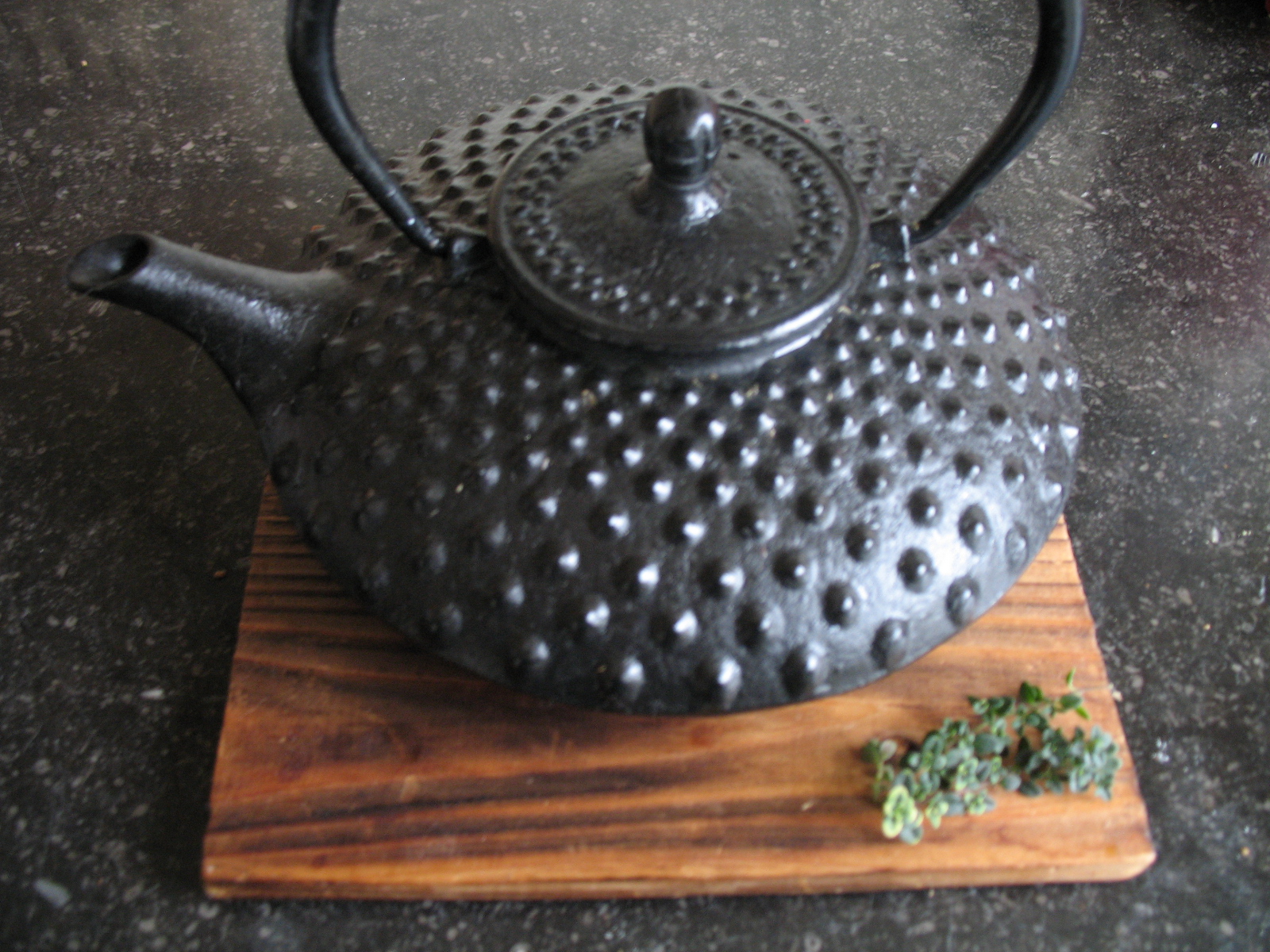
To make tea from Thyme simply add a few fresh or dry sprigs to a 2 cup teapot (maximum 1/2 teaspoon of dried chopped Thyme, or 1 teaspoon fresh chopped Thyme), fill with boiling water and leave to steep – but only for a short time.  Check the taste and appearance after just five minutes, that should be enough to release some oils and impart a good flavour.   If you cannot seed oil droplets on the surface of the tea then you may like to leave it to steep a little longer, perhaps another five minutes but be cautious with this herb.  It is strong and the volatile oils are unsafe in concentration or when used regularly.

Legal Disclaimer: The content of this website is not intended to replace conventional western medical treatment. Any suggestions made and all herbs listed are not intended to diagnose, treat,cure or prevent any disease, condition or symptom. Personal directions and use should be provided by a medical herbalist or other qualified healthcare practitioner with a specific formula for you. All material on this website is provided for general information purposes only and should not be considered medical advice or consultation. Always check with your personal physician when you have a question pertaining to your health and healthcare.
Warmth

Amsterdam is currently enjoying a warm start to October so it feels a little odd to be thinking about protecting herbs from frost damage but this weekend we removed the drip trays from the roof pots and had a look to see how much fresh produce might be expected over winter.

I’ve built up a collection of potted herbs on our roof and balcony, which can happily withstand Amsterdam winters. Herbs which don’t survive are not replaced and just a few are brought inside before the frosts.  Some survive by self-seeding, others are winter hardy evergreens and perennials. Water trays are removed in early autumn and a couple of pots are moved to more sheltered spots.  I don’t bother with insulation and only harvest lightly through the coldest months.  An occasional plant is lost when temperatures really plummet but overall this relaxed approach makes potted herb gardening much easier and cheaper.  Finding self-seeders such as nigella, rocket, borage and calendula in interesting places when spring arrives, is a pleasure that it also brings.

wild rocket leaves

Wild rocket (Diplotaxis muralis) is one of the few herbs I harvest in quantity from the roof come mid winter and it can still be sown from seed in October.  It tastes stronger, even more peppery, in winter and  I really like the warmth it adds to dishes.  Wild rocket self-seeds quite readily and is a hardy perennial.  Although at its best in summer, it goes on producing vitamin and sulphur rich leaves throughout the winter months.  After Patrick Whitefield recommended it during a 5 day permaculture course, I sewed a handful of seeds amongst other herbs and have had plenty to pick from ever since.

My friend Elodie uses wild rocket from sand dunes in summer, to make a great pesto.  I often use the leaves in salads and, at the very end of cooking, tear them into root vegetable soups.  I’d like to grow more herbs that can be eaten fresh throughout winter and would love to hear about any successes or suggestions you have.