Category Archives: Poisonous herbs

A Witch’s Dozen – 365 day 192

Thank you to everyone who braved the autumnal weather and joined me this evening for the Witch’s Dozen herb walk through the woods of Park Frankendael and the gathering afterwards in Merkelbach. Ten weatherproof women and two mini foragers, joined me for a seasonal walk through the woods as day turned to dusk then night. Merkelbach was a lovely place to end the full moon day.

Here’s my photo of the day, a little shaky and wet after the Witch’s dozen walk. I hope it gives the idea anyway.

image

Flying ointment recipes were mentioned. I found many different recipes whilst researching for the walk but the one written here, seemed the best without being full of plants which we all know are highly toxic. Traditional recipes seem to have included herbs such as belladonna, datura, mandrake, opium poppy, water hemlock, monkshood, foxglove, Balm of Giliad (balsam of poplar trees), calamus root, cannabis, clary sage, dittany of Crete, mugwort, tansy, wormwood, and yarrow.

If you’d like to seriously look into the magical tradition of flying then perhaps take a look at this blog entry by The Witch of Forest Grove. It is nicely detailed.

I’m not one for the seriously toxic ingredients so kept hunting until I found the following recipe. It was posted on the wisewomanforum by a woman called Lady Belladonna in 2004 and she seemed to have had fun with it. All the ingredients grow locally although vervain probably resides indoors at this time of year in Amsterdam. I can’t recall where she said that she got the recipe from or if she concocted it herself, so I’m calling it…

Lady Belladonna’s Flying Ointment

1/4 cup grated beeswax
1/4 cup olive oil
1/4 tsp. of each of the following herbs, dried:
cinquefoil
vervain
mugwort
thistle
1 tsp ash (recipe called for chimney soot – LB used her own mix of ash from a marijuana joint mixed with a dried leaf of Diviner’s Sage – “more fun getting this together than cleaning out a chimney!”)
1/2 tsp of benzoin powder
1/2 tsp of clove oil

Combine the beeswax and olive oil in a double boiler and melt over low heat. Finely powder the herbs in your mortar and pestle. When beeswax and oil is melted, add in the herbs, benzoin and clove oil. Stir clockwise, empowering with your intent or saying whatever charm or spell you wish. LB also added a couple drops of sandalwood oil for the fragrance. Simmer gently for about 10 minutes, strain through cheesecloth into a heatproof jar, and let cool.
Apply and Fly!

365 Frankendael day 183

A stroll around my neighbourhood, led me to some very useful plants and a poisonous one, today…

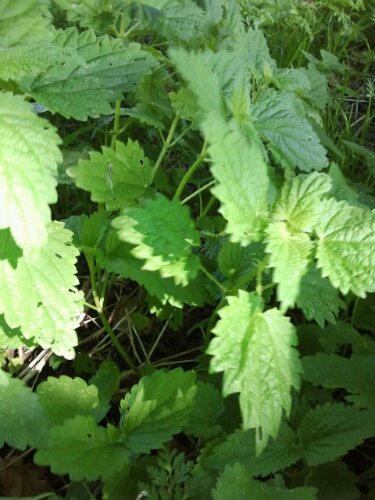
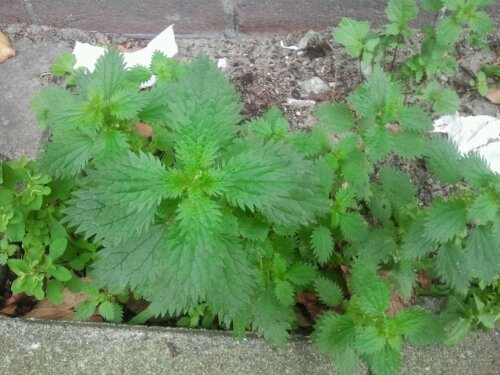
Firstly, Annual Nettle (Urticaria urens). Full of nutrients, rather like it’s better known perennial sister but with less ferocious stings. If you are used to seeing Stinging nettle (Urtica dioica) around town you may notice that this annual has more toothed leaf edges.

image

Next is a handsome, deep rooted Dandelion (Taraxacum officinalis agg.)

image

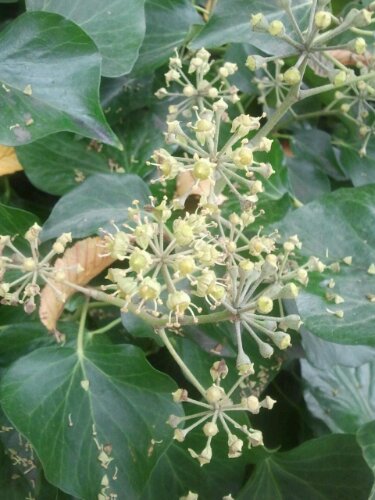
Then a strong, protective Ivy plant (Hedera helix) in full autumn insect feeding bloom.

image

Here is a lively patch of vitamin packed Chickweed (Stellaria media) making three most of a protective playground fence.

image

Here’s a tiny Hollyhock seedling, growing in a pavement crack.

image

I also liked the look of this decorative (and edible) Pansy (Viola tricolor).

image

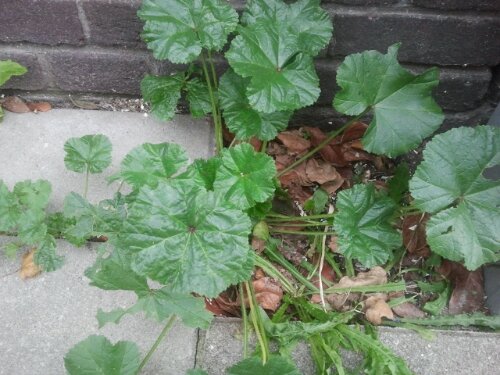
And a lovely nutritious Mallow growing against the building where I live.

image

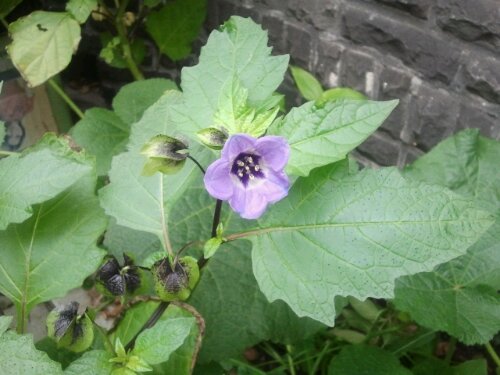
Lastly a striking plant which I’m quite sure is a poisonous nightshade. This one seems to be used as a decorative addition to pavement garden. I will try to find it’s name but think it is sometimes called Love Apple, Nicandra spp.

image

365 Frankendael day 172

image

Today I found some beautiful and extraordinary fruit, belonging to a female Yew shrub (Taxus baccata). I never fail to be fascinated by these poisonous wonders. The glutinous (and delicious) fruit flesh is wrapped around a deadly exposed seed. Quite amazing to see!
Yew trees are either male or female. Both are full of deadly toxins – throughout all parts of the tree. Yew has been revered by the British for millennia. Druids apparently built their temples next to them, Christians built churches next to them. It’s very unusual to enter a traditional British church yard and not walk beside an ancient (or young) Yew. I like that.

I was taught the secret of how tasty the flesh of the fruit is, some years ago by a friend who worked with trees. Since then I try to enjoy one or two of those sweet, fragrant, glutinous morsels each year. But it’s not a practice to undertake lightly or ever in the presence of children! The seed must not be broken or swallowed, it is highly poisonous!

In recent decades Taxus baccata has yielded Taxol, a cancer fighting drug, often used to treat some ovarian cancers. Here’s a link that may be interesting about the Yew tree and conservation efforts, in light of this modern use.

365 Frankendael day 112

These plants are growing alongside Frankendael by the windy dirt path that follows the Middenweg. At first glacé everything simply looks green there but if you take a closer look there are several great edibles and a few plants that if eaten, would upset your body quite substantially.

Here is nutritious Stinging Nettle (Urtica dioica), regrowing after a recent mowing.

Next is White Deadnettle (Lamium alba). Not a stinger but very useful and also nutritious.

Here’s a poisonous berry, I know it as Snowberry (Symphoricarpus alba).

Here are some of those half eaten unripe Elderberry heads, that I mentioned last week. We can only eat them safely when they are fully ripe, for birds it’s obviously another story.

Lastly today some ripening Hawthorn berries (Crataegus monogyna). If you are not sure then how’s a good time to get to know how to identify them, in readiness for the autumn harvest.

365 Frankendael day 75

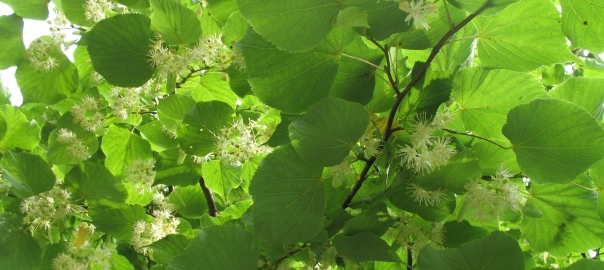
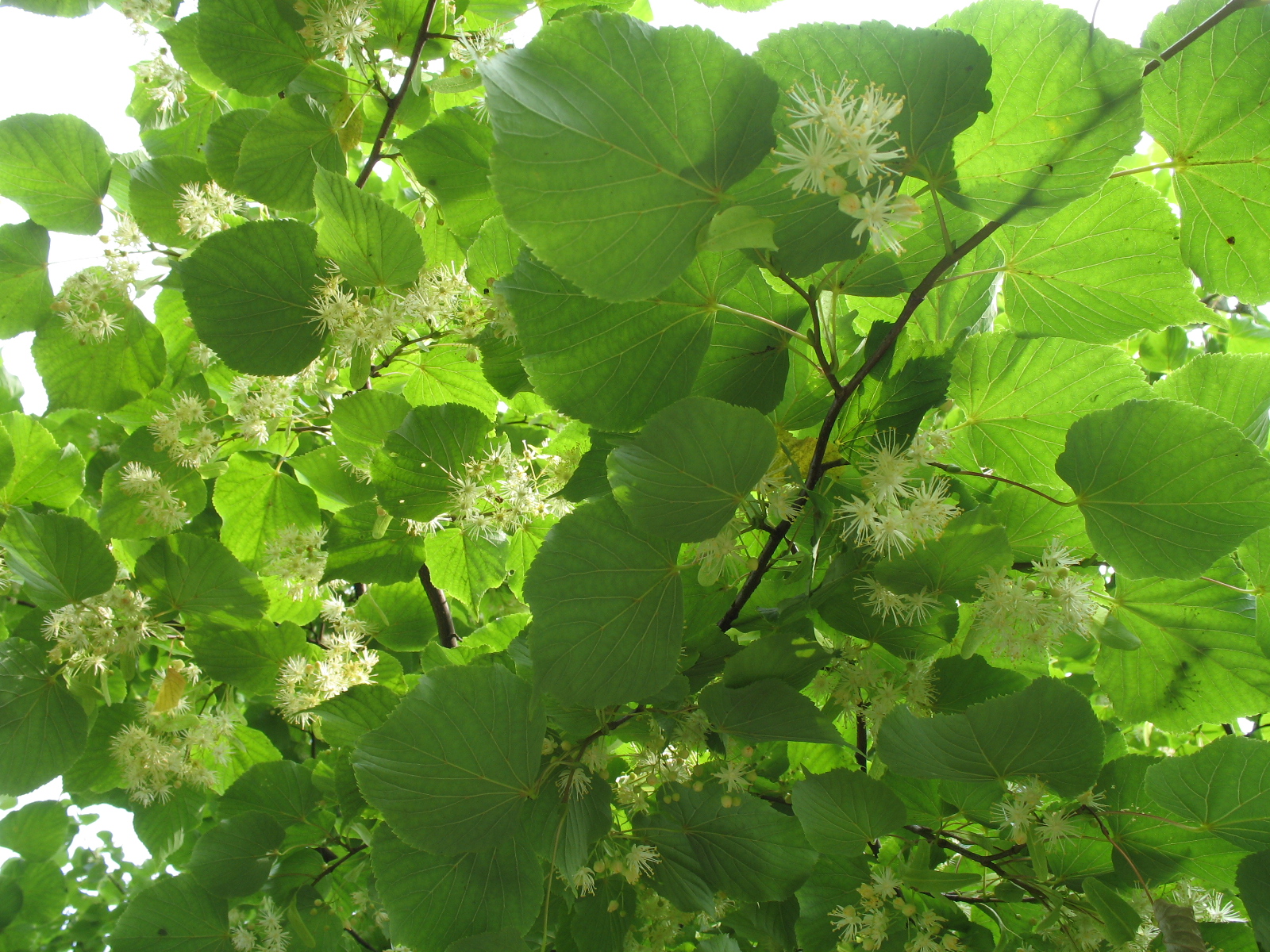
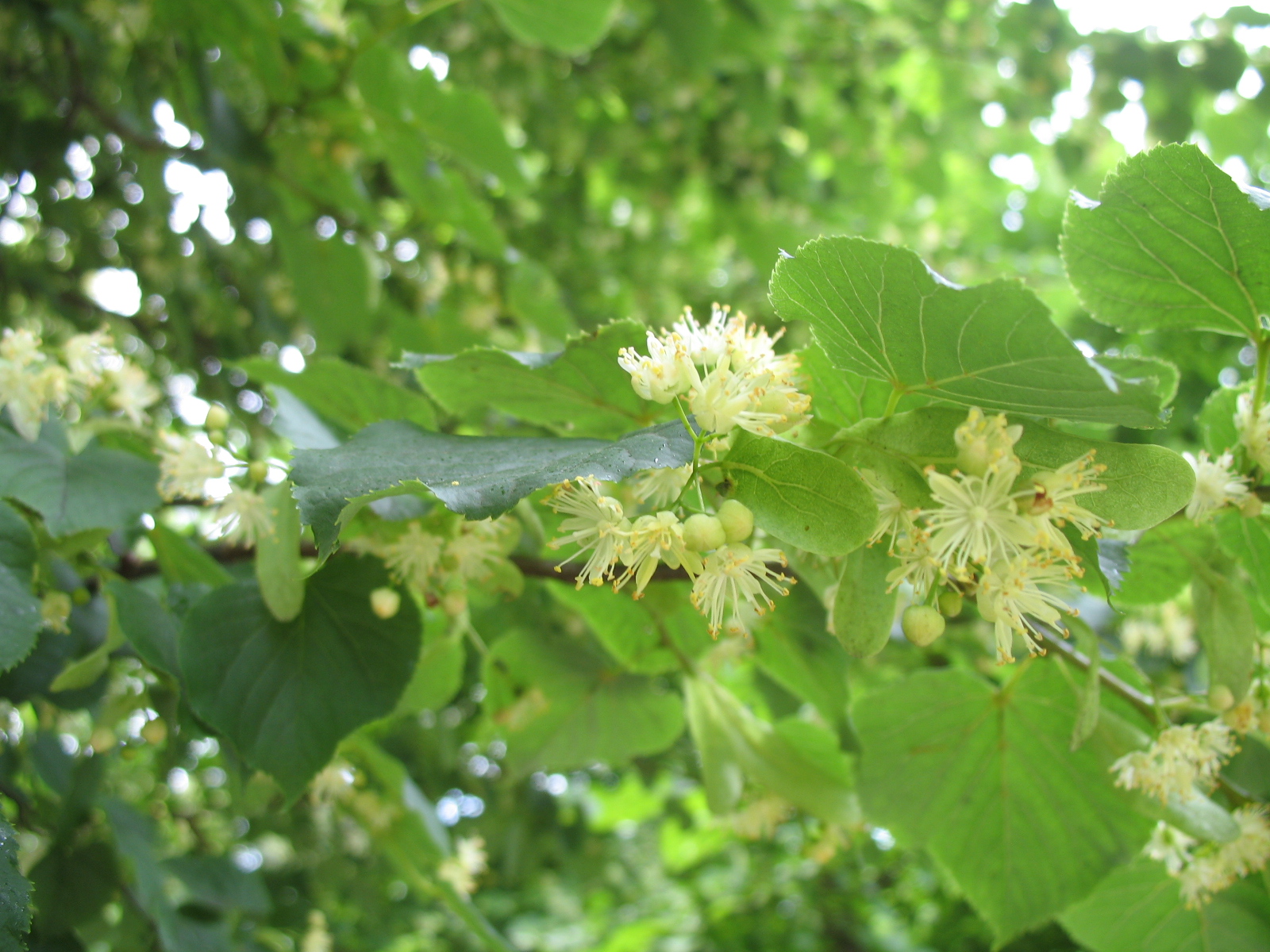
I went for an earlier walk in the park today and was rewarded by finding the freshest and most delicious Lime (Tilia) flowers that I have ever harvested.  Here’s the tree they came from.  I turned them into a tea and shared it with the painters and my little girl.  Lime tea is especially good on a warm summer day like today. It is cooling and refreshing.

Here’s a neighbouring Tilia tree in the park. It must be a different variety as everything about it is a little smaller than most Tilia in the park and the the leaves are a little darker.  The flowers are also placed slightly differently on the twigs. I don’t know so much about the different varieties but I do know that Tilia tastes good and is very beneficial.

Next is a harmonious grassland combination of Plantain, Yarrow and Red clover in bloom.  I set off today hoping to find enough Yarrow to make a tick-deterring tincture. I got rather side tracked by other herbs and in the end, didn’t notice enough to harvest. So instead of tincturing, two flower stalks are brightening up a small vase on my dining table.  It’s good to remember just how many ways there are to benefit from flowers.

Here are two of my favourite things, my little girl and a huge Brassica plant.  As with most naturalised and wild brassicas, all parts are edible and quite strong tasting. Just a carefully picked leaf or two should liven up a meal.  (Thanks Jennie for correcting me on this one, I thought it was Wild Cabbage but that only grows near the coasts on chalky soil). This one may be Rapseed (Brassica napus). My friend Jennie Akse is running a herb walk focused on edible yellow flowering plants, around in Amsterdam at present.  Have a look at the Meetup group for details.

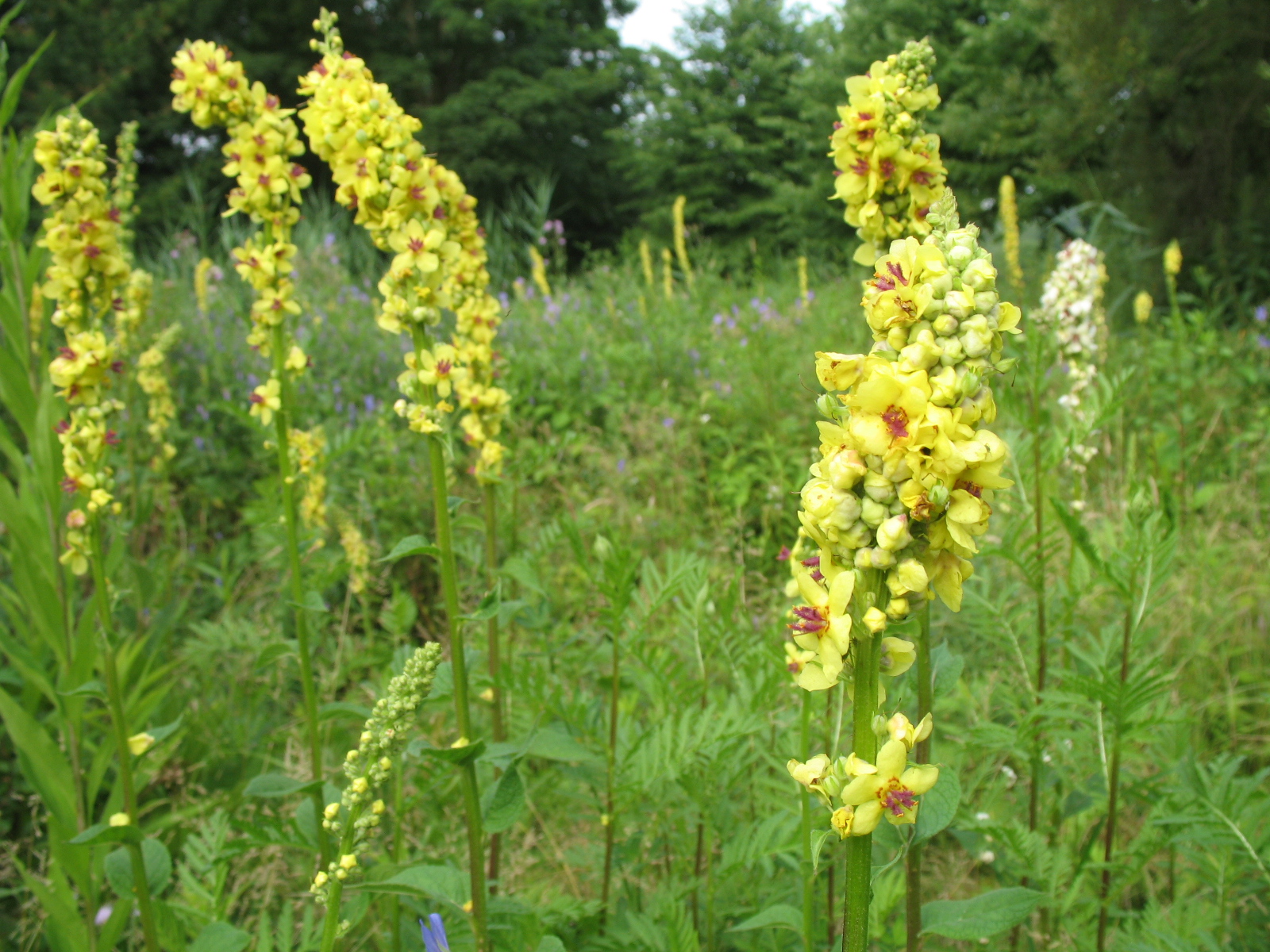
Here is a herb that I find quite wondrous, Dark Mullein (Verbascum nigrum). Useful for many disorders, such as lung weakness and infection and most popular, I think, as an ear infection remedy.

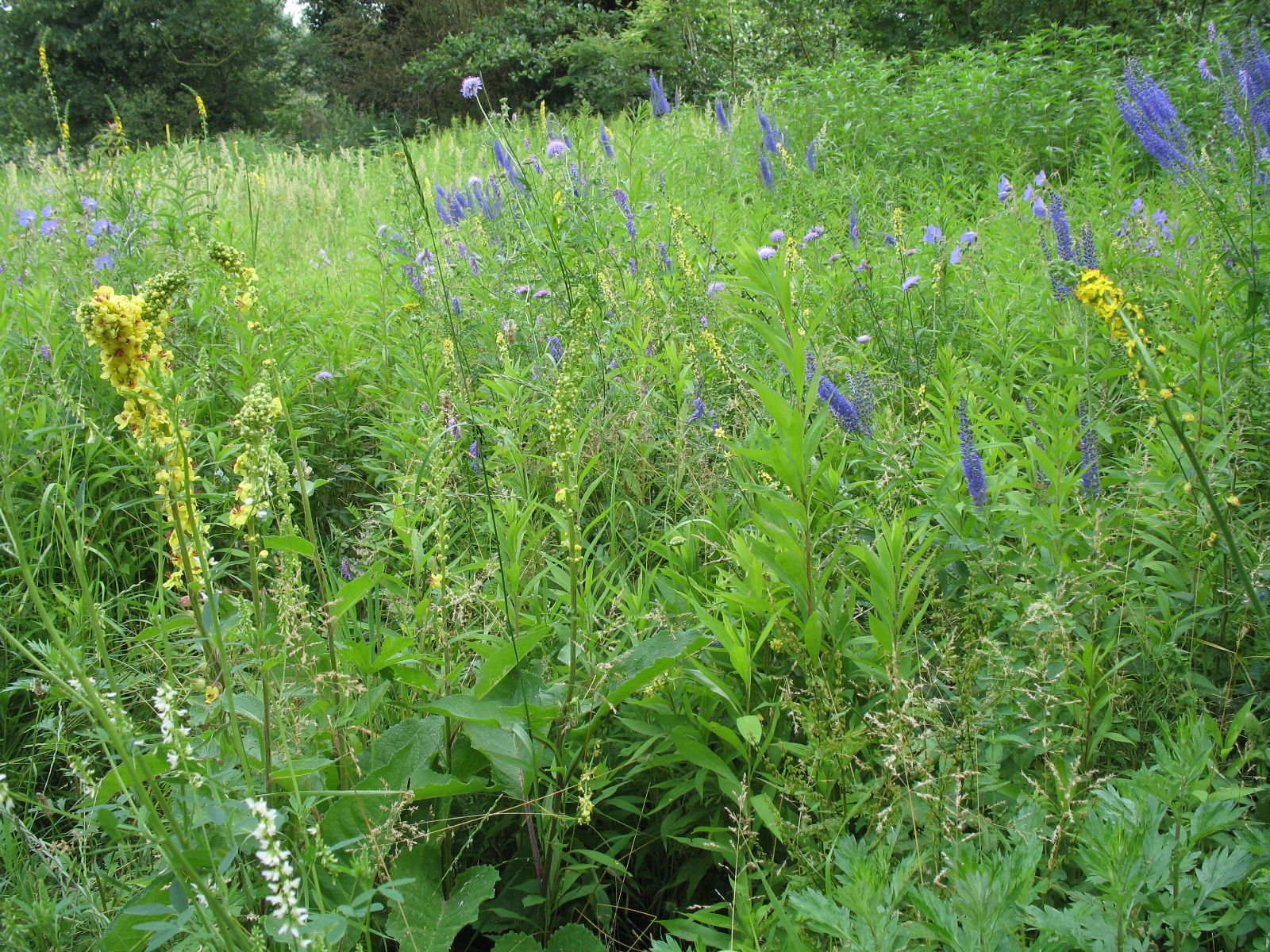
Next up today is another herbal harmony, Veronica‘s towering blue spires mixed with more Mullien, Mugwort and Agrimony.

Here are some striking and Poisonous Lilies, in the formal garden behind Frankendael Huis and Merkelbach.  I add this photo because yesterday I featured the very edible Daylily (Hemerocallis fulva), which can look very similar to the uninitiated.  All parts of Lily are toxic. I have never thought about eating this type of plant but I find the pollen, when trapped in a living room with it for instance, very irritating.

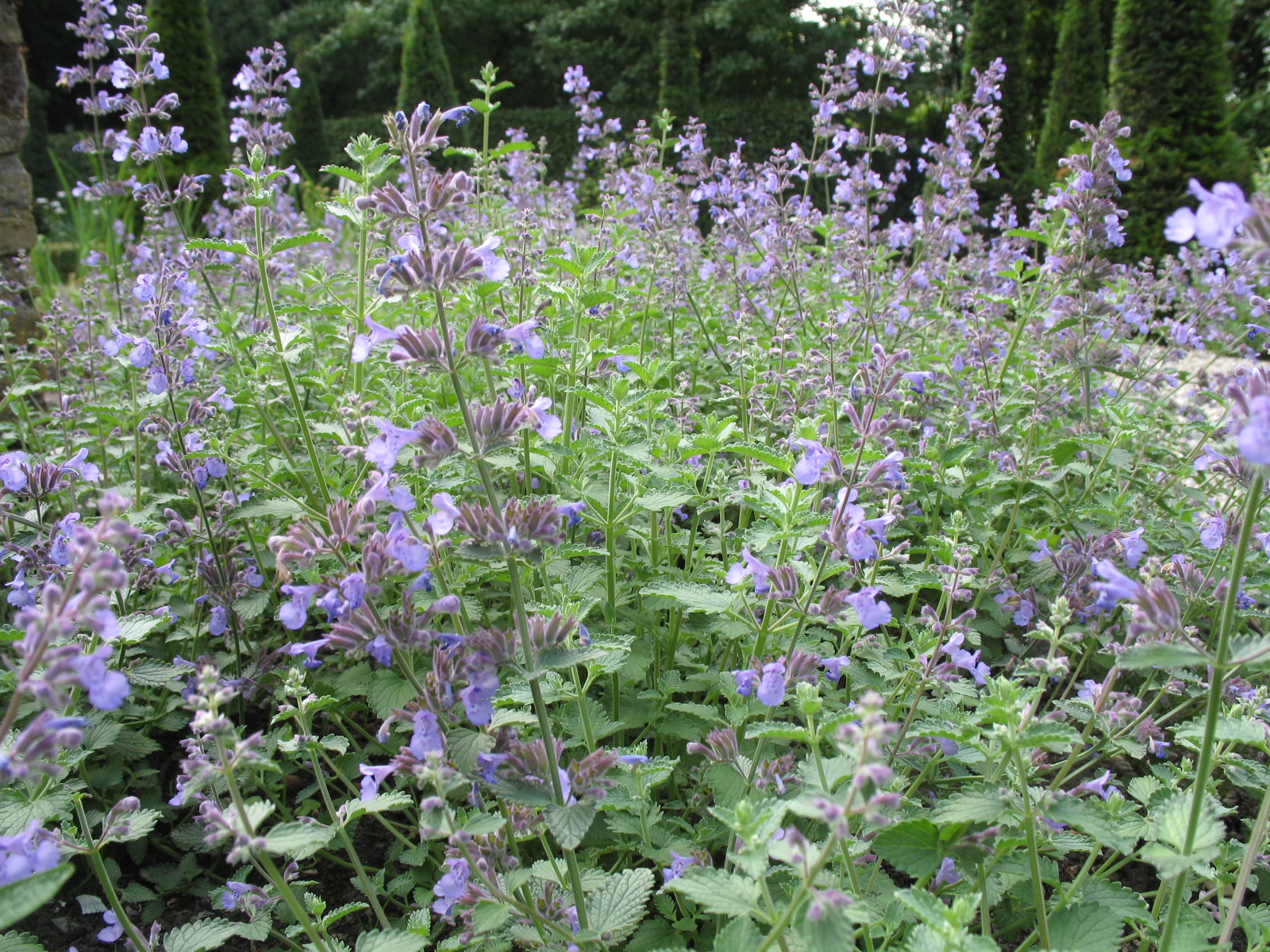
Here is Catnip (Nepta sp). A member of the mint family, it can be used in similar refreshing ways. I like to make a sinus blasting pesto with it sometimes. It has many uses and is quite easy to grow.  Many will already know about cat’s affinity to this herb.  Some love it and find it quite a turn on, others seem to lack receptivity to it and many show more of a loved-up reaction to Valerian.

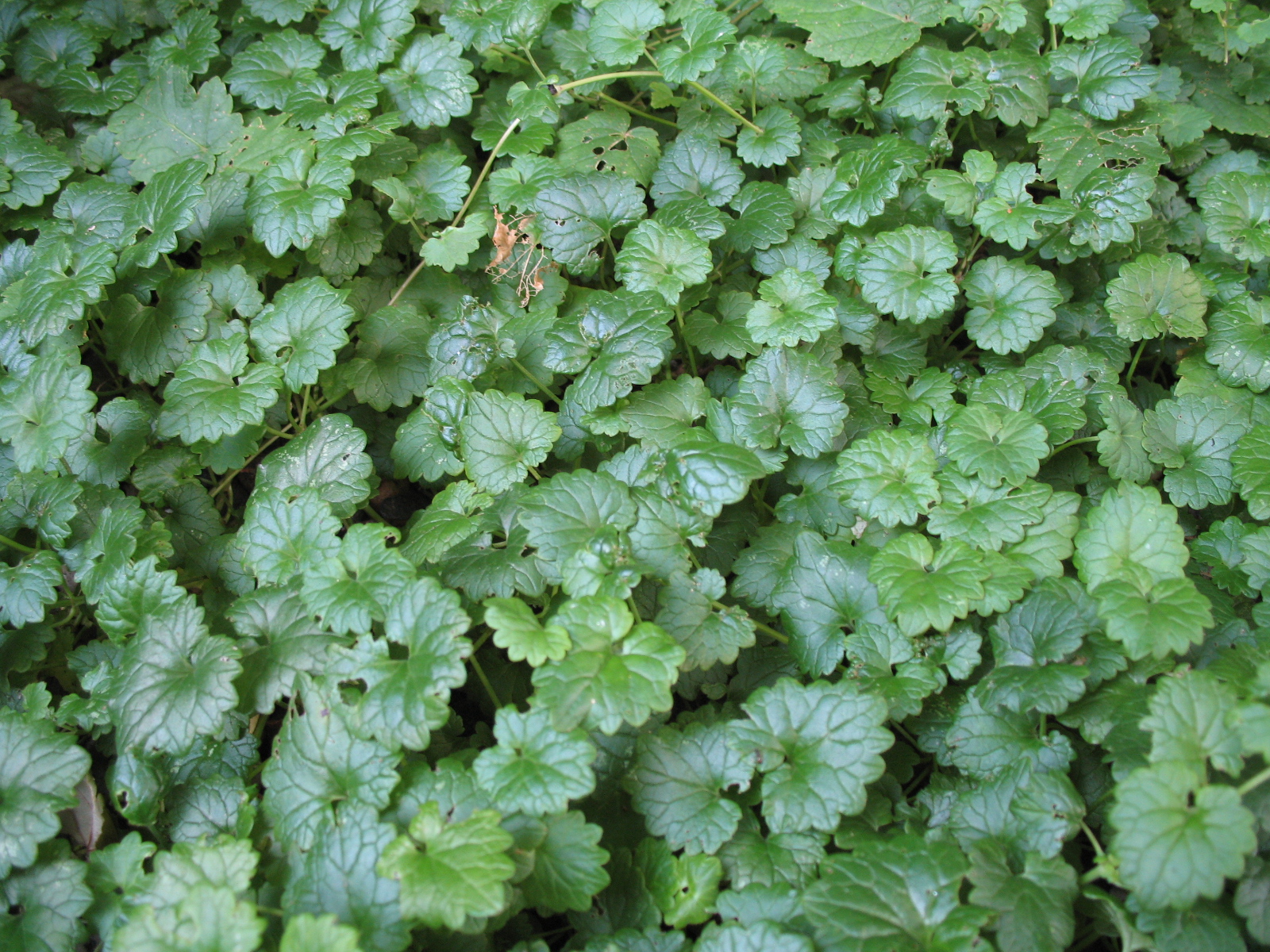
Another minty wonder is shown below, the often overlooked and trampled Ground Ivy (Glechoma hederacea). The pretty purple flower spikes are gone from most of the plants now but just look at that rich foliage! Now is a good time to harvest and use it or dry it for the winter. But why bother when this ground covering  plant is around all year long?

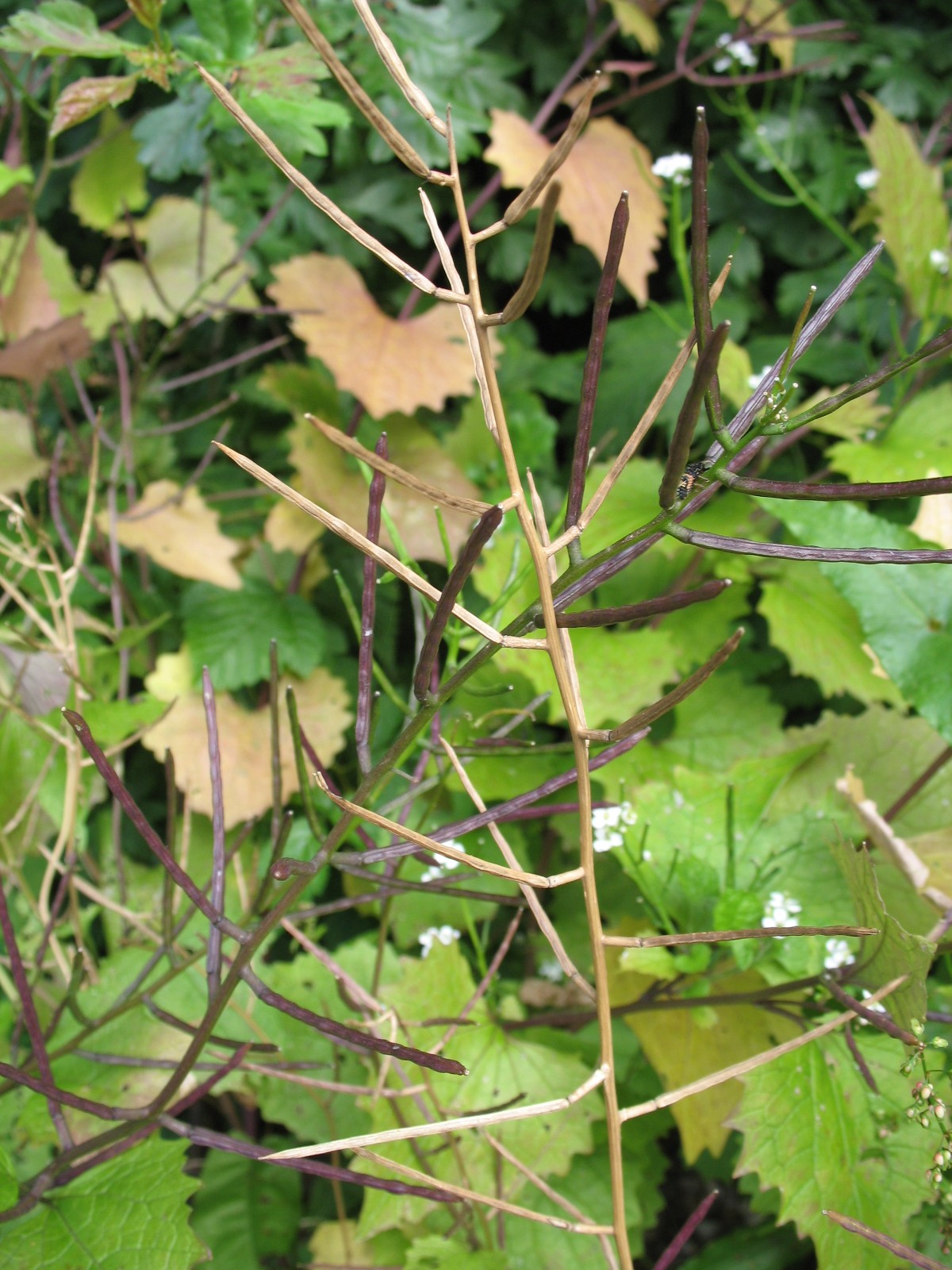
Next is a delicious Garlic Mustard plant (Alliaria petiolata), showing different stages of seed pod development. This is a wonderfully tasty herb to add to all sorts of cooking.  It is also great used as a salad leaf or flower.  Looking at these seed pods reminds me of why it’s a pity to harvest the flowers of this super biennial.  Less flowers, less seeds, less plants next year.

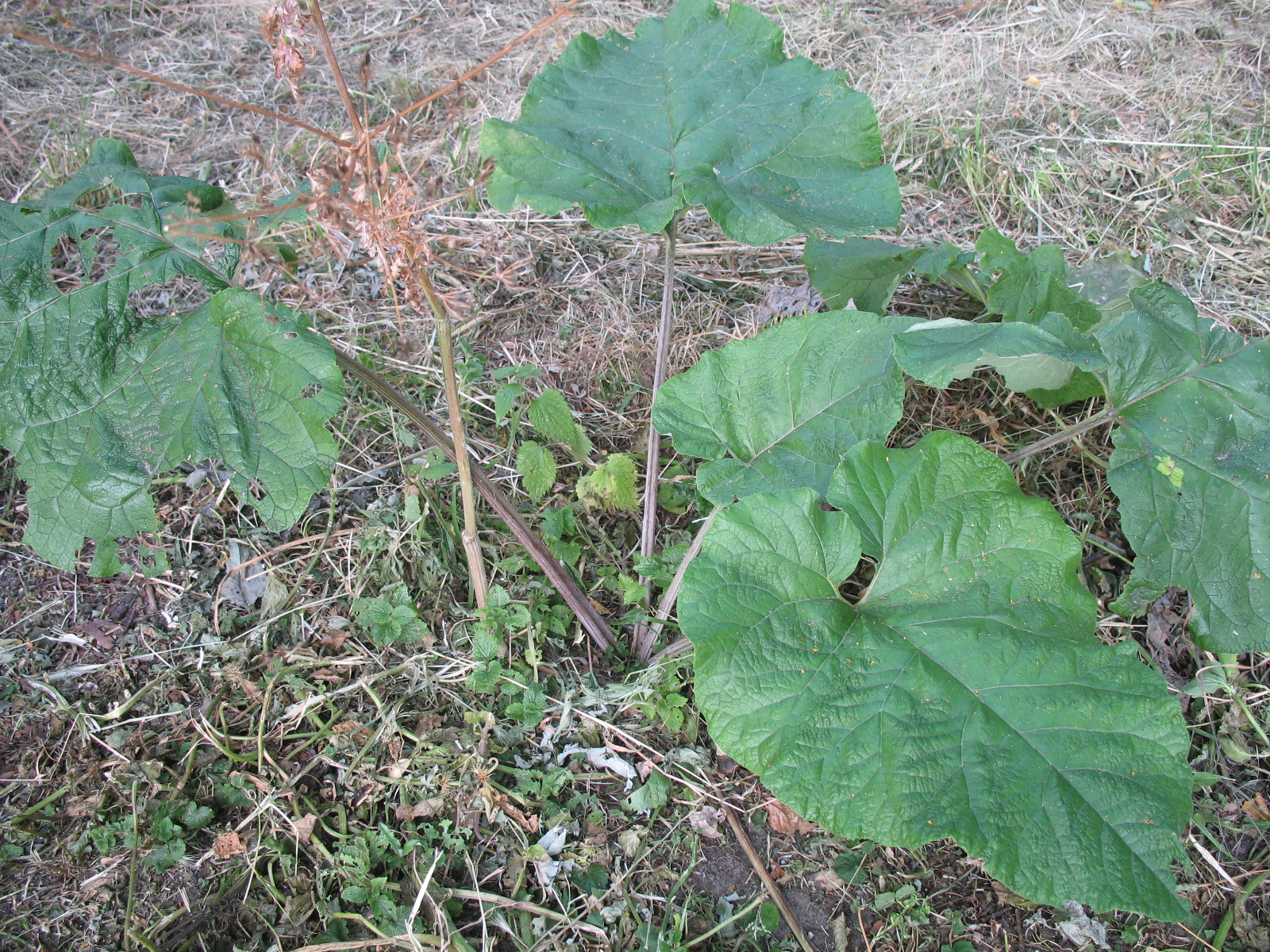
Next is a large plant which I’ve been hunting for some time – a first year Burdock (Arctium lappa), ripe for root harvesting.  It seemed that all the Burdock in Amsterdam were second years, in bloom and not very nutritious or medicinal.  Now that the council have mowed some patches of the park, some first year Burdock have been kindly left to develop.  I won’t be digging this plant up but it’s good to see it and be reassured that a first year plant is easy to identify.

Lastly today, a type of Hyssop (Hyssopus sp.).  I used this plant quite a lot last year, it is very aromatic and makes good tea. I’ll have a careful look at this one again soon to identify it fully.

365 Frankendael day 73

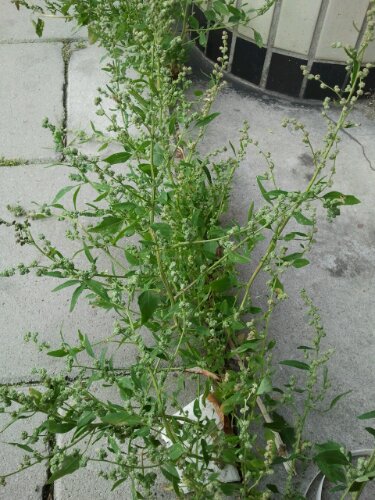
I caught the bus to work this morning and was able to check out my usual Fat Hen (Lamb’s Quarters, Chenopodium album) and Mugwort (Artemisia vulgaris) collection spot. Here it is, a few days post council mowing. Fortunately there are lots of intact Mugwort plants in adjacent unmowed areas but the Fat Hen is no more. I’ll keep my eyes open for another patch of them as I really enjoy their flavour.

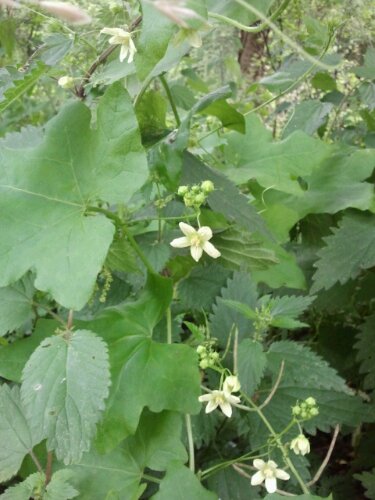
Here is poisonous White Bryony (Bryonia alba), flowering faintly as it grows over a hearty looking Bramble. I didn’t have much time for photos today so thought I’d look up the uses of White Bryony in one of my favorite old herbals – Mrs M. Grieve’s Modern Herbal. The link above is from a useful online version of that book. It was used historically as a purgative for people, cattle and horses. It is a powerful irritant and cathartic, i.e. it makes people throw up very violently and is not a plant to be dabbled with. I love the reference in the book to scoundrels of old, digging up the roots and placing them in moulds to allow them to grow into imitation Mandrake roots. If only their modern day counterparts had that much skill with plants! I really like the look of this plant and if I didn’t have a child or cat in my home I’d probably harvest some and use it in some way, but certainly not internally. All parts of the plant are poisonous.

365 Frankendael day 66

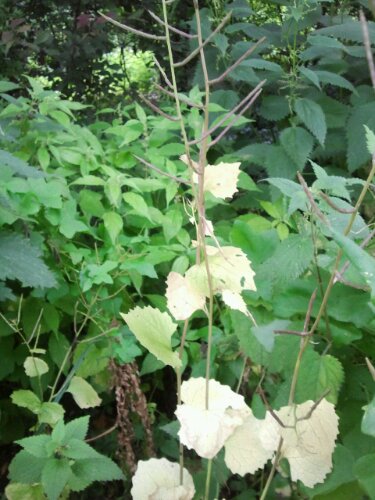
Here is beautiful and extremely poisonous native climber called White Bryony (Bryonia alba), which I noticed today in a shady Frankendael hedgerow, growing over some Stinging Nettles. This is a new place for me to spot the plant. It also luxuriates throughout the woodland quarter of the park, where I see it a lot. It grows all around the city and thrives with something to scramble up and over, so it is often found against fences, hedges and shrubs. At the moment, whilst in flower it is even easier to identify.


Above is Yarrow (Achillia millefolium), flowering all over the city at present. A very useful and tasty herb. Known as Nosebleed in some parts, it has the ability to staunch or start bleeding. Not one for pregnancy or infancy. A prized women’s herb.

I thought I’d take this photo today to show how easy it can be to confuse plants. It shows Pensylvannian Pellitory (Parietaria pensylvanica) my neighbours’ dog’s favourite, growing beside a seed-setting White Deadnettle ( Lamium alba). Both are edible and both are, amongst other things, both are diuretics. Do you know which is which?

Lastly today, here is a sure sign that the main Garlic Mustard (Alliaria petoilata) season is coming to an end. Today I spotted lots of very yellow looking plants, putting all their remaining energy into seed production, rather than those delicious leaves. So if you have a penchant for this plant, now is the time to harvest from the small, younger plants . Please remember to leave the plants with plenty of foliage and the seed pods intact. That way, hopefully we can all benefit from a good crop next year.

365 Frankendael day 65


Today has been busy, with a brief Lime Blossom meetup and a poorly cat being taken to the emergency clinic, so just a very brief post today…
Above is a photo of Hedge Woundwort (Stachys sylvatica). A member if the compare family, with very strongly smelling foliage which I have mentioned previously. It makes quite a good tea and can act as a digestive, I use it now and again to help digest rich meals but am not a big fan of the pungent angel. It was historically a wound herb, as the English name suggests. It can be made into a poultice, historically with vinegar and used to help reduce inflammation and speed wound healing. This plant grows plentifully on the waters edge in various parts of Park Frankendael. However, due to today’s cat adventure, the photo was taken at the shaded edge of a children’s playground, two blocks from the park.

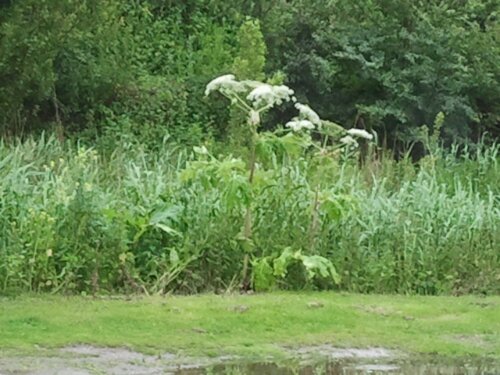
Secondly a photo of an magnificent Carrot family plant called Hogweed, taken through the Animal Clinic window on Isolaterweg. I’ve seen this amazing plant in many city locations recently and want to mention it briefly today. Obviously I was more interested in my cat when I spotted this one so didn’t measure it or get my field guide out but it is most likely either the toxic, irritating Giant Hogweed/Wild Rhubarb or the closely related Common Hogweed which some foragers, not myself, are rather fond of eating. River Cottage country living guru, Hugh Fernley Wittingstall, apparently loves eating the young tender shoots. Look on the River Cottage website and forum for lots of ideas, if this plant interests you.

365 Frankendael day 57

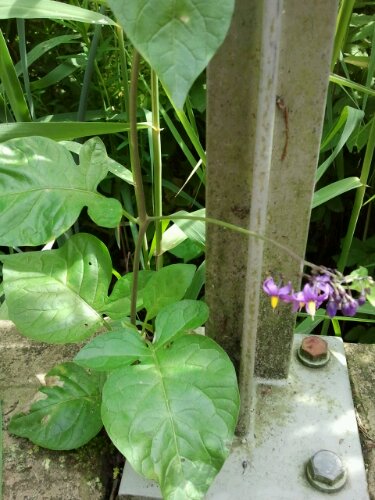
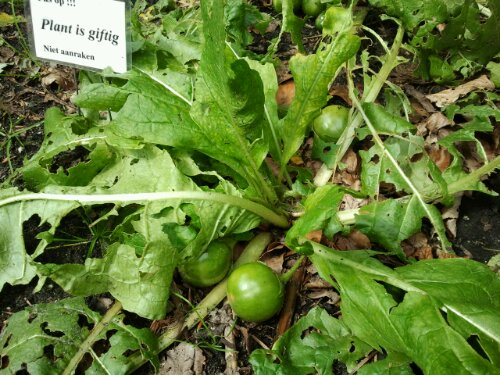
Firstly today a poisonous member of the Nightshade family, which I have seen for the first time this year, today in Park Frankendael. It is called Bittersweet (Solanum dulcamara) And if you know what potato and tomato plants look like (also in the Nightshade family) then hopefully you will easily recognize this plant when you see it. Unbeleivably I found the tomato like fruits of related and extremely poisonous Mandrake (Mandragora officinarum) on Thursday, growing on display in Beatrix Park’s beautiful herb garden. It is labelled poisonous, in Dutch, but I’m sure that young tomato loving children may not understand that sign. It isn’t labelled with the plant name, perhaps to avoid Harry Potter fans and the like, from recognising the name and sampling it. It was wonderful to see the plant in real life and up close, but very worrying none the less. I wonder if the volunteer herb gardeners wear ear protection when they dig up the Mandrake roots? If love to meet the gardener there with an interest in such plants.

Here’s Bittersweet in Frankendael…

Here’s the Beatrix Park Mandrake…

On the topic of interesting park management decisions, I returned to the patch of Pellitory, in Frankendael today. It has been strimmed down to the ground. I photographed it a couple of weeks ago and it has not yet set seed. Perhaps it was managed to prevent it spreading too much. Sure enough it does grow quite successfully in this part of the park and it certainly bounces back each year from this sort of management. It also reminds me that when I worry about harvesting from parks, at least I use what I harvest.

Here is Ground Elder, ripe for foraging today: