Category Archives: Shrubs

365 Fraendael day 38

The weather is unusually warm again today, which has causes Chickweed to shrivel up and die and Poppies (not edible, but poisonous, a historically useful medicinal herb) to flower.

Here is Ribwort (Plantago lanceolata), discretely in flower amongst long grass.

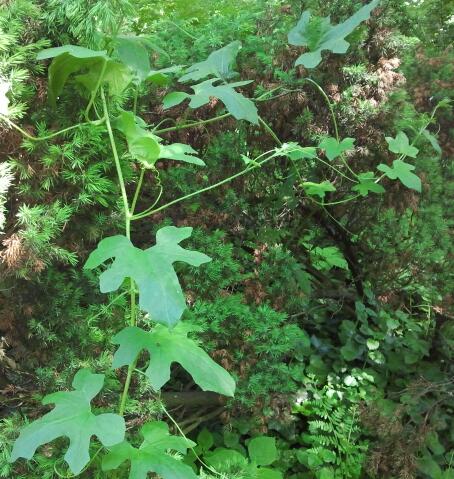
Poisonous White Bryony, looking as though it fancies strangling the Juniper bush.

Motherwort flourishing, still at a useful stage for harvesting and tincturing.

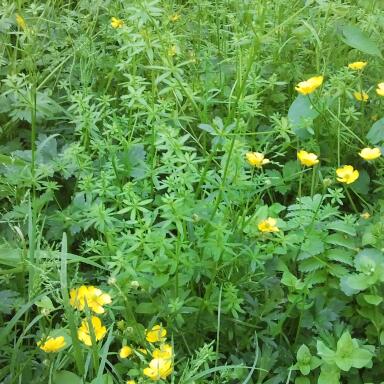
Hedge bedstraw. Looking similar to Cleavers.

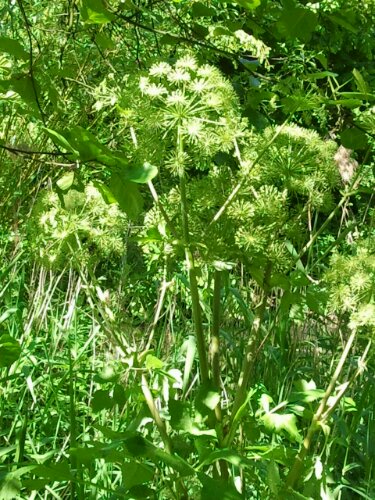
Angelica archangelica, with it’s out-of-this-world flower heads, towing over the other pond plants.

Watermint, or at least a mint species growing in water, will decide which soon. Low growing still, building its strength in readiness to flower.

365 Frankendael day 35

Today a very speedy look around the park, in the late afternoon sunshine…

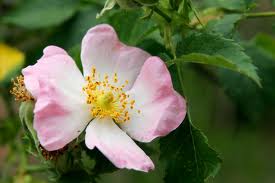
Roses are opening up all over the city. Perfect weather for them to bloom. This is one of my favorites in the park, Rosa arvensis, the Field Rose. Very pretty now and produces excellent hips in autumn.

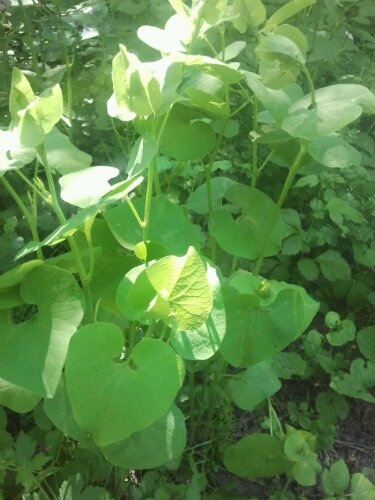
Birthwort, NL: Pijpbloem (Aristotolochia clematis) highly poisonous, with some historic uses (and recent infamy from causing kidney failure when accidentally incorporated into ground wheat flour). I am looking forward to finding out what the Latin name is all about.

Lime leaves (Tilia) are mostly covered in something sweet & sticky at the moment. Either excrement from the masses of insects seeking out nectar from the new flowers, or the nectar itself dripping down onto lower leaves. I’m not too sure which it is but at the moment this sticky stuff is clear, but visible and certainly delicious. Wash it off or not, the leaves taste great and many blossoms are already present so let the harvest begin! In a short while the sticky covering will thicken and blacken. Then it needs a good scrub and or soak in clean water to get it all off. The leaves do stand up well to such treatment and can then be dried thoroughly for storage or used directly.

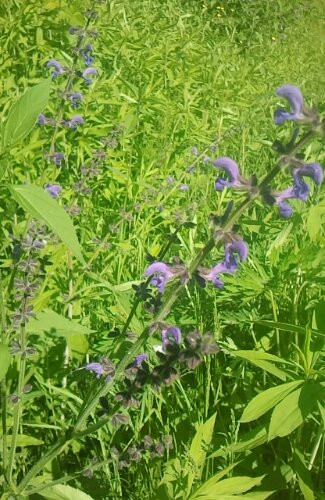
Sage, (Salvia officinalis). Beautiful and so tasty! Beware the power of Sage if taken in higher than culinary doses and stay away for it during the few few months of pregnancy. Not a tonic herb but a very useful one for the body and mind.

365 Frankendael day 32


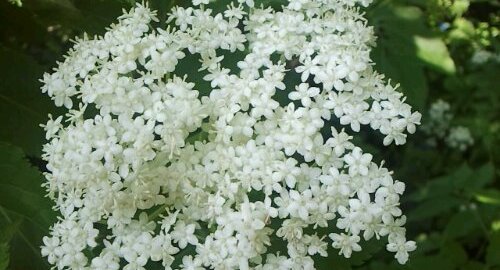
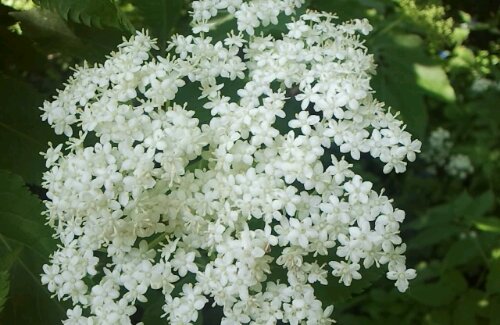
Today a lovely elderflower on the Hugo de Vrieslaan edge of the park. There are Elder shrubs all over the city and now is the time to covet those in the cleanest spots. Each day for the next couple of weeks elder blossoms will burst open, inviting local insects to do their thing and foragers and herbalists to get harvesting! You only need a flower head or two to make a great addition to a meal. As I have mentioned recently, only seven flower heads are required for a hearty quantity of Elderflower Champagne. So if you want to pick elder flower, be nice, thi about how many you really need and spread your harvest between healthy well flowered shrubs. In years gone by, Elderflower lovers would know which local Elders yielded the sweetest flowers. These days I think it’s more a matter of where there are healthy shrubs in the least polluted areas. I’ll certainly be out and about in clean spots, with my paper bag and scissors, over the next few weeks.

It is possible to confuse Elderblossom with other flowers (such as distastful and smelly Ash blossom). Look closely at the photo here (which is deliberately large) and others in good guide books. Notice the way the inner male parts (stamens loaded with pollen) of the tiny flowers protrude between the petals. Notice the colors of the parts of the flowers. Elder blossom is a creamy white, not a stark white. The flower heads are flat, aligning themselves to attract insects the best they can. Learn the shape of the shrub. It is often a messy shape, with areas where quite brittle branches have stapped off. Elder can be enormous, like those against buildings and at other times can hug the ground where they constantly fight their way back from repeated attempts to prune them to death. Be nice to Your local Elders this foraging season. Get to know This herbal medicine chest and in time, it may become a good friend. See the comment about Elder on 365 day 20 for several useful Elder links.

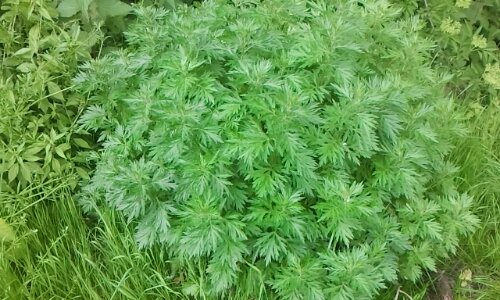
Here’s my favourite Frankendael bus stop clump of mugwort again; still growing, still no flowers, still dreaming.

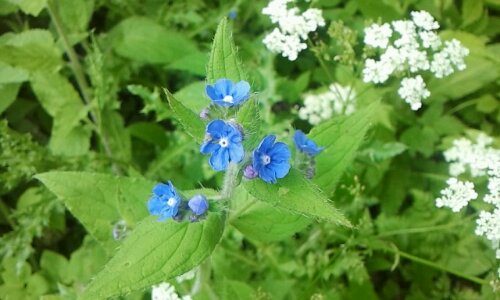
And finally today, a pretty Green Alkanet (Pentaglottis sempervirens) plant. Also from the edge of the park. Green Alkanet is a lovely plant with many uses. It is edible and medicinal.

365 Frankendael day 29

Hop (Humulus lupulus – what a latin name!) is entwined about a meter up last year’s dead stems today and looks far healthier and more vigorous than any cultivated Hop plant I have seen. I am really looking forward to seeing whether or not its flowers are as impressive.

Mugwort is growing beautifully on wasteland near a Frankendael bus stop. It is helpfully showing the silver underside of a few leaves in the breeze.

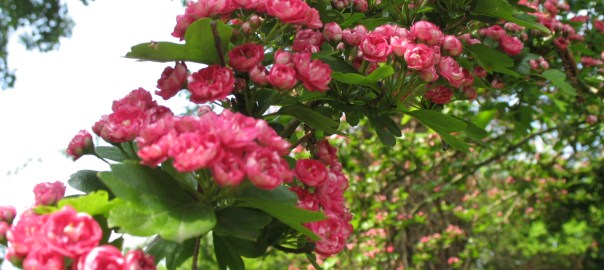
This member of the Hawthorn species reminds us clearly that Hawthorns are members of the Rose family.

Valerian officinale is almost ready to flower in wetter areas of the park.


And Agrimony plants are making themselves more obvious is some drier sunny areas.

Also today, towering Pink Purslane (Montia sibirica) is in flower. It looks similar in structure to Winter purslane (Montia perfoliata, which is low growing and currently growing like crazy along the Centuurbaan fence of Sarphatipark. Often called Miner’s Lettuce it tastes great!) However, Pink Purslane is said to have a nasty acrid aftertaste and should be avoided by foragers. It’s such a beautiful flower at this time of year that it’s good to know it tastes bad!

365 Frankendael day 20

Day 20 of the project and after going to the park expecting to see just one or two new things I was delighted to find my first Elder blossom of the season, Wild Aspraragus shoots and several other delights. Here are a few…


Above, Japanese knotweed is still fair game for Foragers looking for something a little exotic in Amsterdam. Here’s a link to my
sweet sour JKW yoghurt recipe

.
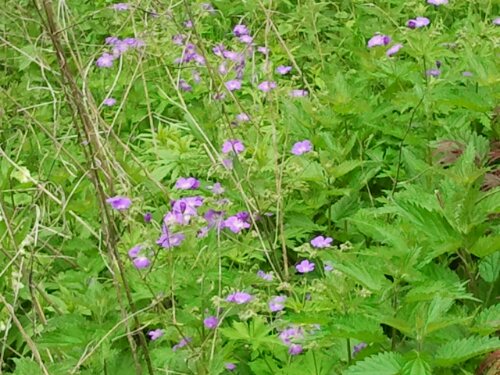
Next is A Geranium species in flower. Very tasty cooked or raw.


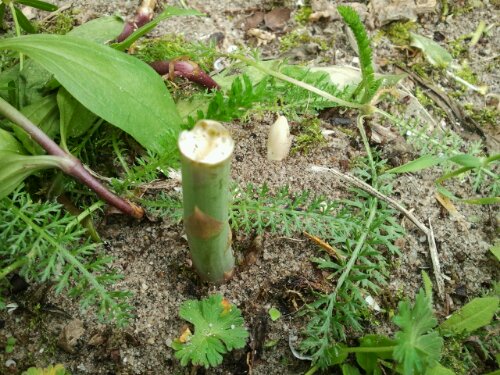
Someone got to this Asparagus before me. It makes a stunning tall feathery plant when allowed to flower. I hope that whoever harvests this one leaves some other shoots to flower and fruit unhindered.


Above is Plantago major (NL: Wegbrood, Plantain) in full effect, prior to flowering. It’s not as useful a medicinal than its slender sister Ribwort (Plantago lanceolota) but its useful and quite good eating.

I feel like a bird spotter with this one… Above is my first sighted Elder blossom of 2012 and it gets me very excited. Elderflower fritters, Elderflower champagne, Elderflower tea and a host of other flower and Elderberry recipes are not far away! This huge Elder shrub is on the Middenweg, just up from the top entrance of Frankendael and opposite the Vomar supermarket. If only my arms were long enough! Remember to harvest with respect and leave LOTS for the birds and bees. Also be very aware of Elderflower look-a-likes. Here’s a photo of Ash or Rowan in flower, growing above an Elder shrub which is not in flower. It would be an easy mistake to harvest the flowers believing them to be Elderflower, when here is nothing to compare them with.

365 Frankendael day 19

I’ve been walking in Frankendael with Elodie today, we found heaps of herbs, several new to us. If you’d like to join me for a herb walk there are a few spaces left for the Sunday May 27th Amstel to Frankendael walk. Here are some striking examples from today…
Solomon’s Seal looks rather like an enormous version of Lily of the Valley so I always steer clear of it. I have always thought of Lily of the valley as a poisonous plant so lethal that I shouldn’t even go near it. Upon reading about it last night I learned that it is called the herbalist’s Digitalis. It has a potent specific effect on heart muscles, causing them to open and fill more intensely and to raise blood pressure. It is thus lethal in even small doses and is not a herb of interest to me. However this arching beauty of the woods is very interesting. Solomon’s seal is used to make traditional remedies for many ailments, ranging from speeding muscle and bone healing, to menopausal symptoms, diabetes, acne and other skin afflictions. The native Americans reportedly ate it frequently.

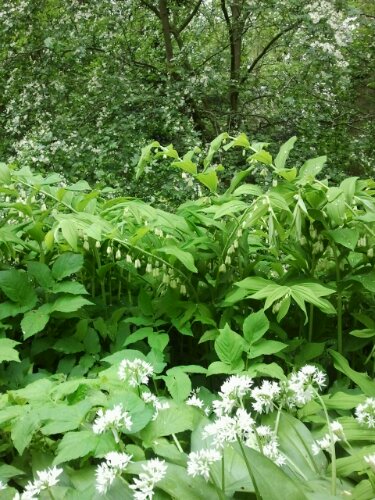
I was thrilled to turn a corner in the wood today and be greeted by this scene:

It is difficult for a photograph to do it justice – especially one of mine! Here is Hawthorn arching over a swathe of Solomon’s seal and Wild garlic, all three in flower at the same time.

Other herbs of note today…
Below, endangered Hoary Plantain (Plantago media). I first saw this herb last year and remember not really knowing what it was, although it was obviously some kind of plantain, but wanting to hide it and protect it from trampling feet! Of course I couldn’t and this plant is well adapted to living in well trodden locations. However, should you find it, especially in a week or two when it’s flower stalk will look like some sort of moth-plant hybrid, then please don’t touch it. I hope that this one has a chance to set seed.

Chicory foliage:

Yarrow (Achillea millefolium)

Endangered Greater burnet (Sanguisorba officinalis)

Oregon grape, Berberis aquifolium

I was out walking in my Amsterdam neighborhood today and as usual noticed lots of Oregon grape (Berberis aquifolium) in landscaped areas. Every time I see this plant, I remember reading about how it is edible and in fact, a highly regarded herb. I have never used it but decided to learn and share a little about it today.

You can easily find out lots of information regarding this herb on the Internet or in books. It’s a herb with quite a history, being the state plant of Oregon. I find the most interesting facts are that:

1. It is a powerful liver stimulant and cleanser.
2. The roots are bright yellow and highly regarded by herbalists seeking a strong stimulant effect.
It doesn’t really sound like a herb for me because of this potency. Tonics tend to be much safer and more appropriate for adding to everyday meals.
3. It must be avoided by those who already tax their systems, for instance by eating lots of heavy meals.
4. The berries are black, obvious and plentiful when autumn arrives. They are very rich in vitamin c and have a very bitter taste.

I’ll be sampling the berries in autumn and will post more Oregon grape entries on Boskoi. I’m thinking of adding a handful to a Rumpot. It has obviously been an Amsterdam landscape architect’s favorite over the years consequently there are plenty of dense Oregon grape plantings in town.

Wild rose

Rose petal butter – 3 methods

Recently, I was interviewed for a Time Out article about city foraging. As the journalist and I discussed the merits and perils of city foraging, I mentioned how underused roses are. Very soon Amsterdam should be dripping with fragrant blooming roses. Most petals simply tumble to the ground and at times make a soggy rotting mess on pavements. I urge you to find roses in healthy locations, ask the owners if they would mind you harvesting very sparingly and get ready for lots of rose tinted recipes!

Many Roses will bloom by mid May and the season will hopefully last right throughout the summer months. Our rooftop Rambling Rector is not in good shape, following the late cold weather, so I’m on the hunt for local neglected roses.

Rose petal butter
Here are 3 methods, all make a fragrant, eye catching and somewhat romantic butter. The first method are very simple, the third method is traditional but well worth the extra effort.

Please note:
Roses from a florist are not to be eaten as they will surely have been sprayed with chemicals. Likewise, roses from sprayed gardens must be avoided, as should those from unknown, unclean or suspect sources or those with no scent. If you gather petals in the morning, just after the dew has evaporated, you will have petals of a higher oil content and these will make the best butter.

Method 1. Simply chop, or tear, upto a cup full of fragrant rose petals and mix throughout a block of softened butter. It can be mixed until the butter becomes creamy. Shape the butter – petal mix as you wish before refrigerating for about 2 hours prior to use. and leave in refridgerator for two hours, prior to use.

Method 2. Allow a block of butter to soften so that you can shape it as desired. Cover it with lots of petals and place it in a glass container. It should ideally be completely drowned in petals, beneath it, all around it – really packed in petals. Leave the container for a good 24 hours, to allow the fragrance to penetrate the butter. To use, remove the butter from most or all of the petals, use petals as mentioned in 3 below and refrigerate your butter if you wish.

Method 3. Over the bottom of a glass jar, spread a layer of softened butter then cover it with a layer of washed and blotted-dry whole rose petals. Place a cut to size sheet of baking parchment over the petal layer and cover that with another layer of butter and a subsequent layer of rose petals. Make several layers in this way before sealing. Store for several days, at room temperature or in a refrigerator. Finally, separate the paper, petals and butter. Reuse or recycle the paper, shape the butter as desired, set the petals aside to use a garnish or sandwich filling. Butter and petal quantities, required for this method, depend upon how much you would like to make or have access to.

Rose butter is versatile, you may like to try it on sandwiches, hot breads, crumpets or cakes.

I posted a Rose cupcakes recipe last year, more rose recipes to follow over the coming months.

(There are no photos for this posting as I didn’t take a photo, the last time I made rose butter. When the rose season arrives, I’ll add a few.)
Aftenoon tea (Camellia sinensis)

Tomorrow I shall be joining a few fellow Urban Herbologists in de Hortus Botanicus for a spot of afternoon herb tea tasting.  Each week, two of my friends try a different tea using herbs they have freshly harvested from the Hortus – generally clippings.  As a guide, they use recipes from an old tea book.  Being a one-herb-at-a- time kind of person, I am intrigued to try some of their multi herb brews and wonder what other people prefer to taste in their herb teas.  It also makes me wonder about how far packaged tea has moved away from it’s simple origins.

It seems that the tea plant Camellia sinensis prefers to grow at high altitude in tropical conditions although it can  thrive at low altitudes and temperate conditions.  Many Camellia species are grown in such non-native conditions, for their showy flowers and glossy evergreen leaves. Several Camellias grew in my previous Somerset garden, which was quite sheltered and had acidic soil.  They looked amazing in winter. Camellia sinensis will apparently also do well as a balcony pot plant, provided it can be moved indoors during cold periods.  There is an informative  Wiki page outlining the different cultivars available.

I am now hunting for a small Camellia sinensis plant, or a packet of viable seeds, so that I can try to grow and drink my own Green Tea.  I remember seeing a tea plant in the schools section of de Hortus so hope to find one for sale tomorrow. This photo is of one for sale online, in the Netherlands on Speurders.nl, for €3.  I’m not too sure if it is the real thing however and wouldn’t like to find out that it’s just a decorative Camellia when I taste the tea…

How to prepare homegrown tea leaves for Green Tea
(This is taken from About.com as I haven’t tried this yet. The link contains some very useful information including how to make black tea from your own leaves)

  • Pluck the very youngest leaves and leaf buds (from a healthy plant which is at least three years old).
  • Blot the leaves dry, and let dry in the shade for a few hours.
  • Steam the leaves (like you would vegetables) on your stove for about a minute.
  • For a different flavour, try roasting them in a skillet for 2 minutes instead of steaming.
  • Spread the leaves on a baking sheet and dry in the oven at 250F for 20 minutes.
  • Store the dried tea leaves in an air-tight container

Elderflower Tea

Following on from my recent post about Elder, here’s how to make Elderflower tea.

It is very easy to make fresh Elderflower tea and there should be some Elder close to your home.  When the shrub is in full bloom (May/June here in Western Europe) and on a warm dry day find an Elder away from polluting roads.  Check you like the smell of the flowers, the scent of Elderflower varies from shrub to shrub and it is not always fragrant!  Ask permission of the plant, in some way, to harvest flowers. Most countries have lots of  folk lore about being especially respectful of the Elder and if you are not of the superstitious kind then do remember that Elder berries are important to wildlife later in the year – less flowers, less berries.

Select only healthy looking flower heads (umbels) which have creamy-yellow stamens as shown in the photo.  Pick them carefully as they are very easily damaged, I tend to collect them into a paper bag to avoid squashing the umbels on the way home.

Don’t wash the umbels before use but do snip off any thick stemy parts and shake off any insects and unwanted bits.  If possible return the insects and bits to the plant soon afterwards.  After gently shaking, it helps to lay the umbels on some white paper for a few minutes. The tiny insects then tend to crawl out or at least may be easily spotted and removed.

Use one or two big umbels per cup of tea.  You can use the actual flowers alone (although its a bit fiddly to separate them when fresh) or the entire umbels.  I simply place whole umbels (sort of folded up) in a small tea pot, add boiled water, cover and infuse or 5 – 10 minutes.  If making it in a cup, do cover with a saucer whilst it infuses.

If you would like to harvest Elder flowers to dry and store then collect them just before the shrubs are in full bloom (May/June).  Harvest as above, lay out on paper to dry in a warm, well ventilated place. When thoroughly dry the little flowers can be rubbed off the umbels and stored in jam jars, in a dark place, for up to a year.  You would use about 1 heaped teaspoon of dried herb per cup of tea.

It is well worth keeping some dried Elderflower in stock over the cold and flu months. Herbals generally recommend that it is freely taken for a few days during a cold or flu (up to 8 cups daily) and up to a few cups per day at other times.  Refer to the post about Elder for a little more information about the properties and uses of this wonderful plant.