Category Archives: Blog

Forest School Finds

My school runs a lovely Forest School programme using some of the local space in Beatrixpark. Here are some of the beautiful plants, growing there at the moment…

Mugwort (Artemisia vulgaris) Bijvoet. Edible and extremely useful.
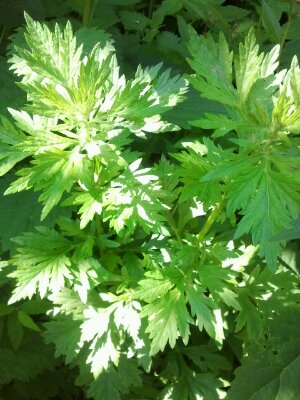
Mugwort Beatrixpark Urbanherbology


Herb Robert (Geranium robertianum) Groot Robertskruid. Edible and useful.
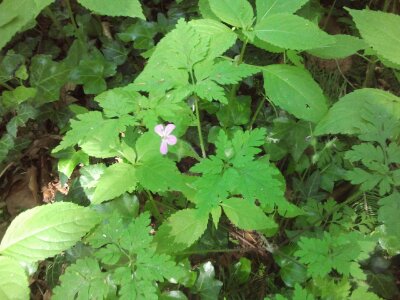
Herb Robert


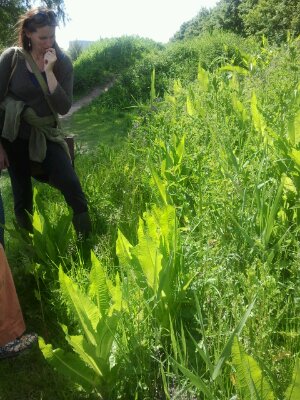
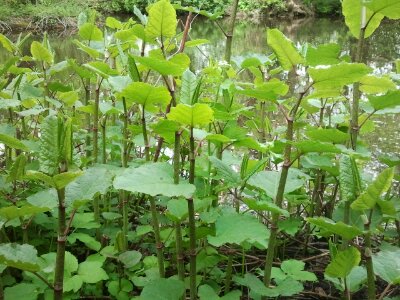
Japanese Knotweed (Fallopia japonica) Japanse duizendknoop. Edible, rather like rhubarb, when cooked. Likely to give children a sore tummy as it is very sour.  It can be quite useful as a medicine. This invasive plant is a major pest as it quickly takes over space and light from native slower growing species.
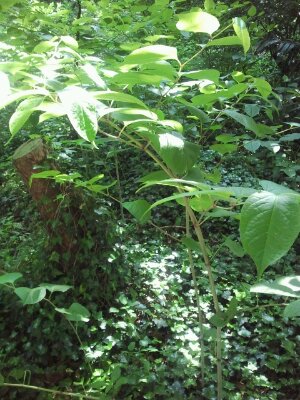
Japanese Knotweed Beatrixpark Urbanherbology

Lots of this woodland plant visible at present, it is one of my favourites. It is called Enchanter’s Nightshade (Circaea lutetiana) Groot Heksenkruid.
Despite the nightshade name, this plant is edible and is quite tasty when cooked (wilted like spinach). It is not a member of the Solanacae family (the poisonous Nightshades) is linked to the ancient Greek sorceress Circe. She apparently used this plant in many of her potions. It apparently has the ability to draw back to you whatever you send out, especially love.
Enchanter's Nightshade

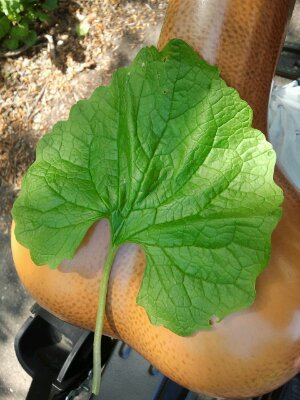
Young leaves of Garlic Mustard (Alliaria petiolata) Look-zonder-look. Edible, delicious, very versatile as a culinary herb and useful too. Note the kidney shaped first leaves arising from the soil. Then as the biennial plant matures, it develops more elongated heart shaped leaves. In time there will be a cluster of tiny Brassicaceae (cabbage family) flowers atop the tall stem. If you fancy trying some just pluck one leaf per plant and leave those precious flowers and seeds to develop. This is a huge pest in some areas but here it is a delicious treat to find! I eat it raw or cooked.
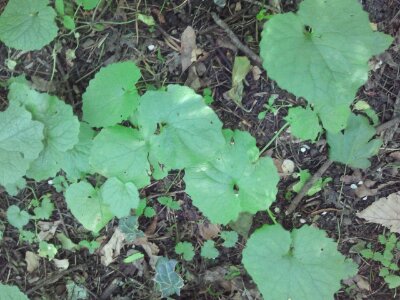
Garlic mustard

Common Daisy (Bellis perennis) Madeliefje. This plant is edible, the flowers are a fun addition to soup or salad and the leaves, when chewed up to make a spit poultice, make a useful and quick to find wound herb. It is quite astringent to helps to stop bleeding. The Roman soldiers apparently travelled into battle with it, ready to help injured centurians.

Daisy

Here is pretty Ground ivy (Glechoma hederacea) Hondsdraf. What a tasty little mint family plant this is! I love to add a pinch of it to a pot of tea and add it to lots of my cooking. It is aromatic, a digestive and an evergreen member of the mint family. A welcome find for winter and summer foragers alike! Edible raw and cooked.
Ground ivy

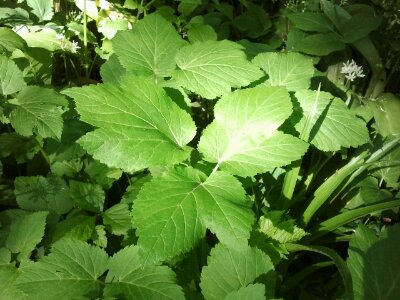
Another edible plant from the woods: Ground Elder (Aegopodium podograia) Zevenblad. This is another versatile herb for the pot. I really enjoy cooking meals with a few leaves of Ground elder chopped in for the last ten minutes. It has medicinal virtues too.
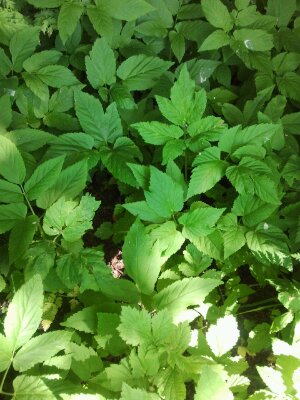
Ground Elder Zevenblad

Here is a member of the Potentilla family (Ganzerik). These are edible and useful.
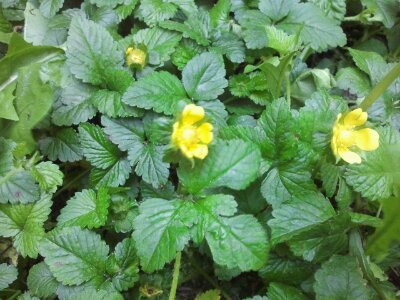
Potentilla sp

Elderflower (Sambucus nigra) Vlierbloem. Green parts poisonous (but medicinally very useful), flowers – lekker!
Elderflower

Now for the less tasty plants which I found on Friday:

This one looks decidely like highly poisonous Datura to me (or a close relative in the Solanacea family). It may not be but this is a plant to watch at a distance. I know that the cultivated herb garden of Beatrix park does deliberately grow some of this plant so it could well be a seeded escape. I found this growing inside of the entrance path of the park.
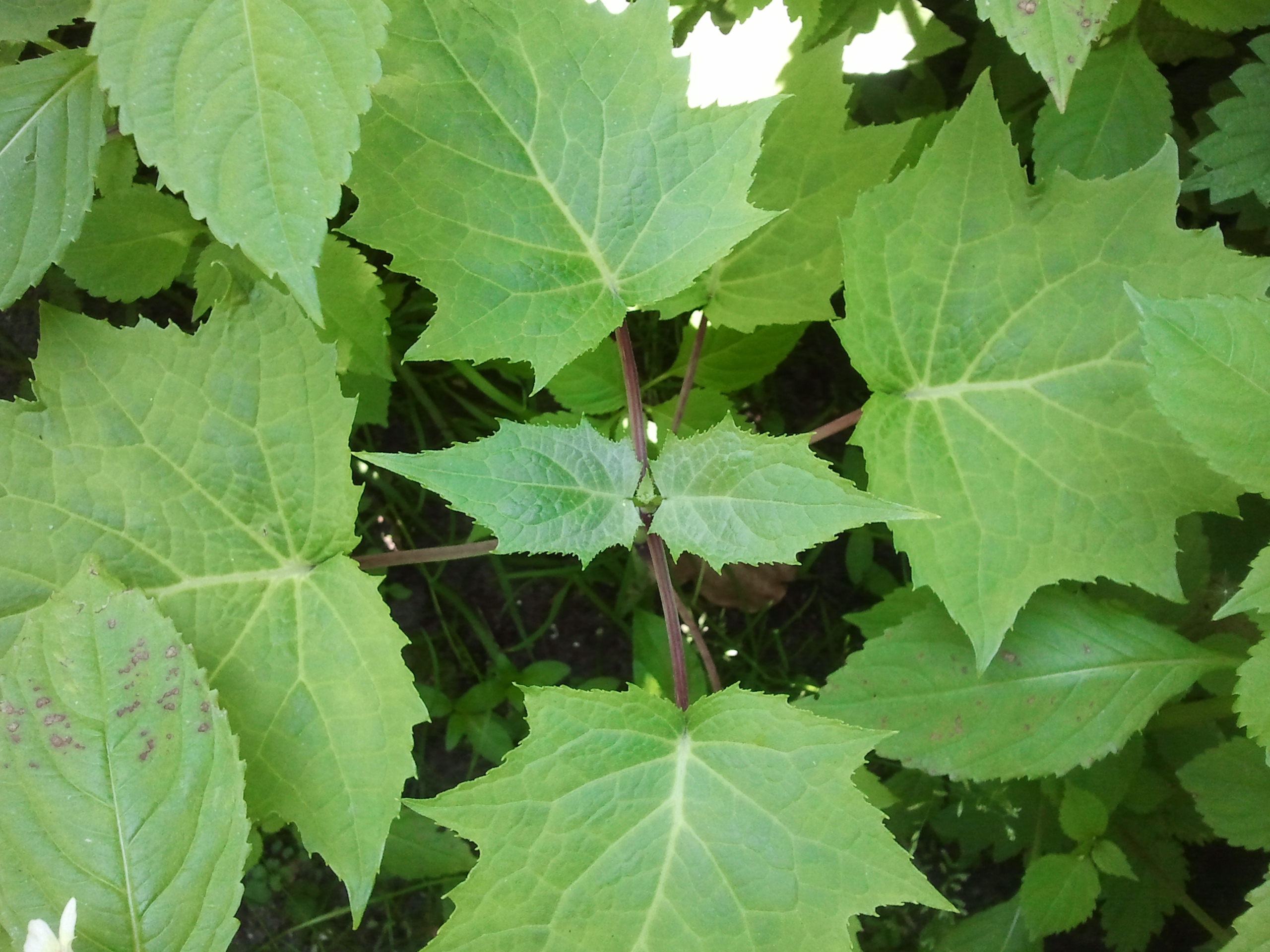
Datura perhaps

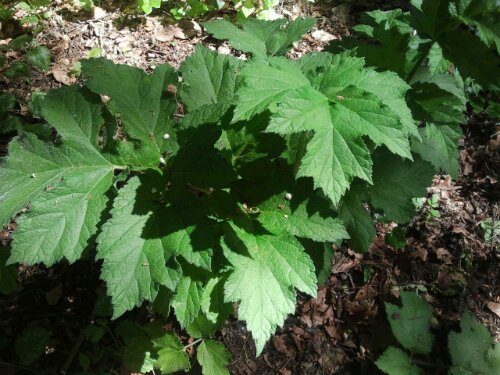
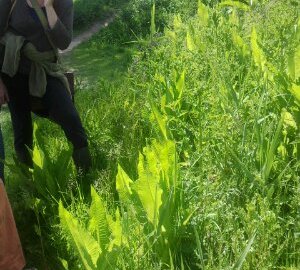
And this large and striking looking plant is probably edible Common Hogweed (Hereacleaum sphondylium) but it is easily confused with poisonous Giant Hogweed (eracleum mantegazzianum).
wpid-2013-06-07-15.31.11.jpg

Embrace Your Weeds!

A huge thank you to Ann Doherty from City Plot and all of the enthusiastic gardeners, who joined us in Wersterpark to embrace weeds, this afternoon!

We found lots of interesting plants which can act a soil indicators, food, mulch, compost activators, medicine and much more. Some of the plants that we found, in addition to those covered in the handout, are as follows:

Teasel (Dipsacus fullonum) with those amazing fused leaves which capture rain and morning dew. It shows promise as a medicine for those with Lyme’s Disease.

image

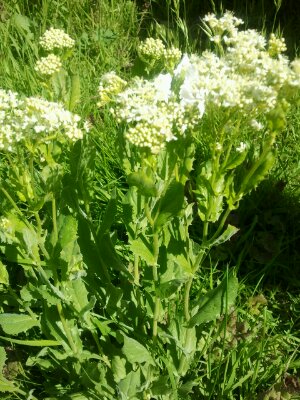
This pretty brassica with large clusters of tiny white flowers could be a type of Wild Candytuft (Iberis amara). There seems to be alot of this plant in parts of Westerpark. It certainly fits the criteria for a brassica. I need to have a look at the flowers with my lens and check out the soil to confirm.

image

Japanese knotweed (Polygonium cuspidatum) Japanse knopjeskruid? Invasive alien plant which is the bane of many gardeners and home owners. This edible plant has some medicinal virtues but is best eaten in small quantities due to it’s strong acidic taste. See here for a tasty desert recipe. If you have problems eating rhubarb, you’ll most likely have them with this plant too.

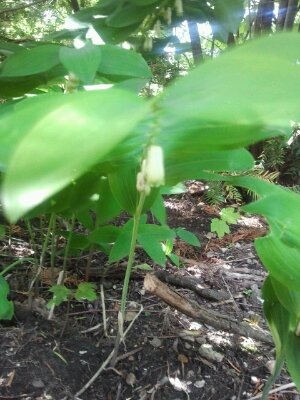
Not such a good photo but we found Solomon’s seal (Polygonatum multiflorum) in the volkstuinpark. It’s arching stems of hanging flowers are strikingly beautiful but it’s the roots that have a history as a staple food amongst some native American people.
image

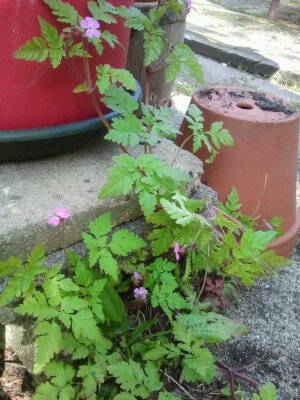
Herb Robert (Geranium robertianum) A tasty, easy to consume geranium with medicinal virtues. In the Canary islands it is sometimes used to help recovery of those who have received radiotherapy.

image

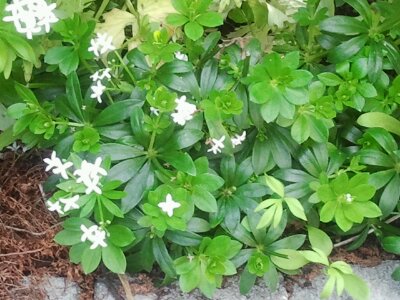
Sweet woodruff (Galium odoratum). This plant smells beautifully of sweet mown grass. I like to add it to a traditional German May day drink called Maybowl.
image

One of the group showed me a photo of a distinctive weed which is making a comeback right bite in many patches of bare earth (including her garden!). It is called Redshank (Polygonum persicaria). It has distinctive black arrow-shaped blotches on the leaves. It is edible.

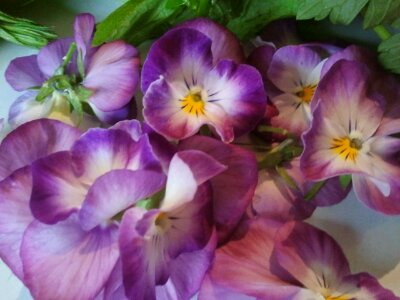
Pansies (Viola sp.) Are delicious, if unsprayed and organically grown of course. Beautiful on a salad or desert.

Cleavers (Galium aparine) Kleefkruid, a plant for I recommend highly to those who want to juice their weeds. Here’s how I do it when you have a handful growing in a clean spot.

And those three plant families that are best avoided; Euphorbia, Nightshade, Carrot. Not all poisonous plants belong to these families bit many of the most toxic do. Other notable poisonous plants: Yew tree, White Bryony.

Thanks again everyone – happy gardening and munching!

Come Rain or Shine

image

On Sunday, I took a large group of people around some cold, windy and weedy parts of Westerpark. Today a small group of us walked around the woods of park Frankendael in the sunshine and rain, before enjoying a warm drink in Restaurant Merkelbach.

Here are a few of the things we found and tasted on those walks…

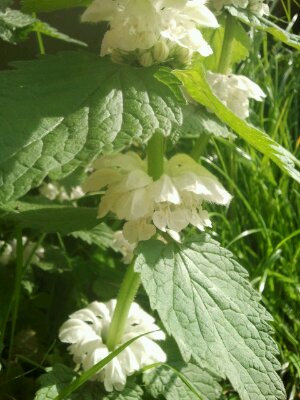
Yellow deadnettle (NL:Gele dovenetel)
image

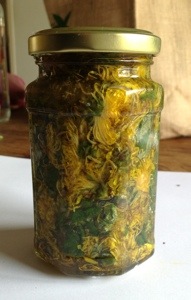
Urban Dandelion and Burdock honey (NL:Paardebloem en Grote Klis)

20130529-213655.jpg

Wild Garlic Bread Sticks.

Today’s group had the same bread but with Rosemary and roasted sesame seeds, mixed into the oil.

image

Comfrey NL: Smeerwortel (Symphytum x uplandicum), with it’s purple flowers, distinctive cucumber scent and taste alongside those winged leaf-stem joints.

image

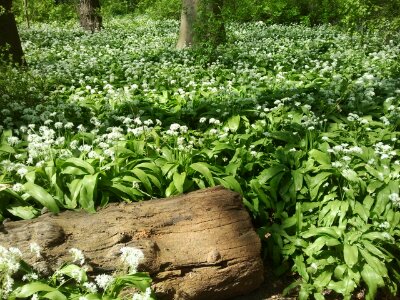
Wild garlic (Allium ursinum) NL:Daslook.
image

Catnip NL: Kattenkruid (as also found in huge quantities, planted along side some Amsterdam roads)
image

Here is Ground Elder (Aegopodium podograria) NL:Zevenblad.
image

Skullcap (Sculletaria longifolium) before flowering.
image

Here is a lovely post by Whispering Earth, all about the beautiful Hawthorn tree, which some of us tinctured blossom from today.

image

Both the recent groups also received a packet of River of Herb treepit seedmix. I hope that everyone will find a few moments to plant them in the weeks to come.

I won’t be leading any more walks until mid July but on Midsummer’s day (June 21st, 4.30pm) I am organizing a free Lime blossom (NL:Linden, Tilia sp.) harvest in park Frankendael. Do come along if you would like to meet some other Urban Herbies or simply to learn a little more about this magical tree.

Let’s Make Hawthorn Tincture!

What a perfect day!

image

I finally found time this morning to have a leisurely wander through the woods of Frankendael, seeking out the most pleasantly scented Hawthorn (Crataegus monogyna) trees.

I was not disappointed! The flowers and leaves of this heart toning tree always taste good to me. Munched on a late spring walk, not much else lifts my spirits and makes me stand tall as does Hawthorn “bread and cheese”. But the flowers (the cheese) do vary in their tastiness, so if you want to capture their essence, it’s worth taking time to seek out the ones which really appeal to you.

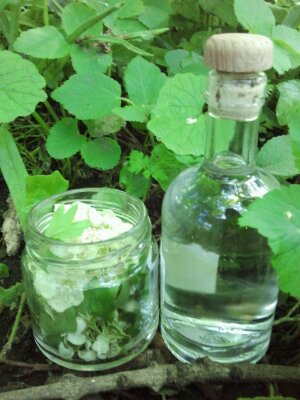
Some of the flowers smell rather unpleasant, like cat pee, others are unscented because their insect-attracting job is done. Just a couple smelled sweetly, really sweetly, like vanilla rice pudding. Those smelled and tasted jaw-droppingly good! So guess which ones ended up in my tincture jar?

image

Equipt with a small bottle of vodka and a little glass jar, I made my tincture at the tree. To do it yourself, simply fill a jar well with carefully picked Hawthorn flower clusters and a few Hawthorn leaves (the bread). Then fill the jar again with vodka, brandy or whatever strong spirit you choose. Check that you fill all the way to the brim. Flowers exposed to any air will quickly spoil, they need to be completely submerged in the spirit. Check for bubbles of air and top up if needed.

image

I’ll leave my tincture like this, labelled, in a cupboard until the autumn, when I’ll strain the flowers and pour the liquid over a fresh jar of Hawthorn berries. Then after a further six weeks of infusing, my double Hawthorn tincture will be ready for use. It will be infused with the properties of Hawthorn leaves, flowers and berries.

If a regular few drops of that doesn’t warm, tone and open my heart through the depths of winter, then not much will!

image

I could use the simple flower tincture after six weeks infusion time but I have enough Hawthorn elixir in stock, to see me through summer and autumn so I shall wait. And we all know that the best things come to those who wait 🙂

Hawthorn is an age old preventaive and remedy for many types of heart disease. It is a heart tonic, offering as it were, food specific to the heart. It is used by many, alongside allopathic (conventional drug based) medicine such as betablockers but of course you should always consult a qualified medical herbalist if considering using it as a remedy for heart disease.

If you’d like to join me for a walk in the park, to learn about tasty and useful plants of Amsterdam, and to set up you’re poem tincture, why not sign up for tomorrow’s lunchtime forage?

Embrace Your Weeds!

image

Sunday 2nd June
3-5pm
Westerpark (Proef Restaurant to the Educational Garden)
€25 per person

There are so many incredible plants which we dismiss, dig-up or discard. We could do so much with these humble weeds, if only more people knew how!

image

This workshop with foraging walk will open your eyes to the wonders of the weed world! Together with Ann from City Plot Amsterdam, I will lead you from Proef restaurant in Westerpark through to the City Plot educational garden, right at the back of the park. We will wander through prime public foraging grounds on our way. When we get there, we will plant some of our weedy wonders in the River of Herbs section of the Educational Garden.

Bring (if you like):
Paper bags for foraged finds,
Flask of hot water, to make a herb tea
Hand trowel, if you have one,

image

I will tell you about medicinal, nourishing and historical uses of the plants and Ann will show how to make the most of them in the garden and kitchen.

You will receive a comprehensive colour handout, to help you at home and the chance to spend quality time with us and the weeds, in a small group. To book, please email me or click here.

image

The Educational Garden is an inspirational place: It has been divided into different mini gardens, from a Mushroom farm, Permaculture patch, Medicinals section to the River of Herbs meadow.

image

Proeftuin is maintained as an organic restaurant garden by City Plot.
Westerpark is big, bold and full of foraging spots!

Our walks and talks go ahead, unless there’s a hurricane overhead. So please come prepared to get stuck into our wonderful urban nature, whatever the weather.

20130523-133953.jpg

So whether you have a garden, a plant pot or like to forage, join us to discover how to find, identify and Embrace Your Weeds!

River Of Herbs Flows On

Yesterday was the fourth meeting of my first River of Herbs course.

image

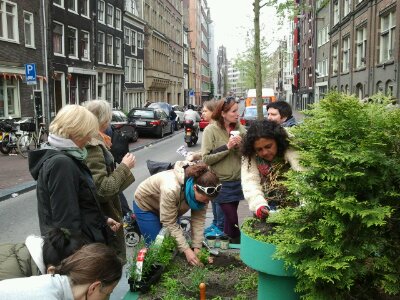
A tidy group of us met on Spuistraat and proceeded to speak with a few locals before launching into a little tidying up of earthy spaces, some herb planting and some gardening chat! The main aims of River of Herbs are to enable as many people as possible to grow edible and medicinal herbs in disused urban spaces and for those herbs to encourage pollinating insects into our city streets.

During this meeting we also leaned about how a range of other beneficial insects (such as Lacewings, Ladybirds and Ground Belles) can be welcomed into herb gardens, to control pests and keep the plants in good condition.

image

You can read all about it on the River of Herbs website. And you can download the booklets which the course participants receive from this page.

The current course members have all been planning and planting small (and large) urban spots, close to their homes, which we call Urban Herb Meadows. The current group will soon be ready to go fourth and offer their own courses to other interested volunteer gardeners. The courses are free and are funded by sponsorship and gifts.

If you are interested in joining one of our courses or getting involved in other ways, then please get in touch!

Pluck Your Lunch in Frankendael!

Please join me for an urban herb foraging walk in the most beautiful park of Amsterdam Oost!

Park Frankendael (starting from main old entrance)
11:00 – 13:00
Wednesday 29th May
€10 per person (children free and very welcome)
Booking via email (lynn.shore@gmail.com)  or via this events page

Cleavers Kleefkruid

You will learn how to:

  • Ethically and safely forage from city parks, streets and green spaces
  • Identify lots of edible and medicinal plants which are available all over the city.
  • Turn your harvest into tasty food
  • Make simple home remedies
  • Pay back the land that we forage from


We will ethically forage some of the plants that we find (in and around the park) and turn them into tasty and nutritious teas and sandwich fillings and more, on the spot. This is my local foraging ground, where I pick something to eat every day. I am passionate about helping people to discover the edible plants growing around them. My 365 Frankendael Project ended a couple of weeks ago – identifying, photographing and writing about Amsterdam herbs each day for a year.

Frankendael Ramsons May

Please note: You don’t have to eat from the wild on this walk but you certainly can if you want to!


We can expect to find such tasty, useful treats as:
Lime leaves,
Garlic mustard, Comfrey,
Ground Elder, Dandelion,
Nettle, Wild Geranium,
Japanese knotweed,
Mugwort, Meadowsweet,
Edible trees, shrubs and far far more.
There are hundreds of edible plants around at this time of year.


You will receive a useful colour handout with names, photos, uses and folklore of many of the plants we will find on the walk.
I’ll bring along some herbal cake or breadsticks for everyone to try.

Deadnettle Dovenetel Frankendael


You don’t need to bring anything along to the walk but if you want to get the most out of it, here are some suggestions:


  • Bring along whatever food you like to accompany your herbal harvest.
  • A flask of hot water to make tea and some bread and butter would be useful but not essential.
  • A couple of paper bags to take some leaves and flowers home
  • A small glass jar filled with vodka, to make a tincture – I’ll show you how.
  • A small jar filled with olive oil to set up a herbal infusion.
  • Small notebook, to take a few personal notes and press some leaves, to help you find the plants another time.


Come celebrate the edible green gifts that this beautiful city has to offer!

Herb Walk & Pizza – Flevopark to Jeugdland

Thursday 29th August
10.30 – 12.00
Meeting at Buurtuin, Valentijnkade
Cost €10 per child* (parents free), includes an informative handout (in Nederlands & English), organic pizza ( for child and 1 parent), a packet of River of Herbs seedmix and the guided walk.
* for children from same family – 1st child €10, extra children €5 each.

There is no extra charge to enter the Jeugdland playground.
Booking essential as places are limited (and I need to prep the pizza 🙂

This walk is for children and their parents.

image

We will meet at 10.30 on Valentijnkade, at the community and nature gardens on the corner of Flevopark (called Buurtuin) and will wander through a short woodland section of the park before returning to Valentijnkade. Then we will walk on to the wonderful children’s farm, adventure playground and kids construction village for pizza (at about 12.00) and then parent supervised play for as long as you wish.

image

The children (and parents) will learn how to:

Safely identify, harvest and make use of some easy to find herbs such as Dandelion, Plantain, Chickweed and Deadnettles.

Identify a few common non-toxic plant families and two poisonous plant families.

Create homes for helpful bugs and insects.

Make some useful herbal preparations and fun crafts from plants.

Learn how to grow a small Urban Herb Meadowfor the River of Herbs and join the growing number of Elderberries!

image

This fun and informative walk is aimed at 7-12 year olds but children outside of that range are very welcome, with a parent.

image

Each child will receive a useful colour handout to reinforce what they experience and learn on the walk.

image

I am a school teacher (at the British School of Amsterdam) and an educator of adults and children in the ways of safe urban foraging and plant identification. I run guided walks in different parks and city streets to help others understand and conserve the green life that surround us. Last year I launched the River of Herbs project in Amsterdam.

image

If you would more details about this walk then please contact me via lynn.shore@gmail.com or 0627 596930.
To book please click here

May Herbs Sauce

image

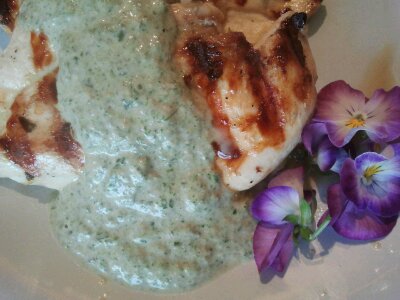
This herb sauce was the result of today’s rainy forage in Frankendael park.

image

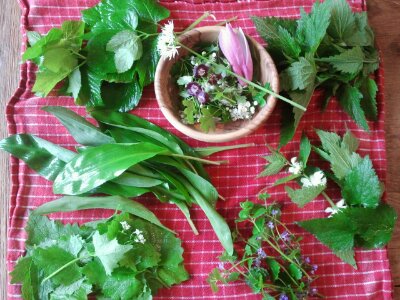
After a quick chat with the park warden who was chopping up a massive fallen tree, Livvy and I collected a little each of Ground elder (Aegopodium podograria), Wild garlic (Galium ursinum), Wild geranium (Geranium sp), Ground ivy (Glechoma hederaceae) and White deadnettle (Lamium alba).

image

I took those herbs (a small handful in all), chopped them, sweated them down in a pan over low heat, with a splash of water for 10 minutes, then added a little blue goats cheese and a desertspoon of sour cream. I them blended it all to a smooth sauce with a hand blender.

The result was very tasty indeed and the balcony harvest Pansies (Viola sp) also went down a treat!

On a less tasty notes: Here is patch of poisonous Lily of the Valley, growing in the park. Just notice how similar the leaves are to those of Wild garlic. The easiest way to distinguish them (apart from the flowers) is that Wild garlic smells very strongly of garlic and Lily of the Valley doesn’t.
image