Category Archives: 365 Frankendael

365 Frankendael day 19

I’ve been walking in Frankendael with Elodie today, we found heaps of herbs, several new to us. If you’d like to join me for a herb walk there are a few spaces left for the Sunday May 27th Amstel to Frankendael walk. Here are some striking examples from today…
Solomon’s Seal looks rather like an enormous version of Lily of the Valley so I always steer clear of it. I have always thought of Lily of the valley as a poisonous plant so lethal that I shouldn’t even go near it. Upon reading about it last night I learned that it is called the herbalist’s Digitalis. It has a potent specific effect on heart muscles, causing them to open and fill more intensely and to raise blood pressure. It is thus lethal in even small doses and is not a herb of interest to me. However this arching beauty of the woods is very interesting. Solomon’s seal is used to make traditional remedies for many ailments, ranging from speeding muscle and bone healing, to menopausal symptoms, diabetes, acne and other skin afflictions. The native Americans reportedly ate it frequently.

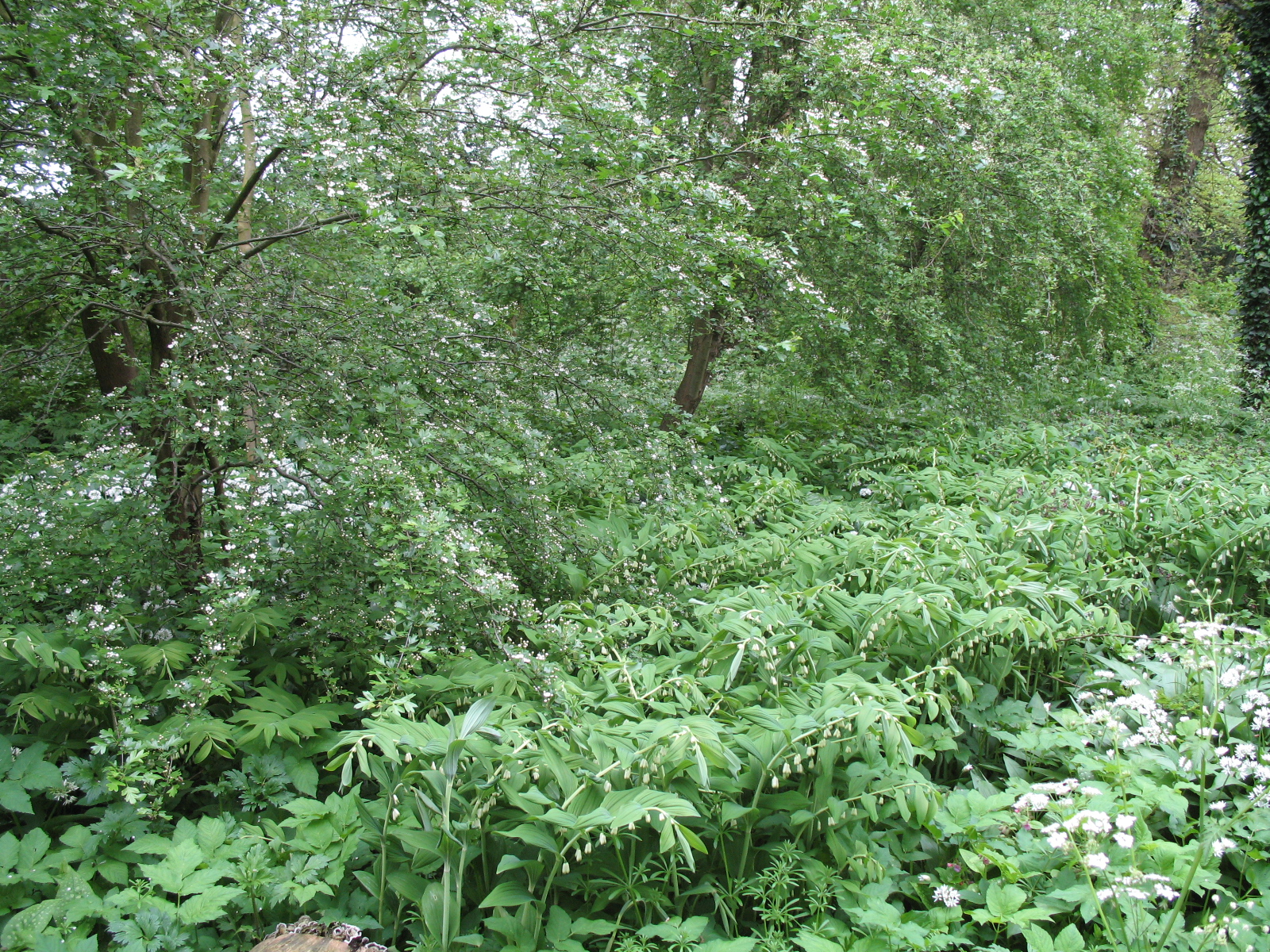
I was thrilled to turn a corner in the wood today and be greeted by this scene:
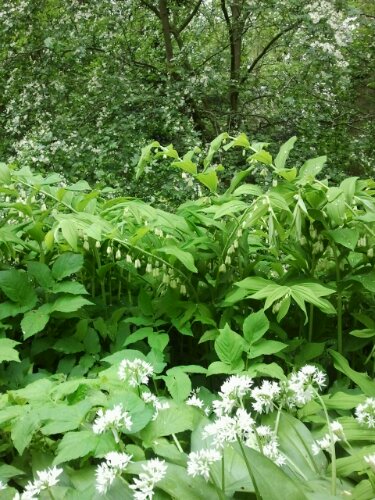
It is difficult for a photograph to do it justice – especially one of mine! Here is Hawthorn arching over a swathe of Solomon’s seal and Wild garlic, all three in flower at the same time.

Other herbs of note today…
Below, endangered Hoary Plantain (Plantago media). I first saw this herb last year and remember not really knowing what it was, although it was obviously some kind of plantain, but wanting to hide it and protect it from trampling feet! Of course I couldn’t and this plant is well adapted to living in well trodden locations. However, should you find it, especially in a week or two when it’s flower stalk will look like some sort of moth-plant hybrid, then please don’t touch it. I hope that this one has a chance to set seed.

Chicory foliage:

Yarrow (Achillea millefolium)

Endangered Greater burnet (Sanguisorba officinalis)

Frankendael 365 day 18

This lush mixture of foliage and flower buds, belongs to a variety of Hawthorn (Crataegus spp.) called NL: Maidoorn As you may see in the photo, it’s leaves are quite different to those of common Hawthorn (shown below). These are larger, more delicate to the touch, a far lighter shade of green and are less deeply palmate. On the foraging trip this weekend I didn’t recognize it as Hawthorn because the variety I am used to has tough, small and dark leaves – Fit for windy hill sides! But I was assured by fellow foragers that this variety also makes great Hawthorn Ketchup and tonic medicine.

After a little research, I learn that there are over a hundred Hawthorn varieties worldwide and just three main ones in the UK, many with leaves unrecognizable as Hawthorn to me. The main European variety is Crataegus monogyna. Apparently all have similar medicinal properties and the whole species is part of the Rose family. This variety appears to be C. Laevigata.

Here’s an interesting link if you are interested in the folklore and English Witchy side of Hawthorn.

Here’s a nice Hawthorn tea recipe…
Infuse 1-2teaspoons of fresh leaves and flowers in a cup of boiling water for 5 minutes. Drink three times daily.

Caution
Although Hawthorn is not associated with side effects, it is associated with traditional heart medicine. Of course heart disease of any sort is serious and should not be treated without consultation with a qualified doctor.

365 Frankendael day 17

There’s so much green around at the moment, many of the plants seem to merge into one and it can be difficult in places to see which herbs are around. Especially along the water edge.
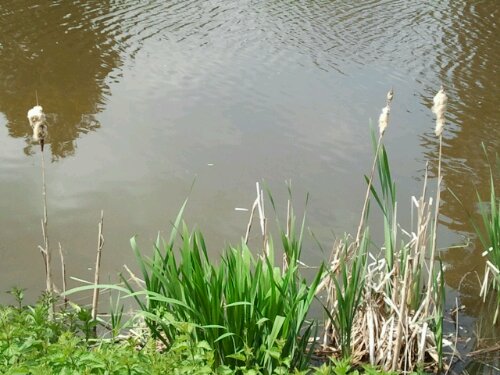
Here is a plant which does stand out along the waters edge – Cat’s Tail (Typha spp.). More about this one another time, buts it’s edible, delicious and very useful. However, what a shame it would be to take it from a location where so many people can enjoy its striking appearance.
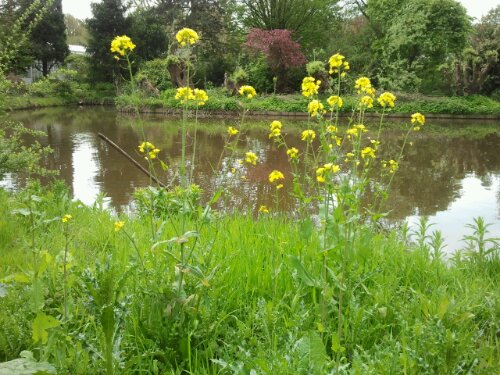
This pretty yellow flowering plant is Wild Turnip (Brassica campestris). A useful way to eat more health giving members of the cabbage family perhaps?

365 Frankendael day 16

It’s been a busy day as I went with my little girl to the Cryptoforest foraging expedition in Sloterdijk. We met some great people and plants there!

So today’s entry for 365 is mainly photos…

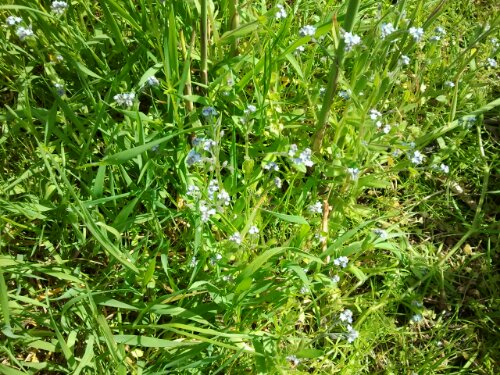
First up, Forget me not – yes it’s edible! I need to do more research but here’s a link to get your mouth watering if edible flowers interest you.

Next is highly toxic Taxus baccata, Yew tree; The plant symbol of death and yet giver of life to many with terminal cancer. Equally contradictory, it’s deadly seeds are surrounded by the most delicious fruit I have ever encountered. They are truely bewitching.

Above is Horsetail, looking great at the moment. It makes a great tonic tea for weak nails because it is high in the mineral silica.

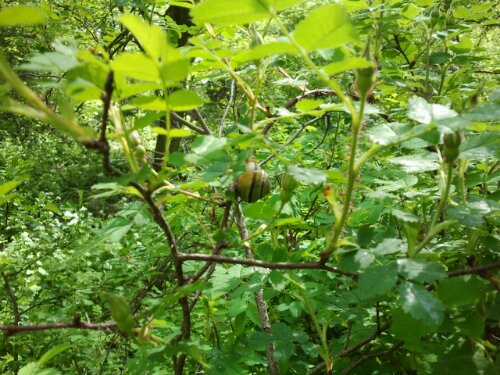
Here’s a snail getting acquainted with a rose bush. It’s a good time to seek out your neighbour roses, ready for the flowering season.

365 Frankendael day 15

Today a dusk walk through the woods. The Hawthorns of Frankendael are finally opening their flowers, Lily of the Valley flower stems (poisonous look alike of Ransoms) arch elegantly above their neighbours, Moorhen chicks shelter beneath Meadowsweet and beloved Motherwort is growing bigger and bolder by the minute.

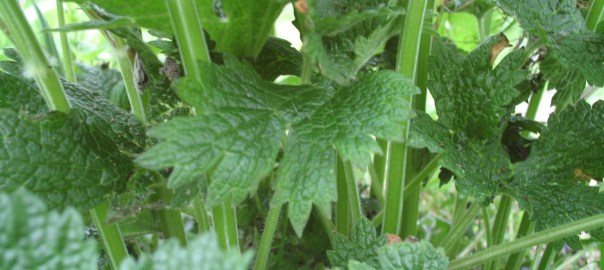
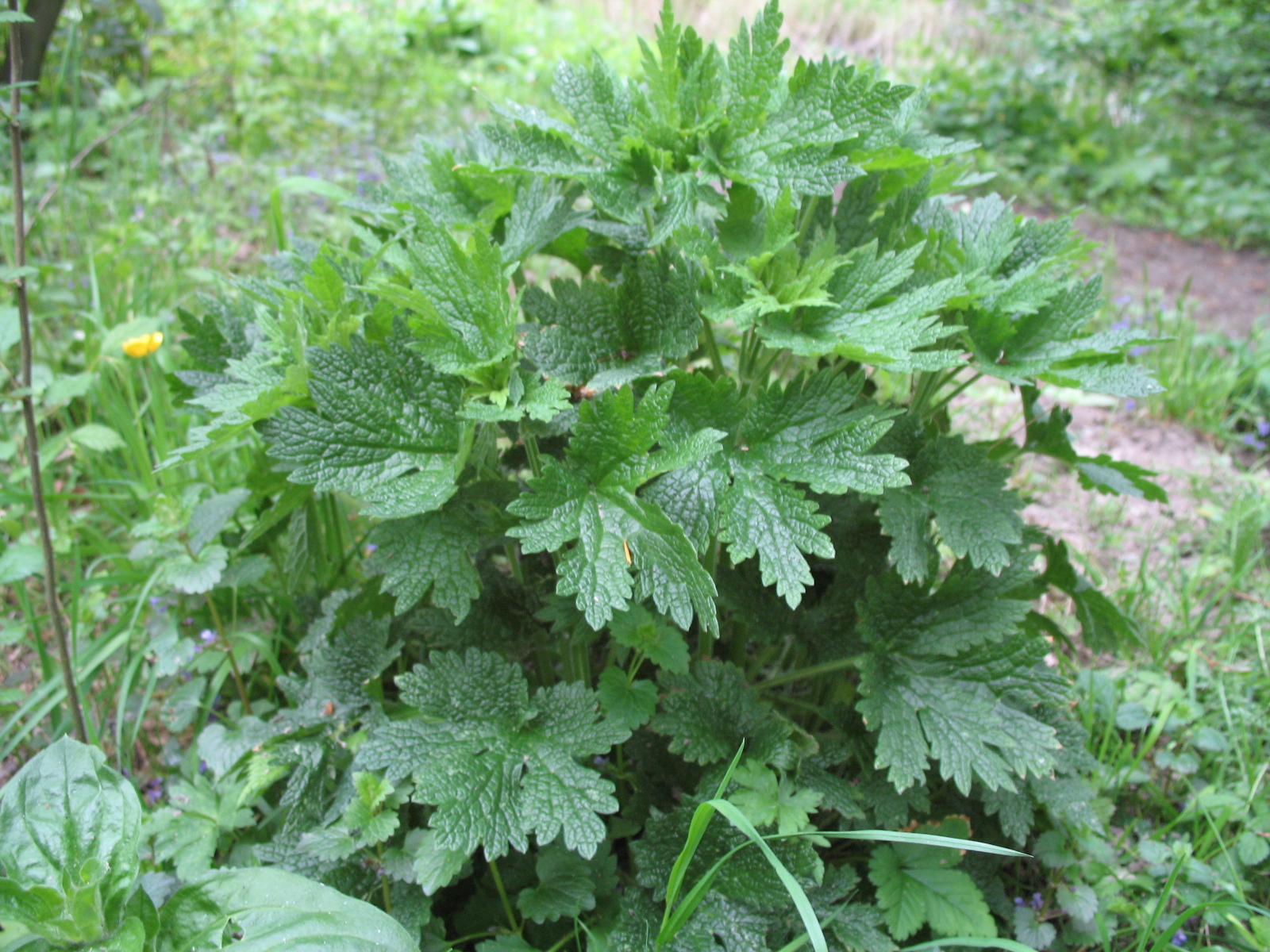
Motherwort is an extremely useful perennial herb which grows in compact clumps, rather like Mugwort but is a little more modest. Motherwort (Leonurus cardiaca, NL: ). Since learning about it through Susun Weed, I always have a bottle of tinctured Motherwort close to hand. This plant is a member of the Labiate family (mints) but tastes completely different to the mint most of us are used to. It has a very strong scent when you brush your hands up through the plant, has square stems, as with all Labiates. It is extremely bitter and distasteful when taken as a tea. All parts of the plant are medicinal. It has an age old reputation for its heart strengthening abilities and for its value in calming nerves, restlessness and irritability. It is an emmenagogue so shouldn’t be taken whilst pregnant, thought it has much value to women postpartum, to mothers in general and to women with period pain. The tincture is the easiest and most palatable way to take it.

Motherwort instills a feeling of groundedness. Ten drops of tincture, in a glass of water, can bring me back down to Earth in a few minutes when I feel the world is spinning out of control. Historically, Motherwort was used as a common treatment for heart problems such as palpitations and for fevers where the body & mind needed to be kept calm. It is now almost forgotten for such purposes but, thanks to our ancestors, many garden escapes have naturalised throughout Europe. This plant in Frankendael is possibly a garden escape from the old Landhuis. I am very pleased it is there.

365 Frankendael day 14

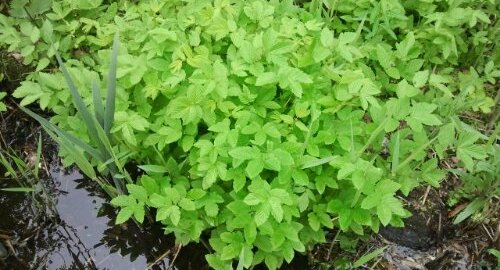
Meadowsweet (Filipendula ulmaria, NL: Moerasspirea) is a waterloving perennial herb which contains an active ingredient called Methyl salicyclate, which when taken in combination with tannins and mucilage within the plant can bring about stomach healing. In contrast, when methyl salicyclate is used alone (Aspirin) it causes stomach bleeding.  As with most herbs, it is the natural combination of chemicals which work so well together to bring about healing.

Here’s a link to an extract from a wonderful book called Hedgerow Medicine, by Julie Bruton-Seal and Matthew Seal.  It is one of my favourite and most consulted books.  This extract explains how to make a useful and tasty, Meadowsweet glycerite.  Meadowsweet is also traditionally associated with love, peace and harmony.  There is an old custom of tossing a Meadowsweet flowerhead into water if you are seeking the identity of a thief.  If it floats the thief is a woman, if it sinks it is a man.

Meadowsweet will flower later in the year, from around midsummer.  The flowers produce a scent which is one of my favourites, a strong and heady sweet almondy aroma which really pleases my spirits.  As you can see in the photo. Meadowsweet can be found in the watery regions of Frankendael park.  It’s spikey leaves are difficult to miss as you walk across the modern wooden bridge, in the woodland area.

365 Frankendael day 13

Today two beautiful climbers, one deadly the other delicious.

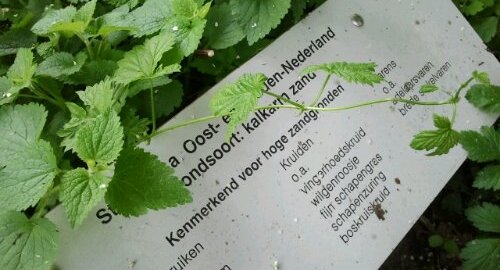
Here is a photo of Hops (Humulus lupulus) scrambling over an information plate in the woodland section of Frankendael. Several Hops plants are becoming obvious at the moment. They begin the season by growing tall thin stems which arch high above other plants, reaching out for a suitable structure to climb. Then their leaves broaden and identification becomes easier.

Hops has been a popular plant for centuries, since it was discovered that it added a delicious flavor to beer. Medicinally, hops is useful as a relaxant and sleep inducer. It is found in many herbal sleep blends. If you have access to enough, it is very simple to stuff a pillow with dried hops, which is then slept on to bring about restful sleep.


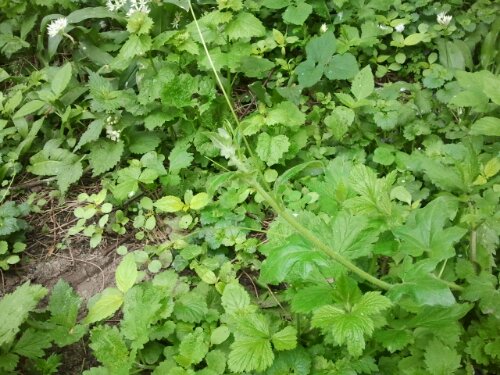
Now to the poisonous climber: White Bryony (Bryonia dioica) has some ancient medicinal and several magical uses but all parts of this plant are highly toxic. Even small ingested quantities can be lethal. It’s a member of the Cucumber family. I’ve been watching the plant in this photo grow for a few weeks, admiring it’s resemblance to squash plants but until today, not knowing it’s true nature. It really blends into its surroundings today but up close it has rather an out of place appearance. As if someone had planted melon seeds in the woodland. However this is a native plant, often found in woodlands and hedgerows.

Bryony has several colloquial names which suggest historical uses and appearance; English Mandrake, Wood Vine & Mad Root being my favourites. It was traditionally used in image, money and protection magic. The roots of this perennial were particularly significant. Here is a clearer photograph of Bryony, taken today in Oosterpark. An enchanting and deadly specimen.

365 Frankendael day 12

Comfrey (Symphytum officinale, Symphytum uplandicum) is just coming into flower here in Amsterdam. It’s easy to identify now due to it’s broad, furry, fast growing leaves, it’s dropping purple or white flowers and it’s standout appearance as it towers over many neighbouring wild plants.

If you keep any plants, outside or in, I urge you to learn how to make the easiest liquid feed from nourishing Comfrey. If you don’t know about it’s deep and rapid healing effects on the body, I urge you to learn about them too and to keep some form of this plant in your herbal first aid kit.

Most of the Comfrey found wild and is gardens, descends from garden escapes of purple flowering, Russian Comfrey (S. uplandicum). It works just as well externally and as plant feed and its leaves don’t contain the toxins found in the roots and all parts of cream flowering, Wild Comfrey (S. officinale). The toxins are harmful when ingested. Because it’s hard to tell the two plants apart when they are not in flower, I suggest you always air on the side of caution and don’t use it internally. Today I photographed a white flowered Comfrey, the colour suggests it is Wild Comfrey but most plants in the park are purple flowering and the two are very interbred, so this may be a white flowering mutation of S. uplandicum. Either way, it is beautiful, useful and I will only use it externally or for my plants.

Comfrey can be applied directly as a poultice (for sprains for instance) made into a heat infused or a cold infused herbal oil which can be used for massage or blended with beeswax to make a healing salve. Worth mentioning, is that sometimes Comfrey may speed healing faster than you’d like, such as when infection is present in a wound. Ensure wounds are clean and healthy looking, not infected, when you begin using this herb. This will help to ensure the wound heals cleanly, a well as quickly. Comfrey also has a reputation as the herb to prevent or remove scars, both internally and externally by please remember my warning about internal use.

To make a superb and cheap liquid plant feed, simply immerse a couple of Comfrey leaves in water, in a bucket or similar. Leave it to ferment for a few weeks. You should see that the water becomes a dark and rich brew. Store this “Comfrey tea”in a suitable container and dilute well before feeding to your plants. A plastic bottle cap full, in a home watering can of water, should suffice. Use regularly, throughout the growing period, for pleasing results.

Here’s a link to an online Permaculture Magazine video article, about why we should all have a Comfrey plant on our patch. Be prepared, the video is ten minutes long and contain lots of info for people with vegetable gardens – If only! I don’t have space for one at home but I know where plenty grow! I hope you’ll have a look around and find some near your home also.

Comfrey is an essential herb to become well acquainted with, your plants will thank you and so will your body, when it needs to heal quickly.

365 Frankendael day 11

Here’s a Mayday Hawthorn bough, happily still attached to it’s tree! I’m sure that last Mayday the Hawthorns of Frankendael had opened their flowers by now. They certainly haven’t today and the weather is still not exactly encouraging the plants to grow as they could. None the less Hawthorn looks beautiful at the moment is most trees I see are loaded with green buds, ready to explode into a froth of white/pink blossom. Hawthorn is a spiky, irregularly shaped shrub or small tree which is easy to spot in hedgerows around town. It has unique, small, deeply lobed leaves, a froth of flowers around this time of year and bright red berries come autumn. It is long associated with heart medicine and Mayday country frolics.

Hawthorn is a renowned tonic for the circulatory system. The leaves, berries and flowers can be used to treat angina and several other heart conditions – obviously under the guidance of an experienced medical practitioner as heart disease is always a serious and often life threatening, condition. Hawthorn can be used as a preventative tonic, to guard against future heart problems. It can lower blood pressure, help dissolve cholesterol and calcium deposits.

365 Frankendael day 10


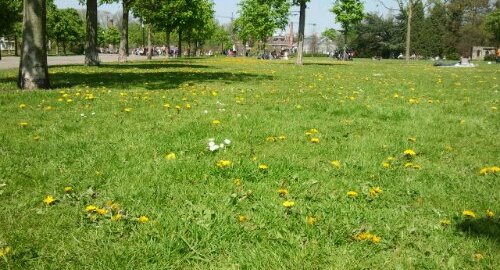
Today is Queen’s Day in the Netherlands and the sun has finally come out to play! Amsterdam is awash with orange people so what better herb to look at than Dandelion.

Dandelion is another foragers favourite and another much misunderstood and maligned herb. Yesterday I surprised a few friends by picking a dandelion, plucking it’s petals and eating them. I was quite surprised that they didn’t know anything about the plant, but I guess to most it is just a pretty weed. There are so many uses for this herb, it’s so prolific and so associated with folklore.

Not much time to write today but please see the link to a previous Urban Herbology post for further information and useful links.