Category Archives: Projects

Herbology recipe testing

Ayurvedic winter remedy

Dear Urban Herbies,  If you have followed this blog for the past few years you will know that I have been erratically working on a book which details herbology methods for people living in towns and cities. I have been building up my methods for herbal preparations and wild food recipes, teaching them to my apprentices and refining the descriptions. Now the time has come for me to ask if you any of you would be willing to help me out by testing? I need recipe testers for my Herbology Handbook and would be delighted if you could try out my recipes to make sure they work in all kitchens – whatever size or location. I want to be sure that the recipes are crystal clear and easy to understand by everyone, whatever level of culinary and herbal experience.

I am looking for people to test at least three recipes/methods (although more testing is possible if you would like!) and to give me honest feedback. I need you to tell me how clear or difficult the recipe is for you and what you think of the end product. Some of my recipes are a little time consuming, others are quick to set up but require a waiting time of up to 3 months. Others are simple, speedy and very straightforward. Hopefully none of them are too difficult and all should help to increase your knowledge of Herbology and wild food cooking. I will need you to make the recipes/preparations exactly as written, with no substitutions (other than those which the recipe explicitly suggests) which means they may require you to source some unusual ingredients.  Even so, I am very happy to hear about what you would have substituted if you were allowed, or how you would have changed the recipes.

A quick photo of the final product, would also be appreciated, to ensure that the final products are very close to what I have made and described. I want the Herbology Handbook to be thoroughly reliable, containing recipes that people turn to, because they know that they will work. Your photos won’t be used in the book or shown anywhere else, they are purely for research.

If you would like to test some of my recipes please email me at urban.herbology.lynn@gmail.com. Tell me your name, your location, your comfort level in the kitchen and your experience level with identifying and using wild herbs. Please also tell me if you have any dietary preferences (e.g. gluten free, vegan…) and if you have any recipe preferences (do you want to test wild food recipes or perhaps you would prefer skin salves/oxymels/lozenges etc). I will choose appropriate testing recipes, sending them to you with instructions on when and how to feedback.

Please understand that you cannot share my recipes with anyone until my book is published!  I will need the feedback quite soon (a month turn around would be perfect for most of the recipes and methods, two months for others) so do bare that in mind if you decide to be a recipe tester. I aim to reply to your email within two weeks, if you ask to be a recipe tester.

Finally, I am not able to pay anyone for testing my recipes. If that makes things difficult for you, I completely understand. If you do help me by testing some recipes, you will be mentioned in the book and I will be forever grateful! I hope this all makes sense. Please let me know if you have any questions.
Samhain Herbology Workshop

20160926_170105

Join my special Samhain workshop to create magical herbal gifts, lotions and potions and to explore the herbology of autumn.

Schellingwoude apples

We will spend over 4 hours in and around my Schellingwoude volkstuin (a wild ecological garden with wooden house, log fire etc). It is in a beautiful nature oriented setting, within the A10, along bus route 37 and far from the business of the city.


This small group workshop is open to anyone who is interested in deepening their connection with nature. It is also a perfect opportunity for those who are contemplating my apprenticeship,  to come and meet me as we immerse ourselves in seasonal herbal work.  All levels of experience are welcome!

Fly agaric Frankendael Park Amsterdam

We will:

  • Walk and forage through wooded lanes, identifying edible, medicinal and poisonous leaves, roots and fruits.
  • Craft lotions, potions and natural gifts from herbs, which will see you through until spring.
  • Celebrate Samhain in nature!
  • Enjoy plenty of herb tea, homemade vegetarian soup, herb bread and snacks will be provided.

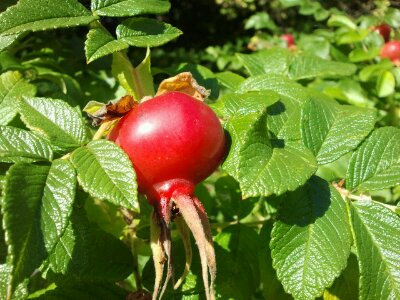
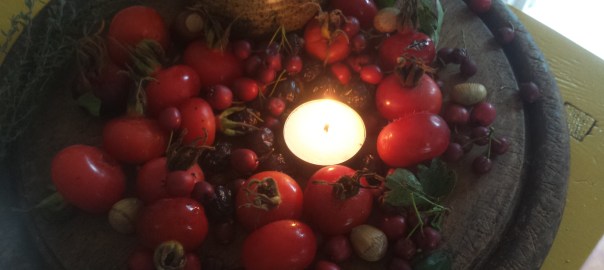
Rosehips and hawthorn

Date: Monday 31st October 2016

Time: 09.30 – 14.00

Cost (incl. Btw): €60 per person (€30 deposit is due when booking and the remaining €30 to be received before or at the workshop).

Maximum 6 participants.

Please email urban.herbology.lynn@gmail.com to subscribe for this workshop or for more information.


Bread of the dead

Full of bounty, shifting colours and scents, autumn’s creeping darkness brings a welcome depth of mystery to our lives. It is the perfect time to create tasty, crafty and intriguing preparations which you can share with friends throughout winter. Samhain is an extra special time in autumn where the veil between worlds is said to be at its most thin. During the workshop,  those who are interested will also explore what that means.


Apprentices Gathering – Mabon

wpid-20150914_184145_lls.jpg

What a pleasure it is to work with enthusiastic people on the topics I love. On Saturday, I welcomed a small group of apprentices into my home and foraging grounds, to work on a variety of preparations and experience more of the world of Urban Herbology. The apprentices are studying my online course at their own pace at home, we meet 4 times a year with additional meetings and communication when needed. The next such meeting will be in December and is open to all my apprentices, online and from the original Amsterdam groups. Further details, at the end of this post.

Here are supplementary links and photos to assist those who were with me on Saturday.

Rumtopf

I make mine from the few fruits that I forage and don’t eat straight from the plants. I use honey in place of refined sugar and I don’t always use rum. My recipe is in the apprenticeship notes but the link here shows a selection of suitable (purpose made) containers and explains the process.

Photo credit - http://www.sauerkrautpots.com/
Photo credit – http://www.sauerkrautpots.com/

Heat infused oils

My usual method. Of course there are other ways to do this but this is my regular way of infusing herbs into oil, with heat.

calendula-heat-infused-oil-004

Beech nuts

Here’s a nice short video by Wild Edibles, showing how to open beechnuts (although it’s also possible with teeth) and a good mention about their toxicity.

Hawthorn Recipes

Hawthorn and Blackcurrants Amsterdam 2012

Hawthorn elixir

hawthorn-elixir-urban-herbology

Rosehip honey

How to process the rosehips, to make rosehip honey.

Rosehip Amsterdam

Turkish hazelnuts

turkish-hazelnut-case

Himalayan balsam

A very invasive plant in this country. The green seeds smell pleasantly of butter and the plant is edible. Flowers can be eaten in salads, stems used as drinking straws and the plant chopped into salads and cooking. The link post shows several plants (including balsam) which I harvested at this time a couple of years ago.

himalayan-balsam

Tradescantia

Some useful information about how to care for the plants which you took home today.

photo credit - Plantsarethestrangestpeople
photo credit – Plantsarethestrangestpeople

Peperomia family

The plant we tasted at my house was Peperomia maculosa. It tastes of coriander and has many medicinal uses. Here is another link about these wonderful plants which are well known as houseplants, outside of the tropics. The Peperomia species which seems to be the best studied regarding its medicinal properties is Peperomia pellucida. hat wasn’t available at the garden centre when I looked for it, but several other species were. I settled happily for P. maculosa (shown in photo) as I love the fresh, spicy flavour.

Photo credit - EatTheWeeds
Photo credit – EatTheWeeds

Japanese quince

I had a busy day at school recently, pruning the spiky Japonica which encircles the building. Hundreds of fruit were on the prunings so naturally, I harvested them. Here are some tasty ways to use Japanese quinces.

Japanese quince

Trikatu

Photo credit - wikipedia
Photo credit – wikipedia

Indonesian Jamu

The last two sections of this UH post mentioning Bali, give an example of how Jamu is used. The anti inflammatory orange drink is called Kunjit asam. We will make it (and sugar free alternatives) at the December meeting.

Jamu: Traditional herb system of Indonesia.

In December, among other things, we will look at;

  • Indonesian Jamu
  • Herbal wines
  • Immunity boosters
  • Schnapps
  • Midwinter foraging
  • Sacred spaces at home

If you are interested in joining or finding out about my apprenticeship course, please contact me or take a look at this page.

Earth Pathways Diary

image

I am so happy to tell you that eight pages in the 2017 Earth Pathways Diary were contributed by me.

The festival pages which I submitted, covering the main eight seasonal celebrations of the pagan calendar, were selected and are now beautifully published. They reflect how we can celebrate each passing season in an Urban Herbology way. So simple meaningful rituals suited for urban (and country) living.

Earth Pathways diaries always contain an inspiring selection of writings and artwork based around the natural year. Several years ago, I found it to be a lovely balance of spirituality, information and expression without dogma.

The diary will be available to purchase from me here in amsterdam from September 2016. If you would like to purchase directly from me, it may save you postage and will help me to earn a little income for writing those pages.

To find out more about Earth Pathways and to see some sample pages please see here.

Price including p&p to UK: £14
Price including p&p to Netherlands €16.50
Price including p&p within rest of mainland Europe: €16.50
Price for collection from me in Amsterdam: €14

Payment can be sent via my shop (which accepts paypal and credit cards) or direct bank transfer upon request

Please email me for further details.

Gentle wild garlic

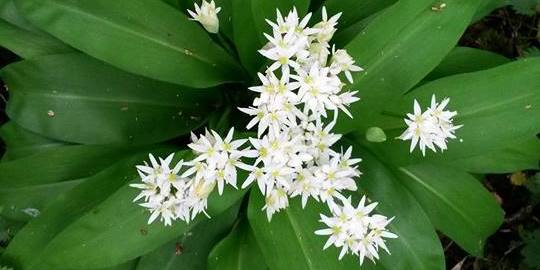
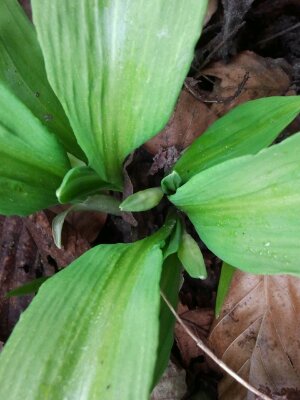
Ramsons in Frankendael Orchards

I stood stupefied and watched a woman take out a knife and cut bunches of Wild garlic from inside the entrance of Park Frankendael this evening. Felt so mad and sad and bewildered that I didn’t know where to begin with her. So just stared at the mini massacre until she saw me and my little girl watching and finally she stopped.

Ramsons/Daslook/Wild garlic/Allium ursinum tastes outrageously good but it should be harvested gently! It is currently on the endangered list in NL so strictly, even though it’s almost a weed in some parts of some Amsterdam parks, it should not be cut or ripped out in handfuls! And even if it is prolific everywhere how could it feel good to rip or cut it like that!

Cut rather than plucked.

If you know of a plentiful supply please go for the out-spill plants – where it’s growing in paths etc and will be rooted out by the park gardeners. Or grow your own. Or meet the park gardener and ask where/if he/she suggests you forage. And use your common sense. That woman foraged from the filthiest part of the park – dog spot number one – right by the main gates. Come on!

Badly foraged wild garlic.

And even when you find thousands of those leaves, please know that just three leaves, plucked between finger and thumb are needed to make enough pesto, herb oil or mojo to last several weeks. After plucking carefully, no one should be able to see that anything has gone.

If you want some Daslook but still don’t know where, when and how to pluck it, please come and see me on Wednesday morning at the Frankendael orchards (10.00 – 11.00 behind Huize Frankendael). You can take home your own plant too, if you like.

We are what and how we eat.


Urban Herbology cursus in het Nederlands!

Tansy Bees

Cursusoverzicht

Deze cursus is ontwikkeld en wordt gegeven door Lynn Shore. De cursus is bedoeld voor mensen die interesse hebben in stadskruiden.  Het doel is om je band met de natuur te verdiepen door je vertrouwd te maken met een grote variëteit aan nuttige kruiden en planten die in je naaste omgeving groeien, vaak zonder dat je er weet van hebt. De cursus is ontwikkeld voor mensen die in stedelijke gebieden op het noordelijk halfrond wonen, maar is ook geschikt voor degenen die op andere plaatsen wonen.

Je kunt op elk gewenst moment beginnen met de cursus. Het duurt ongeveer een jaar om de cursus af te ronden, maar je kunt er zo lang over doen als je wilt. Deze cursus is niet geaccrediteerd en is niet bedoeld om je op te leiden om een praktijk in klinische kruidengeneeskunde te voeren. Je krijgt een certificaat als je de cursus hebt afgerond en een eindverslag hebt ingeleverd (dit kan meerdere vormen aannemen, dus maak je geen zorgen als schrijven niet je sterkste punt is). Tijdens deze cursus leer je om kruiden en planten op een weloverwogen manier te gebruiken. Daarnaast helpt deze cursus je om je band met de natuur verder te ontwikkelen, ongeacht de plek waar je woont.


Online cursus of combinatie online + praktijk
Deze stadskruidencursus kan worden gevolgd als online cursus of in combinatie met workshops die elk kwartaal in Amsterdam worden gegeven en een halve dag duren. Bij beide methodes krijg je volop persoonlijke ondersteuning van Lynn en kun je lid worden van de cursisten-chatgroep. Je beslist zelf hoeveel tijd je wilt besteden aan de cursus. Lynn raadt aan om elke week een paar uur aan de cursus te besteden: deze tijd heb je nodig om het cursusmateriaal te lezen en om aan de cursusactiviteiten te werken. Je bent uiteraard vrij om naar eigen inzicht meer of minder tijd eraan te besteden. De aantekeningen zijn altijd online te bekijken en als je Lynn een e-mail stuurt, doet ze haar best om hier binnen 24 uur op te reageren.

Opzet van de cursus
Als cursist krijg je 8 keer per jaar toegang tot een nieuwe bundel studie-eenheden. Elke module bevat 8 studie-eenheden met interessant leesmateriaal, korte video’s, links naar websites met nog meer informatie en allerlei leuke activiteiten die je helpen bij je leerproces en waarmee je je nieuwe vaardigheden kunt toepassen. De onderdelen bouwen op elkaar voort en zijn zodanig opgezet dat je veilig en vol vertrouwen aan de slag kunt gaan met planten die in jouw omgeving groeien.

Als je feedback wilt, kun je opmerkingen en vragen over de activiteiten per e-mail naar Lynn sturen – je bent uiteraard niet verplicht om dit te doen. Er is ook een speciale cursisten-chatgroep waar je op informele wijze informatie uit kunt wisselen met anderen.

Je bent alleen verplicht een eindverslag te schrijven als je een certificaat wilt behalen na voltooiing van de cursus. Dit verslag kan op verschillende manieren gestalte krijgen en is toegespitst op jouw favoriete manier van leren.

Modules:

  1. Stadskruiden – Wildplukken. Basiskennis plantkunde. Plantenfamilies. Plantprofielen voor belangrijke stadskruiden.
  2. Werken met kruiden – Veiligheid, verantwoordelijkheid en legaliteit. Huismiddeltjes maken. Eerste hulp met kruiden. Voedzame kruiden.
  3. Kruiden kweken – Creatieve manieren om kruiden te kweken in kleine en grote ruimtes, openbaar en privé.
  4. Geneeswijzen – Genezen op een veilige en verstandige manier. “Kruidenvrouw & kruidenman”-systeem.
  5. Keltisch jaarwiel – Op de natuur gebaseerde spiritualiteit. Viering van de 8 Keltische festivals. Kruiden en recepten per seizoen.

Boeken
Cursisten dienen een aantal aantekenboekjes aan te schaffen (om hun werk vast te leggen) en een handboek voor wilde bloemen te kopen (in hun eigen taal, metdetermineertabellen) voor de regio waarin ze wonen. Ter indicatie: My favourite wild flower key kost ca. €29 (nieuwprijs).

Bij elke module worden bepaalde boeken getipt als je je verder wilt verdiepen, maar je bent niet verplicht om deze boeken aan te schaffen. Er is ontzettend veel informatie beschikbaar via het internet; online kun je extra materiaal bekijken zonder kosten te hoeven maken. De ervaring heeft mij geleerd dat veel van mijn cursisten extra boeken kopen of lenen naarmate ze meer modules afgerond hebben. Ik heb zelf in de loop der jaren een kleine bibliotheek vol prachtige boeken over kruiden, planten en de natuur verzameld, maar dat wil beslist niet zeggen dat ik dit ook van mijn cursisten verwacht! De nadruk ligt tijdens deze cursus vooral op het correct herkennen van de planten, zodat je er veilig mee aan de slag kunt.

Cursusmateriaal
Een kerndoel van deze cursus is: leren dat kruidenpreparaten gemaakt kunnen worden in vrijwel elke keuken, met weinig spullen en beperkte ruimte. Je hebt geen speciale apparaten nodig, al kan het handig zijn om extra keukengerei aan te schaffen voor specifieke bewerkingen. Lynn is als actieve permaculturist een sterke voorstander van het hergebruiken van spullen. Zo kunnen oude jampotten worden gebruikt om dingen in te bewaren en zijn gekookte oude lakens handig om mee te filteren. Maar je kunt natuurlijk ook weckpotten en kaasdoek aanschaffen, als je daar liever mee werkt. Lynn stimuleert je om kleine hoeveelheden lokaal geplukte kruiden te gebruiken, in plaats van deze te kopen – maar ook hier geldt: de keus is aan jou. Je beslist dus helemaal zelf hoe ver je wilt gaan met het toepassen van de principes van deze stadskruidencursus.

De cursusleider
Lynn Shore leert haar cursisten om kruiden en planten op een duurzame manier te plukken en op een verstandige manier te gebruiken, in harmonie met het ritme van de natuur. Ze organiseert wandelingen, geeft lezingen en cursussen (voornamelijk in Amsterdam) en is parttime docente op een internationale school. Lynn heeft meer dan 20 jaar ervaring op het gebied van planten en kruiden. Ze heeft gestudeerd bij de Amerikaanse ‘wise woman’ Susun Weed, heeft veel over permacultuur geleerd van Patrick Whitefield en Permaculture Visions, en magGlennie Kindred tot haar mentor rekenen. Ze is een OBOD Ovate en heeft een masterdiploma in Public Health (2010).

Lynn is initiator van diverse projecten, zoals Urbanherbology.org  (sinds 2010) en River of Herbs (sinds 2012). Lynn is een groot voorstander van ‘lifelong learning’ en is momenteel bezig met een opleiding in Social & Therapeutic Horticulture viaThrive UK.

Lynn is in 2011 in Amsterdam begonnen met het geven van cursussen op het gebied van stadskruiden . Vanwege de grote belangstelling heeft ze besloten een online/combinatiecursus te ontwikkelen, zodat ook mensen die buiten Amsterdam (of in het buitenland) wonen, kunnen profiteren van haar kennis en ervaring. Lynn kijkt ernaar uit om je als cursist te verwelkomen en je te begeleiden op je pad door de wilde kruidenwereld!

Betaalmethodes
Online cursus:
€320 (bij betaling in 8 termijnen) of €300 (bij betaling ineens).
Inbegrepen in de kosten: online cursusmateriaal, deelname aan de discussiegroep en
schriftelijke feedback van Lynn (bij opdrachten en in de discussiegroep).
Betaling via PayPal of bankoverschrijving.

Workshops voor cursisten:
€40 per workshop.
Er zijn vier workshops per jaar die elk een halve dag duren. Alle workshops zijn facultatief.
Locatie: Amsterdam (voor de workshops in 2016).
Betaling via PayPal of bankoverschrijving.

Inschrijven voor de cursus
Als je wilt deelnemen aan de cursus, stuur Lynn dan een e-mail. Je kunt haar ook bellen op +31 (0) 6275 969 30.

Nota bene: Als je klikt op “Deze cursus volgen”, krijg je geen e-mail toegestuurd. Door te klikken op deze knop krijg je de inleidingen van de modules te zien.

Als je vragen hebt, stuur deze dan rechtstreeks naar Lynn per e-mail. Om toegang te krijgen tot de cursus moet je het cursusbedrag overmaken.

FAQ’s

Imbolc

20160124_143336

Sap is rising

Sunlight grows stronger. Spring’s first stirrings can be felt as rising sap, throbbing through the land. Blackthorn blooms, Ramsons emerge, lambing season begins, trees bud and Birch blood begins to flow. Life quietly builds in the cold fresh light.

Now is the perfect time to refresh our internal and external environments. Dust off the cobwebs, take stock of your chattels, diet and health. Gracefully shed what no longer serves and clear space for nourishing growth. The steady, building energy of Imbolc helps new projects and good intentions to manifest. A time of strong beginnings.

Tidy up potted herbs: Dead leaves and seed heads are valued by birds and bugs but make some space for fresh green foliage to emerge.  Welcome green life back to your world.

At Imbolc, try to walk barefoot in nature. Smell the rising sap and feel it throb beneath your soles. Visit local water sources; babbling brooks, wells, springs, ponds. Light fires and welcome the return of heat.

Spring greens

Aim to eat nourishing local greens daily, at least until spring equinox. Cook them or enjoy clean and raw in smoothies, juices and salads. Stinging Nettle, Cleavers, Chickweed, Bramble leaf, Birch twigs, Hairy bittercress and Ramsons are wonderful spring beauties. Nibble as you walk and harvest just a little. If you can’t forage them, purchase local greens from organic markets.

Enrich your soups with Bittercress & Chickweed leaves. Float fresh, organic Pansies or Violets atop. Bathe your cells in spring green nourishment. Taste your land!


UH Online Apprenticeship FAQs

For information about my online/blended apprenticeship course, please see this link.

No garden gardening, Amsterdam


Here are some of the questions which people have been asking about it and my responses:

Can I join any time or am I too late? Have I missed a start date? 
You are very welcome to join my apprenticeship course any time. It is certainly not too late.  I have set it up so that people can join at any time. All that you need to do is follow the link on my website Shop to make whichever payment suits you best. Then I will email you the passwords for the first online units. I will send the most appropriate Wheel of the Year unit along with the first unit for the other modules (Growing, Crafting, Healing and Foraging).

If you start now (February), you can work through the first set of units until Spring Equinox (about March 21st) and then I’ll send you the next unit passwords. There is no time limit on how long it takes you and you will always have access but it can be done comfortably in one year. The workshops are planned so that I can meet any apprentices who would like to come to Amsterdam and work on the skills together. They are optional. The dates are on my events page.

I clicked on “Take this course”. Why doesn’t anything happen?
When you click on “Take this course”, nothing much seems to happen but it does give you access to the welcome pages for each module on my course. This allows you to find out more about the course content. You email any questions to me at urban.herbology.lynn@gmail.com and payment is made through this page. When your payment is received, I will email you with the first module passwords.

Coffee growing in Indonesia.
Coffee: Indonesia.
I live in California, is this course suitable for my region? 
The course is aimed at people living in any geographical region. I love to travel so as well as my N. European experience, I have spent time working with wild plants in India, Brasil, Tenerife, Bali, North America and the Mediterranean. These experiences have helped to shape this course. As you have probably seen the course is split into 5 modules. The Crafting module is useful wherever you live – how to make lots of products from herbs with only a tiny kitchen needed. The foraging module looks at common skills for harvesting plants in all parts of the world and also focuses on key plant families which are really useful for foragers everywhere. Those families are present world wide and part of the course is to locate family plants in your local area. So it is wide and yet brings you close to plants at home. I use a lot of material from North America myself and this is mentioned on the course so it should really help you. Quite a number of North American herbalists have been to visit me in Amsterdam, to work or forage with me and I travel quite a bit. So I am quite certain that it is broad enough for people in many different regions and climates. The Wheel of the Year module is based on Celtic and neo-pagan nature based practices. Again, these are useful around the world. California is above the equator, so although the weather is so much nicer than where I live, the Celtic festival material remains the same. People living in the southern hemisphere will receive different units to match their seasons. The Healing module is based on my learnings from Susun Weed (from NY state), other American wise women/men, English wise women/men and herbalists and of course my own experience. The Growing module takes you through how to plan, grow and care for a herb garden in your own locality. So your Growing module work will reflect what is available close to your home and what you are interested in.
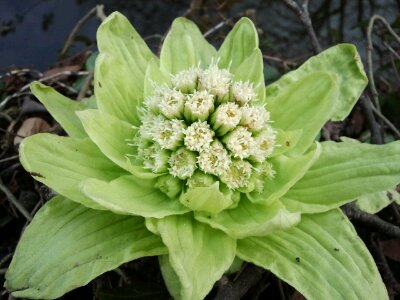
                            Japanese Butterbur.

But I live in the countryside, is the course suitable for me?
I live in an apartment in Amsterdam right now but until 11 years ago I was a country girl living in a cottage on the edge of a UK National Park. I love city life and I also love the countryside. I get out there whenever I can and love working with the plants there but I do find all that I need right here in the urban environment. Wherever I am, my principles and practices remain the same. What changes is which herbs are more abundant and attractive to me in each location. The course is mainly aimed at people who want to embrace herbal work in towns and cities but it does also suits people who live in the countryside. If you want to work with herbs which grow around you then this course has a great deal to offer you. I have had it tested by contacts in all sorts of areas in different parts of the world.

Jamu: Traditional herb system of Indonesia.

Is this just an online version of your apprenticeship notes?
No,  this is very different and much improved! I have completely reorganised and developed my face-to-face course material. I have been offering that for several years in Amsterdam and of course I was always able to look over my apprentices shoulders as they made their preparations and talk things through with them. An online course needs to be much richer to compensate for not being in face-to-face contact. My aim when creating this course was to provide a very similar experience, allowing the new apprentices to feel that I very close by if needed. It has taken me a long time to write this course as I wanted and to be certain that can effectively teach people and empower them, wherever they live. So this material is much richer.  It has more detailed notes, a discussion group, fast email contact with me and contains videos and many images to help my online apprentices.

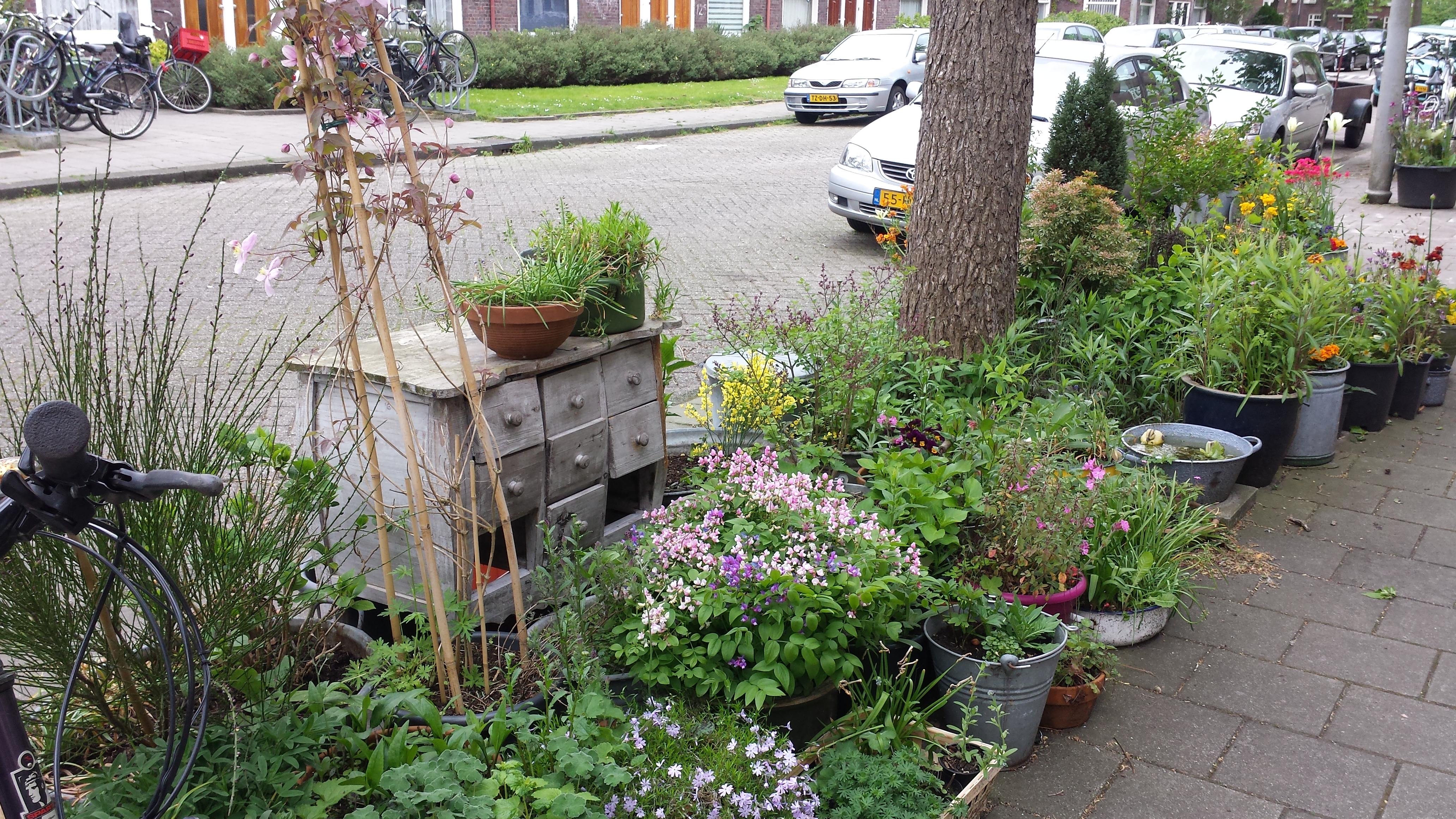
Street garden. Amsterdam.

Is the course available in Dutch?
It will be! One of my Amsterdam apprentices is currently working on translating the material in to Nederlands. If you are especially interested in this, please email me and I will let you know when the Dutch version is available. I do speak Dutch but I’m not so good at writing it. So feel free to email me in Dutch if that is easier for you. Email: urban.herbology.lynn@gmail.com

I missed the February start date. Can I join the course?
Yes! You can begin whenever you choose because there are no set start dates. I will send you the first set of access codes whenever you sign up. You will then be able to access the first units about Crafting, Foraging, Healing, Gardening and the most recent Wheel of the Year unit.

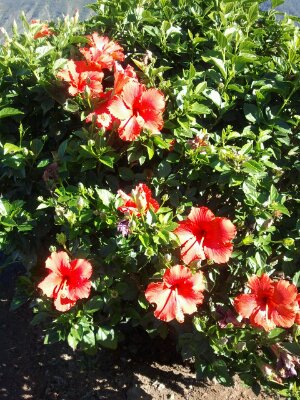
Hibiscus, Tenerife.
Hibiscus: Tenerife.

UH Apprenticeship Online!

cleavers seedlings

In recent years, I have disappointed many people when my apprenticeship course became so quickly full or because they couldn’t make every meeting or because they lived too far away. So, after much thought and planning I am about to launch a blended learning version of my course!  I am very excited about this and hope that it will hit the spot for those people who repeatedly try to join my apprenticeship course but just can’t get in as well as the folk in other places who are inquisitive about Urban Herbology. The course is made up of 8 modules, each linked to a different Celtic festival time. It covers herb crafting, foraging, healing systems, wheel of the year and urban herb gardening.  Apprentices will be able to follow the course at home or in combination with up to 4 optional half day workshops in Amsterdam.

I am using an online platform called Tansy Turnip (which I share with City Plot). You can take a look at the course information here.

The course will be ready to begin at the start of February 2016.

Lynn’s Urban Foraging Rules

Here is an outline of my personal foraging rules, for picking edible plants in urban environments. 

Above all, be considerate, careful and moderate whether harvesting from your own plants or those growing in public spaces. Be:
Accurate
Light
Clean
Legal
Enriching
Safe

Hollyhock in flower bud AMsterdam

1. Accurate Harvest
100% CERTAINTY OF IDENTIFICATION
Know the plant, know the area, know look-a-likes, poisonous plants, local endangered species, grow the plants, get to know them intimately, learn all you can about them, what will you use the harvest for (no waste), which animals and other plants does it coexist with, how does it change the land it grows in (soil retention, nutrient mining, impairing growth of other plants etc.).

Start with herbs that you are very familiar with and use at least two good field guides to ensure correct identification. Foraging guides are often good for suggesting how to use the plants but should not be relied on for ID purposes. There are some guidebook suggestions on my books page. ID at the harvesting location and again back at home before preparing. Use a loop lens (jewellers) to help accurate ID.  Latin names change less frequently and are more reliable than common and regional names, so make the effort to learn them gradually. Look up all the ID features of the plant.  If in doubt, don’t pick or use a plant.

wpid-2013-05-16-18.12.59.jpg

2. Light Harvest
Spread harvest, pick very sparingly (less than 10%), choose areas of abundance, overgrowth, I don’t harvest roots or bark (unless recently felled for the bark). Reduce any possible negative impact upon your body and the environment. I harvest just a pinch most days, over harvesting can and does lead to unnecessary rarity and extinction.

Pick sparsely to help conserve the health of the plant, its appearance and the creatures which it supports. Take time to do this, perhaps a year or more before becoming confident that it really is what you think. Never strip all the leaves, berries or whichever part you are interested in, from a plant, however tempting. Take only a little from each plant, leave plenty and avoid harming plants by rough picking. Likewise, flowers or seeds of annual and biennial plants, shouldn’t be picked; their seeds are needed for their survival.

Never pull up whole plants or harvest any part of a rare plant. I don’t harvest roots of wild plants. It is a certain way to destroy a plant, is time consuming and roots generally harbor more toxins than other plant parts.

Rosehip Amsterdam

3. Clean Harvest
Beware polluted soil, air and plants, some accumulate heavy metals, toxins more concentrated in the roots, least in nuts apparently, bug free environment is concerning, unusual growth, signs, be aware, manicured areas, pavement cracks, under power lines and use your instinct in addition to all of this. Then clean your harvest well, above dog-spray height when possible, avoid obvious areas of pollution (and old lead in soil). Most city councils now have policies of not using chemical fertilisers or plant pest control sprays but this is not always the case. It is wise to check the local policy and to find out the legal position on foraging from local public spaces. Council ecology teams are usually easy to contact and should be able to explain the local situation. Seek out the greenest and cleanest areas that you can find. There are unwelcome forms of pollution in both urban and rural areas; fertilisers, animal waste, chemicals, engine fumes and garbage being just a few. Avoid harvesting where pollution is highly likely, such as along busy roadsides, railway verges, building sites, non-organic farmland and industrial zones. Look out for clean, untreated planting areas, away from busy roads.

The best urban foraging grounds are usually within large green spaces and parks. It often helps to pick from as high as you can reach, this can minimise collecting harvests which have been soiled by passing people and animals, though it will still require proper cleaning. Avoid any material which looks dirty, unhealthy or unusual. When harvesting near clean free flowing water, only collect plant parts which have not been submerged. Harmful waterborne parasites can easily transfer to human when affected plants are eaten. Allow time and space for bugs to crawl out. Wash under running clean water. Suitable containers (tubs for berries, paper bags for flowers etc.).

wpid-2013-06-02-16.39.25.jpg

4. Legal Harvesting
Foragers need to consider local laws, what is morally acceptable, leave flowers for insects and , no trespassing, stealing, ask and probably allowed, don’t pick what was deliberately planted, Never harvest plant parts from individuals without first seeking their permission. It can be tempting to pick ripe fruit and herbs whilst passing doorstep pots and private street gardens but it is so disheartening to the owners when they come to harvest their own tended fruit and find that a passer-by has beaten them to it. In the UK for instance, all wild flowers are protected.

wpid-facebook_-716923564.jpg

5. Enriching Harvest
Leave the area better than you found it. Sow seeds, plant cuttings, grow Elder babies, bring on rare plants at home from ethically sourced seed then plant out in your own patch. Or plant them out in appropriate public spaces.

wild garlic frankendael

6. Safe Harvest
Try anything that is new to you, in very small quantities, whether as a food, tea, internal tonic or skin preparation. Here is a useful method to use to test your reaction to a new plant. About 20 minutes should be left between each step. Watch out for any signs that your body reacts badly to the plant. If this occurs – stop.
Smell, lips, gum, tongue, chew, cook…
Label at collection site, each plant in a different bag. Don’t store dubious or known poisonous plants with edibles, for fear you or your family will eat them. As with shop bought plant food, eat whilst in great condition.
Beware of local hazards such as Lyme’s disease and water borne parasites.

Young basal rosette foliage claytonia perfoliata miner's lettuce winter purslane