Category Archives: Projects

Storing the Ginkgo Harvest

image

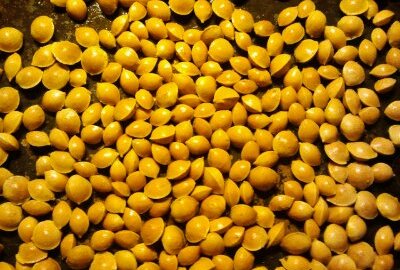
A few days ago, I harvested a small mountain of ginkgo fruit from a street in Amsterdam. Today I finally got around to soaking and cleaning them. Previously I have then dried them to store in a jar or roasted and eaten as many as I fancied. But they do spoil quickly even when cooked so roasted Ginkgo nuts are best eaten swiftly. Also, the ones I have dried to store, often sweat a bit more than I’d like, whilst sat in the glass container, so I’ve been looking for better preservation methods. Tonight I was looking through a book by Steve Brill (of NY Central Park) and he suggests roasting the lot and then freezing them for later use. To bring them back to life, so to speak, the frozen nuts should be roasted again for just a couple of minutes. So after reserving a handful to stratify over winter (as kindly recommended by Fran from Serendipity Farm in Tasmania), the rest have been roasted for 15 minutes and now cooled, reside in my freezer. The Apprentice group can test the results tomorrow morning!

Much as I love the taste of these nuts, I’m done with the pukey smell when I clean the fruit off, so that’s it for my Ginkgo foray this year. I’d also like to thank everyone who joined me to help clean up these smelly fruit and nuts over the past couple of weeks (they don’t smell bad when they are finally cooked by the way). Several of my colleagues have told me that they think the foraging this year has made a difference to the street where we work – less smell and less squishy fruit to avoid on the pavement. So I think it was all well worth it!

365 Frankendael day 204

image

Been preparing for Monday’s apprenticeship meeting and almost forgot to write today’s post…

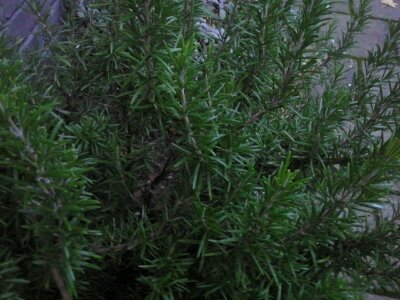
Here’s a delicious and stimulating Rosemary (Rosemary officinalis) bush which resides beneath my apartment in a bone dry  geveltuin. One of the most well known culinary herbs, Rosemary is also very medicinal. It makes an easy herb oil, useful for rubbing on sore muscles or congested chests. It is known as a remedy for indigestion, some scalp ailments and when you brush past the plant it’s obvious that it can clear the sinuses and enliven the senses. Here’s a useful link to lots of information about Rosemary, including it’s drug interactions.

Now is the time to seek out healthy evergreen urban herbs, in readiness for the coldest months when foragers need to

365 Frankendael day 203

Today a couple of useful pavement garden herbs:

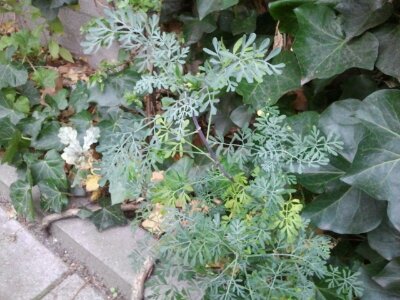
Firstly, Rue (Ruta graveolens), useful in tiny amounts to help break down heavy meals, when cooked along with the food and a renowned witches herb (especially the Italian witches who favour jewellery, shaped like Rue leaves). Rue has many uses, due mainly to the volatile oils it produces. It should be treated with respect, both when handling the plant and when considering eating it. It is a very potent herb.

image

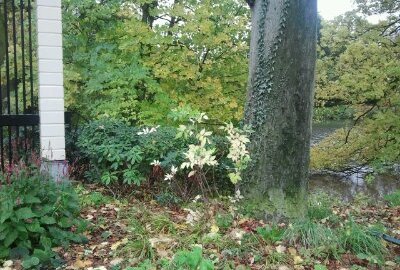
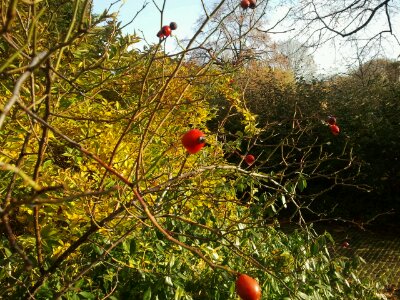
Next up today is Rose (Rosa sp.). A you can see, some Rose shrubs are still in bloom in Amsterdam. That means a few fresh petals can still be found to throw into ginger, cardamon and rose petal honey. Yum! Only select unsprayed roses from healthy plants, growing in clean spots.

image

365 Frankendael day 202

image

Today has not quite gone to plan so little time to forage. As I passed by Park Frankendael at lunchtime, this little Elder (Sambucus nigra) caught my eye. Her leaves are starting to fall and leaf buds for next spring are already in place. She is the pale one in the middle of the photo.

Elder haa quite a characteristic colour as their leaves shed, as if they have been blanched by the sun. There is still time to gather a few deep green Elder leaves for useful ointment recipes. My favorite remains a combination of Elder, Ground ivy, Plantain and Ground elder, gently infused in ghee or lard until the leaves begin to crisp and then strained.

365 Frankendael day 201

image

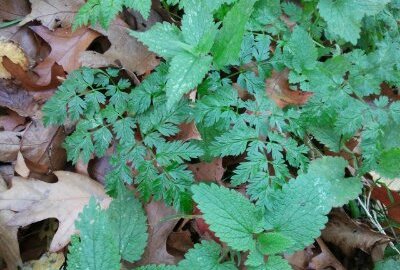
Here are two interesting plants; Stinging nettle (Urtica dioica), edible, nutritious and a useful tonic for the body. The other feathery looking foliage belongs to Fools Parsley which could give you quite an uncomfortable digestive system if you were to eat it, perhaps mistaking it for something such a Sweet Cicely. On an Urban Herbology walk last year, I was told about a group of young Amsterdam children who had a lovely woodland walk with a guide and foraged their dinner. Unfortunately they harvested and ate Fools Parsley, mistaking it for Wild Carrot. They all ended up in the local hospital’s casualty department with dreadful stomach pains and more. Apparently all was well in the end but I’m sure they wouldn’t have wanted that.

There are so many noxious close relatives of Fools Parsley (such as Poison Hemlock, Conium maculatum) that it’s just not worth foraging anything that resembles it – unless you REALLY know what you are doing.

More Ginkgo Harvesting!

image

Today I was joined by two more groups of eager urban foragers, to harvest some more of the strange fruit which currently fall on several Amsterdam streets.

We harvested from Albrecht Durerstraat mainly. Although the enormous glut of fallers from last week, had already been removed by the council street team, we still found several bags full. There are many fruit left on the some of the female trees, it’s not to late of you want to try and haven’t yet had a chance.

image

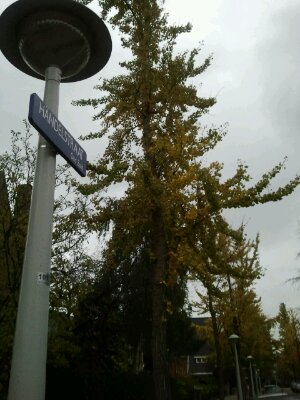
On my way home from work I noticed more streets which are home to Ginkgo biloba trees. This photo is of Handelstraat. I didn’t walk the street to see if it houses any fruit bearing females. Jennie Akse, who came along today, told me about a lovely female Ginkgo in Beatrixpark which is shedding fruit on the grass.

There are many places to harvest at the moment. People have asked if I know of any Ginkgo on Amsterdam West and I don’t. Of you do, please let me know.

Here’s a link to my post on how to safely harvest and prepare the fruits. It’s the nuts that foragers are after, the soft fruit part is toxic.

365 Frankendael day 200

image

200 days and counting of photographing urban edible and medicinal plants, growing in the Park Frankendael area of Amsterdam.

Today a twilight photo of Dandelion (Taraxacum officinalis). All parts are edible, bitter and useful – if thoroughly clean of course. After all the beautiful and surprising plants I’ve found during this journey, I’m still stopped in my tracks by a hearty Dandelion!

365 Frankendael day 199

We took a walk in between the rain showers today and saw the Urban Outsiders exhibition being packed away. Hard to focus on much other than Ginkgo nuts at present (dreaming of them being swept away by the road cleaners before we can get to them!) But here are a few other plants from the park…

image

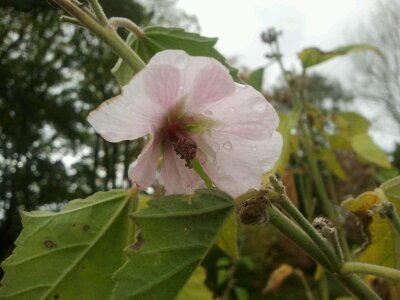
Lovely delicate yet wooly Marsh mallow (Althaea officinalis) still flowering here and there but mainly gone to seed. Such a useful soothing plant.

image

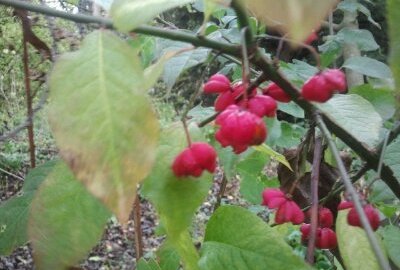
Thanks Dana for posting a lovely photo of this plant on Facebook recently. I didn’t know it so got hunting and found it is called Euonymus and is not edible.

image

It is pretty enough for restaurant Merkelbach to use in their table decorations today though. A nice escape from the rain – again!

image

Here is a taste of one of the best things to come in spring – Garlic mustard (Alliaria petiolata). Oh what a wonderful herb! I’m holding back from foraging any as the moment as these plants really need to build strength to get through the winter and then hopefully they will really flourish next year.

365 Frankendael day 198

image

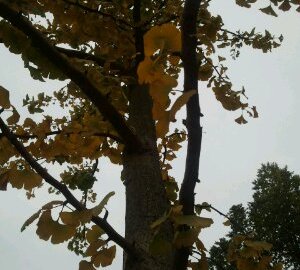
This Gingko tree grows outside of the Muiderkerk on Linneausstraat and is much younger than those I’ve found in Oud Zuid. It’s also not loaded with ripe orange fruit so is most likely a male tree. The leaves of both male and female Ginkgo can be used to make a tea. The plant, including it’s leaves and especially the fruit, does contain some chemicals which are harmful so if using them, read up carefully on how to harvest, how much to use and whether it will interact unfavourably with your body.