Aurel Chaoul taught me how to really make water kefir a couple of years ago. One beautiful Beltane evening in the River of Herbs orchards, he showed a bewitched group of us how to set up a batch. He added chewed over apple cores, squeezed out lemons, bits of ginger, a liberal amount of caster sugar and whatever else felt good at the time. I have been hooked on it since and my recipes have become more experimental as I gained confidence with those little living grains. Ginger, Turmeric and Lemon is a firm favourite, reminding me of a Balinese Jamu but taking far less time to prepare. Ginger and lemon, is rather like ginger beer and basil tastes great with most fruits. Stinging nettle infusion, fed to kefir without any sweetener is another top experimental result in this house. It tastes rather like nettle beer and can be made overnight. It’s a complete bargain, especially if you like a slightly beery taste but not the alcohol. The nettle does tend to stain the kefir grains though, not really a problem unless you don’t want nettle in your next kefir batch.
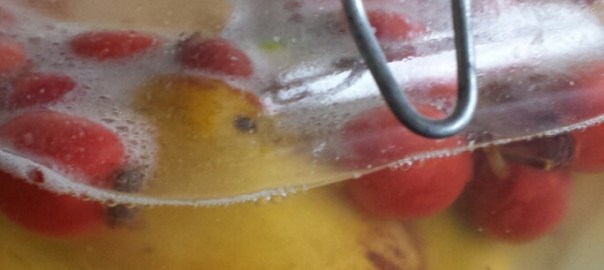
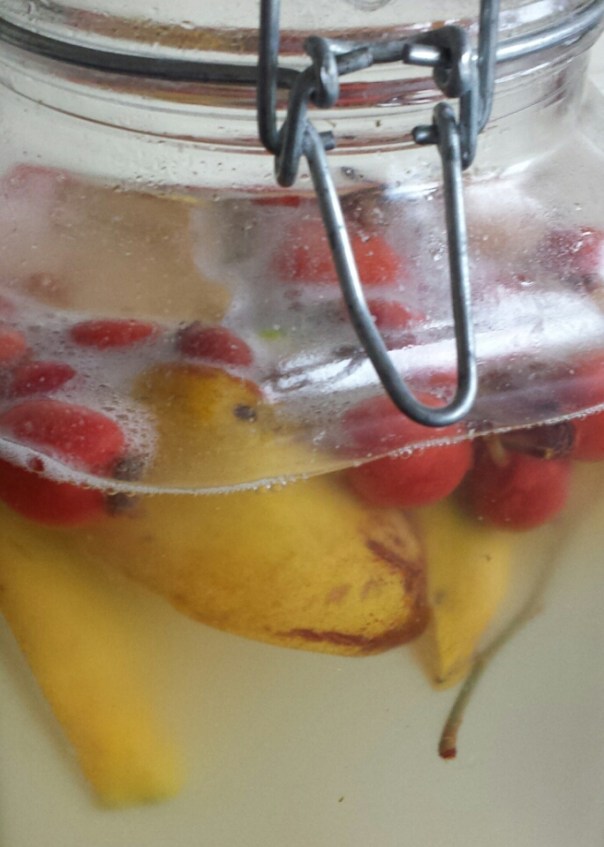
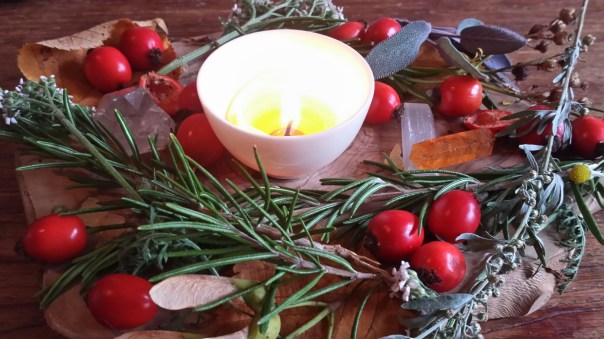
My autumn 2015 favourite is made from foraged rosehips, quince, lemon and honey. The rosehips here have been drying out whole over several weeks, on my dining room table. They looked so pretty when I harvested them and I didn’t feel like scooping out the itchy seeds for rosehip honey this year. So they sat around a candle and shriveled up gracefully. When added to the kefir brew, they perk straight back to life and look gorgeous again. Quinces are exquisite old fashioned fruits which I don’t find often in Amsterdam. However they are currently hanging in a perfectly pluckable state on a grand old tree in Frankendael orchards. Each time I garden there, I take a few home and invariably forget to cook them. They dry slowly in my fruit bowl and release an amazing pear-y fragrance, which is no bad thing. The Lemon is left over from mealtime wedges and the honey is because the kefir grains love a little sweetness to get them going. I find the combination a real pleasure to drink and it always goes down well with the orchard project volunteers.
If you enjoy experimenting with water-kefir and you like to forage, I’d love to know what your favourite combination is!
Let’s face it, some herbs are hard to swallow – not because they are chewy or toxic but because they just taste sooooo strong that they make your toes curl and your hair stand on end!
One solution to the issue of strong but necessary herbal taste, is to create an Oxymel. These are delicious concoctions which take just moments to prepare and have a good storage life. They are made from herbs, honey and vinegar, having a sweet and sour taste which detracts from strong flavours. Oxy- means acid, containing oxygen or contradictory. -mel means honey. I like to think of them as sweet contradictions. Oxymels combine the properties of the herbs, vinegar and honey from which they are made.
This morning I made some Oxymels with my Rowan apprenticeship group and the apprentices have plans to use them in salad dressings and food dips as well as for the traditional medicinal purposes. You may also like to devise pairs of herbs which work together, either culinary or medicinally. Ginger and garlic is such a combination.
The following is taken from my book which is still not finished!!
OXYMELS
Preparations of vinegar and honey, where at least one has been infused with herb.
The ratio is traditionally 5 parts honey to 1 part vinegar. A traditional method is to combine the honey and vinegar and simmer gently, along with the herb, until the mixture becomes very viscous, like treacle. However I don’t like to heat honey, I follow Ayurvedic advice never to heat it above body temperature. I prefer to infuse the vinegar and honey separately, for 6 weeks, then to combine them and leave them runny, no need to reduce to a thick consistency. If you have only one constituent infused, the vinegar or the honey, you will also be able to make a useful oxymel. If you have neither honey or vinegar infused, you can simply set up a vinegar and honey herbal infusion and wait up to 6 weeks before straining and storing.
Recipe (with pre-infused honey and/or vinegar)
1. Simply combine 5 parts runny honey (which may be previously infused with herb and strained) and 1 part apple cider vinegar (which may be previously infused with herb and strained).
2. Store in a sterile glass jar with non-metallic lid.
Recipe with fresh herbs
(In the absence of infused herbal vinegar or honey)
1. Fill a small glass jar with chopped fresh herb.
2. Make a non-herbal oxymel using the 5:1 guidelines above (e.g. 100ml honey and 20ml apple cider vinegar). Make enough to fill the jar to the brim as your fresh herb will infuse into this liquid.
3. Pour the delicious liquid over the chopped herbs.
4. Seal jar with a non metalic lid (to prevent the vinegar oxidising the metal).
5. Store for 6 weeks and then strain through muslin into another sterile glass jar.
6. Preserve the oxymel in this glass jar with a well fitting non metallic lid.
Storage
Long term but keep an eye on it. 1 year plus.
Dosage
1 teaspoonful a few times a day, of course depending upon the herb used.
Uses
Oxymels are a very useful way to disguise herbs which have tastes which many find hard to swallow. But they have also been used for millennia to create delicious drinks and deserts. A pleasant way to take them is a tablespoon mixed with a glass of soda water or plain water.
Suggested herbs
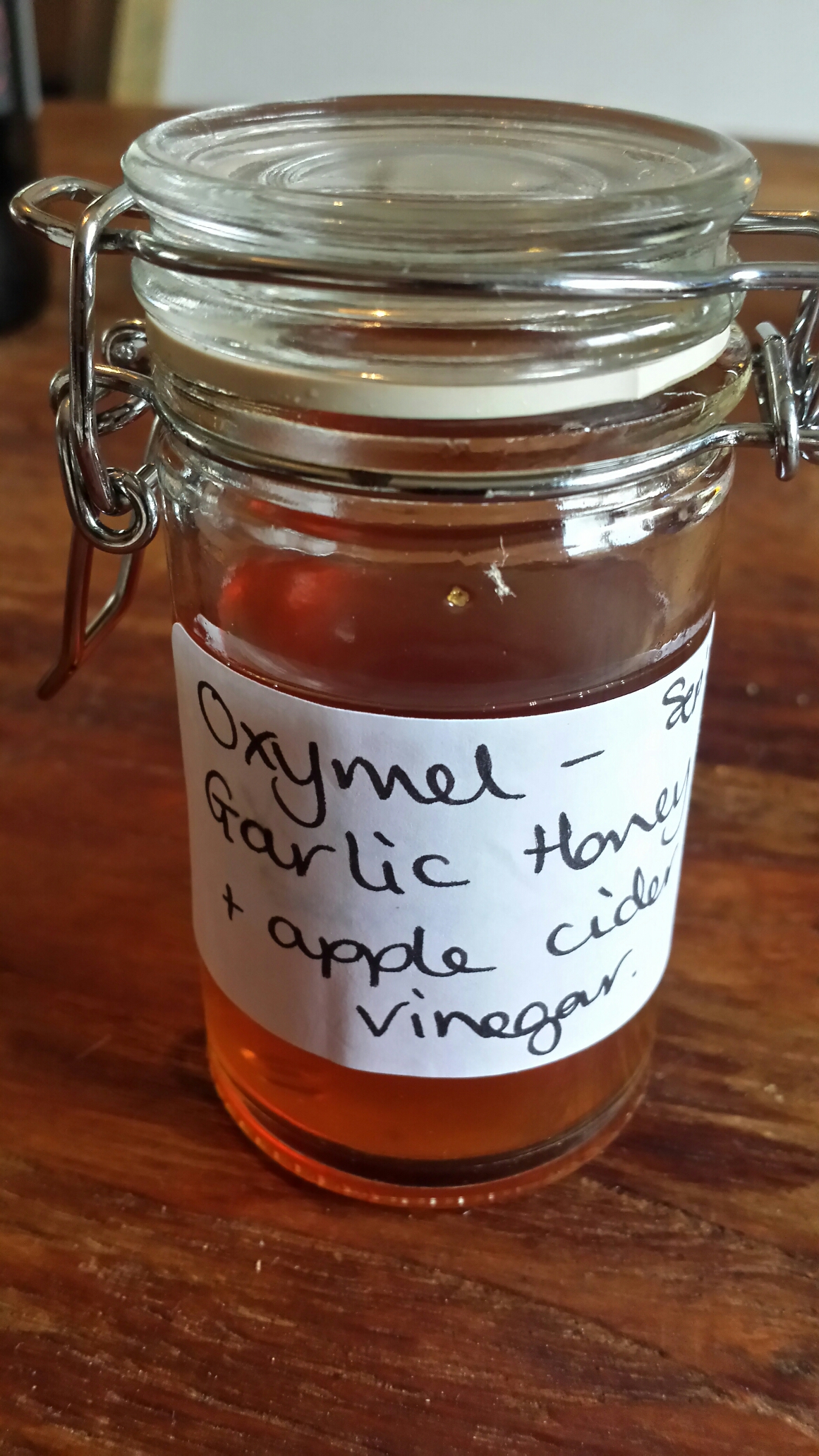
Garlic-ginger oxymel is a tasty combination or sweet, sour and spicy. I find it handy to keep in stock for colds, flu or as a sore throat gargle.
Peppermint, Sage, Thyme, Mugwort, Hyssop, Garlic (whole cloves), Onion, Ginger, White Horehound, Rosemary – each makes a good oxymel.
As ever, note which oxymels you have made, tried and what you think of them. Also record which proportions of vinegar to honey you have tried and found best. Only use herbs which you are certain are completely safe for you to use. If you are really sick, consult a doctor! I use my oxymels for simple ailments such as tickly throats.
No matter how much I know that a strong bitter taste is just what I need at a cetain time, it’s often very hard to swallow unless I can soften the blow to my tastebuds. Oxymels are one way to do this. I hope you enjoy them too.
If you would like to learn more about oxymels, perhaps you would like to sign up for my Kitchen Witchery workshop on 12th October 2015.
I am delighted to offer a series of free-standing half day workshops to develop the magical side of your life.
Each session focuses on different ways to live in deep connection with nature and spirit, whether you are based in the city or countryside. The workshop series (running through autumn 2015 – spring 2016) includes:
Each session will include work with herbs, hedgerows and the seasons. Each will offer practical ideas for protection work, self development and furthering your knowledge of the natural and spiritual world. I am very excited about these workshops and hope that you will join me for one, some or all of them!
The events page on this website will show the details of each upcoming workshop. Please email (lynn.shore@gmail.com) me if you would like to reserve a space.
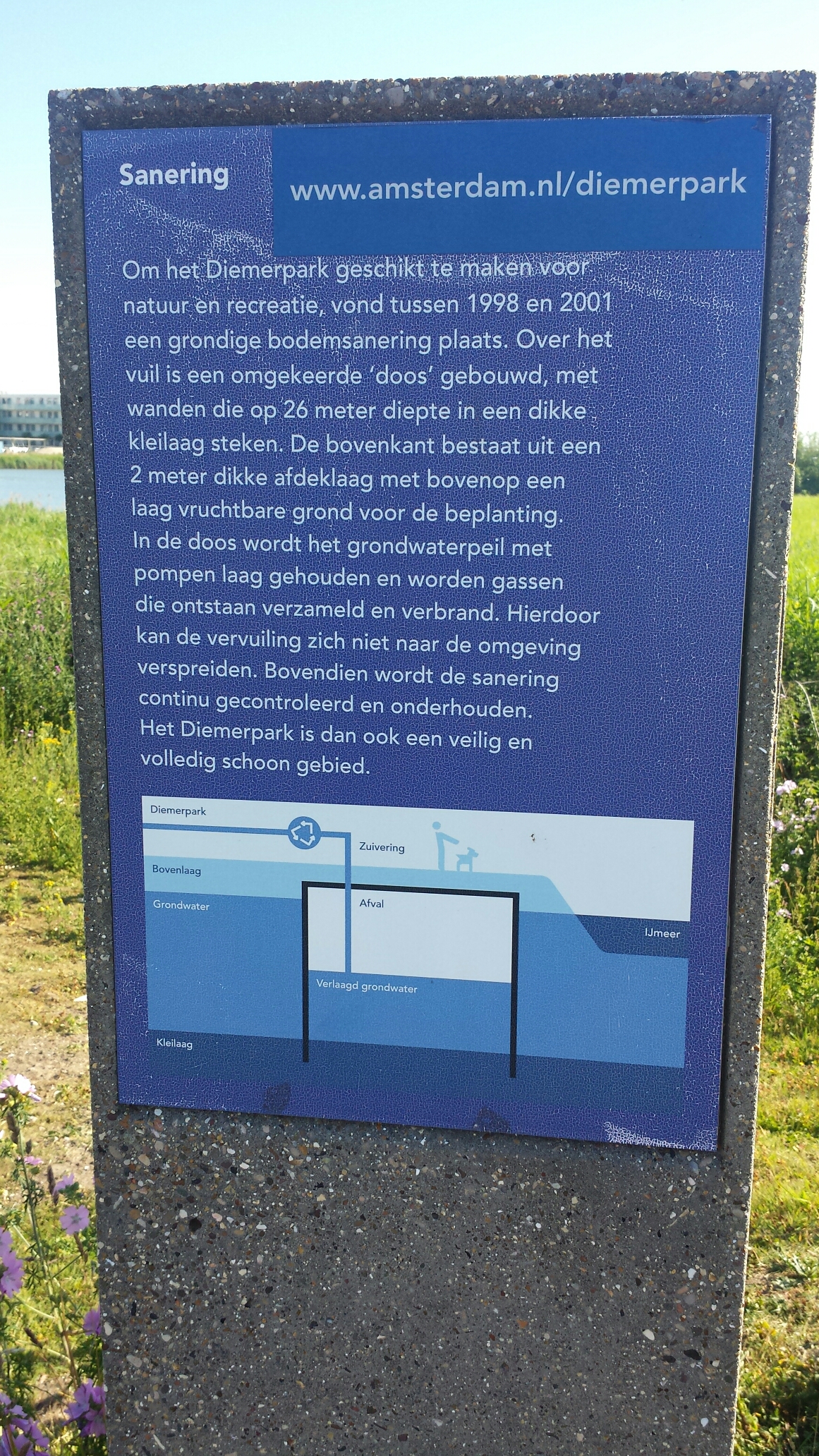
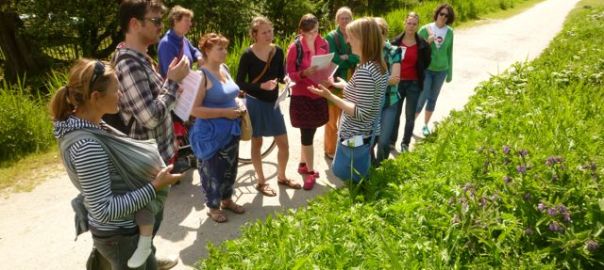
I’ve led a few herb walks recently and have had a lovely time meeting new people along the way. Today I ran my first herb walk in Diemerpark. It’s such an interesting location. Until just a few years ago the sunny open site was a rubbish dump for toxic waste. The council had the site cleaned up, sealed up, buried and filtered to create a new area of recreation and nature. The result is a large open park between Ijburg and Diemen which at present is exploding with colourful wildflowers and buzzing bees.
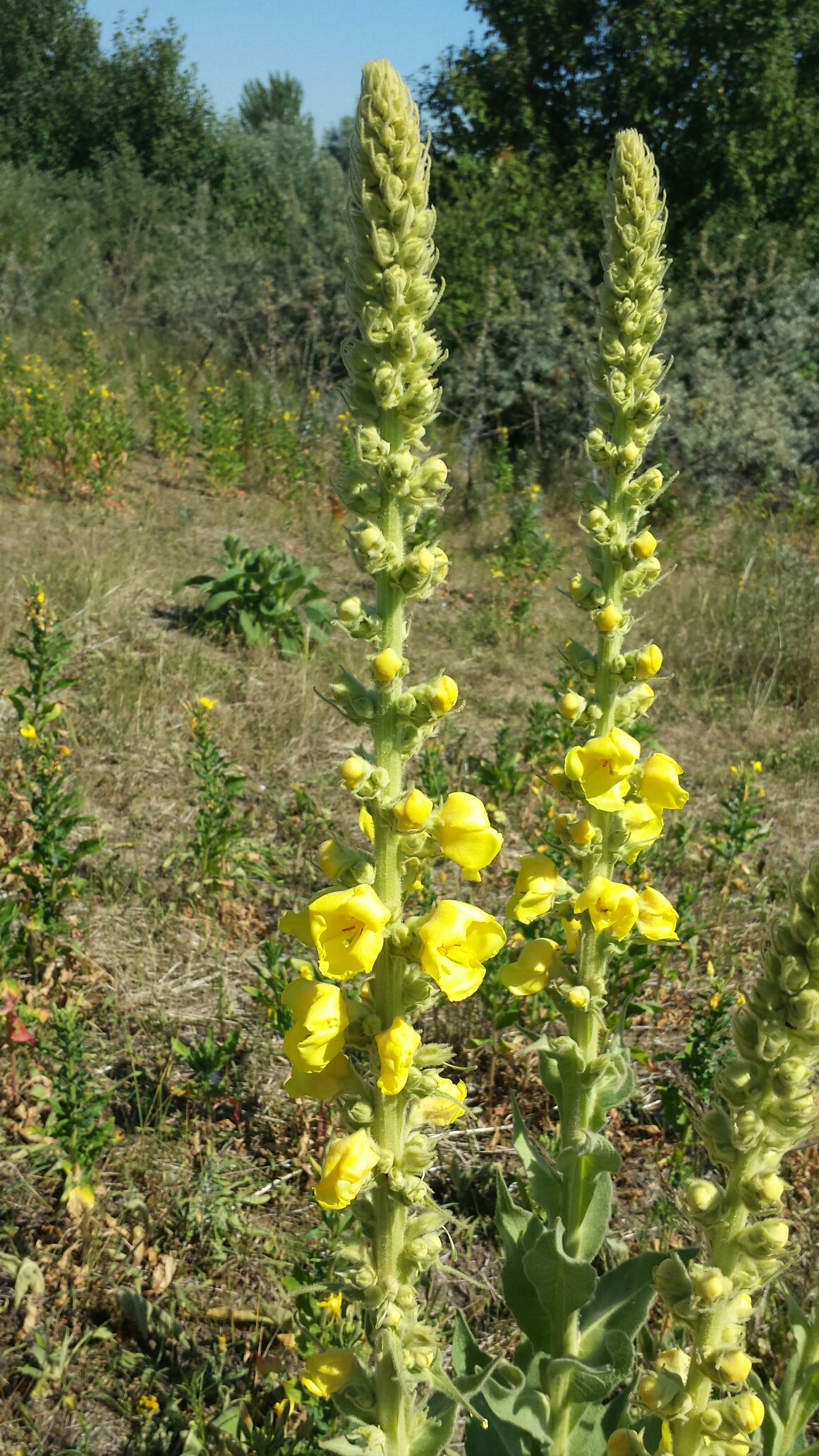
Diemerpark is very sandy and exposed. It is being populated by robust pioneer plants and is a great place to teach locals about plant ID and foraging because of its history.
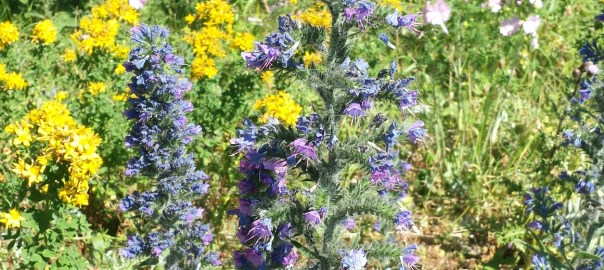
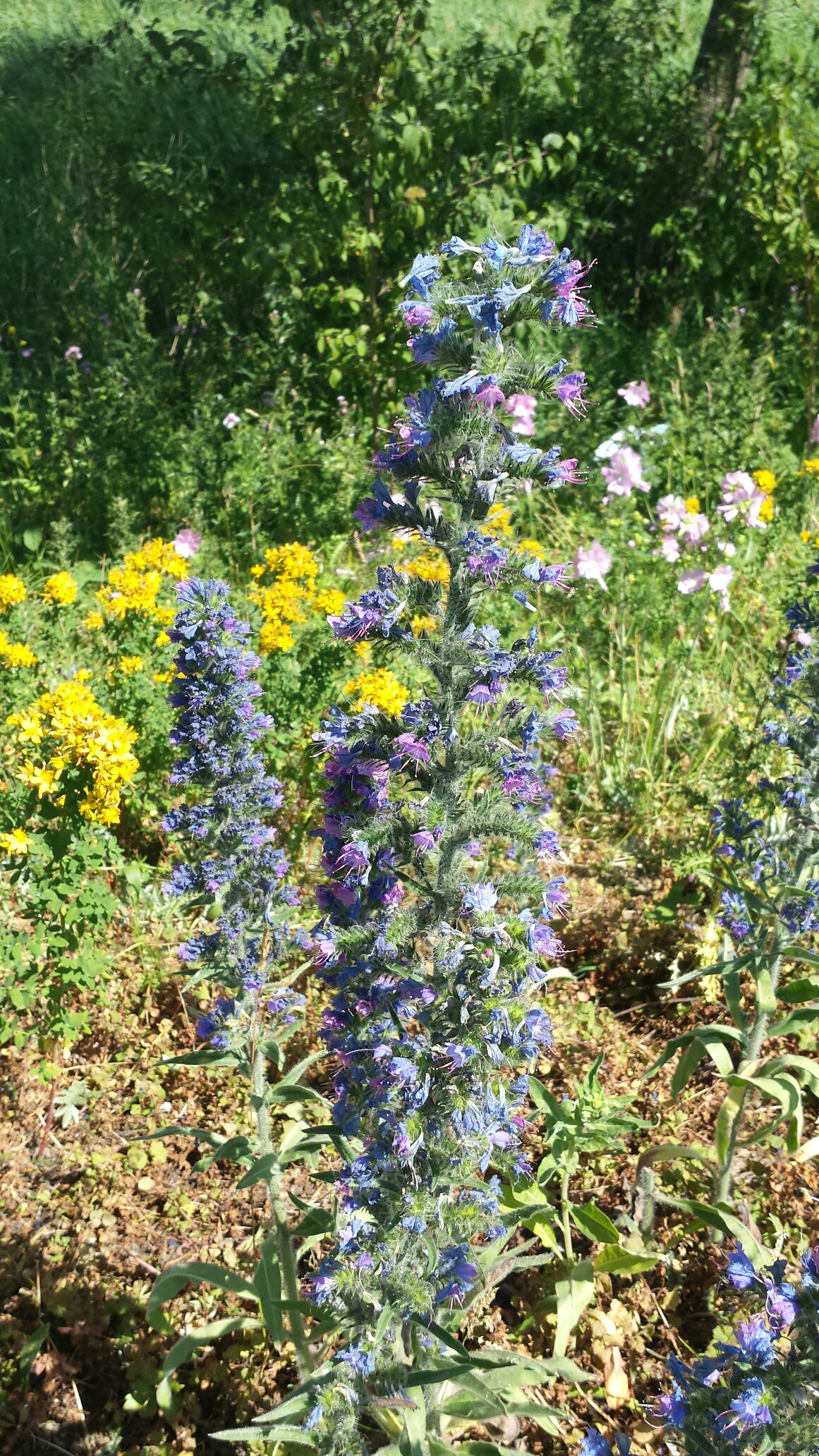
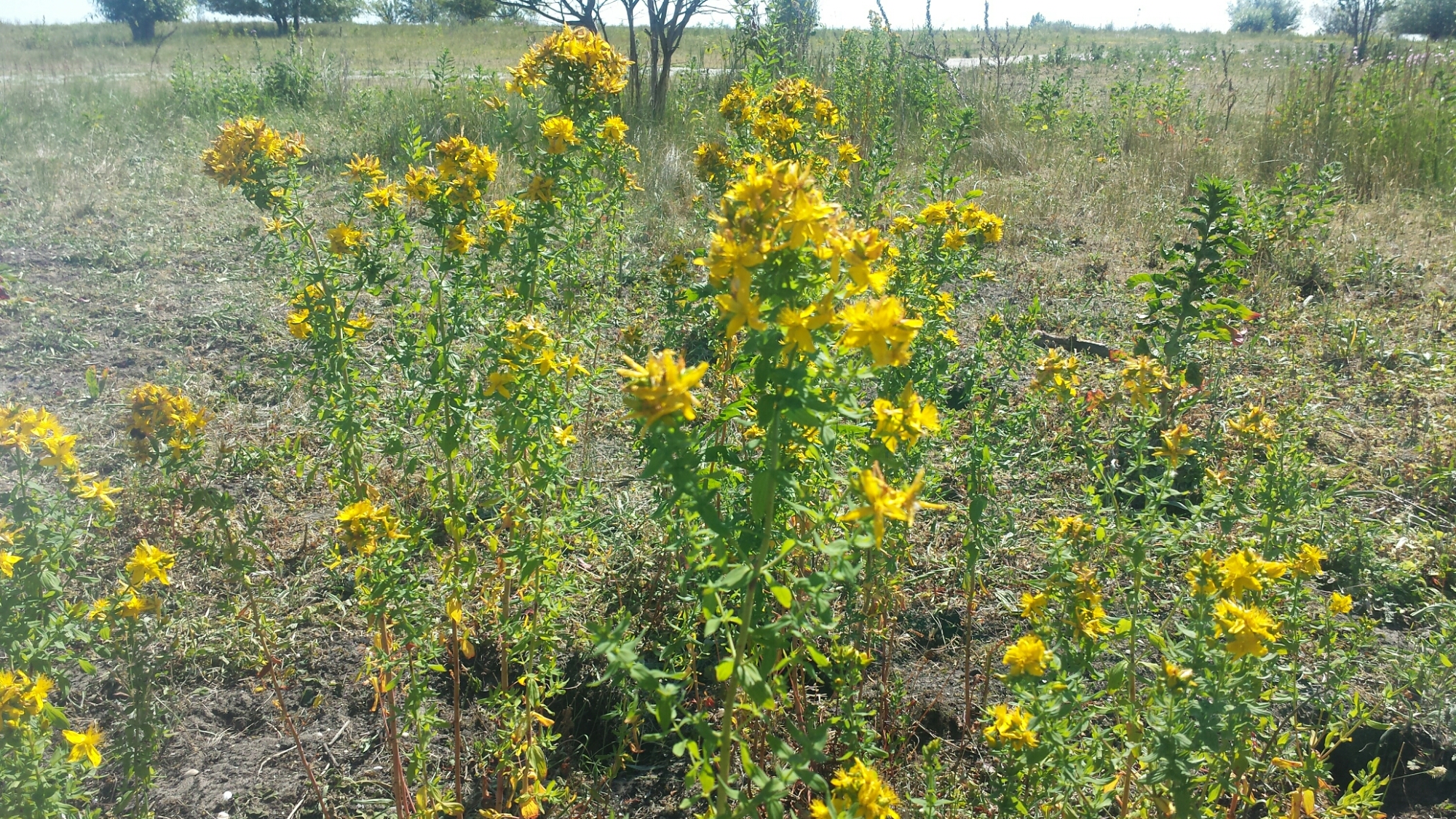
Today we found a lot of plants and focused particularly on Viper’s Bugloss, Mullein, St John’s Wort, Hawthorn, Mugwort, Singing nettle, Self heal, Willow and Elder.
I’m planning to lead another walk at the site this summer. If you are interested then please let me know and keep an eye on my events page.
This time of year provides a bounty of nourishing and tasty spring herbs. Here is one way that I like to cook them – a simple, no-fuss risotto.
Today I harvested two large feathery Fennel leaves and three verdant tops of Stinging nettle (from Frankendael herb orchards). Yesterday I plucked three huge Dandelion leaves from the school garden (where I work). The dandelion leaves were wilting away in my fridge today but still taste great cooked, so those three herbs were chopped and added to the pot this evening. I could have many other herbs of course (Dead nettle, Wild garlic seedheads, Geranium and Ground ivy for instance) and I could have harvested heaps of Nettle and Dandelion leaves but there are other days, other meals, other foragers and other creatures who need those plants. Upmost in my urban foraging mind is that by using foraged material as I would use herbs (i.e. in small amounts for culinary seasoning), I reduce my environmental impact and reduce the risk of eating contaminants and plant poisons (should they happen to be on or in the foraged plants). This is why I call my work Urban Herbology, rather than urban foraging. To find out more, do come along on one of my herb walks soon!
Lynn’s Spring Herb Risotto
Spring Herb Risotto
(makes about 2 main dish sized portions)
1/2 cup risotto rice – (non risotto rice will do, it just won’t become so creamy)
1 cup of good stock and 2 cups hot water (or 1/2 an organic chicken or vegetable stockcube in 3 cups hot water)
1 cup finely chopped seasonal fresh herbs (e.g. Fennel leaf, Dandelion, Stinging nettle).
1 small onion, finely chopped
1/2 cup frozen peas
Salt/Nori flakes/pepper/Parmesan cheese to taste.
Method
1. Add the rice, stock and hot water to a heavy based pan.
2. Stir briefly to prevent it sticking to base of pan and bring to a boil.
3. Add chopped herbs and onion, stir and bring to boil again before reducing heat to simmer gently with lid on.
4. Simmer as per instructions for your specific rice, the dish thickens up considerably and may require lots more water, it depends on the type of rice used. My risotto rice took about 25 minutes to cook through completely and become nicely loose and creamy.
5. Whilst simmering, continue to stir briefly whenever you think about it. You may need to add a little more water to prevent stickiness.
6. When the rice is cooked through and of a good consistency, add the frozen peas to the pan. Simmer for a further 5 minutes.
7. Check and adjust seasoning (it may need a pinch of salt,nori flakes or pepper)
8. Serve with a hearty grating of Parmesan cheese if desired.
As some of you know, I fell from my bike in November and was out of action for quite some time. In short, I broke my cheek bone in several places, took quite a hit on my bum and was rather shaken up. Illness is one of the greatest teachers so naturally lessons were learned. I wrote a few of them down as the weeks went by and thought I’d emerge from hibernation today, to share some of the ways I used herbs and other things to aid recovery. I have tried to relate the story to the Wise Woman system of healing, just as I ask my apprentices to relate a health incident they have been through to the system.
Step Zero – Serenity medicine
For the first week I did nothing but allow my body to quietly sort itself out. The cut over my eye was quickly glued together in hospital as this was clearly necessary but the rest was left to calm down, in readiness for a facial reconstruction operation. No herbal ointments, no supplements, no infusions, nothing. The body’s powers of repair and regeneration are amazing. Stores of nutrients from deep within the body are called upon to fight the cause. There was clearly nothing to do except rest and sup on water, chicken soup, pumpkin soup and all manner of smoothies. The nutrients which are taken from the storehouses of the tissues must be replaced. Adding anything extra to my diet felt wrong at this point, even dangerous so I stayed away from everything other than plain food. My mental taste-buds were my guide.
Step One – Collect information I wanted to know several things:
1. How the accident had happened. It was a mystery and this was not helping me. It took three weeks to find out that a stone or similar must have wedged between the front wheel and mudguard, stopping the bike very suddenly. Knowing helped in some ways. Knowing that I am not able to prevent this happening again didn’t help. So I researched bike helmets. That helped. More people should wear one.
2. I wanted to know about the imminent operation. Without it my sight could be lost, with it I should look normal again. Risks of anesthetic, risks of not operating. Knowing helped.
3. I believe nothing happens by chance. Why did this happen at that moment? I searched, through dreamwork and visioning. I found answers. The answers are for me. That helped. I act on my findings.
4. Shaking, why did my body persist in shaking? Shaking is a natural response to trauma and I needed to welcome it. Whole schools of therapy revolve around it. This is an interesting field!
Step Two – Energy medicine The energetic body is an incredible part of us. It is us. When it disappears we disappear. To feel the flow of Nwyfre / prana / chi (whatever you want to name it) through a major chakra almost disappear and not return for weeks is a terrifying thing, speaking personally anyway! I was unable to correct this easily so a dear friend helped. Being aware that the energy body is out of balance is important. Knowing how to track it’s state and assist it’s return to balance is important.
Nourishing Comfrey – Boneknit
Step Three – Nourishment Let food be thy medicine. After the operation I incorporated Oatstraw infusion into my daily diet. One liter a day. This helped to soothe my nerves (they were rather frazzled). Motherwort tincture helped in this way also. Ten drops as and when needed to bring things into perspective again. I keep a green ointment in stock here at home for all manner of skin ailments. This was very helpful after the operation. I kept it away from the broken skin and used it with intention to seep into the skin and speed the bone and flesh healing. Comfrey within the ointment came into its own as I have never felt before. So soothing, healing, scar reducing and welcome. I trusted my thoughts on when to begin using it – not before the bone setting operation, not before the skin had stopped it’s healing fluid oozing. All had calmed before I used it. I did not wash my face for three weeks and then moved onto a regime of plain tepid water, then a little ointment here and there above the breaks plus the SJW oil mentioned below. My face was cut and grazed from my eyebrow to my collarbone. All marks went quickly, except for the super glued cut (which is not surprising). What money we waste on skin care preparations!
Another thing that nourished me was friends. They helped nourish me with food, books, cards and they nourished me by making contact in whatever way felt best. Nourishment on all levels! I must nourish my friends.
Step Four – Stimulate / Sedate When the cheekbone breaks the supplying nerve tends to be constricted and stops working so that side of the face becomes numb. This can remain permanently in some people, due to the way the bones heal, degree of nerve damage during the trauma etc. I was keen to avoid permanent nerve damage so as the bones began to feel more fixed I turned to St John’s Wort oil. This herb has an affinity to nerves and it was all I wanted on my skin other than the green ointment. Soon after I began working with the oil the nerve began to return to action. It was completely back to normal after 6 weeks.
Nadis Herb Shop, Ubud
Step Five – Supplements and Drugs Paracetamol seemed inescapable for me in the first weeks after the accident. I took paracetamol and codeine erratically. I don’t touch them usually but I wanted help. They certainly helped with pain but it was quickly clear that they could not remove the cause of the pain. This may sound obvious and of no consequence but for me it was something of an issue. When I took the pills I could sleep but it was not very restful sleep. It made me feel out of control, detached from myself and although it stopped my shaking, it didn’t stop the cause so when they wore off, the shaking and fear returned with a vengeance. I found other ways to deal with the worry and shaking eventually (Motherwort and Oatstraw) but if I had not realized that these would help, I imagine I would still have been taking the drugs. That’s not a comforting thought as most people don’t know about those simple herbs. It was also a learning experience in that by simply removing the worry, I could remove the pain.
We went on holiday three weeks after the accident, to Bali, not exactly a hardship and certainly an opportunity for herbal learning. I learned all I could about Jamu – traditional Indonesian medicine. During my quest I met Lilir, a generous herbalist at Nadi Herbal in Ubud. A bug bite on my calf had grown to the size of a tennisball overnight and I needed local herb advice. Lilir calmly applied a hot herb tea compress, applied some herbal antiseptic spray, advised me that Patchouli essential oil is a useful first aid antiseptic in the tropics, and then taught me about Sambiloto. I began a course there and then. What an amazing herb! Sambiloto or King of Bitters (Andrographis paniculata) is a herb competing (and combining) with Sweet Annie from the Artemisia family in the fight against Malaria and Dengue Fever. Get to know it. It could really help you out. I used it to make me less appetizing to the bugs. It is really incredibly bitter so Lilir recommends it in pill form and not at a high dose. I began with one pill a day for 14 days and then down to two pills a week.
Another Jamu which I fell in love with is Kunyit Asam. I have learned how to make this at home and am trying to make a litre bottle of the orange wonder each week. It is a potent concoction of Turmeric, Tamarind, Galangal (or Ginger) and sweetened water. It has many useful properties and I treat it as a supplement to reduce inflammation and stimulate digestion. It is to be respected and should not be used by certain groups of people. Interestingly, powdered versions are available in Balinese supermarkets and chemist shops. I bought a few packets but find them super sweet and poor immitations of the freshly made potion. But it is good to see that there is demand for such a mass produced Jamu product. An interesting read if you want to know more about Jamu was written quite recently by Susan-Jane Beers.
Since returning to Amsterdam I have found a great source of fresh Turmeric rhizome and have been experimenting with homemade Mead, infused with Turmeric, Ginger and Lemon. So far so good!
Whilst I was researching various nasties which can be transmitted via tropical insect bites, I learned about natural ways to treat Dengue Fever. Fresh Papaya leaf appears to be a very promising remedy. Here is some interesting reading about it. In learning about that, I found out about how fresh Papaya fruit can help keep various intestinal bugs at bay. So Papaya also became part of my daily regime.
Step Six – Break and Enter
An operation was necessary in my case. It went very well and was less intrusive than it could have been but all operations are a shock to the system. Returning from the anesthetic was an unexpectedly “interesting” experience. Chanting a deeply ingrained Sanskrit mantra from the Upanishads on and on and on, whilst drinking in delicious oxygen did the trick – after a while. Mantras are very powerful, whatever they are and wherever they are from. Choose a powerful one and a positive one and one for which you know the words well. It helped me to focus and to shut out worrying thoughts. It brought me back down to Earth and made me breathe slowly and steadily. Thank you Ranju for teaching it to me all those years ago!
Arnica gel was also a useful remedy at this stage. I rubbed a little on my temples to lessen the shock to the body. Here in Amsterdam I buy a homeopathic Arnica gel called Eerste Hulp Gel. It is a combination, containing also Calendula and I find it very useful for shock.
Moving on
So that’s my Wise Woman style summary of my recent healing experience. Now my biggest issue is recounting the events each time I meet friends for the the first time in a while. They want to know and I want to tell but looking back is not always beneficial. My new response is simply to be – I am healing well.
Here at last is a quick recipe for Marlies van Wisselingh’s too simple to be true, teacher’s throat saving, cold and fever beating Ayurveda remedy – passed to her from a very helpful Indian man some years ago, in India. Her husband Bob is a volunteer with the River of Herbs and has been enthusiastically telling us all about this mysterious potion for ages!
I’ll try to place more detailed instructions on here at some point but until then…
Into a sterile 250ml canning jar sterile (e.g. Fido, Blokker €3), slice 2 organic lemons (peel and pips stay), peel and slice a huge piece organic ginger (12cm?) into the pot and add 2 teaspoons organic Turmeric powder. It is useful to alternate layers of lemon and ginger as you build up the contents of the jar. Then gently pour on runny honey. Use a chopstick to release air as you pour. Fill it to brim! Lid on. Refridgerate – leave to infuse for 3 months ideally, before sampling the concoction. Then due to the high water content (lemon and ginger juice) it is probably advisable to consume within a year. However, if you notice an unpleasant odour, bubbling (in a fizzy ferment type way), mould or anything else before that time then you should not consume it as a winter remedy. If mine begins to ferment I will gladly turn it into a bottle of mead.
This wierdly becomes a marmalade-y type concoction which appears to knock the socks off many brewing winter bugs. Have been using it on and off since September and am very impressed. Thank you Marlies!
Marlies takes it in a warm cup of water when needed. I have been using it straight from the pot, one teaspoon per dose.
Do let us know what you think of this simple Ayurvedic remedy.
On Sunday 12th October, please join me for a herbal safari through the Tolhuistuin and surrounding streets of Amsterdam Noord.
As part of the Strawberry Earth Fair I will be offering a foraging walk to find the best wild plants that autumn has to offer. We can expect to find a wide range of treats which grow all over town. I’ll show you how to identify them, collect them ethically and teach you how to use them wisely in food and drinks.
10 Euro per ticket
13.00 – 14.30
Foraging handout and herb seeds included.
Starting from Strawberry Earth Fair, in Amsterdam Noord at the Tolhuis Coop venue. It’s just a stone’s throw from the free ferry which goes from Central station to Buiksloterweg.
From September 2014 I’ll be offering two Urban Herbology walks a month for anyone interested in learning more about local edibles and medicinals. One walk per month will be in Park Frankendael (my local stamping ground) and the other will be somewhere else in Amsterdam, could be street walks or park walks. I will aim for a different location each month for that one. The aim is to show you what grows throughout the year rather than just during the spring and summer.
I will also be setting up some sort of Urban Herbie incentive thing too, to say thanks when you to walk with me more than once, pay in advance or bring a friend along. So do let me know if you’d like an Urban Herbology walk near you or if you want to be updated when I organise this. Otherwise, keep an eye on the UH events page. You can also subscribe to the website feed to get automatically updated when I write a new blog post.











 Urban Herbology