Pick your lunch! 10th April 2013

Fancy a wild herb walk in a beautiful part of Amsterdam Oost?

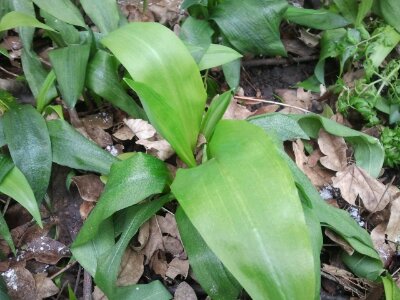
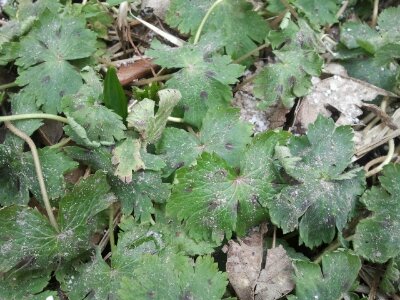
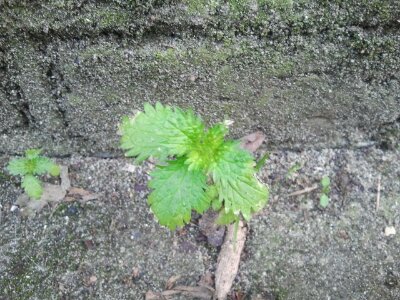
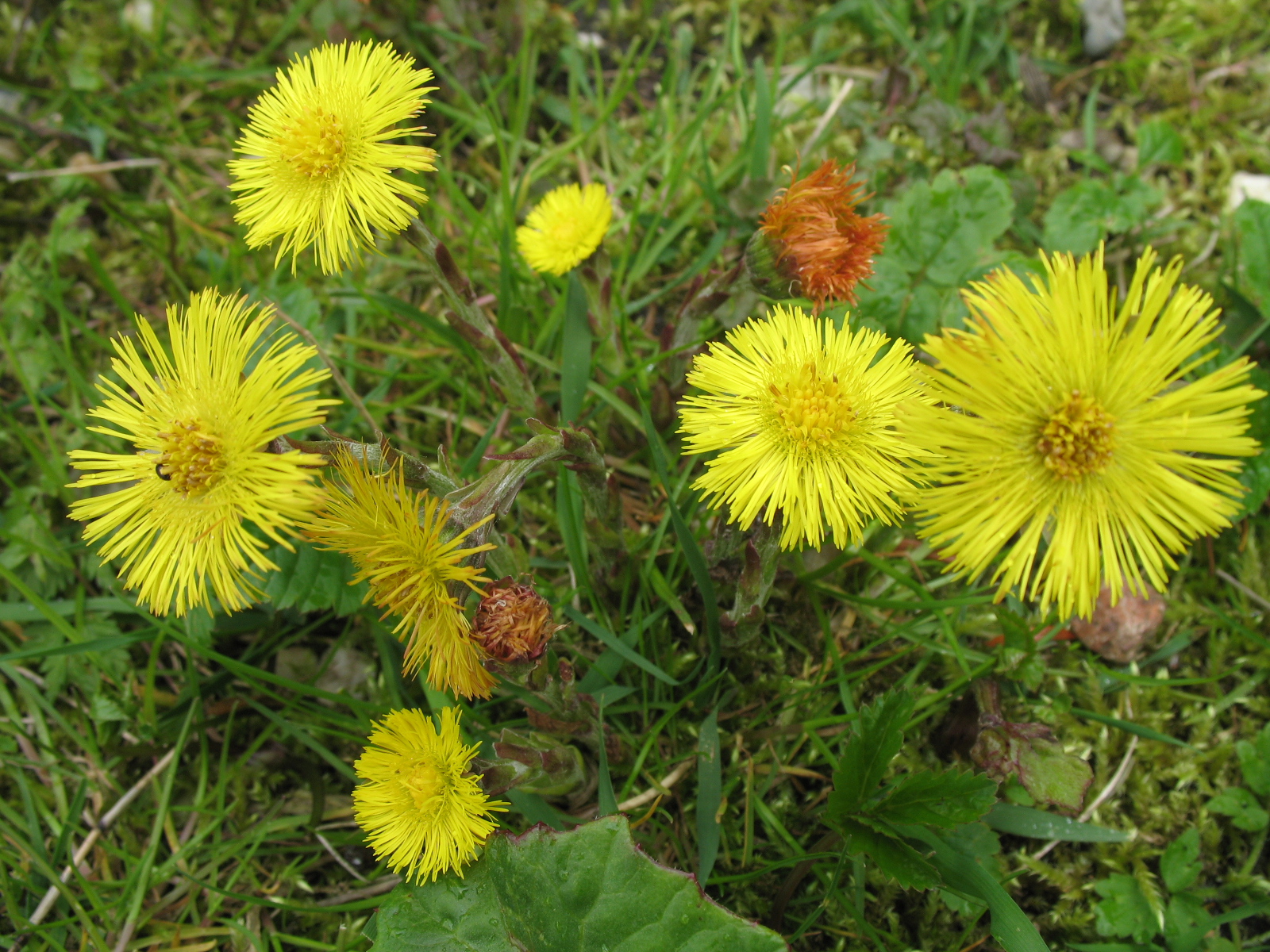
Join me for a herbal forage in my main stamping ground, Park Frankendael. We can expect to find such tasty treats as Garlic mustard, Ground elder, Nettle, Mugwort, Coltsfoot, Wild garlic and far far far more! I’ll show you how to identify common edible plants, how to use them and some useful tricks to help preserve them.

Bring along whatever you like to accompany your harvest. A flask of hot water to make tea and some bread and butter may be useful. I’ll bring some herbal cake or breadsticks to share.

I’ve been photographing and charting the wild edibles in this park on my blog for quite some time, so you can get an idea of what we may find on the walk.

Come celebrate the green edible gifts that this beautiful city has to offer!!

Wednesday 10th April,
12.00-13.30
Main old gates, Park Frankendael

€10 per person
(incl. comprehensive colour handout).
Please contact me to sign up for the walk.
Lynn.shore@gmail.com

365 Frankendael day 329

image

Lavender today. It grows really well in urban locations, such as here in a busy shopping precinct. I’ve been looking at ways to grow new Lavender plants from old leggy ones.

Mounding is a suitable method for Lavender. Simply make a mound of easy-to-root-in soil, with the existing lavender plant shoots, just peeking through. In time the old branches will send down roots, into the mound and you’ll be able to cut off a while bunch of new small plants.

365 Frankendael day 327

image

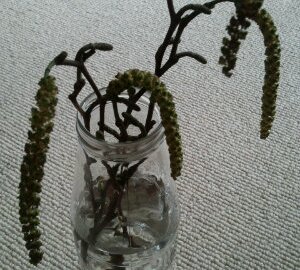
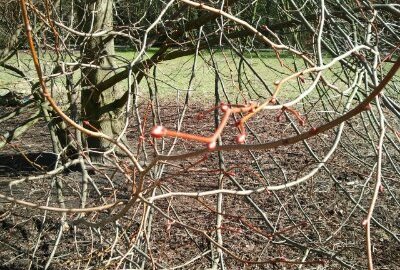
Walking home from work today, I found some stunning catkin laden branches, lying beneath a street tree. The male catkins of this tree are very long and very colourful. I decided to take some of the fallen branches home. I then removed most of the catkins (to preserve the energy expenditure of the branch) and split it up into manageable pieces. Some of the lower bark from each branchlet needed to be scraped back and then each was placed in a vase of water. I have hopes that a few of the small branches will send out roots and become new plants.

The street tree that these branches came from is an Italian Alder (Alnus cordata), apparently a popular street tree due to the catkins, its overall beauty and vigour.

It’s possible to find beautiful cones, inconspicuous female flowers and the enormous male catkins, as well as large leaf buds, all at the same time. I was pleased to see that today. Alder is the only deciduous tree to bear cones.

Alder is linked to much folklore and tradition. It’s a wonderful tree with many uses. Look up Glennie Kindred, particularly her Earth Wisdom book, for lots of information about this tree (and others). It produces several beautiful dyes. The leaves are usefully made into a cooling, soothing poultice or compress for swellings. Much like Plantain (Plantago sp), the leaves can cool and soothe the weary feet of travelers, by simply placing them inside of footwear.

365 Frankendael day 326

image

Today was Forest school again and I finally identified this tree in Beatrix park by nipping of a leaf bud and chewing it very gently and thoughtfully! The taste was unmistakable – Lime tree (Tilia sp).

The taste itself was mild for a tree bud but more importantly upon prolonged chewing it released a large amount of gooey unctuous mucilage – as does fresh Lime blossom. It also tasted exactly the same as those midsummer blossoms. I was very pleased to find this as I have a real fondness of Lime and it’s lovely to now know a tree with low hanging branches and hence flowers in midsummer.

365 Frankendael day 325

Today was the sixth meeting of my first apprenticeship group. It was a very cold day! We did find lots of herbal variety in the park however. Here are a few of our finds…

image

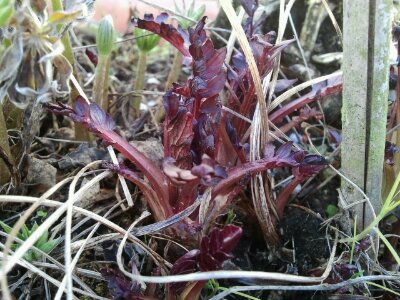
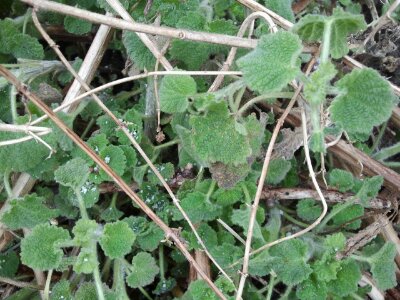
This strong scented Labiate, which I don’t recognise but looks less like a Figwort than when I found it last week!

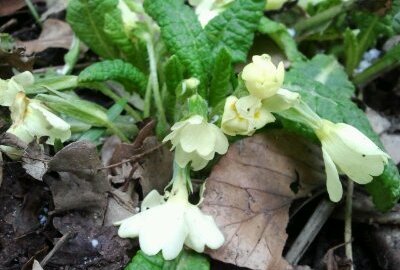
Primula vulgaris, not for picking in this area as the plants are scarce. Pretty and useful though.

image

image

Wild garlic, still abundant but a little bartered by the recent cold weather.

And lastly, Woodland Geranium.
image

365 Frankendael day 324

Just a quick photo today, of an edible and reputedly medicinal plant which takes a lot of work to remove from a garden!

image

These are the tiny but unmistakable early leaves of Ground elder (Aegopodium podograria, NL: Zevenblad). I really enjoy eating this plant through the spring and early summer. If the soil it grows in, is unpolluted then eating it certainly beats fighting it, in my book anyway. The plant is part of the Carrot family and has a distinct parsley flavour. It goes well with lots of foods (steamed fish being my favourite) and is easy to prepare and cook (simply clean it, finely chop it and sprinkle over the cooking food for ten minutes cooking).

365 Frankendael day 323 – Second apprenticeship group

My second apprenticeship group gathered for the first time today and headed for the woods of Park Frankendael.

image

What a pleasure it was to meet these lovely women, even if on a rainy day!

We found several beautiful and useful plants on our walk. My hands seized-up with the cold, part way round so I couldn’t take many photos but here’s a list of our main seasonal herbal finds…

Primrose ( Primula vulgaris )
Not for picking, in any shape or form due to the scarcity but a valued remedy of old.

Pestites japonica (Fuki). In resplendant bloom!

image

Yarrow (Achillea millefolium)
Nose bleed is an old name for this feminine, feathery wound herb with a fascinating ability to regulate blood flow.

Wild garlic (Allium ursinum), is everywhere at present. It is developing at different rates in different locations, even within the same woods.

Violet (Viola ….)
Heartsease, literally.

image

A pink/red flowering Pestasites, soon to be found sporting gigantic kidney shaped leaves.

Elder (Sambucus nigra). With snapable, soft pith-filled branches and almost year round leaves – if you look around carefully. The green parts contain a potent toxin which is metabolised to cyanide in the body. The ripe berries and flowers are great though! The leaves make a wonderful external remedy also.

Yellow archangel (Lamiastrum galeobdolon)

Hedgerow geranium (Geranium pyrenaicum)

365 Frankendael day 322

Here is a sign of things to come…

image

Tiny Stinging nettle plants popping up in pavement cracks. There are perennial and annual nettles in Amsterdam. Both are useful but I find the perennials stronger and more potent. Both are rich sources of nutrients which can boost iron levels, energy levels and calcium levels – and a host of other useful things!