Tag Archives: Chickweed

365 Frankendael day 214

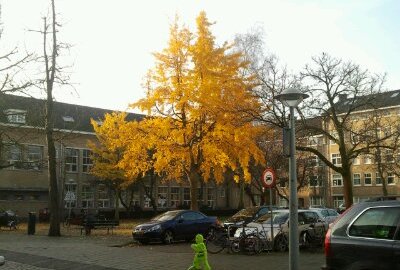
The largest female Ginkgo tree, outside of one of the British School of Amsterdam locations, is still doing useful fruit on the pavement. So if you fancy a Gingko nut forage there may still be time for you to gather a bagful. Please see my post about safe harvesting and preparation of this urban gift.

image

Also today, in the Frankendael area of Amsterdam, I found Fat Hen, Chickweed, Dock seed heads and lots of Yarrow. Unfortunately when I had a chance to photograph any, there was too much wind so this is all I managed… A beautiful, feathery Yarrow, spreading throughout a lawn area. Full of herbal usefulness.

image

365 Frankendael day 212

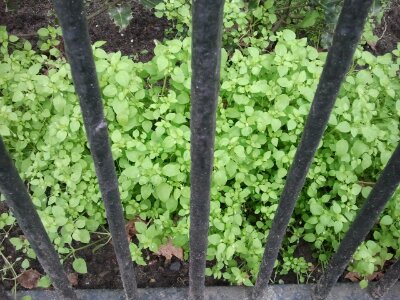
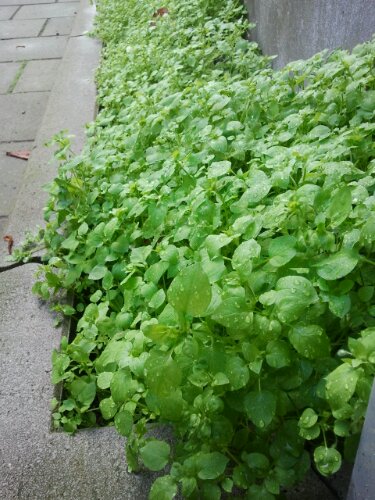
Chickweed today, filling a pavement garden on Linneausparkweg.

image

Also a mystery tuber which was floating past me as I stood waiting for Sinterklaas and his flotilla of boats, alongside the Amstel river today. It could be Reed  mace (Cats tails), which is edible in theory. However, it’s easy to tell that harvesting from somewhere as well used as the Amstel, is bound to
lead to digestive troubles at least!

image

365 Frankendael day 209

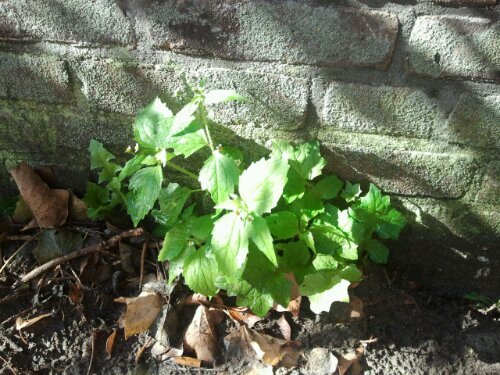
The Amsterdam Manor Hotel on Linneausstraat has a lovely wrought iron fence along side the road and I was delighted today, to find masses of delicious Chickweed (Stellaria media) tucked behind it, just within arms reach.

image

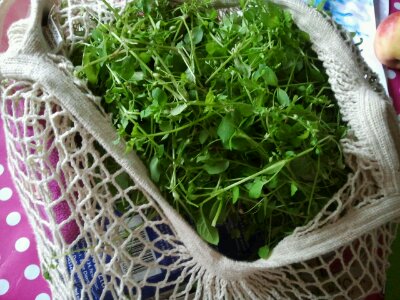
I harvested a bag full I’m no time at all, drawing a few interested glances. No matter, I now have a 500 ml tincture jar set up and a small apple cider vinegar infusing with this wonderful herb and wild food.
image

I’ll use the tincture for cleansing and if needed, to dissolve cysts our solve itchy skin complaints. Ill use the vinegar as a salad dressing, straight of the spoon or to draw minerals out of cooking food.

Chickweed is a nutrient dense plant, so easy to harvest and find and so tolerant of the cold weather.

Also today, behind another fence, this time belonging to Spanish tapas bar, Pata Negra, is a healthy patch of Gallant Soldiers. Quite appropriate I think!

image

365 Frankendael day 207

Today a damp walk around and lots of edibles still easily harvested in Amsterdam.

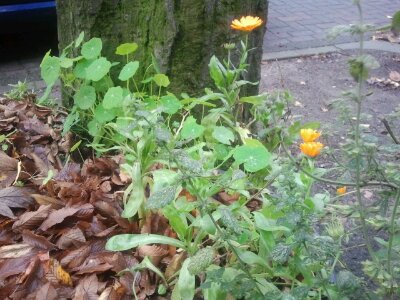
The first is a treepit loaded with Nasturtium and Calendula.

image

Next, a healthy looking patch of Stinging Nettle, beside the park.

image

A bonsai style Hogweed (most likely the non-edible type). It looks as though this one was determined to proliferate, despite repeated mowings in Park Frankendael.

image

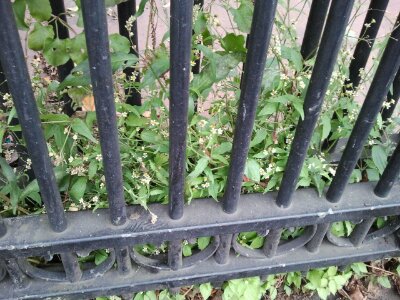
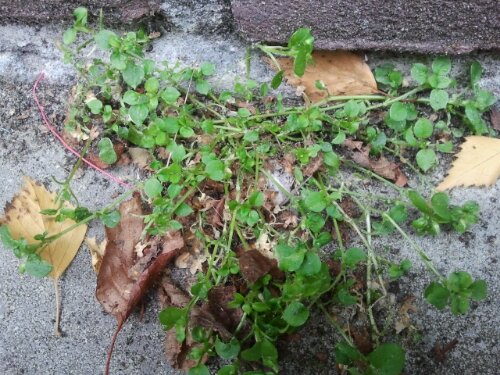
Here’s a little Chickweed, growing under the playground railings.

image

Malva, nestled beside a landscaping rock, alongside Restaurant de Kas.

image

Ground ivy, beside another such rock.

image

And lastly, one of the most plentiful wild food trees in town, Copper Beech, definitely not looking tasty at the moment – well past it’s best. I’ll have to wait until spring to harvest the delicate new leaf buds, again. But there are plenty other tasty things available, all through the winter.

image

365 Frankendael day 206

I had a lovely time with the Apprentice group this morning. We went out hunting for Chickweed and found some along with plenty of delicious Gallant Soldiers (Galinsoga parviflora) This pavement garden patch looked particularly vibrant and suited to a Colombian potato soup!

image

After the group had left I had another little wander around my neighbourhood and found the biggest patch of Chickweed (NL: Vogelmuur, Stellaria media), just 100m from my home. Here is a fraction of it. I feel a nourishing and skin calming Chickweed vinegar in the making…

image

365 Frankendael day 197

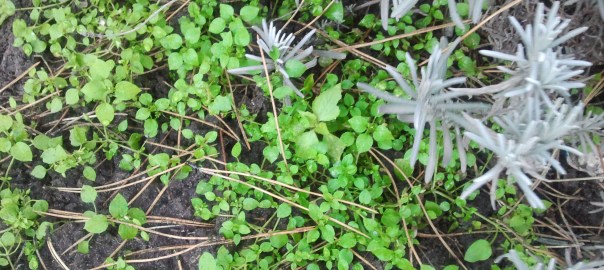
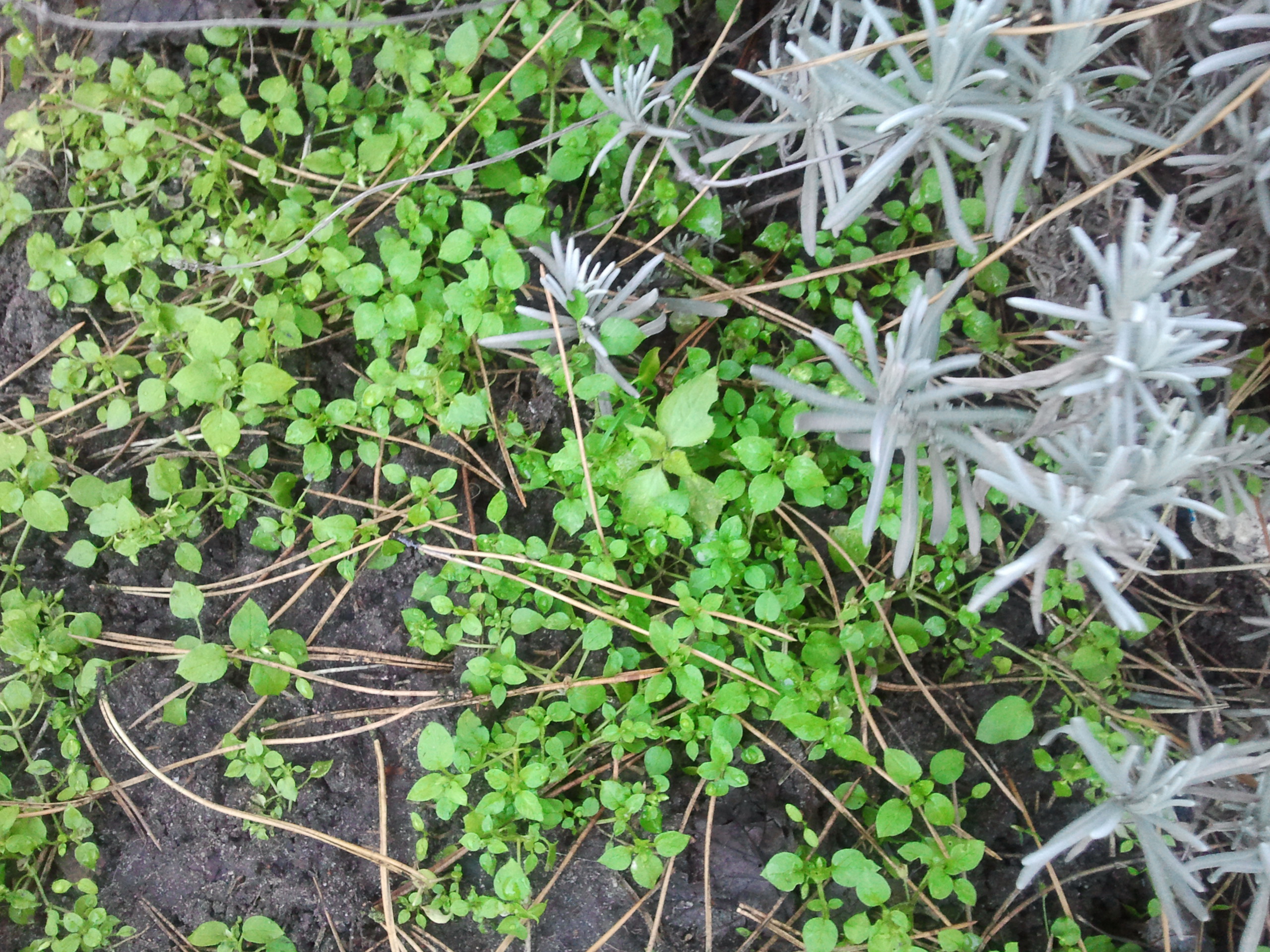
One herb photo today – Chickweed (Stellaria media), taken in a tree pit of Lavender around a Pine tree, in Christian Huygensplein. Chickweed is a delicious peppery salad plant that is full of nutrients which can help us through the winter and can soothe skin which suffers from heated complaints (such as some forms of eczema). Chickweed is
powerful against itching and cysts. It makes a good juice, tea, straight raw or cooked food and is very useful in ointments.

Respectfully grab a handful when you see it invading a clean spot, give it a good wash, gently shake it dry and use as you wish! One super use if to infuse it in apple cider vinegar, perhaps along with Mugwort (Artemisia vulgaris).

This little beauty of the herb world will be around through the depths of the Dutch winter, even if under snow, and is only really absent from the reach of urban foragers in the fight of summer, when it dries out and sets seed.

Look for the minute line of hairs down one single edge of the stem and the tiny white star like flowers.

Here’s a link to some historical uses and a link to a Susun weed post about this wonderful herb.

365 Frankendael day 183

A stroll around my neighbourhood, led me to some very useful plants and a poisonous one, today…

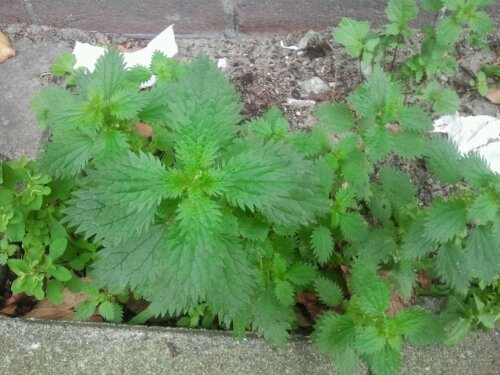
Firstly, Annual Nettle (Urticaria urens). Full of nutrients, rather like it’s better known perennial sister but with less ferocious stings. If you are used to seeing Stinging nettle (Urtica dioica) around town you may notice that this annual has more toothed leaf edges.

image

Next is a handsome, deep rooted Dandelion (Taraxacum officinalis agg.)

image

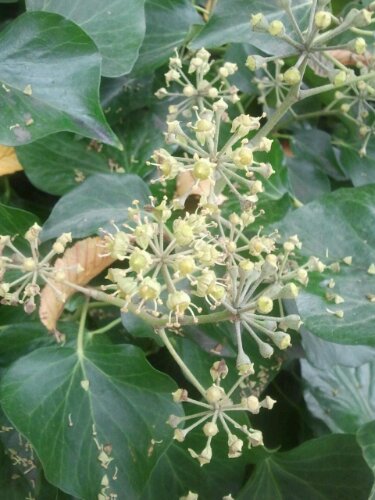
Then a strong, protective Ivy plant (Hedera helix) in full autumn insect feeding bloom.

image

Here is a lively patch of vitamin packed Chickweed (Stellaria media) making three most of a protective playground fence.

image

Here’s a tiny Hollyhock seedling, growing in a pavement crack.

image

I also liked the look of this decorative (and edible) Pansy (Viola tricolor).

image

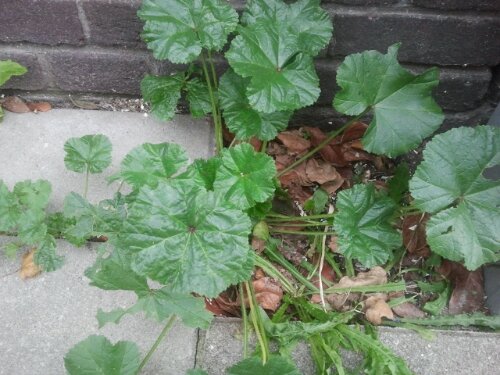
And a lovely nutritious Mallow growing against the building where I live.

image

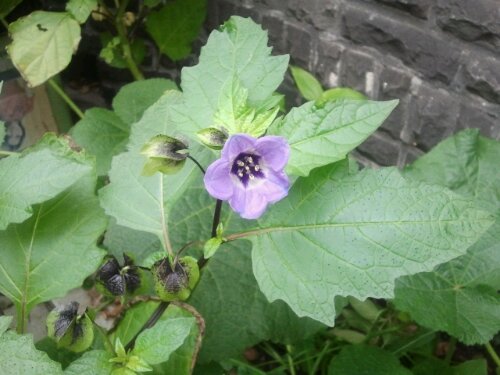
Lastly a striking plant which I’m quite sure is a poisonous nightshade. This one seems to be used as a decorative addition to pavement garden. I will try to find it’s name but think it is sometimes called Love Apple, Nicandra spp.

image

365 Frankendael day 149

I’ve been busy preparing for the Elder workshop tomorrow and enjoyed a little walk in the park looking for ingredients for ghee based Elder ointment.  Elder leaves are very medicinal but contain a chemical which, when digested by the human body, turns into cyanide so it’s obviously not a good idea to eat it.  The ripe berries and flowers don’t contain this chemical although the seeds within the berries do.  Here are the herbs in my ointment, plus a couple of other plants which are also looking and tasting great at the moment…

Chickweed (Stellaria media)

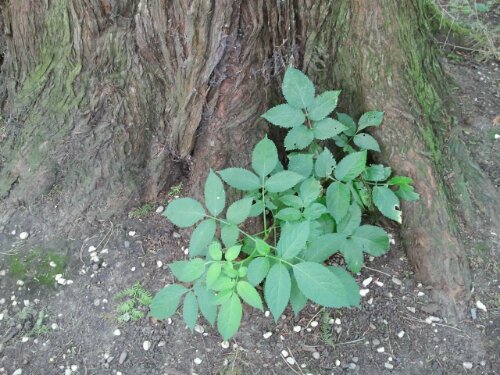
Elder (Sambucus nigra) growing close to the base of an old Cedar. Here’s a lovely Elderberry syrup recipe, from Mountain rose herbs, which uses honey for sweetness but doesn’t heat the honey – good news and unusual!

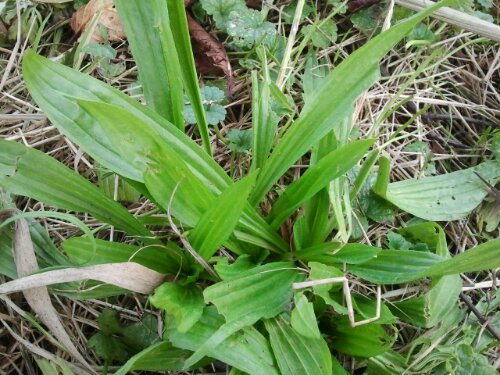
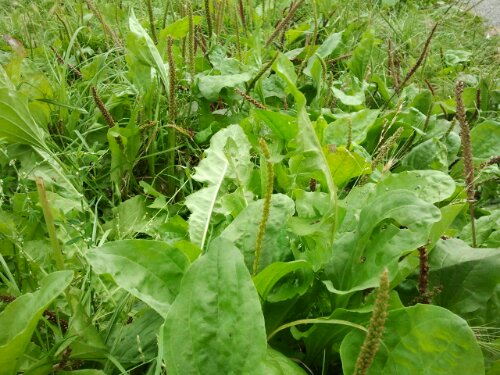
Dandelion (Taraxacum officinalis agg.)  making a stand for itself in a field of Plantain (Plantago major)

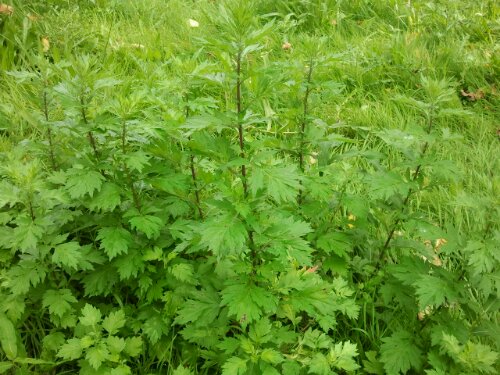
Mugwort (Artemisia vulgaris)

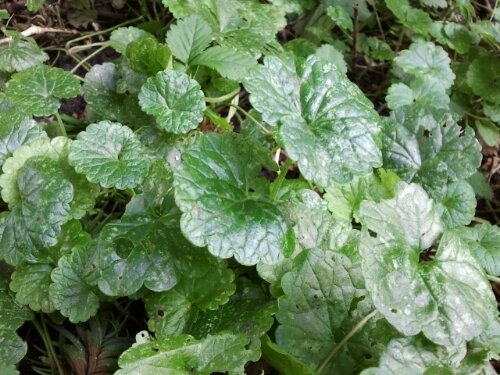
Ground Ivy (Glechoma hederacaea)