Tag Archives: stinging nettle

365 Frankendael day 138

image

Caterpillars or some other small creatures have been feasting on this patch of Nettle (Urtica dioica) , growing near the garden centre at the back of park Frankendael.

On a safe foraging note, I was sent this link today. Obviously anyone foraging should be conscious of their personal safety and some foraging hot spots are more secluded than others. There is apparently a women in this part of town who has mugged write a number of women, near the Park Frankendael, over the past year or so. She has been asking them for directions, or that sort of thing, then mugging them. A photo fit of her face is on the link.

365 Frankendael day 112

These plants are growing alongside Frankendael by the windy dirt path that follows the Middenweg. At first glacé everything simply looks green there but if you take a closer look there are several great edibles and a few plants that if eaten, would upset your body quite substantially.

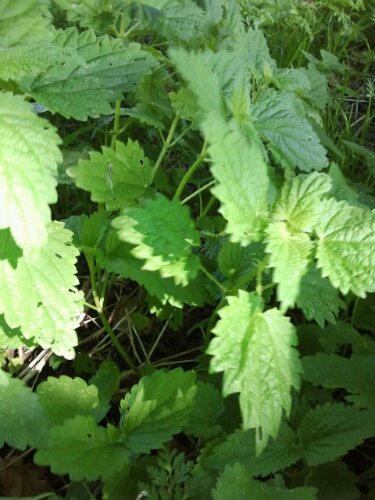
Here is nutritious Stinging Nettle (Urtica dioica), regrowing after a recent mowing.

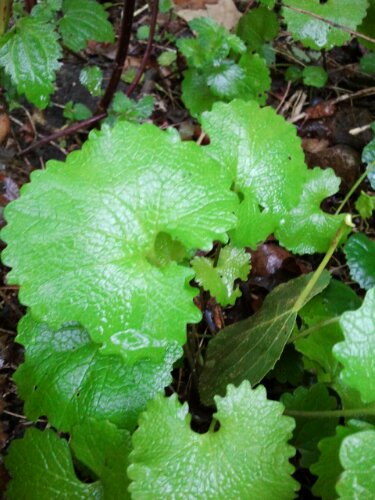
Next is White Deadnettle (Lamium alba). Not a stinger but very useful and also nutritious.

Here’s a poisonous berry, I know it as Snowberry (Symphoricarpus alba).

Here are some of those half eaten unripe Elderberry heads, that I mentioned last week. We can only eat them safely when they are fully ripe, for birds it’s obviously another story.

Lastly today some ripening Hawthorn berries (Crataegus monogyna). If you are not sure then how’s a good time to get to know how to identify them, in readiness for the autumn harvest.

365 day 102 Sarphatipark

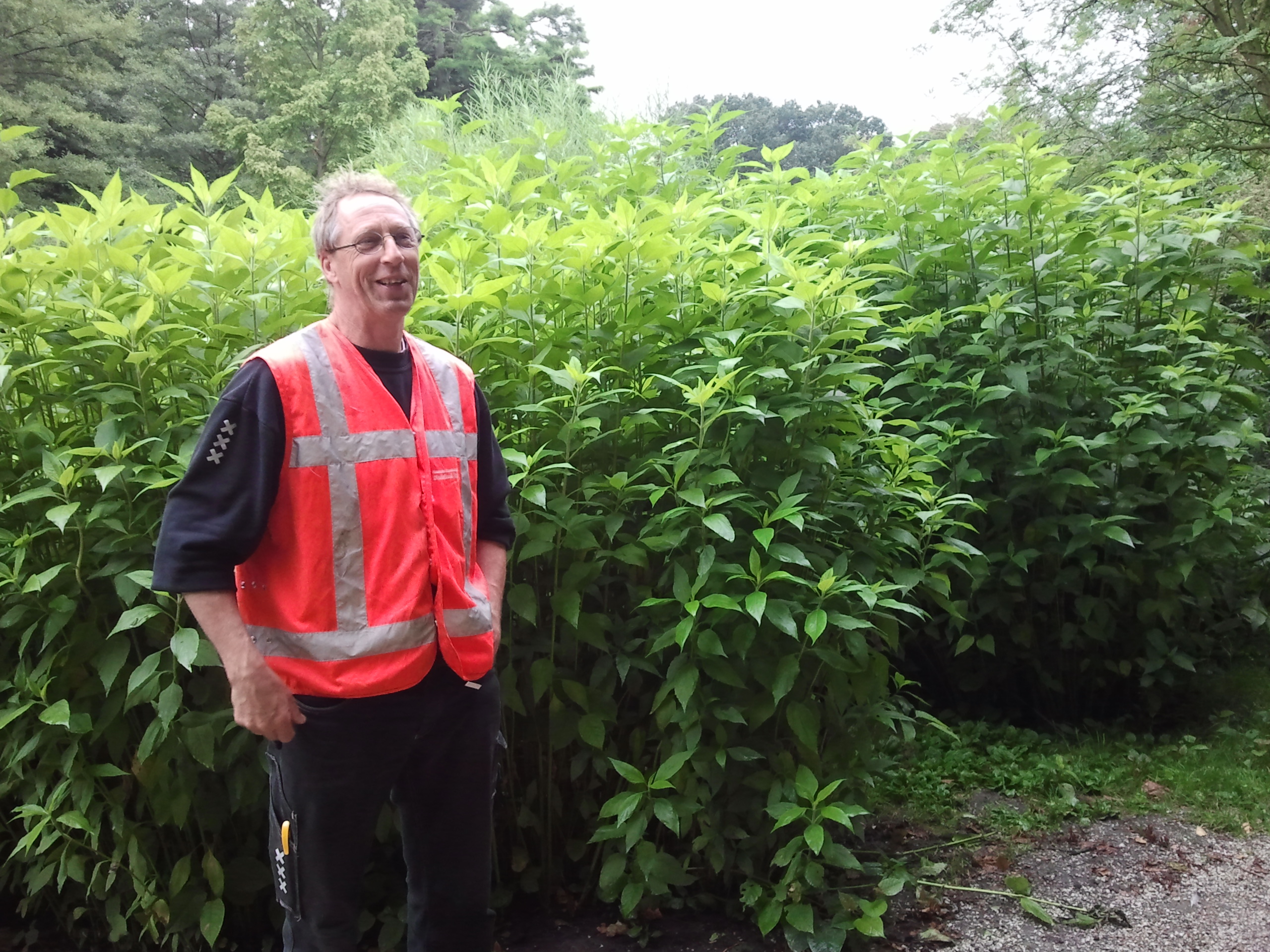
Thanks to the watertolerant group who joined me to herb walk in Sarphatipark today. We found lots of useful herbs and also interesting park workers who told us how the park is maintained by a dynamic group of volunteers and is trying innovative edible approaches to eradicate Japanese knotweed. Above is a park warden, pictured by the enormous Jerusalem artichokes which are being used to keep knotweed at bay. When the invasive plant is removed, the ground can quickly turn into a home for other unwelcome invaders or can see the return of knotweed. Using Jerusalem artichoke, another rapidly growing and spreading plant, can provide tasty tubers and quash the knotweed. So far so good!

I was also reassured to learn that the Ginkgo trees I’m so fond of in parts of Our Zuid are indeed female and yield plentiful Ginkgo nuts. Amsterdam is fortunate to have such edible plant loving folk in its green spaces team.


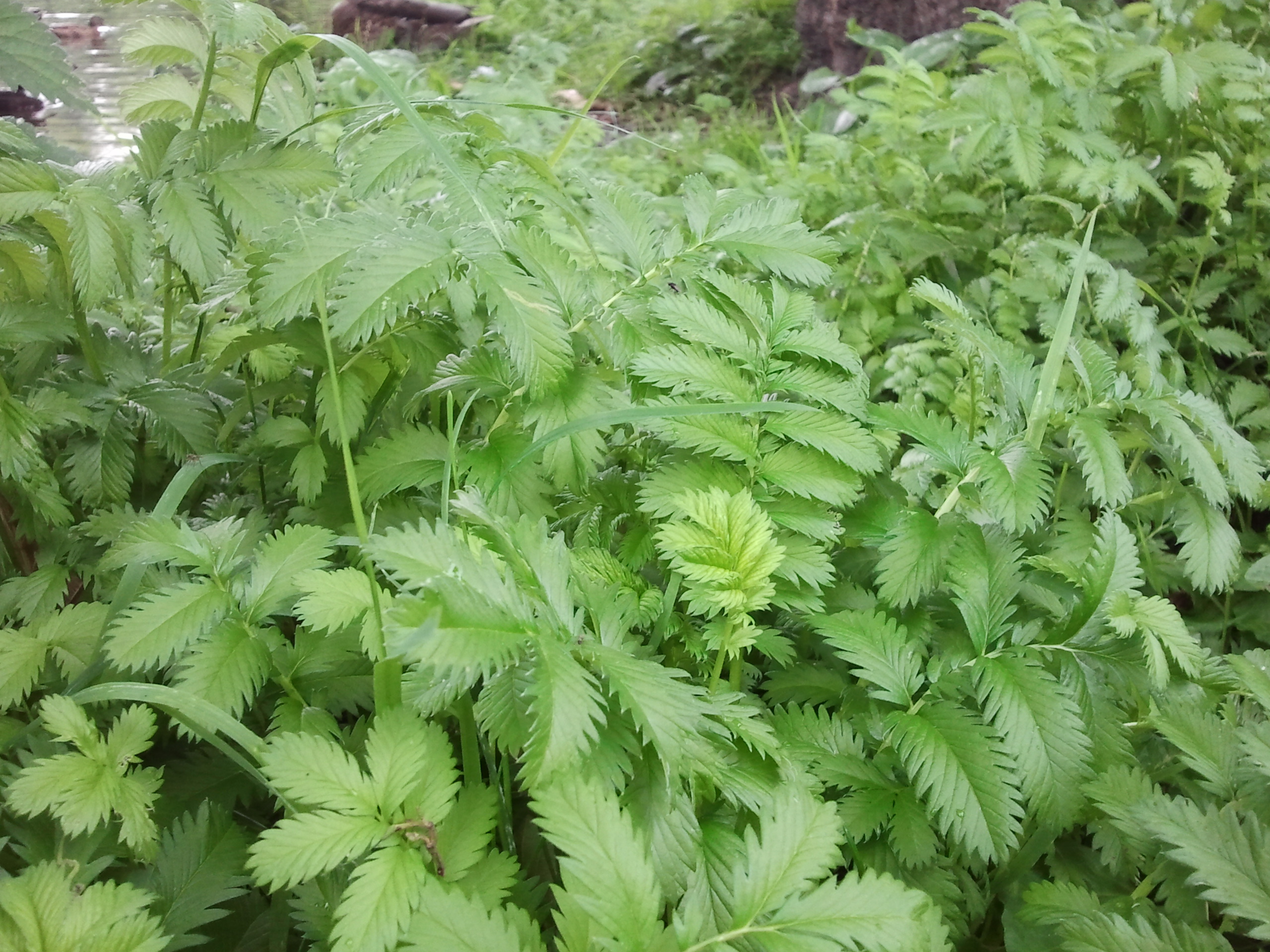
The plants I remember finding today are listed as tags to this entry. The spreading soft leaved plant which looked quite like Agrimony but wasn’t, was indeed a cinqefoil, called Silverweed previously called (Potentilla anserina) but now reclassified as Argentina anserina . It is shown above and it is edible. If you were on the walk and can remember other plants which I have missed from the tag list then please let me know.

Thanks again to everyone who joined me. It was a real pleasure to walk around with you. If you signed up but were not brave enough for the wet weather, remember there are always trees to shelter under next time 🙂

365 Frankendael day 95


One photo today, some very tasty Stinging Nettle seeds (Urtica dioica) dangling from plants and a mass of beautiful Thistle seeds, about to float away to new pastures from the mother plants. I’m not which type of thistle but seeing these reminds me that Thistle and Artichoke are closely related and useful medicinals.

Nettle seeds are not only tasty in their item right but make a useful infusion. Do although Nettle is not at its best for eating right now, a tonic infusion, which has a more moist effect on the body than the leaves alone, can be made.

365 Frankendael day 46

I’ve been preparing for the next Urban Herbology walk today so here are several photos and not much chat…


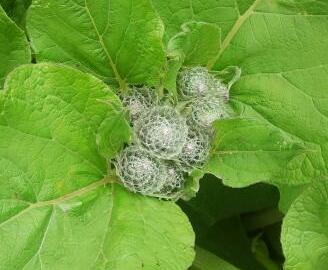
Developing cobweb-spirally Burdock flowers.


The Middenweg Poison Hemlock (Conium maculatum) continues to grow despite being reported to the council. Apparently it’s not a risk to the public because it is growing in the green strip… It is now wider than my bike, well over 2m tall and (although less than before I pruned it) still overhangs the pavement. I shall snip off the flower heads before the seeds set. A deadly beauty.


Greater Celendine, with seed pods developing well.


Comfrey (Symphytum uplandicum), still growing, still flowering – everywhere in the park!


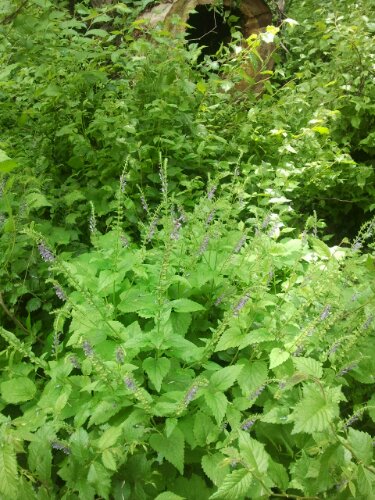
Skullcap (Sculletaria altissima) in the woods. Flowers development very quickly moving up the stalk, sowing be visible for much longer.


The flowers of wild Sage (Salvia officinalis).


On the edge of the rhododendron planted section, I found this shady patch of tasty Pelargonium, Garlic Mustard and also Stinging Nettle and Cleavers, just out of shot.


Lastly, frothy flowers of Hedge Bedstraw.

365 Frankendael day 41


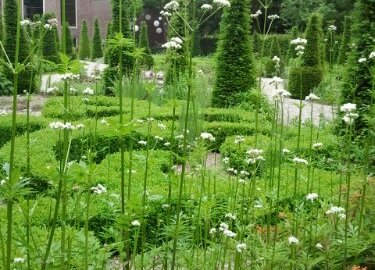
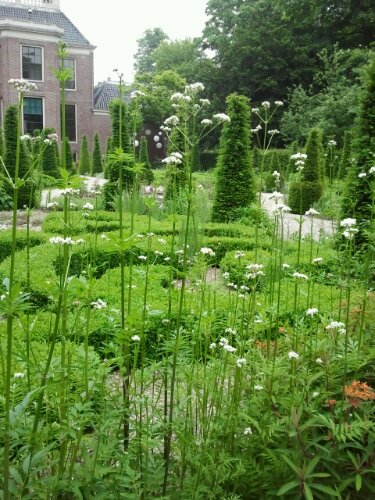
Today a lovely scene, if you like tended gardens, of the old partitioned garden at the back of Frankendael Huis. I really appreciate how the gardeners allow the plants to spill out here and there and especially so with the stunning Valerian officinalis which is shown here. Valerian medicine is traditionally focused on the roots but the flowers are also useful and have more subtle effects than the other parts of the plant. I have a big Valerian plant on my roof and this weekend, harvested every third flower cluster, for drying. Doing so leaves the beautiful appearance and special scent almost intact, for everyone else to enjoy.


Here is a photo Stinging nettle (Urtica dioica), NL: Brandnetel, in bloom. Now is not at all the time to harvest this wonderful tonic herb but I took the photo to illustrate the difference between the plant and other look a likes, such as Lamium alba, White Dead Nettle, shown yesterday.


Here is a photo of a plant that I want to learn more about, creeping along the ground rather like a Strawberry with similar leaves and runners. Growing amongst it, with purple flowers, is familiar Ground Ivy (Glechoma hederacaea) which is edible, useful and tastes minty. I have been watching the Strawberry look a like, in several shady parts of the park, for several weeks. Today it is coming into flower, yellow flowers, so I now remember that the plant a little better. It is a member of the Cinquefoil (Potentilla) family, I’ll have a closer look tomorrow to find out which. I brought a sample home but my cat ate it in seconds – maybe that should tell me something!? Strawberries are members of the Fragaria family.


Not one to eat until next Spring, here is an update of how Ramsons (Wild garlic, NL: Daslook) look at the moment. Not very tasty but the seed heads are developing well.


Next, and again for future reference, the closest Sweet Chestnut tree to my home. Totally unrelated to Horse Chestnut, far more tasty but possibly less interesting for herbalists.


Lastly today, an enormous Dandelion(Taraxacum officinale), two 50 cm long leaves of which, are destined for my plate this evening…

365 Frankendael day 33

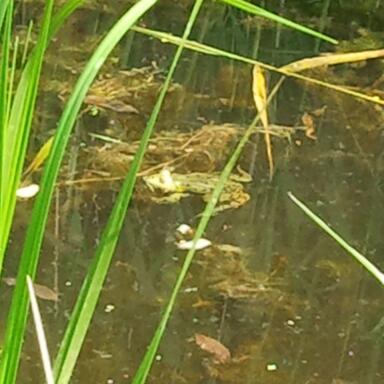
I don’t think a real Herbology session would be complete without at least a mention of frogs or toads and today I had great fun listening to mating frogs in a pond within Park Frankendael. No uses for these as they look and sound so great where they are, alive, kicking and trying so hard to make tadpoles, in the water.

Endangered Hoary plantain (Plantago media) in flower. I am so pleased to see this plant in the same location, a year on from first noticing it in the park. This year there are two plants instead of just one. I really hope it will reproduce unhindered this summer. Seeing it up close and in the proximity of Plantago major and Plantago lanceolata makes it easy to see why it was named P. media. The leaves are really about midway between the widths of the other two species.

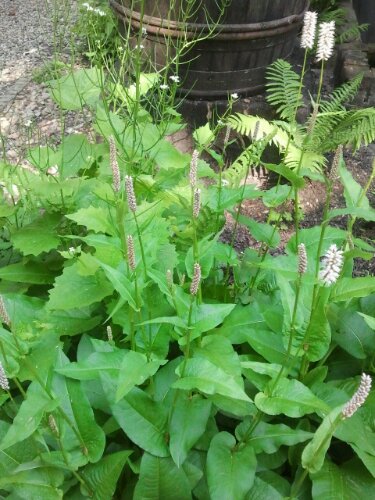
Bistort is a herb I dont use much but I found this plant which looks very similar in the park. There are several patches growing well, near Frankendael Huis and it is in the labelled herb garden. Will have to do some more investigation to check the identiy.

I also found a huge patch of well hidden nettles in a shady place which doesn’t get as many visitors as other quarters of the park. Probably a good spot for harvesting the tops.

Chickweed (Stellaria media) worth a mention today for its array of self help medicinal uses and high vitamin and mineral content. It is neglected by many (including myself) through the summer months as there is so much edible plant life to choose from. But come midwinter most foragers will be pleased to add this to a plate. At midsummer chickweed won’t be visible anymore. It will then return after the hight of summer, when this season’s seeds start to germinate. Chickweed is big and delicious at this time of year. I’ll try to take a better photo of it tomorrow.

Lovely Pelargonium foliage.

Walnut foliage. Perhaps there is a tree near you. Have a look at Boskoi or similar apps and maps perhaps.

Cats Tail (Typha spp.) Not Bull rushes but yes, edible. I mentioned these a while ago when I spotted them on another edge of the park on day 17. All parts can help make a feast but why bother when you don’t know the water quality and they do look so stunning for everyone in town to enjoy.

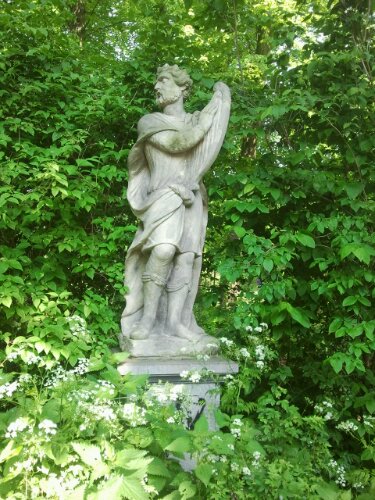
Lastly, a statue close to the old Frankendael house. Beautiful flowering carrot family flowers and stinging nettles at its feet.

I’m looking forward to Claud Biemans joining me in the park tomorrow. She’s going to help me identify a couple of herbs which I have no clue about, but which smell amazing and are surely worthy of some attention.

365 Frankendael day 30

In just a 1 meter square patch of land, on the outer edge of park Frankendael, I found all these useful herbs today…

Medicinal Comfrey (Symphytum uplandica):

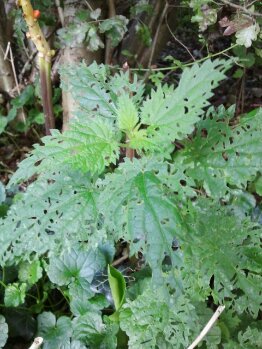
Stinging nettle (Urtica dioica) and Ground Elder (Aegopodium podograria) growing amongst each other:

Also, Burdock (Arctium lappa)

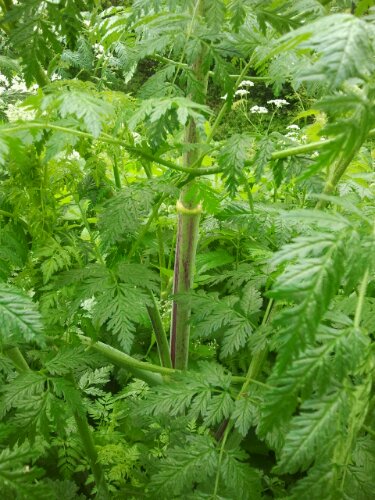
Poisonous member of the Carrot family, Hemlock (Conium maculatum):

Notice how similar it looks to Chervil. It has a smooth stem and leaves. It smells a little unpleasant and has notable purple staining on the stem. This is not a plant to be handled or foraged at all! This plant was used in ancient Geek executions, including that of Socrates. The Latin name means to whirl, pertaining to one of the symptoms of hemlock poisoning, vertigo. This plant is deadly poisonous and I show it here as so many foragers are keen to find plants such as wild carrot. It is very easy to confuse members of the family, especially those with finely divided leaves such a hemlock, carrot and sweet cicely
.
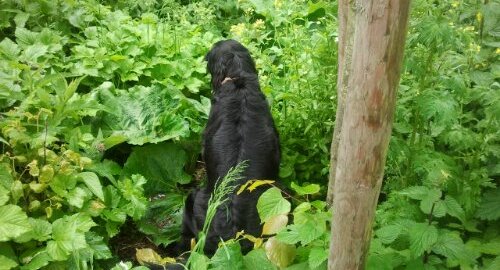
Lastly another beauty which is not helpful to foragers. A Labrador delivering a little fertilizer to that interesting 1m square patch of park edge!

Frankendael 365 day 22

A beautiful afternoon walk showed me the following herbs in particular…

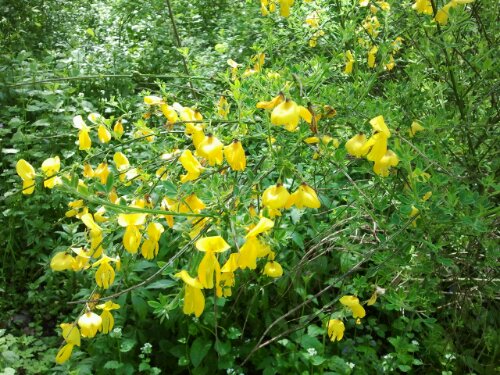
Firstly A beautiful Broom shrub in full bloom. The flowers are edible.

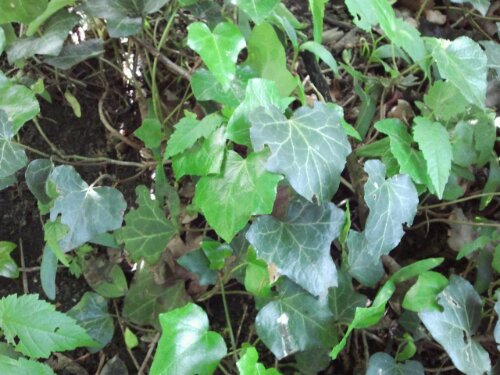
Ivy, really looking more verdant and fresh that any other time of year.

The tall plant with orange yellow flowers against the bridge is a type of Euphorbia. All members of the family should be avoided as the white latex like sap is poisonous and contact with it readily causes quite severe photosensitive irritation. It is a plant well known to many gardeners for this reason and should be avoided by foragers.

The photo above shows a typical scene at the edge of Frankendael’s woodland. Edges are renowned for their productivity because both shelter, support and light are available to plants. Here we can see Yellow dead nettle, ferns, garlic mustard, Purple/red dead nettle, Greater celandine and other plants all nestled against one another.

Here is Wild Sorrel, a very tasty plant of which only a leaf or two are required to really add great flavour to many dishes and is well done for Sorrel Soup.

Lastly today, Ground ivy and stinging nettle, both on top form for foraging at present.