Feverfew today, in a pavement garden. This plant has long been used to help relieve and prevent headaches and migraine. It has a very bitter taste and a traditional way to take it is between bread as a sandwich.
All posts by Lynn


365 Frankendael day 225
Today I was on a first aid course so not much time in daylight for photos but I saw this beautiful first aid herb on the way to the course – Ribwort (Plantago lanceolata).

This evergreen herb will draw poison from wound, will soothe and heal the body within and without.
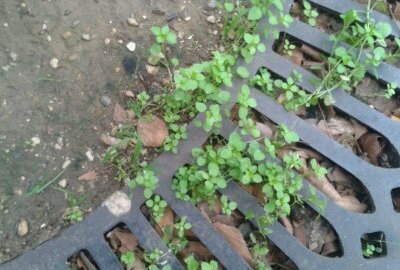
365 Frankendael day 224
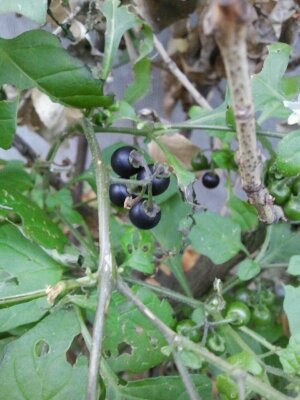
Today Black nightshade (Solanum nigra) – Toxic. It’s nice to see the reason for the name of this plant, those beautiful black mini tomato-like fruit.
And next is a photo of Chickweed (Stellaria media) in Paris last week. My friends Elodie & Herman were visiting there and spotted this lovely specimen. Even the drains look beautiful in Paris!


365 Frankendael day 223
Today a lovely Comfrey plant from Artis,

Hollyhocks at my front door are in flower bud yet again. That will be the third flush of flowers this year, if the frost doesn’t nip then in the bud…

Winter faithful Chickweed along the
Middenweg,

And this pretty little plant, a Speedwell I think.

365 Frankendael day 222
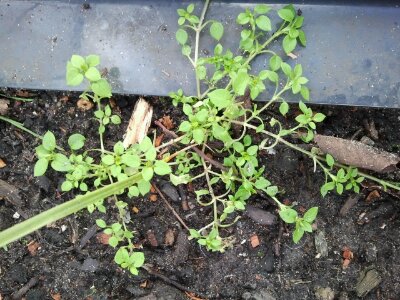
These two photos are from the new seating area on Beethovenstraat. The raised beds are filled with edible (if clean of course) Michaelmas Daisies, Lady’s mantle, Catnip and several other plants. Here is a Chickweed plant…
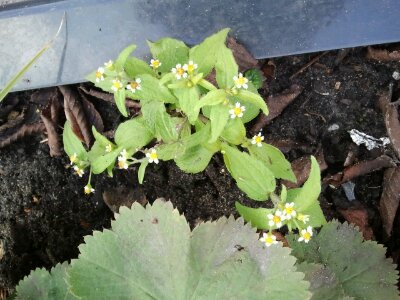
And a Gallant Soldiers, which are inhibited guests to the raised beds.

365 Frankendael day 221
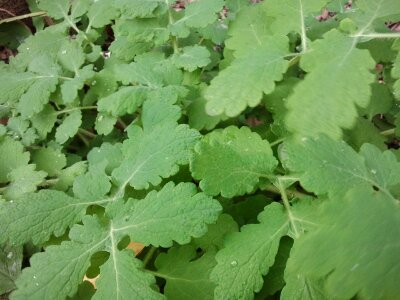
Today a very big and healthy looking Greater Celandine (NL: Stinkende gouw). It is protected from passers by in a tiny raised bed, with hardly any competition. A good spot to harvest useful weeds. This plant is toxic; the bright yellow sap inside is extremely irritant but dabbed on some areas of skin, it may help fight herpes and small skin growths.
365 Frankendael day 220
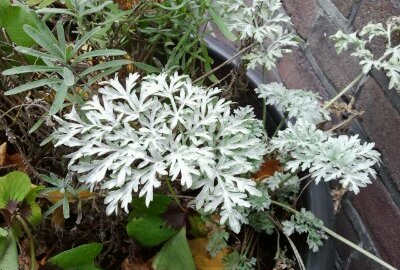
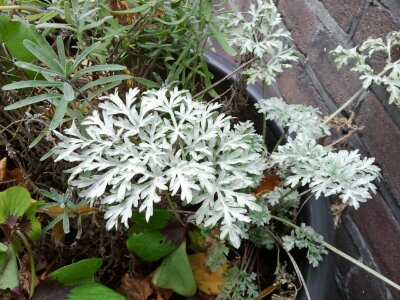
I took a walk around my block today, with Katja and Dennis, looking for various edible plants. We found plenty of Chickweed, young Garlic Mustard, Barbara mustard, Shepherds purse, Hollyhock, Wormwood and other useful plants, even if you wouldn’t fancy picking them, given the roadside locations.
Here is Wormwood:
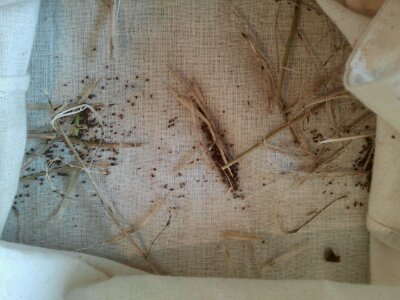
And here is a nice amount of Wild Rocket seed, collected from the park at the weekend, now nicely dried out in a canvas bag and ready to save or sew.
365 Frankendael day 219

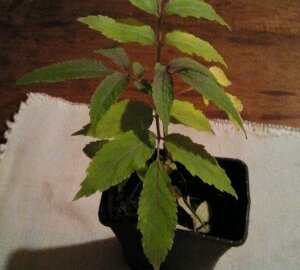
With today’s stormy weather I didn’t feel like taking my little girl to the park and I then forgot to take myself there at all! So rather than a street or park photo, here is one of an Elder (Sambucus niger) cutting which lives on my balcony. All of the Elder babies (made from cuttings in the early summer) continue to do well. I decided not to repot mine, just before the colder weather set in, in case it was too much for them to handle. So I continue to cross my fingers that they will fair well over the winter in fairly small pots. If you have Elder cuttings be aware that they don’t like soggy feet (let them drain freely to avoid roots rotting or freezing) and they should survive whatever the Dutch winter throws at them, if in a sheltered outdoor location.
There are plenty of Elder trees/shrubs in city woodland/hedge settings, still with enough green, leaves on to harvest a few for ointments of needed. Elder never ceases to astonish me!
365 Frankendael day 218
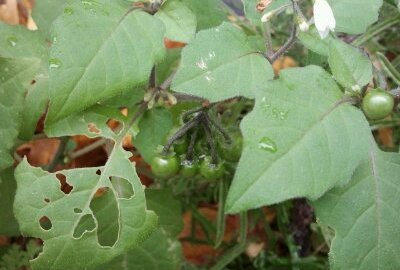
Black Nightshade (Solanum nigrum) today. The pretty tomato like fruits and white/yellow flowers, give them away at this time of year. They are toxic.

Historic uses of this annual plant include being mixed with horehound and wine for dropsy, the juice or poultice for burns, skin ulcers, pain relief and earache. The berries will certainly harm children and sometimes adults. The toxicity of the plant varies between seasons.
You’ll be able to find many Black Nightshade plants in Amsterdam pavement gardens and plant pots, at this time of year.

365 Frankendael day 217
There are still Ginkgo fruit/nuts falling ripe from street trees in Amsterdam.
Here’s some tasty and nourishing Hairy Bitter Cress, harvested from a roof terrace pot today. This wild food plant should be available right into the winter. It makes a welcome, peppery addition to a meal.

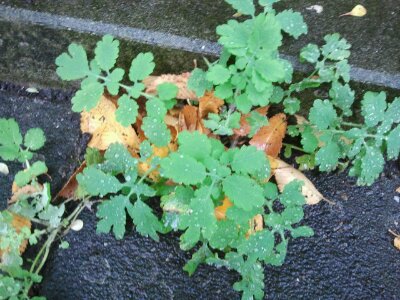
Here is Greater Celandine, its toxic orange milky sap can be a useful remedy for marks on the skin, such as small benign growths.
 Urban Herbology