Category Archives: Alchemy

Ivy (Hedera helix) Anti Cellulite Oil

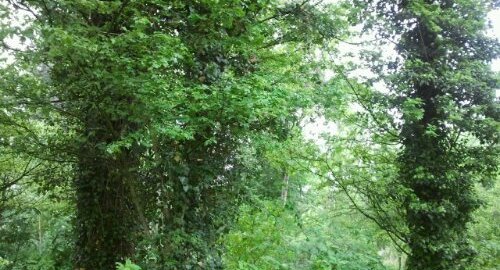
This recipe for anti cellulite body oil is inspired by one in Josephine Fairley’s book, The Ultimate Natural Beauty Book. My sister gave it to me as a present several years ago and although I don’t use it very often, it always provides inspiration for natural skin care. The recipe in the book uses a few drops of essential oils of Rosemary, Fennel and Juniper.

In my adaptation, I use small amounts of the fresh plants or seeds. I also substitute olive oil, argan oil or sweet almond oil for grape seed oil as that oil quickly becomes rancid whereas my substitutes don’t. If you prefer a lighter oil then you could substitute coconut oil, mixed with a little of one of the other options.

15 large fresh Ivy leaves
Tip of a fresh Juniper sprig
Tip of a fresh Rosemary sprig
1/2 Teaspoon of fennel seeds
125ml oil (see above for options)

1. Bruise the plant material with a pestle & mortar or similar.
2. Place in a clean glass container and put over the oil.
3. Use a chopstick to push the herbs into the oil and to dislodge any trapped air bubbles.
4. Leave in a sunny spot for about 4 Weeks.
5. Strain off and save the infused you’ll into a clean glass container. Compost the spent herbs our return then to where you found them.
6. Use the oil as you would any massage oil, with upward strokes to move the circulation towards the heart. Do this preferably after
skin brushing with a dry sisal brush or similar.

365 Frankendael day 20

Day 20 of the project and after going to the park expecting to see just one or two new things I was delighted to find my first Elder blossom of the season, Wild Aspraragus shoots and several other delights. Here are a few…


Above, Japanese knotweed is still fair game for Foragers looking for something a little exotic in Amsterdam. Here’s a link to my
sweet sour JKW yoghurt recipe

.
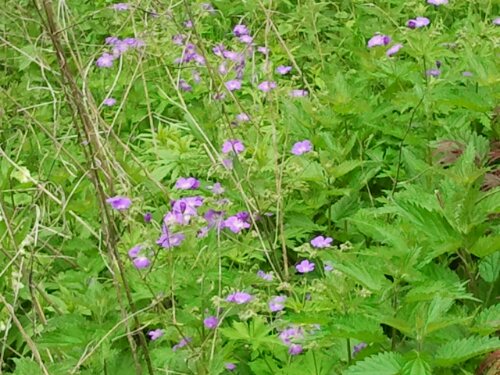
Next is A Geranium species in flower. Very tasty cooked or raw.


Someone got to this Asparagus before me. It makes a stunning tall feathery plant when allowed to flower. I hope that whoever harvests this one leaves some other shoots to flower and fruit unhindered.


Above is Plantago major (NL: Wegbrood, Plantain) in full effect, prior to flowering. It’s not as useful a medicinal than its slender sister Ribwort (Plantago lanceolota) but its useful and quite good eating.

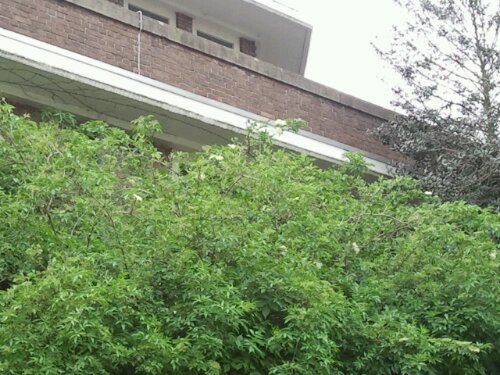
I feel like a bird spotter with this one… Above is my first sighted Elder blossom of 2012 and it gets me very excited. Elderflower fritters, Elderflower champagne, Elderflower tea and a host of other flower and Elderberry recipes are not far away! This huge Elder shrub is on the Middenweg, just up from the top entrance of Frankendael and opposite the Vomar supermarket. If only my arms were long enough! Remember to harvest with respect and leave LOTS for the birds and bees. Also be very aware of Elderflower look-a-likes. Here’s a photo of Ash or Rowan in flower, growing above an Elder shrub which is not in flower. It would be an easy mistake to harvest the flowers believing them to be Elderflower, when here is nothing to compare them with.

Guerilla Beans = Rabbit Fodder

Anyone with ideas for edible climbers, suitable for a spot of guerilla gardening in a rabbit hot spot? I went back to Oosterpark today, to check on the runner beans which Sameena, me and two young guerillas planted out last week. Unfortunately, not a single one is evident but there are mounds of rabbit droppings everywhere and lots of fresh warren holes. It seems that I chose a rabbit haven, rather than a runner bean haven. If you have any top tips for suitable plants for this sort of place, or have tried runner beans in good locations, please let me know…

Edible Table Planter Update

Today, a quick update on the Edible Table Planter which I set up on our roof terrace on April 11th. Just a few weeks on, herbs and salads in the planter are now pluckable! That seems pretty good to me, especially during a very dull weather period.

Here’s a before photo…

Here’s today’s photo…

I planted self seeded plantlets which had sprung up in my Permapots. The plants I included are:

Cut and come again lettuce
Chamomile
Welsh onion
Watercress

I also threw in a sparse handful of beetroot seeds, we will eat the leaves.

Eating Foraged Greens

Aside from knowing what is safe to forage, it’s rather important that foragers know what they are going to do with their harvest. After all, what’s the point in harvesting a heap of plant material when only a couple of leaves are needed for seasoning, or only the youngest leaves are tasty? At the end of the day, many foragers end up with a slightly smaller heap of unwanted plant material in their kitchen which ends up in the bin, or at best, on the compost heap. If you dont know which part of an edible plant to harvest or how much of it is needed to make a food item, please leave those plants where they belong.

Just because there is a wild glut of a plant, you don’t need to harvest much of it to make a great difference to your diet. This thought is central to my reasoning for foraging herbs rather than other edible plants. Generally a little goes a long way, in terms of flavour and benefits. An exception is Stinging Nettle, where I like to harvest a bowlfull of ‘tops’ at a time, many days in a row, to make tonic infusions.

Here are a few ways to use just a little foraged Spring Greens, such as Chervil, Ramsons, Geranium, Nettle or Ground Elder. These are my favorites, no measurement involved and less is more…

1. Finely chop a few leaves and add, ten minutes or so before the end of cooking, to whatever you are cooking (stews, casseroles, soups, fried chicken, baked fish, baked beans! etc). The photo above shows my pan cooked chicken with some sour cream added to the juices near the end along with a few chopped leaves of ground elder and wild garlic.

2. Add whole or chopped leaves to a pan of spinach and cook As usual for spinach.

3. Eat raw in a mixed salad (obviously the leaves or flowers need to be super clean and above suspicion for this)

4. Boil the greens in a little water for ten minutes, adding a chopped or pressed clove of garlic and a pinch of salt & pepper, near the end of cooking. This even works well for edible tree leaves such as Beech.

If you prefer a little sophistocation for your foraged fayre, there are plenty of recipes around. I like to experiment sometimes but if you want to incorporate more wild food into your diet then I suggest you keep it simple, keep it sparse and use those vitamin packed spring greens to spice up your usual meals. It’s also safer that way.

365 Frankendael day 15

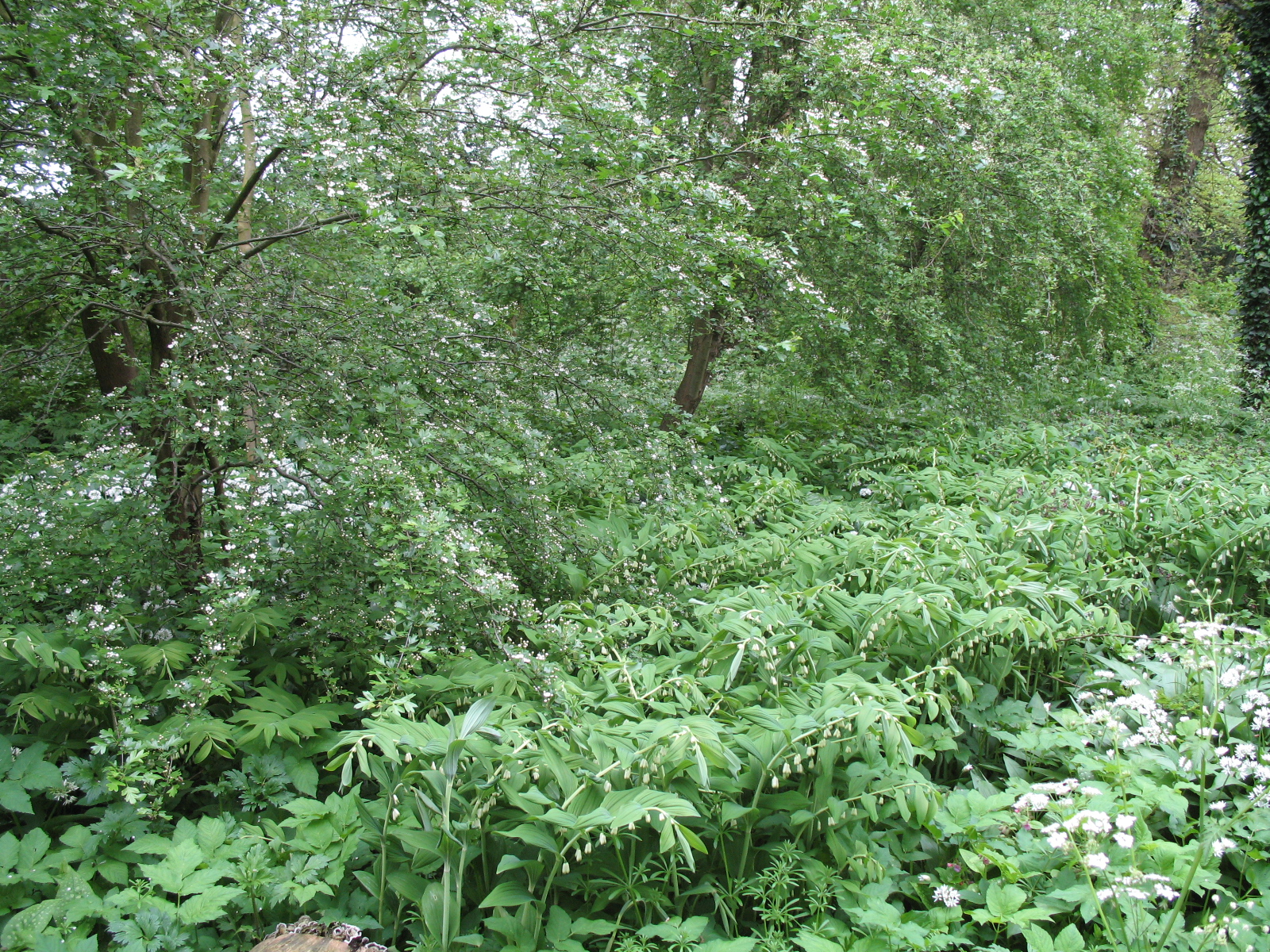
Today a dusk walk through the woods. The Hawthorns of Frankendael are finally opening their flowers, Lily of the Valley flower stems (poisonous look alike of Ransoms) arch elegantly above their neighbours, Moorhen chicks shelter beneath Meadowsweet and beloved Motherwort is growing bigger and bolder by the minute.

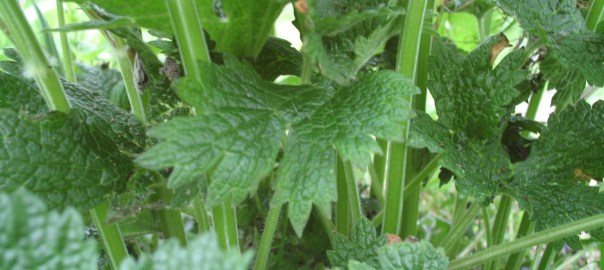
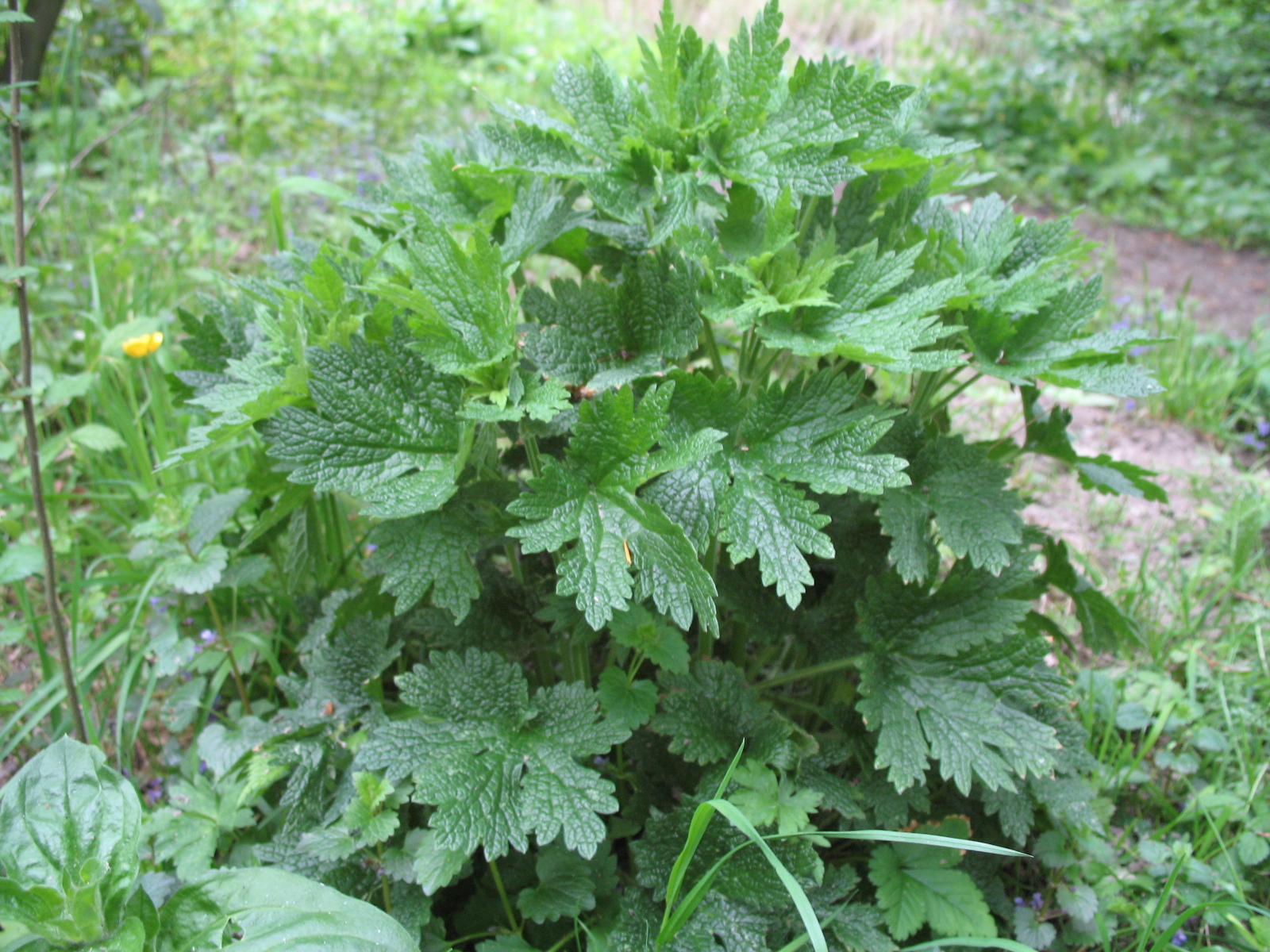
Motherwort is an extremely useful perennial herb which grows in compact clumps, rather like Mugwort but is a little more modest. Motherwort (Leonurus cardiaca, NL: ). Since learning about it through Susun Weed, I always have a bottle of tinctured Motherwort close to hand. This plant is a member of the Labiate family (mints) but tastes completely different to the mint most of us are used to. It has a very strong scent when you brush your hands up through the plant, has square stems, as with all Labiates. It is extremely bitter and distasteful when taken as a tea. All parts of the plant are medicinal. It has an age old reputation for its heart strengthening abilities and for its value in calming nerves, restlessness and irritability. It is an emmenagogue so shouldn’t be taken whilst pregnant, thought it has much value to women postpartum, to mothers in general and to women with period pain. The tincture is the easiest and most palatable way to take it.

Motherwort instills a feeling of groundedness. Ten drops of tincture, in a glass of water, can bring me back down to Earth in a few minutes when I feel the world is spinning out of control. Historically, Motherwort was used as a common treatment for heart problems such as palpitations and for fevers where the body & mind needed to be kept calm. It is now almost forgotten for such purposes but, thanks to our ancestors, many garden escapes have naturalised throughout Europe. This plant in Frankendael is possibly a garden escape from the old Landhuis. I am very pleased it is there.

365 Frankendael day 14

Meadowsweet (Filipendula ulmaria, NL: Moerasspirea) is a waterloving perennial herb which contains an active ingredient called Methyl salicyclate, which when taken in combination with tannins and mucilage within the plant can bring about stomach healing. In contrast, when methyl salicyclate is used alone (Aspirin) it causes stomach bleeding.  As with most herbs, it is the natural combination of chemicals which work so well together to bring about healing.

Here’s a link to an extract from a wonderful book called Hedgerow Medicine, by Julie Bruton-Seal and Matthew Seal.  It is one of my favourite and most consulted books.  This extract explains how to make a useful and tasty, Meadowsweet glycerite.  Meadowsweet is also traditionally associated with love, peace and harmony.  There is an old custom of tossing a Meadowsweet flowerhead into water if you are seeking the identity of a thief.  If it floats the thief is a woman, if it sinks it is a man.

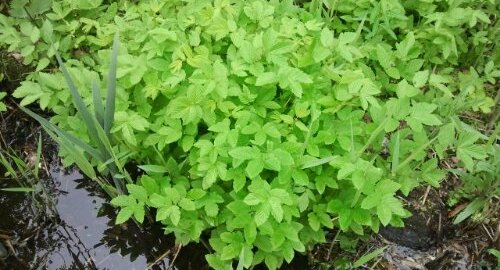
Meadowsweet will flower later in the year, from around midsummer.  The flowers produce a scent which is one of my favourites, a strong and heady sweet almondy aroma which really pleases my spirits.  As you can see in the photo. Meadowsweet can be found in the watery regions of Frankendael park.  It’s spikey leaves are difficult to miss as you walk across the modern wooden bridge, in the woodland area.

365 Frankendael day 12

Comfrey (Symphytum officinale, Symphytum uplandicum) is just coming into flower here in Amsterdam. It’s easy to identify now due to it’s broad, furry, fast growing leaves, it’s dropping purple or white flowers and it’s standout appearance as it towers over many neighbouring wild plants.

If you keep any plants, outside or in, I urge you to learn how to make the easiest liquid feed from nourishing Comfrey. If you don’t know about it’s deep and rapid healing effects on the body, I urge you to learn about them too and to keep some form of this plant in your herbal first aid kit.

Most of the Comfrey found wild and is gardens, descends from garden escapes of purple flowering, Russian Comfrey (S. uplandicum). It works just as well externally and as plant feed and its leaves don’t contain the toxins found in the roots and all parts of cream flowering, Wild Comfrey (S. officinale). The toxins are harmful when ingested. Because it’s hard to tell the two plants apart when they are not in flower, I suggest you always air on the side of caution and don’t use it internally. Today I photographed a white flowered Comfrey, the colour suggests it is Wild Comfrey but most plants in the park are purple flowering and the two are very interbred, so this may be a white flowering mutation of S. uplandicum. Either way, it is beautiful, useful and I will only use it externally or for my plants.

Comfrey can be applied directly as a poultice (for sprains for instance) made into a heat infused or a cold infused herbal oil which can be used for massage or blended with beeswax to make a healing salve. Worth mentioning, is that sometimes Comfrey may speed healing faster than you’d like, such as when infection is present in a wound. Ensure wounds are clean and healthy looking, not infected, when you begin using this herb. This will help to ensure the wound heals cleanly, a well as quickly. Comfrey also has a reputation as the herb to prevent or remove scars, both internally and externally by please remember my warning about internal use.

To make a superb and cheap liquid plant feed, simply immerse a couple of Comfrey leaves in water, in a bucket or similar. Leave it to ferment for a few weeks. You should see that the water becomes a dark and rich brew. Store this “Comfrey tea”in a suitable container and dilute well before feeding to your plants. A plastic bottle cap full, in a home watering can of water, should suffice. Use regularly, throughout the growing period, for pleasing results.

Here’s a link to an online Permaculture Magazine video article, about why we should all have a Comfrey plant on our patch. Be prepared, the video is ten minutes long and contain lots of info for people with vegetable gardens – If only! I don’t have space for one at home but I know where plenty grow! I hope you’ll have a look around and find some near your home also.

Comfrey is an essential herb to become well acquainted with, your plants will thank you and so will your body, when it needs to heal quickly.

365 Frankendael day 11

Here’s a Mayday Hawthorn bough, happily still attached to it’s tree! I’m sure that last Mayday the Hawthorns of Frankendael had opened their flowers by now. They certainly haven’t today and the weather is still not exactly encouraging the plants to grow as they could. None the less Hawthorn looks beautiful at the moment is most trees I see are loaded with green buds, ready to explode into a froth of white/pink blossom. Hawthorn is a spiky, irregularly shaped shrub or small tree which is easy to spot in hedgerows around town. It has unique, small, deeply lobed leaves, a froth of flowers around this time of year and bright red berries come autumn. It is long associated with heart medicine and Mayday country frolics.

Hawthorn is a renowned tonic for the circulatory system. The leaves, berries and flowers can be used to treat angina and several other heart conditions – obviously under the guidance of an experienced medical practitioner as heart disease is always a serious and often life threatening, condition. Hawthorn can be used as a preventative tonic, to guard against future heart problems. It can lower blood pressure, help dissolve cholesterol and calcium deposits.