Category Archives: Wild herbs

Danish Hawthorn recipes and simple Haw Honey Syrup

image

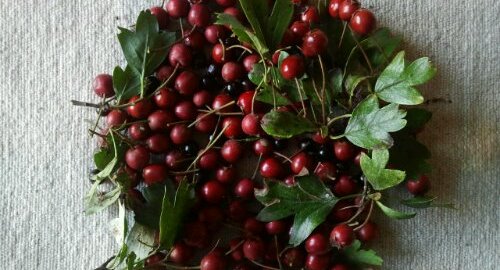
Some time ago Amalie and Daniel joined me for a herb walk alongside Park Frankendael. One of the plants which was in bloom at the time was Hawthorn (Crataegus monogyna). Amalie knew the berries from Denmark and kindly sent me some recipes to try and share. Hawthorn is in fruit right now, it is a common hedgerow plant and the berries (well “pomes” actually but they look like berries) are edible raw or cooked. Most of each fruit is seed, these need to be strained out of any recipe unless you’d like blunt teeth.

Here are the two recipes from Amalie, plus one I have been experimenting with, which doesn’t need sugar. I also posted a Hawthorn Elixir recipe a short while ago which may be interesting.

Hawthorn puree and juice
1 liter of hawthorn berries
300 grams of sugar
Water

Mash the berries into a puree.
Add the sugar and heat to about 70°C (hot, steamy but not boiling). Strain out the seeds.

The puree can be used for various things including the making of Hawthorn juice, by diluting in water (1 part puree to 10 parts water).

Hawthorn with apples and prunes
½ liter hawthorn berry juice (see above)
750 grams of apples, peeled, cored and quartered
100 grams of prunes, roughly chopped
Sugar (as much as you like to taste)

Cook apples and prunes in the hawthorn juice until the apples turn to pulp and the prunes are swollen, soft and succulent. Then add the sugar to taste. If you like, you can add a bit of melatin with pectin, to thicken it all up.
This can be stored in sterile canning jars or eaten straight away.

image

Haw & Honey Syrup
1. Spread your Hawthorn berry (Haws) out in your kitchen for a while to give any bug residents time to relocate. (dry Haws can also be used but they’ll need to simmer for much longer in step 4, to soften them up)
2. Clean your Haws in fresh water.
3. Place them in a small saucepan and almost cover them with just boiled water.
4. Bring to the boil and simmer for just a couple of minutes, to soften everything up a little.
5. Remove from the heat and slow to cool enough to handle.
6. Strain and push out the juice/mush through a standard kitchen sieve. Get out as much as possible. Squidge it with your fingers and a widen spoon. Combine the mush with the water that was used to simmer.
7. When the juice had cooled to being warm but not hot, stir in a nice big dollop of good quality runny honey.
8. Give it all a good stir and chance to combine before storing in a pressure safe glass bottle or jar (like an old flip bung Grolsch bottle).

image

Use as a tasty winter tonic, straight or mixed. Hawthorn is best known as a gentle heart tonic, for the emotions and the circulatory system.

365 Frankendael day 149

I’ve been busy preparing for the Elder workshop tomorrow and enjoyed a little walk in the park looking for ingredients for ghee based Elder ointment.  Elder leaves are very medicinal but contain a chemical which, when digested by the human body, turns into cyanide so it’s obviously not a good idea to eat it.  The ripe berries and flowers don’t contain this chemical although the seeds within the berries do.  Here are the herbs in my ointment, plus a couple of other plants which are also looking and tasting great at the moment…

Chickweed (Stellaria media)

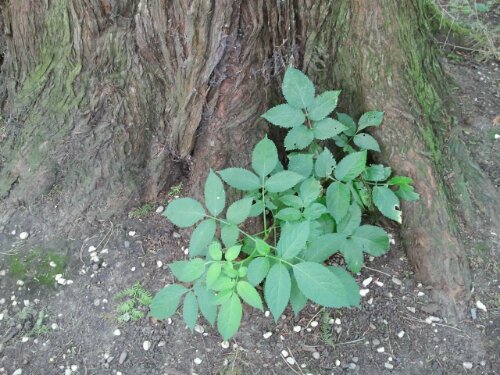
Elder (Sambucus nigra) growing close to the base of an old Cedar. Here’s a lovely Elderberry syrup recipe, from Mountain rose herbs, which uses honey for sweetness but doesn’t heat the honey – good news and unusual!

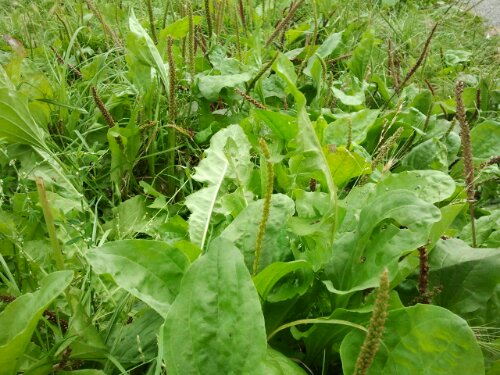
Dandelion (Taraxacum officinalis agg.)  making a stand for itself in a field of Plantain (Plantago major)

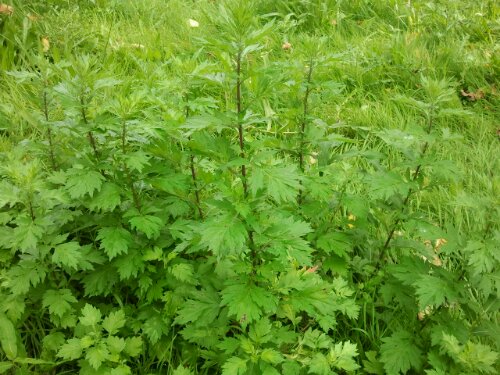
Mugwort (Artemisia vulgaris)

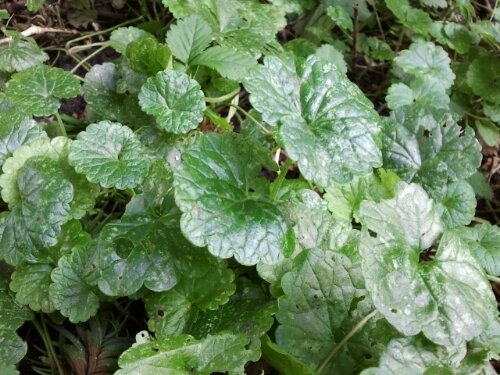
Ground Ivy (Glechoma hederacaea)

365 Frankendael day 148

I had a great time today, taking two group on street herb walks, from the OTOPIA festival on the Overtoom. We found lots of herbs in pavement cracks, in intended pavement gardens, tended ones and in curbs. A few plants were around which I didn’t know the names of. Here they are:

Heath speedwell (Veronica officinalis) was creeping around a large grassland area halfway up Willeminastraat and Eerste Helmersstraat.
image

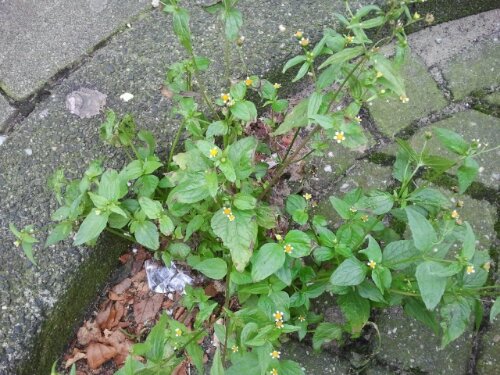
Gallant soldier (Galinsoga parviflora).
image

The plant that looked like Fat Hen (Chenopodium album) but had so many flowers on some examples that it was hard to tell, definitely was edible Fat Hen.

I didn’t take a photo of the Fat Hen today but here’s one of poisonous
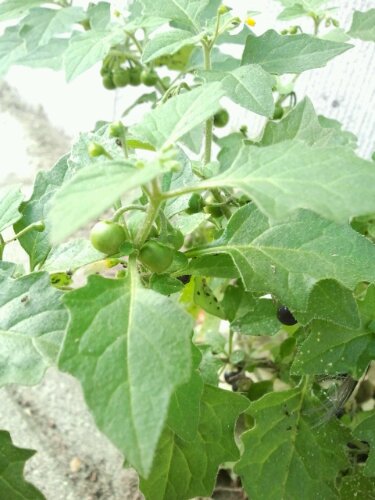
Black nightshade. We found heaps of it on today’s walks.

image

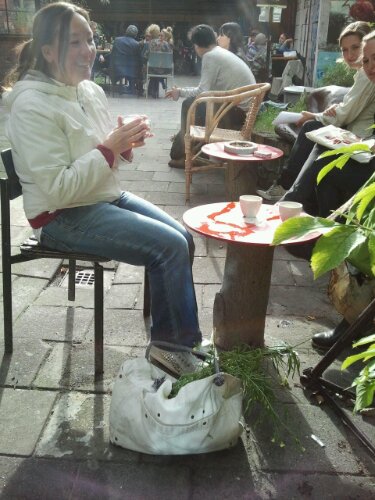
The Wild Rocket that was growing at the entrance of OT301 appears to be the perennial species so I hope Cathy will be in luck with the sample she took home.
image

The nettle which the second group found, which wasn’t the regular Stinging nettle (Urtica dioica) was Small nettle, an annual, as suspected and both edible and medicinal.

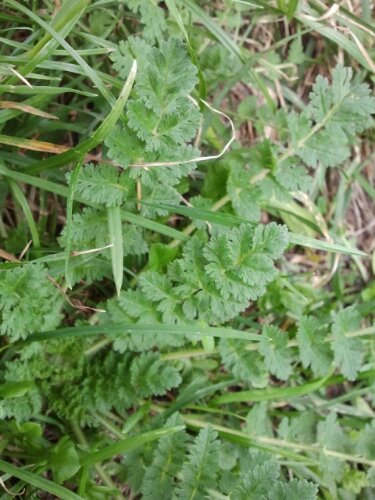
There were two others which I’m still looking up. Will post an update, when I find the names. Here they are, maybe you can help me out with the names?
image
image

Thanks to everyone who joined the walks and thank you to Femke and Tarje for organising today’s festival and inviting me to take part in this way.

365 Frankendael day 146

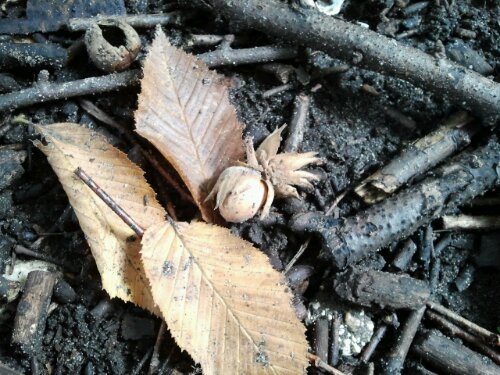
In case you haven’t noticed, city nut foraging season is upon us.

I passed by Oosterpark today and noticed a middle aged chap, ferreting around in the undergrowth at one corner of the park, with his young son calling directions to him from outside of the fence. Ah ha Hazelnuts!, I thought and I was so not disappointed when I dived into the same bushes!

During a five minute squirrel-style frenzy, in the soil and dry leaves, I managed to amass a few dozen prime city Hazelnuts (Nl: Hazelaar, Corylus avellana) Delighted, is an understatement! Spurred on by my success, i took a quick tram ride home and sped to a copse of Hazel and Beech at the bottom end of Pythagorasstraat. That spot is a local’s favourite; There is a well trodden path into the copse and a scarcity of nuts but none the less, I didn’t go home empty handed! Later today, I’ll probably toast them all, add some to a hor chocolate and add the rest to Frank’s muesli tub. They should last a couple of weeks in that.

If you’ve never toasted Hazelnuts yourself, and if you like the taste of chocolate, then I implore you to have a go. Buy some from Odin or your local grocery store or better still, get outside and forage a handful yourself. Lear how to identify the tree and get hunting beneath them and I the branches. Green and brown hazelnuts are just fine but the free ones need to be used almost instantly whereas the others should keep up to a year, if stored properly.

How to toast hazelnuts
1. Once dusted off a little, crack them open and discard the shells (return them to the forage spot if possible). Some shells may be empty – hedge blanks. It’s a pity if you find only those.
2. Spread the nuts on a baking tray and give them just a glance of olive oil. To do this you can pour a little into a corner of the tray and toss them all around until they glisten or brush them with a little oil.
3. Set in an oven which has been preheated to about 180°C, leave them to cook for about ten minutes.
3. Remove from the oven (as with all nuts, watch out for explosions, maybe cover with a clean tea-towel as you maneuver them from the oven. Let them cool before using or eating.

The smell in your kitchen should be sweetly, nuttily, mouthwatering after that short time and if you are anything like me, I doubt that many of the toasted nuts will actually make it to a muesli bowl. Lots of recipes make good use of Hazelnuts, both savory and sweet. I think that in combination with chocolate they are at there best. So for me that could mean simply smashing a toasted nut and crumbling it over a hot chocolate or to garnish a chocolate dessert. Or it could mean incorporating it into a dish. Nut roasts are a good way to use up heaps of nuts but I rarely have heaps and I like them to last a while rather than being wolfed down in one sitting. Sprinkled over a bowl of homemade pumpkin soup is another easy way to incorporate them.

You can also make Hazelnut milk for the fresh nuts, as described in the River Cottage Handbook no. 7 Hedgerow, by John Wright (see books page). Soak a handful of shelled fresh nuts in water overnight, rinse and blitz in a liquidiser with about 400ml water or skimmed milk. Strain through a cheesecloth or similar.

365 Frankendael day 143

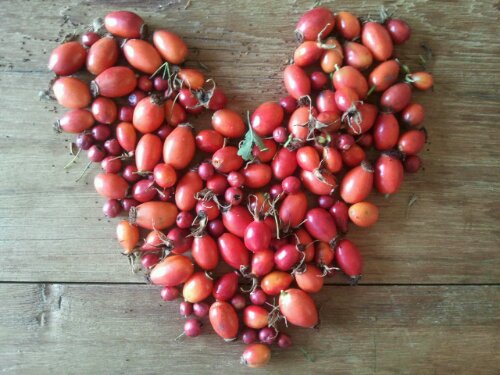
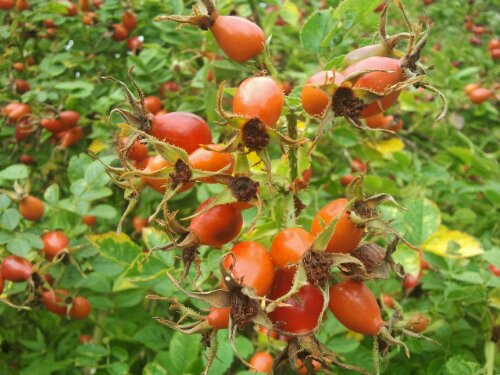
Today, more Rose hip harvesting. Without trying to sound corny, this really does seem to be a good year for the roses! I’m making the most of it by topping up my Rose hip honey infusion jar.

image

There are lots of Rose shrubs with green or very pale yellow orange hips at the moment. This shows that the Rose hip season should be around for a while yet.

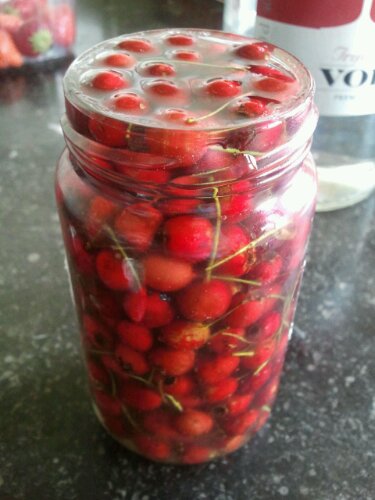
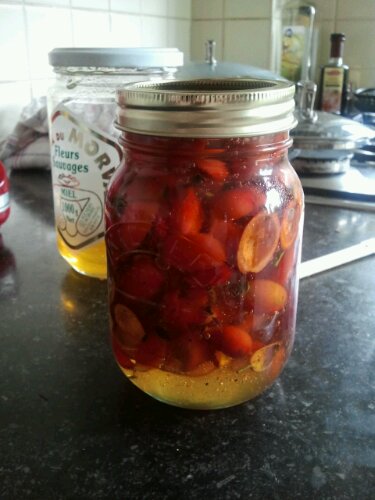
I’m setting up a jar of Hawthorn berry elixir today, so also picked some more of those heart warming and toning berries to add to the mix.

image

To make an elixir, which is simply a preserve made of herbs in some sort of alcohol and sugar, all you need do is the following:

1. Place enough berries (clean, ripe and dry) to fill your jar, into a bowl. 2. Pour over enough honey so that,  with a little stirring, every berry can be coated in sweet goodness.
image

3. Now pour that sticky berry-honey mix into your sterile glass jam jar.
4. Put your chosen strong alcoholic spirit, Brandy and Vodka being the classic choices, into the jar.
5. Poke around a little, with a chop stick or clean knitting needle, to dislodge any trapped air bubbles. Make sure it’s filled right to the top of the jar.
image

6. Leave to sit and infuse, with a tight fitting lid on, in a quiet spot and out of direct sunlight, at room temperature, for about 6 Weeks, or as long as you can bear to wait.

image

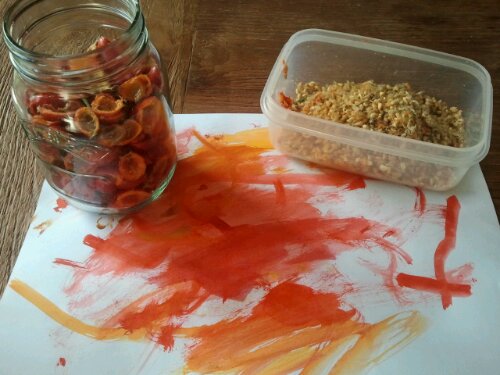
7. When it comes to maturity, you simply take off a teaspoon of tasty elixir at a time and slurp it down, or you may like to strain off the berries (save and use them for fabulous desert topings although the stones need to be removed before eating) and store the elixir in a suitable sterile bottle (e.g. a used flip top Grolsch bottle or similar, is perfect).

Hawthorn is a renowned heart tonic.

Processing Rose hips

image

Rose hips are plentiful at the moment. They are nutritious and medicinal. All clean, unsprayed and legally obtained rose hips can be used to make immune boosting preparations. But this is often easier said than done. They are full of itchy, hair covered seeds. These need to be removed before the Rose hips can be ingested.

One way to do this is to make your syrup, or whatever else you choose, and then strain out the seeds and hairs before the final storage.

Another way, is to remove them at the start. It is fiddly but it works and is worth the effort, especially if you’d like to make a cold uncooked preparation, such as Rose hip honey. I also think it makes the harvester/forager quietly aware of each hip and that is a good thing, on many levels.

Here’s how I do it.

1. Cut a hip in half. Out is best to harvest them before they become soft and pulpy, but when they are fully coloured.
2. Scoop out all of the seeds and most of the hairs, using a strong thumb nail or a blunt ended knife. Quirk through all your hip harvest in this way. Place seeds in a container to return to the harvesting location and the deseeded hips in another.

image

3. When all of the hips are deseeded, place them in a bowl and fill it with water. Swill them around a little, to release the hairs and other unwanted particles.
4. Strain in a colander, whilst swilling around in more water.
5. Lay the washed hips out on a clean dry tea towel (or a dehydrator) and allow them to surface dry. I like to use another teatowel to dry of the tops and then I tumble them around now and again, on dry sections off the teatowel, to speed up the process.

image

6. Wash your hands, arms and wherever else three hairs contacted you, with cold water. They come off easily but may tickle for a long time if you miss an area.
7.Use as described in your chosen recipe. I simply pack mine into a jar and pour in honey, at this point.

image

365 Frankendael day 136

image
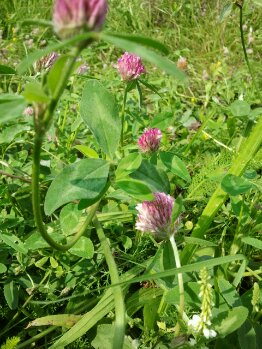
red clover

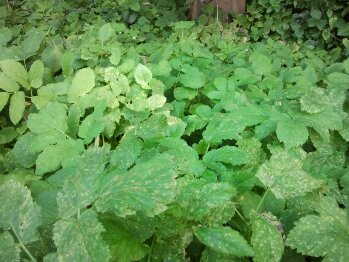
Today I harvested a few handfuls of Red Clover blossoms to make a small jar of tincture, three large leaves of Ground elder, to chop finely and add to our dinner and sat quietly in a beautiful, tiny grove, within the woodland part of park Frankendael.

image
Ground elder

The grove is somewhere I’ve walked by many times, have harvested little from and yet it drew me completely within itself today. This place has a wonderful energy about it, filled with sounds of the city and yet, cool, shaded, green, earthy, nurturing and sheltering. Sounds of birds chattering around me, branches crack as squirrels and other small animals climb around. Just the place to launch the apprenticeship course, I think. To sit on the ground here is a beautiful experience. I smell Ivy all around me and feel supportive earth beneath me. It is a magical place.

image
Grove in Frankendael park

I feel delighted that I will have an opportunity to take several people there, to share my love of this place and of the plants which choose to live in the city.

Elder and Sugar Plant Cuttings

How are you’re Elder babies getting on? Did they survive the dark wet weather and then the recent heat wave? It’s almost a month, since we snipped them from their parent bushes on Hugo de Vrieslaan and I know some have had a tough time. But be confident and don’t give them up for dead, even if they look lifeless. Just water when they or the soil seems to need it, they don’t like having soggy feet but they don’t like drying out either. Elder (Sambucus nigra) is once of the easiest cuttings to grow, they stand a very good chance.

Mine are in a quiet north facing balcony corner, with a large plastic bag at their base. I loosly pull it up when I feel it’s too windy for them, or too sunny. I pull it down at other times, when I remember. One cutting lost it’s leaves quite soon but now has fresh green buds. The other two have kept hold of their leaves and show new growth. I’m very pleased.

Here is a cutting I took from Youko’s Sugar plant. This is not Stevia and it’s clearly not Sugarcane or anything similar but it does taste of sugar – a lot! Youko, could you tell me the real name when you have a chance? I thought it died on the way home, it looked so limp for a couple of weeks, but it didn’t dry up so I kept faith and just monitored the soil wetness. Not too wet, not too dry, as with the Elder. I kept it in a similar location to where Youko has hers. Yesterday it seemed to gain energy (probably from roots!). It now looks positively perky and sports new leaves! I think it is now through the most tricky cutting phase so hopefully I’ll have a nice healthy plant for some time to come.

I’d love to hear how your Elder cuttings are getting on, and other plants you are trying to proliferate. Likewise, whilst I can’t take photos of herbs in Frankendael, I’d really love to receive any photos of plants you think may be edible or medicinal, in Amsterdam.

365 Frankendael day 117

Just a few photos today, of much over looked useful and tasty urban plants…

Here is Ground Elder (Aegopodium podograria), it tastes fresh and of Parsley to quite an extent. it’s also a huge pest in many gardens, so of the soil is uncontaminated and the plants are unsprayed, I suggest carefully identifying it as the real thing and cooking it rather than adding it to garbage or dosing it with pesticide. It’s really interesting, finely chopped and sprinkled over many meals (I especially love it on fish and chicken), about 10 minutes before the end.
image

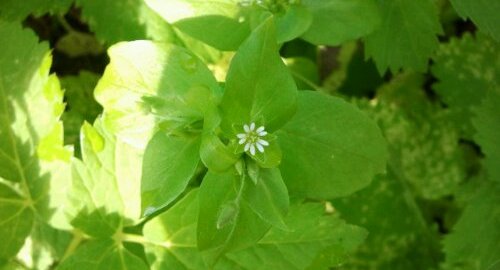
Next is Chickweed (Stellaria media), property salad, packed with nutrients and able to soothe the skin of itches and irritations. I add this to a vinegar, making the bone building nutrients readily available.

image

Next is Stinging Nettle (Urticaria dioica).

image

Lastly today, White dead nettle (Lamium album). No sings and very tasty. Can be cooked or eaten raw. I often hear of people who enjoy sucking the nectar from the flowers. I ad them sometimes to a salad but prefer to eat the leaves and stems.

image