Category Archives: Wild herbs

365 Frankendael day 51

I harvested a little Russian Comfrey today, to make a healing foot ointment. The plant is still in flower but the leaves will stay contain many of the active constituents. Also plucked for the table were a small number of Daisy flowers, some Ground Elder, a little Garlic Mustard and a few pretty Pelargonium flowers. The Ground Elder itself is still on top form for foraging although it is starting to become quite dirty in some locations, due to bird droppings and general honey dew dripping from aphids and ants in the trees above. So I would say that by now it is just past it’s best and I need to focuss my forager’s attention elsewhere.

Here are today’s photos:

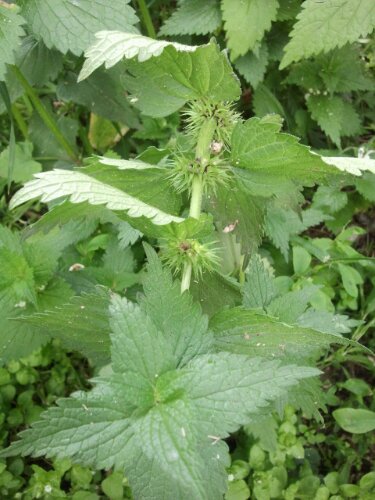
Here is a White Dead Nettle, setting seed alongside the Middenweg and the park. I think you can quite clearly see how the flower and now seed clusters encircle the square Labiate family stem, quite unlike the unrelated but often mistaken Stinging Nettle. Both plants are edible.


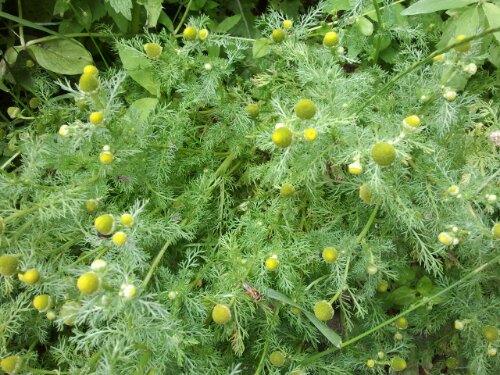
Above is German chamomile (Matricaria chamomilla) growing close to the White Dead Nettle.


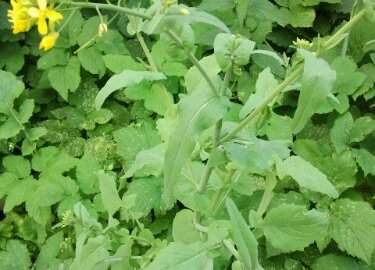
Above is Brassica rapa Wild Turnip. It smells of cabbage when picked and the flower heads remind me of broccoli. It was growing close to a patch of very young Fat Hen (Lambs quarters) but both were unfortunately in a bit of a dirty location so not for the plate tonight.ill certainly keep my eyes open for both tomorrow though as they are perfectly in season at present and make very good eating when cooked. All parts of Wild Turnip are edible and tasty.

I was also very pleased to spot some Calamints in flower for the first time this year. Photos of those tomorrow hopefully.

Elderflower Delight


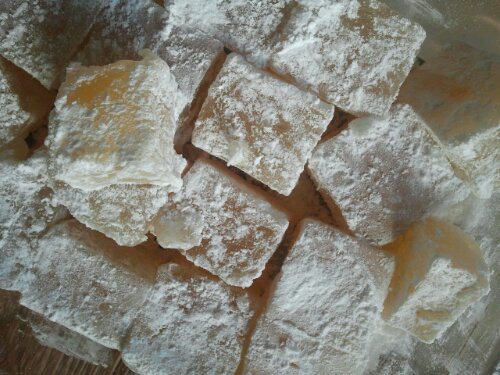
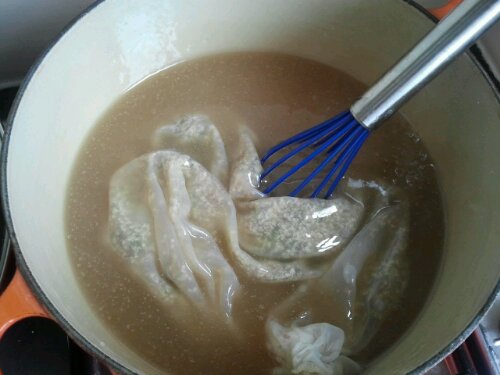
Not much to say about this other than TRY IT, we loved it! It also made me feel like someone from the pre Victorian age as I stirred the syrup with an enormous bag of Elderflowers immersed in it.

This was required for quite some time, to prevent it sticking or bubbling over, so be prepared to focus solely on this whilst you make it. Well worth the effort though. The cooking and cooling process seem to intensify the flavour of these wonderful flowers ten fold. Make sure you harvest from more pleasantly scented Elders.


I bought the River Cottage Hedgerow Handbook which this recipe is from recently. However it is also posted online by the author, within the River Cottage website. So no need for me to hold back, have a look at the link and get picking and brewing those flowers!

365 Frankendael day 50


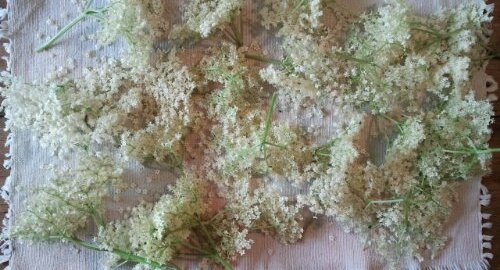
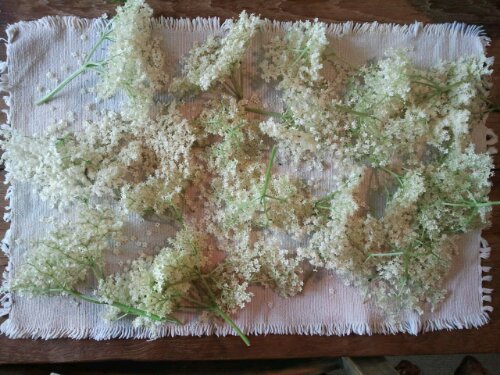
I picked a small pile of Elderflowers today, from along the outer Hugo de Vrieslaan edge of the park. The resident bugs are now crawling out of the flowers. I am about to get going with the Elderberry Delight recipe in the River Cottage Hedgerow Handbook. You will find the book and hence the recipe via my Books page. So before the flowers are ready for the pot, here are my few photos of today’s edibles in this part of Amsterdam:


Above is Greater Celendine (Chelidonium majus), still growing and flowering useful but not one for the pot. This is a poisonous plant but the bright orange juice within the stems can be helpful to dissolve warts.


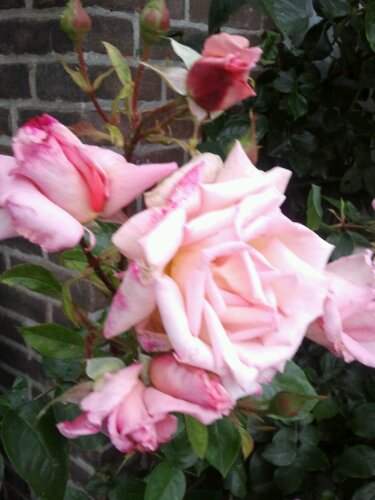
Here’s a pretty and no doubt tasty cultivated, scented Rose. It grows on a house which borders the park. Not one to harvest of course but there are plenty more like this in town at the moment.


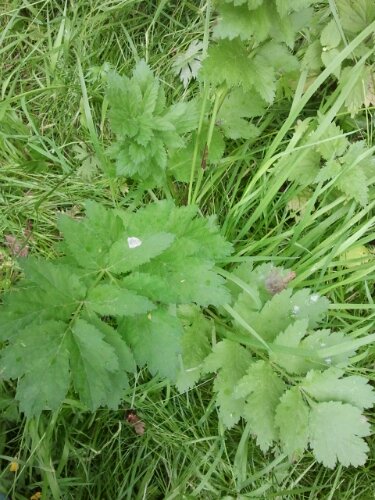
Above, lovely and tasty Wild Lovage. This makes very good eating and although another member of the troublesome carrot/parsnip/hemlock family, the leaves are quite different from its relatives and, with a field guide, very easy to identify. Just a leaflet or two will add a lovely flavour to cooking.


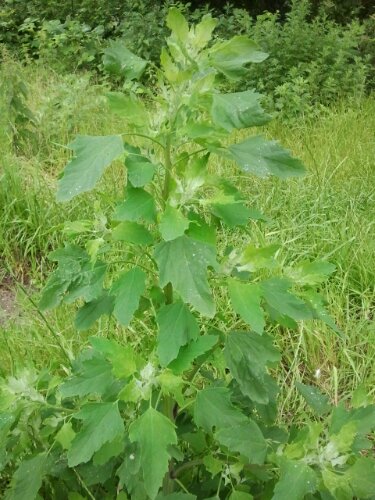
Here is a first for my 365 Frankendael ProjectFat Hen (Chenopodium alba). I am very pleased to find it, close to one of the Frankendael bus stops in some neglected land. In fact growing alongside another lover of neglected places – Mugwort. I harvested some of this one for this evening’s meal and my cat is having a good chew on a leaf at present. He seems to find it quite agreeable. Fat Hen makes great eating and is a weed which does very well on fertile soil, such as on allotments. Generally gardeners dig it up and dispose of it. I suggest they give washing and cooking it a try. Lots of Fat Hen recipes are available online and in foraging books.

If you would like to join me for a walk around the richest parts of this park, then why not sign up for my next guided walk on Sunday 15th July?

Thank you! 365 Frankendael day 49

Thank you to the wonderful Urban Herbies who joined me in Frankendael this morning! Another lovely group joined me for a guided walk around some plant rich areas of the park. We found lots of beautiful herbs and raised an eyebrow or two as we picked Lime leaves from one of the trees lining the main walkway. This was the last guided walk I’ll be doing for a while. I plan to offer another on a Sunday in July and my forthcoming Mugwort field workshop (also at Frankendael), on Monday 18th June has a couple of spaces available. If you are interested please contact me and start collecting your pesto jars! Also on the 20th June, Midsummer’s Day, a group of us will be gathering Lime for lunch and a tea. Keep an eye on my Events page for further details.

The Lime tree (Tilia vulgaris) in this photo is just by the main entrance. I noticed this beginning of a leaf spur as I sat waiting for the walkers to arrive. Lime has a fascinating ability to send out such leaf spurs, directly from the truck. It is quite handy from a foraging point of view, these leaves are often within reach on trees with otherwise inaccessible leaf canopies.

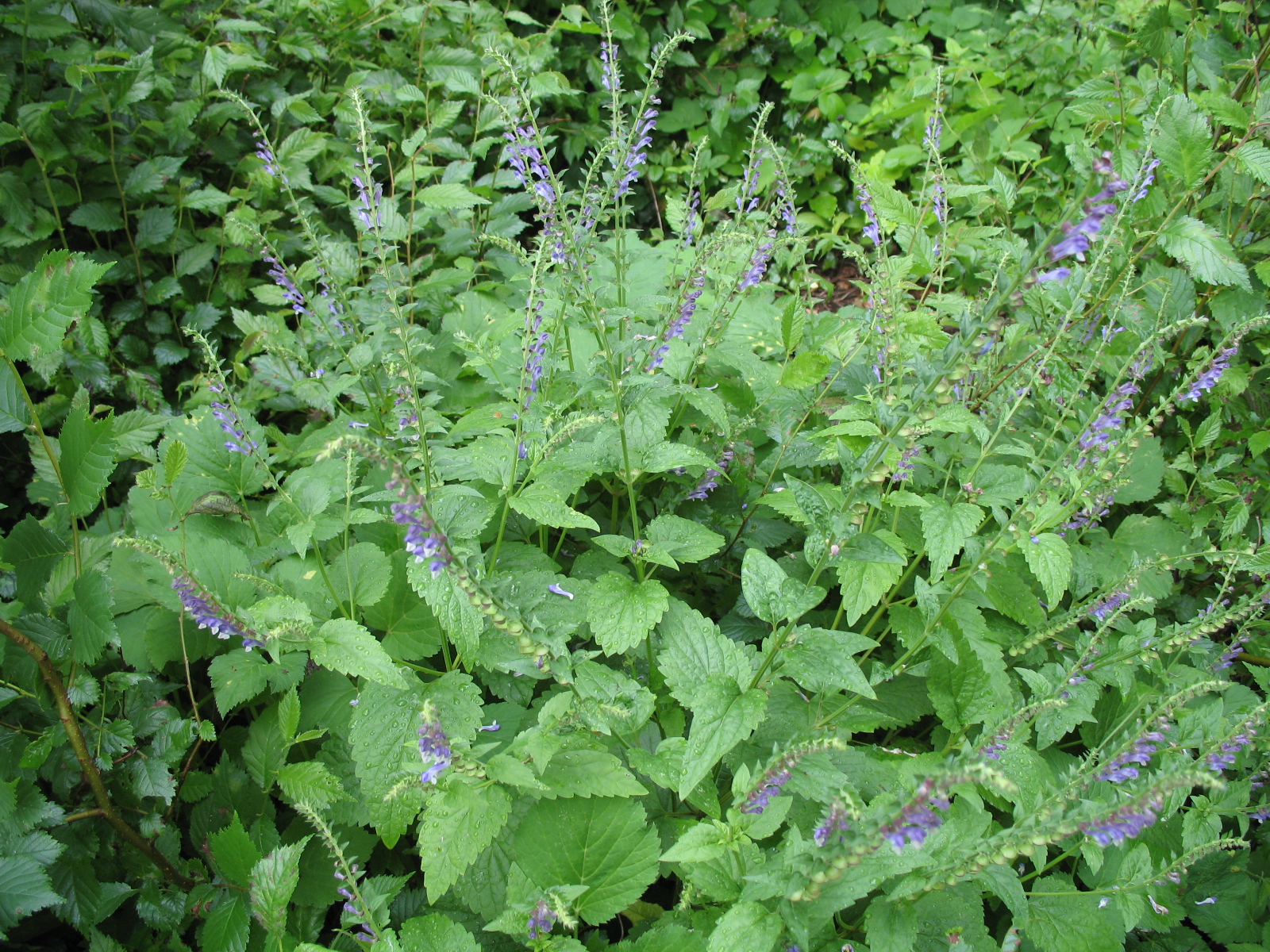
Next, the developing seed pods and remaining flowers of Scullcap (Sculletaria altissima) How quickly this amazing woodland plant moves through its flowering process!

Next is a clear photo of developing Hawthorn berries (Crataegus monogyna). I have been learning more about ways to use these (when bright red and ripe) in cooking. The ripe berries will be mainly filled with seed but the fruit encompassing that is useful and quite tasty. A modern classic foraging recipe is to make hawthorn leather from the fruit. I have tried it before and found it imensely fussy and time consuming. I then forgot to eat the leather before it turned mouldy – so all in all a big waste of berries and time! This year thanks to Amalie Bang, who came on one of my recent walks, I’ll be trying to make Danish style Hawthorn juice which can then be used in different ways to make tasty foods. I can’t wait for this year’s harvest!

Many other herbs around today but it’s time to put my feet up and start thinking about the Mugwort workshop…

365 Frankendael day 48

Here is a very tasty and edible salad herb which I hardly ever use but is quite easy to find in Amsterdam and many other cities. It is called Shepherds purse (Capsella bursa-pastoris) and is well adapted to grow alongside roads, paths, grassy and waste areas. You can only really see the seed pods on the long flower stem in this photo, it is mixed in with another plant (White mustard). I found this patch alongside the Vomar entrance of Park Frankendael, right beside a path. It is very easy to identify, with it’s signature heart shaped seed pouches. The leaves quite slim and plain looking but are peppery tasting and are very good when picked young and added to a mixed salad. It has been found to be high in Vitamins C and K and has many stoic applications.


Next today is a mixture of mature (and thus not to tasty) Plantain (Plantago major) leaves and White mustard. These were growing alongside the Shepherds purse. So all in all the potential for quite a tasty salad, from this small green patch of land between the park and road.

365 Frankendael day 47


Firstly today, fragrant and edible flowers of the urban prolific Rosa rugosa. It is much used by urban landscapers and I think, underused by urban foragers. To be used as any other rose, ensure they are clean and unsprayed as ever.

Next is Cleavers (Galium aparine), still looking fresh and cleansing in the Volkstuin area of Frankendael.


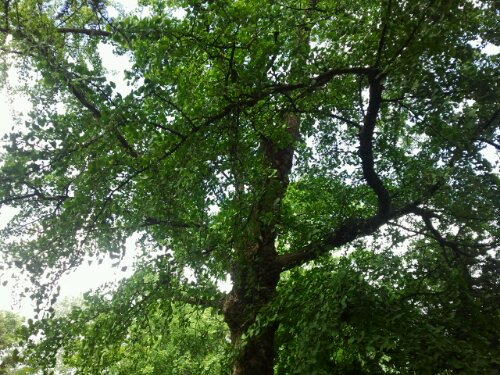
Here is a mature Ginkgo biloba tree which I hadn’t noticed until today. Recently I learned that in some parts of the world it is illegal to plant female Ginkgos because the smell of their fruit is so obnoxious! Perhaps this one is a male? Either way, the leaves will be ripe for the picking and eating or tea making in a few months. There are a great many Ginkgos in Amsterdam.


Above is a small Ladies mantle (Alchemilla) plant. This is a bitter and very useful herb. I grow several on my roof and sometimes eat the flowers as a garnish. The leaves are good as a bitter tea and can be used to make a good breast toning oil. That is one of their traditional uses.


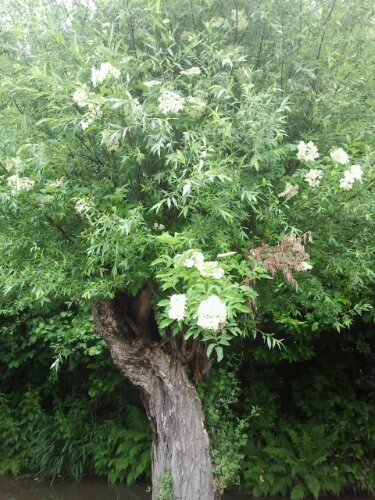
Lastly today, another coppiced Willow living in apparent intimate harmony with a different plant species. This time the lodger USA flowering Elder (Sambucus nigra). Two great herbs together!

365 Frankendael day 46

I’ve been preparing for the next Urban Herbology walk today so here are several photos and not much chat…


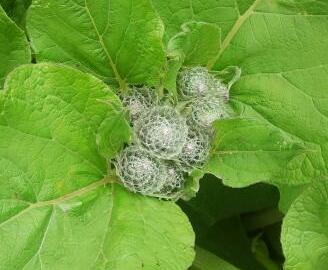
Developing cobweb-spirally Burdock flowers.


The Middenweg Poison Hemlock (Conium maculatum) continues to grow despite being reported to the council. Apparently it’s not a risk to the public because it is growing in the green strip… It is now wider than my bike, well over 2m tall and (although less than before I pruned it) still overhangs the pavement. I shall snip off the flower heads before the seeds set. A deadly beauty.


Greater Celendine, with seed pods developing well.


Comfrey (Symphytum uplandicum), still growing, still flowering – everywhere in the park!


Skullcap (Sculletaria altissima) in the woods. Flowers development very quickly moving up the stalk, sowing be visible for much longer.


The flowers of wild Sage (Salvia officinalis).


On the edge of the rhododendron planted section, I found this shady patch of tasty Pelargonium, Garlic Mustard and also Stinging Nettle and Cleavers, just out of shot.


Lastly, frothy flowers of Hedge Bedstraw.

Urban Herb Love


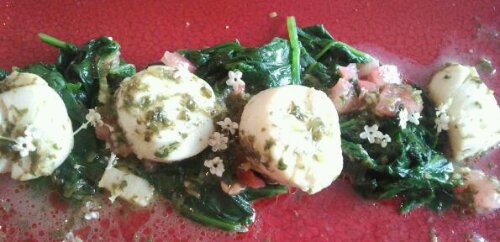
Yesterday was our seventh anniversary, here is what we cooked: Scallops, marinated in the juice of half a lime, a sprig of fresh coriander leaves, finely chopped and a small nugget of fresh ginger, squeezed. After cooking in the marinade, the scallops and sauce were laid on wilted spinach and Elderflowers were sprinkled on top.

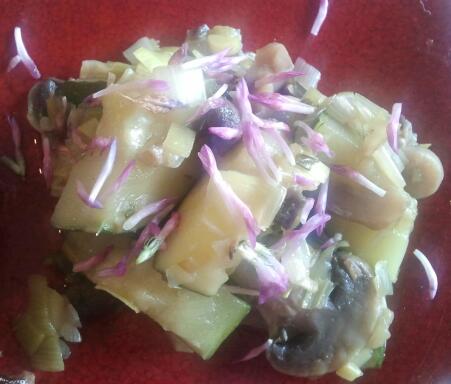
Next came grilled lamb cutlets served with a caprese salad and most importantly, Mugwort vegetables. The taste of a top of almost flowering Mugwort (Artemisia vulgaris) infused into mixed vegetables, as they cooked in one of my magical cast iron pots. It was served sprinkled with detached individual Red Clover flowers. Mugwort (Cronewort, Artemisia vulgaris, NL: Bijvoet)  is extremely tasty and aromatic when cooked in this gentle way. Just a splash of olive oil, finely chopped leeks softened then chopped aubergine and courgette added to the pan. Lid on and simmer gently for ten minutes or so.

Umm, now that’s Urban Herb Love!

365 Frankendael day 44

Today is drizzly and cool; the same temperature as last Christmas Day. Umm, a far cry from the heat of a week ago.  So today’s photos look as though I took them at dusk but in fact they were taken at about 2pm.

I have had another one of my bird spotter moments. I identified a plant from the park which looked pretty when I found it, but not spectacular. It wasn’t one that I recognised, although I was drawn to it and wanted to know  it. I took a little part of the plant home from my walk yesterday and used my books and the Internet to identify it.  Today I went out and photographed it along with some other June beauties:

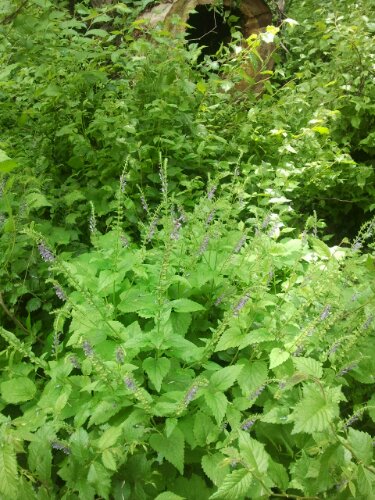
Above is the plant I am so excited about – Skullcap.  It has pairs for slender, hooked Labiate flowers, running down adjacent corners of quite long flower stems. The flowers are a lovely deep mauve on the upper lip and contrasting white on the lower lip. This two tone flower is not obvious until you get right up close to it. The plant is clearly a member of the Labiates, not only due to the flowers but also because it has square stems and leaves coming off the stem in opposite pairs.  The leaves taste strongly bitter, they taste amazing actually, of strong Scullcap tincture, the type I use at home quite regularly for pain relief and relaxation. I especially love this herb and have been using it for some years with great success, since beginning study with Susun Weed.  It gives subtle releif to pain, especially pain in the head and it brings on sleep when it is needed.  I am so happy to have stumbled upon this beautiful herb in Park Frankendael as I not seen it (or at least noticed it) growing wild before, I only knew it from books and bottles.  All members of the Scullcap family contain the active ingredient and this is quite volatile thus the plant should be tinctured in situ.

There are many Scullcaps and all have the same active constituents. Most likely, this one is Sculletaria altissima, Tall Skullcap, Glidkruid in Dutch. It is labelled as Tros Glidkruid (Sculletaria columnae) in the herb garden of the park but I am not convinced.  The flowers are very similar but the underlip of this Frankendael plant is definitely white, throughout, it doesn’t blend from white to mauve at all, there is clear definition.


Above is flowering Scrophularia nodosa, Common Figwort, NL: Helmkruid.  A very strangely scented Labiate, which Claud Biemans helped me identify a few weeks ago.  I still need to do some proper research into its internal and external uses but it certainly has many historic applications, such as being used to relieve skin eruptions and swelling for painful joints.  It is prolific in some parts of this park.

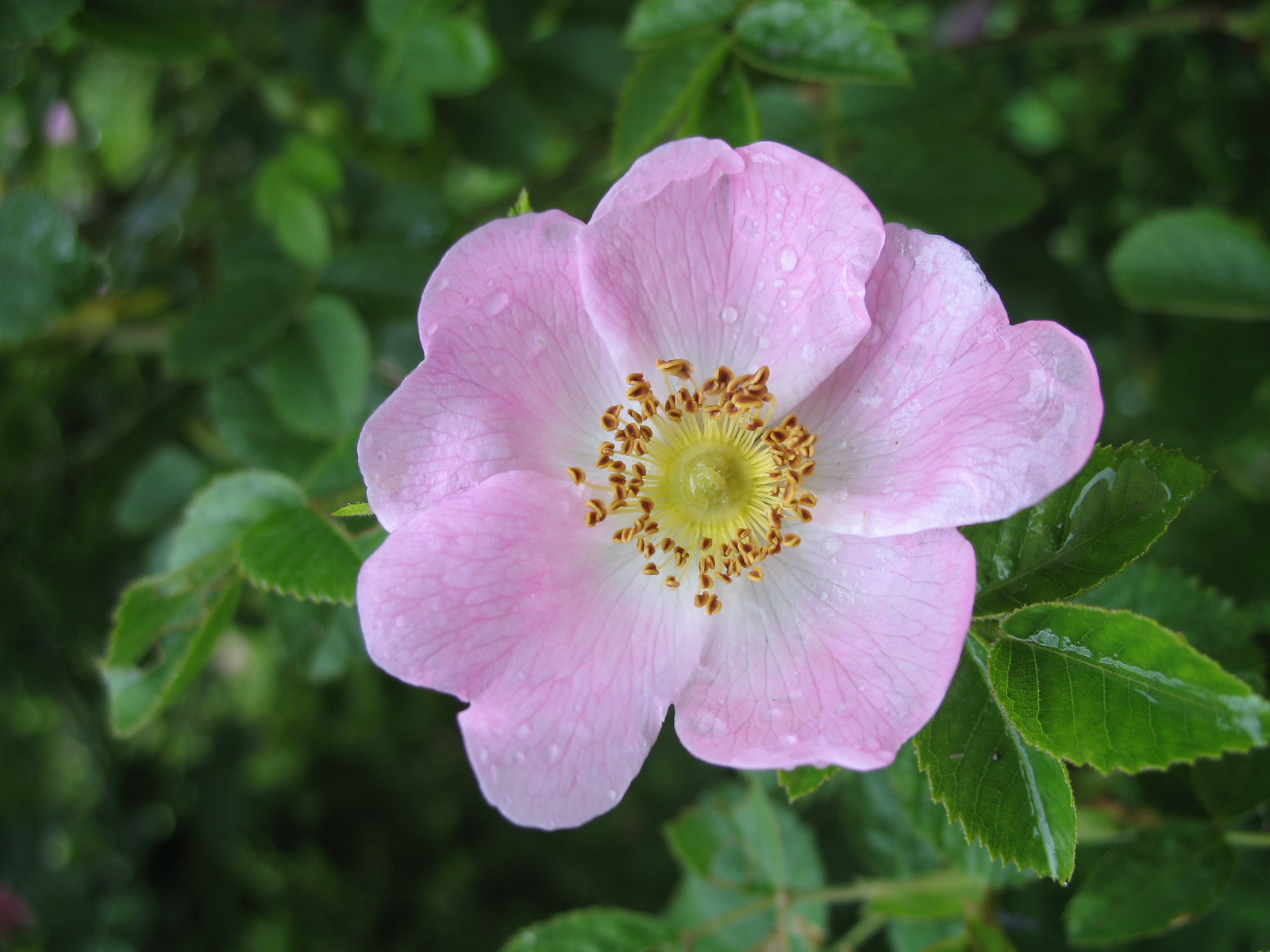
Next today, Wild Roses.  It has rained today and the scent of Rose, close to these bushes is extraordinary.  If you haven’t been outside to smell Roses after light rain then try it!  I’ve mentioned Rose many times before.  They are tasty and have many uses.  These are both most likely to be Rosa canina, Dog Rose and how beautiful they are!  But one of them could possibly be Rosa rubiginosa, Sweet Briar, it certainly smells good enough to be that.  I will have a better look at the defining parts another day. For today I simply enjoyed them.

Here is Pellitory Parietaria sp., Glaskruid in Dutch.  Another useful herb to learn more about as it is again prolific in arts of Frankendael.

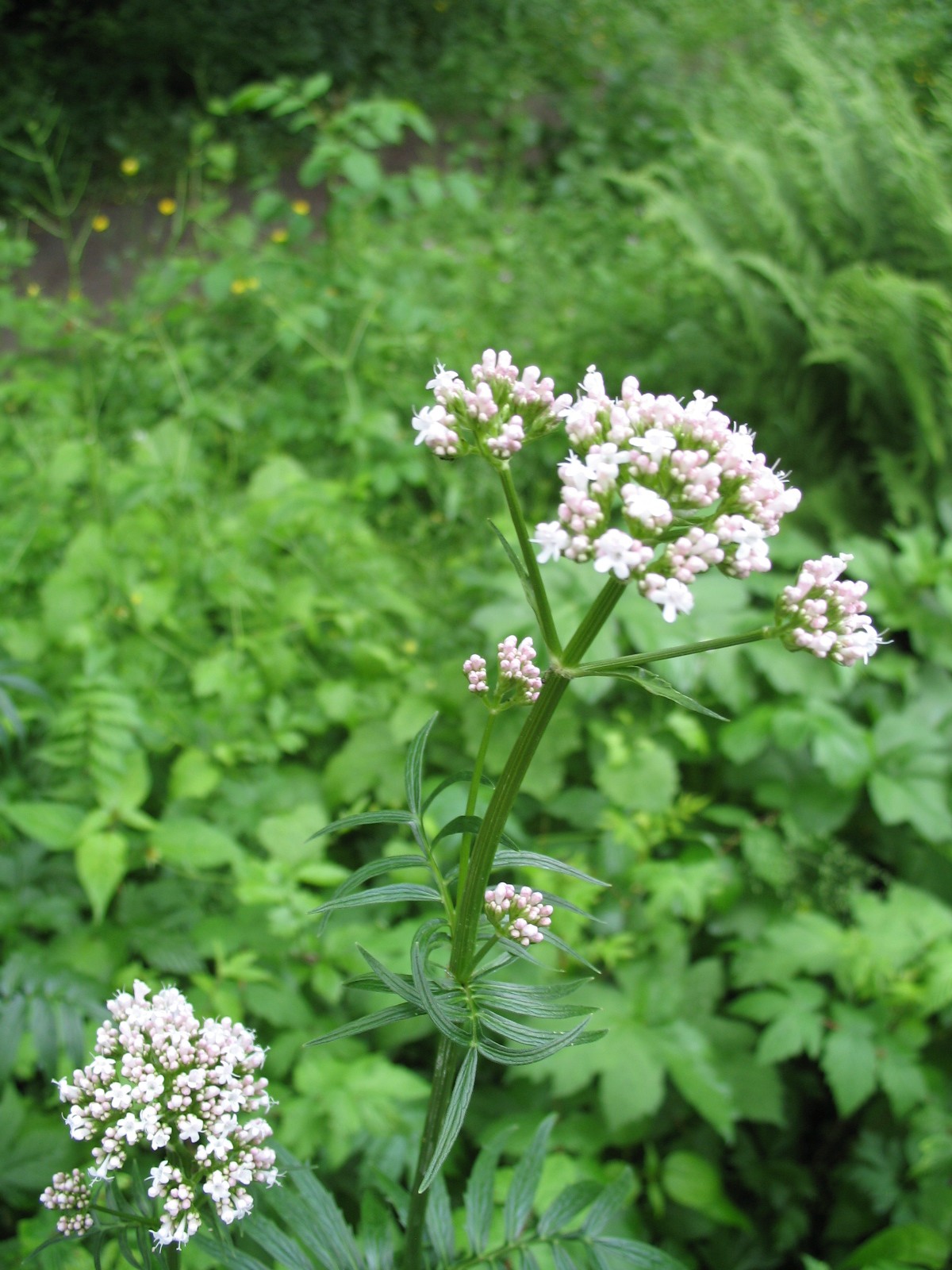
Lastly today gorgeous Valerian flowers, on the edge of the main woodland pond.
They smell great, they look great and they are very useful if you need to relax.

365 Frankendael day 43

Today I have had a closer look at two herbs which I spotted earlier this week. A Member of the Potentilla genus, a Mint and also graceful Angelica.

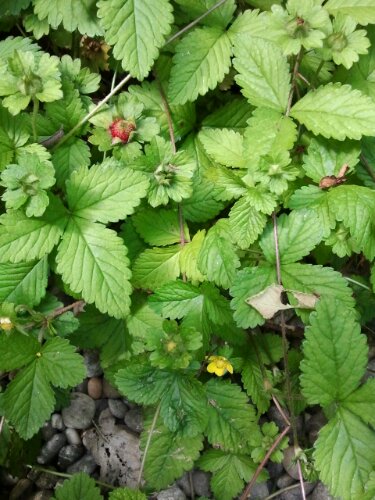
Firstly the pretty Strawberry look-a-like Potentilla. You may remember that my cat ate the last sample I brought home. Today, I had a closer look at a sample leaf, flower and stem, before he had a chance to devour it. And of course I had a good look at it in the park itself. It appears to be Potentilla anglica. It has yellow petals, so is definitely not the white flowering Strawberry (Fragaria vesca) or edible (but not so tast) Mock Strawberry (Potentilla sterilis). It creeps along the ground by use of runners and the trifoliate leaves have tiny hairs on the undersides of the ribs and veins. The leaves all arise in clusters, at intervals from those runners. Creeping Cinquefoil (Potentilla reptans) is very similar but doesn’t have trifoliate leaves. Some of the flowers have already set fruit, with seeds on the outside just like strawberry. This is shown in the photo below.

Next up is the mystery Mint, growing in one of Frankendael’s woodland ponds. It is difficult to tell for sure, which member of the Mint genus this is because it is not in flower yet. I will keep an eye on it as the summer arrives but currently suspect that it is Water mint (Mentha aquatica). It is clearly a Labiate, having square stems and opposite leaves without stipules. This Mint is downy, certainly smells of mint and the leaves are between 1.5 and 4cm long with blunt tips and teeth. It is also growing well in water. There are more factors to help decide which Mint this really is but for now, that’s the best my trusty Field Guide and I can do.

Lastly today, majestic Angelica (Angelica archangelica). Lynne Dunston from the Meetup group sent me a gorgeous photo of an Angelica which she spotted on a visit yesterday (I’ll post that separately). It reminded me to come and check on the enormous sister plant in Frankendael today (photo shown here). Seeds are now developing well on its Pom Pom like flowerhead. I was reading a lot about this plant a few days ago and although I won’t be touching it at all, this biennial can be made to act as a perennial by simply cutting it almost to the ground before it sets seed. It then is forced to have another go at seed production next year. It also has a multitude of quite fascinating, historic medicinal and culinary uses. Whole communities in Southern France, at least, relied on this plant for their wealth. I’d love to test out some of the recipes and ideas I read about but this wonderful lone specimen, just has to be enjoyed by as many woodland walkers as possible.