Category Archives: 365 Frankendael

365 Frankendael day 149

I’ve been busy preparing for the Elder workshop tomorrow and enjoyed a little walk in the park looking for ingredients for ghee based Elder ointment.  Elder leaves are very medicinal but contain a chemical which, when digested by the human body, turns into cyanide so it’s obviously not a good idea to eat it.  The ripe berries and flowers don’t contain this chemical although the seeds within the berries do.  Here are the herbs in my ointment, plus a couple of other plants which are also looking and tasting great at the moment…

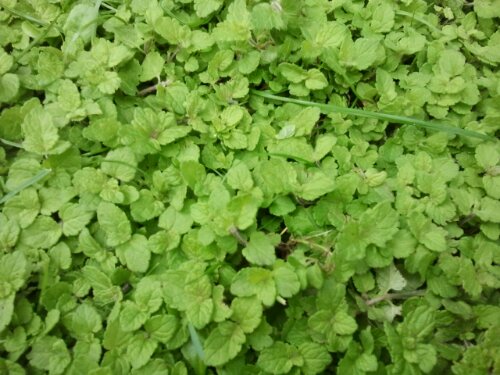
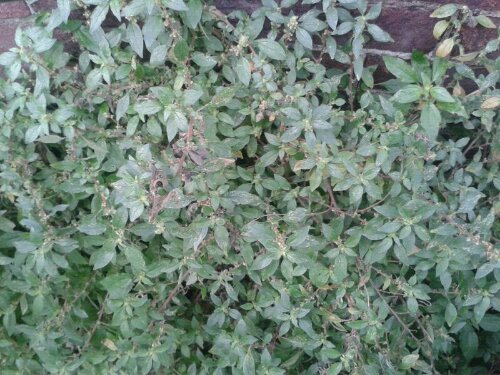
Chickweed (Stellaria media)

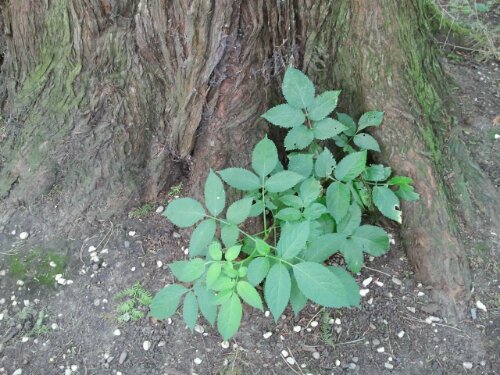
Elder (Sambucus nigra) growing close to the base of an old Cedar. Here’s a lovely Elderberry syrup recipe, from Mountain rose herbs, which uses honey for sweetness but doesn’t heat the honey – good news and unusual!

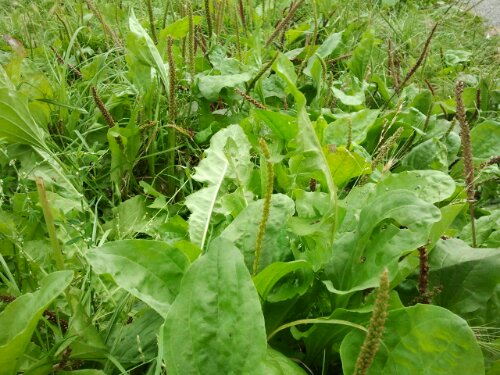
Dandelion (Taraxacum officinalis agg.)  making a stand for itself in a field of Plantain (Plantago major)

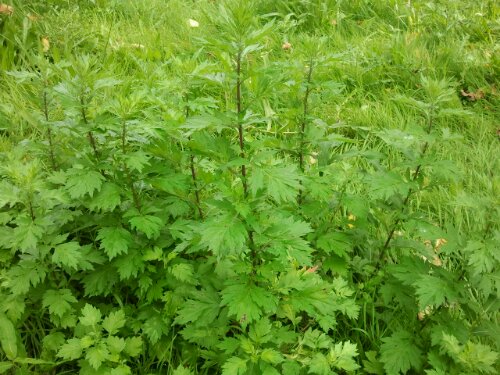
Mugwort (Artemisia vulgaris)

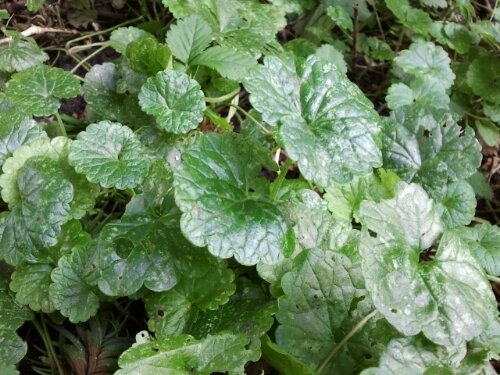
Ground Ivy (Glechoma hederacaea)

365 Frankendael day 148

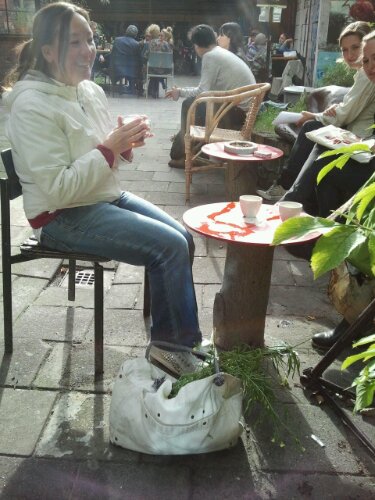
I had a great time today, taking two group on street herb walks, from the OTOPIA festival on the Overtoom. We found lots of herbs in pavement cracks, in intended pavement gardens, tended ones and in curbs. A few plants were around which I didn’t know the names of. Here they are:

Heath speedwell (Veronica officinalis) was creeping around a large grassland area halfway up Willeminastraat and Eerste Helmersstraat.
image

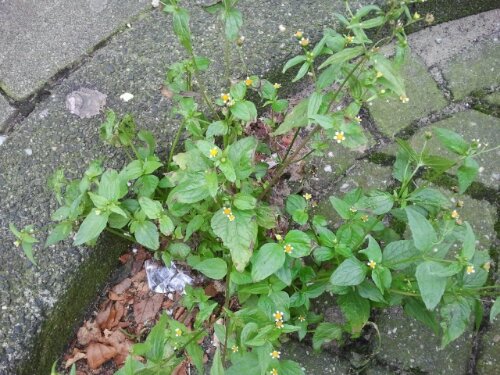
Gallant soldier (Galinsoga parviflora).
image

The plant that looked like Fat Hen (Chenopodium album) but had so many flowers on some examples that it was hard to tell, definitely was edible Fat Hen.

I didn’t take a photo of the Fat Hen today but here’s one of poisonous
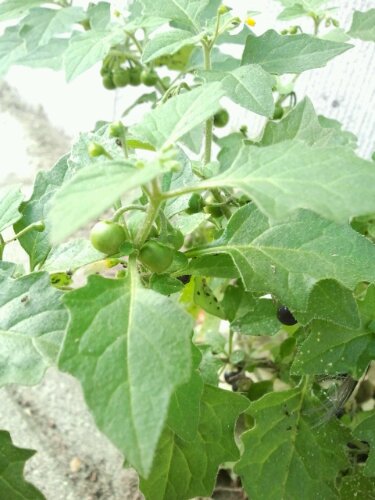
Black nightshade. We found heaps of it on today’s walks.

image

The Wild Rocket that was growing at the entrance of OT301 appears to be the perennial species so I hope Cathy will be in luck with the sample she took home.
image

The nettle which the second group found, which wasn’t the regular Stinging nettle (Urtica dioica) was Small nettle, an annual, as suspected and both edible and medicinal.

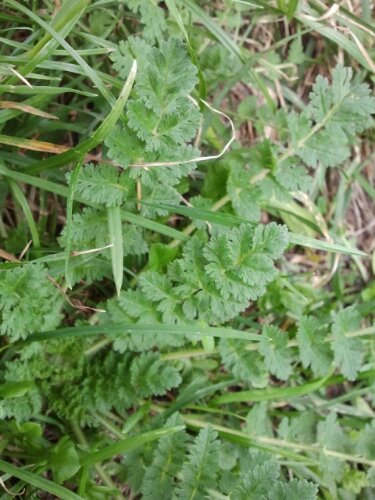
There were two others which I’m still looking up. Will post an update, when I find the names. Here they are, maybe you can help me out with the names?
image
image

Thanks to everyone who joined the walks and thank you to Femke and Tarje for organising today’s festival and inviting me to take part in this way.

365 Frankendael day 147

image

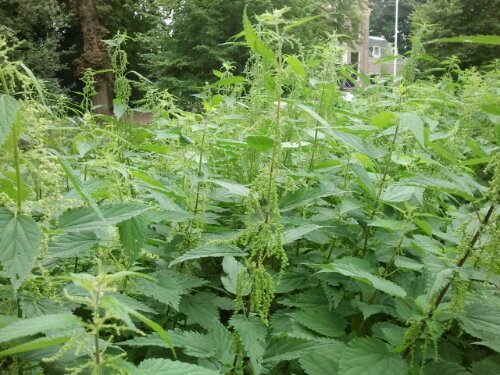
Here’s a beautiful patch of Stinging Nettle (Urtica dioica, NL: Brandnetel) detouring at the front of Frankendael huis. If you like idea of harvesting to dry and store or to cook and freeze, then now is the time. Preferably choose nettle without flowering tops but both are edible.

image

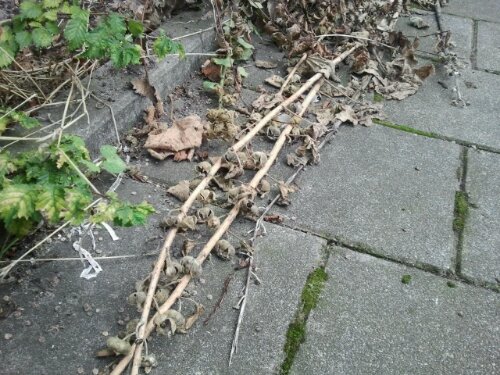
Here is a bundle of discarded dry Hollyhock flower spikes. These are in Oud Zuid, close to my workplace but you’ll probably spot a similar scene all over town. Each individual seed head is packed with about 20 seeds. It’s a great herb to grow in small spaces such as tree pits and outside of houses.

365 Frankendael day 146

In case you haven’t noticed, city nut foraging season is upon us.

I passed by Oosterpark today and noticed a middle aged chap, ferreting around in the undergrowth at one corner of the park, with his young son calling directions to him from outside of the fence. Ah ha Hazelnuts!, I thought and I was so not disappointed when I dived into the same bushes!

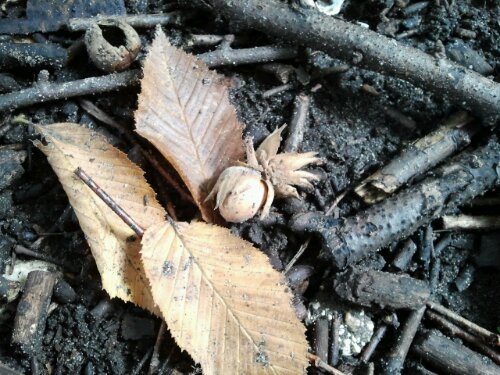
During a five minute squirrel-style frenzy, in the soil and dry leaves, I managed to amass a few dozen prime city Hazelnuts (Nl: Hazelaar, Corylus avellana) Delighted, is an understatement! Spurred on by my success, i took a quick tram ride home and sped to a copse of Hazel and Beech at the bottom end of Pythagorasstraat. That spot is a local’s favourite; There is a well trodden path into the copse and a scarcity of nuts but none the less, I didn’t go home empty handed! Later today, I’ll probably toast them all, add some to a hor chocolate and add the rest to Frank’s muesli tub. They should last a couple of weeks in that.

If you’ve never toasted Hazelnuts yourself, and if you like the taste of chocolate, then I implore you to have a go. Buy some from Odin or your local grocery store or better still, get outside and forage a handful yourself. Lear how to identify the tree and get hunting beneath them and I the branches. Green and brown hazelnuts are just fine but the free ones need to be used almost instantly whereas the others should keep up to a year, if stored properly.

How to toast hazelnuts
1. Once dusted off a little, crack them open and discard the shells (return them to the forage spot if possible). Some shells may be empty – hedge blanks. It’s a pity if you find only those.
2. Spread the nuts on a baking tray and give them just a glance of olive oil. To do this you can pour a little into a corner of the tray and toss them all around until they glisten or brush them with a little oil.
3. Set in an oven which has been preheated to about 180°C, leave them to cook for about ten minutes.
3. Remove from the oven (as with all nuts, watch out for explosions, maybe cover with a clean tea-towel as you maneuver them from the oven. Let them cool before using or eating.

The smell in your kitchen should be sweetly, nuttily, mouthwatering after that short time and if you are anything like me, I doubt that many of the toasted nuts will actually make it to a muesli bowl. Lots of recipes make good use of Hazelnuts, both savory and sweet. I think that in combination with chocolate they are at there best. So for me that could mean simply smashing a toasted nut and crumbling it over a hot chocolate or to garnish a chocolate dessert. Or it could mean incorporating it into a dish. Nut roasts are a good way to use up heaps of nuts but I rarely have heaps and I like them to last a while rather than being wolfed down in one sitting. Sprinkled over a bowl of homemade pumpkin soup is another easy way to incorporate them.

You can also make Hazelnut milk for the fresh nuts, as described in the River Cottage Handbook no. 7 Hedgerow, by John Wright (see books page). Soak a handful of shelled fresh nuts in water overnight, rinse and blitz in a liquidiser with about 400ml water or skimmed milk. Strain through a cheesecloth or similar.

365 Frankendael day 145

image

Just an autumn photo of a Hugo de Vrieslaan today. Late to work, lots to do.. I just thought it looked nice to see the Lime leaves (Tilia spp.) beginning to fall. There’s still time to harvest a few fresh green leaves if you’d like a stock for winter infusions and other Lime medicine. Lots of the local Limes have enormous burrs on their lower trunks, each offers hundreds of leaves in an unusual location and making it easy to harvest a handful. So there’s no need to shin up a 50 foot tree trunk.

365 Frankendael day 144

image

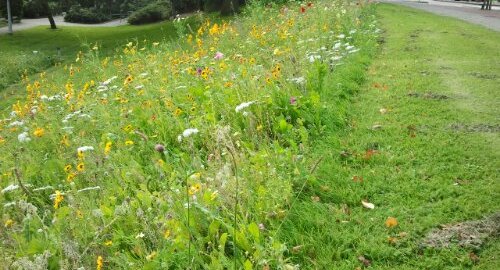
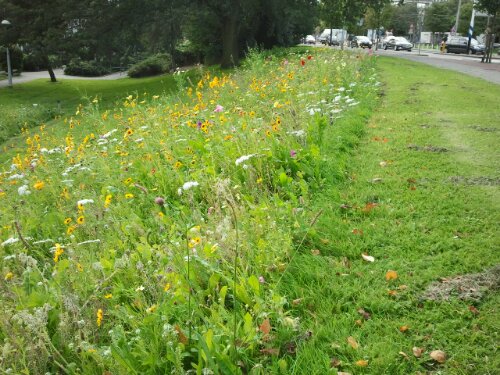
This is a small wildflower meadow that was sewn this year near Amstel station, along side Hugo de Vrieslaan. I’m sure they used the same seed mix a for the latest meadow in Park Frankendael, which is just a stone throw away. So many delicious herbs in there but of course they were not planted with foraging in mind, these are for beauty and local insects.

365 Frankendael day 143

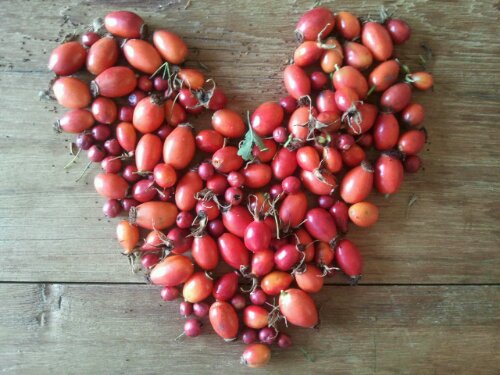
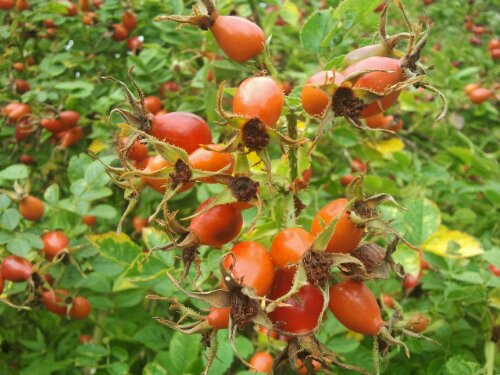
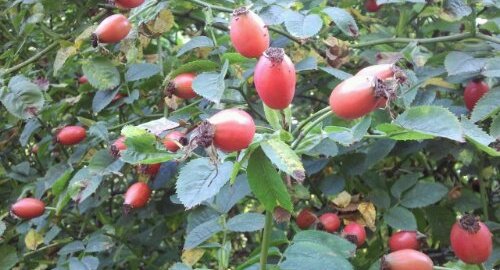
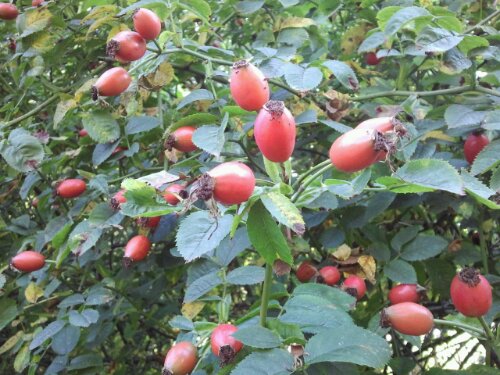
Today, more Rose hip harvesting. Without trying to sound corny, this really does seem to be a good year for the roses! I’m making the most of it by topping up my Rose hip honey infusion jar.

image

There are lots of Rose shrubs with green or very pale yellow orange hips at the moment. This shows that the Rose hip season should be around for a while yet.

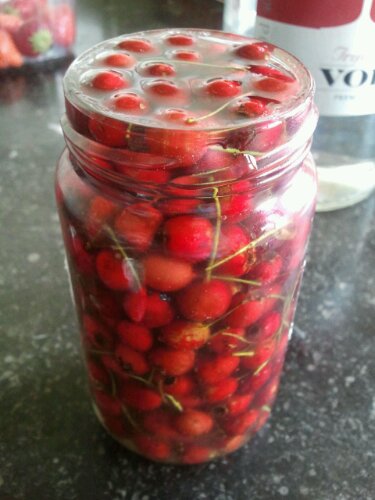
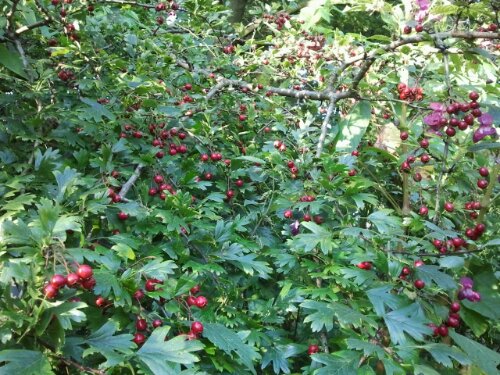
I’m setting up a jar of Hawthorn berry elixir today, so also picked some more of those heart warming and toning berries to add to the mix.

image

To make an elixir, which is simply a preserve made of herbs in some sort of alcohol and sugar, all you need do is the following:

1. Place enough berries (clean, ripe and dry) to fill your jar, into a bowl. 2. Pour over enough honey so that,  with a little stirring, every berry can be coated in sweet goodness.
image

3. Now pour that sticky berry-honey mix into your sterile glass jam jar.
4. Put your chosen strong alcoholic spirit, Brandy and Vodka being the classic choices, into the jar.
5. Poke around a little, with a chop stick or clean knitting needle, to dislodge any trapped air bubbles. Make sure it’s filled right to the top of the jar.
image

6. Leave to sit and infuse, with a tight fitting lid on, in a quiet spot and out of direct sunlight, at room temperature, for about 6 Weeks, or as long as you can bear to wait.

image

7. When it comes to maturity, you simply take off a teaspoon of tasty elixir at a time and slurp it down, or you may like to strain off the berries (save and use them for fabulous desert topings although the stones need to be removed before eating) and store the elixir in a suitable sterile bottle (e.g. a used flip top Grolsch bottle or similar, is perfect).

Hawthorn is a renowned heart tonic.

365 Frankendael day 142

image

Today I harvested Rose hips from the park and after dinner I’ll be setting up a big jar of Rose hip honey. They are just perfect, on many Rose shrubs, at present. Packed with Vitamin C, cold infusing them into honey is a good way to capture their healthy properties. If you try it, remember to deal with the itchy irritating pips, which reside in the hips.

Rosehip Honey Recipe
Simply slicing each hip in two and scooping out the pips and hairs is enough. I then pack then into a jam jar, pour in honey, to the brim, poke around with a chopstick to release taped air, top up with honey if necessary, seal the jar and leave for as long a you can stand!

image

Here’s Hawthorn, also perfectly ripe. I’ll set up a tincture for these I think.

image

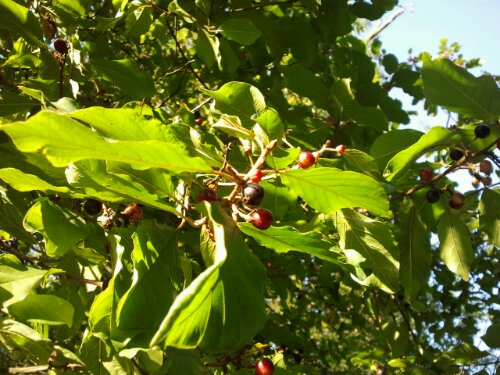
Here’s Cherry Laurel. More on this another day. Perfectly ripe today, also.

It’s been a great day for harvesting! What have you been collecting and making?

365 Frankendael day 141

image

Today a photograph of Pelitory of the Wall (Parietaria officinalis), taken by Elodie den Otter, outside of a yoga studio in Amsterdam. This is a really useful little herb which really is well adapted to growing out of wall cracks and between paving stones. It is useful as a urinary system tonic and has many historic and contemporary applications. Please see my post on day 63 about sister herb, Pensylvania Pelitory, for further information about the two plants.

365 Frankendael day 140

image

Trees have began to shed their leaves and yet many plants are still in bloom. Here’s one of them, Red Clover (Trifolium pratense) NL: Rode klaver. The flowers are edible, tasty and contain amongst other things, very useful phytoestrogens. Red clover is used by many to increase fertility, in both men and women. It’s still possible to gather flowers for drying, or to pick enough to fill a small jar, then top up with vodka to make a tincture. See Susun Weed for excellent information about this amazing plant.