Category Archives: 365 Frankendael

365 Frankendael day 336

I took myself for a little birthday stroll through the wood of Frankendael today. It is so cold here still, yet the spring flowers continue to push through.

image

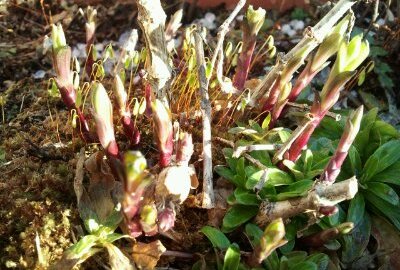
Garlic mustard is making an appearance.

image

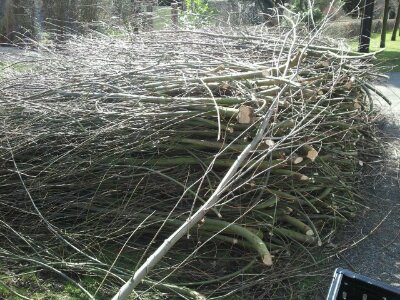
Wild garlic is evidently being torn rather than harvested with respect, by a few people.
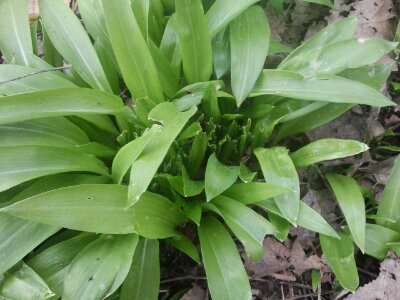
image

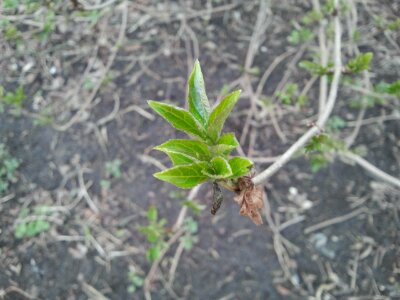
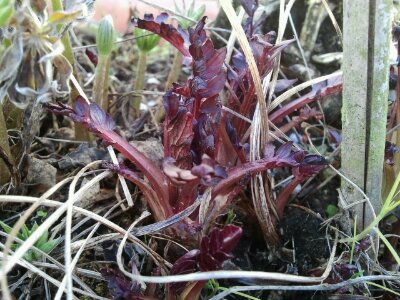
And this plant is growing, whilst it’s name still evades me. This evening I looked it up and the closest I find is Black Horehound (Ballota nigra). If it us then I shall be very pleased as that plant is very useful. More investigation is needed!

image

365 Frankendael day 335

We had snow again today and although it didn’t settle, the temperature has been extremely chilly compared to the usual first days of true spring.

This plant is catching my eye in the park at the moment. It’s growing in the areas where I harvest Mugwort in the late spring and summer. I’m not sure what it is at present. The leaves remind me, from a distance, of Burdock, but not exactly and also of Nettle, but not quite. Now it looks like Motherwort, but not quite! Time will tell.

365 Frankendael day 332

image

Elder (Sambucus nigra) trees, all alongside the park are bursting into foliage at present. These (internally toxic) leaves can be made into the most wonderfully healing oils and ointments, to apply to the skin. It may smell “interesting” at times but this tree is probably the most useful herb of all to be found in this country.

You may like to join me on Sunday 7th April, for a short workshop on how to grow Elder and how to use it medicinally and spiritually.

365 Frankendael day 331- River of Herbs

image

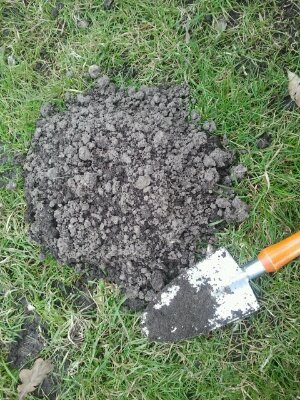
It was the second River of Herbs meeting today and we took a stroll through part of park Frankendael, hunting for Molehills.

I used a few hills to build a lovely aerated soil mound around my geveltuin Lavender shrub. Molehills generally contain lovely rich soil – just the thing to encourage the Lavender to set down roots along it’s aging branches, for new plants to form.

We removed a few wild garlic plants from a path in the park, where they never reach maturity due to foot traffic and gardening. These babies will have new homes with Urban Herbies in shady balconies and pavement gardens.

image

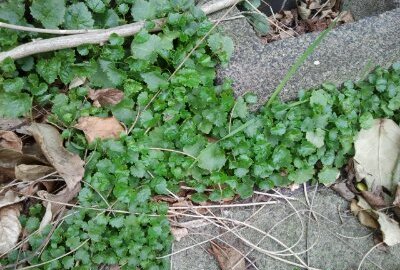
There is plenty of Yellow Archangel to be seen (or eaten) at the moment.

image

And this looks like Garlic mustard early leaves to me… I can’t wait (but must) for these plants to bolt upward and produce absolutely delicious leaves!

image

Here’s a photo of one of our first River of Herbs projects… Edible and medicinal Violas and Primroses. Not obtained from the wild, cultivated varieties.

image

Thanks everyone who came for your help and inspiring ideas and enthusiasm!

UPDATE: Next Meeting – Starting at Mercatoplein
Please see this event link to River of Herbs website.

Pick your lunch! 10th April 2013

Fancy a wild herb walk in a beautiful part of Amsterdam Oost?

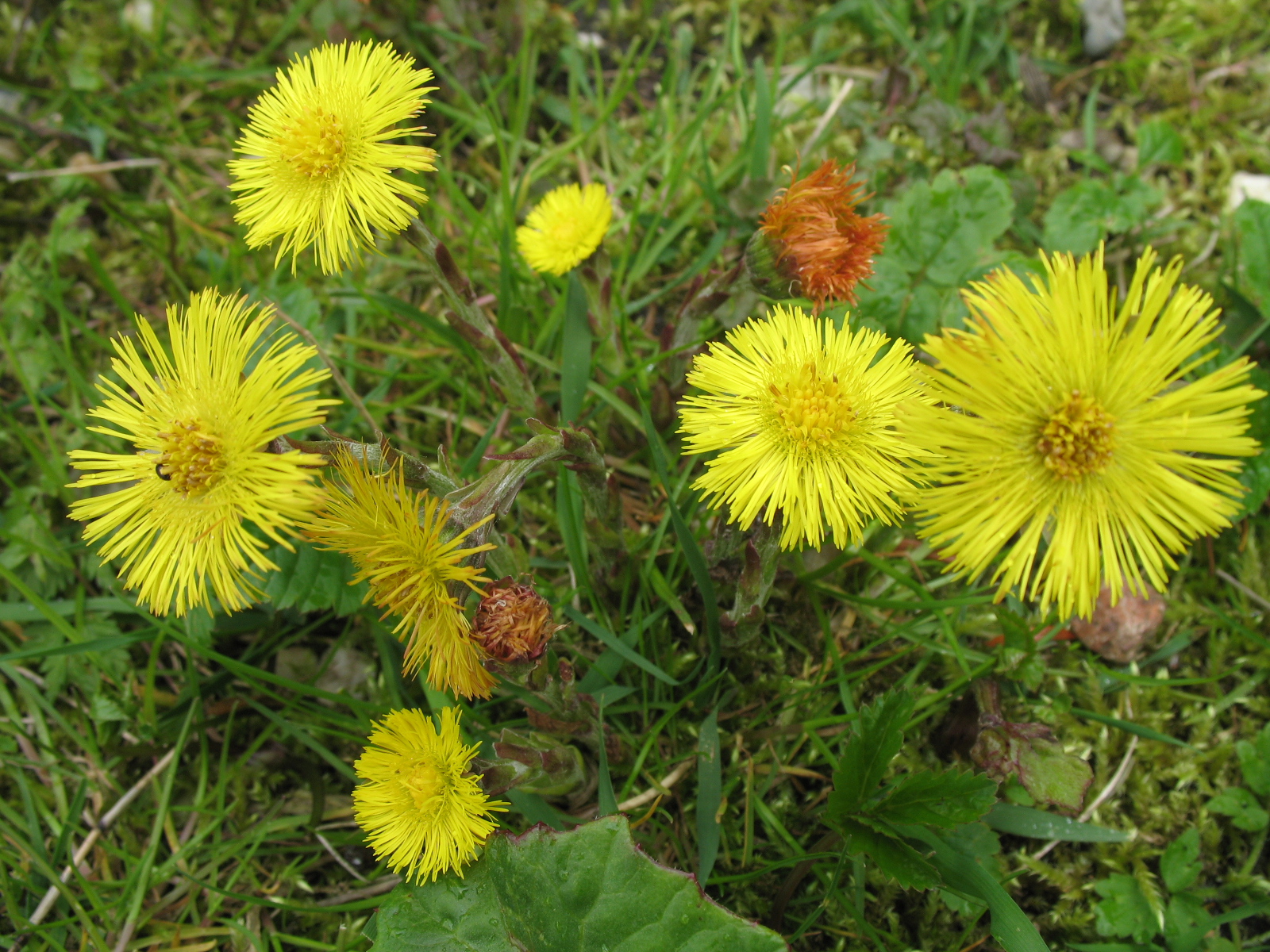
Join me for a herbal forage in my main stamping ground, Park Frankendael. We can expect to find such tasty treats as Garlic mustard, Ground elder, Nettle, Mugwort, Coltsfoot, Wild garlic and far far far more! I’ll show you how to identify common edible plants, how to use them and some useful tricks to help preserve them.

Bring along whatever you like to accompany your harvest. A flask of hot water to make tea and some bread and butter may be useful. I’ll bring some herbal cake or breadsticks to share.

I’ve been photographing and charting the wild edibles in this park on my blog for quite some time, so you can get an idea of what we may find on the walk.

Come celebrate the green edible gifts that this beautiful city has to offer!!

Wednesday 10th April,
12.00-13.30
Main old gates, Park Frankendael

€10 per person
(incl. comprehensive colour handout).
Please contact me to sign up for the walk.
Lynn.shore@gmail.com

365 Frankendael day 329

image

Lavender today. It grows really well in urban locations, such as here in a busy shopping precinct. I’ve been looking at ways to grow new Lavender plants from old leggy ones.

Mounding is a suitable method for Lavender. Simply make a mound of easy-to-root-in soil, with the existing lavender plant shoots, just peeking through. In time the old branches will send down roots, into the mound and you’ll be able to cut off a while bunch of new small plants.

365 Frankendael day 327

image

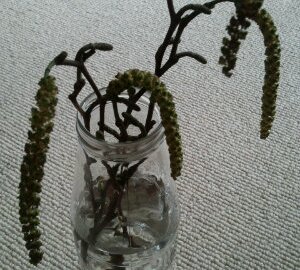
Walking home from work today, I found some stunning catkin laden branches, lying beneath a street tree. The male catkins of this tree are very long and very colourful. I decided to take some of the fallen branches home. I then removed most of the catkins (to preserve the energy expenditure of the branch) and split it up into manageable pieces. Some of the lower bark from each branchlet needed to be scraped back and then each was placed in a vase of water. I have hopes that a few of the small branches will send out roots and become new plants.

The street tree that these branches came from is an Italian Alder (Alnus cordata), apparently a popular street tree due to the catkins, its overall beauty and vigour.

It’s possible to find beautiful cones, inconspicuous female flowers and the enormous male catkins, as well as large leaf buds, all at the same time. I was pleased to see that today. Alder is the only deciduous tree to bear cones.

Alder is linked to much folklore and tradition. It’s a wonderful tree with many uses. Look up Glennie Kindred, particularly her Earth Wisdom book, for lots of information about this tree (and others). It produces several beautiful dyes. The leaves are usefully made into a cooling, soothing poultice or compress for swellings. Much like Plantain (Plantago sp), the leaves can cool and soothe the weary feet of travelers, by simply placing them inside of footwear.