Category Archives: Projects

365 Frankendael day 197

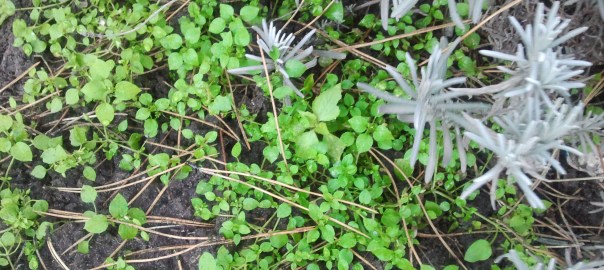
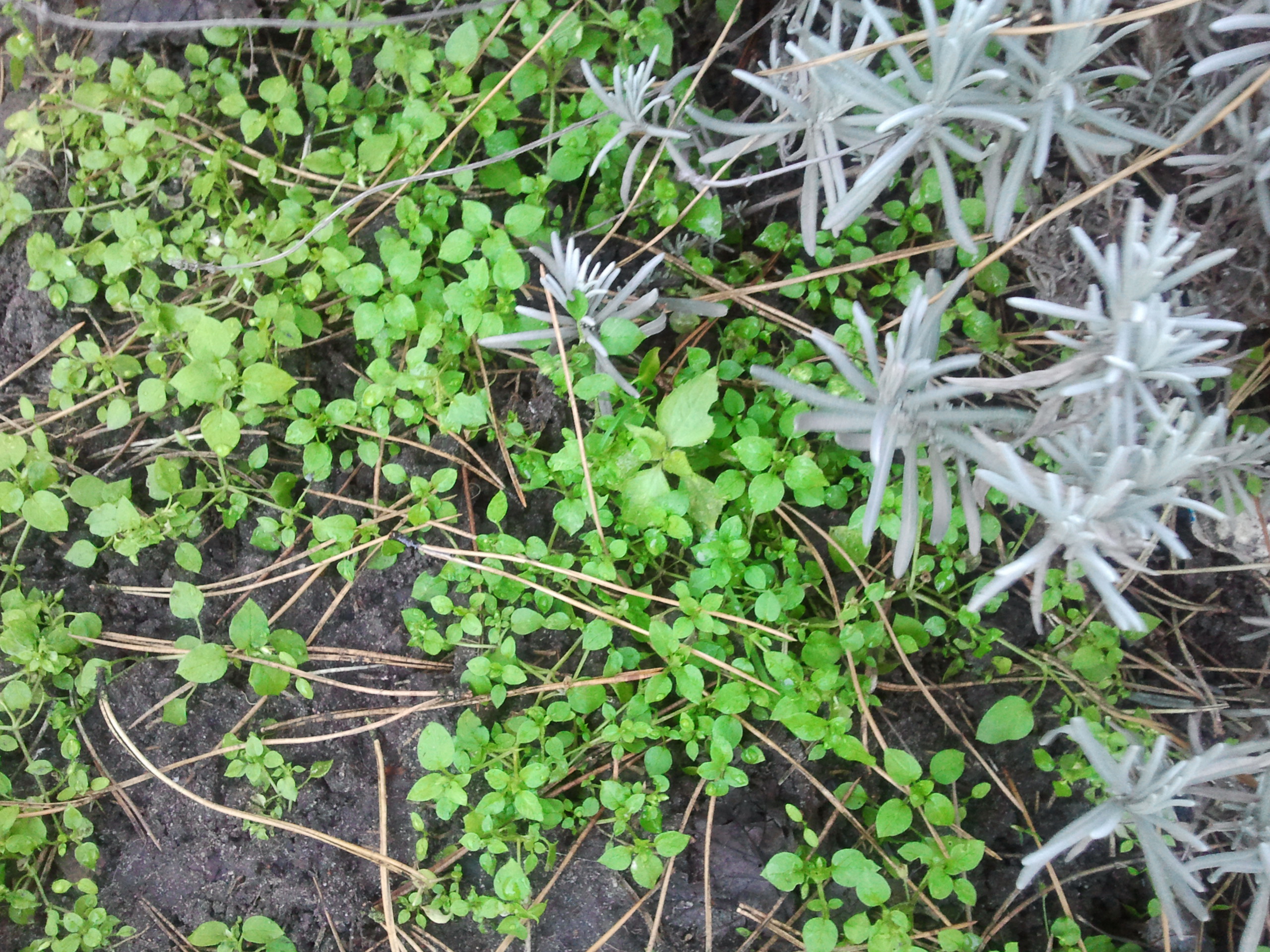
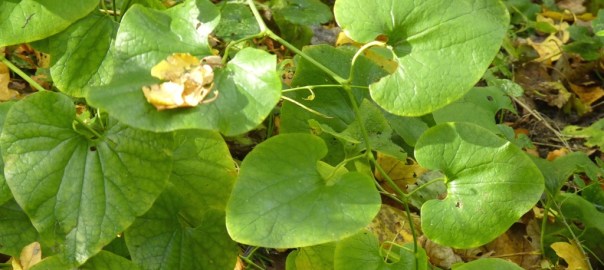
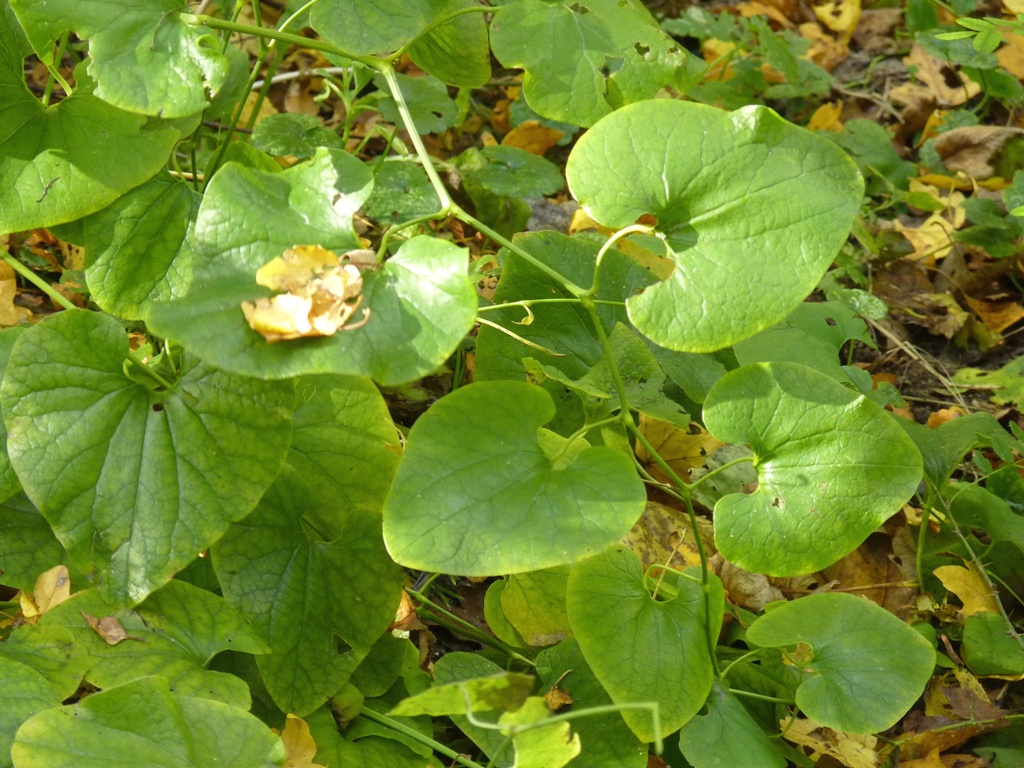
One herb photo today – Chickweed (Stellaria media), taken in a tree pit of Lavender around a Pine tree, in Christian Huygensplein. Chickweed is a delicious peppery salad plant that is full of nutrients which can help us through the winter and can soothe skin which suffers from heated complaints (such as some forms of eczema). Chickweed is
powerful against itching and cysts. It makes a good juice, tea, straight raw or cooked food and is very useful in ointments.

Respectfully grab a handful when you see it invading a clean spot, give it a good wash, gently shake it dry and use as you wish! One super use if to infuse it in apple cider vinegar, perhaps along with Mugwort (Artemisia vulgaris).

This little beauty of the herb world will be around through the depths of the Dutch winter, even if under snow, and is only really absent from the reach of urban foragers in the fight of summer, when it dries out and sets seed.

Look for the minute line of hairs down one single edge of the stem and the tiny white star like flowers.

Here’s a link to some historical uses and a link to a Susun weed post about this wonderful herb.

Eat Ginkgo Nuts from City Streets

image

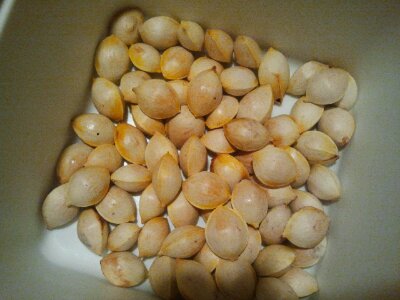
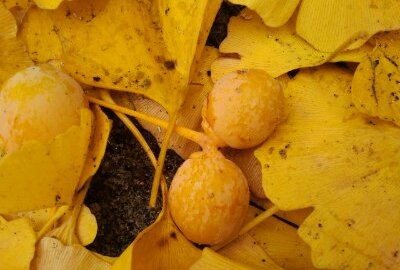
Today I prepared the Ginkgo nuts which I harvested from Albrecht Durerstraat, in Amsterdam Oud Zuid, yesterday. They taste great and the three of us are showing no ill effects from eating them this evening! To prepare Ginkgo nuts, a few methods may be employed. All involve removing the toxic apricot coloured flesh (sarcotesta) from around the precious nut, without harming yourself. The sarcotesta contains the irritant found in poison ivy so wear rubber gloves and be very very careful and if your skin or eyes do become irritated, seek prompt medical attention.

How to prepare freshly harvested Ginkgo nuts/fruits

1. Soak your gingko fruit harvest in a bowl of cold water, away from animals, children or prying hands. An hour our two is sufficient to fully hydrate the flesh, making it very easy to remove.

image

2. Wearing thick rubber gloves, simply rub the flesh off the nuts, into the soak water. Rub them off under the water, to avoid them squirting into eyes or surfaces where the toxic juice may go unnoticed. As each nut is exposed, place it in a small bowl. 3. Strain the water away, compost or bin the flesh. Rinse your sink drain well after this as the flesh starts to stink of apricoty vomit as it rots down. 4. Give the almost clean nuts another rinse in clean cold water, to remove almost all of the flesh (this is very quick and simple). Drain them and leave in the small bowl.

image

5. Spread the cleaned, wet nuts on a baking tray and place in an oven, preheated to 80°C (to dry off and store then – remove from oven when the surface is totally dry) or to 180°C (to roast)

image

6. To roast at 180°C in an oven (or in a small sturdy frying pan) simply leave them in the heat, toss them around once or twice and remove when the outside of the nut shells looks just toasted in places. Test one. 7. When cracked open and the inner skin peeled off, a ginkgo nut should be like a very firm jelly but not rock solid, the colour should be a beautiful translucent green. Mine took about 15 minutes in the oven to reach this point today.

image

365 Frankendael day 194

image

Today a photo of a pretty herb meadow, deliberately grown in the grassland beside Hugo de Vreislaan. As you can see, many of the plants are still in flower and many have gone to seed. At the front of the photo is Calendula in flower and seed, beside Shepherds purse in seed. Such useful and easily grown herbs.

Calendula is particularly useful as an edible plant which makes an interesting bitter addition to casseroles and salads. It’s very easy to make an infused oil from the flowers and they can also be dried or preserved for later use.

Ginkgo Harvesting in Amsterdam

image

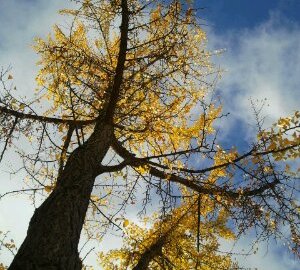
For some years, each autumn, I have trudged through putrifying Ginkgo fruits, fallen amongst fossilesque golden Ginkgo leaves, on Albrecht Durerstraat in Oud Zuid, Amsterdam. It is where I work and is a street that the local council chose to line with this amazing tree herb, many moons ago.

Ginkgo biloba is a fascinating plant. Often known as the Maidenhair tree or the living fossil tree, it is incredibly resilient to damage and pollution and is well suited to the urban environment. It has been long revered by traditional Chinese and Japanese medicine and apparently has many uses, particularly for the circulatory system.  This is apparently the most adulterated herbal extract that people buy. Most people seem to take the extract to improve their circulation, for cold hands and feet for instance and to boost their memory. Be aware that there is much conflicting evidence about the effectiveness of Ginkgo for memory loss and demetia. As ever, treat all claims with caution and if trying something new, be very cautious. Here’s a summary of the current research.

image

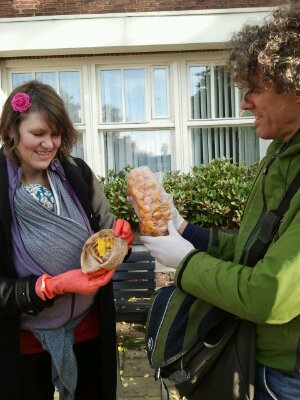
This lunchtime I was joined by 5 adults and two snuggly wrapped babies, to harvest some Ginkgo nuts which have dropped onto parked cars and the pavement.  The flesh (sarcotesta) around the nuts is HIGHLY TOXIC, containing the same chemical as poison ivy. Anyone wishing to harvest, should avoid touching it.  The chemical causes a very serious skin reaction and requires prompt hospital treatment.  Likewise, because Ginkgo acts as an anticoagulant, if you are already taking drugs which act to “thin the blood”, you should avoid the herb and consult your doctor for advice, if you really think it could be of benefit to you.   If you are allergic to aspirin or nuts, this is also a herb to avoid.

Please follow the instructions in this link if you want to know how to prepare the nuts. Note the rubber gloves and photo of blistered eyes, on that website!

By removing these smelly fruits from the pavement we are sparing the local residents from some nasal pollution and are harnessing an urban resource that people in some other countries would be very envious of.

image

So if you want to join me and a few others on Friday at 12:35 or on Tuesday at 12:45, please come equipt with a pair of rubber gloves, a couple of sturdy plastic bags and perhaps a spoon or chopsticks, to pick up the fruit.  Much of the current harvest has already been swept into the gutter but this is still fair game for the well prepared forager! We’ll be meeting outside of the AKO newsagent, on the corner of Beethovenstraat and Gerrit van der Veenstraat (trams 24 & 5). I’ll be wearing my yellow raincoat and rubber gloves 🙂

A Witch’s Dozen – 365 day 192

Thank you to everyone who braved the autumnal weather and joined me this evening for the Witch’s Dozen herb walk through the woods of Park Frankendael and the gathering afterwards in Merkelbach. Ten weatherproof women and two mini foragers, joined me for a seasonal walk through the woods as day turned to dusk then night. Merkelbach was a lovely place to end the full moon day.

Here’s my photo of the day, a little shaky and wet after the Witch’s dozen walk. I hope it gives the idea anyway.
image

Flying ointment recipes were mentioned. I found many different recipes whilst researching for the walk but the one written here, seemed the best without being full of plants which we all know are highly toxic. Traditional recipes seem to have included herbs such as belladonna, datura, mandrake, opium poppy, water hemlock, monkshood, foxglove, Balm of Giliad (balsam of poplar trees), calamus root, cannabis, clary sage, dittany of Crete, mugwort, tansy, wormwood, and yarrow.

If you’d like to seriously look into the magical tradition of flying then perhaps take a look at this blog entry by The Witch of Forest Grove. It is nicely detailed.

I’m not one for the seriously toxic ingredients so kept hunting until I found the following recipe. It was posted on the wisewomanforum by a woman called Lady Belladonna in 2004 and she seemed to have had fun with it. All the ingredients grow locally although vervain probably resides indoors at this time of year in Amsterdam. I can’t recall where she said that she got the recipe from or if she concocted it herself, so I’m calling it…

Lady Belladonna’s Flying Ointment

1/4 cup grated beeswax
1/4 cup olive oil
1/4 tsp. of each of the following herbs, dried:
cinquefoil
vervain
mugwort
thistle
1 tsp ash (recipe called for chimney soot – LB used her own mix of ash from a marijuana joint mixed with a dried leaf of Diviner’s Sage – “more fun getting this together than cleaning out a chimney!”)
1/2 tsp of benzoin powder
1/2 tsp of clove oil

Combine the beeswax and olive oil in a double boiler and melt over low heat. Finely powder the herbs in your mortar and pestle. When beeswax and oil is melted, add in the herbs, benzoin and clove oil. Stir clockwise, empowering with your intent or saying whatever charm or spell you wish. LB also added a couple drops of sandalwood oil for the fragrance. Simmer gently for about 10 minutes, strain through cheesecloth into a heatproof jar, and let cool.
Apply and Fly!