Category Archives: Herbs

UrbanHerbology Plant & Seed Swap – Wednesday 20th April

It’s time for the first Urban Herbology Plant & Seed swap!

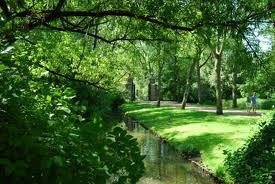
Where: Sarphati Park, Amsterdam.  Meeting by the Sarphati monument.

When: 11:00, Wednesday 20th April – we’ll be there for about an hour. When the swaps are done we’ll walk over to the park’s own swap centre, near the children’s playground, to have a look at what’s on offer there and then eat some lunch.

This is for: Urban Herbies who would like to make space on their balconies/windowsills/roof terraces for some different herbs.  And those who have nothing to swap but want to bulk up their plant stocks. And for those who just want to come along and say hello!

Please bring along: Herbs. Healthy herb plants or viable herb seeds which you would like to swap or give away*.  Herb plants should be in some sort of pot with enough soil and roots to support them.  Ideally they should be labelled in some way.  Herb seeds should be in a labelled dry paper packet such as a small sealed envelope or tightly folded paper.
I’ll probably stay there for lunch so if you like, bring some sandwiches…

Please don’t bring along: Anything toxic, illegal, unhealthy, non-herb, unknown or dug up from the wild.

*I suggest a small charge of €0.50 per pot/seed packet as an alternative to swapping.  Let’s try to do direct swaps between individuals but if this doesn’t suit then the €0.50 should help to make things fair.  Any better ideas are very welcome and in future, if the event becomes popular, I’ll organise a simple registration and voucher system.

I think I shall bring along some baby Aloe vera plants, some yarrow, mint and maybe strawberries and Lady’s mantle.  Lots of other things could do with thinning out in my pots so if you are coming along and want something in particular please let me know.

Cleavers Juice (Galium aparine, NL:Kleefkruid)

I while ago I posted about the benefits of Cleavers and how to use the herb, including how to extract the juice using a cloth.  Here’s a slightly high tech (and faster) method which I used this afternoon…

Firstly, please remember the foraging/picking rules and only harvest and use if you are 100% confident you have correctly identified the plant. Woodruff (Galium odoratum) looks like Cleavers but is tougher and grows low on the ground (it doesn’t climb). It can be used to infuse foods with a vanilla-type flavour. Beware of Madder (Rubia tinctorum) which looks more like Sweet Woodruff than Cleavers, but sometimes gets confused. That is used for dying fibres and should not be eaten. Here’s a useful post about the tiny seedlings of Cleavers (in January)

(12/1/25 – Today’s walkers – It was so lovely to meet you! I hope you find Cleavers – We didn’t see the little seedlings today but soon you will notice them, then the plants will grow up and tall. Let me know how you get on with your foraging 🙂

  1. Wash and drain a good handful of freshly picked cleavers
  2. Remove any unhealthy looking stems, rooty/yellowy ends, grass, other material etc
  3. If the cleavers seem very wet from washing perhaps blot dry with a clean tea towel.
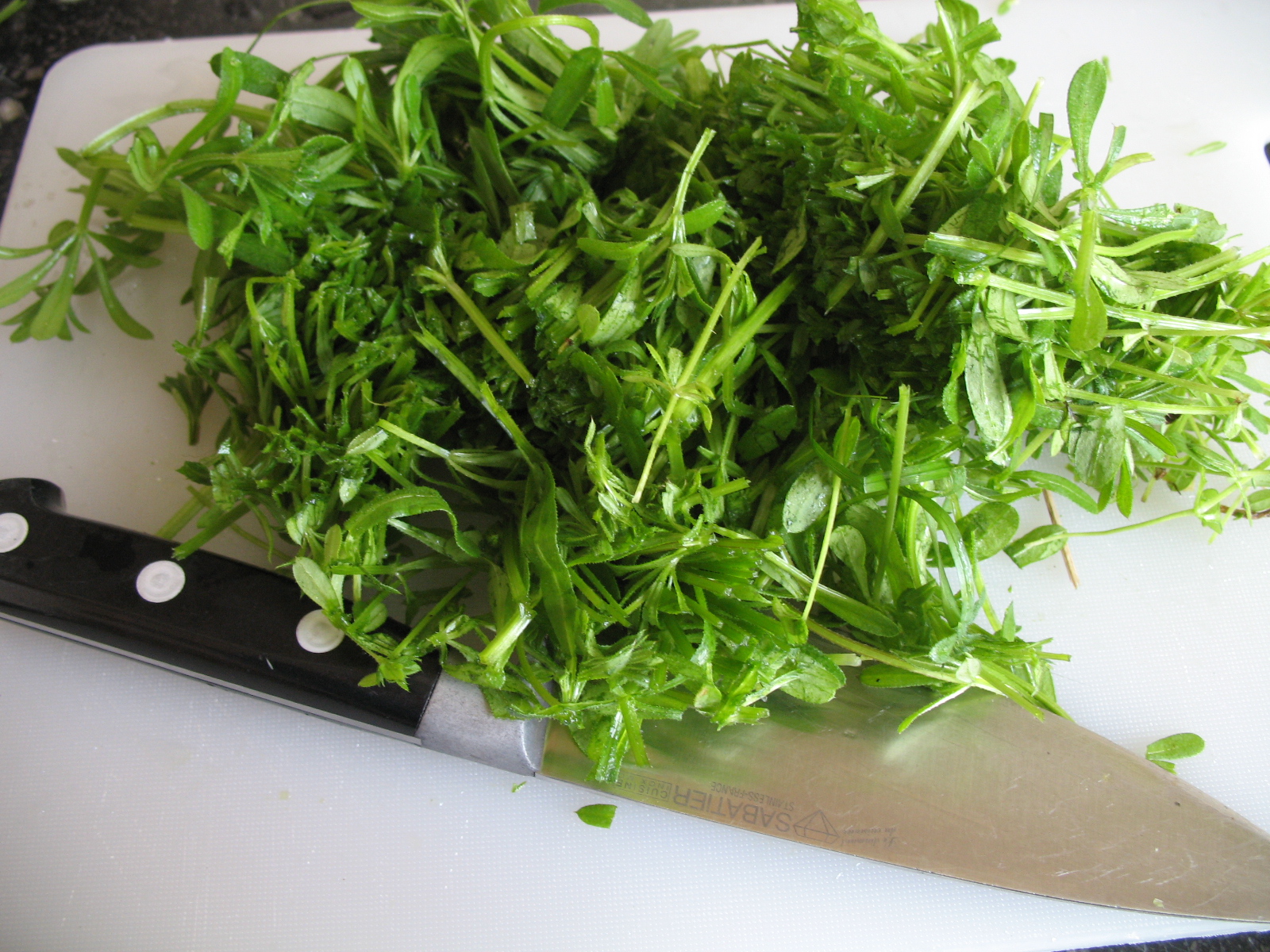
  4. Roughly chop the stems.
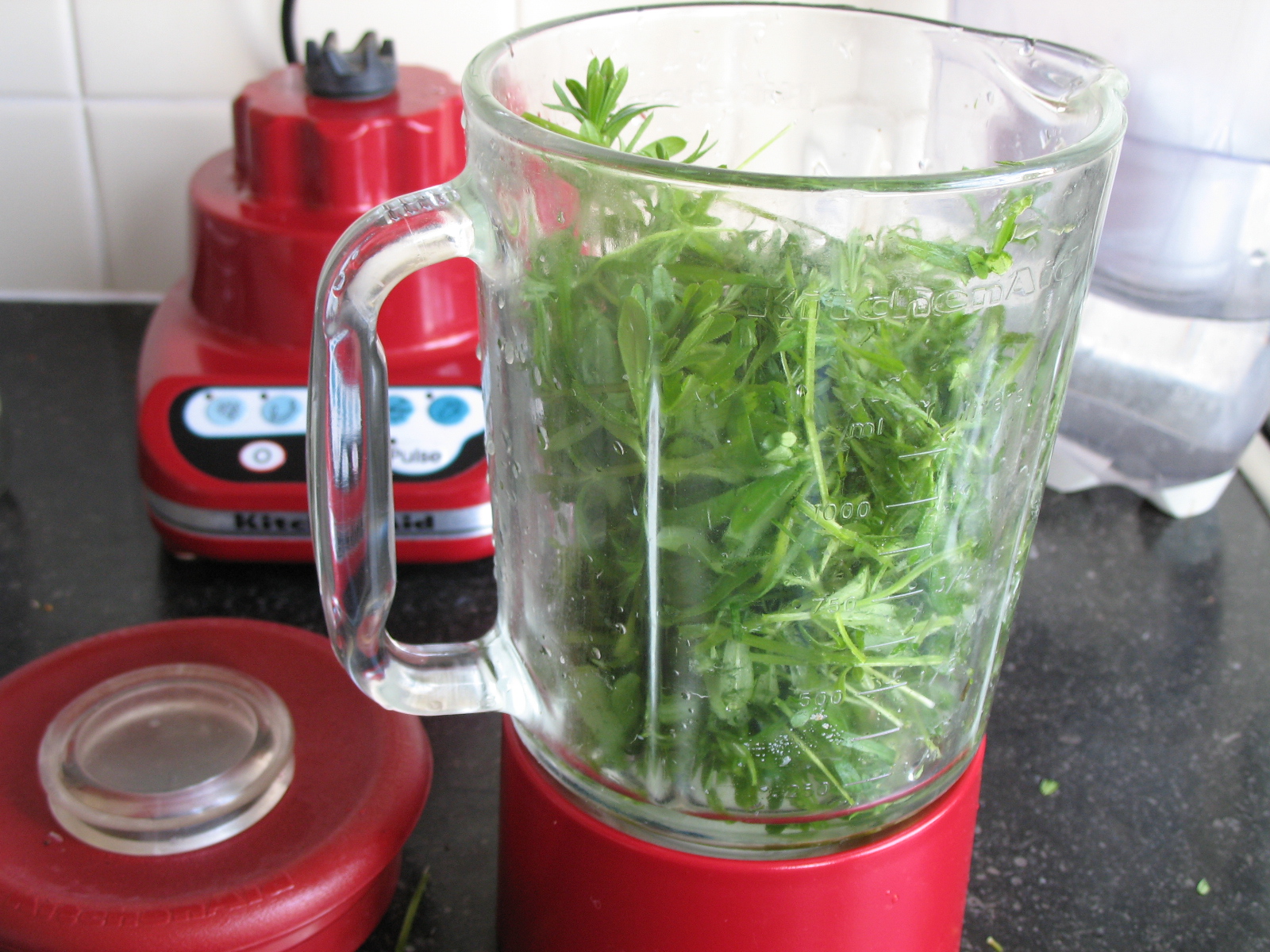
  5. Add a little clean water to the blender, perhaps enough to half cover the blades.  This is just to prevent clogging. Then add the cleavers.
  6. Blend use the chopping setting, or pulse on full power, until it seems to be nicely pulverised.
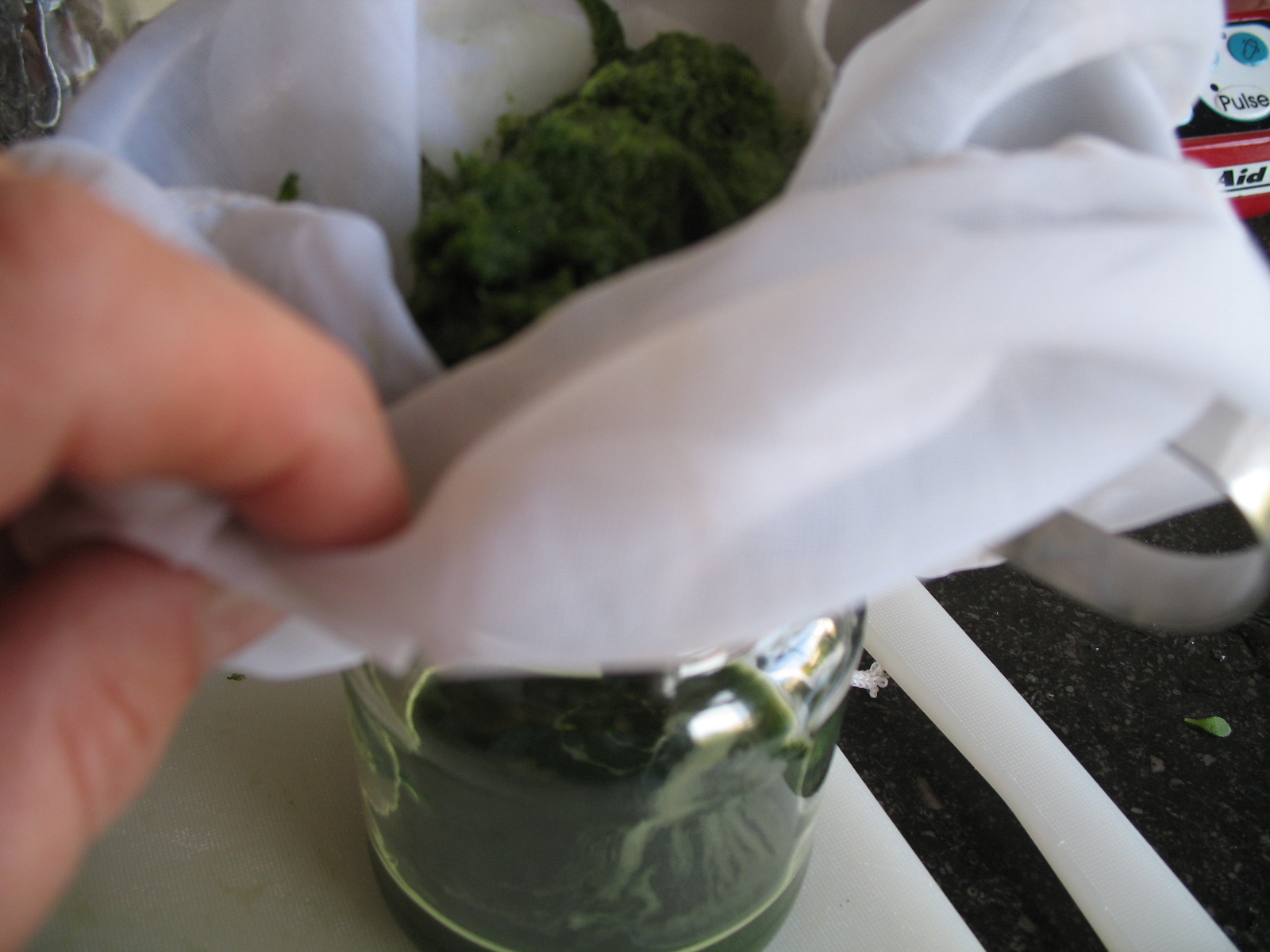
  7. Strain through a jelly bag, muslin or clean tea towel, into your collection jar.  I also used a funnel to make collection easier but this is optional.
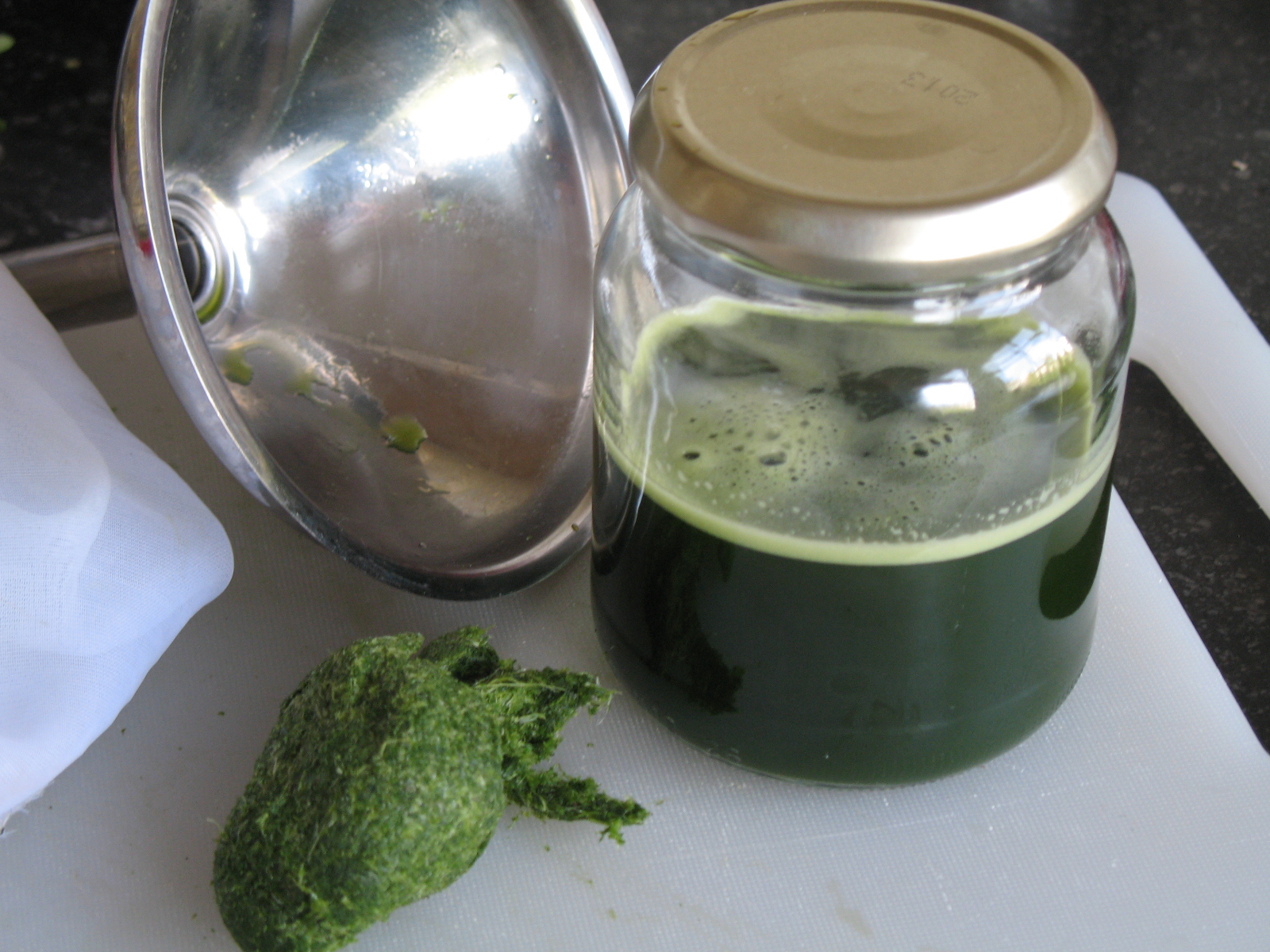
  8. The juice should run out quickly.
  9. Finally wring out any remaining juice through the jelly bag/muslin/tea towel
  10. Compost or return to the earth, the remaining pulp. This afternoon I used it to help mulch a balcony herb pot.
  11. Store the juice refrigerated in an air tight, sterile container. Remember to label the jar and lid clearly.  It should keep in a fridge for a few days but if you notice anything unusual, such as discoloration, changed smell or taste then pour it onto soil and start again.
  12. Please read the post about benefits and directions for using cleavers.
  13. Generally the dose for cleavers juice is 1tsp up to three times daily as a tonic.
  14. Start with a very small amount when you try something new and if you notice any negative reaction then stop using and water your plants with it. That said, this is generally thought of as a safe, nourishing and cleansing tonic which has been used in many countries, as a folk remedy for many many years.
  15. A handful of cleavers yielded about 200ml of juice today.  I plant to freeze some in an ice cube tray this evening as 200ml is more than enough for me to use as a tonic over the coming days.

Nettle Pasta – Strettine (Urtica dioica, NL: Brandnetel)

I love nettles and I love making fresh pasta. Here’s a little information about nettle and a great recipe which combines the two.

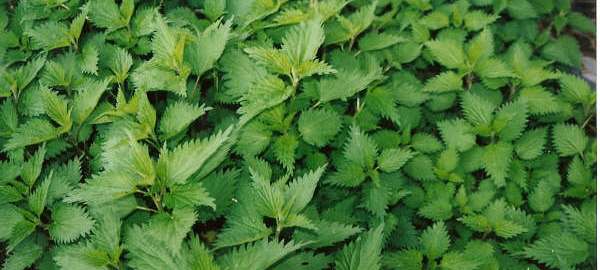
It is best to make use of stinging nettles (Urtica dioica) when they are young (in late March and early April – before they start to flower). I prefer to use them in strong overnight infusions, as a leafy veg in cooking and as a hair rinse.  The resilient perennial Urtica dioica is sure to be found fresh somewhere near you and dried nettle is quite easy to find from herbal suppliers.  It grows well in nitrogen rich soil, is present above ground almost year round but to avoid woodiness only harvest until it comes into flower.

This herb is packed with vitamins and minerals, is extremely nourishing and energises the body and mind. Taken regularly it can build strength in many ways.  I’ll post lots more about nettle in future but for now here’s a link to an informative post by Susun Weed about nettle and how to make effective, strong nettle infusions from dried herb. There are a many recipes available which include nettle, in my experience many are quite bland. However many traditional Italian recipes feature nettle and taste very good.  Here is a simple, tastey combination of pasta and nettle.  Stinging nettle tops are ripe for the picking at the moment, so it’s a great time to try this recipe.

Strettine – Nettle Pasta
120ml nettle purée
360g Italian tipo 00 flour
2 eggs
good pinch of salt
good pinch of black pepper

  1. Make nettle purée as follows: Harvest about 200g of healthy nettle tops, clean them before adding to a pan of boiling water. Boil rapidly for 2 minutes. Strain and place the wet, cooked nettles into a clean muslin, jelly bag or tea towel. Wring out until the nettles become quite dry. Blend the nettle in a food processor until smooth. You need about 120ml of nettle puree for this pasta, freeze the remainder for later use.
  2. Seive the flour onto a pastry board or clean worktop.
  3. Mix the nettle puree, salt and black pepper into the flour.
  4. Form a well in the centre of the nettle-flour mix and break the eggs into this well.
  5. Use a fork to lightly break up the eggs in the well and use it to start working the nettle-flour into the eggs.
  6. Use your hands to work the rest of the nttle-flour in with the eggs.
  7. When all is basically combined, knead the dough with your hands to form a smooth pliable ball.
  8. Wrap with a clean cloth or clingfilm and place in refrigerator to rest, for about 30 minutes.
  9. Now the pasta dough is ready to roll and cut.  Divide the dough into three roughly equal pieces and pass through the rollers of a lightly-floured pasta machine. Work through the machine several times until until you have obtained a smooth and elastic sheet, at least through roller setting number 3.
  10. Pass the rolled sheet of pasta through the tagliatelle cutting blades.
  11. Dry the taglietelle a little by spreading it out on a clean cloth or a pasta drying stand. Allow to dry at room temperature for about 15 minutes.
  12. Cook in salted boiling water for 2-4 minutes, until al dente.
  13. Strain and serve.

Tapping Birch Blood (Betula spp., NL: Berk)

This afternoon I was privileged to collect and drink sap from a mature birch tree in a friend’s Amsterdam garden.   Today’s tapping was something of an experiment, the process went quite smoothly and we managed to collect about 75ml of Birch Sap (Birch Blood) in about 20 minutes.  I shall certainly be trying it again on other trees, hopefully this spring.

[If you would like to learn more about this in practice, check out my blended learning apprenticeship course.]

Allergic to apples = allergic to Birch
It seems that those with an allergy to apples are very likely to be allergic to Birch sap and thus should avoid it.

Benefits of drinking Birch blood
Birch blood or sap is a weak solution of nutrients which were stored in the roots over winter and are pumped up through the trunk and branches in spring, for the tree to use in new growth.  The sap is drawn upwards through a system of vascular cells, from roots to crown by osmotic pressure. It is mainly water and contains some vitamins (mainly C), minerals (mainly potassium, calcium, magnesium and zinc), amino acids, fructose, glucose and other fruit sugars.  It is clear (not blood red), has a slightly soapy appearance when shaken and has a refreshing watery taste with a hint of birch aroma, a little sweetness and perhaps little bitterness in the aftertaste.  Some say it can taste slightly of Wintergreen, I’m not sure I could taste that today but there was certainly more to it than water.  Sugar content in Birch blood peaks in the middle if the tapping season.

Across cultures, there are a great many health claims associated with drinking Birch sap.  It is said by many to be an excellent spring tonic, to help prevent scurvy and rickets, to help relieve rheumatoid arthritis and gout symptoms, to ease symptoms of multiple sclerosis, to accelerate the metabolism, to help with diabetes myelitis, to help kidney disorders and to cure birch pollen allergy symptoms.  That’s quite a reputation to live up to!

I recommend Hedgerow Medicine by Julie & Matthew Bruton-Seal for further information about the virtues of Birch.

Which birch trees and when?
Sap should only be collected from healthy birch trees, with a base trunk diameter of at least 25cm.  The owner’s permission should be obtained before attempting to collect any sap and care should be taken to prevent further damage to the tree during and after tapping.  If drilling a hole, use a very clean drill bit and insert very clean collection materials.

If you can reach the branch tips of a birch tree in spring, you could break off the tip of a twig and watch for dripping sap.  If it happens quickly, this is a good sign that the sap is flowing well and that it may be possible to collect from the trunk.  Spring time, before the leaves form, is the best time to collect birch sap.  Some say that the best time to collect is when the nights are cold (below zero) and the days are warm.  The tapping season varies depending upon climatic region but it generally only lasts for a month or so.

Some say the same tree can be tapped yearly, others say no more than once every three years.  Be cautious and look after the tree.  One tree can be tapped continuously through one season (change the collection vessel regularly of course).

How to tap Birch Blood
(I used a cordless drill (thank you Herman!), part of an old but tidy metal olive oil spout, 1 meter of aquarium tubing from my local pet shop (cost 1€) or find it here on Amazon, used plastic baby milk bottles for sap collection and an old plastic tub to stop the baby bottle falling over).

  1. You must get the permission of the land owner first.
  2. The tree must have a trunk diameter of at least 25 cm and must be healthy and strong.
  3. Ask permission mentally or audibly of the tree itself.  If you are inclined as I am, then discretely make an offering of something precious to you and natural, to the roots of the tree.  You are taking some of it’s life force so be respectful, careful and only take what you need.
  4. Between 50cm and 1 meter up the trunk, drill a 1 inch deep hole through the bark, at a slight upward angle (about 30 degrees) with a very clean drill bit (about 6mm diameter bit).
  5. The sap will immediately or very soon start to flow out of the hole.
  6. Insert sterile, sturdy but flexible tubing (about 1 meter long), of the same diameter as the hole (this will be a little bigger than the bit size) into the hole.  Like me, you may like to insert a graduated metal tube into the hole to ensure a good seal and then fit flexible tubing over that short tube.
    N.B. Tubing and collection vessels can be sterilised in various ways; I choose to clean them well in slightly soapy water, then boil in clean water for about 10 minutes, then dry on a clean muslin or tea towel..
  7. Insert the flexible tubing into a sterile collection vessel such as a plastic drink bottle.
  8. Collect as much sap as required or possible in the time you have available.  If leaving the tapping unattended make sure to cover the collection vessel well (plastic bag and elastic band?) so that insects etc. won’t climb in.
  9. Seal the collection vessel and use the sap immediately or refrigerate or freeze.
  10. Carefully remove the tubing and or metal spout from the hole. See the following section about sealing or not sealing the wound.
  11. Clean your tubing, dry it and store for future use.

To seal or not to seal?
There are differing opinions about whether the hole should be plugged or not after tapping.  Some say the tree should be left with an open hole as it will seal it and heal itself best this way.  Recent research on Maples in Canada, suggests this is the best method.  Others warn against leaving the tree to literally bleed to death with an open wound.  Today we plugged the hole as best we could with a twig of the same diameter as the drilled hole.  It worked fairly well and stemmed most of the flow.  Beeswax is suggested by some as another way to seal the hole, I have not yet tried that.  Others suggest inserting a cork, I tried this before the twig today and it was ineffective; the cork had to be whittled to fit and then became too pliable and weak.

It felt better to seal the hole today, I didn’t like to leave all that beautiful sap running down the trunk, although as the weather is not too warm at present and any seepage from the wound runs down the trunk towards the roots, I can’t really imagine that the loss of sap would cause too many problems for a healthy tree.

An easier way to collect a little sap
Simply cut off the ends of some birch twigs or branches and point the cut ends into a bucket or ease them downwards into a bottle.  Sap will soon start to drip out of the cut ends.

Storing and using the sap
Birch sap should be consumed quickly and stored at refrigerator temperature.  The sap can apparently be frozen for some time.  Birch sap can be made into a delicious wine, be boiled down to make a syrup – rather like maple syrup and can be drunk fresh. I have also heard that some chefs like to make Birch vinegar from the sap.


Cleavers (Galium aparine, NL:Kleefkruid)

Cleavers (Galium aparine)
I remember having a lot of fun with cleavers or “sticky weed” as a child.  This is a wonderful sticky, annual plant that often grows wild and prolifically against fences, in hedgerows, crop fields, and beneath trees.  I know I was not the only child who delighted every time I found a patch of sticky weed, throwing it at my friends to see it stick to their clothes and hair.  If I had known then about how useful it is as a cleansing herb, I may have been more careful with it – or maybe not!

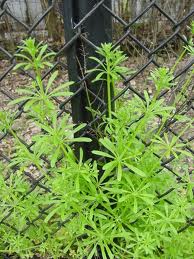
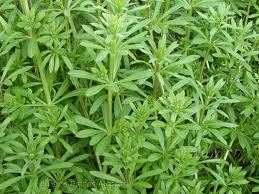
The leaves of Galium aparine grow in whorls of 4 – 8 around its stem, which can grow to 2 metres long.  The plant’s sticky nature comes from tiny hooked hairs growing out from the leaves and ridges of the stems.  It produces tiny greenish white flowers from May to October.  Seeds are set in small sticky hairy burrs and can remain viable in soil for up to 7 years.  The sticky hairs enable Galium aparine to grow upwards by clinging to other plants and fences. They also assist in seed dispersal.

Cleavers are held in high esteem as a spring tonic.  The herb is said to promotes lymphatic flow, to be cooling, soothing and cleansing. It is best harvested when young and prolific from early February.  It can be added to salads, though the hairs give an interesting effect, or cooked in a little water as a leaf vegetable.

Sometimes confused with…
As ever, when harvesting from the wild you should use a good field guide, be aware of look-a-like plants and follow the picking rules which I have mentioned previously.  I think the most likely plant to be confused with Cleavers (Galium aparine)  is Sweet Woodruff (Galium odoratum).  Sweet Woodruff is also a useful herb but unlike Cleavers it contains substances which can be poisonous in very large doses. Sweet Woodruff is darker green and has sticky hairs on its seeds, but the leaves tend to be smooth.  Sweet Woodruff is a perennial whereas Cleavers is an annual.

Cleavers juice – This is said to be the most potent way to consume cleavers. To make it all you need to do is to clean your harvested cleavers, chop it roughly and then squeeze out the juice through a jelly bag or clean tea towel.  The recommended dose is 1 teaspoon, 2 – 3 times daily as a tonic.

Cleavers tea – Again, clean your harvested cleavers then chop it.  Add 1-2 tsp of this per cup of boiled water.

Cleavers tincture – Harvest the top two thirds of plant when in flower or setting seed. Tincture in 100 proof vodka.  Dosage is 0.5ml – 1ml in water a few times daily when called for.

Cleavers has a folk reputation as a remover of lumps and bumps.  So enthusiastic were many claims that there has been some clinical research, in the hope that it could help reduce certain cancerous lumps.  However the results were not supportive of the traditional claims.

Cleavers is often used by herbalists for cystitis, swollen glands, swollen breasts, PMS, mild lymphedema, prostatitis and as a diuretic for a general spring clean.  Susun Weed reports that it can also be helpful in reducing allergic reactions.  Due to it’s gentle diuretic cleansing action, Galium aparine often also helps to ease some skin disorders such as psoriasis and eczema and gout.

Eostre Herbs in de Hortus Botanicus, Amsterdam

I have just been for a lovely walk in Flevopark and apart from masses of gorgeous Ramsons (NL: Daslook) there are not really enough wild herbs up to warrant an organised walk.  I am still really keen to gather a few Urban Herbologists together on Eostre (the spring Equinox, 20th March 2011) so a change of plan!

The new plan is to meet at the lily pond/herb garden area of de Hortus Botanicus, 11.00am on Sunday 20th March.  Any Urban Herbies who would like to join for a chat, a look at the herb garden and maybe a cup of tea in the Hortus cafe, are welcome.  The meetup.com link has been changed to reflect the new plan.  If you would like to see us there you will need to pay your own entrance to de Hortus.  I won’t be leading a walk this time and won’t be taking along any handouts.  That will have to wait until May Day.

I hope to see you there!

Eostre Herb Walk – Flevopark Amsterdam

There will be another Urban Herbology Wild Herb Walk on Sunday 20th March 2011 at 11:00.

This walk will be in Flevopark, Amsterdam, starting at the main gate. The plan is to take a relaxed look at which wild herbs are available at the moment, which will be ready soon and to share ideas about how to use them.  A simple recipe sheet will be provided and €3 will be asked of attendees to help me cover the costs of this blog. Places will be limited.  I previously set up a Meetup.com group, called Amsterdam Urban Herbologists so if you would like to attend you are invited to RSVP via http://www.meetup.com/Amsterdam-Urban-Herbologists/ as soon as possible.  You will need to create a log-in for that site, if you don’t already have one.  If it is too tricky and you would like to come along then please feel free to simply email me at lynn.shore@gmail.com or reply to this post.

I am really looking forward to seeing everyone on Eostre (the Vernal Equinox, when day and night are of equal length) and having a relaxed look at some of the herbs which are currently available in Flevopark.

Ramsons (Allium ursinum, NL:Daslook)

The woodland floor in Frankendael Park is carpeted with flowering snowdrops and the emerging leaves of Ramsons (wild garlic, Allium ursinum). I’m sure snowdrops have their uses but when you find them, Ramsons are an urban herb forager’s dream.  All parts of the plant are edible and very useful, though the leaves and flowers are all you should use.  The bulbs should be left alone and only pick a leaf or two from any plant.  They taste truly delicious – if you like the taste of garlic!  They taste best, by far, before the pretty white flowers open and can be eaten from early spring, when the first leaves emerge from the soil.

Ramsons have similar properties to Garlic but are milder in all respects.  They are also more tolerable to those you have difficulty digesting other members of the onions family.

  • Ramsons can be eaten raw or cooked and act as a gentle spring tonic.
  • They act as a gentle blood cleanser, stimulating the circulatory system and so benefiting the heart, memory, eye sight and skin.
  • They can be very helpful to those suffering from bowel problems, such as Crohn’s disease, IBS, colic, ulcerative colitis, flatulence, gas and bloating.  They have a mild cleansing and calming effect and are said to balance gut flora.
  • They have mild antibacterial and antifungal properties, making them useful as a poultice for boils and minor cuts.

Featured Image -- 15472

Until yesterday I had only eaten Ramsons as a spicy addition to salads and cheese sandwiches.  Michael & Elodie at de Hortus told me about Ramson pesto last week so, after a quick afternoon forage, Ramson pesto and home made pasta was on the menu at my home last night.

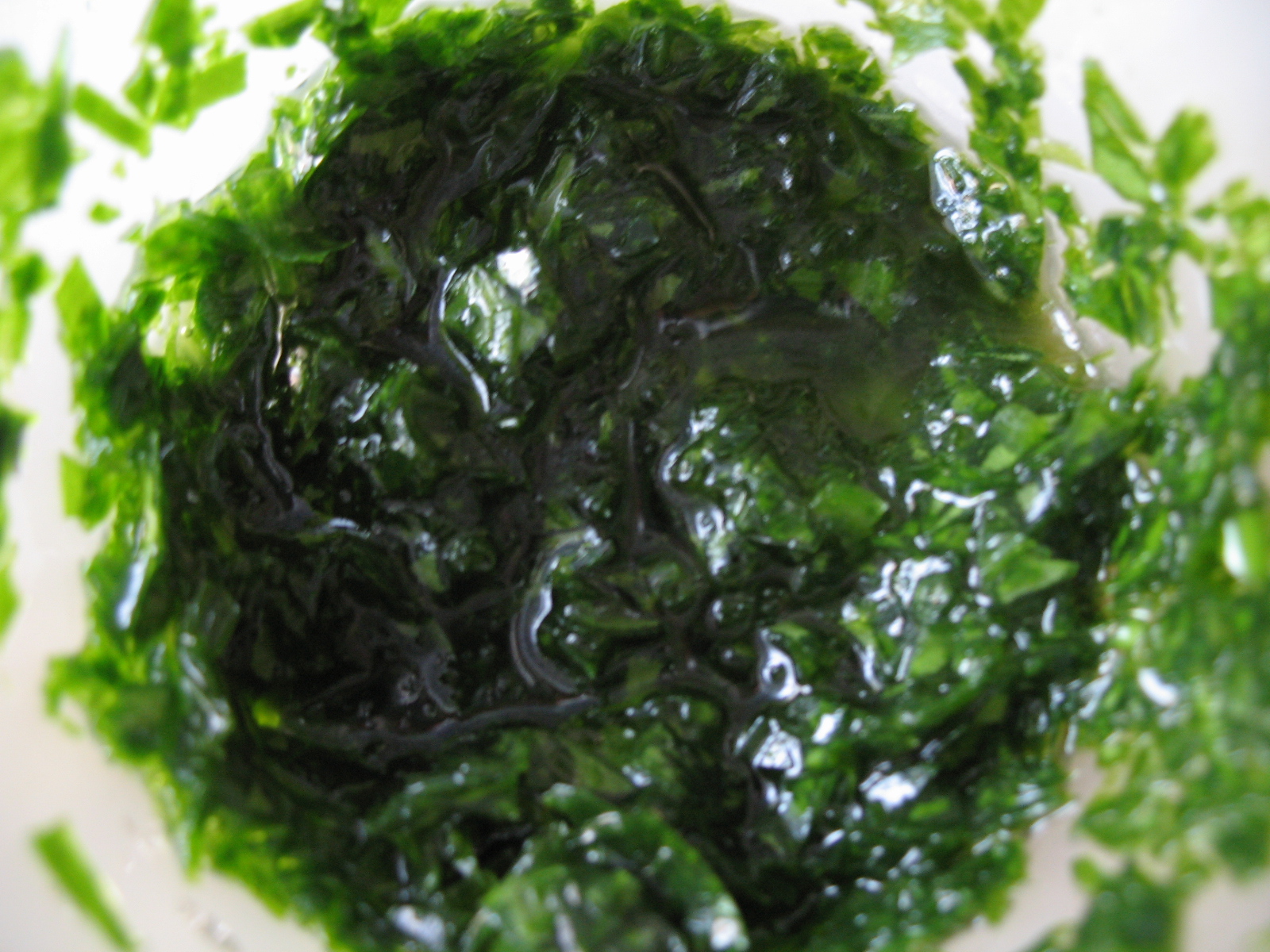
The recipes I found for Ramson pesto called for a heap of leaves; fine if you live in the country and have access to huge swathes of Ramsons but I don’t.  The Ramsons in city parks need to be shared by many and have more pressures to endure throughout the year.  So today I picked twelve leaves and made enough pesto for two people – it was delicious and as you an see, the intense colour is striking.

ramson-pesto-003

Urban Ramson Pesto
6 Ramson leaves per person
Olive oil
10 Pine nuts per person (optional)
Pecorino or firm goats cheese (optional)

  1. Gently but thoroughly wash the Ramson leaves. Pat them dry.
  2. Chop as finely as possible, using a sharp knife.
  3. Place chopped leaves in a small bowl and add enough olive oil to loosen them up and create a useful pesto type consistency.
  4. Add finely chopped pine nuts and grated cheese if you like.
  5. Use in salad dressings, as a pasta sauce and generally in cooking in place of garlic.

Uses for olive leaves?

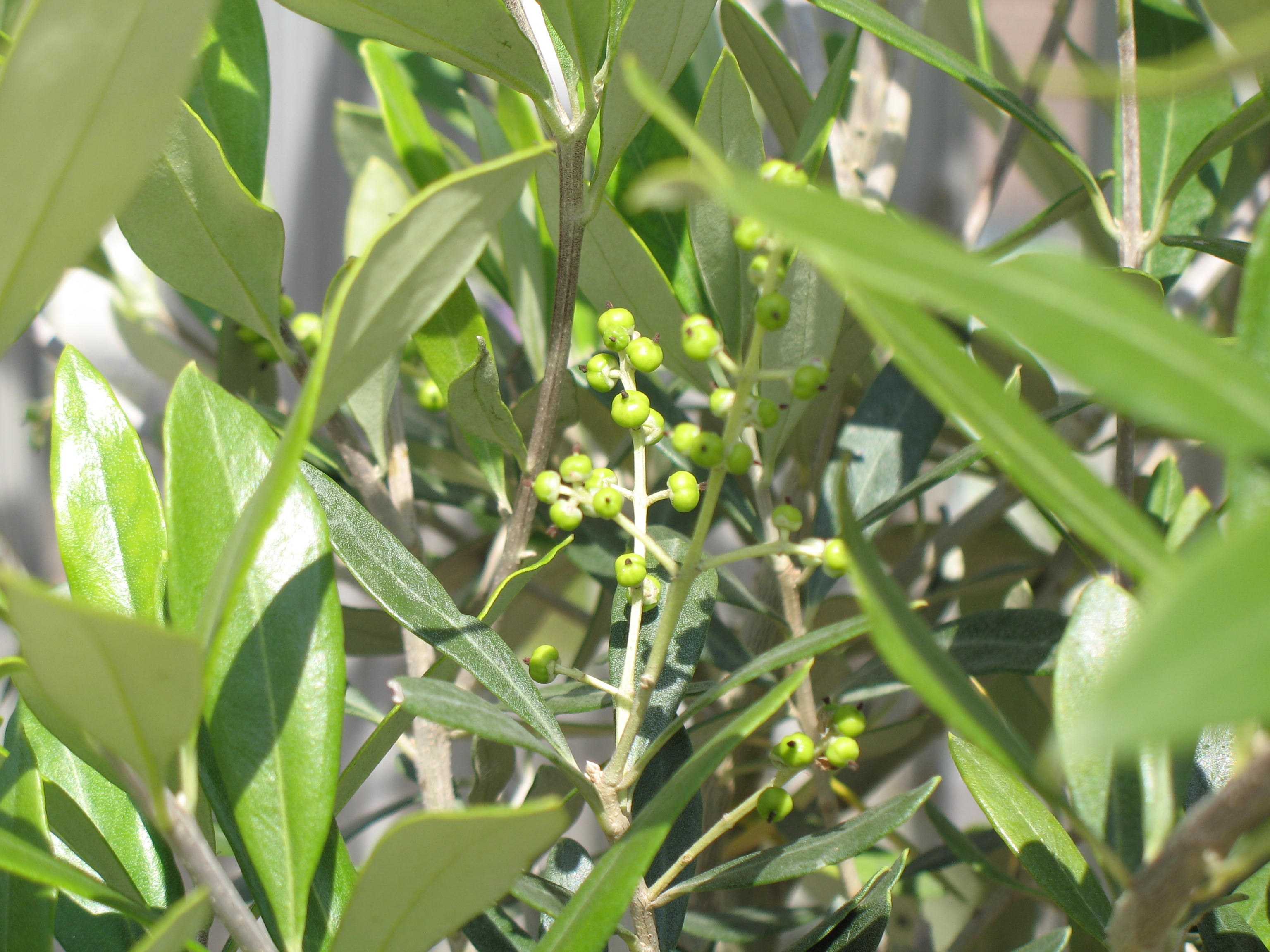
A little Olive tree is growing in a pot on our roof terrace and I would like to make some use of it.  It is about 5 years old, a couple of feet tall and very healthy.  My sister sent it as a living birthday present and it seems to enjoy life on the roof.  I have re-potted it a couple of times and pruned it lightly last year.  It last flowered in 2007 and the birds ate all but one of the resultant fruits before they grew to a decent size.  It has not flowered since but the little tree is now able to withstand being outside all winter so I feel confident that a little leaf harvesting, come late spring or summer, would not harm it.

It would be nice to get a little yield from the plant and as I’m unlikely to get many olives the leaves seem to be the best resource to use – but how?  Olive leaf extract sounds interesting but I wonder if anyone has tried making something useful on a very small scale?  Perhaps a tea?  I haven’t found anything in my herbal books and am very keen to hear from anyone with Olive leaf ideas.

Willow weaving, pruning (and vinegar making) this weekend

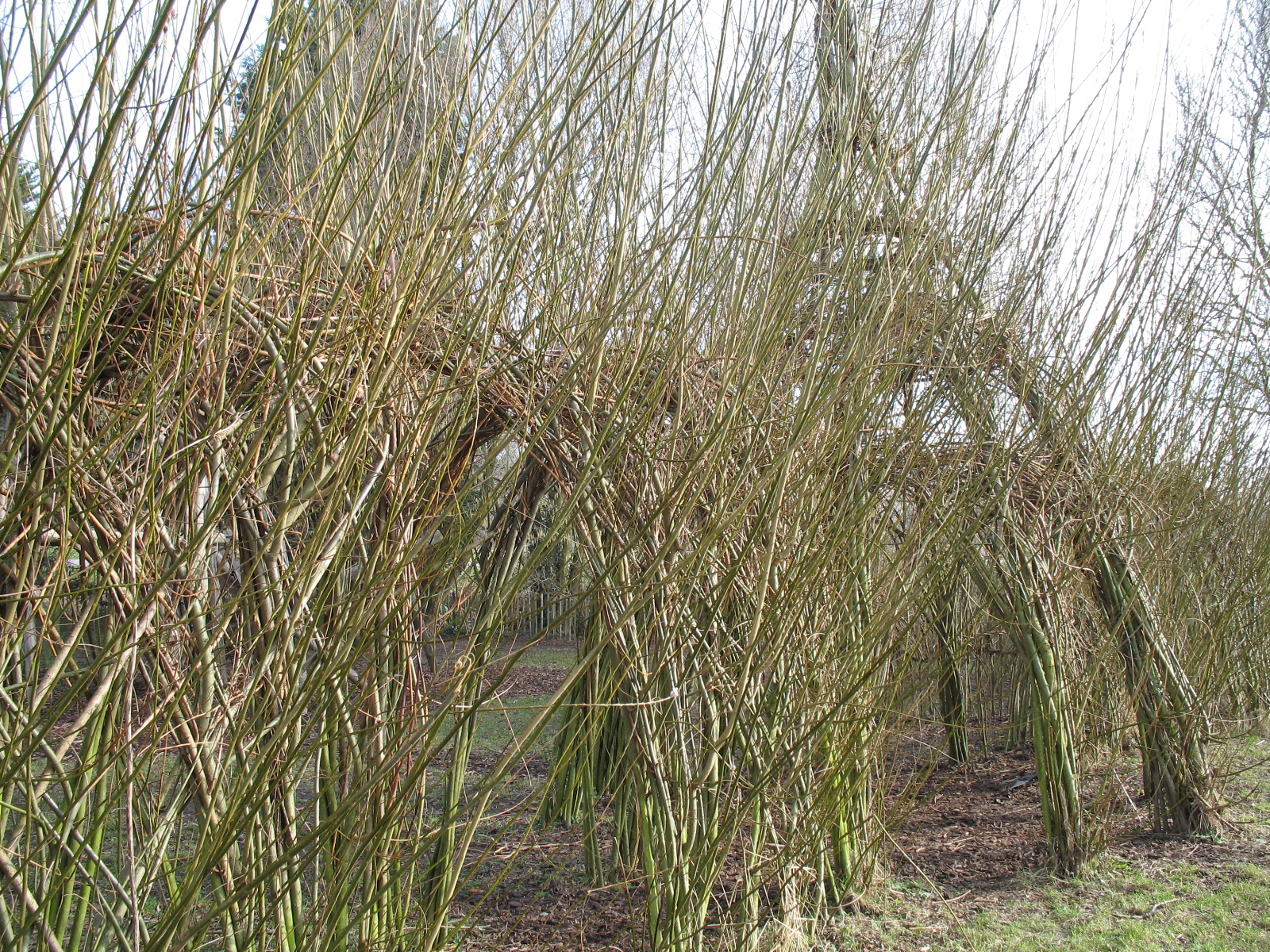
There is a lovely natural children’s play area in Frankendael Park, made from woven living willows.  As you can see, from the photo taken today, the willow structures have sent out lots of new growth and need some pruning and reweaving.

This Saturday, 19th February, at 10am locals interested in helping to tidy up the structures are invited to meet at the play area.  Warm drinks will be provided by the Friends of Frankendael.  This was posted in Het Parool newspaper yesterday.  I suggest that taking a pair of gardening gloves and secateurs would be useful.

Willow (Salix alba, S. fragilis, NL: Wilgen)
A wonderful pain reliever.

Willow bark contains salicin which is the active ingredient in aspirin, but unlike the isolated ingredient, Willow bark  doesn’t irritate the gut or thin the blood.  A country remedy I can vouch for is to chew the twigs of willow for headache relief.  I have found it works and it is also quite tasty!

Willow tincture or vinegar made in spring, can also be very effective. It can be taken for headaches, muscle pains & cramps, rheumatism, arthritis, period pain, colds, flu.  However Willow should not be used by those allergic to Asprin, pregnant or breastfeeding women.

  • Pack a sterile jam jar full of leaves and young twigs.
  • Cover completely with vodka or apple cider vinegar.
  • Seal the jar with a well fitting lid.
  • Leave for 4 – 6 weeks at room temperature
  • Strain and pour the tincture or vinegar into a sterile bottle
  • Label and store in a coolish dark place
  • Take a few drops of tincture in water or a teaspoonful of vinegar for mild pain relief.

.