Tag Archives: Daslook

Nettles – Urban Foraging Event

It is nettle time!
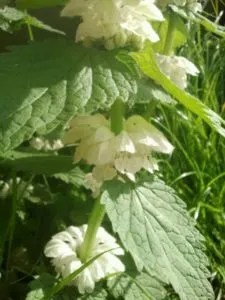
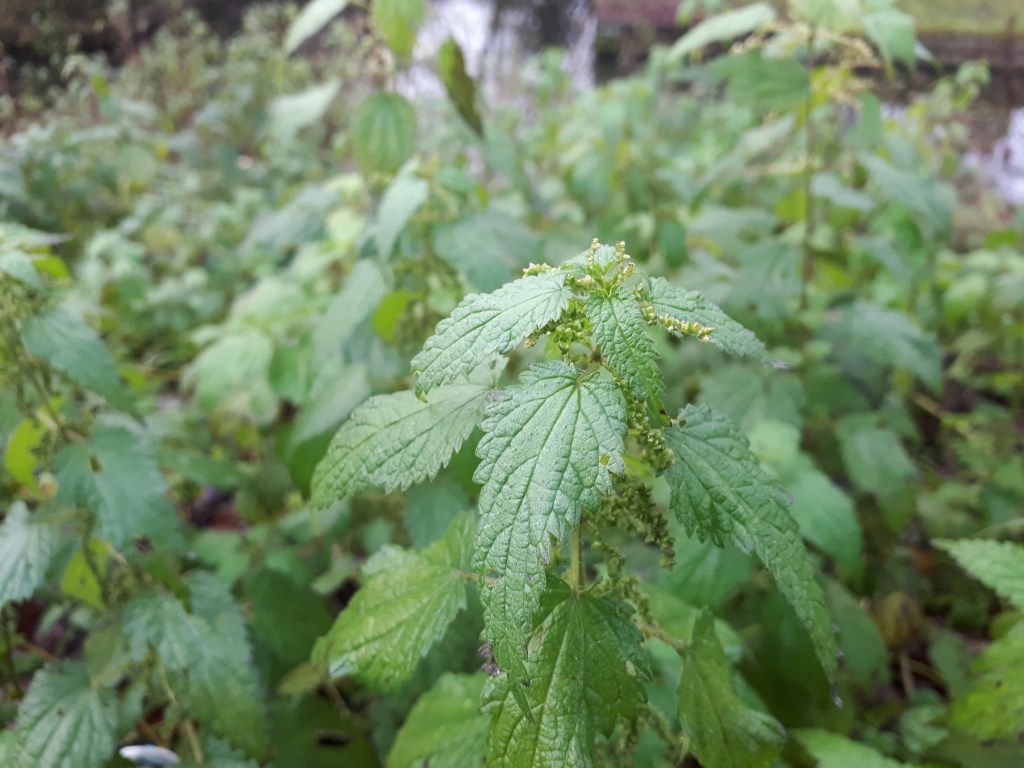
Learn how to identify, ethically harvest, craft, eat, grow, use and generally make the most of locally growing nettles, so Stinging nettles (Urtica species) and several Deadnettles (some of the Lamiaceae family), with Livvy de Graaf, assisted by Lynn Shore. Lynn is a professional foraging teacher (member Association of Foragers) and consulting herbalist. Livvy, is Dutch-British and has been harvesting and eating wild food for longer than she can remember. She is Lynn’s daughter and certainly knows her way around the woods and foraging orchards, where this event will take place. She looks forward to sharing some of her skills with you. The walk will be primarily in English.

Location
We will be working mainly in the River of Herbs foraging gardens, which Lynn has run for over 10 years, so unusually will be able to dig up some of the stinging nettle roots, to plant elsewhere or for you to cook/preserve/process at home.
Meeting at main entrance of Park Frankendael, closest to Middenweg 72, Amsterdam (Restaurant Merkelbach / Huize Frankendael).

Handout
Written info and recipes will be provided. You will learn about and try different preparations made from the focus plants (including a cup of tea). You will then be able to make your own potions/creations at home, using what we forage together and the handout.

The plants
Different “nettles” are up and forageable in Amsterdam all through the year, but at this time the Stinging nettles are growing strongly, and different Deadnettles begin to flower. This is the best time to start using them in simple remedies and to enrich food. As you learn about Stinging nettles and Deadnettles, you will also meet some other amazing wild herbs that are around at the same time. For instance, wild garlic is also in full growth at this time, so you will be able to dig some of those bulbs up, from legal places, if you want that and have uses for them.

Please bring along
cup/mug
paper bag (grocery small bag to take the harvest home)
pen/pencil to add to the notes.
hand trowel / handschep (we will have a few to share if you don’t have one).

Booking
€15 per person, paid in advance
Please email to reserve your place and receive the bank details for pre-payment. Your place is secured when your payment has been received.

Cancellation policy
100% refund if cancellation more than 24 hours before event start time. Cancellation after that time (so less than 24 hours before the start time) can only be refunded if we can fill your place with another person.

We are looking forward to meeting you!

Wild Garlic (Daslook) Ethical Foraging Event

Extra Date: Saturday 17th February, 10.00 – 11.30, Park Frankendael. Amsterdam

This is an event for wild garlic lovers!

Learn how to identify, ethically harvest, craft, eat, grow, use and generally make the most of wild garlic (Allium ursinum) or Daslook, with Livvy de Graaf, assisted by Lynn Shore, professional foraging teacher and herbalist. Livvy, is Dutch-British and has been harvesting and eating wild food for longer than she can remember. She is Lynn’s daughter and certainly knows her way around the woods of Park Frankendael, where this walk will take place. She looks forward to sharing some of her skills with you.

We will be working mainly in the River of Herbs foraging gardens, so unusually, will be able to dig up some of the fresh wild garlic bulbs, to plant elsewhere or for you to cook/preserve at home.

Handout with wild garlic info. and recipes, and a cup of herb tea will be provided. You will learn about and try different preparations from sweet, sour, savoury to medicinal. And will be able to make your own potions/creations at home, using what we forage together and the handout.
Wild garlic emerging from the early spring soil, heralds the start of the main foraging season. As you learn about wild garlic, you will also learn to recognise other amazing wild herbs which are around at the same time.

Please bring along:
drinking cup
Paper bag (grocery small bag to take the harvest home)
pen/pencil to add to the notes.
hand trowel / handschep (I will have a couple to share if you forget or don’t have one).

Cost: 15 Euro per personPayable in advance
Please email urban.herbology.lynn@gmail.com and you will receive the bank details for payment. When payment is received your place is booked.

Cancellation Policy:
If canceling, for any reason, 24 hours or more before the start of the event – Full refund.
If canceling after that time (so less than 24 hours before the start time of the event) you will be refunded only if we have a replacement.

Looking forward to meeting you!

Foraging Wild Garlic

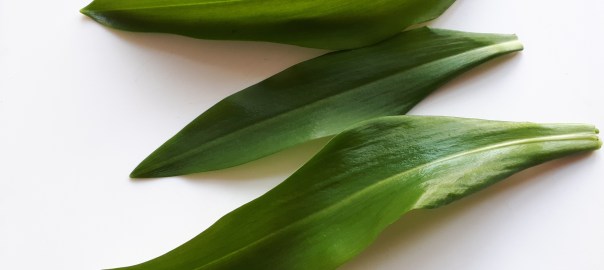
Three beautiful blades of Wild garlic / Ramsons / Daslook (Allium ursinum), plucked from the River of Herbs orchards in Park Frankendael today. I made some pungent daslook sauce from these, by blending them with olive oil and a little apple cider vinegar.

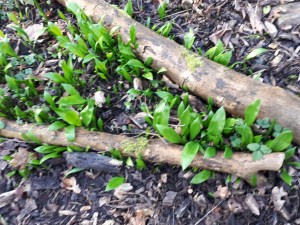
And here are a couple of year old wild garlic bulbs which I removed from the orchard path. The reason for this is discussed in the podcast. Have a listen and let me know your uses for the plant and if you have had any success growing it. The paths are edged with fallen branches. In this photo you can see how the plant spreads into the paths.

I only forage wild garlic when there are huge swathes of it and the leaves are a few inches long.

I’m off to make some dinner using a little of that sauce now. Perhaps you would like to listen to my latest podcast, about ethically foraging Wild Garlic and how to use it.

Gentle wild garlic

Ramsons in Frankendael Orchards

I stood stupefied and watched a woman take out a knife and cut bunches of Wild garlic from inside the entrance of Park Frankendael this evening. Felt so mad and sad and bewildered that I didn’t know where to begin with her. So just stared at the mini massacre until she saw me and my little girl watching and finally she stopped.

Ramsons/Daslook/Wild garlic/Allium ursinum tastes outrageously good but it should be harvested gently! It is currently on the endangered list in NL so strictly, even though it’s almost a weed in some parts of some Amsterdam parks, it should not be cut or ripped out in handfuls! And even if it is prolific everywhere how could it feel good to rip or cut it like that!

Cut rather than plucked.

If you know of a plentiful supply please go for the out-spill plants – where it’s growing in paths etc and will be rooted out by the park gardeners. Or grow your own. Or meet the park gardener and ask where/if he/she suggests you forage. And use your common sense. That woman foraged from the filthiest part of the park – dog spot number one – right by the main gates. Come on!

Badly foraged wild garlic.

And even when you find thousands of those leaves, please know that just three leaves, plucked between finger and thumb are needed to make enough pesto, herb oil or mojo to last several weeks. After plucking carefully, no one should be able to see that anything has gone.

If you want some Daslook but still don’t know where, when and how to pluck it, please come and see me on Wednesday morning at the Frankendael orchards (10.00 – 11.00 behind Huize Frankendael). You can take home your own plant too, if you like.

We are what and how we eat.


365 Frankendael day 354

Just what the plant doctor ordered this afternoon – mild weather and a good dose of drizzle!

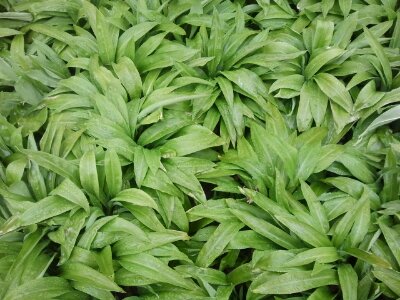
In the park, Wild garlic (Allium ursinum), succulent and far too tasty to park your bike against.

image

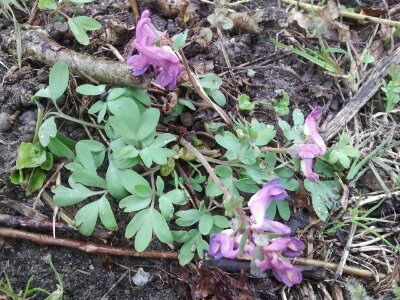
Fumitory, used in some areas of the world to clear the body of radiation damage, following radiotherapy etc.

image

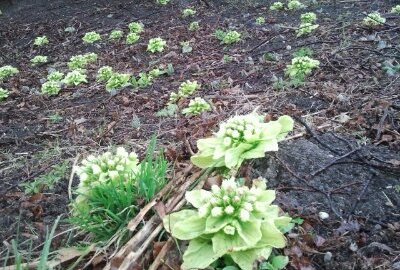
So much Fuki in one place! And still, it flowers on.

image

My daily dose of White Horehound (Marrubium vulgare) from this plant.

image

365 Frankendael day 344

I passed by Flevopark this afternoon and saw masses of Wild Garlic, still looking very good! At the front of the photo you may be able to see lots of Elder (Sambucus nigra) shrubs, just coming into leaf.

image

At the nearby childrens farm and outdoor play centre there were some lovely wild plants and cultivated ones.

Here’s the strawberry planter that I noticed last year..

image

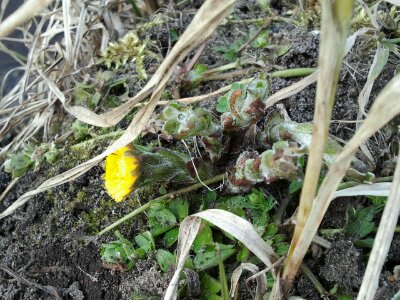
My favourite find of the day, Coltsfoot (Tussilago farfara). It makes a wonderful mild but effective remedy for coughs. Here’s a link to Susun Weed harvesting and preparing it for such a purpose. Making Coltsfoot honey is very easy and very useful.

image

Coltsfoot is of the same family as Butterbur and Fuki which I’ve been noticing a lot lately. All of these plants send up flowers before their kidney shaped leaves. All are quite striking. I’ve never found enough Coltsfoot in Amsterdam to harvest but I’ll keep on hoping.

image

Here’s a plentiful herb which nobody ever minds me harvesting – Stinging Nettle (Urtica dioica). It is getting better by the day at present.

image

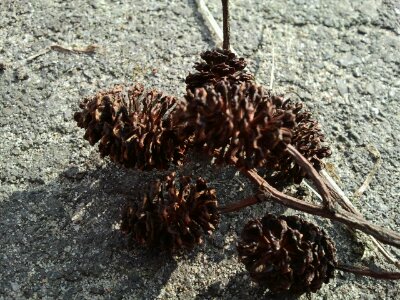
And lastly today, another plant I was delighted to find on our trip today. These are the cones of an Alder tree (Alnus sp). Alder is the only deciduous tree which bears cones. I’m saving lots which I collected from the ground today, to help create a well dressing. Glennie Kindred has helped revive this ancient craft and I’ll be having a go at making one very soon in Amsterdam. Scroll through the 18 images on that link and you’ll see how the cones are used – quite stunning! Alder comes were traditionally used to create the edges or lines of the designs.

image

Alder also bears beautiful catkins, giving more than a hint that it belongs to the Birch family. I found a branch of Italian Alder on the ground in Oud Zuid a few weeks ago. That is now growing lovely leaves in a base of water at home. Still no roots though.

image

What a waste!


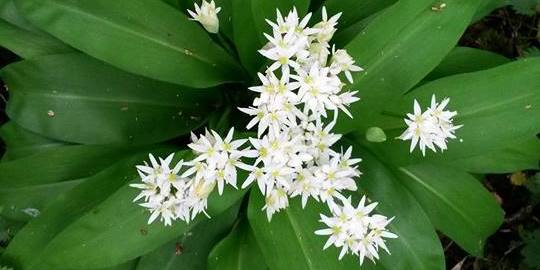
Finding this discarded bunch of foraged ramsons, made me very sad yesterday. Not only did someone harvest the flowers of this wonderful wild herb but they also didn’t even eat them! I was even sadder to see them still on the ground, this morning. The flowers of wild garlic taste inferior to the leaves and by removing them, careless foragers prevent new seeds being formed so this bulbous plant can spread far and wide.

Please spread the word about how to forage responsibly so that everyone can enjoy herbal beauty and bounty in our cities, for generations to come.

Last Chance Ramson Pesto (Wild Garlic, NL:Daslook)

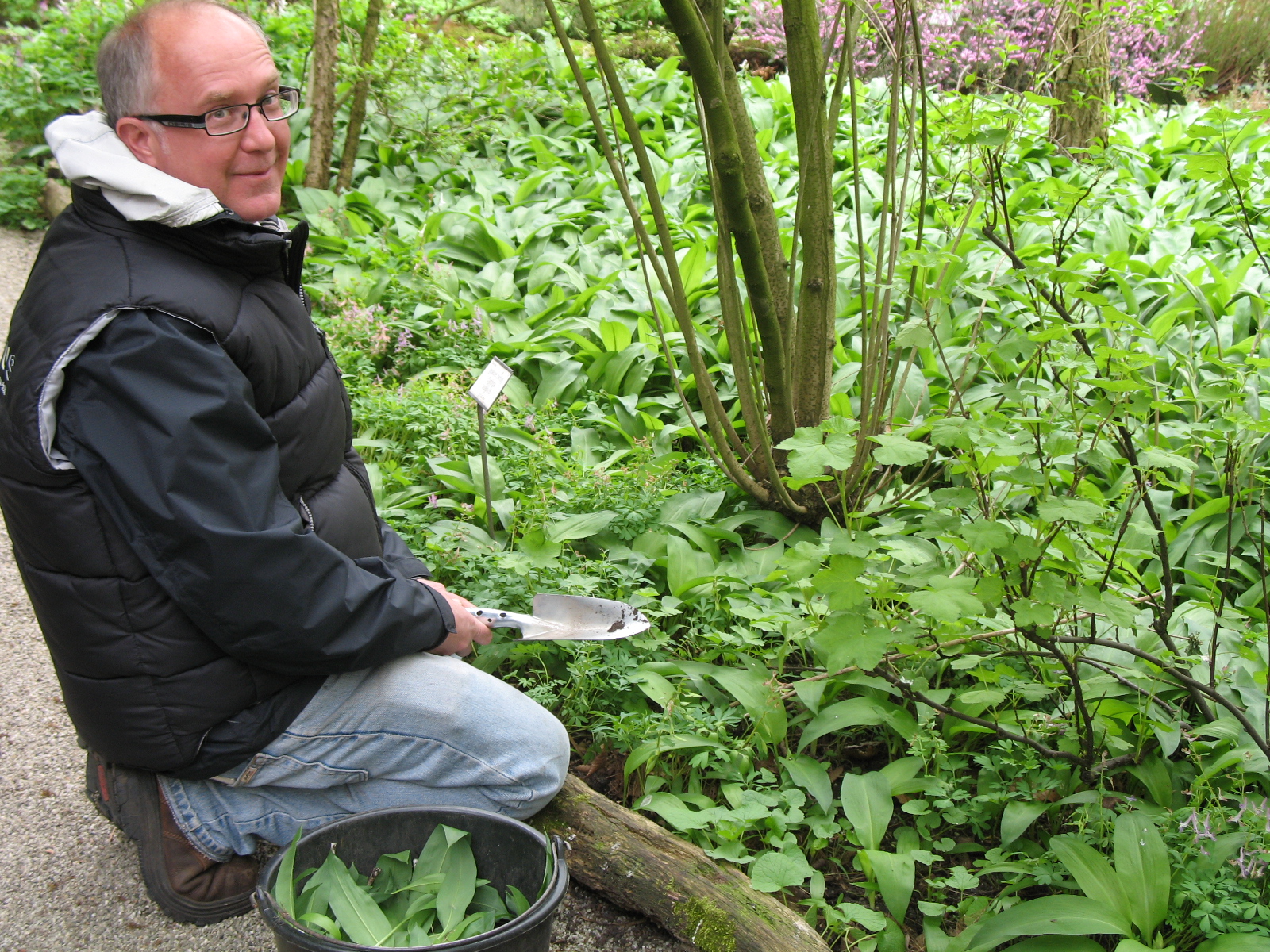
On Thursday I visited my freinds in De Hortus Botanicus and helped them to harvest some Wild Garlic/Ramsons (Allium ursinum, NL:Daslook). It grows vigorously in several parts of the beautiful garden and periodically is removed from paths and areas where it out-competes other plants in the Hortus collection.  I took home a large tub of whole Ramson plants; roots, bulbs, leaves and all.  I made a delicious batch of Last Chance Ramson Pesto.

So why Last Chance, you may ask?  In my local Frankendael Park, the Ramsons are currently in flower so it’s too late to harvest them. Ramsons are still edible when in flower but they taste rather unpleasant. The Ramsons in de Hortus are not yet in flower and they taste great!  In another week or so they too will be in flower and it will be almost another year until they are fit for the plate.  Another reason for my excitement is that I can only harvest Ramson leaves from the local parks.  Harvesting the roots and bulbs would destroy the plants so of course is completely out of the question for wild plants in their natural habitat.

Last Chance Ramson Pesto – vary the proportions as you wish.  Those stated made a good thick paste.

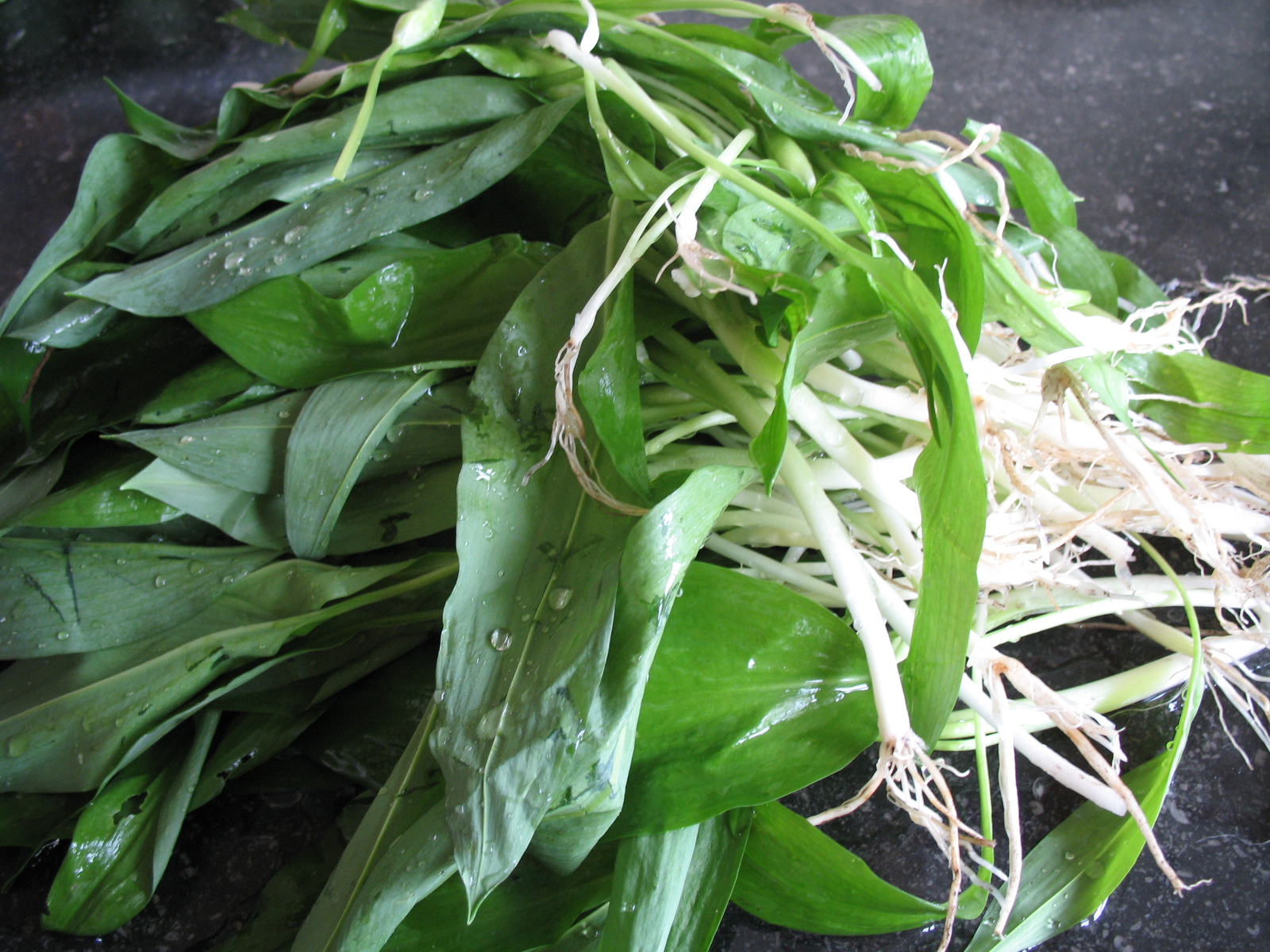
  1. Carefully wash the Ramsons (as you would spring onions), discard any odd squidgy bits from around the bulbs and trim off any really dirty roots.
  2. Roughly chop the clean Ramsons and place in blender.  I had about 150g Ramsons.
  3. Add Extra Virgin Olive Oil to blender. I added about 200ml.
  4. Add finest quality pine nuts (beware cheap ones, many people have a bad reaction to them). I added 50g.
  5. Add a good grating of rock salt and pepper.
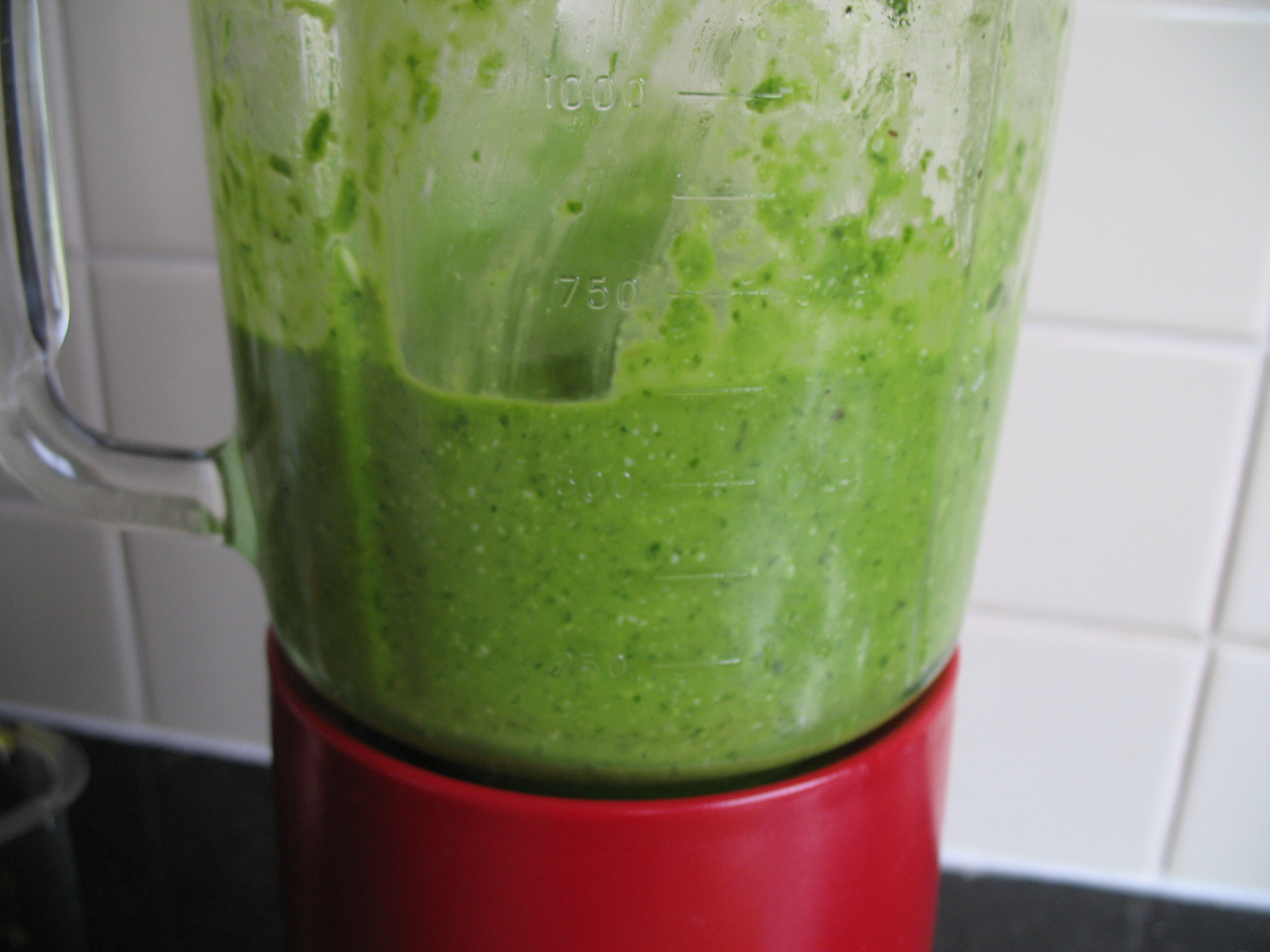
  6. Blend gradually until a thick paste is made.  I needed to interrupt blending several times to scrape down the paste.
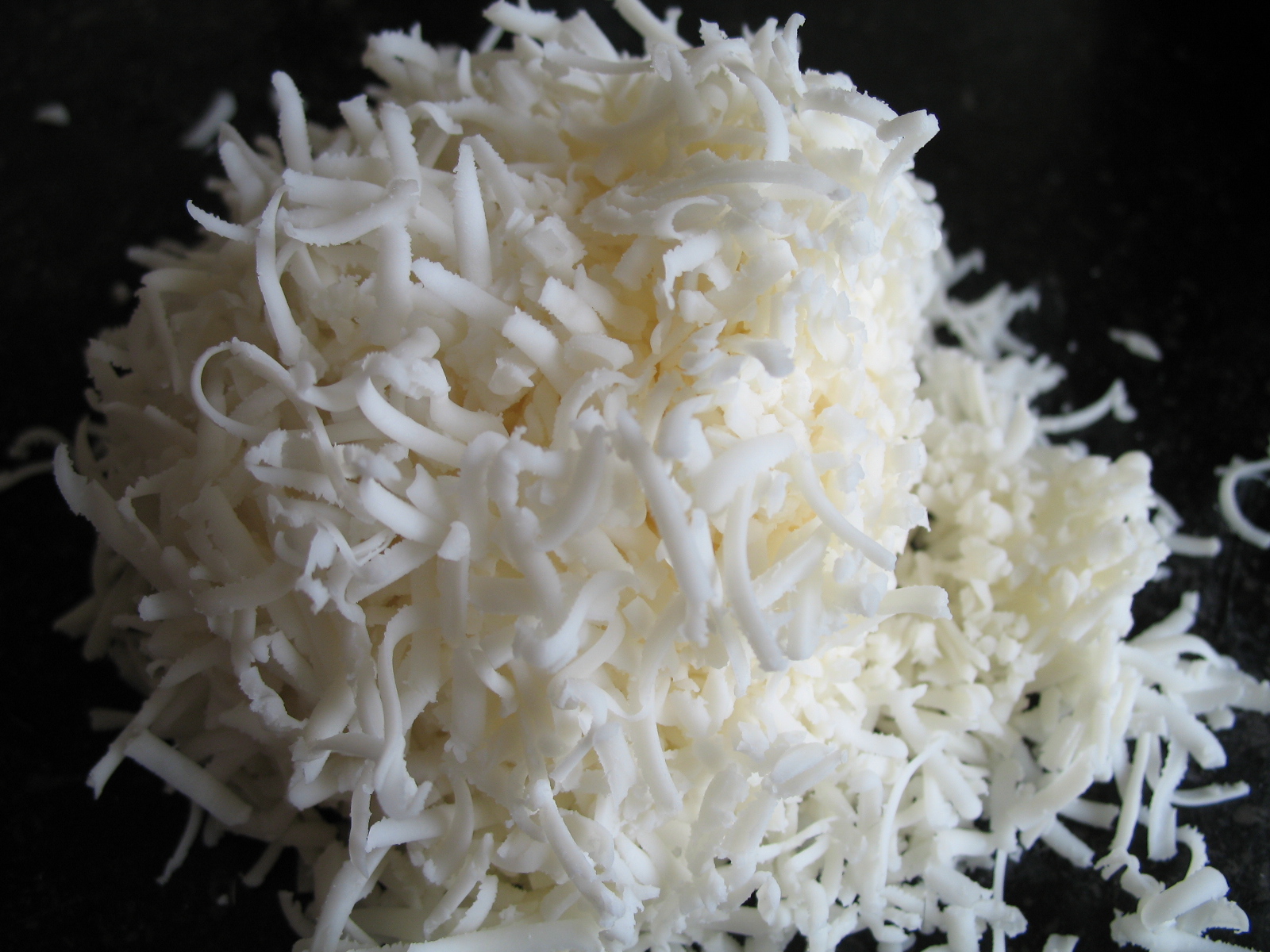
  7. When a homogeneous consistency has been made, add grated cheese and blend a little more to combine and break up the cheese (hard goats cheese for me, you may like Pecorino, Parmesan or similar).
  8. The result should be a paste which is thick enough to dollop into cooking mixes and thin enough to be stirred straight into hot pasta.  Add more Olive Oil or more cheese to obtain a better consistency if required.  I made about 650ml of pesto.  It will keep me going for quite some time.
  9. Store in sterile jars and refrigerate or freeze in ice cube trays.
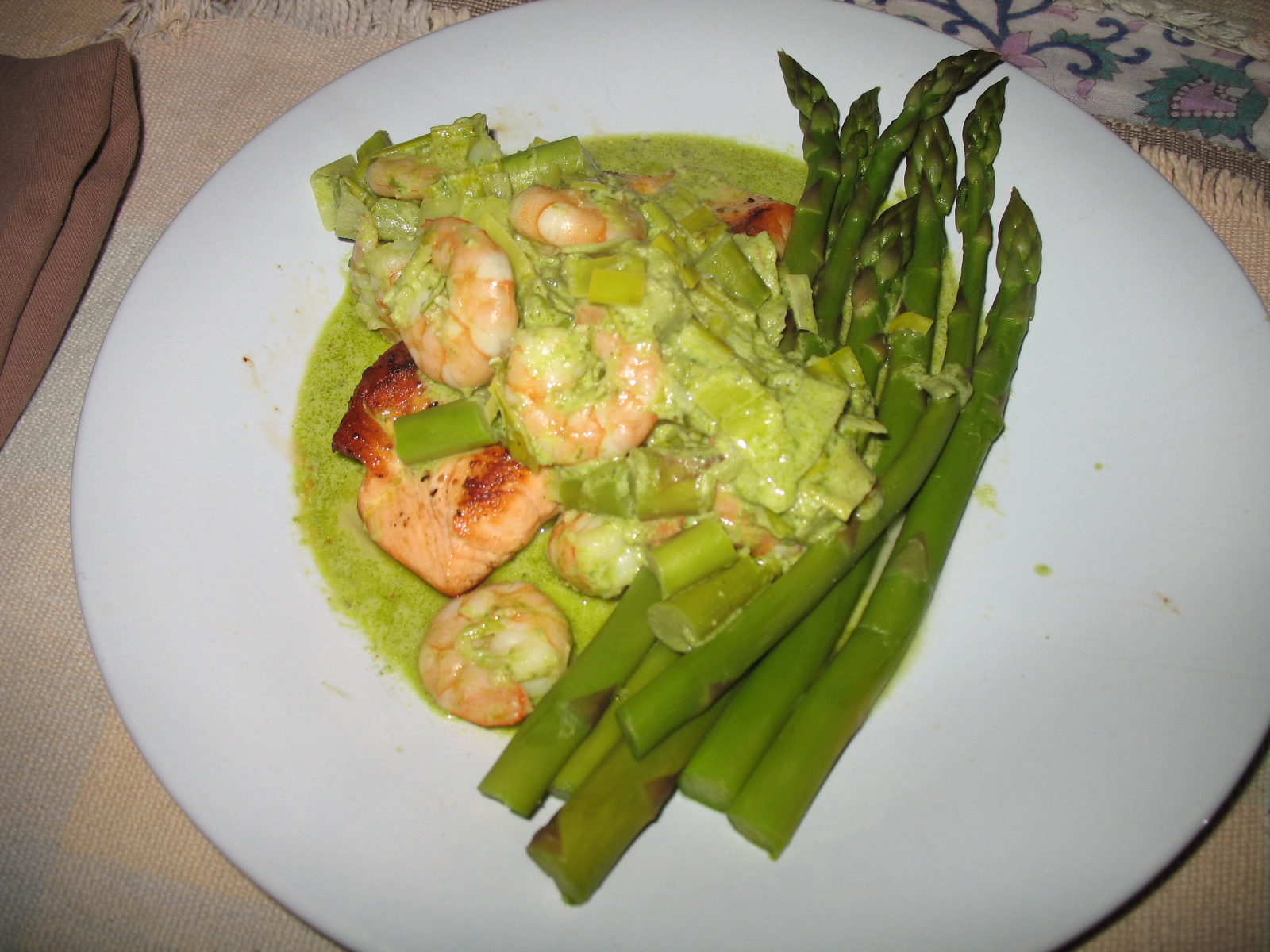
  10. Use as a straight pesto on pasta or as a super garlicy seasoning in other dishes. I added two teaspoons of my pesto to this sauce for salmon and prawns.  It was delicious!  I understand that Michael used it on fresh cheese ravioli and I used it the next day in a risotto.  The list of uses is endless…