All posts by Lynn

Unknown's avatar

About Lynn

Learning

Foraging in De Baarsjes

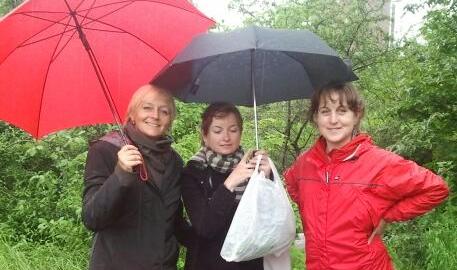
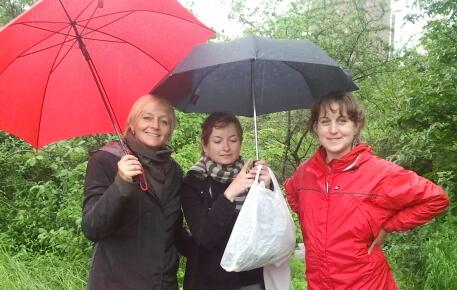
My thanks to Olia, Robin and Elodie, for inviting me over for a lunchtime forage, in a beautiful wild patch of De Baarsjes! We found lots of super edibles including Mugwort, Garlic Mustard, Plantain, Elderflower, Lime, Hops, Rosebay Willowherb, Wild Strawberry, Cinquefoil, Cats tail, Ground Elder and more.

We brewed up a flask of Elderflower tea as we walked and shared it, as we munched on homemade bread and just plucked herbs, here close to Metro 50 station de Vlugtlaan.

Olia & Robin joined my last herb walk from Amstel Station and they are based at a fantastic creative centre called Novel. Also Elodie, my friend and frequent foraging buddy.

What a great lunch!

365 Frankendael day 47


Firstly today, fragrant and edible flowers of the urban prolific Rosa rugosa. It is much used by urban landscapers and I think, underused by urban foragers. To be used as any other rose, ensure they are clean and unsprayed as ever.

Next is Cleavers (Galium aparine), still looking fresh and cleansing in the Volkstuin area of Frankendael.


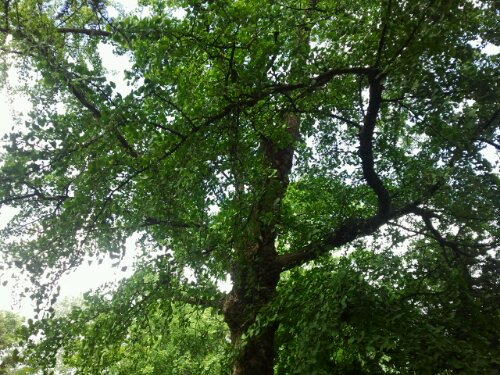
Here is a mature Ginkgo biloba tree which I hadn’t noticed until today. Recently I learned that in some parts of the world it is illegal to plant female Ginkgos because the smell of their fruit is so obnoxious! Perhaps this one is a male? Either way, the leaves will be ripe for the picking and eating or tea making in a few months. There are a great many Ginkgos in Amsterdam.


Above is a small Ladies mantle (Alchemilla) plant. This is a bitter and very useful herb. I grow several on my roof and sometimes eat the flowers as a garnish. The leaves are good as a bitter tea and can be used to make a good breast toning oil. That is one of their traditional uses.


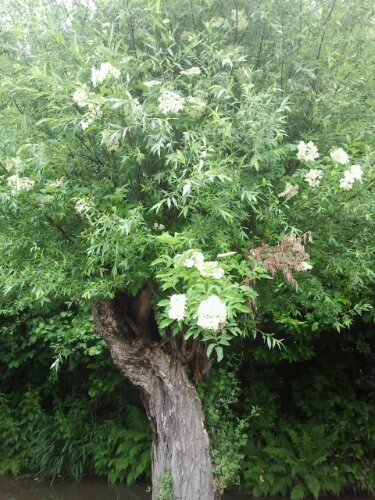
Lastly today, another coppiced Willow living in apparent intimate harmony with a different plant species. This time the lodger USA flowering Elder (Sambucus nigra). Two great herbs together!

365 Frankendael day 46

I’ve been preparing for the next Urban Herbology walk today so here are several photos and not much chat…


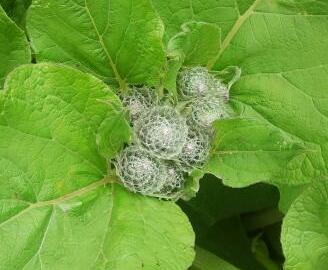
Developing cobweb-spirally Burdock flowers.


The Middenweg Poison Hemlock (Conium maculatum) continues to grow despite being reported to the council. Apparently it’s not a risk to the public because it is growing in the green strip… It is now wider than my bike, well over 2m tall and (although less than before I pruned it) still overhangs the pavement. I shall snip off the flower heads before the seeds set. A deadly beauty.


Greater Celendine, with seed pods developing well.


Comfrey (Symphytum uplandicum), still growing, still flowering – everywhere in the park!


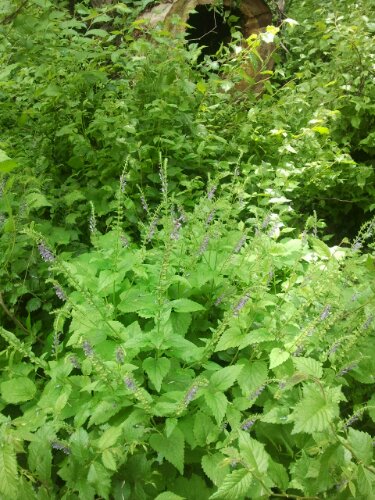
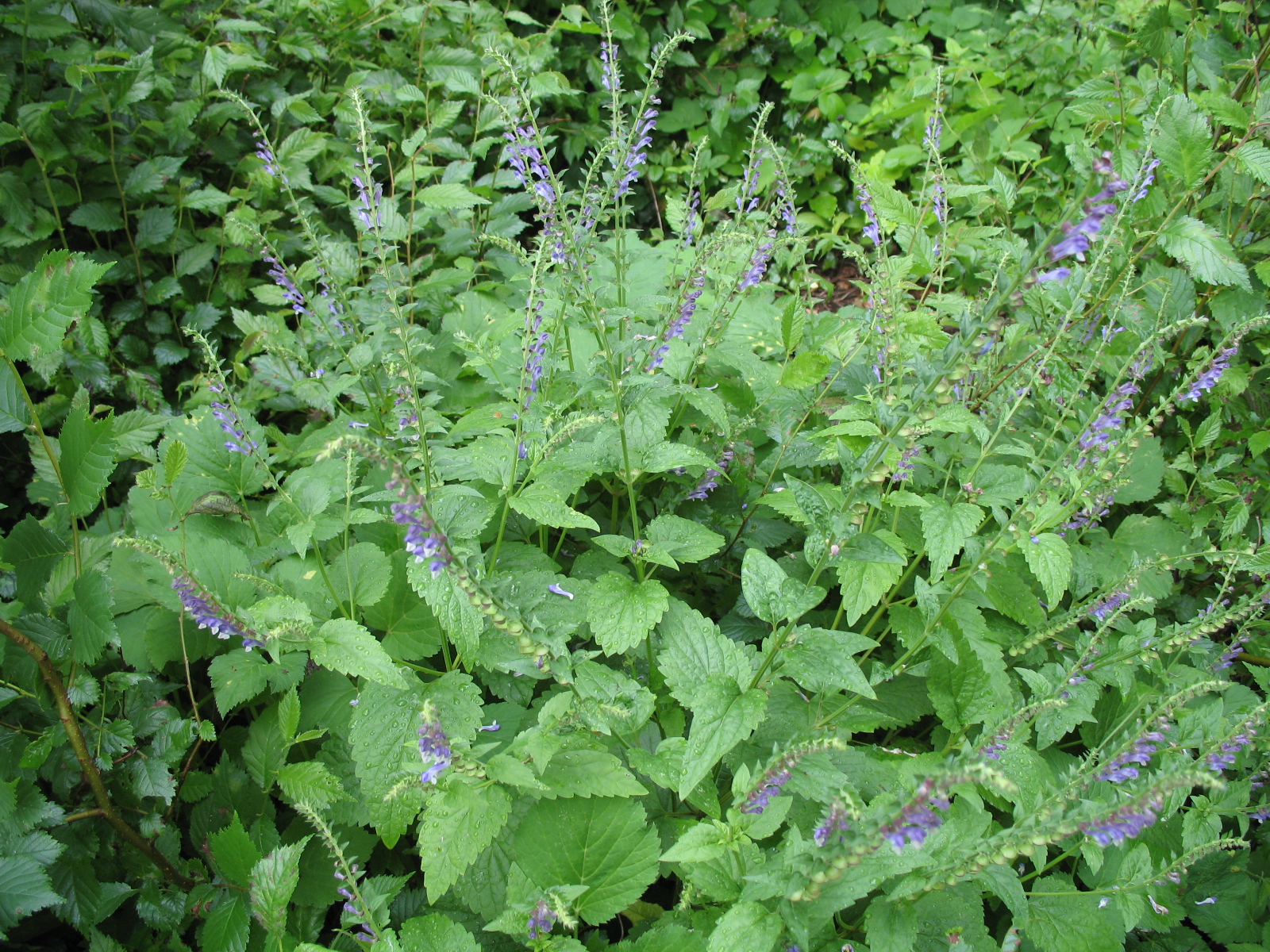
Skullcap (Sculletaria altissima) in the woods. Flowers development very quickly moving up the stalk, sowing be visible for much longer.


The flowers of wild Sage (Salvia officinalis).


On the edge of the rhododendron planted section, I found this shady patch of tasty Pelargonium, Garlic Mustard and also Stinging Nettle and Cleavers, just out of shot.


Lastly, frothy flowers of Hedge Bedstraw.

Urban Herb Love


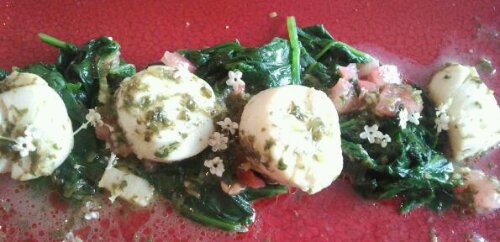
Yesterday was our seventh anniversary, here is what we cooked: Scallops, marinated in the juice of half a lime, a sprig of fresh coriander leaves, finely chopped and a small nugget of fresh ginger, squeezed. After cooking in the marinade, the scallops and sauce were laid on wilted spinach and Elderflowers were sprinkled on top.

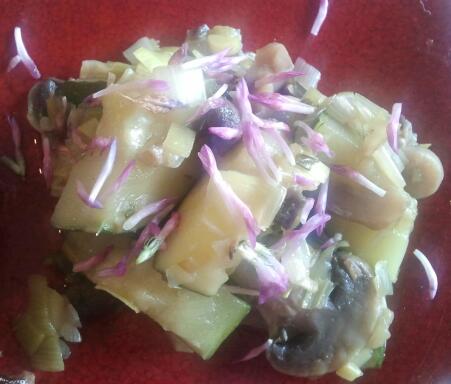
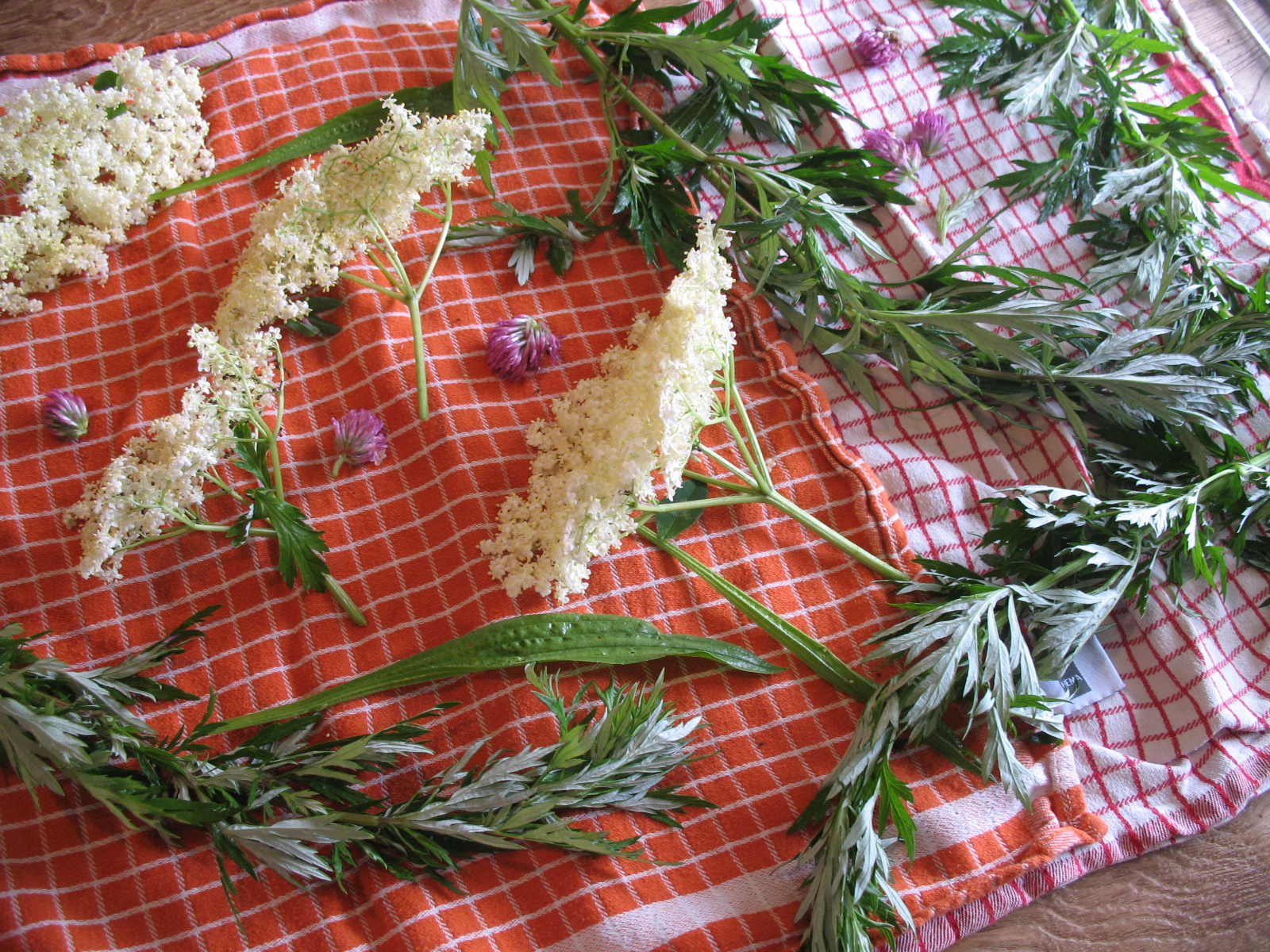
Next came grilled lamb cutlets served with a caprese salad and most importantly, Mugwort vegetables. The taste of a top of almost flowering Mugwort (Artemisia vulgaris) infused into mixed vegetables, as they cooked in one of my magical cast iron pots. It was served sprinkled with detached individual Red Clover flowers. Mugwort (Cronewort, Artemisia vulgaris, NL: Bijvoet)  is extremely tasty and aromatic when cooked in this gentle way. Just a splash of olive oil, finely chopped leeks softened then chopped aubergine and courgette added to the pan. Lid on and simmer gently for ten minutes or so.

Umm, now that’s Urban Herb Love!

365 Frankendael day 45

It has rained all day and it although I got soaked through, it was a real pleasure to be out photographing and foraging this Full Moon morning when hardly anyone else was about in Park Frankendael.  I managed to harvest some gorgeous Elderflowers, Ribwort, Red Clover and Mugwort, without anyone casting me a glance of suspicion or sympathy!

Here are today’s photos:
Firstly, Mugwort (Artemisia vulgaris), it is abundant on in some parts of the park.  Here is a lovely patch with a dozen or so plants.

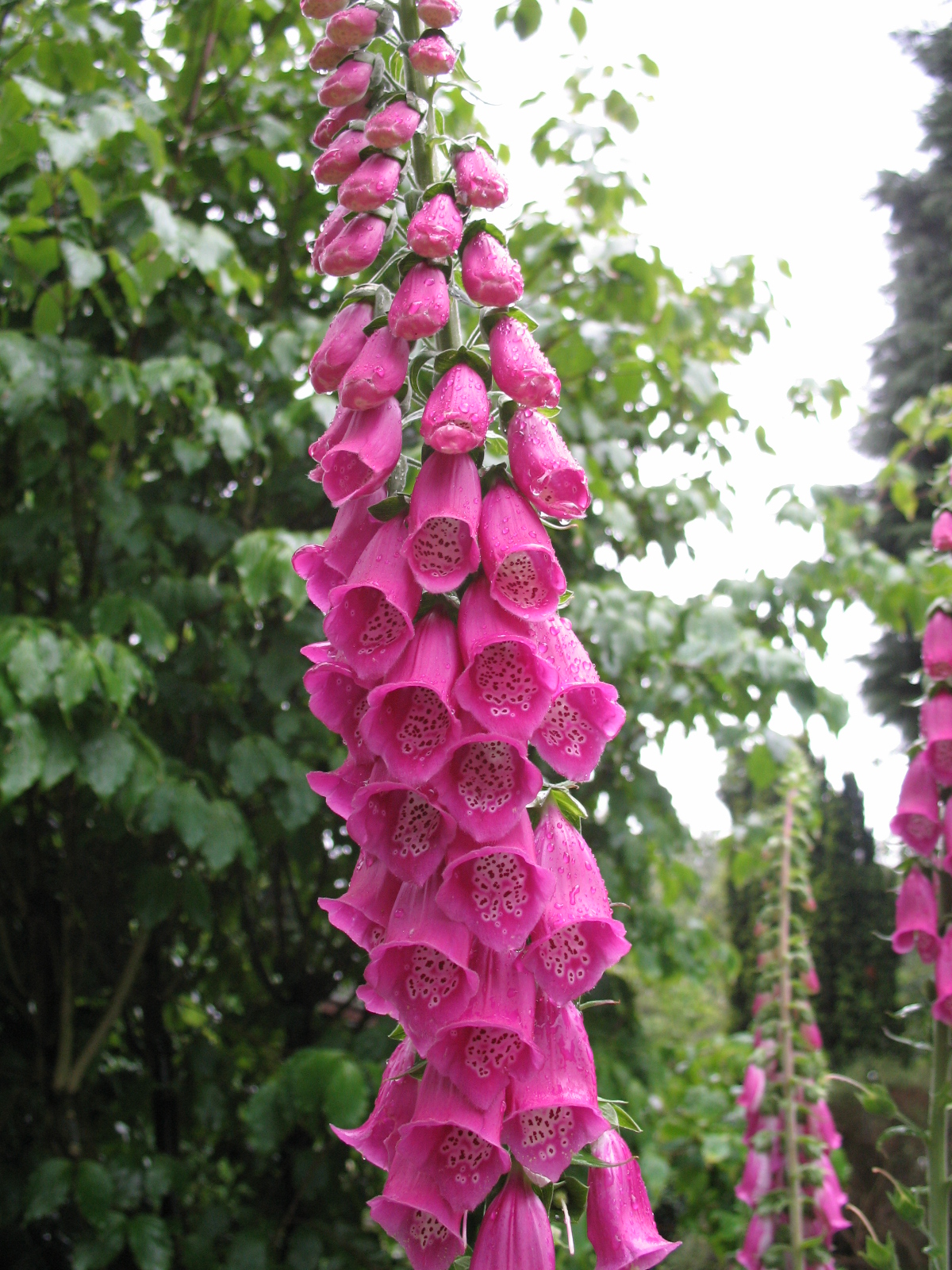
Next is Foxglove (Digitalis). What a beauty and so useful in times gone by particularly.  This is a poisonous plant and I think too rare in Amsterdam to harvest even if you knew what to do with it.

Now for my favourite of the day, Willow.  In fact two copiced Willows, one containing a lovely Garlic Mustard plant and the other just looking stunning, with light shining through a gnarled old trunk.  Perhaps it’s because Willow is such a water lover, or perhaps it’s the full moon energy, or perhaps neither but all the Willows in the park looked quite strikingly beautiful today.

Here’s the gnarly one:

Next is Elderflower.  Most flowers are in full bloom right now but some of the earlier bloomers are already going over and setting seeds within tiny berries.  Remember that Elderberries always need to be cooked to be safe and palatable. The flowers are different and can be eaten raw, although most prefer them cooked or infused, for various purposes.
Here is an Elderflower well on the way to making berries.

Lastly, beautiful rain filled Teasel (Dipsacus sp.). This plant is well known to Chinese herbalists but less so to those in the West. It has traditional applications in the treatment of muscle, tendon and join injuries and disease.

Gardening by the Moon

Today is a Full Moon day, this month it’s called a Strong Sun Moon, though there’s little sign of the Sun at the moment.  As Amsterdam Elderflowers are in full bloom right now, I thought it may be a particularly good day to harvest them. My diary says it is a Flower and Fruit Day but just what does that mean? I wrote a post about the phases and astrological significance of Lunar Herb Gardening some time ago and here’s a nice webpage on Our Gardening Gang which goes into some detail about gardening activities (though it call them chores…) which are best done at certain times of the lunar cycle.

In a couple of weeks I’m running a Mugwort workshop, very close to the New Moon and Midsummer’s Day. We’ll be harvesting flowering Mugwort and processing it straight away. The New Moon itself is not a good day for gardening activities, so we will be meeting the day before, which is another Flower and Fruit Day. There is not always the freedom to plan harvesting and gardening around the Moon but it if you haven’t already tried it, perhaps at least considering it will add an enriching dimension to your herbal activities.

If the sun dries off the Elder flowers today, I shall be collecting a few. In a couple of days I shall be planting some Ginger which is sprouting in my kitchen, doing it now may slow it’s growth. So what herbal activities will you be doing on this Full Moon?

365 Frankendael day 44

Today is drizzly and cool; the same temperature as last Christmas Day. Umm, a far cry from the heat of a week ago.  So today’s photos look as though I took them at dusk but in fact they were taken at about 2pm.

I have had another one of my bird spotter moments. I identified a plant from the park which looked pretty when I found it, but not spectacular. It wasn’t one that I recognised, although I was drawn to it and wanted to know  it. I took a little part of the plant home from my walk yesterday and used my books and the Internet to identify it.  Today I went out and photographed it along with some other June beauties:

Above is the plant I am so excited about – Skullcap.  It has pairs for slender, hooked Labiate flowers, running down adjacent corners of quite long flower stems. The flowers are a lovely deep mauve on the upper lip and contrasting white on the lower lip. This two tone flower is not obvious until you get right up close to it. The plant is clearly a member of the Labiates, not only due to the flowers but also because it has square stems and leaves coming off the stem in opposite pairs.  The leaves taste strongly bitter, they taste amazing actually, of strong Scullcap tincture, the type I use at home quite regularly for pain relief and relaxation. I especially love this herb and have been using it for some years with great success, since beginning study with Susun Weed.  It gives subtle releif to pain, especially pain in the head and it brings on sleep when it is needed.  I am so happy to have stumbled upon this beautiful herb in Park Frankendael as I not seen it (or at least noticed it) growing wild before, I only knew it from books and bottles.  All members of the Scullcap family contain the active ingredient and this is quite volatile thus the plant should be tinctured in situ.

There are many Scullcaps and all have the same active constituents. Most likely, this one is Sculletaria altissima, Tall Skullcap, Glidkruid in Dutch. It is labelled as Tros Glidkruid (Sculletaria columnae) in the herb garden of the park but I am not convinced.  The flowers are very similar but the underlip of this Frankendael plant is definitely white, throughout, it doesn’t blend from white to mauve at all, there is clear definition.


Above is flowering Scrophularia nodosa, Common Figwort, NL: Helmkruid.  A very strangely scented Labiate, which Claud Biemans helped me identify a few weeks ago.  I still need to do some proper research into its internal and external uses but it certainly has many historic applications, such as being used to relieve skin eruptions and swelling for painful joints.  It is prolific in some parts of this park.

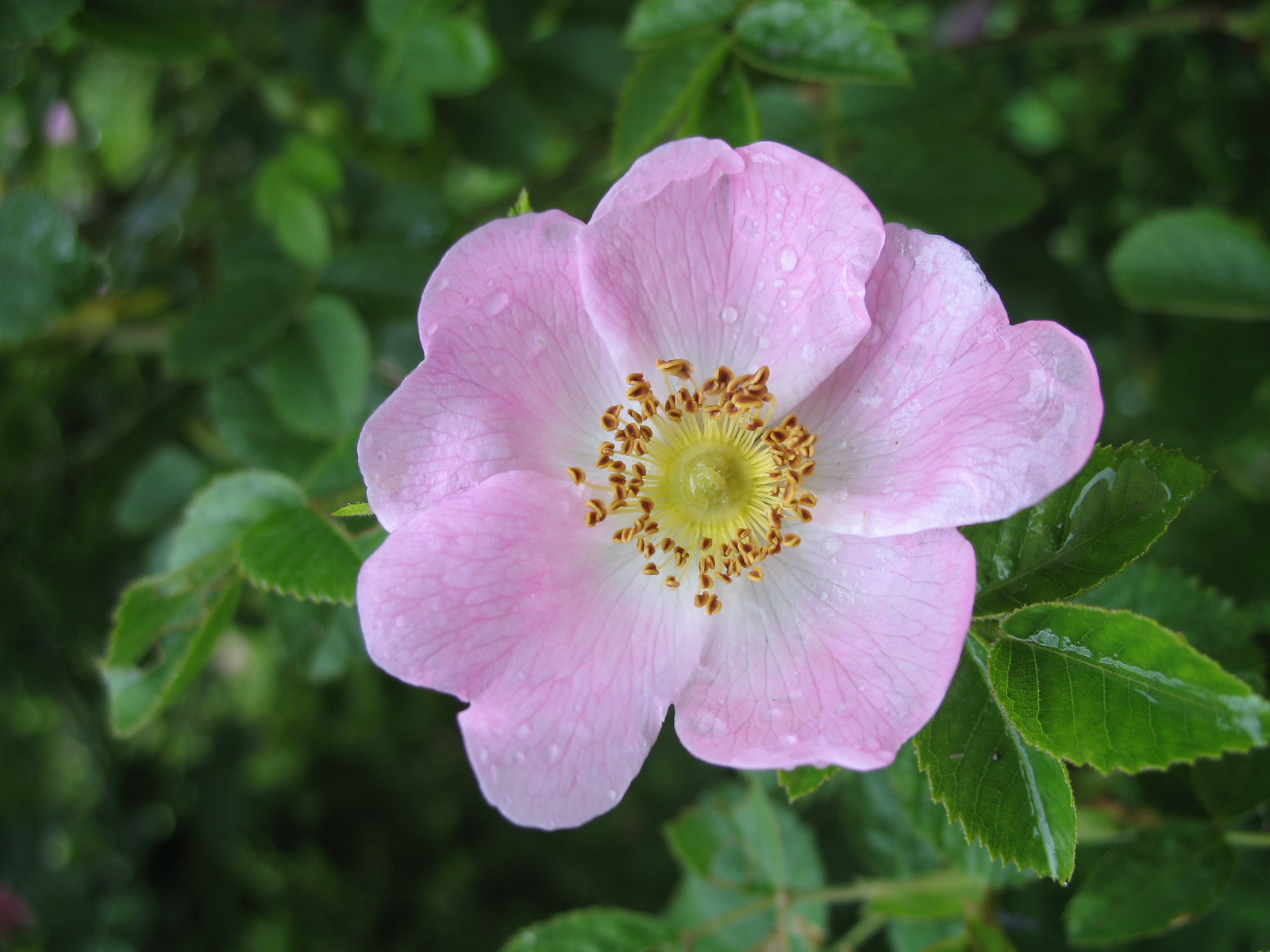
Next today, Wild Roses.  It has rained today and the scent of Rose, close to these bushes is extraordinary.  If you haven’t been outside to smell Roses after light rain then try it!  I’ve mentioned Rose many times before.  They are tasty and have many uses.  These are both most likely to be Rosa canina, Dog Rose and how beautiful they are!  But one of them could possibly be Rosa rubiginosa, Sweet Briar, it certainly smells good enough to be that.  I will have a better look at the defining parts another day. For today I simply enjoyed them.

Here is Pellitory Parietaria sp., Glaskruid in Dutch.  Another useful herb to learn more about as it is again prolific in arts of Frankendael.

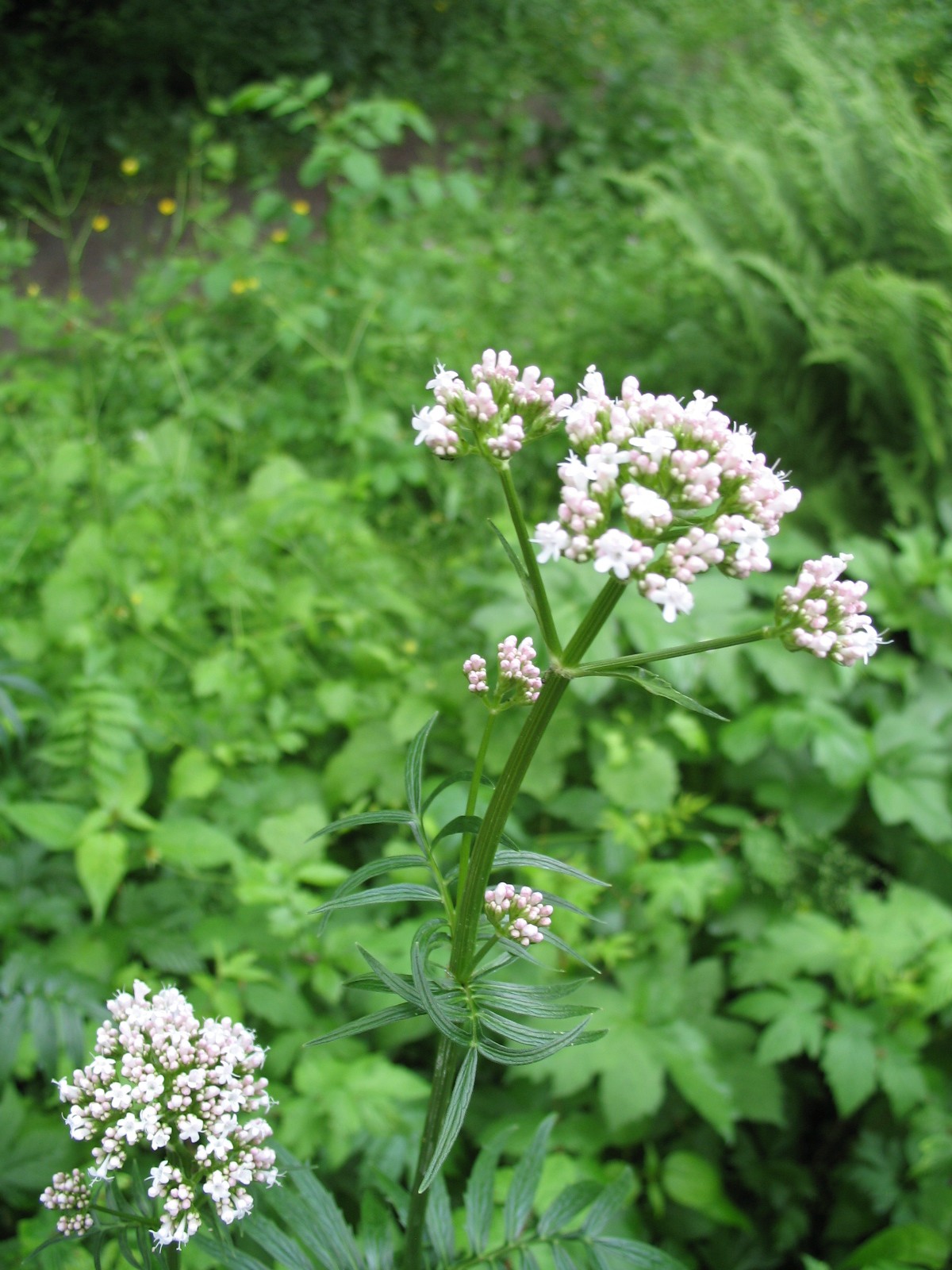
Lastly today gorgeous Valerian flowers, on the edge of the main woodland pond.
They smell great, they look great and they are very useful if you need to relax.

Flevopark Strawberries

Last weekend we visited the children’s farm on the edge of Flevopark. There is a lot of planting going on there and they are using some great Permaculture style ways to increase productivity and reduce consumption. Here are two which really caught my eye..

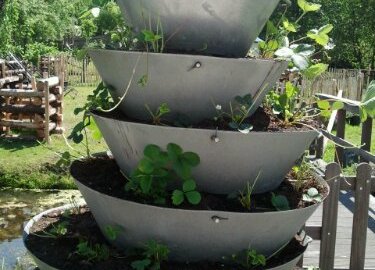
A Strawberry planter, much better than the conventional ceramic pots which dry out in no time and cost a small fortune. I think it looks stunning.
image

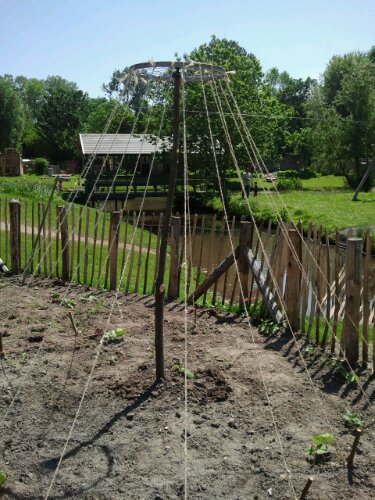
A runner bean frame which has an old bicycle wheel at the top.
image

The kinderboerderij is a very special place. Here’s a nice mix of some sort of brassica, poppy and other herbs, growing in the controlled wild of the area. They just looked so pretty…

365 Frankendael day 43

Today I have had a closer look at two herbs which I spotted earlier this week. A Member of the Potentilla genus, a Mint and also graceful Angelica.

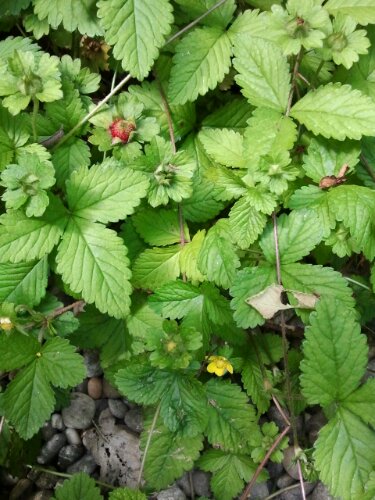
Firstly the pretty Strawberry look-a-like Potentilla. You may remember that my cat ate the last sample I brought home. Today, I had a closer look at a sample leaf, flower and stem, before he had a chance to devour it. And of course I had a good look at it in the park itself. It appears to be Potentilla anglica. It has yellow petals, so is definitely not the white flowering Strawberry (Fragaria vesca) or edible (but not so tast) Mock Strawberry (Potentilla sterilis). It creeps along the ground by use of runners and the trifoliate leaves have tiny hairs on the undersides of the ribs and veins. The leaves all arise in clusters, at intervals from those runners. Creeping Cinquefoil (Potentilla reptans) is very similar but doesn’t have trifoliate leaves. Some of the flowers have already set fruit, with seeds on the outside just like strawberry. This is shown in the photo below.

Next up is the mystery Mint, growing in one of Frankendael’s woodland ponds. It is difficult to tell for sure, which member of the Mint genus this is because it is not in flower yet. I will keep an eye on it as the summer arrives but currently suspect that it is Water mint (Mentha aquatica). It is clearly a Labiate, having square stems and opposite leaves without stipules. This Mint is downy, certainly smells of mint and the leaves are between 1.5 and 4cm long with blunt tips and teeth. It is also growing well in water. There are more factors to help decide which Mint this really is but for now, that’s the best my trusty Field Guide and I can do.

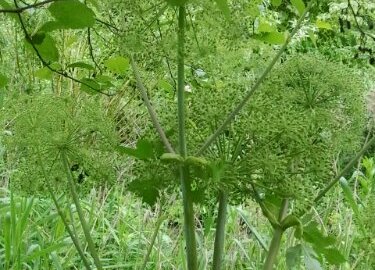
Lastly today, majestic Angelica (Angelica archangelica). Lynne Dunston from the Meetup group sent me a gorgeous photo of an Angelica which she spotted on a visit yesterday (I’ll post that separately). It reminded me to come and check on the enormous sister plant in Frankendael today (photo shown here). Seeds are now developing well on its Pom Pom like flowerhead. I was reading a lot about this plant a few days ago and although I won’t be touching it at all, this biennial can be made to act as a perennial by simply cutting it almost to the ground before it sets seed. It then is forced to have another go at seed production next year. It also has a multitude of quite fascinating, historic medicinal and culinary uses. Whole communities in Southern France, at least, relied on this plant for their wealth. I’d love to test out some of the recipes and ideas I read about but this wonderful lone specimen, just has to be enjoyed by as many woodland walkers as possible.