Category Archives: Alchemy

Contaminated Marshmallow Root

Update: Government tests show the Jacob Hooy batch of Marshmallow Root (sold from September 2012 to now) contains ATROPINE. They ask that this message be spread to people who are likely to use the root, either loose, in bags, or in mixed blends from Jacob Hooy. Many people will have it on their shelves unopened and should be warned. It will be announced online and in newspapers today. Jacob Hooy have the batch numbers. Contact them if unsure of safety of batches you have. Contact below number about poisons, contact me or the link below to report any problems you may have had with the root over the past 4 months.

One of my apprentices purchased Marshmallow root (Althea officinalis, Heemstwortel) from a local herb outlet in Amsterdam this weekend and spent Saturday night in hospital, along with her boyfriend after they made a straightforward milk decoction of the root and suffered the following symptoms:

Delirium
Irregular heart beat
Blurred vision
Dilated pupils
General malaise
Confusion
Loss of memory
Some nausea
Lack of bodily coordination

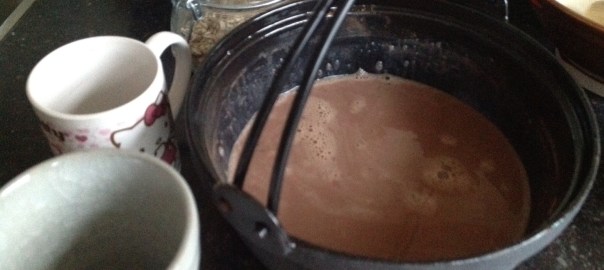
They are now at home recovering further from a marshmallow hot chocolate that gave more than they anticipated.

After investigation it appears that they are not alone. Someone else, completely unrelated, purchased the same herb from a different shop and had the same symptoms this weekend. Marshmallow root is seen as a safe herb, apart from potentially interfering with blood sugar levels in those with diabetes, it has no history of toxicity. The batch of herb appears to be contaminated and the Dutch food safety agency is now on the case and looking for the original source, what the contaminant actually is and how it came to be in the shops.

Please, if you have any at home which you have purchased recently in the Netherlands and have not yet tested, wait with using it until the above questions have been answered. I love this herb and eat it and decoct it regularly as part of my diet. My toddler also enjoys it now and again. I know many of you also like to use it in your families in similar ways.

Here is a link to the form that can be used to contact the Dutch food safety agency directly if needed:

http://formdesk.minlnv.nl/kcdv/Warenklachten_vragen_formulier_v5

If you are worried about poisoning at any time, here is the number for the Dutch Poisons Helpline:

030 274 8888

They would like to know urgently if anyone else has experienced similar problems after using the root. I’ll put my marshmallow root recipes back on line when the issue is resolved.


Earth Pathways

image

I gave an Earth Pathways 2013 Diary to each of my apprentices at the end of last year. It’s a rich, inspiring and beautiful publication, created by a wise group of environmentalists, artists, writers and activists. The diary contains key information and creative ideas for urban and rural herbologists alike. I highly recommend it.

image

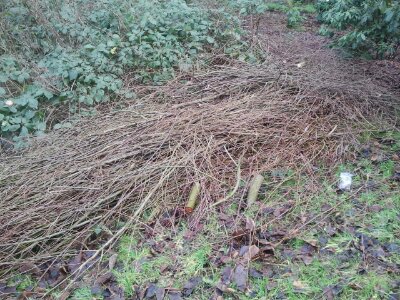
Last week, I noticed that the willows of my local Amsterdam park had been coppiced. So, I took my secateurs back to the park and “harvested” a small bundle of fresh withies from the pile I found on the ground. This made little impact on the pile, which had clearly been left to fill the gap in a bramble thicket, beside a small lake.

image

Page 60 of the Earth pathways diary contains a description by my mentor Glennie Kindred, of how to turn willow or dogwood stems into a useful herb drying rack. It took about 40 minutes of peaceful bending and weaving, with my two year old playing broomsticks around me, to create my version of the willow rack. I’m pleased with it and imagine it threaded with flowers and least stems in a grew months time. Because my withies were quite short, I made a double outer “circle”. This strengthened it considerably and it resulted in a pleasing teardrop shape. For now it hangs on my living room wall and reminds me of my years living in Somerset. Willow weaving seems just as satisfying in the middle of a city.

image

I love handling willow and using it as a herbal ally. I find far less taste of salicylic salts, in the tendrils at this time of year but it’s gentle, flexible spirit shines through and I’m sure it will impart something special to my drying herbs come spring and summer. Thank you Glennie and Earth Pathways, for your continuing inspiration!

image

Storing the Ginkgo Harvest

image

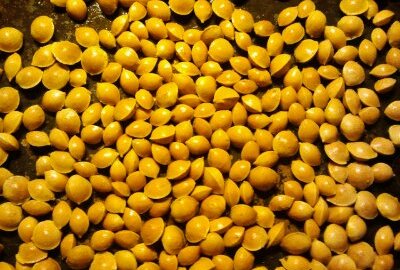
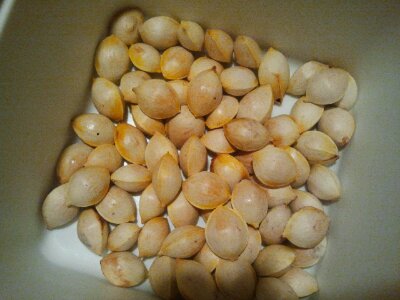
A few days ago, I harvested a small mountain of ginkgo fruit from a street in Amsterdam. Today I finally got around to soaking and cleaning them. Previously I have then dried them to store in a jar or roasted and eaten as many as I fancied. But they do spoil quickly even when cooked so roasted Ginkgo nuts are best eaten swiftly. Also, the ones I have dried to store, often sweat a bit more than I’d like, whilst sat in the glass container, so I’ve been looking for better preservation methods. Tonight I was looking through a book by Steve Brill (of NY Central Park) and he suggests roasting the lot and then freezing them for later use. To bring them back to life, so to speak, the frozen nuts should be roasted again for just a couple of minutes. So after reserving a handful to stratify over winter (as kindly recommended by Fran from Serendipity Farm in Tasmania), the rest have been roasted for 15 minutes and now cooled, reside in my freezer. The Apprentice group can test the results tomorrow morning!

Much as I love the taste of these nuts, I’m done with the pukey smell when I clean the fruit off, so that’s it for my Ginkgo foray this year. I’d also like to thank everyone who joined me to help clean up these smelly fruit and nuts over the past couple of weeks (they don’t smell bad when they are finally cooked by the way). Several of my colleagues have told me that they think the foraging this year has made a difference to the street where we work – less smell and less squishy fruit to avoid on the pavement. So I think it was all well worth it!

Eat Ginkgo Nuts from City Streets

image

Today I prepared the Ginkgo nuts which I harvested from Albrecht Durerstraat, in Amsterdam Oud Zuid, yesterday. They taste great and the three of us are showing no ill effects from eating them this evening! To prepare Ginkgo nuts, a few methods may be employed. All involve removing the toxic apricot coloured flesh (sarcotesta) from around the precious nut, without harming yourself. The sarcotesta contains the irritant found in poison ivy so wear rubber gloves and be very very careful and if your skin or eyes do become irritated, seek prompt medical attention.

How to prepare freshly harvested Ginkgo nuts/fruits

1. Soak your gingko fruit harvest in a bowl of cold water, away from animals, children or prying hands. An hour our two is sufficient to fully hydrate the flesh, making it very easy to remove.

image

2. Wearing thick rubber gloves, simply rub the flesh off the nuts, into the soak water. Rub them off under the water, to avoid them squirting into eyes or surfaces where the toxic juice may go unnoticed. As each nut is exposed, place it in a small bowl. 3. Strain the water away, compost or bin the flesh. Rinse your sink drain well after this as the flesh starts to stink of apricoty vomit as it rots down. 4. Give the almost clean nuts another rinse in clean cold water, to remove almost all of the flesh (this is very quick and simple). Drain them and leave in the small bowl.

image

5. Spread the cleaned, wet nuts on a baking tray and place in an oven, preheated to 80°C (to dry off and store then – remove from oven when the surface is totally dry) or to 180°C (to roast)

image

6. To roast at 180°C in an oven (or in a small sturdy frying pan) simply leave them in the heat, toss them around once or twice and remove when the outside of the nut shells looks just toasted in places. Test one. 7. When cracked open and the inner skin peeled off, a ginkgo nut should be like a very firm jelly but not rock solid, the colour should be a beautiful translucent green. Mine took about 15 minutes in the oven to reach this point today.

image

A Witch’s Dozen – 365 day 192

Thank you to everyone who braved the autumnal weather and joined me this evening for the Witch’s Dozen herb walk through the woods of Park Frankendael and the gathering afterwards in Merkelbach. Ten weatherproof women and two mini foragers, joined me for a seasonal walk through the woods as day turned to dusk then night. Merkelbach was a lovely place to end the full moon day.

Here’s my photo of the day, a little shaky and wet after the Witch’s dozen walk. I hope it gives the idea anyway.

image

Flying ointment recipes were mentioned. I found many different recipes whilst researching for the walk but the one written here, seemed the best without being full of plants which we all know are highly toxic. Traditional recipes seem to have included herbs such as belladonna, datura, mandrake, opium poppy, water hemlock, monkshood, foxglove, Balm of Giliad (balsam of poplar trees), calamus root, cannabis, clary sage, dittany of Crete, mugwort, tansy, wormwood, and yarrow.

If you’d like to seriously look into the magical tradition of flying then perhaps take a look at this blog entry by The Witch of Forest Grove. It is nicely detailed.

I’m not one for the seriously toxic ingredients so kept hunting until I found the following recipe. It was posted on the wisewomanforum by a woman called Lady Belladonna in 2004 and she seemed to have had fun with it. All the ingredients grow locally although vervain probably resides indoors at this time of year in Amsterdam. I can’t recall where she said that she got the recipe from or if she concocted it herself, so I’m calling it…

Lady Belladonna’s Flying Ointment

1/4 cup grated beeswax
1/4 cup olive oil
1/4 tsp. of each of the following herbs, dried:
cinquefoil
vervain
mugwort
thistle
1 tsp ash (recipe called for chimney soot – LB used her own mix of ash from a marijuana joint mixed with a dried leaf of Diviner’s Sage – “more fun getting this together than cleaning out a chimney!”)
1/2 tsp of benzoin powder
1/2 tsp of clove oil

Combine the beeswax and olive oil in a double boiler and melt over low heat. Finely powder the herbs in your mortar and pestle. When beeswax and oil is melted, add in the herbs, benzoin and clove oil. Stir clockwise, empowering with your intent or saying whatever charm or spell you wish. LB also added a couple drops of sandalwood oil for the fragrance. Simmer gently for about 10 minutes, strain through cheesecloth into a heatproof jar, and let cool.
Apply and Fly!

365 Frankendael day 184

The Amsterdam marathon is taking place as I write this. We caught a glimpse of the leading group as they sped along Hugo de Vrieslaan this morning.

Tomorrow morning I shall be up before the lark, to join the English Breakfast Radio show in Amsterdam. Presenter Cathy joined one of my September herb walks. I look forward to meeting her again, along with her team. To tune in and here us at around 8am tomorrow, tune in to 99.4FM, look at http://www.englishbreakfast.nl or watch the show (7-9am) on Salto 1 TV. I hope they are gentle with me at that early hour!

Haven’t had time to take many other photos today but did spot this beautiful clump of Hollyhock (Alcea rosea) foliage. It is often realised that Hollyhocks look like Marsh mallow plants and sure enough, the two species are very closely related. In western Europe only the flowers of the plant were used medicinally and the leaves were used as pot herb. All parts can be used however, for many different ailments. It is best known as a nice remedy for sore throats and minor chestiness. Most simply, you can steep the flowers in honey to make such a soothing remedy or drink tea, made from any part of the plant.

image

At this time of year, few flowers remain on city Hollyhock plants so we are left with the foliage. To use it, be careful only to harvest a small proportion of a plant, perhaps one medium sized leaf in every five.

Here’s my Recipe for Hollyhock Leaf Ointment

Clean your harvest, surface dry it thoroughly (clean tea towel and a warm place) and chop it finely.  Add it to some warm ghee in a small, heavy based saucepan. Add enough ghee to allow for free movement of the chopped herb in the melted ghee.

Simmer really gently, stirring constantly, until the foliage starts to crisp up. When this happens, remove from the heat and strain the infused ghee through a cheesecloth or similar super clean fabric.

Store in an airtight container and use on rough skin. Amongst other things, Hollyhock is an emollient, it has the ability to soften skin.

Remember to return the used herb to the land. Hollyhock infused ghee should keep well for a year or so, I prefer to refrigerate mine. Discard (to the land) if it begins to look or smell peculiar.

Hollyhock Love!

If I was forced to have just a single herbal mission in life, I think it would be to teach city people just how useful Hollyhocks are and to encourage their proliferation and use (is that two?). Hollyhocks are a perfect urban herb, in my opinion! They have a multitude of uses, many linked to soothing or maintaining a healthy respiratory systems. They grow really well in sandy soil, especially with the support of a building beside them, they look spectacularly beautiful for months long and they are so easy to harvest, store and use.

In my mind Hollyhocks are an urban blessing. They cohabit with the people who most likely live in pollution and can solve many of the ills which air pollution brings upon us.

Here’s a link to a colorful post about Hollyhocks from a blog called Choosing Voluntary Simplicity.

Here again is the Plants for a Future link, about Hollyhocks. Prepare to be impressed by its uses around the globe 😉

Danish Hawthorn recipes and simple Haw Honey Syrup

image

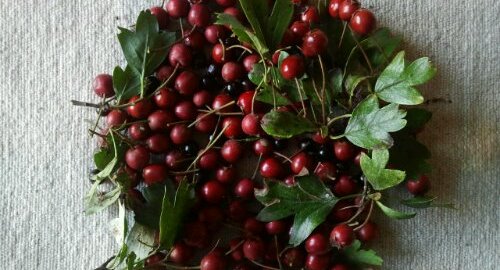
Some time ago Amalie and Daniel joined me for a herb walk alongside Park Frankendael. One of the plants which was in bloom at the time was Hawthorn (Crataegus monogyna). Amalie knew the berries from Denmark and kindly sent me some recipes to try and share. Hawthorn is in fruit right now, it is a common hedgerow plant and the berries (well “pomes” actually but they look like berries) are edible raw or cooked. Most of each fruit is seed, these need to be strained out of any recipe unless you’d like blunt teeth.

Here are the two recipes from Amalie, plus one I have been experimenting with, which doesn’t need sugar. I also posted a Hawthorn Elixir recipe a short while ago which may be interesting.

Hawthorn puree and juice
1 liter of hawthorn berries
300 grams of sugar
Water

Mash the berries into a puree.
Add the sugar and heat to about 70°C (hot, steamy but not boiling). Strain out the seeds.

The puree can be used for various things including the making of Hawthorn juice, by diluting in water (1 part puree to 10 parts water).

Hawthorn with apples and prunes
½ liter hawthorn berry juice (see above)
750 grams of apples, peeled, cored and quartered
100 grams of prunes, roughly chopped
Sugar (as much as you like to taste)

Cook apples and prunes in the hawthorn juice until the apples turn to pulp and the prunes are swollen, soft and succulent. Then add the sugar to taste. If you like, you can add a bit of melatin with pectin, to thicken it all up.
This can be stored in sterile canning jars or eaten straight away.

image

Haw & Honey Syrup
1. Spread your Hawthorn berry (Haws) out in your kitchen for a while to give any bug residents time to relocate. (dry Haws can also be used but they’ll need to simmer for much longer in step 4, to soften them up)
2. Clean your Haws in fresh water.
3. Place them in a small saucepan and almost cover them with just boiled water.
4. Bring to the boil and simmer for just a couple of minutes, to soften everything up a little.
5. Remove from the heat and slow to cool enough to handle.
6. Strain and push out the juice/mush through a standard kitchen sieve. Get out as much as possible. Squidge it with your fingers and a widen spoon. Combine the mush with the water that was used to simmer.
7. When the juice had cooled to being warm but not hot, stir in a nice big dollop of good quality runny honey.
8. Give it all a good stir and chance to combine before storing in a pressure safe glass bottle or jar (like an old flip bung Grolsch bottle).

image

Use as a tasty winter tonic, straight or mixed. Hawthorn is best known as a gentle heart tonic, for the emotions and the circulatory system.

Throat lozenges are child’s play

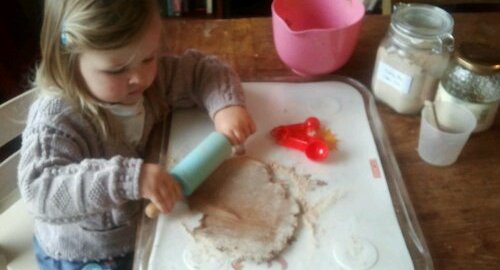
A perfect herbal activity for a drizzly morning when you have to stay inside for some reason – making Honey and Slippery Elm Throat Lozenges! My daughter and I, really love eating these first thing in the morning, or at any time when we have signs of a cold, sore throat or any other excuse.

Here she is, happily making her own lozenges. Not sure if it was the end result she was most happy about, or being able to eat the mixture…

We covered this recipe during the Herbs and Honey Workshop in August. They are super-simple to make. You’ll need to obtain slippery elm powder (Ulmus fulva) from a herbal supplier. I beleive that Jacob Hooy sell it in town, otherwise it can be ordered online. Or if you are desperate for just a cup or it and you live in Amsterdam, I’ll sell you some of my stock. Slippery Elm is a useful food supplement which is very soothing to the intestines and can be made into a nourishing and easily digested gruel, especially good for those recovering from illness. I often add a heaped teaspoon of the powder to my porridge in the morning.

Here’s a brief method of how to make
Honey and Slippery Elm Throat Lozenges

1. Place 1 cup Slippery Elm powder in a large mixing bowl and if desired, add a teaspoon of extra herb powders (marshmallow root and horehound are my favorites) or of licquorice tincture, to enhance the throat soothing action.
2. Use a wooden spoon or spatula to work in about 6 dripping tablespoons of good quality runny honey. You are looking for a very thick paste/dough consistency. It’s easier to add more honey to get this right, than to add more powder if you make it too runny at first.
3. Roll out the dough on a Slippery Elm powdered surface.
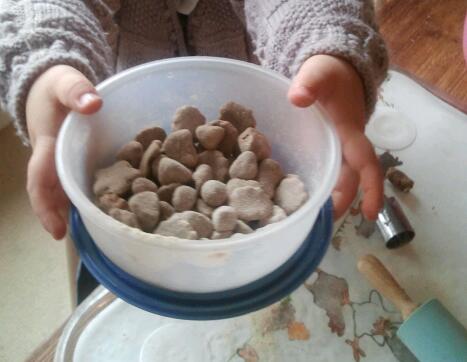
4. Cut the dough into tiny shapes or roll it into fine sausages and then nip off small lozenge shapes or the dough. I like to make tiny pyramids from the dough, my daughter prefers the shapes.
5. Place in an airtight container and toss them in a little more slippery elm powder, to prevent them sticking together.
6. Store in the container, in a cool and dry place for up to ten years. They are unlikely to remain uneaten for that long.

365 Frankendael day 150

Thank you to the group of Urban Herbies who joined me For the Elder Workshop today. We harvested Elderberries, Elder leaves and Elder branches. We learned about and concocted Elderberry syrup and numerous other Elder based remedies. I had a lot of fun with you all, and the plants!

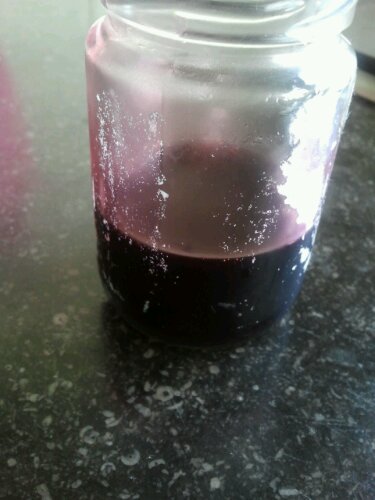
I was so busy enjoying the time that I forgot to take an Elder photo so here’s one of the syrup that we made together, from freshly pressed Elderberry juice and honey… It’s a clean but scrappy looking jam jar. That doesn’t matter as my portion of the syrup will be wolfed down very quickly!

As well as Elderberries, there are heaps of ripe Hawthorn berries in the city hedgerows at present. I did remember to take a photo of one such tree. It’s time to try out the Hawthorn recipes, kindly sent to me by one of the Amstel walkers earlier this year.

Here’s a link to the recipe for the Banana bread I baked for the workshop. I added a finely chopped 20cm Ginger plant leaf and I forgot to add the dates. All fine though!

Here’s a link to that information about recent scientific research supporting the use of Ghee and Honey impregnated wound dressings for serious wound recovery.

Thanks Nathaniel and Jade for sharing with us how the Native Americans revere their local Elder species. Here’s a link with a little information about that (at the end). Here’s a link with lots of information about Elder, particularly the US growing species. Not much about the indigenous people but lots of useful stuff.

Here’s a link to one of my mentors: Glennie Kindred in Britain. She wrote the hand sewn books I showed you today. We looked at the one called Sacred Tree in which Glennie lays out her interpretation of the Tree Ogham.

As we talked about honey, Katja shared her latest concoction – fresh ginger infused honey with lemon juice. Yum! I’ll be trying that very soon and will post some photos to brighten up the autumn. Maybe Katja has a photo of hers already?

Cindy, I don’t think you took your portion of ointment and certainly not the syrup. I also forgot to give you the Kombucha so let me know when you have time to collect them.

Thanks again everyone. See you again soon! xx

365 Frankendael day 149

I’ve been busy preparing for the Elder workshop tomorrow and enjoyed a little walk in the park looking for ingredients for ghee based Elder ointment.  Elder leaves are very medicinal but contain a chemical which, when digested by the human body, turns into cyanide so it’s obviously not a good idea to eat it.  The ripe berries and flowers don’t contain this chemical although the seeds within the berries do.  Here are the herbs in my ointment, plus a couple of other plants which are also looking and tasting great at the moment…

Chickweed (Stellaria media)

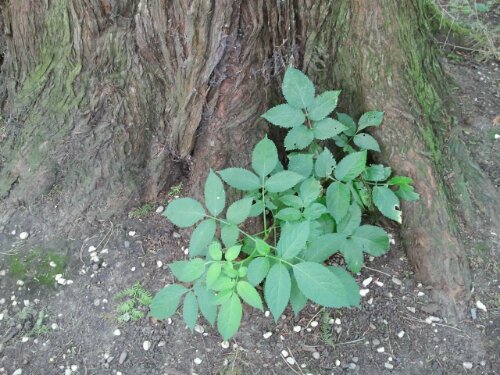
Elder (Sambucus nigra) growing close to the base of an old Cedar. Here’s a lovely Elderberry syrup recipe, from Mountain rose herbs, which uses honey for sweetness but doesn’t heat the honey – good news and unusual!

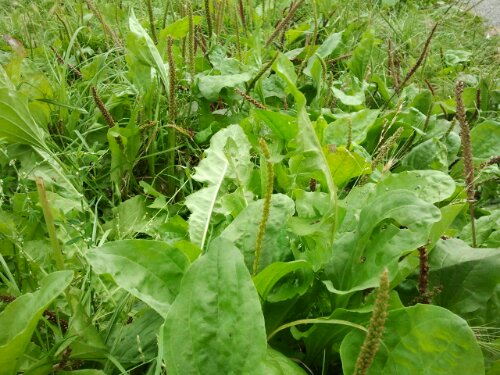
Dandelion (Taraxacum officinalis agg.)  making a stand for itself in a field of Plantain (Plantago major)

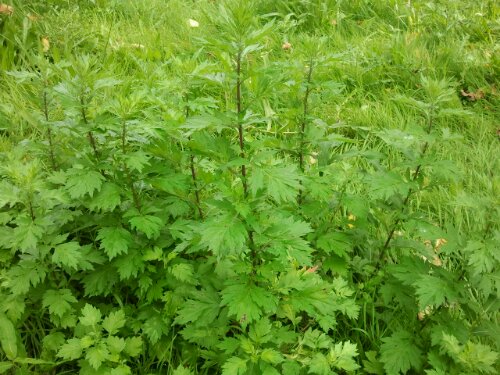
Mugwort (Artemisia vulgaris)

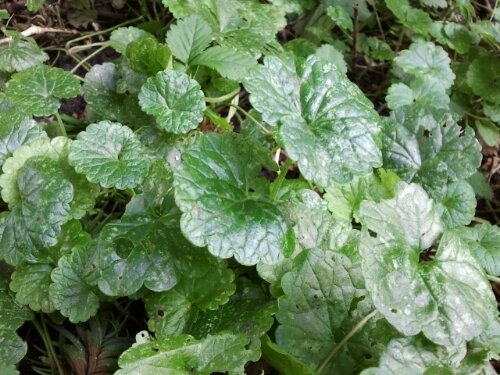
Ground Ivy (Glechoma hederacaea)