Category Archives: Herbs

Rosemary beetle

I had a pavement garden put in by the city council, beneath our Amsterdam apartment, soon after we moved here 13 years ago. Such pavement gardens are narrow strips, right up against the buildings, were the pavers get lifted and removed, making the sand beneath available as a planting area for residents. You need to draw up a plan and get written permission from your neighbours, when you request a new one – It was quite exciting I can tell you. Well, my neighbours approved my idea and after the council workers set it up for me, I poured in a couple of bags of compost and planted it up with Rosemary (Rosmarinus officinalis), Purple Sage (Salvia officinalis ‘Purpurascens’), Rue (Ruta graveolens)and Lavender (Lavendula augustifolia). Everything in there grew really well, even though the little plot faces full south, is under a bay window and gets little rain. It was a lovely, simple Mediterranean herb garden. The herbs were resplendent and many neighbours would snip off a little Rosemary through the growing season, to add to their cooking. That shrub was enormous and very healthy.

Then last year, things started to go rather pear-shaped in the geveltuin. The mature Rosemary had some damage. More than a little damage, in fact it looked decidedly nibbled all over. Only a few flowers pushed through and the plant looked increasingly bedraggled. We also noticed very pretty, metallic striped beetles on the Rosemary sometimes. Often, when we brushed against the shrub, some of them would shoot off and bounce off the pavings making a characteristic crackling sound. We didn’t realize back then but our Mediterranean herb garden was under attack by the Rosemary Beetle (Chrysolina americana).

Rosemary beetles don’t feast alone! Photo credit: RHS

This week, enough was enough. The Rosemary looked barely alive and as neighbourhood Rosemary bushes were starting to really bush out with lush deep green new shoots, our looked downright grey. To make matters worse, the Purple Sage was almost gone, the Rue totally desiccated and the Lavender was a shadow of its former self. The beetles were more plentiful than before and my herb garden was no more.

Know your enemy
I read up on the Rosemary beetle and planned my counter attack; Hard pruning, taking a few insurance cuttings, enriching the soil and removing the thick blanket of dead leaves (which I was building up beneath the shrubs, out of laziness really). Finally a good drenching with water.

Part way through the pruning operation

Operation Revamp
As you can see in the video, I shook out the shrubs onto a bright blanket, placing tumbling beetles and larvae in a glass jar which became enormously interesting to local kids. We had about 30 bugs in there by the end. The leaf layer was totally cleared and I hard pruned all of the shrubs. The Rue had to go, sadly as I loved it and few people seem to grow it these days. However, I was delighted to find that it had spawned a few babies, growing between paving slabs so I hope they will make it in the newly prepared plot. My daughter and I scoured the geveltuin and surrounding area for more beetles and larvae before giving the remaining plants a really good watering and then enriching the soil slightly with a bucketful of spent compost (which I collect from my old rooftop pots). Later, I added a couple of lupin seedlings which I had on the roof, a few radish and beetroot seeds, some potted tulips from the kitchen balcony and some self-seeded Lemon balm, which was growing across the street in the gutter. A cheap and cheerful geveltuin makeover! The project took a few hours and I am satisfied with the result.
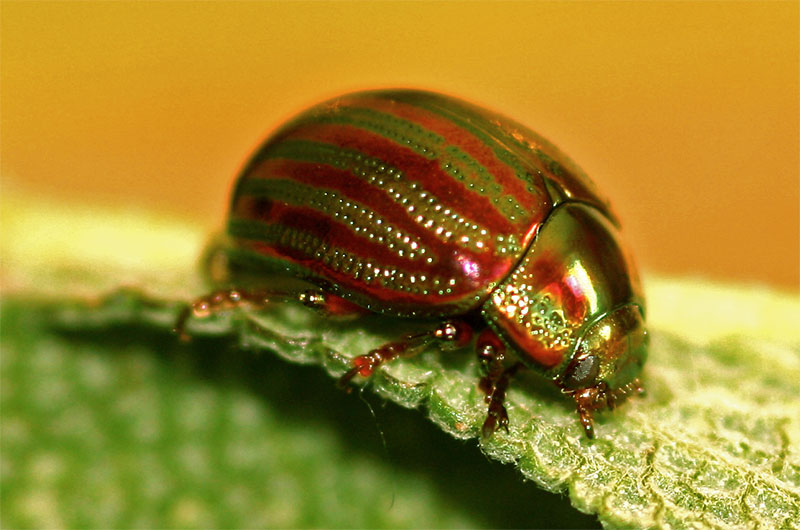
Rosemary beetle. Photo credit: Secret garden.

Prevention
It took me a couple of years to give in to the fact that these pin-stripe armored beetles were beautifully munching through my herb garden and that I was providing them with perfect overwintering conditions. From now on, I intend to keep the plot more open and airy, more species rich and attractive to predatory and pollinating bugs and I will water the plants regularly, especially when they appear to be under pressure. I also plan to place a bird nesting box on the street tree across the pavement and will feed the plants with comfrey & nettle tea, when the mood strikes me.

In the hope that I can help others to spot Rosemary beetle and deal with it more quickly, I made a short video, which you can see here. My daughter and I had fun editing this one so we hope that you find it useful.

Squish or Release?
So what happened to the collected beetles and larvae in the glass jar? Well, I did squish one on the pavement in frustration, the day before the clean up operation and I felt really bad about it. Killing them didn’t feel right at all and I knew well that these bugs were here for a while and I had allowed them to get out of control. I needed to help nature to restore beetle balance. After a chat with a gardening friend, I decided that the best solution was release these little beasts into a more bio-diverse area, away from aromatic herbs and where natural predators could feast on them or they had a chance to escape and live among other species of insects. This morning, we took them to a grassy area, close to water and let them go.

Have you got a beetle problem? If so, how are you dealing with it? What would you have done with the captured beetles? Do you have other herby-pesty problems and can you think of better ways for people to keep their herbs healthy? Do let me know as I would love to hear!

Herb Walk

I went for a walk and forage in the Orchards of Park Frankendael this morning and made some recordings for you. Next time, I will hold my phone the other way so that it records a wider frame but for now, I hope that you can at least enjoy some of the blossoms and bees!

So there we have it, about 30 minutes of my ramblings in the orchards. We saw quite a few plants today but there are hundreds more to find. Let me know what you would like to see next time!

Prickly Bear Sauce

It’s stinging nettle top plucking time here in Amsterdam. Most people realise that they are edible and that they sting.  I”m often asked how to eat these prickly iron and protien-rich freinds.  There are many ways!

Some people like to roll them up and eat then raw. I prefer them cooked or added raw to smoothies. Nettle soup is popular and I like that but I’m fonder of incorporating nettles into creamy, garlicky sauces.  I’m making one this evening so I thought I’d share how.

I’m calling this little sauce recipe The Prickly Bear because it contains stinging nettles (Urtica dioica) which are clearly prickly and wild garlic, scientifically known as Allium ursinum, Bear onion. You may know it better as Ramsons, Daslook or Wild garlic.

To make enough sauce for 4 – 6 people, I used:

Olive oil

3 banana shallots

20 stinging nettle tops (top 4 full leaves and stems)

Handful of wild garlic leaves

5 chestnut mushrooms

3 table spoons sour cream

1/2 good quality stock cube

Salt and pepper

Gently saute a few chopped shallots (or a medium onion) in butter, ghee or olive oil.

Add washed and chopped stinging nettle tops, before the shallots are thoroughly cooked.

Cover with a lid and allow it all to steam for a few minutes. Stinging nettles benefit from being nice and soft when you eat them so don’t rush this step.

Now add the chopped Ramsons. Give it all a good stir.

Add sour cream, salt, pepper or a little of a good quality stock cube.

and then add a hearty pile of sliced mushrooms (preferably chestnut mushrooms).

Replace the lid and simmer gently for 5 minutes or so, until the mushrooms are cooked and tender.

Serve with whatever you like. I stirred it through some gnocchi this evening and sliced some Comte cheese over the top.

Jelly ears – Wood ears

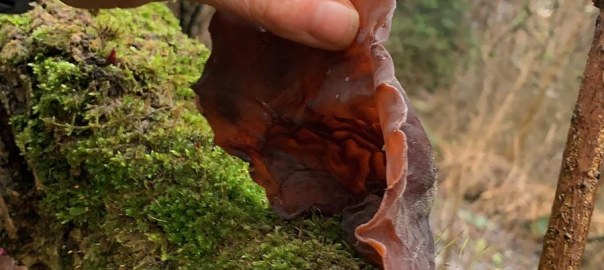
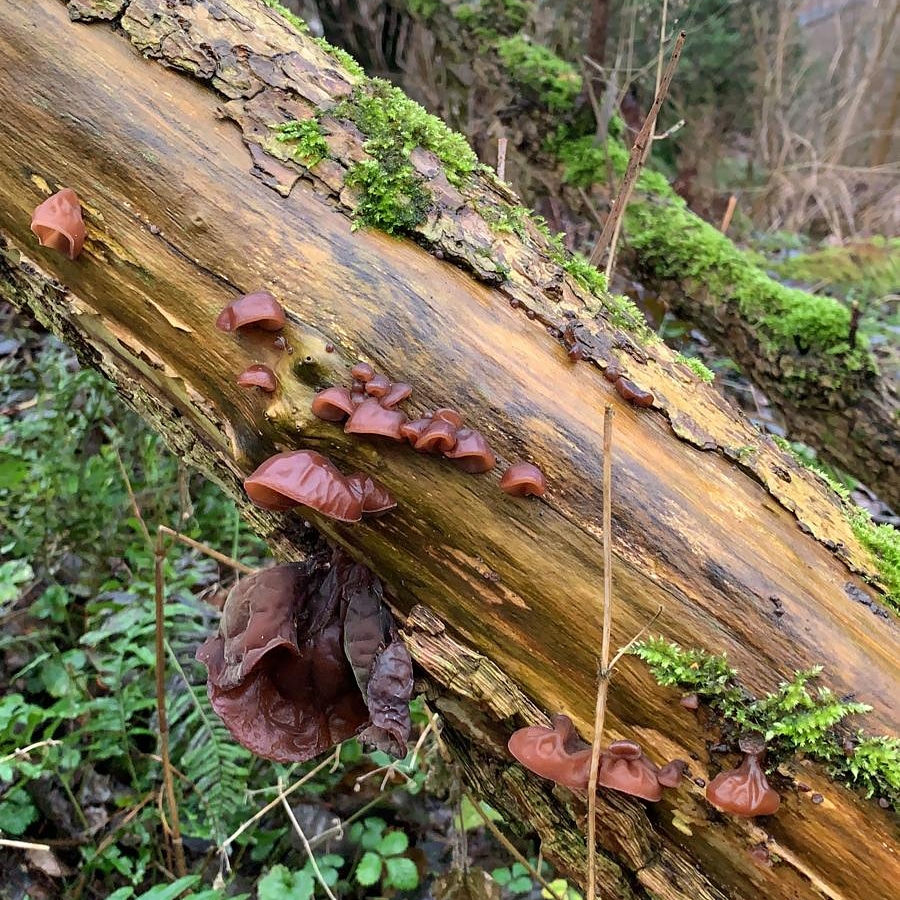
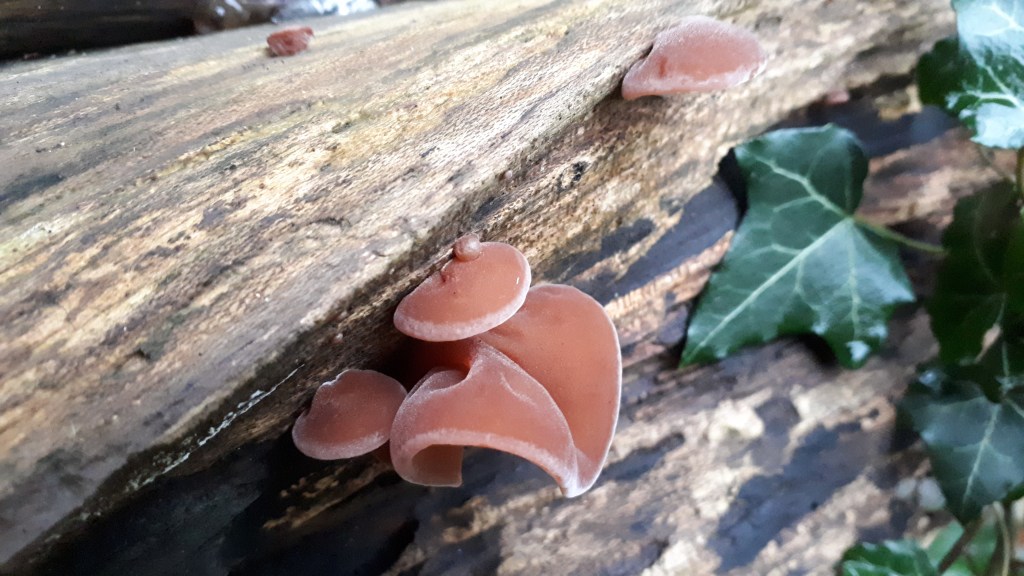
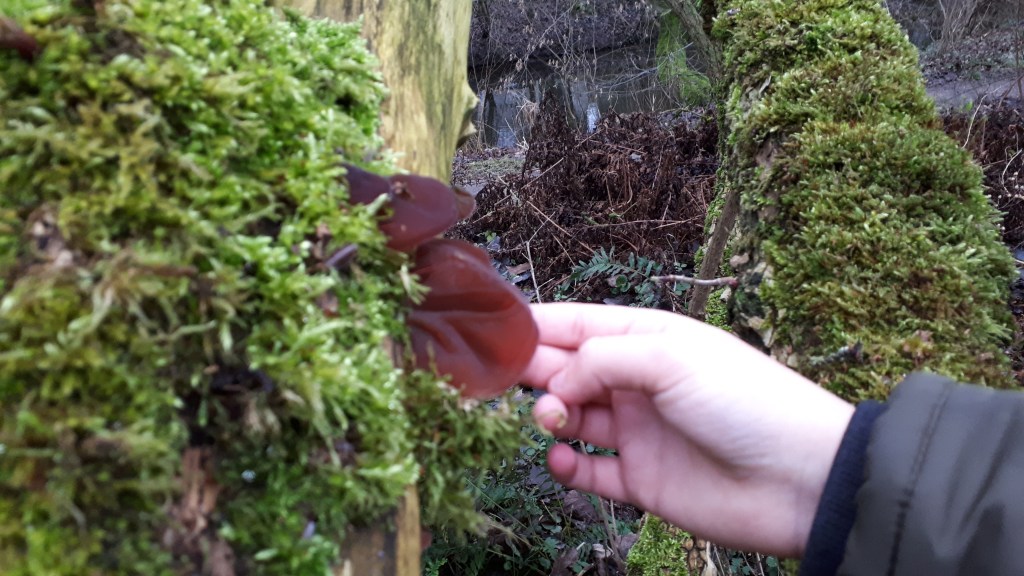
I’m back at work in school now so not too much time to write posts but I just have to share these images with you. I took an ex-student into the woods for a walk and chat last week and we found these amazing Jelly ear or Wood ear fungi on a mossy old Elder tree. The scientific name for these ear shaped beauties is Auricularia auricula-judae.

Photo credit: Tony Alvarez

Some were enormous!

Photo credit: Tony Alvarez

Jelly ears are one of just a few fungi that I get excited about when out foraging because they are so straightforward to identify and I love to pick, cook and eat them!

I harvested a couple whilst out on that walk and went back for more with my daughter, a few days later. We found them on the mossy Elder but also on older dead trees which now have no bark so I couldn’t identify those tree species (but they are certainly not Elder).

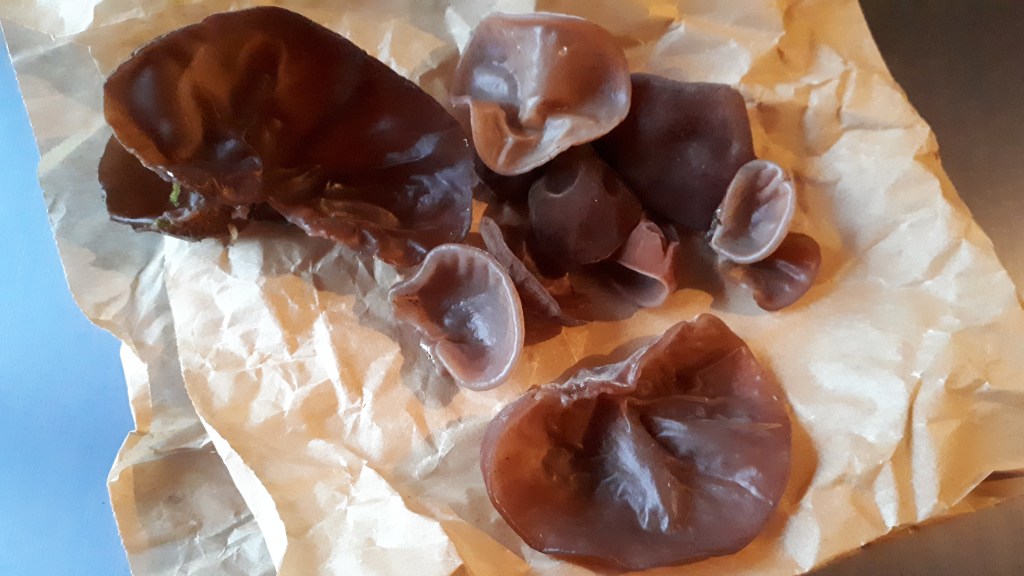
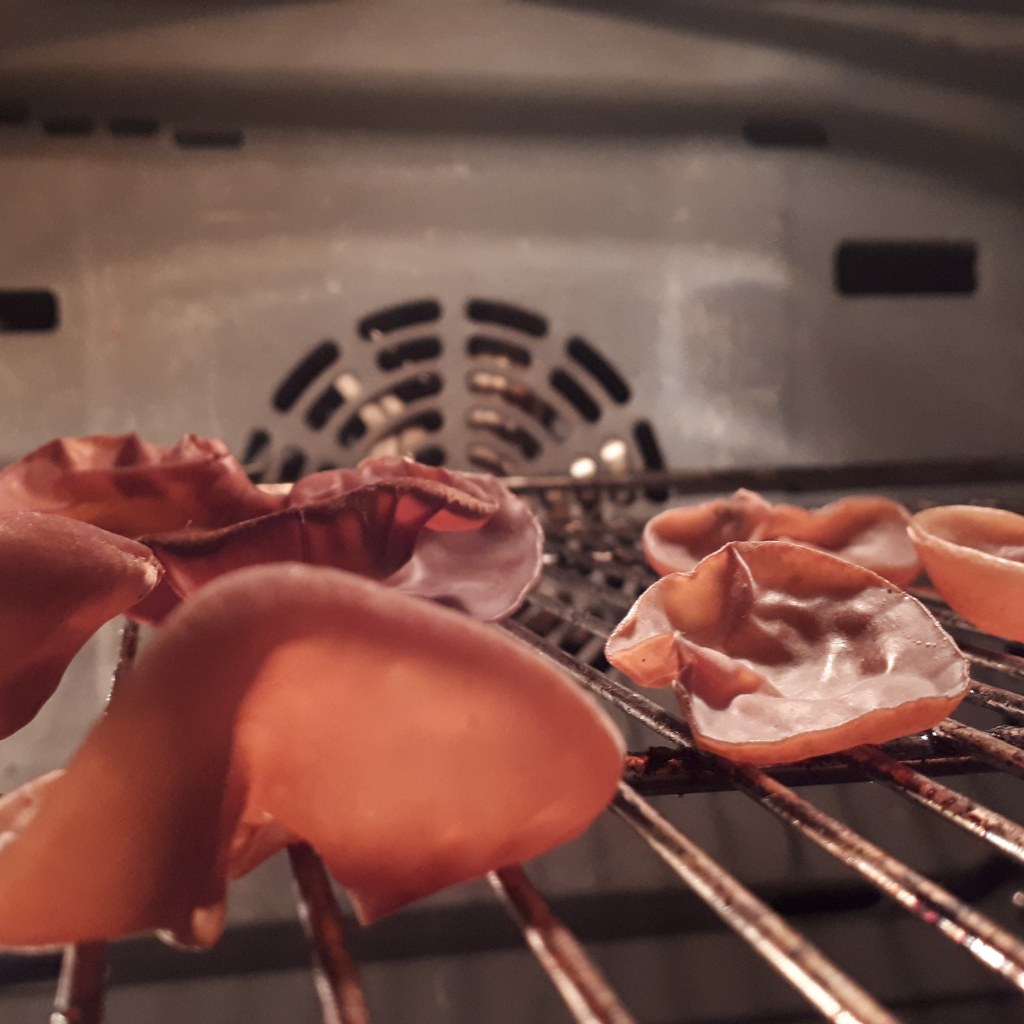
I harvested a small paper bag full, dried most in my oven on a very low heat and cooked up the rest in a curry.

I’ll rehydrate these in a cup of water for 15 minutes or so, when I’m ready to slice and cook them.

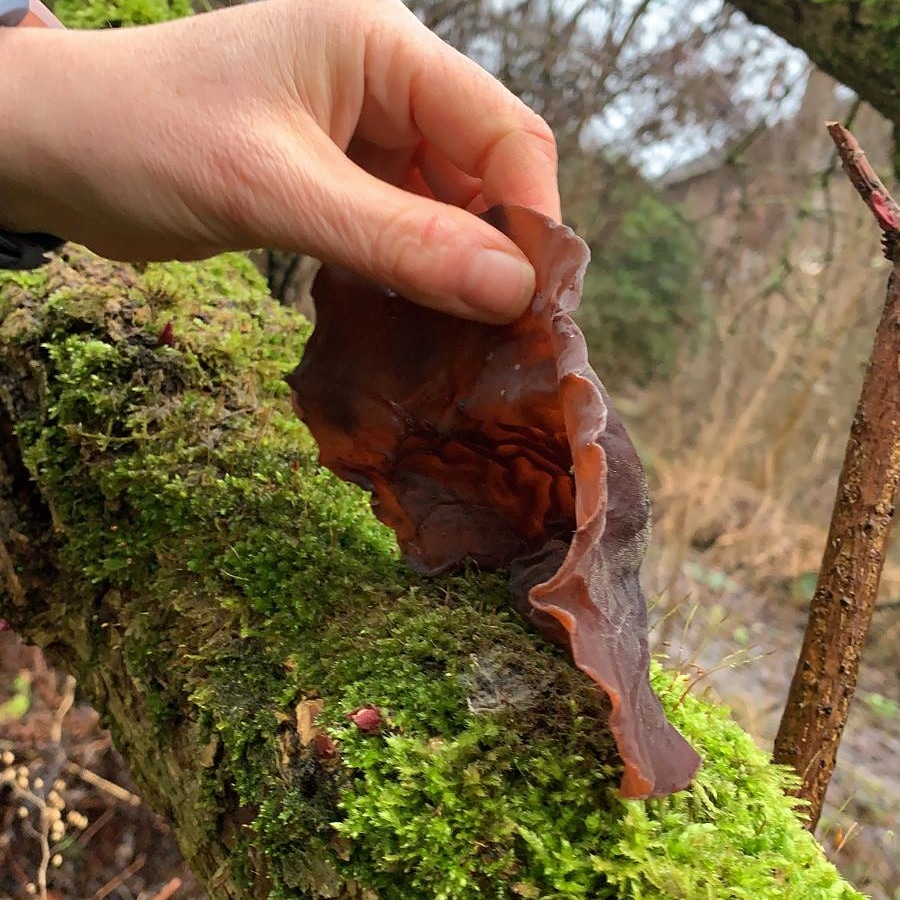
Velvety to the touch. Unmistakably gelatinous Jelly ears.

Jelly ears don’t have a strong flavour and they smell of the mossy woods which they come from. They have this particular crackle-crunch when cooked and munched and I really like them. They are not crunchy or crackly when fresh however. When on the tree, they are totally gelatinous, unmistakably ear shaped, have a velvety upper texture, a another under texture and are pure jelly in the middle. They can be pulled carefully off the wood rather like a bit of turkish delight. I like everything about them!

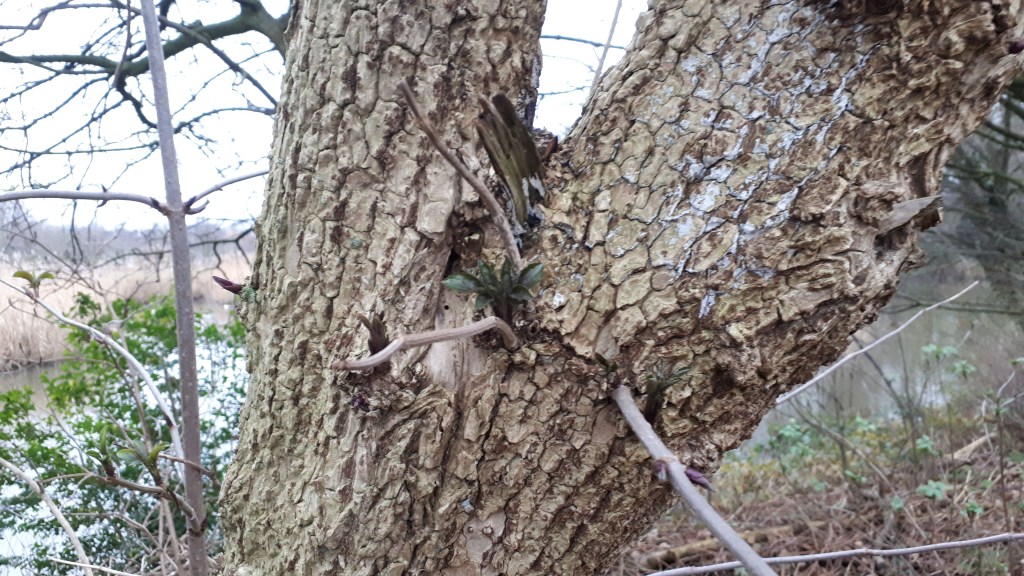
A mature Elder

Jelly ears are mostly associated with rotting parts of Elder trees (Sambucus nigra) but are also known to grow on other tree species.

I’d love to know your thoughts about these ears of the woods. Have you tried them? Do you like them? How do you like to cook them? Let me know your thoughts.

Midwinter Malva

One thing that I really miss when I am at school all week, is a long, relaxed, morning walk. I really need to start weaving more walks into my work week schedule. In any case, I certainly can’t complain as I am now on school holiday for a couple of weeks so started with a leisurely walk today. Taking in the air, sights and plants as I wander for 5km or more through Amsterdam east, is a great way to start the day.

wp-1576829054002.jpg

This morning, my walk took in a long stretch of the Weespertrekvaart. On one side, a cycle path, sport fields, allotments and Amsteldorp (with plenty of Christmas lights at the moment). On the other, a mix of new villas, tower blocks, boats, businesses and the old Bijlmerbajes prison buildings. In between, a wide stretch of canal which a few ducks, gulls and a morning rowing team were enjoying. Between the canal and the cycle path is a footpath and parts of it are edged with reeds and wild herbs.

At this time of year there is a lot of green to be found in Amsterdam but due to midwinter’s reduced light and temperatures, most plants are not in flower or in good shape for foraging. At this time of year, it’s best to look but not touch, unless you find a big area of something quite special which is clearly loving the reduced competition for light, which midwinter also brings.

This Malva patch caught my eye. Not only is the plant quite prolific in places along the footpath, but here and there it can be found in flower. Plants are much easier to identify when in flower so this is great for foragers. Even if you don’t fancy foraging during midwinter, it is a great time to build your knowledge – of plant ID and where the plants like to grow.

wp-1576843899851.jpg

Yesterday in school, one of the classes ran an assembly about different foods eaten to celebrate Christmas around the world. One mention really caught my attention – Malva Cake in South Africa! Malva – in a cake – what a great idea!

I tend to eat malva leaves, of all sorts, in salads or I cook them gently and eat in savoury dishes. They can be chopped up into a tasty falafel mix, fried, stuffed, cooked like spinach and then sprinkled with feta type cheese. The options are endless (so long as you are sure to wash dust off as they can be quite hairy). Marshmallow (Althaea officinalis) is in the malva family, so is the Lime tree (Tilia spp) and they have ever so unctuous leaves. The malva in this photo looks like Common mallow (Malva sylvestris) to me. In my experience, it has less unctuous leaves than lime and marshmallow but they are mild tasting, very palatable and quite abundant in the greener parts of Amsterdam. More importantly, Common mallow is neither endangered here in The Netherlands (the Marshmallow plant is) nor is it out of reach (as Lime tree leaves certainly are in winter). So I became more and more pleased with this find on the footpath edge. One of my favourite Amsterdam plants is Hollyhock. That is also in the Malvaceae family and the leaves look quite similar to Common mallow. And while I think of it, some other Malvaceae members are cacao, cotton, durian and okra. This family of plants has high economic importance around the world.

20160807_084216
Found these cacao pods growing from the trunk of a Theobroma cacao tree in Costa Rica (2016).

Malva cake sounds great to me and also brings to mind the big packets of dried Malva leaves sold by my local Turkish supermarket (Yakhlaf on Javastraat). I googled recipes for malva cake and was a little disappointed that most contained no malva at all and looked distinctly similar to sticky toffee pudding. I found one reference to a Dutch cake with malva in the name but no actual malva in the recipe. So I am now on the hunt for a recipe which contains enough malva leaf to make a delicious unctuous cake – and preferably without carb-rich flour (as I am trying to avoid carbs). If you know of a recipe, I would love to hear! In the meantime, I will start experimenting with almond flour and malva leaves.
malva pudding cake
David Lebovitz’ Malva Pudding Cake (click for link) – I know, it’s not exactly disappointing but where is the actual malva leaf in this mouthwatering recipe? Photo credit: David Lebovitz

Do you have any uses for Malva leaves which you would like to share? If so please let me know in the post comments or through my contact page. Malva leaves seem to be very widely used in other parts of the world and right now, they are looking good in both Turkish supermarkets and winter footpath edges here in Amsterdam.

Forage lightly and happily, my friends!


Next Urban Herbology walk in Amsterdam – Tomorrow! 21st December. Check out my meetup group or What’s app me on 0627596930 if you would like to join the Winter Solstice walk.

My Online+ Apprenticeship course is open to newcomers for just 5 more days (until end of 25th December). Then it will be closed to new members until Imbolc (February 1st 2020). For more information see here or contact me.


April stuff

A selection of moments from April:

Meetup walk from Amstel Station to Park Frankendael.

Tempeh making for the apprenticeship module

Relining the little pond with a trailer cover.

Leaf shapes

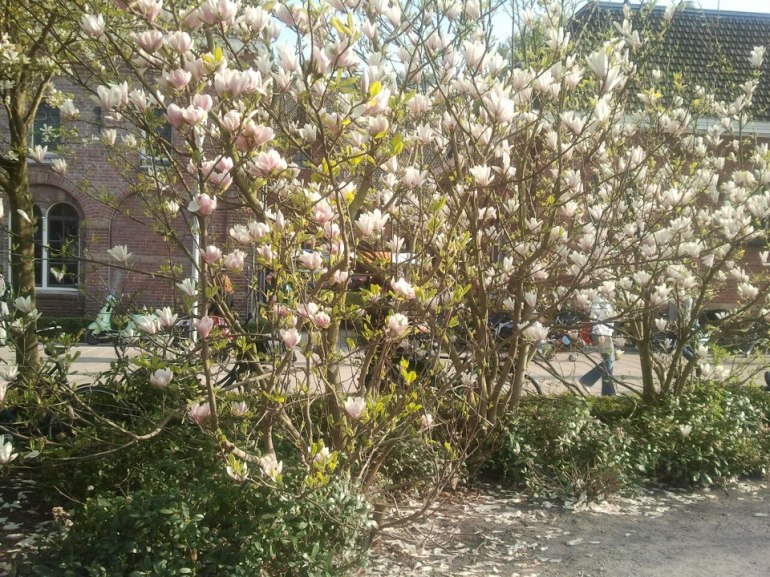
Magnolia time continues

Speaking about nature based spirituality at University of Amsterdam

Larry the cat and the herbs

Last year’s grape vine leaves come out to play

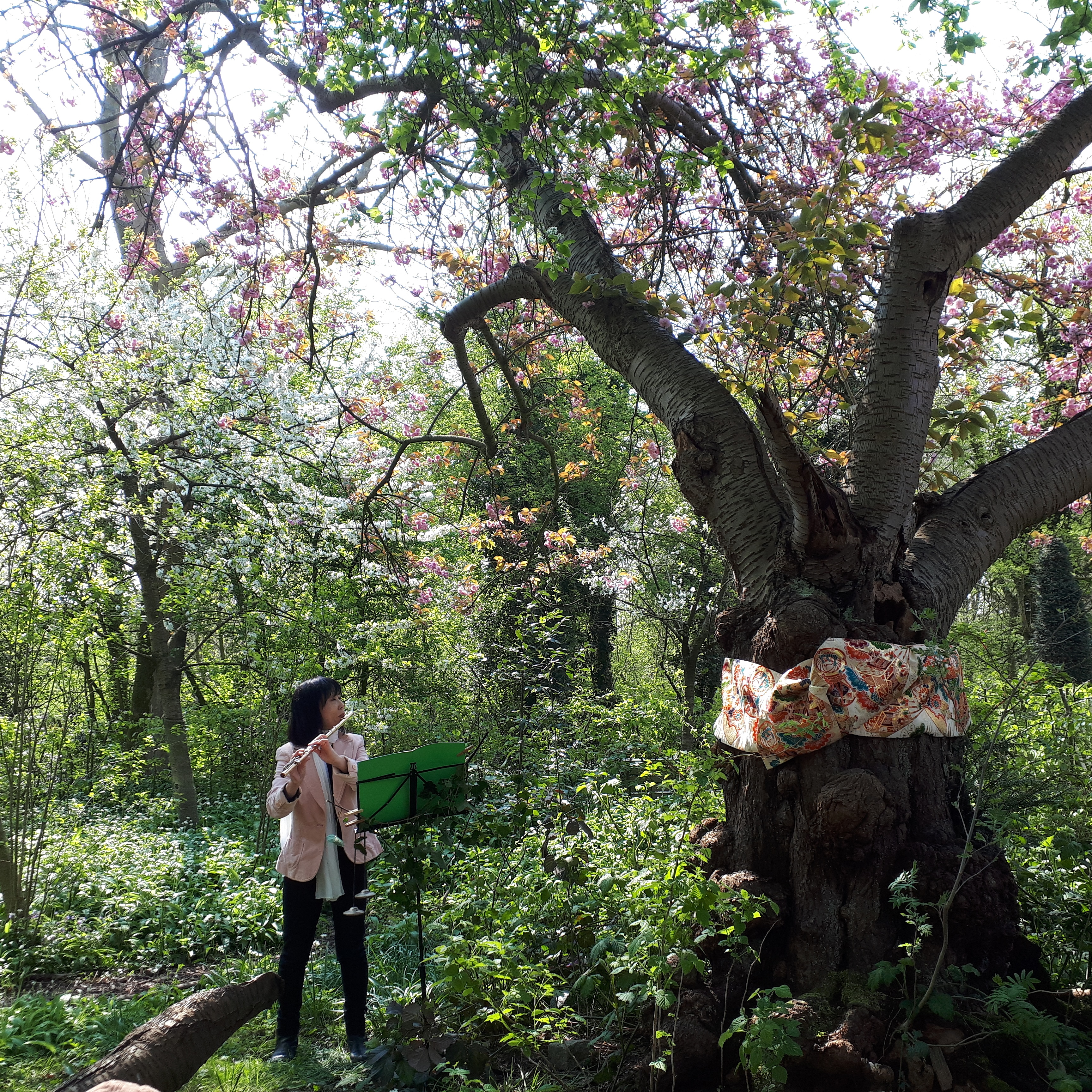
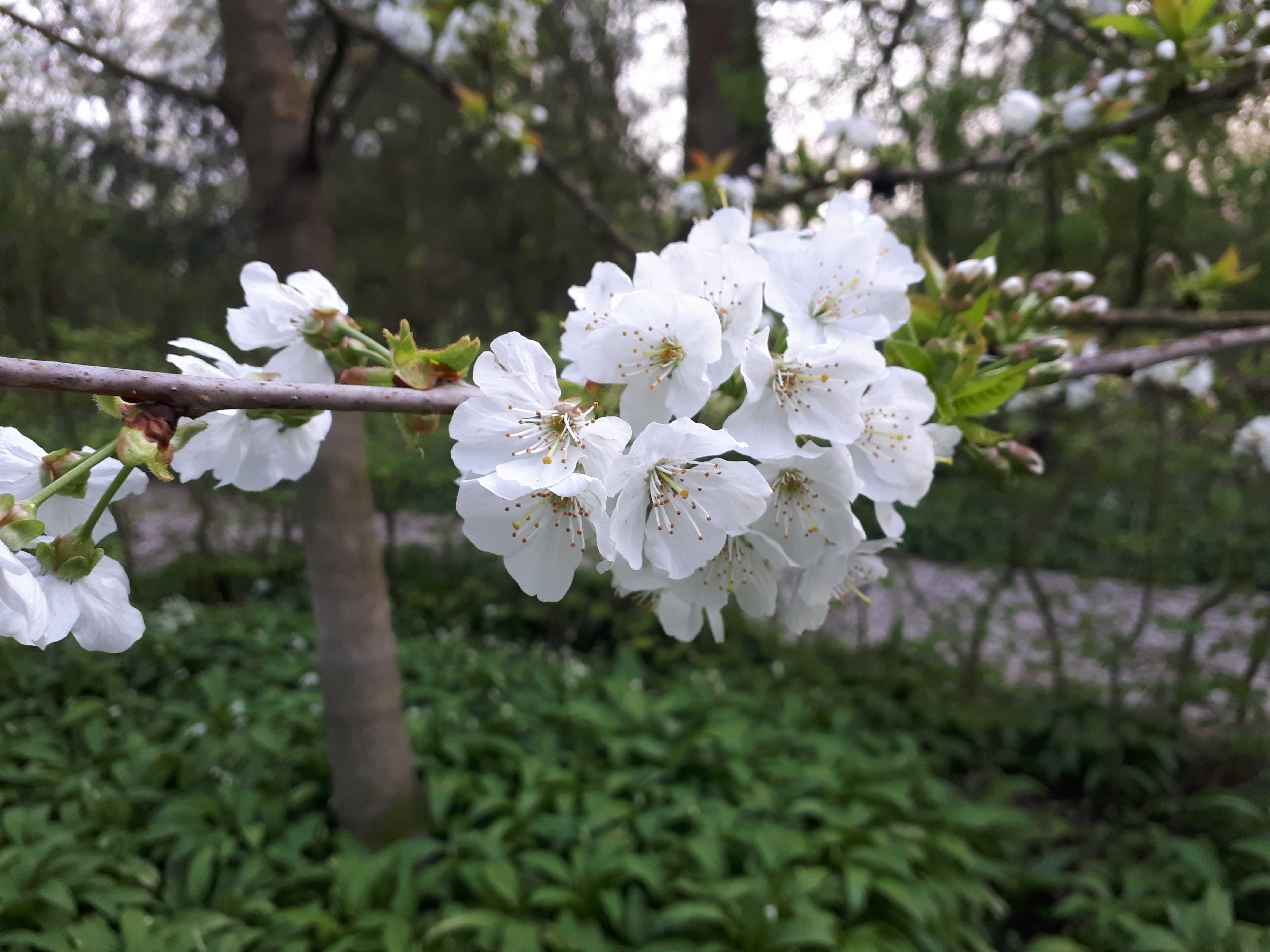
Cherry blossom gathering at the Orchards

Saurkraut time

Fermenting stinging nettle tops

Urban dandelion and burdock

A walk in the park

Grub

Allium paradoxum

Looks like a baby Giant Hogweed or a hybrid

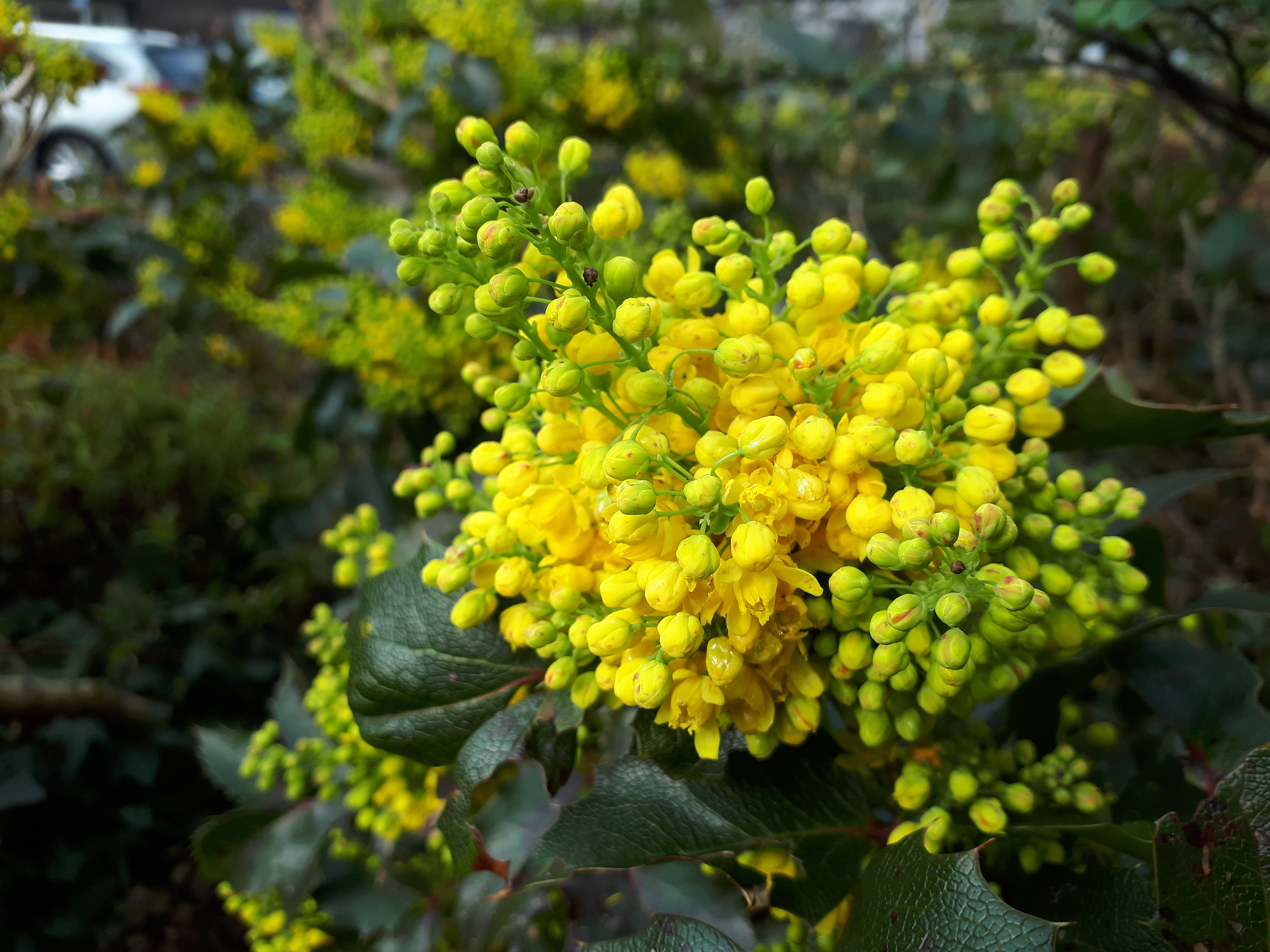
Mahonia in bloom everywhere

Nettle and friend

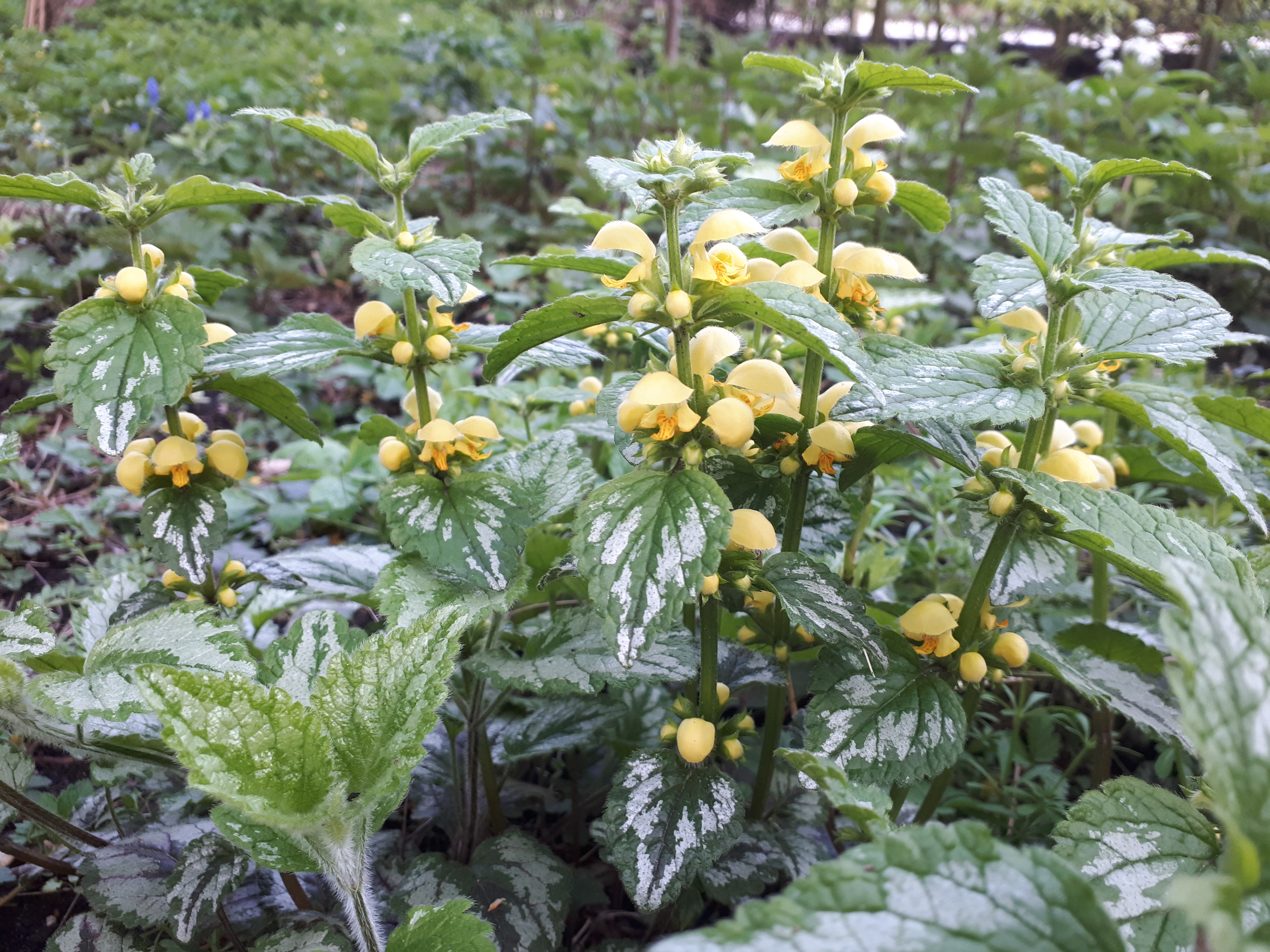
Yellow deadnettle all over the place

Purple deadnettles all over town

And it’s almost Elderflower time…

Chilli Children

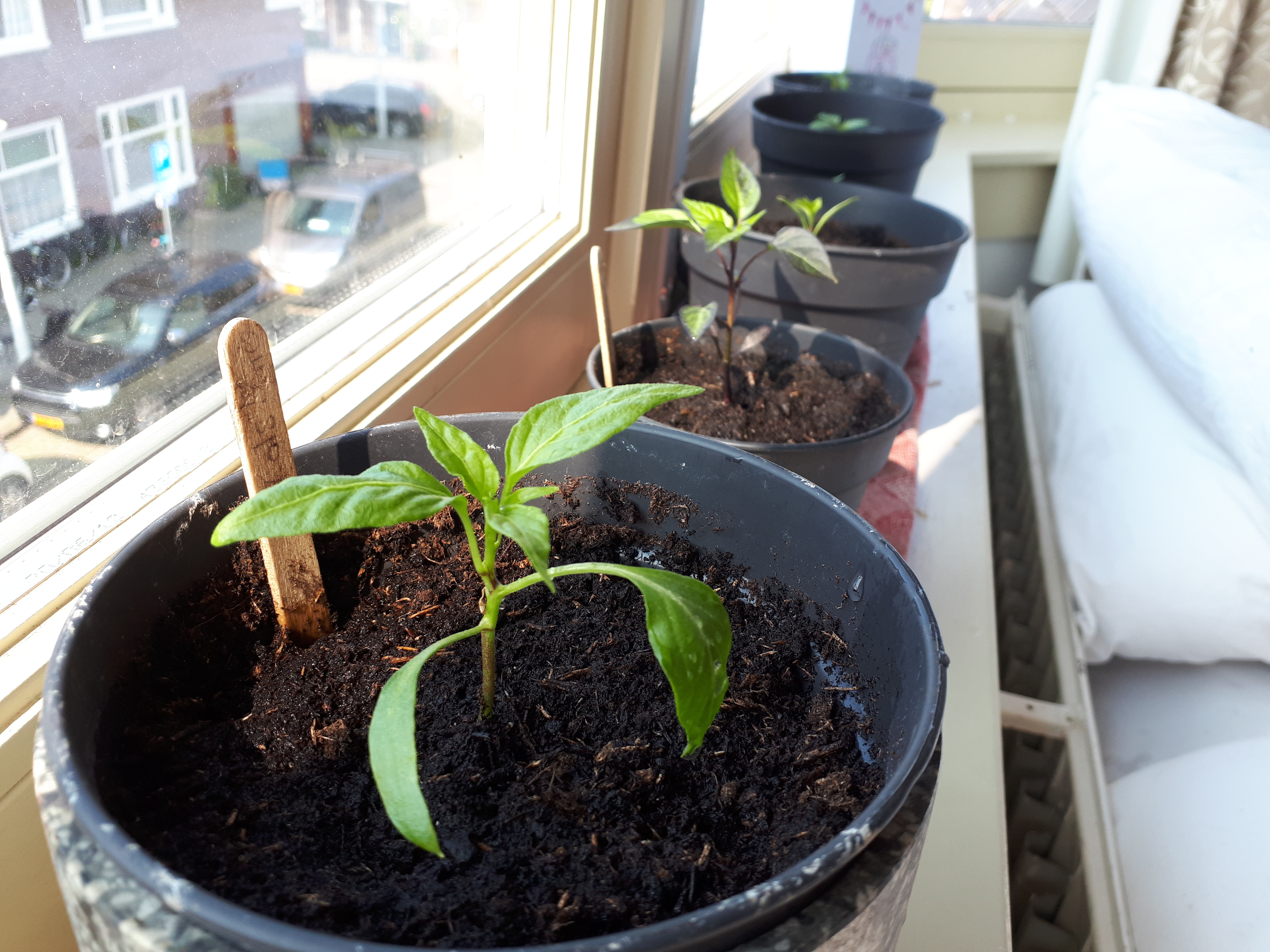
I’m growing chilli peppers from seed this year. They are growing in pots on my bedroom windowsill because that’s the sunniest spot in our apartment and our cat can’t get into the room to munch the seedlings.

I am hoping for a tidy crop from the varieties that I have sown. So far, sturdy little seedlings of Purple Jalapeno and pale green Lombardi Pepperoni are leading the way. They look great! I also selected some heatless varieties with my daughter (from the South Devon Chilli Farm) as she loves the plants but not the spice. So I’m interested to see how it all works out.

Actually, I’m not really interested, I’m beyond excited about my chilli plants!! I’m checking them all the time and I wonder how many other people are out there, living in apartments, tending similar little beauties and getting equally excited!

Today, whilst trawling YouTube for timelapse chilli plant videos (yes, there are many and many people watch them!), I discovered the Clifton Chilli Club which is very informative, which in turn led me to the Dutch Chilli Fest (September 8-9, near Eindhoven). The festival looks great, full of all things chilli. It looks quite a “who can eat most of the world’s hottest chilli pepper” style of event but it looks very interesting.

It got me dreaming of a chilli harvest celebration in Amsterdam. Perhaps there is such a thing? Please let me know if so – I’ve no idea. Anyway, if you would like to share your chilli growing love with me, feel free! Maybe we could meet later this year to admire each other’s chillis, salsas and pickles and swap a few choice seeds?

I’ll add updates as my Chilli Children mature.

Free food !

Want to grab a bag of hyper-local organic herbs in grateful return for a couple of hours light gardening? Sign up through the Meetup link to join the River of Herbs volunteer gardening team on Monday morning. Details are on the meetup event information.

I won’t be teaching here – doing that in the afternoon and the walk is full. This is for gardeners – no experienced required – everyone is a gardener because we all need to eat 🙂

Sign ups must be through meet up please and did bring along a bag to take your herbs home.

Some of the herbs available to volunteers in the foraging gardens pantry this week (in varying quantities) are:

Stinging nettle tops

Wild garlic (Daslook – Ramsons)

Fennel

Horehound

Chives

Deadnettles

Magnificent Magnolia

Magnolia is a tree which I fall in love with again, every year. Everything about it enthralls me. From the graceful angles of the branches, the bark, exotic blooms to the glossy evergreen leaves. A huge magnolia in bloom is a show stopper. One such tree arches quietly over the terrace behind Huize Frankendael, in Amsterdam east. Hundreds of visitors must walk beneath it without giving the tree much thought, until in March or April it explodes into bloom. There is no other tree that I would rather sit beneath and gaze up through than that magnificent magnolia in spring!

FB_IMG_15516484401208236.jpg

Edible and Medicinal Magnolia Petals
The flowers of Magnolia trees are edible and medicinal. In traditional chinese medicine, Magnolia flowers are known as Xin yi hua and are associated with the lung and stomach meridians. I enjoy eating them fresh plucked each year and happily report that they taste fragrant and spicy. I can also report that when I eat Magnolia petal, my sinuses become clear, quite like magic.

Imagine a slightly rubbery super sized rose petal which clears the sinuses a little, when you bite into it and you are getting close to the mouth feel and flavour of a magnolia petal. I like them very much and because a little goes a long way with these large petals, I can certainly recommend them to other urban herb lovers. As you may know, via my apprenticeship and walks, I teach how to harvest interesting herbs in towns and cities, in a safe and ethical way. This entails taking only a little, leaving no trace and really make the most of the harvest. Do contact me if you would like to know more – This is my passion!

Medicinal Bark
Fairly recent research suggests that Magnolia bark extract can help with oral health, stress reduction and several other disorders. In traditional medicine it is reportedly used as an antibacterial, anti-inflammatory, anticancer agent, in the treatment of Alzheimer disease, depression, diabetes, and menopause. All Magnolia species varieties are considered to possess the same medicinal qualities and there are apparently no known side effects – although we know that someone somewhere, could be allergic to the plant, so please be cautious. Magnolia Bark Extract is widely available for sale and Magnolia bark is an ingredient in many traditional Chinese medicines including Hsiao-cheng-chi-tang, Wuu-Ji-San, Heii-san, Shimpi-to, Hangekouboku-to, Masinin-gan, Sai-boku-to, Syosaiko-to, Irei-to and Goshaku-san.

Japanese traditional medicine also prizes both the bark and flowers of Magnolia. Bark harvesting is not something suggested for the urban forager because it certainly leaves a trace and it is certainly not ethical.

magnolia-westerpark-liberation-day-2013
Magnolias in Westerpark

Stealthy Petal Plucking
When harvesting from perhaps the most beautiful of city trees, one would perhaps look both foolish and anti-social to pluck entire flowers. So I suggest that you don’t. Instead, I recommend that when stumbling upon a prime Magnolia specimen in bloom, and feeling the urge to eat it, you do the following:

1. After checking for unwanted observers, wander nonchalantly up to the tree. Are the blossoms within your reach? If not move on to another.
2. If so, reach up as if to smell the fragrance of a prime bloom, pull it gently to your nose with one hand, whilst deftly plucking a single petal from its base, with the other hand whilst simultaneously inhaling the spicy aroma.
3. Tuck the plucked petal in your pocket as you gently release the bloom with your other hand.
4. Move along to another flower, as if to compare its scent with the previous bloom. Repeat steps 1 to 3 until you have harvested three or four petals.

A magnolia flower can miss one petal without much issue. If two or more petals are plucked from one bloom, evidence of foraging shows and that is not the plan. So one petal from a flower, move to another, one more petal and so on. When you have three or four petals, you are done. That is enough to make something very tasty and useful and you will have increased your stealth foraging skills..

Magnolia flower
Untouched – Delicious

Favourite Trees
I tend to forage a handful of petals each year, from 6 favourite Magnolias which are dotted around east Amsterdam. They are all growing in public spaces so stealth foraging is required. I don’t harvest from them if other people are around because apart from it just looks silly. I also limit myself to plucking a petal from two flowers per tree. I first wrote about my love of Magnolia petals on 2012. Since then urban foraging has increased in popularity so I also am careful to only pluck from Magnolias which seem not to have been visited by other foragers.


Magnolia Petal Recipes
Things that I like to do with a precious handful of magnolia petals. I hope that you have a go and let me know how you get on in the comments.

Magnolia Petal Pickle
They can be pickled, old English style by simply filling a small jar with fresh petals and then completely filling the jar again with rice wine vinegar or apple cider vinegar with a little salt and sugar to balance the flavours. I don’t add sugar or salt so I guess my version is simply Magnolia petal vinegar – I don’t mind because it tastes good 🙂

Fermented Magnolia Petals
You may like to ferment them using a little salt and water, in the style of Sandor Katz.
I prefer to lay them in my handy small Japanese vegetable press. I then sprinkle with a pinch of salt and apply the gentle but consistent pressure of the Japanese press for about 3 hours. This produces a very light ferment and it draws out some of the water from the petals (which tastes good too). You can leave the pressure for a lot longer if you prefer, winding the contraption every few hours to ensure the petals are in fact under a little pressure and to encourage the process.

Magnolia Petal Honey
When I first tasted a Magnolia petal and felt its clearing effect on my sinuses, I decided to transfer the petals’ properties to honey. This is soooo simple to make. It creates something which my family and friends find delicious and I hope you will too. If the honey turns you off, try Agave syrup. It works very well but in my experience is less spreadable (being rather runny).

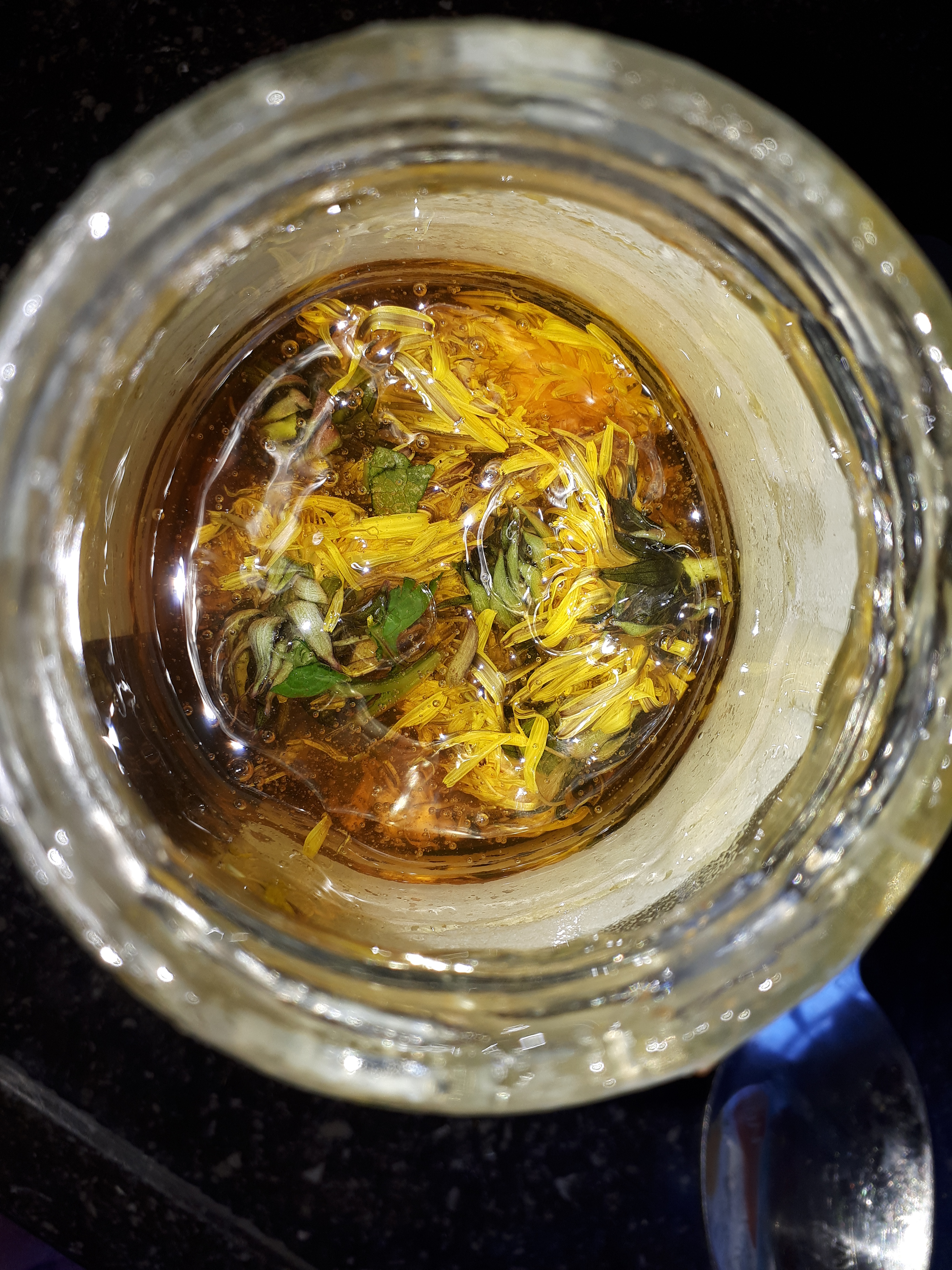
magnolia honey
Magnolia petals infusing in honey

How to Make Magnolia Petal Honey (or use Agave syrup)
1. Gather your petals.
2. I rarely wash magnolia petals because I only harvest clean looking ones, which are from way above the ground but unsoiled by birds. You may like to wash yours. If so, then dry them off.
3. Tear the clean, surface dry petals into a sterile small glass jar. I use dishwasher cleaned pesto jars for this sort of thing.
4. Covered completely with runny honey. Use a chop stick or knitting needle to loosen trapped air bubbles. You may need to release the air and top up with honey several times. The jar should be filled to the brim with honey. The air bubbles won’t all leave the honey but prodding with chopsticks, helps them to escape and thus reduces the risk of contamination.
5. When no more air bubbles are escaping and no more honey needs to be added, close the jar tightly with its lid.
6. The constituents of the petals will infuse into the honey over the following days and weeks but the honey will take on a delicious Magnolia aroma and taste within a few hours.
7. Eat in any honey way (smear on bread, add to smoothies, mix with a little vinegar for an elixir, etc) you choose or take a teaspoon now and them to help soothe anxiety, sore throats or respiratory congestion. I don’t bother to strain this honey as I like the petal crunch. You could strain after 6 weeks if you preferred. It seems a waste of those petals though.

Please note that the herbal honey may start to ferment after a while, due to the high water content in the petals. Keep an eye on the jar, if it starts to bubble, the lid must be loosened to avoid pressure building up and the glass jar exploding. Storing it in a cool dark location will help to preserve its shelf life. Eating it all up will also avoid the problem 🙂


I hope that you get a taste for Magnolia petals this year and have a try at infusing them in honey, agave syrup, vinegar, vodka or olive oil. This herb is so beautiful, so giving and so tasty – it would be a pity to miss the fun completely wouldn’t it? I was looking at my favourite Magnolia at twilight this evening. It will open its blooms very soon and I will be waiting and thanking it for every petal.


Do you like it?
Please do add a comment about your magnolia experiences at the foot of the page or fill in the contact form. I would love to hear how you get on with magnolia and what else you are keen to learn about!


Learn Urban Herbology
If you want to learn more about foraging and using herbs in towns and cities, take a look at my apprenticeship course. I have helped hundreds of wonderful people learn about Urban Herbology over the years and I would love to help you on your journey!

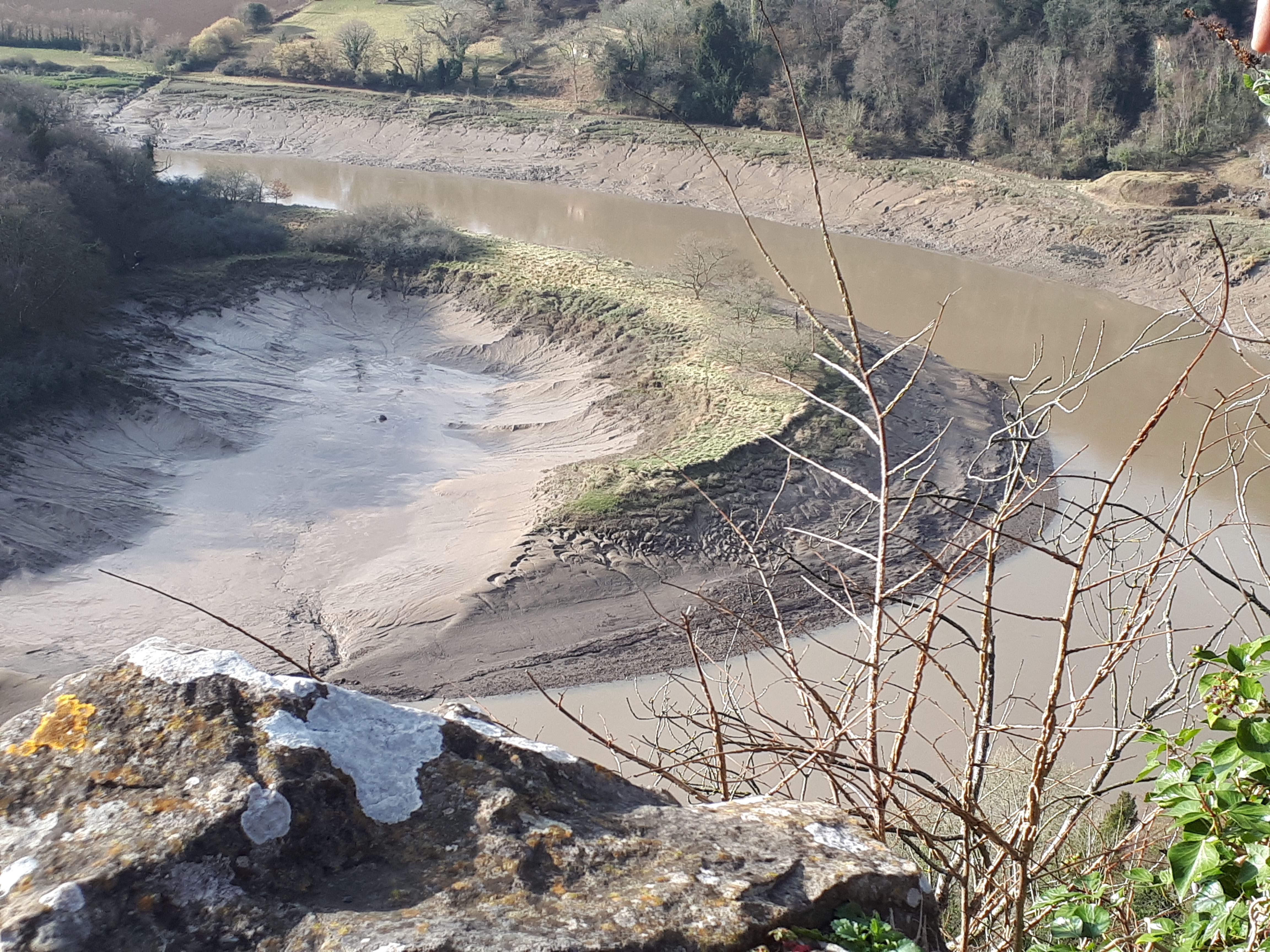
A walk alongside the Wye

Last week, I visited my family in the UK. My parents live in Chepstow and my Dad is a great walker so one afternoon, the two of us headed out to a beautiful spot along the Wye valley, just off the Offas dyke trail at Lancaut Lane, a few miles north of Chepstow.

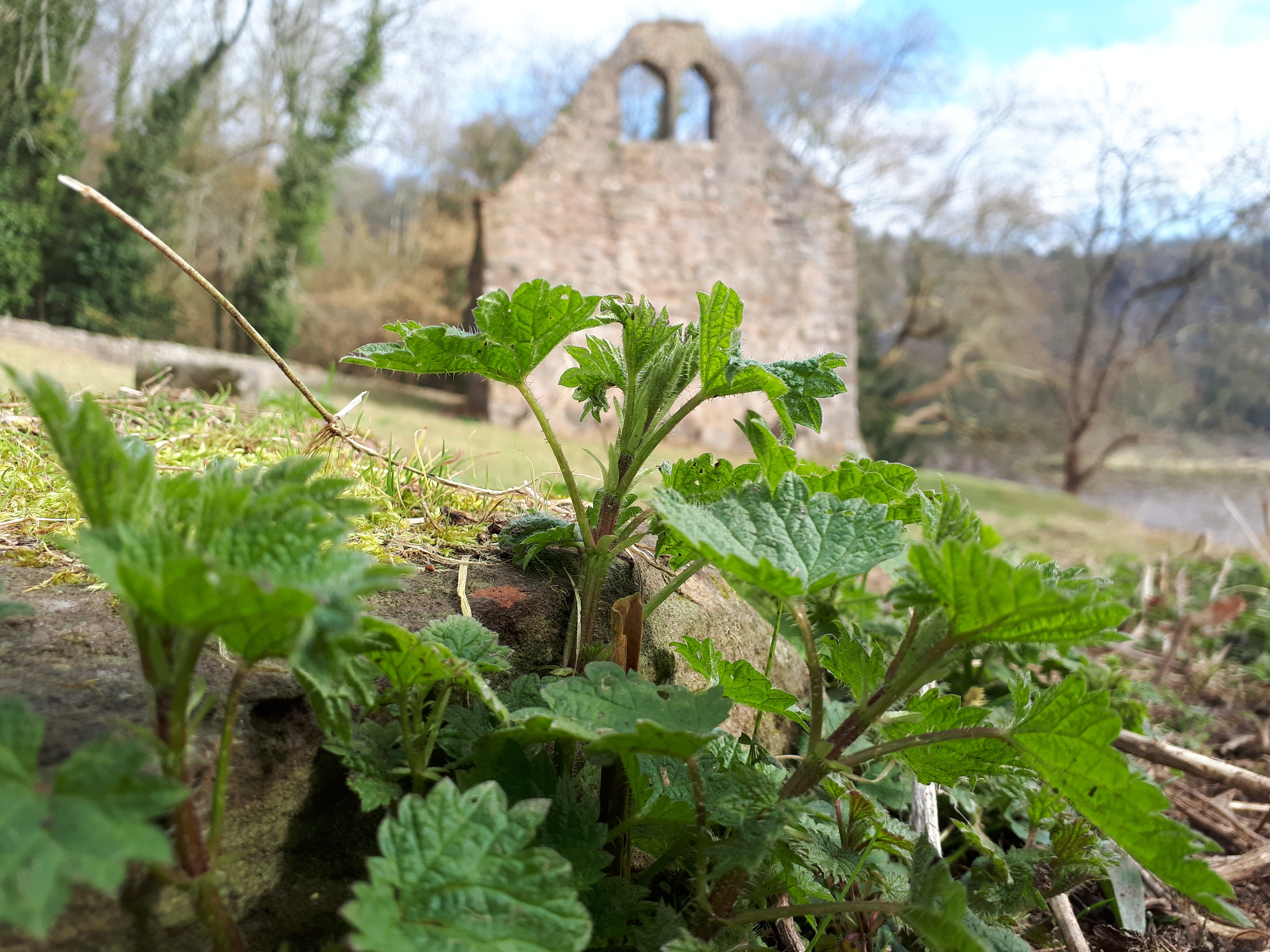
It is the site of an old village, of which the only remains are derelict lime kilns, some interesting earth mounds, stones and a beautiful ruined church.

The setting is outstanding. The ruined church is found down a steep winding path from the road, in a clearing, close to the banks of the River Wye, as it makes a sharp bend beneath steep raw cliffs. It’s a lovely walk, with wild flowers, catkin-laden hazel trees and greenery all around even in February.

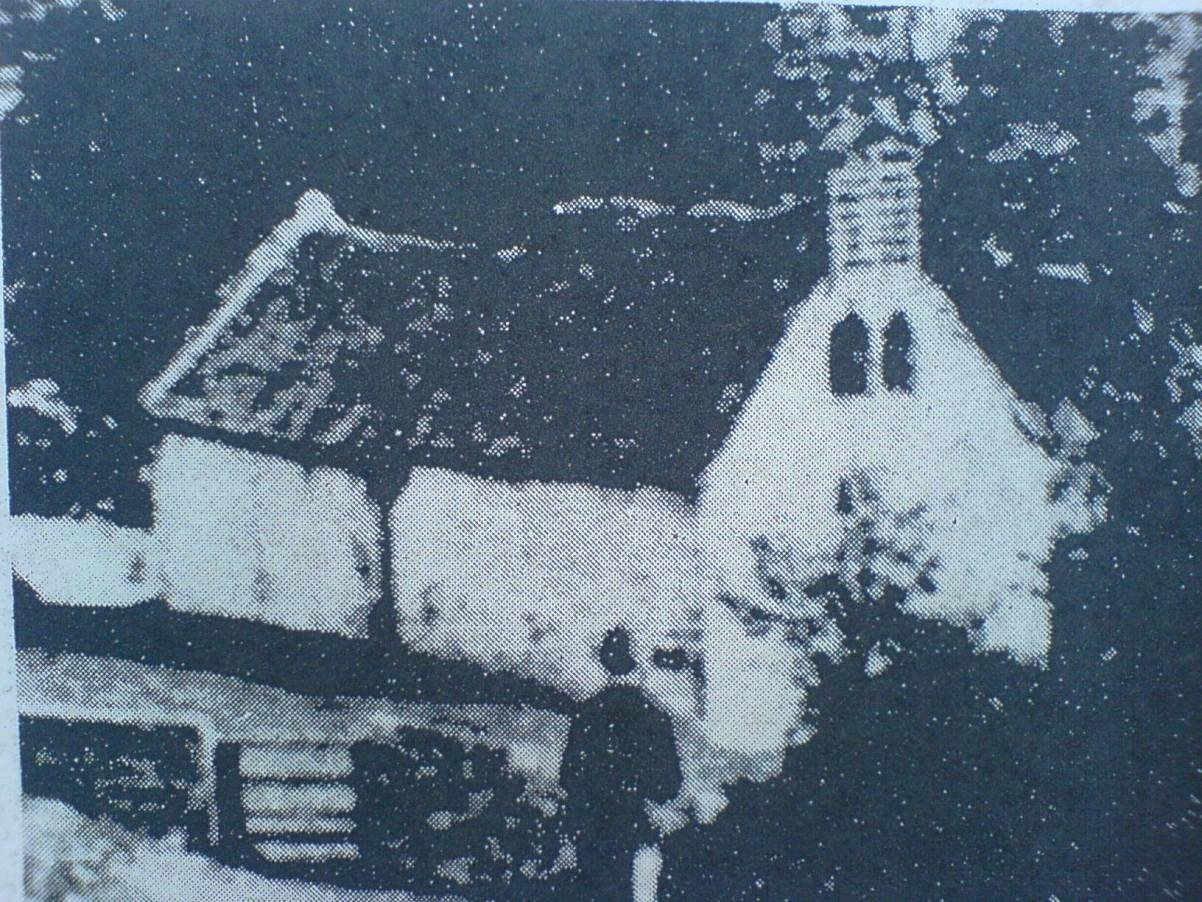
St James’ Church, Lancaut is now cared for by the Forest of Dean Buildings Preservation Trust. It was still used monthly until the 1830’s and there’s a displayed photo as you approach, of the walled graveyard and already ruined church, completely packed with church goers. I imagine that those monthly services were quite something!

Dad found this informative blog post, written 12 years ago by Mercurius Politicus. It traces the history of the location and is certainly worth a read. Here’s a pre-1865 photo of the church, taken from that website.

We loved looking at the old gravestones, a couple of which are now used to mark the graveyard boundary. Within the church can be seen two very interesting headstones from the 1600’s which show a heart in the middle of the text. Other engravings around the church seem to match this flowing, curvaceous style. It is quite beautiful. Can you see the ladybirds on this headstone?

We spent some time sitting a top a mound, watching the River Wye flow strongly by, spotting plants, observing birds feeding in the mud on the opposite river bank and wondering if two distant rock climbers would really make it to the top of a cliff face.

I made a podcast whilst walking around the church, looking for signs of the herb Elecampane. If you’d like to listen, click the link. My Dad features quietly here and there, as the guest Yorkshire accent. I must take a second microphone next time 🙂 We talk about Bramble buds, Hazel, Elecampane, the beautiful views and such like.

Episode 3 – Walking around St James’ Church

We found some lovely plants on our walk including the catnip in the photo below, apparently scampering up an exterior wall. The plant doesn’t look much in February, the dead flower stems gave it away, but it will be stunning in a few months time.

I definitely plan to return to this place. It’s a real treasure. The area is part of a nature reserve and is registered as being of Special Scientific Interest. It is said to be home to over 300 plant species so a visit when more of them emerge from the ground is needed.

The derelict church is now used as a place of worship once or twice a year by Tiddenham parish. It is easy to find from the road and has a strong pull.

I’d be very interested to hear in the comments below from anyone who frequents the place or has tales to share about it. Perhaps you’ve worshipped there or have actually found the elusive Elecampane of the monks?