Category Archives: Wild herbs

Foraging in January

Would you like to know which edible and medicinal plants are possible to find in Amsterdam in the middle of winter? Want to know how to supplement your diet for free from local plants? How to make simple remedies and first aid treatments from them? And would you like to know about the local poisonous plants? Great! Then, join me for a walk in Park Frankendael and let me show you what’s around, even in the colder part of the year; Learn how to identify delicious and nutritious plants, how to ethically harvest them, and how to use them.

January Walks – Choose from:
Sunday 12th January
11.00 – 12.30 – Park Frankendael

(Full – Contact to join the Waiting List)
€15 per person
and
Wednesday 22nd January
10.00 – 11.30 – Park Frankendael
€15 per person

The walks will start and end at the same location, near the bike racks closest to Huize Frankendael/Restaurant Merkelbach. We will walk in the woods, alongside water, on grass and other areas of the park – including the foraging gardens. The walk will go ahead in all weather except storms, so dress for it 🙂 You will receive a handout to help you remember the plants and uses afterward and we will drink herbal tea from herbal finds. If you want to forage, please bring along a small paper or cotton bag to take home some herbs and seeds. The walk is gentle and fairly slow, the paths are mostly natural, of woodchip or soil. There is a public toilet in the park. Come prepared to connect simply with urban nature.

Who am I?
My name is Lynn Shore, I have been teaching urban foraging and self-sufficiency skills, in Amsterdam for over 14 years and have been running a city foraging garden for the past 10 years. I am a fully qualified herbalist and a proud member of the Association of Foragers. Over the years, I have led walks for large and small groups (including Greenpeace), work with top bartenders, restaurants, eco-friendly businesses, and community groups. This coming April I will take part in a research project where I will live only on foraged food for the month to study the effects on the body. My Master of Public Health degree specialised in Urban Food Security and all of my work aims to connect city people with nature – to improve health, wellbeing and the environment. I am passionate about this and love teaching others how to do it. This walk is in English – I also speak Dutch.

Booking Information
Payment is by bank transfer to account NL41 SNSB 0705 8981 99 (LM Shore). Payment is required to secure your booking.
Please Email urban.herbology.lynn@gmail.com to book or in case of questions.

Cancellation Policy
Payments are fully refundable up to 24 hours before the event. If you need to cancel after that time (so less than 24 hours before the event start time) a refund can only be made if we can fill your place with someone else.
Nettles – Urban Foraging Event

It is nettle time!
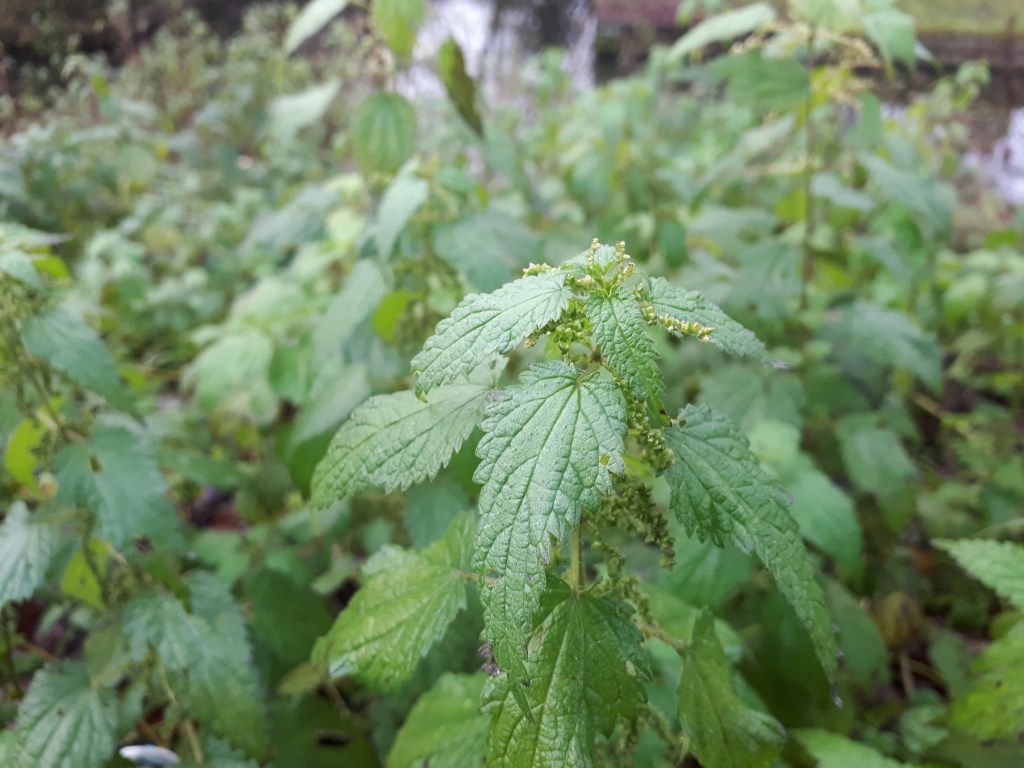
Learn how to identify, ethically harvest, craft, eat, grow, use and generally make the most of locally growing nettles, so Stinging nettles (Urtica species) and several Deadnettles (some of the Lamiaceae family), with Livvy de Graaf, assisted by Lynn Shore. Lynn is a professional foraging teacher (member Association of Foragers) and consulting herbalist. Livvy, is Dutch-British and has been harvesting and eating wild food for longer than she can remember. She is Lynn’s daughter and certainly knows her way around the woods and foraging orchards, where this event will take place. She looks forward to sharing some of her skills with you. The walk will be primarily in English.

Location
We will be working mainly in the River of Herbs foraging gardens, which Lynn has run for over 10 years, so unusually will be able to dig up some of the stinging nettle roots, to plant elsewhere or for you to cook/preserve/process at home.
Meeting at main entrance of Park Frankendael, closest to Middenweg 72, Amsterdam (Restaurant Merkelbach / Huize Frankendael).

Handout
Written info and recipes will be provided. You will learn about and try different preparations made from the focus plants (including a cup of tea). You will then be able to make your own potions/creations at home, using what we forage together and the handout.

The plants
Different “nettles” are up and forageable in Amsterdam all through the year, but at this time the Stinging nettles are growing strongly, and different Deadnettles begin to flower. This is the best time to start using them in simple remedies and to enrich food. As you learn about Stinging nettles and Deadnettles, you will also meet some other amazing wild herbs that are around at the same time. For instance, wild garlic is also in full growth at this time, so you will be able to dig some of those bulbs up, from legal places, if you want that and have uses for them.

Please bring along
cup/mug
paper bag (grocery small bag to take the harvest home)
pen/pencil to add to the notes.
hand trowel / handschep (we will have a few to share if you don’t have one).

Booking
€15 per person, paid in advance
Please email to reserve your place and receive the bank details for pre-payment. Your place is secured when your payment has been received.

Cancellation policy
100% refund if cancellation more than 24 hours before event start time. Cancellation after that time (so less than 24 hours before the start time) can only be refunded if we can fill your place with another person.

We are looking forward to meeting you!

Wild Garlic (Daslook) Ethical Foraging Event

Extra Date: Saturday 17th February, 10.00 – 11.30, Park Frankendael. Amsterdam

This is an event for wild garlic lovers!

Learn how to identify, ethically harvest, craft, eat, grow, use and generally make the most of wild garlic (Allium ursinum) or Daslook, with Livvy de Graaf, assisted by Lynn Shore, professional foraging teacher and herbalist. Livvy, is Dutch-British and has been harvesting and eating wild food for longer than she can remember. She is Lynn’s daughter and certainly knows her way around the woods of Park Frankendael, where this walk will take place. She looks forward to sharing some of her skills with you.

We will be working mainly in the River of Herbs foraging gardens, so unusually, will be able to dig up some of the fresh wild garlic bulbs, to plant elsewhere or for you to cook/preserve at home.

Handout with wild garlic info. and recipes, and a cup of herb tea will be provided. You will learn about and try different preparations from sweet, sour, savoury to medicinal. And will be able to make your own potions/creations at home, using what we forage together and the handout.

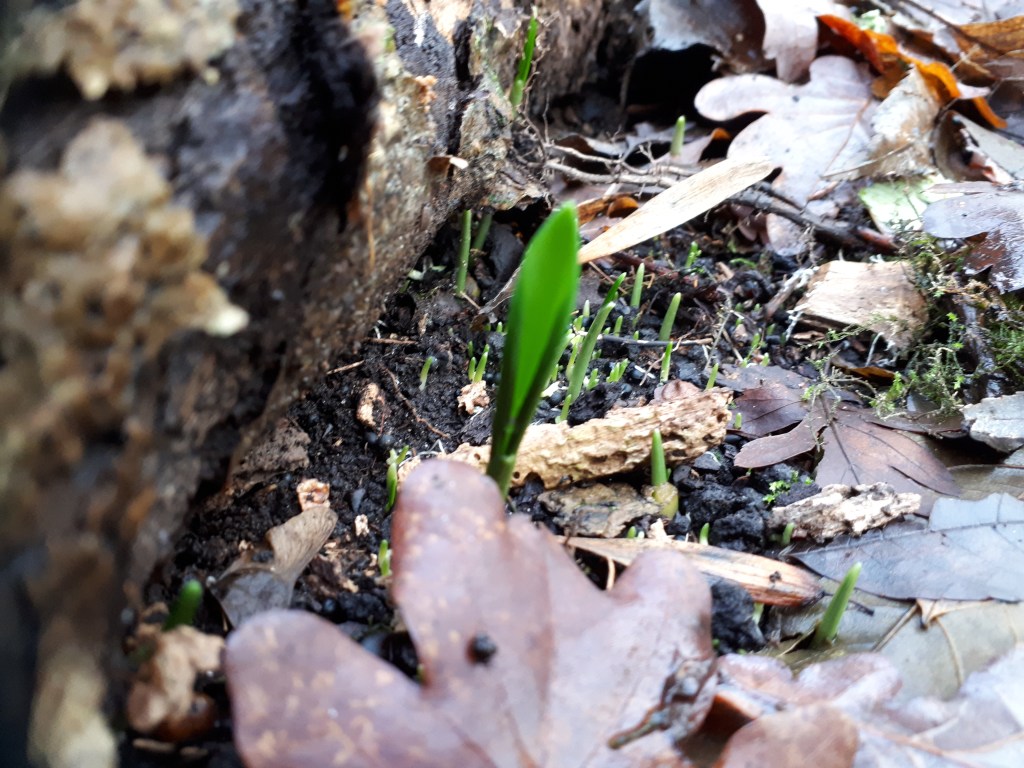
Wild garlic emerging from the early spring soil, heralds the start of the main foraging season. As you learn about wild garlic, you will also learn to recognise other amazing wild herbs which are around at the same time.

Please bring along:
drinking cup
Paper bag (grocery small bag to take the harvest home)
pen/pencil to add to the notes.
hand trowel / handschep (I will have a couple to share if you forget or don’t have one).

Cost: 15 Euro per personPayable in advance
Please email urban.herbology.lynn@gmail.com and you will receive the bank details for payment. When payment is received your place is booked.

Cancellation Policy:
If canceling, for any reason, 24 hours or more before the start of the event – Full refund.
If canceling after that time (so less than 24 hours before the start time of the event) you will be refunded only if we have a replacement.

Looking forward to meeting you!

Spring has Sprung

Ate my first wild garlic leaf of the year, whilst leading an Urban Herbology Walk, this morning. It was delicious and I’m now filled with spring fever (and garlic breath ;).

Wild garlic / Daslook / Allium ursinum is always to be found here in January, if you know where to look, but it’s a little ahead of normal. There are also lots of other bulbs pushing up, such as crocus and daffodil and you wouldn’t want to confuse those as they are not to be eaten.

My next public walk is February 9th (a Thursday) and I’ll set another date very soon for my Wild Garlic Workshop. Didn’t do it last year but feels good to offer it again soon.

So, today we all took home some oyster mushrooms and wild garlic bulbs, as well as a selection of edible leaves. Ground ivy and violet leaves being my favourites at present

I made an omelette of Oyster and Wood ear mushrooms, comté and brie. Hard to describe the experience in my body cells, which the wild garlic brings.

I could smell spring yesterday evening, cycling through town, didn’t dare mention it, but today it’s conclusive – Spring has Sprung! Well at least for foragers and those affected by Hazel pollen…

Please remember that you shouldn’t dig out any bulbs or roots, as a forager, unless it’s your garden (or the paths in the foraging orchards). If you’re determined to harvest so early, be sure that what you pick, stinks of garlic. And that you only take a little from a plant, so it can quickly bounce back and grow new leaves. Also keep your harvesting tidy and sharp, so it looks like you’ve never been there.

Happy foraging me hearties – May you be glowing with the chlorophyll, glutamyl peptides and sulfoxides of Allium ursinum, before too long!

#ramsons #wildgarlic #daslook #alliumursinum #urbanherbology #cityforaging

Lughnasadh ramblings

Just felt like posting a few photos today, of herbs grown, found or harvested recently. Also to mention that I now have more availabilty to run workshops and walks, so have set some new apprenticeship dates for September – October and will soon be setting some Amsterdam herb walk dates.

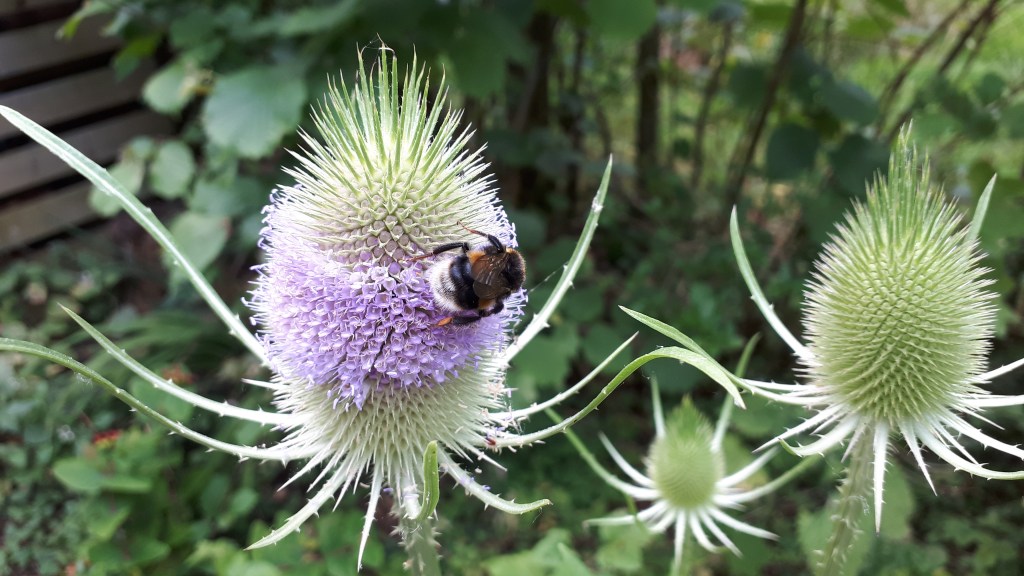
Bumble bee on teasle flowerhead

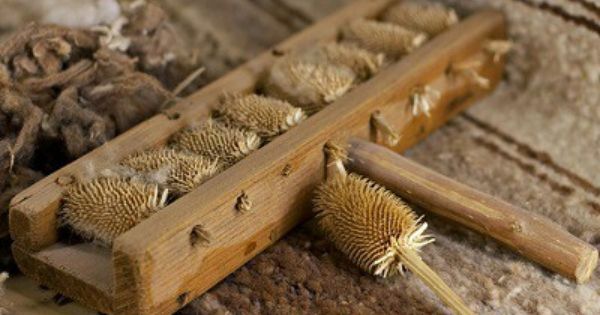
This summer, I have been spending lots of time at my volkstuin. Teasle (Dipsacus fulonum) is a tall wild flower, not best known in gardens because it tends to do its own thing, growing exactly where it likes, often at the edge of where humans would like to walk, and as the plants develop the often lollop over paths and catch on humans clothes. Clearly, this is not always desired (although this makes/made teasleheads perfect for carding wool – the Dutch name for the plant is Kaardebol – literally carding ball). Anyway, I love teasles and tend to encourage visitors to work around them and admire them in my garden, rather than pulling them up. They don’t transplant so well for me. People transplant with far more ease.

Dried teasleheads in a carder. Photocredit: Pinterest

I love watching these plants develop through the year, from their characteristic sturdy seedlings in spring to tall summer beauties. They always get me excited – in a herbalist kind of way. How tall will they grow? How many flowerheads will each plan bear? Will they make it through possible summer storms? Will I tincture the root of a two year old this autumn? How many bumblebee species will visit them this year? Is there a way to encourage more flowerheads on one plant? and so on..

Last week, each morning that I woke at the gardenhouse, I pulled back the curtain and lay in bed admiring the bumblebees as they worked the teasle flowerheads. As you can see here, the flowerheads are made up of tiny pale purple flowers, apparently around 2000 per flowerhead, arranged in a phenomenally pleasing arrangement which seems to me to match the Fibonacci series. They open in sequence, as a ring, starting low on the flowerhead and day by day this ring to move up the flowerhead. Sometimes several rings are progressively ripening, moving up the flowerheads. The cause of this is progressive maturation of the tiny flowers, from the base to the top of the flowerhead. I looked up how this happens. For those of you interested in this, here’s an interesting research paper about the patterns of development in teasle flowers.

The bumblebees are essential to the process of pollinating those tiny flowers. They busy about, over the purple rings, from about 8am, each day that there is sun. As they wander around the flowers, burrowing in for nectar, they also kick off the dead flowers of the day before. They do literally seem to kick them off. If you manage to watch a teasle being “worked” one morning, you may be lucky enough to see the tiny purple flowers falling to the ground, as a bumblebee wanders around the flowerhead either biting or kicking them off. This appears to be pure symbiosis and is a great pleasure to observe. It puts the day to come in perspective and I recommend it!
Meadowsweet – Filipendula ulmaria

Next is Meadowsweet. I adore this herb. She is the absolute Queen of the Meadow in my eyes. She smells sweet and dreamy, is as tall as many teasle plants, is slender, takes away pain, eases the stomach and aches and pains of joints. She is oh so light and yet strong, effective and intoxicating. I make my mead when Meadowsweet is in bloom. I see these flowers as an essential ingredient in any mead. Perhaps that’s just me. This year, the fruits of my previous Meadowsweet planting labors have been rewarded as I now have several garden areas where the meadowsweet is flourishing. Meadowsweet is also beloved of bees, hoverflies and many other insects. The OBOD Seedgroup which I run, is also called Meadowsweet. We met amongst the flowers this weekend, to celebrate Lughnasadh, Druid-style.

Potentilla indica. Photo credit: Livvy de Graaf

These beautiful berries are growing throughout the beds at my volkstuin. They have almost no flavour and belong to the wild flower Potentilla indica (Schijnaardbei). It creeps between other plants, has trifoliate leaves and small 5-petalled yellow flowers, At this time of year, they may develop into bright red achenes which are fruit, covered with tiny seeds. The leaves, flowers and fruit of this plant are edible. The leaves are quite medicinal and can be added in small quantities to soups but in my opinion the best way to eat this plant, is to preserve the ripe fruits
in local honey or in a Rumtopf.

From September this year, I will be working only three days a week at school so will have far more time for running herbal workshops and walks. Many dates are already booked up, but if you are keen to book a walk during the autumn or winter, let me know and I hope that we can organise a green exploration together. I also offer private consultations. Please see my events page, or join Meetup.com for Urban Herbology happenings. Apprenticeship meetings are already listed there until end October. Meadowsweet OBOD Seedgroup gatherings are not listed there. Please contact meadowsweet.amsterdam@gmail.com, if you would like to be informed of open gatherings, for those interested in nature-based spirituality, and the closed gatherings which are only for OBOD members.

Ramsons (Allium ursinum, NL:Daslook)

Here’s a short Urban Herbology post from 9 years ago, about how to make a little harvest of wild garlic go a long way. Click on View Original Post, to open up and see some of the benefits of this herb and a simple way to use it over several weeks. I hope it helps you. If you want to learn lots more about wild garlic, I run workshops about the plant, throughout the season. The next one is on Sunday 6th March 2022. Details are on the events page

Lynn's avatarUrban Herbology

The woodland floor in Frankendael Park is carpeted with flowering snowdrops and the emerging leaves of Ramsons (wild garlic, Allium ursinum). I’m sure snowdrops have their uses but when you find them, Ramsons are an urban herb forager’s dream.  All parts of the plant are edible and very useful, though the leaves and flowers are all you should use.  The bulbs should be left alone and only pick a leaf or two from any plant.  They taste truly delicious – if you like the taste of garlic!  They taste best, by far, before the pretty white flowers open and can be eaten from early spring, when the first leaves emerge from the soil.

Ramsons have similar properties to Garlic but are milder in all respects.  They are also more tolerable to those you have difficulty digesting other members of the onions family.

  • Ramsons can be eaten raw or cooked…

View original post 312 more words

Herb Walk

I went for a walk and forage in the Orchards of Park Frankendael this morning and made some recordings for you. Next time, I will hold my phone the other way so that it records a wider frame but for now, I hope that you can at least enjoy some of the blossoms and bees!

So there we have it, about 30 minutes of my ramblings in the orchards. We saw quite a few plants today but there are hundreds more to find. Let me know what you would like to see next time!

Midwinter Malva

One thing that I really miss when I am at school all week, is a long, relaxed, morning walk. I really need to start weaving more walks into my work week schedule. In any case, I certainly can’t complain as I am now on school holiday for a couple of weeks so started with a leisurely walk today. Taking in the air, sights and plants as I wander for 5km or more through Amsterdam east, is a great way to start the day.

wp-1576829054002.jpg

This morning, my walk took in a long stretch of the Weespertrekvaart. On one side, a cycle path, sport fields, allotments and Amsteldorp (with plenty of Christmas lights at the moment). On the other, a mix of new villas, tower blocks, boats, businesses and the old Bijlmerbajes prison buildings. In between, a wide stretch of canal which a few ducks, gulls and a morning rowing team were enjoying. Between the canal and the cycle path is a footpath and parts of it are edged with reeds and wild herbs.

At this time of year there is a lot of green to be found in Amsterdam but due to midwinter’s reduced light and temperatures, most plants are not in flower or in good shape for foraging. At this time of year, it’s best to look but not touch, unless you find a big area of something quite special which is clearly loving the reduced competition for light, which midwinter also brings.

This Malva patch caught my eye. Not only is the plant quite prolific in places along the footpath, but here and there it can be found in flower. Plants are much easier to identify when in flower so this is great for foragers. Even if you don’t fancy foraging during midwinter, it is a great time to build your knowledge – of plant ID and where the plants like to grow.

wp-1576843899851.jpg

Yesterday in school, one of the classes ran an assembly about different foods eaten to celebrate Christmas around the world. One mention really caught my attention – Malva Cake in South Africa! Malva – in a cake – what a great idea!

I tend to eat malva leaves, of all sorts, in salads or I cook them gently and eat in savoury dishes. They can be chopped up into a tasty falafel mix, fried, stuffed, cooked like spinach and then sprinkled with feta type cheese. The options are endless (so long as you are sure to wash dust off as they can be quite hairy). Marshmallow (Althaea officinalis) is in the malva family, so is the Lime tree (Tilia spp) and they have ever so unctuous leaves. The malva in this photo looks like Common mallow (Malva sylvestris) to me. In my experience, it has less unctuous leaves than lime and marshmallow but they are mild tasting, very palatable and quite abundant in the greener parts of Amsterdam. More importantly, Common mallow is neither endangered here in The Netherlands (the Marshmallow plant is) nor is it out of reach (as Lime tree leaves certainly are in winter). So I became more and more pleased with this find on the footpath edge. One of my favourite Amsterdam plants is Hollyhock. That is also in the Malvaceae family and the leaves look quite similar to Common mallow. And while I think of it, some other Malvaceae members are cacao, cotton, durian and okra. This family of plants has high economic importance around the world.

20160807_084216
Found these cacao pods growing from the trunk of a Theobroma cacao tree in Costa Rica (2016).

Malva cake sounds great to me and also brings to mind the big packets of dried Malva leaves sold by my local Turkish supermarket (Yakhlaf on Javastraat). I googled recipes for malva cake and was a little disappointed that most contained no malva at all and looked distinctly similar to sticky toffee pudding. I found one reference to a Dutch cake with malva in the name but no actual malva in the recipe. So I am now on the hunt for a recipe which contains enough malva leaf to make a delicious unctuous cake – and preferably without carb-rich flour (as I am trying to avoid carbs). If you know of a recipe, I would love to hear! In the meantime, I will start experimenting with almond flour and malva leaves.

malva pudding cake
David Lebovitz’ Malva Pudding Cake (click for link) – I know, it’s not exactly disappointing but where is the actual malva leaf in this mouthwatering recipe? Photo credit: David Lebovitz

Do you have any uses for Malva leaves which you would like to share? If so please let me know in the post comments or through my contact page. Malva leaves seem to be very widely used in other parts of the world and right now, they are looking good in both Turkish supermarkets and winter footpath edges here in Amsterdam.

Forage lightly and happily, my friends!


Next Urban Herbology walk in Amsterdam – Tomorrow! 21st December. Check out my meetup group or What’s app me on 0627596930 if you would like to join the Winter Solstice walk.

My Online+ Apprenticeship course is open to newcomers for just 5 more days (until end of 25th December). Then it will be closed to new members until Imbolc (February 1st 2020). For more information see here or contact me.


April stuff

A selection of moments from April:

Meetup walk from Amstel Station to Park Frankendael.

Tempeh making for the apprenticeship module

Relining the little pond with a trailer cover.

Leaf shapes

Magnolia time continues

Speaking about nature based spirituality at University of Amsterdam

Larry the cat and the herbs

Last year’s grape vine leaves come out to play

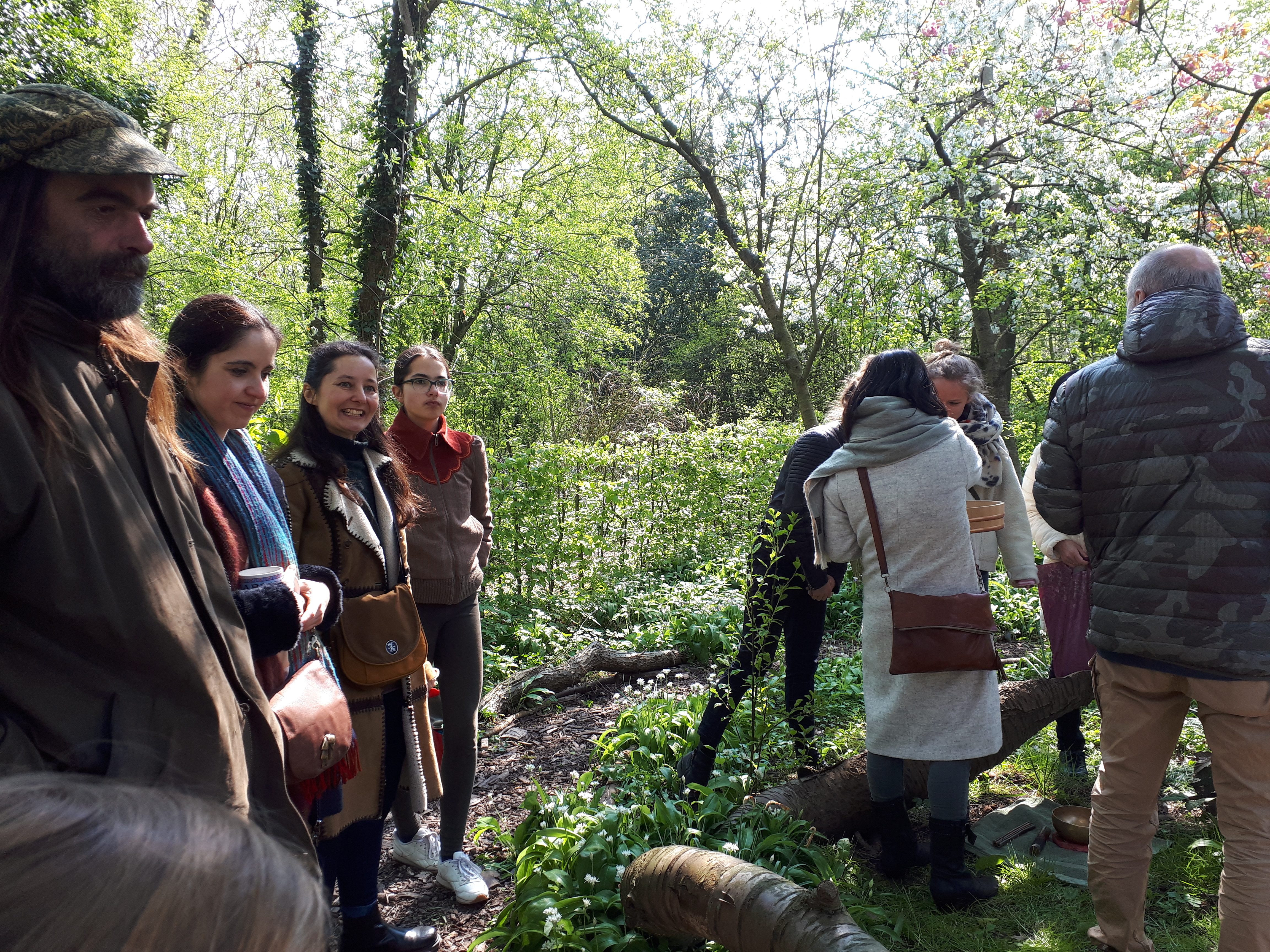
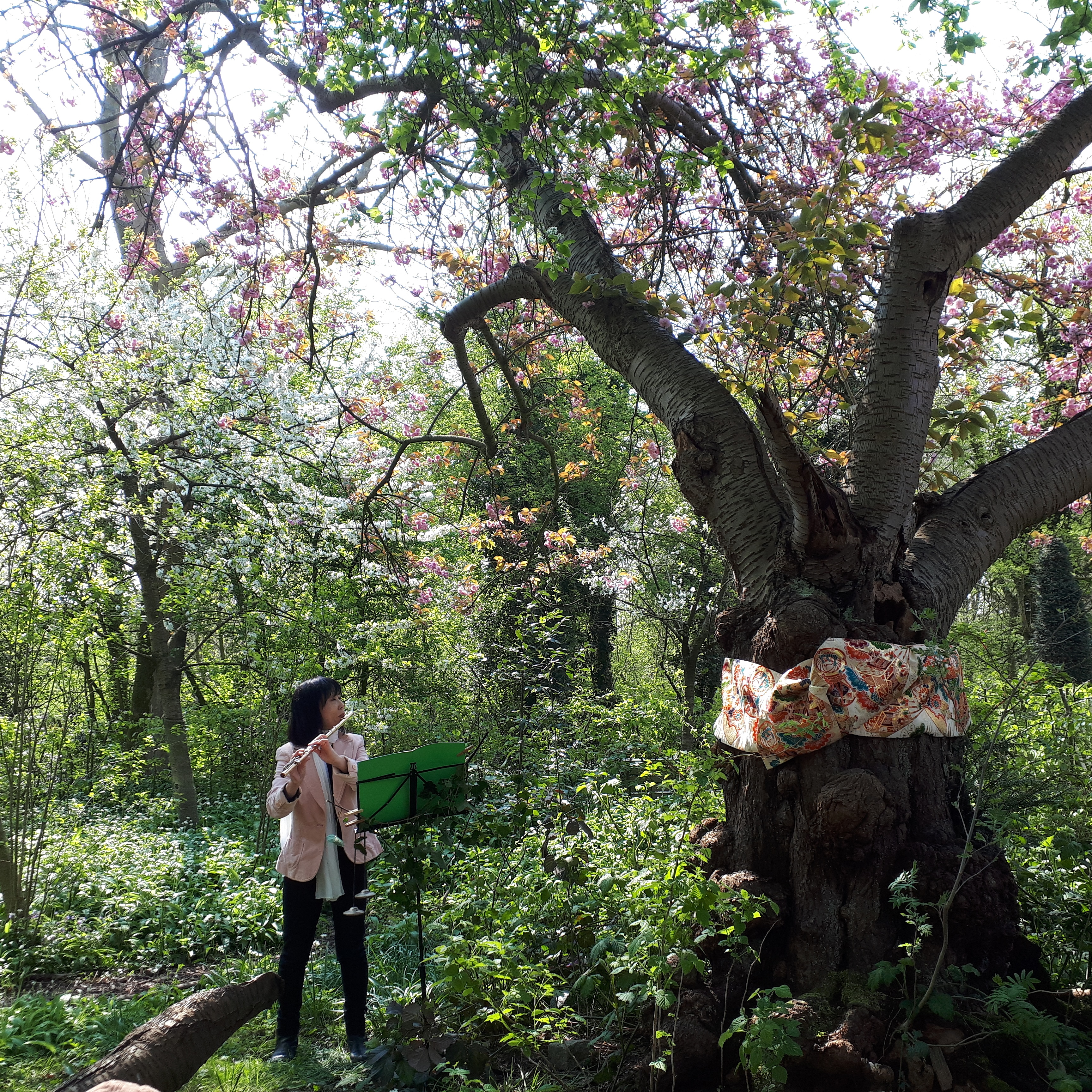
Cherry blossom gathering at the Orchards

Saurkraut time

Fermenting stinging nettle tops

Urban dandelion and burdock

A walk in the park

Grub

Allium paradoxum

Looks like a baby Giant Hogweed or a hybrid

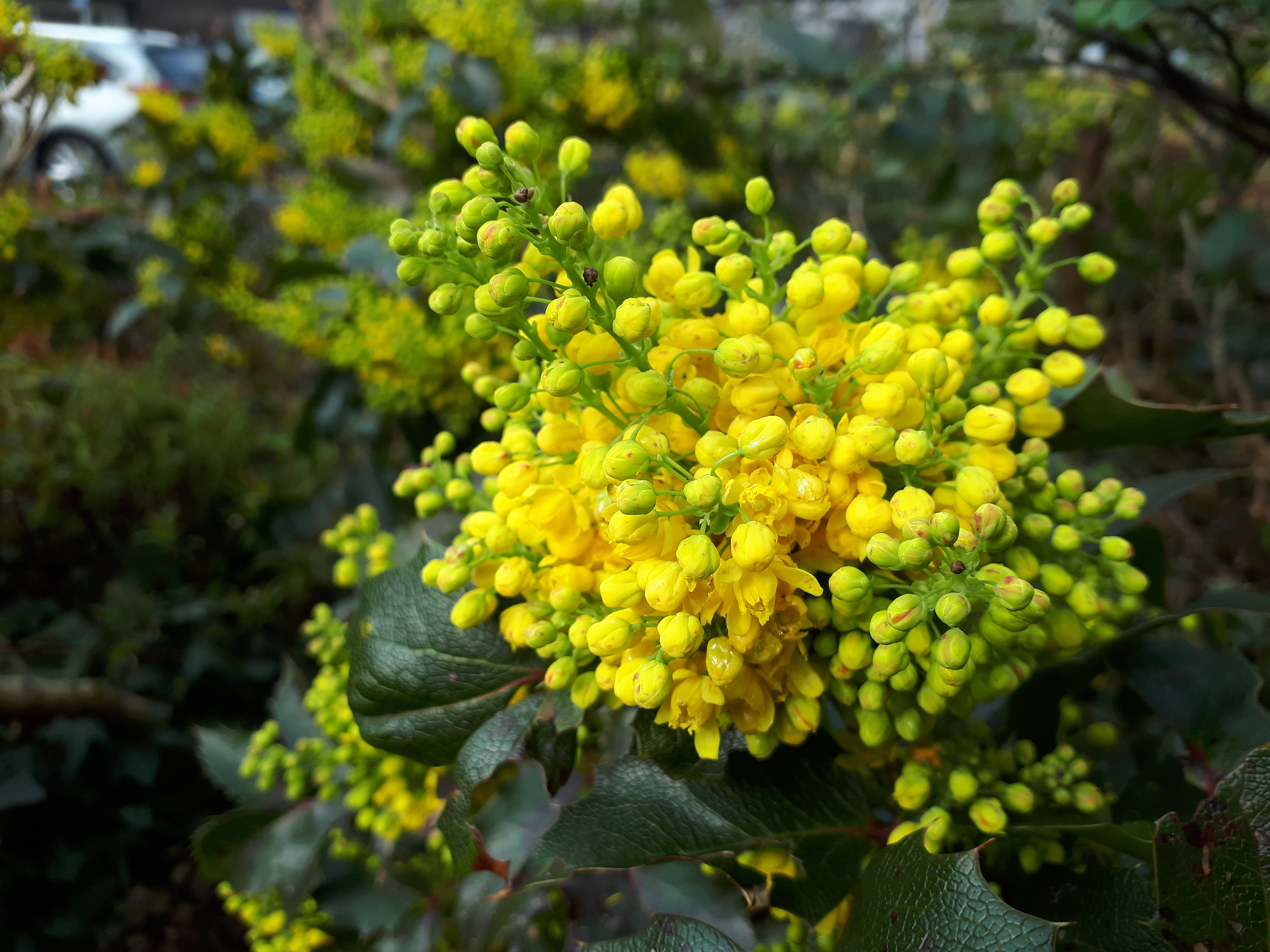
Mahonia in bloom everywhere

Nettle and friend

Yellow deadnettle all over the place

Purple deadnettles all over town

And it’s almost Elderflower time…