
Evening Primrose flowers are still around in Park Frankendael and many other city locations. On the ground behind this plant you may also notice a healthy patch of Mint and various other herbs.

Above is a delicious patch of Wild Marjoram.


Evening Primrose flowers are still around in Park Frankendael and many other city locations. On the ground behind this plant you may also notice a healthy patch of Mint and various other herbs.
Above is a delicious patch of Wild Marjoram.

Here are two herbs which were added to my lunchtime soup today:
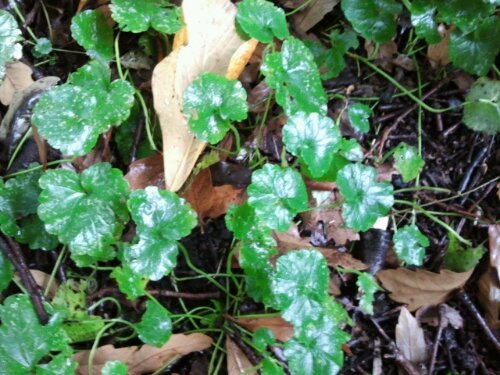
Ground ivy (Glechoma hederacea).
Potentilla sp.. Here’s a little information about the abundant and edible urban herb.
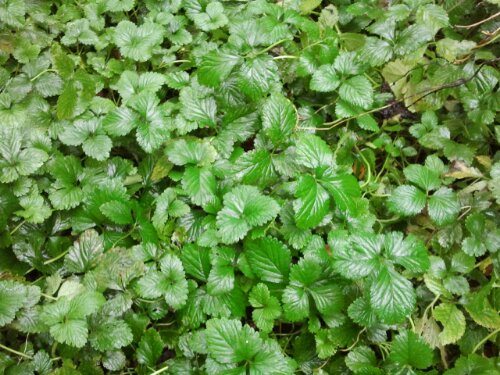
And here’s the herb that I’d had in mind, to as to the soup pot.. Wild Rocket. It has already gone completely to seed so I was to late but thankful that there should be many more of these plants in the area next year.


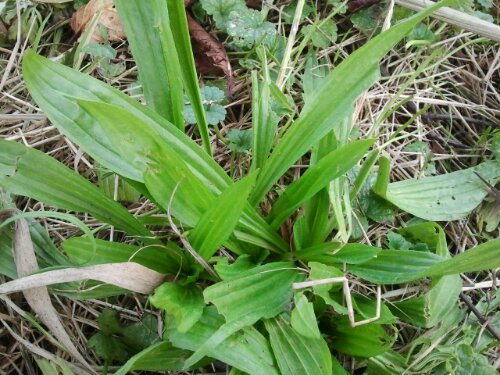
This is Ribwort (Plantago lanceolata) growing in Frankendael and all over the city. A very useful herb.

Hairy bittercress (Cardamine hirsuta) growing in a school yard paving crack.
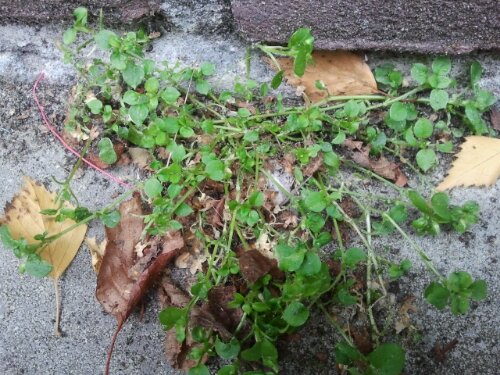
Chickweed (Stellaria media).
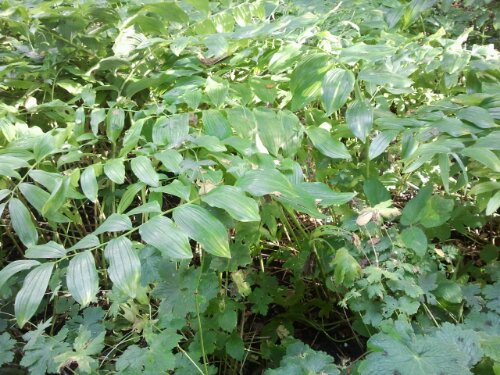
Above is Solomon’s seal. The roots of this plant are eaten by some. It is easily confused with other, poisonous plants.
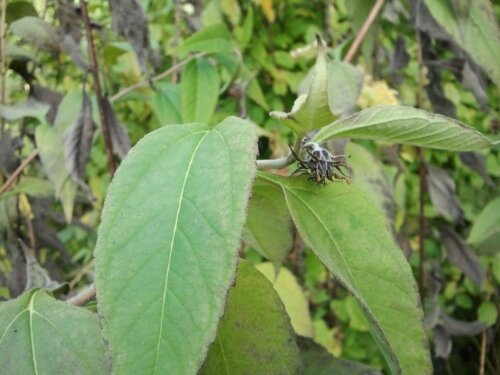
Here is one of the last remaining green Jerusalem artichokes in the park. The rest, at least in the flower meadow area have started to blacken and wither.
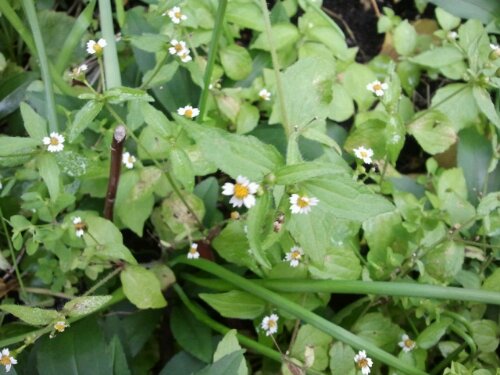
Gallant soldiers.
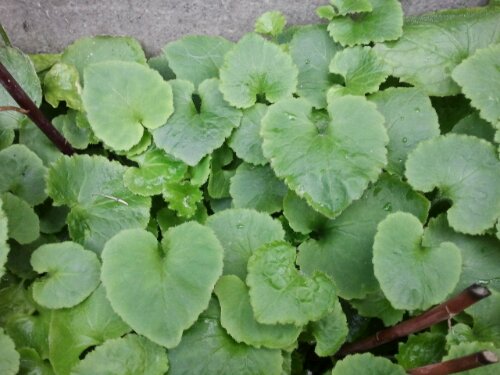
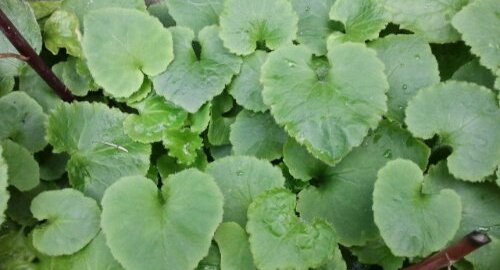
I thought this was Violet (Viola odorata) foliage but since decide that it’s more likely to be Lobelia foliage (poisonous).
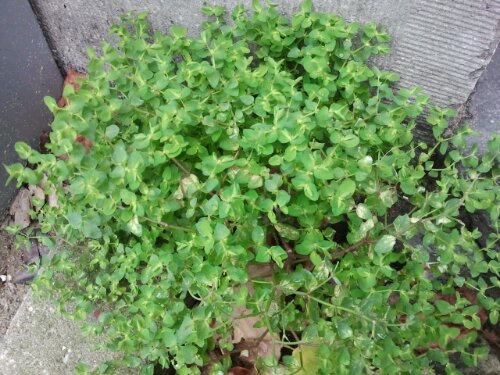
A Poisonous Euphorbia species.
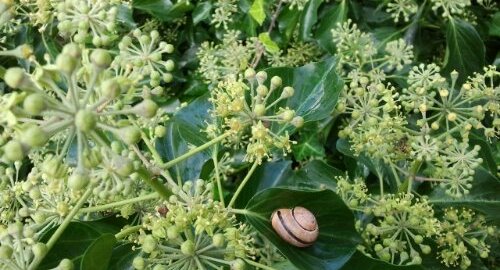
A few New Moon flowers today:
Lavender (Lavendula officialis)
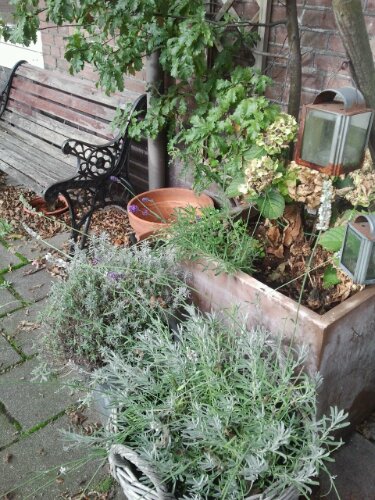
Gallant Soldiers and Black Nightshade.

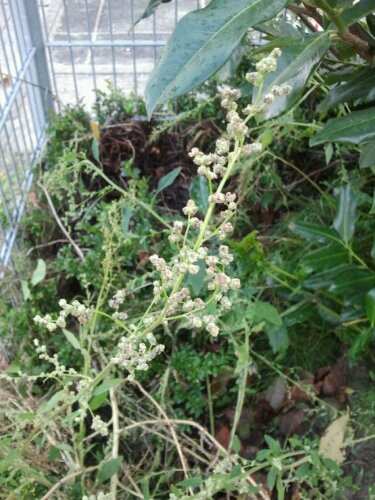
Fat Hen (Chenopodium album) – seed heads.
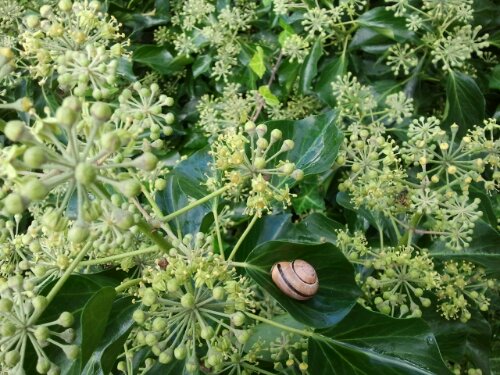
Ivy (Hedera helix)
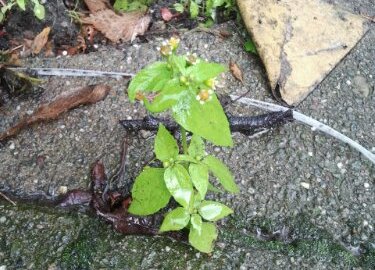
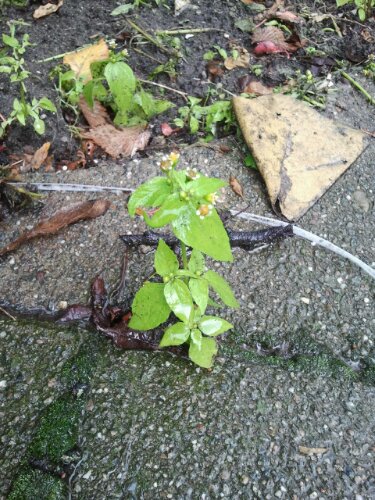
Today was the Exotic Herbs workshop, run by myself and Suzanne from City Plot. Thanks to everyone who came along! Here is a naturalised exotic herb in a pavement crack on my street. It is Gallant Soldiers (Galinsoga parviflora) which originates from Columbia. I posted some information about it on day 154.

Today a photo from my balcony. This is a lovely edible Nasturtium plant, trailing its peppery nutrient rich leaves and flowers around my neighbour’s garden. I wanted to show it because it’s just so easy to grow, sets seed and self seeds so readily and is still going strong when many plants are fading fast.

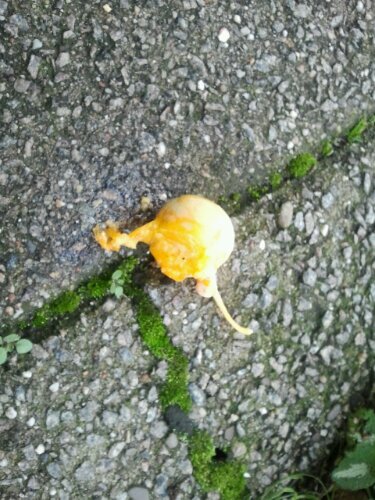
Today I noticed quite a few more Gingko biloba fruit had fallen from trees close to my workplace. There are not enough to organise a harvest yet but they are getting ripe and beginning to smell of vomit (as a colleague correctly put it today). Here is one of them. I thought I’d post a method for preparing them…
This link is to a very useful Instructables post about how to safely harvest and prepare the fruit and the nuts within. Note how seriously wearing rubber gloves is taken. The fruit contains a toxic chemical which is very likely to seriously irritate you, should you handle them with bear skin.
There are lots of female Gingko trees in Amsterdam, if you spot one near you it may be worth the effort of foraging the fruit in this way.

Today Elodie and I found mushrooms, hazelnuts, flowering Meadowsweet, Tansy and other lovely autumn treats as we walked beside a local canal. We forgot our cameras which was actually quite a pleasure!
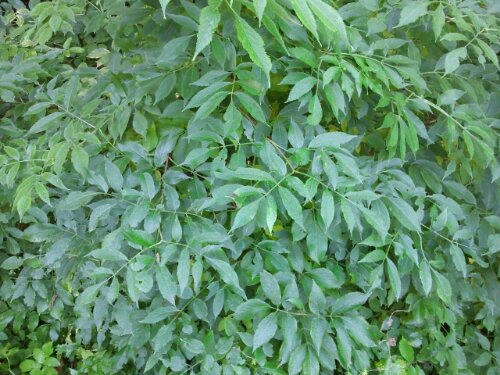
I did take this photo earlier, of a beautiful and still green Elder (Sambucus nigra) growing in park Frankendael. I’ve a mind to harvest some leaves to dry and use in ointments over the winter – if the Elder spirit has a mind to let me – but then again, there will be very few days when it’s impossible to find a few fresh green Elder leaves, even in the coldest months.
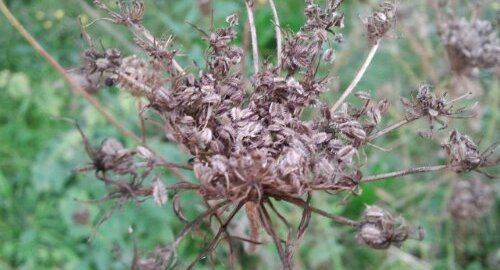
Today I noticed lots of Wild carrot seed heads (Daucus carota). Be careful to identify them directly as there are so many similar (but poisonous) plants in the family.

Also this lovely plant with white paint like markings. As other more familiar plants begin to die back it’s time to look this one up. It has yellow flowers earlier in the year. Must look up the name…
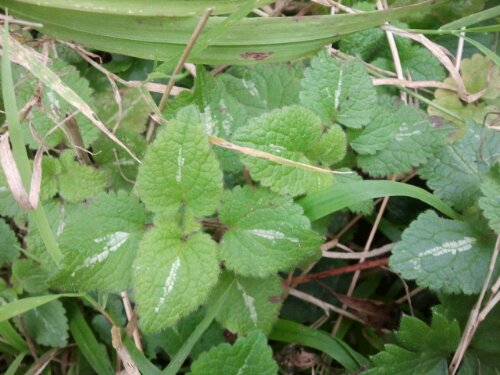
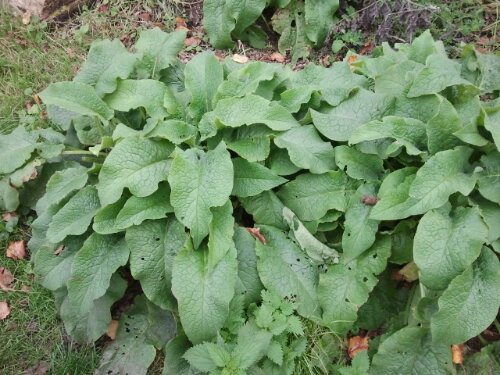
Also beautiful clumps of Russian Comfrey (Symphytum uplandicum x), still thriving, still sending energy reserves into it’s roots to help it through the winter.
 Urban Herbology