A few New Moon flowers today:
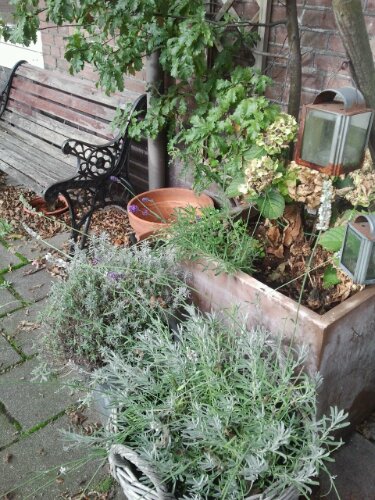
Lavender (Lavendula officialis)
Gallant Soldiers and Black Nightshade.

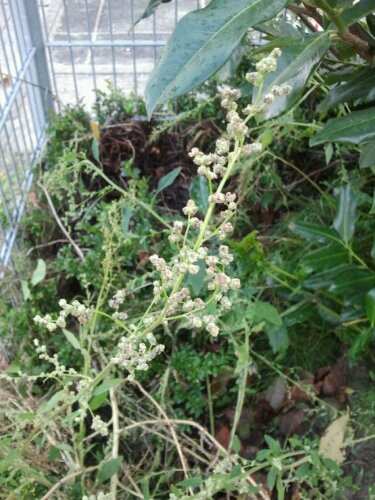
Fat Hen (Chenopodium album) – seed heads.
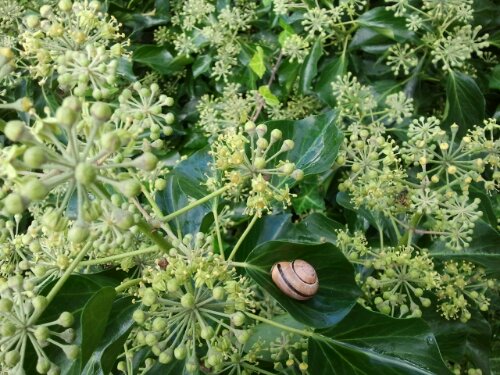
Ivy (Hedera helix)
A few New Moon flowers today:
Lavender (Lavendula officialis)
Gallant Soldiers and Black Nightshade.
Fat Hen (Chenopodium album) – seed heads.
Ivy (Hedera helix)
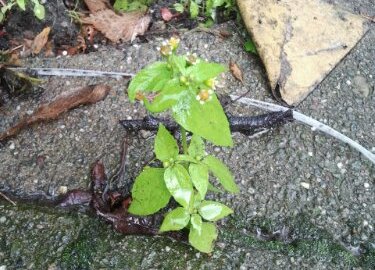
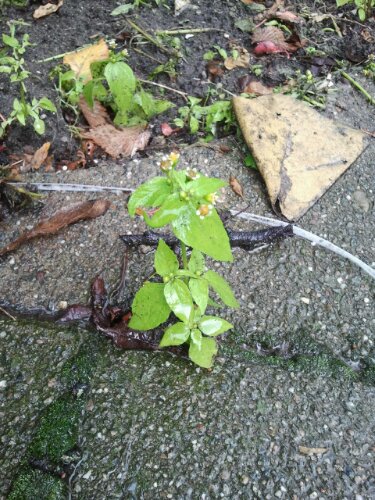
Today was the Exotic Herbs workshop, run by myself and Suzanne from City Plot. Thanks to everyone who came along! Here is a naturalised exotic herb in a pavement crack on my street. It is Gallant Soldiers (Galinsoga parviflora) which originates from Columbia. I posted some information about it on day 154.

Today a photo from my balcony. This is a lovely edible Nasturtium plant, trailing its peppery nutrient rich leaves and flowers around my neighbour’s garden. I wanted to show it because it’s just so easy to grow, sets seed and self seeds so readily and is still going strong when many plants are fading fast.

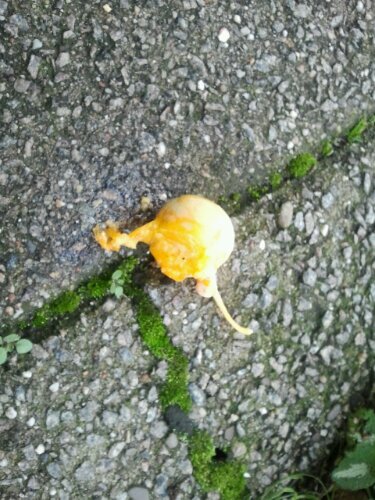
Today I noticed quite a few more Gingko biloba fruit had fallen from trees close to my workplace. There are not enough to organise a harvest yet but they are getting ripe and beginning to smell of vomit (as a colleague correctly put it today). Here is one of them. I thought I’d post a method for preparing them…
This link is to a very useful Instructables post about how to safely harvest and prepare the fruit and the nuts within. Note how seriously wearing rubber gloves is taken. The fruit contains a toxic chemical which is very likely to seriously irritate you, should you handle them with bear skin.
There are lots of female Gingko trees in Amsterdam, if you spot one near you it may be worth the effort of foraging the fruit in this way.

Today Elodie and I found mushrooms, hazelnuts, flowering Meadowsweet, Tansy and other lovely autumn treats as we walked beside a local canal. We forgot our cameras which was actually quite a pleasure!
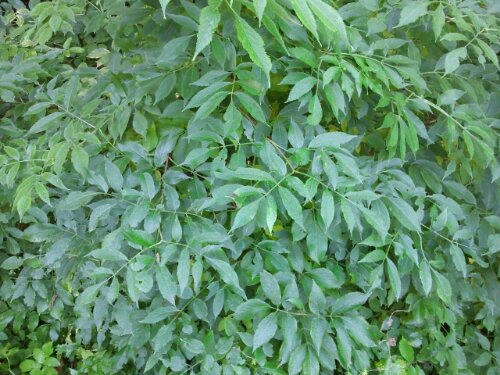
I did take this photo earlier, of a beautiful and still green Elder (Sambucus nigra) growing in park Frankendael. I’ve a mind to harvest some leaves to dry and use in ointments over the winter – if the Elder spirit has a mind to let me – but then again, there will be very few days when it’s impossible to find a few fresh green Elder leaves, even in the coldest months.
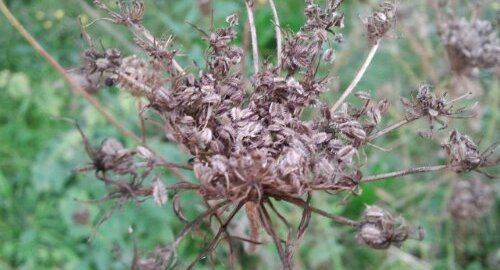
Today I noticed lots of Wild carrot seed heads (Daucus carota). Be careful to identify them directly as there are so many similar (but poisonous) plants in the family.

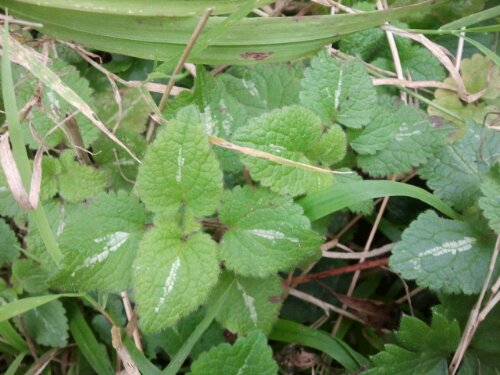
Also this lovely plant with white paint like markings. As other more familiar plants begin to die back it’s time to look this one up. It has yellow flowers earlier in the year. Must look up the name…
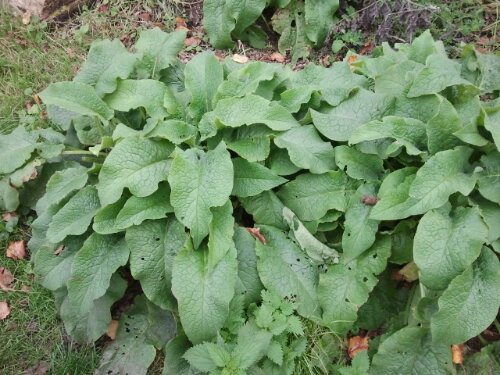
Also beautiful clumps of Russian Comfrey (Symphytum uplandicum x), still thriving, still sending energy reserves into it’s roots to help it through the winter.


Today I found some beautiful and extraordinary fruit, belonging to a female Yew shrub (Taxus baccata). I never fail to be fascinated by these poisonous wonders. The glutinous (and delicious) fruit flesh is wrapped around a deadly exposed seed. Quite amazing to see!
Yew trees are either male or female. Both are full of deadly toxins – throughout all parts of the tree. Yew has been revered by the British for millennia. Druids apparently built their temples next to them, Christians built churches next to them. It’s very unusual to enter a traditional British church yard and not walk beside an ancient (or young) Yew. I like that.
I was taught the secret of how tasty the flesh of the fruit is, some years ago by a friend who worked with trees. Since then I try to enjoy one or two of those sweet, fragrant, glutinous morsels each year. But it’s not a practice to undertake lightly or ever in the presence of children! The seed must not be broken or swallowed, it is highly poisonous!
In recent decades Taxus baccata has yielded Taxol, a cancer fighting drug, often used to treat some ovarian cancers. Here’s a link that may be interesting about the Yew tree and conservation efforts, in light of this modern use.

Today a photo of a fresh, beautiful and delicate plant which is a gift to the urinary system. This is Pennsylvania Pelitory (Paretaria pennsylvanica).
The first Urbanherbology Apprentice group meet for the first time today – what a joy to meet and share with those lovely gifted people! We made simple tinctures from this plant, in the woods of Frankendael and by coincidence saw my neighbour and her dog Tobias (my inspiration for learning about this plant) as we walked to the harvest site.

We found many other lovely, useful plants this morning. Ground ivy (Glechoma hederaceae), Marsh mallow (Althaea officinalis) and Himalayan balsam being amongst them. Here’s a link to a useful old text entry, about Ground ivy.
One topic of conversation was Wild carrot (Daucus carota), it’s traditional uses and recent related research. Here’s a link particularly for the apprentices – it will lead you to you to a little more information about the plant, including Robin Rose Bennet’s informative article and also by coincidence, a photo of the black rose hips and the unfortunately named Birthwort, both were mentioned whilst we walked. I’m really looking forward to hearing how you all get on this month!
We had a lovely walk around Huize Frankendael early this morning. The weather was perfect for such a wander and the sculptures in the garden, part of the Urban Outsiders exhibition, really added to our pleasure.
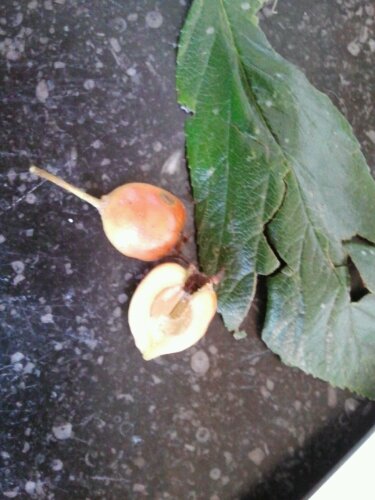
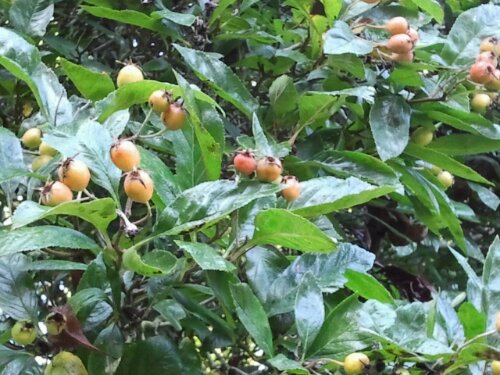
This looks rather like a mini unripe Quince. Here’s the tree it came from:
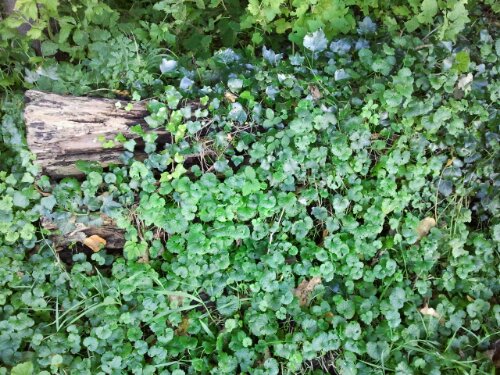
Plenty of Ground Ivy growing alongside Common Ivy.
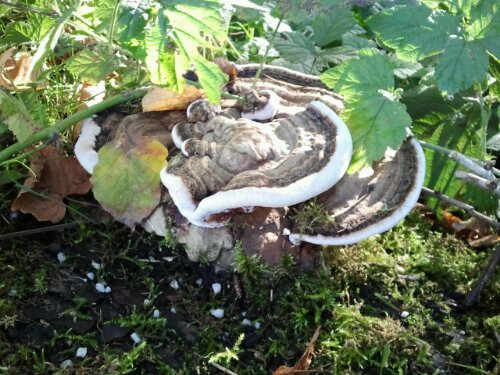
Plenty of inedible mushrooms.
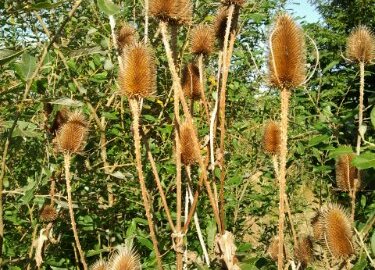
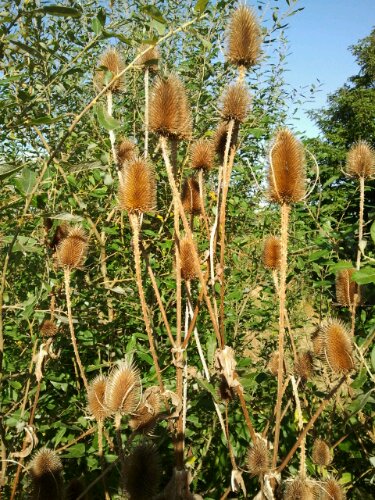
Teasel‘s with ripe seed heads.
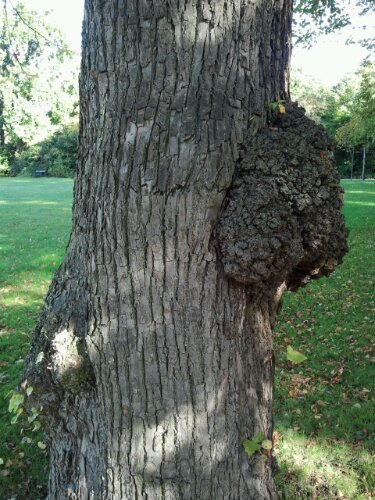
Not for eating but interesting to me, enormous burrs on the trunk on a grand Lime tree (Tilia europa).


I had an invitation to the launch evening, on Friday, of Urban Outsiders at Huize Frankendael. I managed a quick whizz around the exhibits just before the end of that event. It contains some really beautiful things, from a walk in Permaculture style caravan to illuminated flower pictures, to unusual herb photos to interesting branch sculpture. I’m far more earthy than arty but I thoroughly enjoyed it and will be back to have a slow look inside.
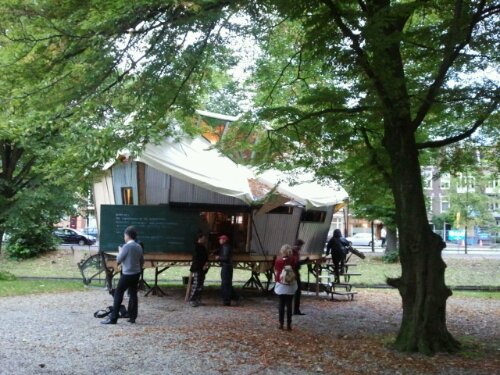
I recommend anyone interested in the melding of art and nature to visit Urban Outsiders, at Huize Frankendael by the 4th November. The agenda shows when the exhibition is teamed with other interesting events – such as a breakfast, guided tour and meal.

The three outside exhibits can be viewed for free but entry to the house (and I really enjoyed the chance to nose around in there!) is only €3.50 for adults (free for children).

I don’t know if the lady in I spoke to in Merkelbach will ever read this but here is one of those Jerusalem artichokes (NL: Aardpeer)
 Urban Herbology